Feather River Fishing Guide
The Feather River, a jewel in California's angling crown, offers such incredible diversity that it can feel a bit overwhelming trying to figure out where to start, what to target, and when to go. From its cold, clear mountain headwaters to the wide, meandering lower reaches, this river provides a home for an impressive array of fish, drawing anglers from all over. This guide aims to unravel the mysteries of the Feather River, giving you the real lowdown on the best spots, prime times, and most effective techniques to help you hook into some fantastic fish.
Understanding the Feather River's Unique Character
The Feather River isn't just one type of fishery; it's a dynamic system that transforms as it flows from the Sierra Nevada mountains down to the Sacramento Valley. This transformation means different sections offer entirely different experiences and target species, which is both a blessing and a challenge for anglers. Knowing these distinct personalities is key to a successful trip, whether you're chasing trophy salmon or wild trout.
The Upper Feather River: Wild Trout and Scenic Beauty
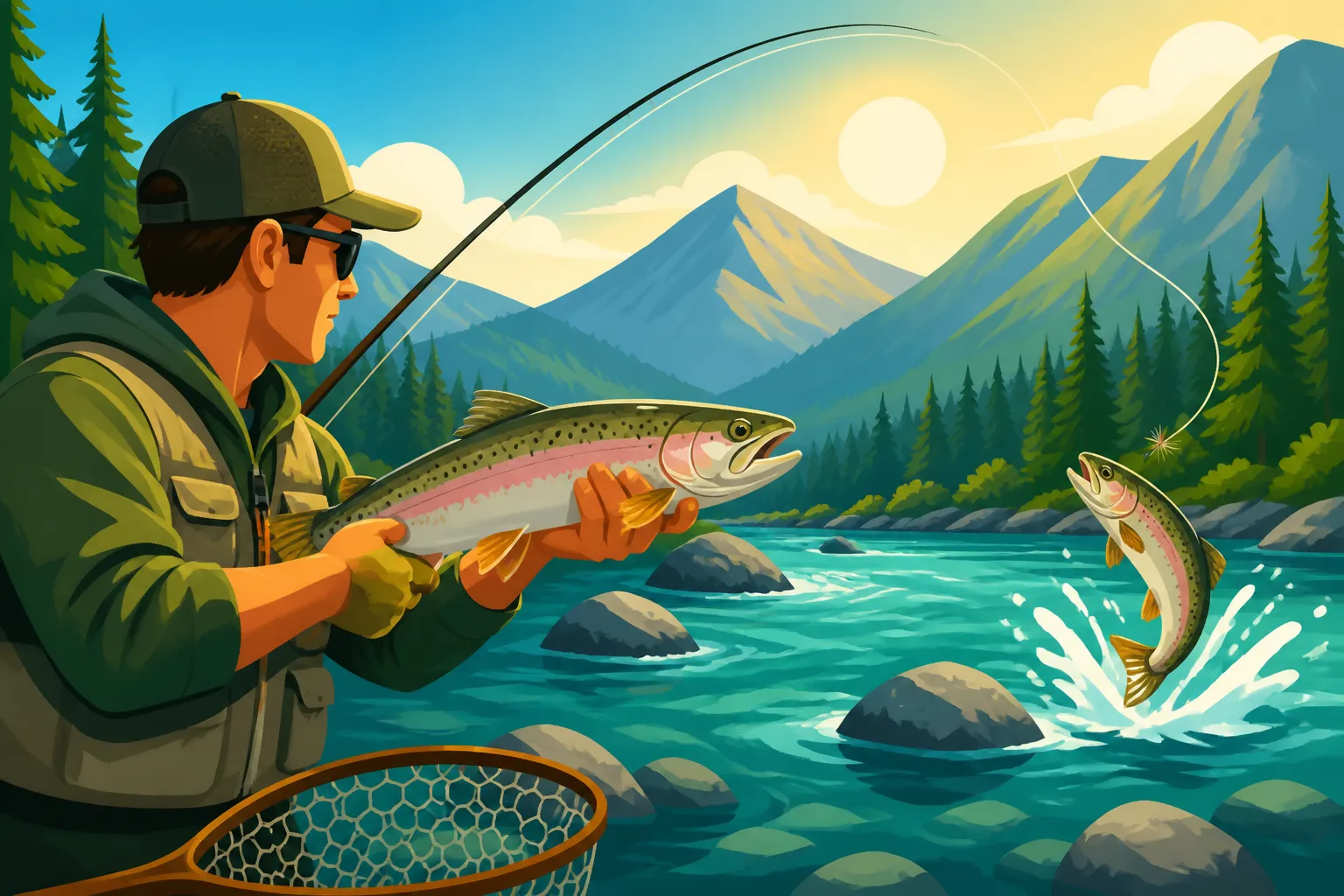
High up in the Sierra Nevada, the Feather River's tributaries and the main stem above Lake Oroville are a fly angler's dream. This is where you'll find pristine, cold water, dense forests, and a sense of solitude that's hard to come by on more accessible waters. The fish here aren't typically giants, but they're wild, feisty, and absolutely gorgeous.
Expect to find rainbow trout, brown trout, and even some native golden trout in the higher elevations. These fish thrive in the oxygen-rich, fast-flowing currents. The challenge here is often access; many prime spots require some hiking, making it a rewarding experience for those willing to put in the effort. Fly fishing with dry flies, nymphs, and small streamers is the most popular and effective method. If you're looking for a peaceful escape and a chance to test your finesse, this is your territory. Understanding the various California Trout Limits and Regulations is crucial for these upper stretches.
The Middle Feather River: Lake Oroville and Its Influence
Below the wild sections, the Feather River is impounded by Oroville Dam, creating Lake Oroville. While technically a reservoir, its influence on the river below is immense. The dam creates a unique "tailwater" fishery immediately downstream, with consistent water temperatures and flows that can be incredibly productive.
The section directly below Oroville Dam, including the Thermalito Afterbay and the Low Flow Section, is world-renowned. This is where the mighty salmon and steelhead runs often begin and end, attracting hordes of anglers during peak seasons. The consistent cold water released from the dam provides ideal conditions for these anadromous fish, as well as resident trout that grow to impressive sizes on the abundant forage. Fishing around the dam and its various sections means dealing with specific regulations and often, crowds, but the potential for a fish of a lifetime is very real.
The Lower Feather River: Anadromous Hotbed
As the Feather River leaves the Oroville area and flows west through the Sacramento Valley, it broadens and slows, becoming a classic valley river. This extensive lower section, stretching for miles through towns like Gridley, Yuba City, and Marysville, is famous for its incredible salmon, steelhead, and striped bass runs. This is often what people think of when they talk about "Feather River fishing."
Access along the Lower Feather is generally easier, with numerous boat ramps and bank fishing spots. The landscape shifts from wooded riverbanks to agricultural fields, but the fishing remains robust. Anglers here often use boats for trolling or drifting, but plenty of productive spots are accessible to bank anglers, especially during the peak of the salmon and steelhead seasons. When considering a trip, especially with a guide, you might explore options on platforms like FishingBooker to find experienced local captains.
Prime Species to Target on the Feather River
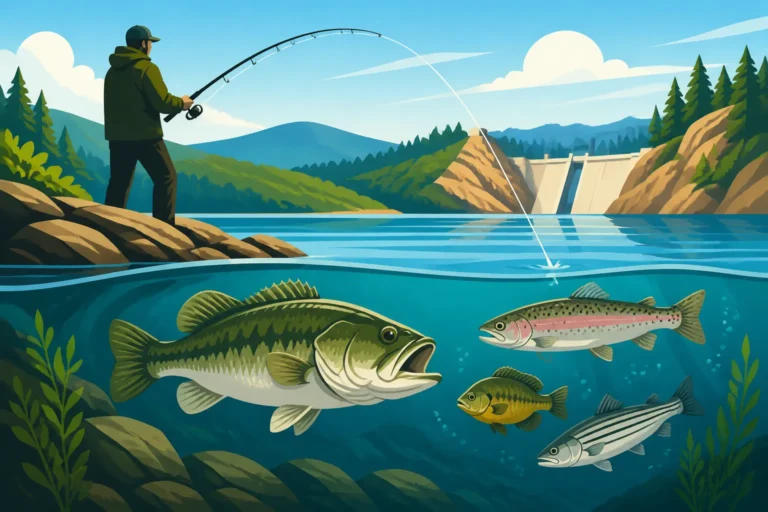
The Feather River is a biodiverse fishery, hosting everything from tiny panfish to massive sturgeon. However, a few species truly define the angling experience here, drawing passionate anglers year after year.
King Salmon: The Autumn Royalty
King Salmon, also known as Chinook Salmon, are arguably the Feather River's most iconic species. Each fall, these powerful fish make their epic journey upstream from the Pacific Ocean to spawn. The Lower Feather River, particularly the stretches below Oroville Dam, becomes a bustling hub of activity as anglers try their luck at intercepting these chrome-bright fighters.
Timing is everything for salmon fishing. While the runs typically start in late summer, the peak action often occurs from September through November. Techniques vary, but drifting roe, back-trolling plugs, and throwing spinners are popular choices. Remember, regulations for California Salmon Season Dates Explained can change annually and even mid-season due to conservation efforts, so always check the latest CDFW updates before heading out. Landing a fresh King Salmon from the Feather is a true California angling rite of passage.
Steelhead: Winter's Silver Ghosts
Following the salmon, often arriving as the salmon season wanes, are the steelhead – anadromous rainbow trout. These hard-fighting fish are notoriously challenging to catch, earning them the nickname "silver ghosts." They ascend the Feather River from the ocean to spawn, primarily in the colder months of winter and early spring.
The Low Flow Section below Oroville Dam is legendary for its steelhead fishery. Anglers often employ fly fishing techniques, such as nymphing or swinging flies, but conventional gear with roe, beads, or small lures can also be effective. Steelhead fishing requires patience, skill, and a bit of luck, but the reward of a screaming reel and a acrobatic fight is unmatched. For serious steelhead enthusiasts, a California Steelhead Report Card is required in addition to your fishing license.
Striped Bass: Spring and Fall Aggressors
Striped bass are another major draw, particularly in the lower, warmer sections of the Feather River and near its confluence with the Sacramento River. These aggressive predators migrate into the river system from the San Francisco Bay Delta to spawn.
The spring run, typically from March to May, sees large numbers of stripers pushing upstream, creating fantastic opportunities for both boat and bank anglers. A smaller, but still productive, fall run can also occur. Popular methods include casting swimbaits, jerkbaits, and topwater lures, as well as bait fishing with cut bait or live minnows. The powerful fight of a striped bass on light tackle is exhilarating, and their willingness to strike a variety of offerings makes them a favorite for many anglers. If you’re looking to find a guide to put you on some trophy stripers, especially during the spring run, browsing options on FishingBooker could connect you with local experts.
Rainbow and Brown Trout: Year-Round Residents
While the anadromous species get a lot of attention, the resident rainbow and brown trout fishery shouldn't be overlooked. These fish are present throughout the river, but truly shine in the upper, colder sections and the tailwater below Oroville Dam.
In the Upper Feather, wild trout are primarily targeted with fly fishing gear. In the Low Flow Section, both hatchery-reared and wild trout can be found, often growing quite large due to the abundant food sources. Here, fly fishing remains popular, but conventional anglers can also have success with small spinners, spoons, or even bait like powerbait or worms. These trout provide a consistent, enjoyable angling experience outside of the intense salmon and steelhead runs. Make sure you're up to speed on California Freshwater Fishing Regulations.
Key Fishing Techniques and Baits
Successful fishing on the Feather River often comes down to matching your technique to the species you're targeting and the specific conditions you encounter. Flexibility and a willingness to adapt are your best friends here.
Drifting and Back-Trolling for Salmon and Steelhead
For salmon and steelhead in the Lower Feather River, drifting roe (salmon eggs), beads, or small cluster baits under a float or weight is incredibly popular and effective. Anglers in boats often "back-troll" with weighted plugs (like Kwikfish or FlatFish) or Brad's Killin' Kwikfish, letting the current work the lure downstream while slowly motoring against it.
Bank anglers can also drift roe or worms using a slip-sinker rig. The key is to present your bait or lure naturally in the fish's path, especially in deeper holes and along current breaks. Understanding how to "read" the river for these holding spots is a skill developed over time, but generally, look for slower seams next to faster water, deeper pools, and areas with structure.
Casting and Trolling for Striped Bass
Striped bass are aggressive feeders, making them a blast to target with various casting techniques. In the spring and fall runs, swimbaits (soft plastic or hard-bodied), crankbaits, and topwater lures can be incredibly effective, especially during low light conditions or when stripers are actively busting bait on the surface.
For boat anglers, trolling large plugs, swimbaits, or even live bait (where legal) can cover a lot of water and locate schools of active fish. The key with stripers is often finding them – they can be nomadic. Pay attention to water temperature, current breaks, and areas where baitfish are concentrated.
Fly Fishing for Trout and Steelhead
Fly fishing is a revered art on the Feather River, particularly in the upper reaches for wild trout and the Low Flow Section for steelhead. For trout, match the hatch if possible, using dry flies when insects are active on the surface. Otherwise, nymphing (fishing subsurface with weighted fly patterns that imitate insect larvae) is consistently productive.
For steelhead, traditional swing techniques with spey rods or indicator nymphing with single-hand rods are common. Popular patterns include attractor nymphs like Copper Johns and Psycho Princes, egg patterns, and various stonefly imitations. Success often hinges on a delicate presentation and understanding subtle takes.
Best Times to Fish the Feather River
The Feather River is a year-round fishery, but the "best" time depends entirely on what you're hoping to catch. Different species have distinct peak seasons, so planning your trip around these windows will significantly increase your chances of success.
Fall: King Salmon Bonanza
Without a doubt, fall is King Salmon season on the Feather River. From late August through November, the river teems with these large, powerful fish making their spawning run. September and October are typically the peak months, with the Low Flow Section below Oroville Dam and downstream often being the most productive. This is an incredibly popular time, so expect company, especially on weekends.
Winter: Steelhead and Resident Trout
As the salmon run tapers off, winter brings the challenge and reward of steelhead fishing. From December through March, these elusive fish move into the river. This is also an excellent time for resident rainbow and brown trout, which become more active in the cold, clear water. The Low Flow Section remains a prime spot during these months. Winter fishing on the Feather offers a quieter, more contemplative experience, though the weather can be unpredictable.
Spring: Striped Bass and Early Trout
Spring, from March to May, is prime time for striped bass. As water temperatures rise, stripers migrate upstream for their spawning run, offering exciting opportunities, especially in the middle and lower river sections. This period also sees a strong bite for resident trout as they emerge from winter lethargy. It’s a great time for variety, with the chance to catch multiple species in a single outing.
Summer: Warmwater Species and High Mountain Trout
Summer fishing on the Lower Feather River can be slower for salmon and steelhead, though resident warmwater species like catfish, carp, and smallmouth bass become more active. However, this is the perfect time to explore the cooler, higher elevation sections of the Upper Feather River for wild trout. Escape the valley heat and enjoy some pristine mountain stream fishing.
Here's a quick overview of the prime seasons:
| Species | Peak Season | Best River Section | Common Techniques |
|---|---|---|---|
| King Salmon | Late Summer – Fall | Lower Feather, Low Flow | Drifting roe, Back-trolling plugs |
| Steelhead | Winter – Early Spring | Low Flow Section | Nymphing, Swinging flies, Drifting beads |
| Striped Bass | Spring (main) & Fall | Lower Feather | Casting swimbaits, Trolling plugs |
| Rainbow/Brown Trout | Year-Round (cooler months best) | Upper Feather, Low Flow | Fly fishing (nymphs, dries), Spinners |
Accessing the Feather River
The Feather River offers a variety of access points, from remote mountain trails to developed boat ramps, catering to different fishing styles.
Boat Launches and Marina Access
For those with boats, numerous public and private launches provide excellent access to the Lower and Middle Feather River. In Oroville, you'll find ramps at the Oroville Wildlife Area. Further downstream, boat ramps near Yuba City and Marysville offer easy access to the prime salmon and striped bass waters. For serious anglers looking to cover a lot of water, especially during peak runs, hiring a local guide through platforms like FishingBooker can be invaluable, as they’ll know the best launch points and fishing lanes.
Some popular launch points include:
- Oroville Wildlife Area: Multiple ramps provide access to the river immediately below the dam.
- Gridley Boat Ramp: Offers access to productive sections further downstream.
- Boynton's Slough (Yuba City): A well-known launch point for the lower river.
- Shanghai Bend Park (Yuba City): Another good option for the lower river.
Bank Fishing Hotspots
Don't have a boat? No problem! The Feather River offers some fantastic bank fishing opportunities, especially during the salmon and steelhead runs. The Low Flow Section below Oroville Dam has designated areas for bank access, though it can get crowded.
Further downstream, many parks and wildlife areas provide river access. The Feather River Wildlife Area, spanning various sections of the river, offers numerous spots for bank anglers. Look for public access points under bridges, at local parks, and along levee roads. Always respect private property and posted signs. Remember, for current rules and best practices, always check the California Fishing Regulations Explained for the specific area you plan to visit.
Remote and Hike-In Sections
If solitude is what you seek, focus on the Upper Feather River. Many of its forks and tributaries, such as the Middle Fork and North Fork Feather River, offer remote, hike-in access for wild trout fishing. These areas require more effort to reach but reward anglers with stunning scenery and unpressured fish. Be prepared for varying terrain and consult local maps or guidebooks for trailheads and access points. For these more remote adventures, a robust California Fishing License Guide should be consulted well in advance.
Essential Gear and Tips for Success
To make the most of your Feather River fishing adventure, having the right gear and a few insider tips can make all the difference.
Rod and Reel Setups
For salmon and large striped bass in the lower river, a medium-heavy to heavy casting or spinning rod, 8-10 feet in length, paired with a reel spooled with 20-30 lb monofilament or braided line, is ideal. This setup provides the power needed to cast heavier lures and fight strong fish in current.
For steelhead and trout, a lighter setup is preferred. A medium-light spinning rod (7-9 feet) with 6-10 lb test line is versatile. Fly anglers will typically use 7-9 weight rods for steelhead and 4-6 weight rods for resident trout, depending on the size of the water and expected fish. Don't forget to understand California Fishing Bag and Size Limits for any species you're targeting.
Baits and Lures
- Salmon: Cured salmon roe (often dyed), Brad's Killerfish, Kwikfish, spinners (Blue Fox, Roostertail), large spoons.
- Steelhead: Roe bags, beads, small worms, egg patterns, various nymph patterns (Prince Nymph, Copper John), small marabou jigs.
- Striped Bass: Swimbaits (Lucky Craft, MegaBass), topwater plugs (Spook, Pencil Popper), jerkbaits, cut bait (anchovy, sardine), live minnows.
- Trout: PowerBait, worms, small spinners (Panther Martin, Mepps), dry flies (Elk Hair Caddis, Adams), nymph patterns.
Safety and Regulations
Always prioritize safety. Wear a life vest if you're on a boat or wading in strong currents. The Feather River, especially the Low Flow Section, can have unpredictable currents and swift water, so always be aware of your surroundings.
Before you even tie a knot, make sure you have a valid How to Get a California Fishing License and any required report cards (like for steelhead or salmon). California fishing regulations are complex and change frequently. It's your responsibility to know the current bag limits, size restrictions, and specific rules for the section of the Feather River you're fishing. The CDFW website is your best friend for up-to-date information. Understanding California Marine Protected Areas Explained is also important if you plan to extend your trip to coastal waters.
Beyond the Fish: Enjoying the Feather River Experience
Fishing the Feather River isn't just about catching fish; it's about soaking in the natural beauty and embracing the adventure. The river corridor is home to abundant wildlife, from ospreys and eagles diving for fish to deer grazing on the banks.
Local Services and Amenities
The communities along the Feather River, such as Oroville, Yuba City, and Marysville, offer a range of services for anglers. You'll find bait and tackle shops like Johnson's Bait and Tackle or Oroville Outdoors where you can pick up supplies, get local tips, and hear the latest fishing reports. Many of these towns also have hotels, restaurants, and other amenities to make your trip comfortable. If you’re looking for a guided trip, especially for the elusive salmon or steelhead, checking with services found on FishingBooker can provide options for knowledgeable local guides who are intimately familiar with the river's quirks and current conditions.
Other Attractions
While you're in the area, consider exploring some of the other attractions. Lake Oroville offers boating, kayaking, and hiking. The Feather River Fish Hatchery, located just below Oroville Dam, is open to the public and offers a fascinating look at the lifecycle of salmon and steelhead, particularly during the spawning season when fish are actively returning. It’s a great educational stop, especially if you have family with you.
Exploring the Feather River is a journey through diverse ecosystems, targeting a variety of prized fish. Whether you're a seasoned pro or a beginner, a little preparation and respect for the river will lead to rewarding experiences. Remember to always check local regulations, fish responsibly, and cherish the incredible resource that is the Feather River. You might also want to consult a California Fishing Seasons: Month-by-Month Guide for the broader picture of fishing opportunities across the state.
Disclaimer
Please remember that fishing regulations, seasons, and access points can change. Always consult the latest California Department of Fish and Wildlife (CDFW) regulations and local advisories before planning your fishing trip to the Feather River. This guide is for informational purposes only and does not supersede official regulations.