Lake Oroville: Fish Species and Best Spots
It can be incredibly frustrating to roll up to a massive body of water like Lake Oroville, eager to cast a line, only to feel overwhelmed by its sheer size and wonder where on earth the fish are biting and what species you should even be targeting. This guide is here to cut through that confusion, giving you the lowdown on the fantastic fish species that call Lake Oroville home and the very best spots to find them, ensuring your next trip is productive and enjoyable.
Understanding Lake Oroville's Unique Angling Appeal
Lake Oroville, a sprawling reservoir nestled in the Sierra Nevada foothills, isn't just a pretty face; it's a dynamic and highly productive fishery. Its complex structure, influenced by the Feather River and numerous creeks, creates an incredibly diverse aquatic environment that appeals to a wide range of fish species and, consequently, anglers. It’s not your average pond; this is a serious piece of water with serious fishing opportunities, but knowing its nuances is key.
The Lake's Layout and Water Conditions
This isn't just one big bowl of water. Lake Oroville is characterized by its deep, clear main body and several distinct arms: the North Fork, West Branch, and Middle Fork of the Feather River, along with the secluded Bidwell Canyon and Loafer Creek arms. Each of these branches offers different depths, submerged structures, and cover, which means fish often concentrate in specific areas depending on the time of year and water temperature. The water levels can fluctuate significantly throughout the year, especially with California's unpredictable rainfall and snowmelt patterns. These fluctuations are critical because they dictate fish behavior, moving them in and out of shallower coves and over newly submerged or exposed structure. Understanding these changes, even just by checking a recent fishing report before you go, can make or break your day.
The deep channels, submerged timber from the original Feather River bottom, and steep rocky ledges create perfect ambush points for predatory fish like bass and salmon. Meanwhile, the shallower coves and feeder creek areas offer warmer waters for spawning and abundant forage for panfish and smaller bass. It’s a microcosm of various habitats, meaning a little bit of scouting or local knowledge goes a long way.
Prime Fishing Seasons and Their Impact
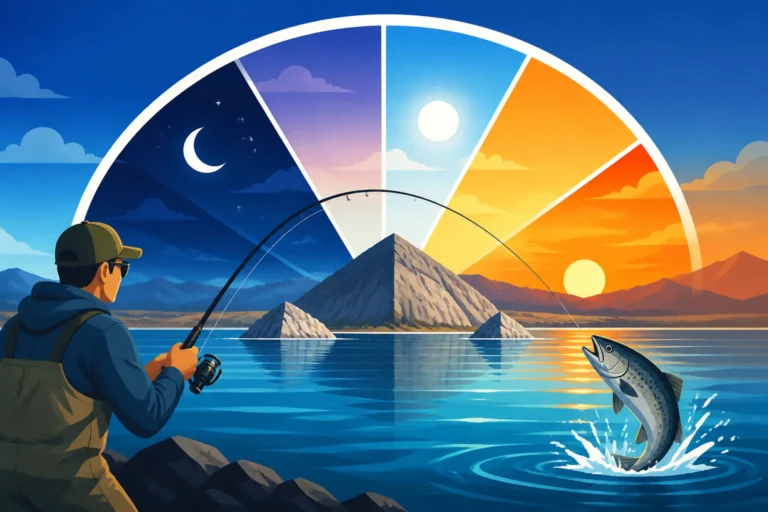
Fishing at Lake Oroville is truly a year-round affair, but the species you're likely to target and the tactics you employ will shift dramatically with the seasons. Just like us, fish respond to the weather and water conditions!
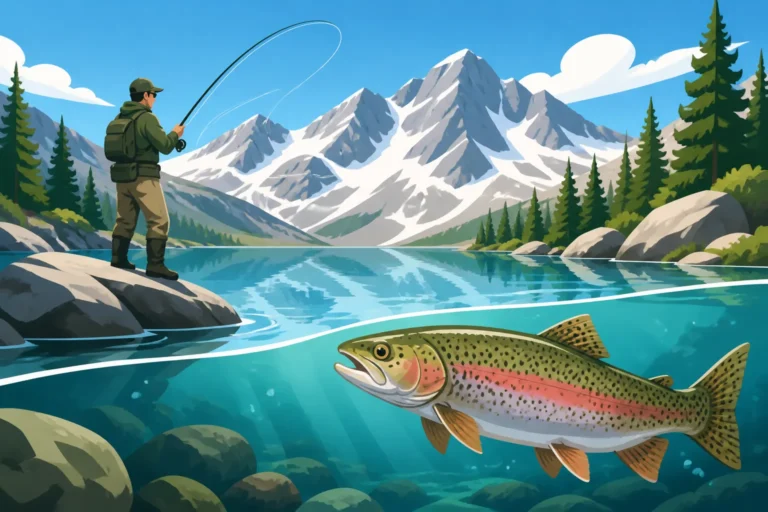
- Spring (March-May): This is arguably one of the best times to fish Lake Oroville. The water starts to warm up, triggering the bass spawn. Largemouth, smallmouth, and spotted bass move into shallower coves and flats, making them more accessible and aggressive. It's an exciting time to be on the water, with fish actively feeding. Coho salmon and rainbow trout also become more active near the surface as baitfish like shad move into warmer areas.
- Summer (June-August): As temperatures rise, bass tend to move deeper, seeking cooler water and submerged structure. Early mornings and late evenings can still offer good topwater action, but during the heat of the day, you’ll need to target them with deeper presentations. The Coho salmon fishing can also be excellent in the summer, especially with downriggers in the deeper parts of the lake.
- Fall (September-November): Many consider fall another peak season, especially for bass. As water temperatures cool down, bass often come back to shallower depths and can be found gorging themselves on baitfish, preparing for winter. The bite can be aggressive and consistent. This is also a fantastic time for trout and salmon as they become more active throughout the water column.
- Winter (December-February): Don't count winter out! While fishing can be slower, it offers opportunities for larger, less pressured fish. Bass will be deep, often schooled up, and a careful approach with slow presentations can yield impressive results. California Fishing in Winter can be surprisingly productive if you know where to look.
Staying informed about these seasonal shifts is crucial for success. You wouldn't use a swimsuit in January, and you shouldn't use summer tactics in winter!
Target Fish Species in Lake Oroville
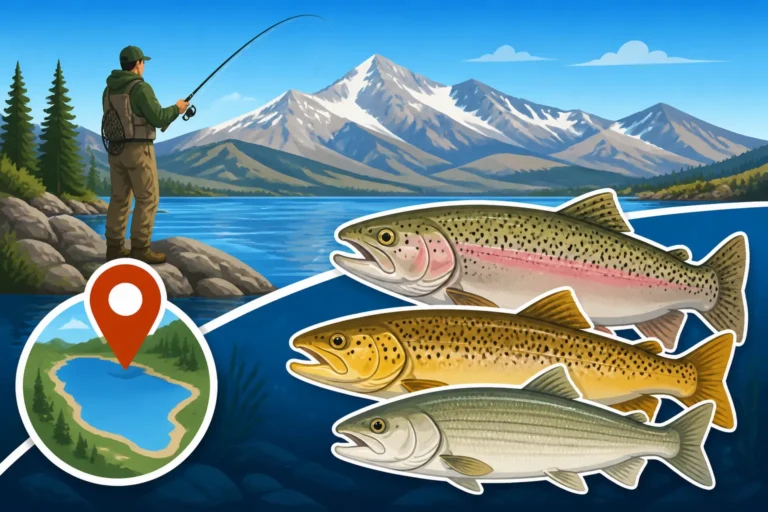
Lake Oroville is renowned for its diverse fishery, offering something for every angler. Whether you're a hardcore bass enthusiast or prefer the thrill of salmon, this lake delivers. Knowing what's in the water helps you choose your gear and tactics, which is half the battle.
Black Bass (Largemouth, Smallmouth, Spotted)
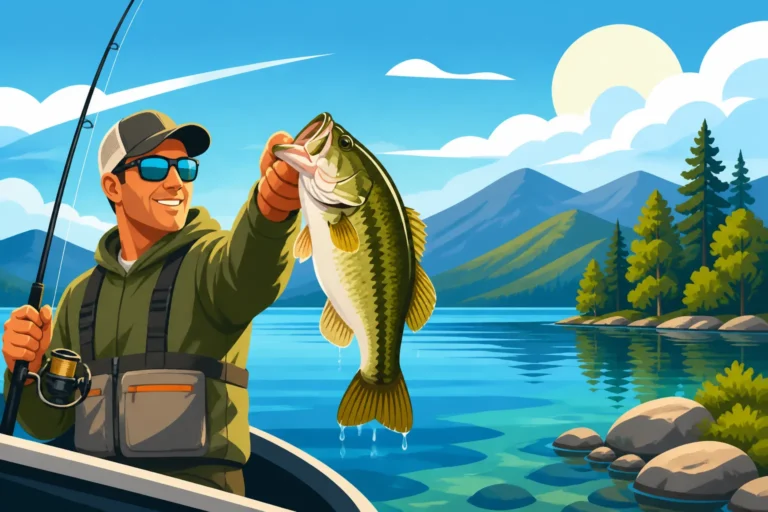
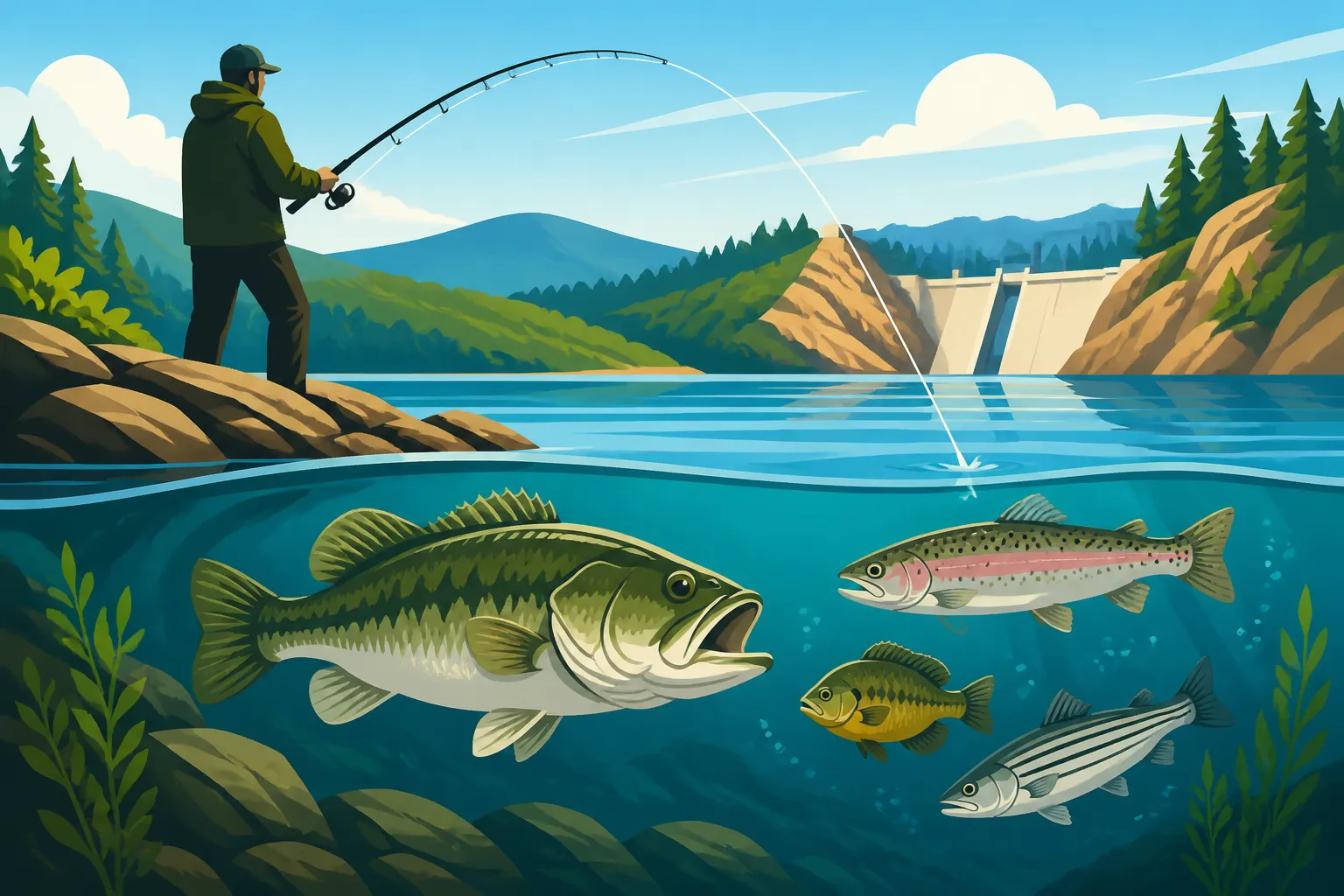
Lake Oroville is a bass angler's paradise, boasting healthy populations of all three major black bass species.
- Largemouth Bass: These are the classic bucketmouths, often found in areas with plenty of cover like submerged timber, weed lines, and rocky points, especially in the shallower coves of Bidwell Canyon and the main body. They love to ambush prey. During the spawn, they’ll be visible in clear shallow areas, but otherwise, they relate to structure. If you're looking for How to Fish for Largemouth Bass in California, Oroville is a prime spot. Techniques like pitching jigs, Texas-rigged worms, and throwing spinnerbaits or crankbaits near cover are highly effective.
- Smallmouth Bass: Known for their incredible fighting power, smallmouth bass prefer rocky areas, steep banks, and open water main lake points. The West Branch and North Fork arms, with their rockier structure, are prime smallmouth territory. They can be found deeper than largemouth, especially during warmer months. Drop-shotting, finesse jigs, and small swimbaits are excellent choices for tempting these feisty fighters.
- Spotted Bass: The most prevalent bass species in Lake Oroville, spotted bass are aggressive and can be found almost everywhere, from shallow coves to deep open water. They often school up, so when you find one, you're likely to find more! They respond well to a variety of techniques, including topwater lures, crankbaits, swimbaits, and soft plastics. They tend to be less particular than largemouth or smallmouth, making them a great target for consistent action. For general California Bass Fishing Techniques, many of these translate perfectly to Oroville's spots.
Coho Salmon and Landlocked Chinook
Yes, salmon in a lake! Lake Oroville is one of the few places in California where you can target both Coho and landlocked Chinook salmon. These fish were originally stocked to provide a sport fishery and help control shad populations.
- Coho Salmon: These silver bullets are known for their incredible speed and acrobatic jumps when hooked. They are typically found in the deeper, cooler parts of the lake, often schooling around baitfish. Trolling with spoons, Apex lures, or anchovies behind dodgers or flashers is the most popular and effective method. Pay attention to your fish finder to locate schools of bait and the salmon feeding on them. How to Fish for King Salmon in California (which includes landlocked Chinook) will give you great insights.
- Landlocked Chinook Salmon: While less common than Coho, Chinook also cruise the deeper waters of Oroville. They tend to grow larger and put up an even more powerful fight. Similar trolling techniques work well for Chinook, often using larger baits or lures. The best time to target these species is often during the cooler months or deeper during summer. Checking current California Salmon Season Dates Explained is crucial, as seasons can vary.
Other Notable Species
Beyond the headliners, Lake Oroville offers a variety of other species that can provide plenty of action, especially for family outings or when the bass and salmon are being finicky.
- Catfish: Channel catfish and sometimes even bullheads thrive in Oroville. They are often found in the muddier, shallower areas, particularly near the mouths of creeks and in warmer coves. They are notoriously good fighters and excellent table fare. Fishing with cut bait, chicken livers, or stink baits on the bottom is usually the most productive method, especially in the evenings or overnight.
- Crappie and Sunfish: These panfish are abundant and provide fantastic light-tackle fun. Crappie often school around submerged brush, timber, or bridge pilings. They love small jigs, minnows, or even tiny spinnerbaits. Bluegill and other sunfish are ubiquitous, found in almost any shallow, vegetated area or around docks. Worms, crickets, or small artificials under a bobber are surefire ways to catch them.
Top Fishing Spots and Access Points on Lake Oroville
With over 167 miles of shoreline at full capacity, Lake Oroville can feel daunting. But knowing a few key areas can really narrow down your search and boost your chances of success. Many anglers find using a service like FishingBooker to connect with local guides can dramatically improve their first experience on such a large, complex lake, as they know these spots inside and out.
Key Inlets and Coves
These areas often concentrate fish due to forage, cover, or ideal spawning conditions.
- Bidwell Canyon: This is one of the most popular and accessible areas of the lake, especially for bass. It features a marina, boat ramp, and a mix of rocky points, coves, and submerged timber. The deeper sections here hold bass, crappie, and even salmon. The shallower back coves are perfect for spring bass fishing. It's a great starting point for many anglers, offering diverse habitat within a relatively compact area.
- Loafer Creek: Another excellent arm, Loafer Creek is known for its steep rocky banks and deep-water access. It's a prime area for smallmouth bass and can also be productive for spotted bass that are relating to deeper structure. The points and ledges here are worth thoroughly exploring with finesse baits or deep-diving crankbaits.
- North Fork and West Branch Arms: These long, winding arms mimic river channels and offer extensive stretches of bank and structure. The North Fork, in particular, has many small coves and points, making it a hotspot for all three bass species. The West Branch tends to be rockier and deeper in sections, ideal for smallmouth bass and good for trolling for salmon in its deeper main channel. The constant flow from tributaries here can also create current breaks that attract baitfish and predators.
- Stringtown: Located closer to the dam, Stringtown is known for its deep water access and is a good area to target salmon and trout. The sheer cliffs and steep drop-offs provide classic deep-water habitat. Trolling here, especially with downriggers, can be very effective for suspended fish.
Best Bank Fishing and Boat Access Areas
Not everyone has a fancy bass boat or a decked-out salmon rig. Luckily, Lake Oroville offers plenty of options for shore anglers too. And for those with boats, multiple launch ramps ensure easy access.
- Bidwell Canyon Recreation Area: Beyond its great fishing, Bidwell Canyon offers excellent bank access, especially around the marina and picnic areas. You can often find decent spots to cast for bass and panfish right from shore. It’s also home to a major boat launch ramp, making it easy to get your vessel in the water.
- Loafer Creek Recreation Area: Similar to Bidwell, Loafer Creek has a good boat ramp and some accessible shoreline. The rocky banks here can be navigated for shore fishing, particularly for smallmouth bass and sunfish. Always be mindful of changing water levels that can expose or submerge access points.
- Lime Saddle Recreation Area: Situated on the West Branch, Lime Saddle provides another significant boat launch and some bank fishing opportunities. Its location on one of the lake's major arms makes it a good jumping-off point for exploring the upper reaches for bass or heading towards the main body for salmon.
- Nelson Bar: This area, located on the North Fork, can be accessed by boat or sometimes by foot, depending on water levels. It's known for its good bass fishing and offers a more secluded experience for those willing to explore a bit.
Here’s a quick overview of some prime spots and what you can expect:
| Fishing Spot | Primary Target Species | Key Features & Habitat | Best Access Point |
|---|---|---|---|
| Bidwell Canyon | Largemouth Bass, Spotted Bass, Crappie, Coho Salmon | Marina, coves, submerged timber, rocky points, varying depths. High traffic. | Bidwell Canyon Boat Ramp (day use & camping) |
| Loafer Creek | Smallmouth Bass, Spotted Bass, Panfish, Catfish | Steep rocky banks, deep water access, some coves. Good structure. | Loafer Creek Boat Ramp (day use & camping) |
| North Fork Arm | Largemouth Bass, Spotted Bass, Smallmouth Bass | Winding river channel, numerous coves, feeder creeks, current breaks, submerged structure. | Bidwell Canyon, Spillway/Oroville Dam (limited access) |
| West Branch Arm | Smallmouth Bass, Spotted Bass, Coho Salmon | Rockier terrain, deeper channels, open water points. Good for trolling. | Lime Saddle Boat Ramp |
| Stringtown Area | Coho Salmon, Chinook Salmon, Trout, Deep Bass | Deep water, sheer cliffs, drop-offs. Closer to the dam. | Closest to Bidwell Canyon by boat |
| Lime Saddle Area | Bass, Catfish, Panfish | Coves, points, submerged brush. Good for general fishing. | Lime Saddle Boat Ramp (day use & camping) |
| Oroville Dam Spillway Area | Bass, Panfish (often restricted close to dam) | Deep water, strong currents, limited bank access. Always check regulations. | Various viewpoints, limited fishing access |
Remember to always check current local conditions and any specific alerts before heading out, as water levels can dramatically change access and fish behavior. For up-to-date information, local bait shops are usually your best resource, or check the California Department of Fish and Wildlife (CDFW) website.
Essential Tips for a Successful Lake Oroville Fishing Trip
A little preparation goes a long way, especially when tackling a lake as vast and dynamic as Lake Oroville. Beyond knowing where to go and what to catch, understanding the practicalities will make your trip far more enjoyable and successful.
Recommended Gear and Baits
Bringing the right tools for the job is paramount. You wouldn't use a screwdriver to hammer a nail, right?
- For Bass: A medium-heavy to heavy casting rod (6'6" to 7'6") paired with a baitcaster reel spooled with 12-20lb fluorocarbon or monofilament is standard. For finesse techniques, a medium-light spinning rod (6'6" to 7'0") with 6-10lb fluorocarbon is ideal.
- Lures: Best Baits and Lures for Largemouth Bass in California apply beautifully here. Think soft plastics (worms, creature baits, Senkos), jigs (football, skipping), crankbaits (deep-diving and shallow), spinnerbaits, and topwater lures (frogs, poppers) for active fish. For spotted and smallmouth bass, consider smaller profile baits, drop-shot rigs, and finesse jigs.
- For Salmon/Trout: A medium-action trolling rod (8-10 ft) with a levelwind reel spooled with 15-25lb monofilament is common. Downriggers are often necessary to get lures to the correct depths where salmon are feeding.
- Lures/Baits: Spoons (like Needlefish or Humdinger), Apex lures, and anchovies or shad trolled behind dodgers or flashers are highly effective. You'll want to experiment with colors and depths until you find what the fish are keying in on.
- For Catfish/Panfish: A medium-light to medium spinning rod with 8-12lb line for catfish, or a light-action rod with 4-6lb line for panfish, will do the trick. Simple hook, sinker, and bobber rigs are often all you need.
- Baits: Cut bait (sardines, anchovies), chicken livers, and various stink baits work for catfish. Worms, crickets, and small artificial jigs are perfect for panfish.
Don’t forget essentials like a good pair of pliers, a fishing net (especially for bigger bass or salmon), sunscreen, plenty of water, and a cooler for your catch. Local tackle shops like Oroville Bait & Tackle or J&J Tackle are fantastic resources for current hot baits and local tips. They’ll often know what colors and sizes are working best on any given day.
Navigating Regulations and Safety
Even the most experienced anglers can get caught out if they don't stay updated on the rules. California has specific regulations designed to protect its fisheries and ensure sustainable fishing for everyone.
- Licenses: First and foremost, anyone 16 years or older needs a valid California fishing license. You can purchase these online through the CDFW website, at authorized license agents, or even at some sporting goods stores like Big 5 Sporting Goods. If you're visiting, make sure to check California Fishing License Requirements for Visitors. A one-day or two-day license might be perfect for your trip.
- Report Cards: If you plan on targeting specific species like sturgeon or salmon, you'll also need a separate report card in addition to your fishing license. These help the CDFW gather crucial data for managing these populations.
- Bag and Size Limits: Every species has specific daily bag and size limits. For instance, bass often have a minimum size and a limit on the number you can keep. Always consult the current California Freshwater Fishing Regulations booklet before you head out. These regulations are subject to change, so an annual check is good practice.
- Safety First: Lake Oroville is a large body of water, and conditions can change rapidly. Always wear a life jacket, especially if you're in a boat or near strong currents. Be aware of boat traffic, especially in popular areas. If fishing from shore, watch your footing, as rocky banks can be slippery. And always let someone know where you're going and when you expect to return. Being prepared and respectful of the rules and the environment ensures everyone has a great day on the water. For those interested in hiring a professional, using platforms like FishingBooker can ensure you're booking with a licensed and experienced guide who will keep you safe and informed of all regulations.
Remember, fishing is about enjoying nature and the thrill of the catch responsibly. Tight lines!
Disclaimer
The information provided in this guide is for general informational purposes only and is subject to change. Fishing regulations, seasons, and conditions can vary. Always consult the latest official California Department of Fish and Wildlife (CDFW) regulations and local advisories before engaging in any fishing activities. Adherence to all applicable laws and safety guidelines is the sole responsibility of the angler.