Best Spots to Fish in Bodega Bay
There's nothing quite like the dream of a perfect day out on the water, rod in hand, waiting for that tell-tale tug. But let's be honest, showing up to a new fishing destination like Bodega Bay can feel a bit daunting. You gaze at the vast expanse of ocean and bay, wondering where the fish are hiding and what secret spots the locals swear by. If you've ever felt that frustration, you're not alone. This guide is here to cut through the guesswork, offering you a detailed look at the best fishing spots in Bodega Bay, whether you prefer casting from shore, dropping a line from a pier, or heading out on a boat.
Understanding Bodega Bay's Unique Fishing Environment
Bodega Bay isn't just one type of fishery; it's a dynamic blend of sheltered bay waters, rocky coastlines, and open ocean. This incredible diversity is precisely what makes it such a fantastic destination for anglers, but it also means understanding the nuances of its geography is key to a successful trip. The bay itself provides calmer, shallower grounds, while the jetties and offshore areas expose you to the full force of the Pacific, each holding different species and requiring different approaches.
The Bay's Geography and How It Affects Fishing
Imagine Bodega Bay as a horseshoe, with Bodega Head forming one arm protecting the inner bay from the direct brunt of the Pacific Ocean. This natural protection creates a relatively calm environment within the bay, characterized by sandy flats, eelgrass beds, and a deep channel that runs towards the ocean entrance. These calmer waters are ideal for species that prefer less turbulent conditions, like California halibut, various surfperch, and sometimes even Dungeness crab if you're dropping pots. The sandy bottom of the inner bay is prime habitat for flatfish like halibut, which ambush their prey from below.
As you move closer to the mouth of the bay, where it meets the open ocean, the currents become stronger, and the bottom structure often shifts to a mix of sand and rock. This transition zone is where you might find more migratory species passing through, or where structure-loving fish begin to appear. The constant influx and outflow of tidal waters also mean that baitfish are constantly moving, creating feeding opportunities for predators. Understanding these tidal flows is paramount, as they directly influence fish activity and where you should focus your efforts. For example, a strong incoming tide can bring cooler, nutrient-rich ocean water into the bay, often pushing baitfish in and exciting game fish.
Key Fish Species to Target in Bodega Bay
The sheer variety of fish in Bodega Bay is what draws so many anglers year-round. Depending on the season and your chosen location, you could be targeting anything from a feisty rockfish to a delicious Dungeness crab. This diversity ensures that there's usually something biting, even if your primary target isn't cooperating.
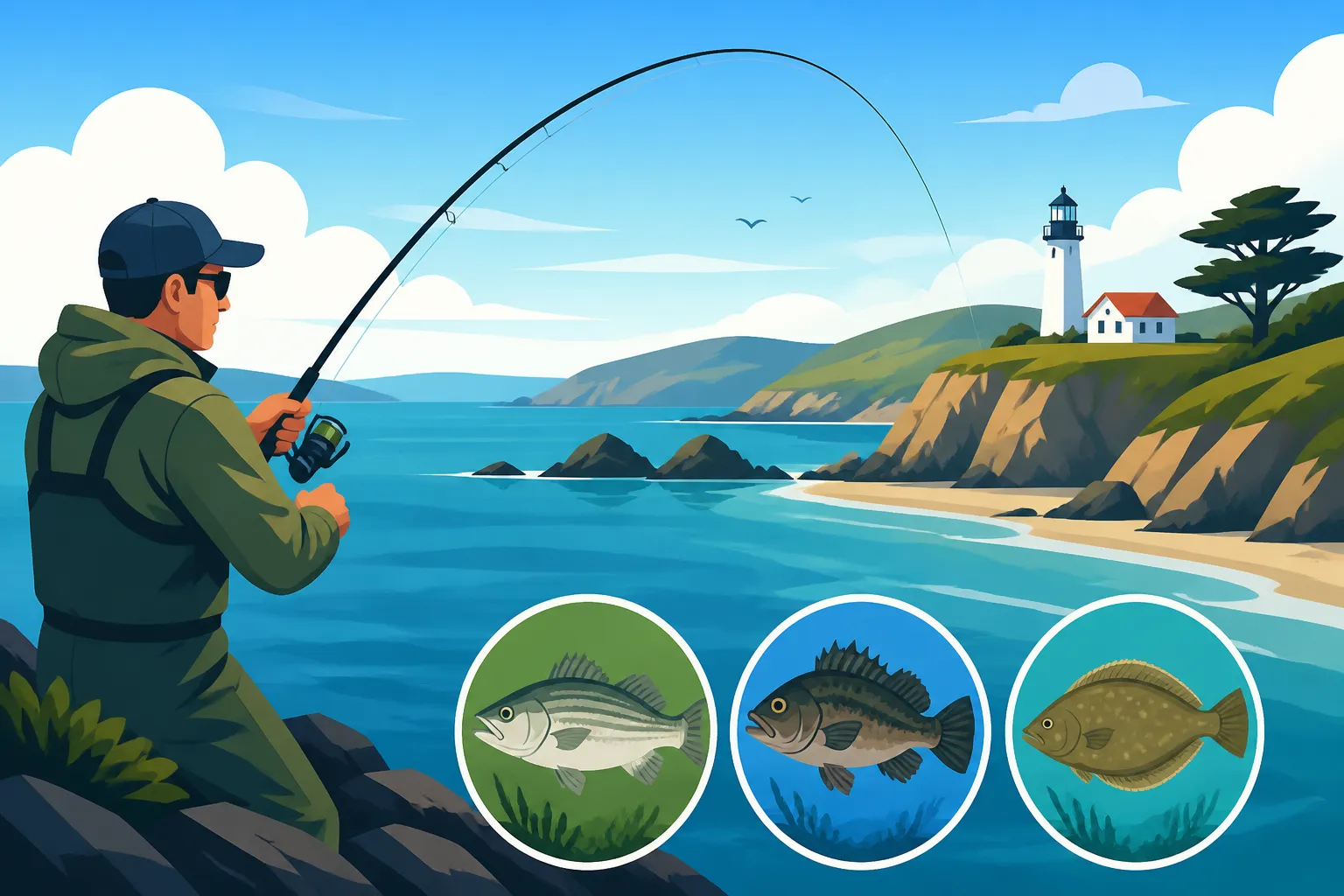
One of the most popular catches, especially for boaters, is the California halibut. These flatfish are renowned for their delicious white meat and can grow to impressive sizes. They prefer sandy or muddy bottoms, often found in the shallower parts of the inner bay or just outside the jetties. Anglers often target them by drifting live bait or artificial lures along the bottom. For those sticking closer to shore or a pier, various species of surfperch, including barred, redtail, and pile perch, are abundant and provide consistent action. They are opportunistic feeders and can be caught with small baits or soft plastics.
When you venture towards the jetties or offshore reefs, a whole new world of species opens up. Rockfish, in their many colorful varieties like vermilion, blue, and black rockfish, are plentiful among the rocky structures. These bottom dwellers are often targeted with jigs or cut bait. And of course, the prized salmon, primarily Chinook (King) salmon, make seasonal runs, drawing dedicated anglers offshore when the season allows. Lingcod, another sought-after species, often lurk in the same rocky habitats as rockfish, known for their aggressive strikes and impressive size. If you're looking for an overview of California Rockfish Regulations and Limits or How to Fish for Rockfish in California, there's plenty of information out there to help you prepare.
| Species | Preferred Habitat | Common Techniques | Best Seasons |
|---|---|---|---|
| California Halibut | Sandy flats, bay channels, near jetties | Drifting live bait, plastics, bucktails | Spring to Fall |
| Surfperch | Sandy beaches, piers, shallow bay | Bait (worms, shrimp), small plastics | Year-round |
| Rockfish | Rocky reefs, jetties, offshore structures | Jigs, cut bait, sabiki rigs | Spring to Fall (check depth limits) |
| Lingcod | Rocky reefs, wrecks, deep structure | Large jigs, live bait, swimbaits | Spring to Fall |
| Chinook Salmon | Open ocean, migratory paths offshore | Trolling (anchovies, spoons), mooching | Late Spring to Fall (highly seasonal) |
| Dungeness Crab | Sandy/muddy bottoms in the bay | Crab pots (seasonal) | Winter to Spring |
Top Shore and Pier Fishing Spots in Bodega Bay
Not everyone has a boat, and honestly, sometimes the most relaxing fishing comes from a simple setup on the shore or a pier. Bodega Bay offers some excellent, easily accessible spots that can provide a great day of fishing, whether you're a seasoned angler or just starting out with the family. These locations are popular for a reason, offering diverse opportunities and generally solid chances of a catch.
Bodega Bay Public Boat Launch & Pier
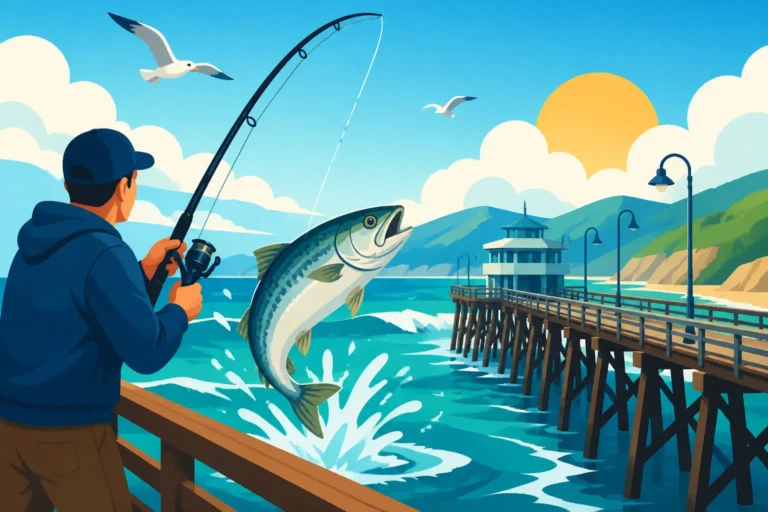
This is arguably the most popular and accessible fishing spot within the inner bay, especially if you're without a boat. The public pier here extends into the relatively calm waters of the bay, offering anglers a chance to catch a variety of species without needing special gear. Because it's a public pier, you generally don't need a California fishing license to fish from it, though specific rules might apply, so it’s always smart to double-check local signage or the current regulations on Fishing from a Pier in California: Rules.
From this pier, you'll primarily be targeting surfperch, small rockfish, and sometimes even juvenile halibut or bass that venture into the bay. It’s also a fantastic spot for crabbing during the Dungeness season, with many folks dropping their crab rings directly off the pier. The best strategy here is often simple bait fishing. Live or dead pile worms, ghost shrimp, or even pieces of market shrimp fished on a high-low leader can be incredibly effective for perch. For halibut, a live shiner or anchovy fished on a sliding sinker rig can work well, especially during a moving tide. The pier gets busy, especially on weekends, so arrive early if you want a prime spot.
Doran Regional Park
Just across the bay from Bodega Head lies Doran Regional Park, which boasts a long, sandy beach perfect for surf fishing. This expansive stretch of sand offers a completely different fishing experience than the pier. Here, you're targeting classic surf species like barred surfperch, corbina, and occasionally even small striped bass. The key to successful surf fishing at Doran is understanding the beach's geography – looking for deeper troughs, sandbars, and areas where waves are breaking differently, as these indicate prime feeding zones for fish.
Anglers here typically use a Carolina rig or a high-low surf rig with pyramid sinkers to hold their bait in the shifting sands. Common baits include sand crabs (if you can dig them up), Gulp! Sandworms, or pieces of market shrimp. Casting beyond the breaking waves into the deeper gutters is often the most productive strategy. Doran Beach also has a jetty at its western end, which can offer some rockier habitat for different species, but access can be challenging during high tides or rough surf. It's a beautiful spot for a family outing, offering camping and amenities, making it a great base camp for your Bodega Bay adventure. If you're new to this style, there's a lot to learn about California Surf Fishing Tips and Techniques to get you started.
North Jetty and South Jetty
For those who enjoy a bit more rugged fishing, the North and South Jetties at the mouth of Bodega Bay are absolute hotspots. These massive rock structures extend into the open ocean, creating ideal habitat for a plethora of species and acting as natural current breaks that aggregate baitfish. The South Jetty, accessible from Doran Regional Park, is a popular choice, while the North Jetty is usually accessed from the Bodega Head side. Be warned, though: fishing from these jetties can be dangerous during large swells, and footing is often slippery due to algae. Always wear appropriate footwear and keep an eye on the incoming waves.
The jetties are prime locations for targeting rockfish and lingcod, which lurk among the submerged rocks. Using heavy jigs, large swimbaits, or bait like squid and cut mackerel fished on sturdy gear is the way to go here. You might also encounter cabezon, greenling, and various perch species. On the ocean side of the jetties, if conditions allow for safe casting, you could even hook into a migratory species like a salmon or a substantial striped bass during their runs. The strong currents around the jetties can also make them productive for halibut, especially on an outgoing tide as bait washes out of the bay. Always prioritize safety when fishing these exposed structures; a rogue wave can easily sweep an unprepared angler off their feet.
Prime Boat and Kayak Fishing Zones
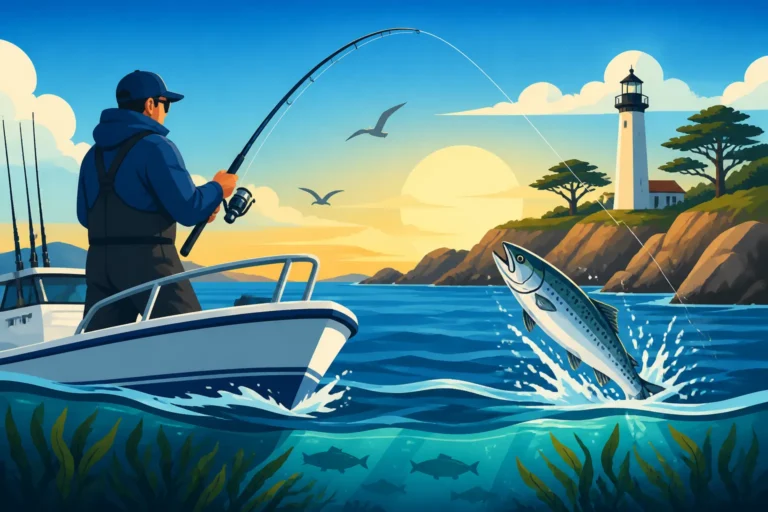
While shore fishing in Bodega Bay is fantastic, having a boat or kayak really unlocks the full potential of this diverse fishery. From cruising the inner bay flats to venturing offshore, the possibilities expand dramatically. For those visiting without their own vessel, consider checking out local rental options or even booking a guided trip. If you're looking to explore deeper waters or target specific offshore species, using a service like FishingBooker can help you find experienced local captains. They list a variety of charters, from half-day trips targeting rockfish to full-day excursions for salmon or even tuna if conditions are right.
Outer Bay and Nearshore Reefs
Once you navigate past the jetties and into the open Pacific, the real adventure begins. Just beyond the immediate mouth of the bay, a series of nearshore reefs and rocky outcroppings provide phenomenal habitat for rockfish and lingcod. These areas can vary in depth from 30 to over 100 feet, making them perfect for jigging or bait fishing directly over the structure. Popular methods include using heavy lead-head jigs tipped with plastics, or dropping down a sabiki rig to catch live bait (like mackerel or sardines) and then fishing that live bait on a dropper loop rig.
Specific GPS coordinates for these reefs are often guarded secrets by local anglers, but a good fish finder will help you locate the structure and the fish holding on it. Always pay close attention to depth restrictions, especially for certain rockfish species, as regulations can be complex and vary by season and management area. Knowing the current California Rockfish Depth Restrictions is crucial. When the salmon season is open, these outer bay areas are also often the first place to look for schools of baitfish that attract Chinook salmon. Trolling with anchovies in a 'rotator' or using shiny spoons are go-to tactics here.
Inner Bay and Channel Fishing
Even if you're not heading offshore, the inner bay offers incredible opportunities for boaters and kayakers. The extensive sandy and muddy flats are prime feeding grounds for California halibut. The best technique here is often drifting. You can either drift with the tide or use a slow troll, dragging live bait (like anchovies, shiner perch, or ghost shrimp) or artificial lures (such as soft plastics, bucktail jigs, or even swimbaits) along the bottom. The key is to cover ground and present your bait naturally.
The main channel that runs through the bay, from the public launch towards the mouth, is another excellent spot. This deeper water acts as a highway for fish moving in and out with the tides. Halibut often stage in these channels, waiting to ambush prey. Kayak anglers particularly love the inner bay for its calmer waters, allowing them to quietly paddle and fish without the constant worry of ocean swells. They can effectively target halibut, various perch, and even small striped bass in the shallower areas, often using lighter tackle for a more sporting fight. Many local guides specialize in these calmer bay waters, offering a great option for those new to the area or kayak fishing. If you're interested in booking a guide, sites like FishingBooker offer a range of options, from small skiffs to larger charter boats.
Salmon and Rockfish Hotspots
When the salmon season is open in California, Bodega Bay transforms into a salmon angler's paradise. The primary target is Chinook (King) salmon, with coho (silver) salmon occasionally making an appearance when allowed. Salmon are highly migratory, and locating them often means looking for bait schools offshore. Common hotspots are usually found anywhere from a few miles offshore to 10-20 miles out, depending on bait concentrations and water temperature. Local fishing reports are invaluable during salmon season, as conditions can change daily.
Trolling is the dominant method for salmon, often involving downriggers to get lures or rigged anchovies down to the desired depth. Mooching, a technique where you slowly drift and jig a baitfish, is another popular and effective method. For rockfish and lingcod, heading to specific offshore reefs like those near Bodega Head or further north/south along the coast can yield impressive results. Again, a good fish finder is your best friend for locating these structures. Party boats departing from Bodega Bay often focus on these rockfish grounds, providing an excellent way for individuals or small groups to experience deep-sea fishing without owning a boat. These trips are typically well-equipped and knowledgeable about current California Ocean Enhancement Stamp regulations.
Essential Tips for a Successful Bodega Bay Fishing Trip
A successful day on the water in Bodega Bay often comes down to preparation and understanding the local conditions. While the fish are abundant, they don't just jump into the boat! Being mindful of the tides, having the right gear, and staying updated on regulations will significantly boost your chances of a memorable trip.
Best Times and Tides
Bodega Bay's tides play a monumental role in fishing success, particularly for species within the bay and near the jetties. Strong tidal movement, whether incoming or outgoing, often triggers feeding activity as baitfish are swept around. For California halibut, the hour before and after a tide change, especially during a large tidal swing, can be incredibly productive. An outgoing tide, for instance, can pull baitfish out of the bay and into the ocean, creating a feeding frenzy near the jetties and channel mouth. Conversely, an incoming tide brings fresh ocean water and bait into the bay.
Beyond tides, time of day and season are also crucial. Early mornings and late evenings often offer the best bite for many species, as light levels are lower and temperatures are cooler. For salmon, while they can be caught throughout the day, early morning often sees the most consistent action. Seasons heavily dictate which species are available. Spring and fall are generally excellent for a wide variety of fish, including halibut and rockfish. Summer brings warmer waters and opportunities for pelagic species further offshore, while winter can still be good for surfperch and crabbing, though offshore fishing may be limited by weather. Keep an eye on local California Fishing Reports for the most current conditions and bite patterns.
Recommended Gear and Bait
Your gear choice should be tailored to your target species and fishing method. For general pier and surf fishing for perch, a medium-light spinning rod (7-9 feet) with 10-15 lb test line is usually sufficient. Baits like pile worms, ghost shrimp, or Gulp! Sandworms are highly effective. If you're targeting halibut from shore or a pier, a slightly heavier medium rod (7-8 feet) with 15-20 lb braided line and a fluorocarbon leader is a good starting point, using live bait like anchovies or shiner perch, or soft plastic swimbaits.
For boat fishing, the gear needs to be more robust. For rockfish and lingcod on the reefs, a heavy-action conventional rod with 40-60 lb braided line is standard, paired with large jigs (4-12 oz) or heavy sinkers for bait. Salmon trolling requires specialized gear, often medium-heavy rods designed for downrigging, spooled with 25-30 lb monofilament or braid, and various flasher/hoochie or spoon combinations. Always bring a variety of terminal tackle, including different size hooks, sinkers, and swivels, as conditions can change rapidly. Don't forget essentials like pliers, a measuring tape for size limits, and a sturdy cooler for your catch.
Navigating Regulations
California's fishing regulations can be complex, and they vary depending on the species, location (bay vs. ocean), and time of year. Before heading out, it is absolutely essential to check the latest regulations published by the California Department of Fish and Wildlife (CDFW). You can find comprehensive guides on topics like California Saltwater Fishing Regulations or specific species like California Salmon Season Dates. These regulations cover everything from minimum size limits and daily bag limits to specific seasons, gear restrictions (like barbless hooks for certain species), and even depth restrictions for rockfish.
Ignoring regulations can lead to hefty fines and loss of fishing privileges. For instance, knowing the difference between recreational and commercial limits is important, and understanding reporting requirements for species like salmon or sturgeon (which require special report cards) is non-negotiable. If you're fishing from a pier, you might not need a general California Fishing License, but if you're on a boat, even in the bay, a valid license is almost always required for anyone 16 years or older. Many local bait and tackle shops are excellent resources for the most up-to-date information, and they often have printed regulation summaries available.
Disclaimer
The information provided in this guide is for general informational purposes only and is not intended as legal or professional advice. Fishing regulations in California are subject to change by the California Department of Fish and Wildlife (CDFW). Always consult the most current CDFW regulations and local advisories before engaging in any fishing activity. Adherence to all applicable laws and safety guidelines is the sole responsibility of the individual angler.