Best Spots to Fish in Channel Islands
Oh, the Channel Islands! If you've ever dreamt of casting a line in waters teeming with life, where the kelp forests sway like underwater cathedrals and the fish pull hard, then you've likely pictured yourself out here. But let's be real, with so many islands, reefs, and coves, knowing where to start can feel like finding a needle in a haystack. This guide is going to walk you through the absolute best fishing spots the California Channel Islands have to offer, giving you the insider scoop on where to go, what to catch, and how to make your trip unforgettable.
Why the Channel Islands are a Fishing Paradise
For those of us who live for the tug on the line, the Channel Islands off Southern California aren't just pretty islands—they're a genuine fishing paradise. It's no secret why anglers flock here year-round: the sheer diversity and abundance of marine life are simply unparalleled in many parts of the state. These eight islands, a national park for five of them, create a unique blend of exposed open ocean and sheltered coves, offering habitats for everything from trophy-sized pelagics to feisty reef dwellers.
A Unique Ecosystem
What makes these islands so special for fishing really comes down to their incredibly rich and diverse ecosystem. Think of them as oceanic oases where cold, nutrient-rich currents from the north meet warmer southern waters. This creates a perfect environment for massive kelp forests to thrive, providing shelter, food, and breeding grounds for an incredible array of fish. From the tiniest baitfish to the largest predators, the entire food chain is buzzing here. These vibrant underwater gardens are home to impressive populations of calico bass, sheepshead, rockfish, and even white seabass. Beyond the kelp, you'll find rocky reefs, deep canyons, and offshore banks that act as magnets for lingcod, yellowtail, and even various tuna species. It’s truly a world-class fishery right on our doorstep.
Proximity to Major Hubs Yet Feeling Remote
One of the most appealing aspects of the Channel Islands is their accessibility. While they feel wonderfully remote once you're out there, offering that true escape from the hustle and bustle of mainland life, they’re actually quite reachable from several major Southern California harbors. Ports like Ventura Harbor, Oxnard’s Channel Islands Harbor, and Santa Barbara Harbor serve as primary launch points for both private boats and a bustling fleet of sportfishing charters. You can wake up in a city, be on a boat heading to the islands by dawn, and be pulling fish over the rail just a few hours later. This blend of wild, productive fishing grounds and convenient access makes them a favorite for local anglers and visitors alike. It truly gives you the best of both worlds – big game action without the multi-day trek often associated with it.
Top Island Destinations for Anglers
Alright, let's get down to the brass tacks: which islands should you really be targeting for your next fishing adventure? Each island has its own personality, its own prime spots, and its own resident fish populations that make it stand out.
Santa Cruz Island: The Largest and Most Diverse
Santa Cruz Island is the largest of the Channel Islands, stretching out for miles with an incredibly varied coastline. This diversity is exactly what makes it such a phenomenal fishing destination. You’ve got towering cliffs, sea caves, sandy beaches, and, most importantly, expansive kelp beds and rocky reefs.
- Smuggler's Cove and Scorpion Anchorage: On the eastern side, areas around Smuggler's Cove and Scorpion Anchorage are often bustling with life. The protected waters here can be fantastic for targeting calico bass, especially when they're hiding deep in the kelp. You'll find yourself casting plastics or live bait right up against the strands, waiting for that signature head-shake. Further out, the reef structures hold good numbers of various rockfish species, and sometimes even a lurking halibut or lingcod.
- The Northern and Southern Sides: The northern side of Santa Cruz can offer some truly exceptional action for yellowtail, especially during the warmer months when they follow baitfish schools close to the island. Look for birds diving or baitfish scattering on the surface. The southern side, often more exposed to ocean swells, has deeper structure and can produce larger rockfish and lingcod for those willing to brave the conditions. Don't forget that understanding the California Rockfish Regulations and Limits is paramount here, as different species have different rules.
Anacapa Island: Close, Accessible, and Productive
Anacapa Island is one of the closest islands to the mainland ports, making it a popular choice for shorter trips and those looking to maximize fishing time. Don't let its smaller size fool you; Anacapa is incredibly productive, especially around its iconic Arch Rock.
- Arch Rock and Surrounding Kelp: The waters around Arch Rock are famous for holding impressive numbers of rockfish, including vermilion, starry, and bocaccio. Jigging with metal jigs or fishing with cut squid or anchovies on dropper loops are common and highly effective methods here. The kelp beds that hug the island's perimeter, particularly on the protected leeward side, are prime territory for calico bass and can even hold a surprise white seabass or two.
- Reefs and Rocky Outcrops: Anacapa’s rugged coastline is dotted with submerged reefs and rocky outcrops that are absolute magnets for lingcod. These toothy predators love to ambush prey from rocky crevices, so fishing with large swimbaits or live mackerel near the bottom can be incredibly effective. Always keep an eye on the current and depth here to avoid snags, as the structure is unforgiving.
Santa Rosa Island: Remote and Rewarding
Further out than Santa Cruz and Anacapa, Santa Rosa Island offers a more remote fishing experience. Its less-pressured waters often translate into larger, more aggressive fish. This is where you go when you're seeking a true Channel Islands trophy.
- Offshore Banks and Deeper Reefs: Santa Rosa boasts excellent offshore banks and deeper reefs that are fantastic for a wider variety of groundfish. You might encounter larger vermilion rockfish, big lingcod, and even some impressive sheephead. The sheer scale of the island means there’s always a new spot to explore.
- Yellowtail and White Seabass Hotspots: When the conditions are right, Santa Rosa can be a hotspot for yellowtail and white seabass. The waters around the island's points and along its length can see schools of these powerful fighters move in, particularly in late spring and summer. Staying mobile and watching your fish finder for bait balls is key. Many anglers swear by fishing live squid or mackerel here for the best results.
San Miguel Island: The Northernmost Challenge
San Miguel is the northernmost and most exposed of the Channel Islands, often facing stronger winds and heavier swells. This makes it a challenge to fish, but for those who brave it, the rewards can be immense.
- Trophy Lingcod and Rockfish: The wild, cold waters around San Miguel are renowned for producing some truly enormous lingcod and large rockfish. The deep, rugged bottom structure provides ideal habitat for these species. If you're looking for that personal best lingcod, this is often the place to find it, but be prepared for a long boat ride and potentially rough seas.
- Halibut and Coastal Pelagics: While less consistent, San Miguel can also hold good populations of California halibut in shallower, sandy areas adjacent to reefs. Additionally, during certain times of the year, you might encounter yellowtail or even the occasional tuna species further offshore. Always check the California Fishing Regulations Explained before heading out, as regulations can vary by region and species.
Santa Catalina Island: Southern California's Iconic Fishing Destination
Often thought of on its own, Catalina Island is technically one of the southern Channel Islands and remains a quintessential Southern California fishing experience. It’s a bit different from its northern counterparts, offering distinct fishing opportunities.
- The East End and Farnsworth Bank: Catalina’s East End is legendary for its yellowtail fishing, especially around spots like the Avalon Bank and the various kelp patties that form offshore. When the yellowtail are biting, it's an absolute blast. Further out, Farnsworth Bank is a world-famous seamount known for its massive white seabass and even rare black sea bass (which are protected and must be released). It's a challenging spot, but the potential for a fish of a lifetime is real.
- Calico Bass and Offshore Tuna: The extensive kelp beds all around Catalina provide excellent year-round calico bass action. You can spend an entire day bouncing plastics through the kelp and have a blast. During the warmer months, schools of tuna—including bluefin and yellowfin—can pass through the deeper waters off Catalina, offering exciting offshore opportunities for those on larger charter boats. If you're looking to book a trip, checking out a service like FishingBooker can help you find experienced captains specializing in these waters.
Key Species to Target and When to Find Them
Knowing where to fish is only half the battle; knowing what to fish for and when to find them makes all the difference. The Channel Islands offer a wide variety of target species, each with its own preferred season and tactics.
Rockfish and Lingcod: Bottom Fishing Staples
These are your bread and butter species in the Channel Islands, reliable and abundant.
- Rockfish: California is home to numerous rockfish species, many of which thrive in the rocky reefs and kelp forests around the islands. You'll find Vermilion (Red Snapper), Bocaccio (Salmon Grouper), Copper Rockfish, Starry Rockfish, and many more. The best time to target them is generally year-round, though specific seasons and depth restrictions apply, so always consult the latest California Rockfish Regulations and Limits. They tend to congregate in depths from 60 to 300 feet, often around hard structure. Simple dropper loop rigs with squid or cut bait, or vertical jigs, are highly effective.
- Lingcod: These aggressive predators are often found alongside rockfish, but typically prefer even rockier, more rugged terrain. Lingcod fishing peaks in cooler months, from late fall through spring, when they are more active. They're often found in depths ranging from 30 to 200 feet. Large swimbaits, heavy metal jigs, and live baits like mackerel or squid are irresistible to them. Trust me, hooking a big lingcod is an adrenaline rush!
Yellowtail and White Seabass: Pelagic Thrills
These two species are highly prized for their fighting ability and delicious table fare, offering a more dynamic, chase-oriented fishing experience.
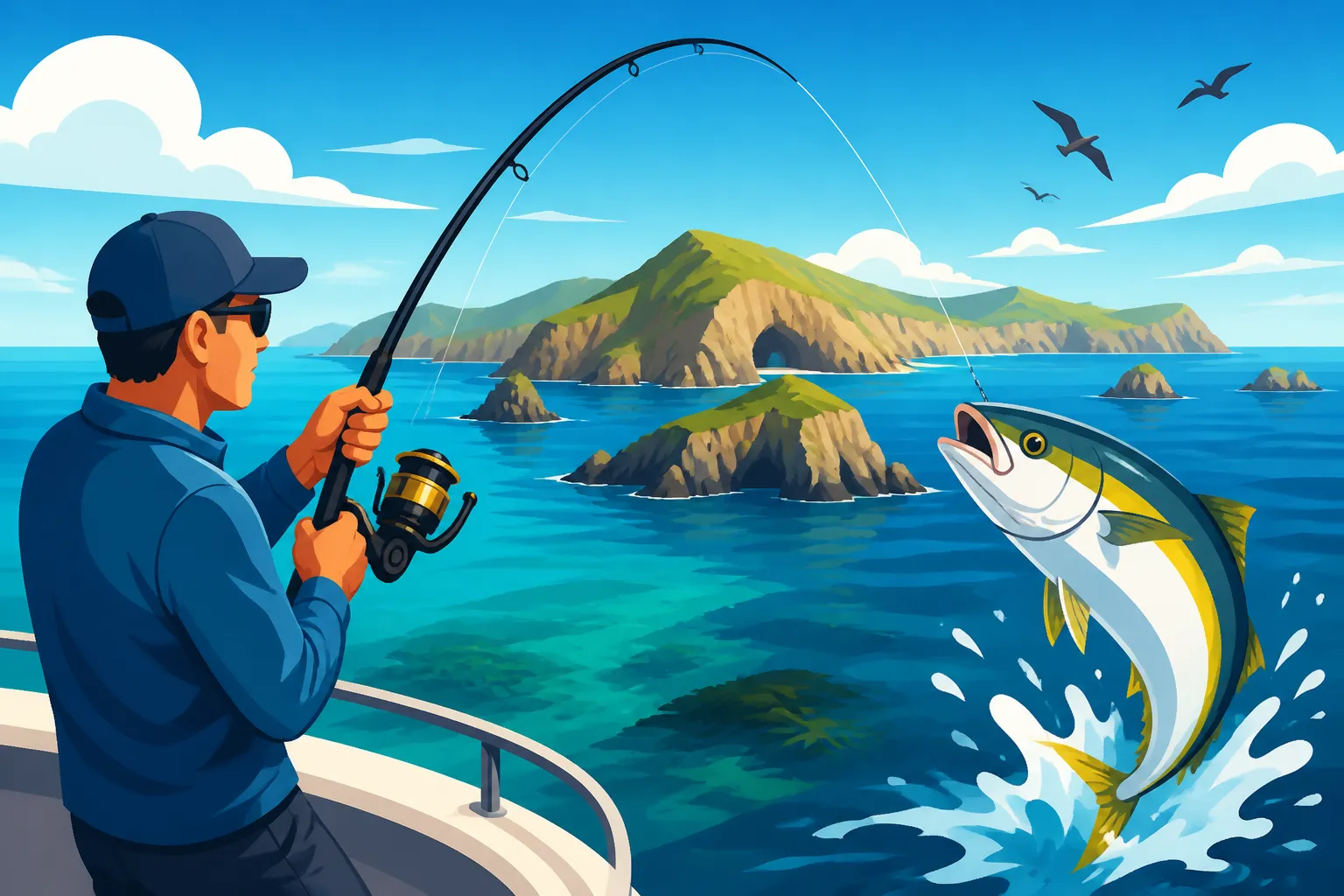
- Yellowtail: Known for their speed and strength, yellowtail are a favorite target. They typically show up in good numbers around the Channel Islands from late spring through early fall when water temperatures are warmer. Look for them around kelp patties, high spots, and points of the islands. Live bait, especially sardines, anchovies, or mackerel, is king. Surface iron jigs, yo-yo jigs, and fly-lining are popular techniques. Landing a "mossback" yellowtail on lighter tackle is a true test of skill!
- White Seabass: Elusive and powerful, the white seabass is often called the "ghost of the kelp." They prefer cooler, clearer water and can be found around the islands from spring into early summer, although they can be caught year-round. They typically patrol the edges of kelp beds and rocky structure. Live squid is by far the most effective bait, often fished on a sliding sinker rig or fly-lined. They can be incredibly shy, so a stealthy approach and patience are crucial. If you want to learn more, our guide on How to Catch White Seabass in California dives much deeper into tactics.
Calico Bass: Kelp Forest Fighters
If you love light tackle action and battling fish that live in heavy cover, calico bass are your species.
- Year-Round Action: Calico bass are present around the Channel Islands pretty much all year, although their activity picks up significantly in warmer water, especially during spring and summer when they move into shallower kelp. They are incredibly structure-oriented, living right inside the dense kelp forests.
- Specific Tactics: Fishing for calicos often involves casting weedless swimbaits or plastics right into the thickest part of the kelp, or slow-trolling live bait along the kelp lines. They hit hard and immediately try to dive back into the weeds, making for an exciting fight that requires quick reflexes and a strong drag. Always be mindful of the California Calico Bass Regulations and Limits to ensure you're fishing legally.
Here's a quick rundown of some key species and where they thrive:
| Island / Area | Key Species Targeted | Best Fishing Type | Prime Season |
|---|---|---|---|
| Santa Cruz Island | Rockfish, Lingcod, Calico Bass, Yellowtail, Halibut | Bottom fishing, Kelp fishing, Jigging, Trolling | Year-round, Yellowtail: Summer |
| Anacapa Island | Rockfish, Lingcod, Calico Bass, Sheephead | Bottom fishing, Kelp fishing, Jigging | Year-round, especially good for rockfish |
| Santa Rosa Island | Rockfish, Lingcod, Yellowtail, White Seabass | Bottom fishing, Jigging, Live baiting | Year-round, Pelagics: Spring/Summer |
| San Miguel Island | Trophy Lingcod, Large Rockfish, Halibut | Deepwater jigging, Heavy bottom fishing | Cooler months for Lingcod |
| Santa Catalina Island | Yellowtail, White Seabass, Calico Bass, Tuna | Live baiting, Kelp fishing, Offshore trolling | Yellowtail/WSB: Spring/Summer |
Essential Tips for Fishing the Channel Islands
Venturing out to the Channel Islands is a fantastic experience, but a little preparation goes a long way. Here are some critical tips to ensure your trip is safe, enjoyable, and successful.
Chartering a Boat vs. Private Vessel
Deciding how you'll get to the islands is one of your first big choices, and each option has its pros and cons.
- Chartering a Boat: For many, especially those without their own offshore-capable vessel, booking a sportfishing charter is the way to go. You can choose between "open party" boats, where you buy a single spot alongside other anglers, or a "private charter" for your group. Charters come with experienced captains who know the waters, all the necessary safety gear, and often provide bait and tackle (though bringing your own is often recommended for serious anglers). This is usually the easiest and safest option, especially if it's your first time out there. If you're looking for options, reputable services like FishingBooker allow you to compare and book various charters right from your computer. Our California Fishing Charters: Complete Guide has even more details on this.
- Private Vessel: If you have your own boat, fishing the Channel Islands offers incredible freedom. However, you absolutely must prioritize safety. Ensure your boat is offshore-ready, with proper navigation equipment, sufficient fuel range, and all required safety gear (VHF radio, flares, life jackets, EPIRB, etc.). The weather can change quickly, so always check the marine forecast before heading out and be prepared to turn back if conditions worsen. It's also a good idea to file a float plan with a trusted contact on shore.
Gear and Bait Recommendations
The right gear can make or break your trip, and it really depends on what you're targeting.
- Rods and Reels: For rockfish and lingcod, a stout medium-heavy rod paired with a conventional reel spooled with 50-80 lb braided line and a fluorocarbon leader (40-60 lb) is ideal. For yellowtail and white seabass, a slightly lighter but still powerful setup (30-50 lb braid, 30-40 lb fluoro) is often preferred for casting lighter baits. Calico bass fishing often uses medium-heavy bass rods with baitcasting reels and 20-30 lb fluorocarbon or braid.
- Baits: Live bait is king in the Channel Islands. Sardines, anchovies, and mackerel are essential for yellowtail and white seabass. Live squid is an absolute game-changer for white seabass. For bottom fish, cut squid, anchovies, or mackerel strips work wonderfully.
- Lures: Jigs (surface iron, yo-yo jigs), swimbaits (weedless for kelp), and lead heads with plastic tails are all highly effective. For rockfish, lead jigs or "octopus" style lures are great. For specific advice on what to pack, check out our guide on What to Bring on a California Fishing Charter.
Navigating Regulations and Marine Protected Areas (MPAs)
This is perhaps the most critical section for responsible and legal fishing in the Channel Islands. The islands are surrounded by numerous Marine Protected Areas (MPAs), which are designated zones with specific rules about what you can and cannot do.
- Know Before You Go: Before every trip, it is absolutely essential to consult the latest California Fishing Regulations Explained and specifically review the regulations for the Channel Islands. This includes bag limits, size limits, seasonal closures, and tackle restrictions for different species. Regulations are updated regularly, so what was legal last year might not be this year.
- Marine Protected Areas (MPAs): The Channel Islands National Park area is surrounded by a complex network of MPAs. Some are "no-take" zones where all fishing is prohibited, while others are "state marine conservation areas" with specific restrictions. Fishing within an MPA often carries hefty fines and penalties. Ignorance of the rules is not an excuse. Many GPS units and chart plotters have MPA boundaries marked, but always double-check with the CDFW website or an up-to-date fishing atlas. Our California Marine Protected Areas Explained can help you understand these complex zones. When booking through a service like FishingBooker, make sure your captain is well-versed in these regulations.
Fishing the Channel Islands truly offers some of the most exciting and diverse angling opportunities in California. Whether you're chasing trophy yellowtail off Catalina, battling big lingcod at San Miguel, or simply enjoying the plentiful rockfish around Anacapa, these islands promise an unforgettable adventure. Just remember to do your homework, respect the regulations, and most importantly, enjoy every moment out on the beautiful Pacific! For a deeper dive into seasonal opportunities, consult our comprehensive California Fishing Seasons: Month-by-Month Guide.
Disclaimer
Please be aware that fishing regulations, seasons, and limits can change frequently. Always consult the latest official regulations from the California Department of Fish and Wildlife (CDFW) before any fishing trip. This guide is for informational purposes only and does not constitute legal advice. Adherence to all local, state, and federal laws is the responsibility of the angler.