Best Fishing in the Cuyamaca Mountains
Fishing in California can feel like an endless quest, with so many famous spots shouting for your attention. But sometimes, the real magic happens in those tucked-away corners, the places that offer a serene escape from the crowds and a unique angling experience. If you've ever felt overwhelmed by the sheer scale of California's fishing scene and yearned for a quieter, high-country adventure, this guide to fishing in the Cuyamaca Mountains is exactly what you need to plan your next memorable trip.
Unveiling the Cuyamaca Mountains Fishing Experience
The Cuyamaca Mountains, nestled in eastern San Diego County, offer a refreshing change of pace from the bustling coastal and desert fishing locales. This isn't your typical Southern California fishing; it's an opportunity to embrace the tranquility of pine forests, crisp mountain air, and cool, clear waters. Anglers often overlook this gem, making it a perfect spot for those seeking solitude and a chance to connect with nature while reeling in some impressive catches. The higher elevation means cooler temperatures, especially welcome during the scorching summer months when lowland waters become less productive.
Key Lakes and Reservoirs for Anglers
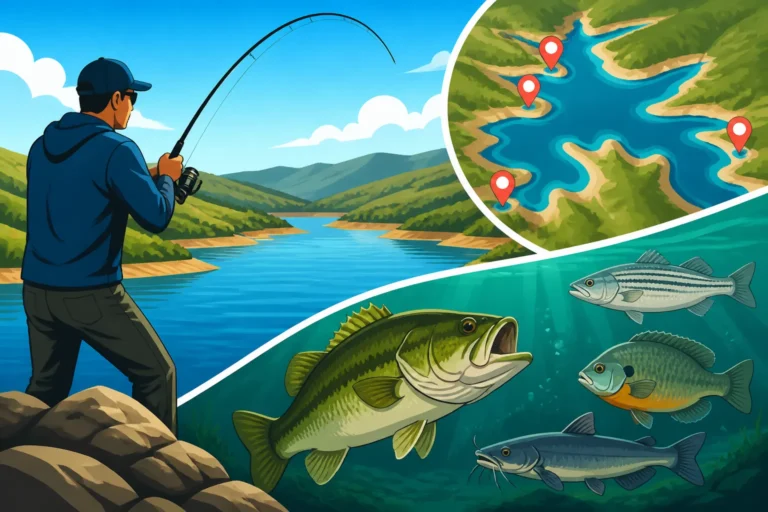
The crown jewel of fishing in the Cuyamaca Mountains is undoubtedly Lake Cuyamaca itself. This beautiful, expansive lake is privately managed and requires a specific lake permit in addition to your state fishing license, but it's well worth the small fee. It's a trophy trout fishery, heavily stocked with rainbow trout, often including some impressive lunkers, and even has a population of brown trout. Beyond trout, the lake also holds thriving populations of largemouth and smallmouth bass, crappie, and bluegill, offering a diverse angling experience depending on your preference and the season. It's truly one of the best lakes to fish in California for a mixed bag.
Imagine casting a line from the shore as the morning mist rises, or paddling a kayak into a quiet cove, the only sounds being the chirping birds and the gentle lapping of water. The lake features various access points, including a full-service marina where you can rent boats, purchase bait, and grab any last-minute tackle you might need. There are also plenty of shoreline fishing opportunities, picnic areas, and even cabins for overnight stays. For those looking to maximize their experience, contacting local guides through platforms like FishingBooker can provide invaluable insights into current lake conditions and hot spots.
Stream Fishing Opportunities
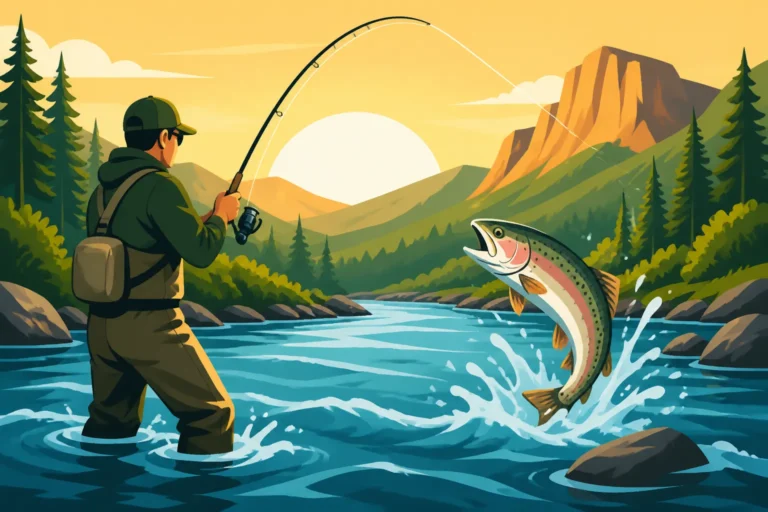
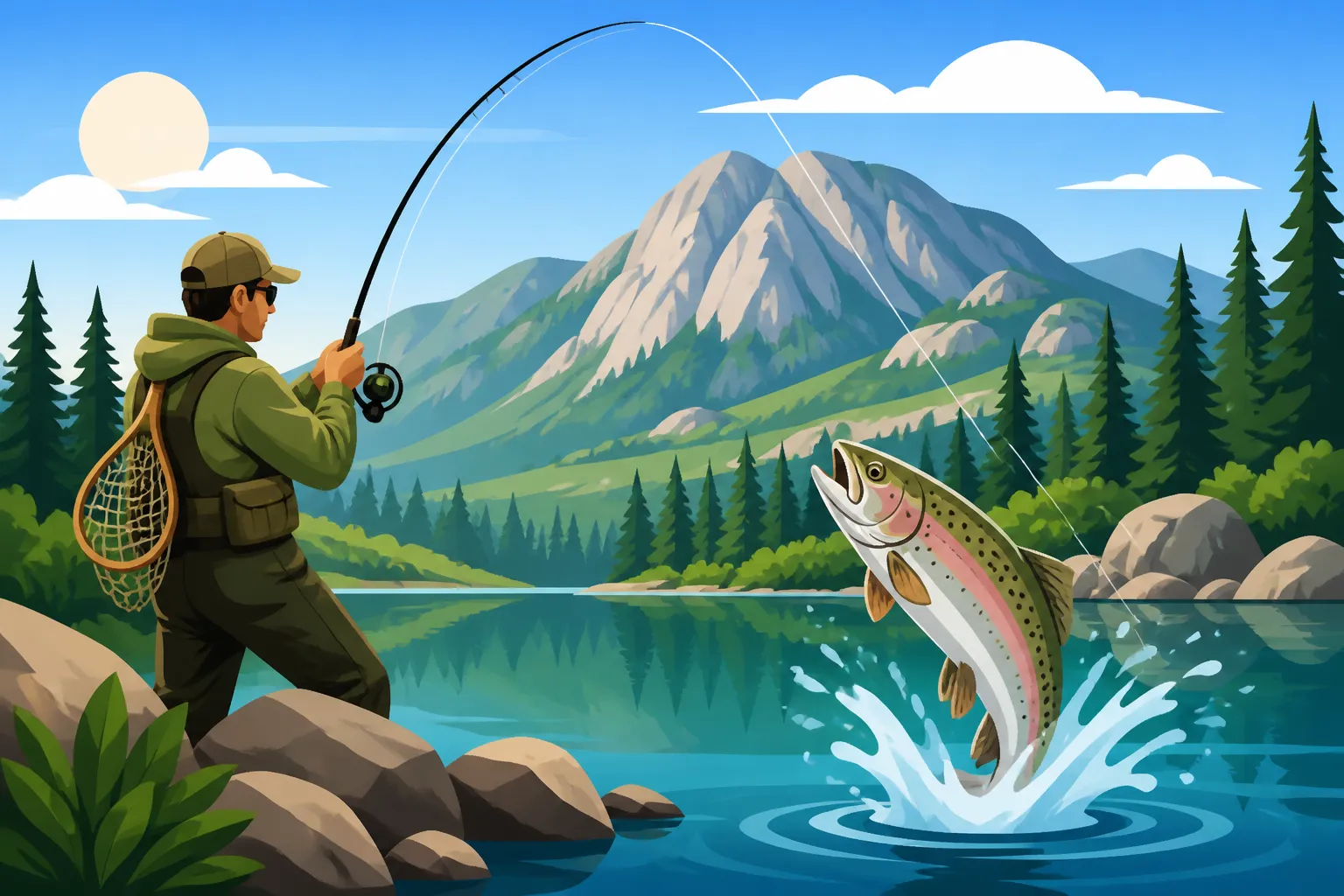
While Lake Cuyamaca gets most of the attention, the smaller creeks and streams winding through the Cuyamaca Rancho State Park offer a completely different, and equally rewarding, fishing experience. These are primarily wild trout streams, holding populations of rainbow and sometimes brown trout. Expect smaller fish in these waters compared to the lake, but the challenge and beauty of fly fishing or light tackle stream fishing are unparalleled. You'll typically find yourself navigating through dense riparian vegetation, casting into small pools and riffles, and enjoying a truly immersive wilderness experience.
The most notable streams include parts of Descanso Creek and the headwaters of the Sweetwater River. Keep in mind that these streams are often seasonal, heavily reliant on rainfall and snowmelt, and may have specific catch-and-release or barbless hook regulations to protect the delicate wild trout populations. Always check the latest California Freshwater Fishing Regulations before heading out. This type of fishing demands a stealthier approach and a keen eye for reading the water, making it a favorite among experienced anglers seeking a more intimate interaction with their environment.
Target Species and Seasonal Considerations
Understanding what you can catch and when is key to a successful fishing trip in the Cuyamaca Mountains. The varied aquatic environments, from the deep waters of Lake Cuyamaca to the shallow, flowing creeks, support a range of fish species, each with its prime season.
Popular Game Fish
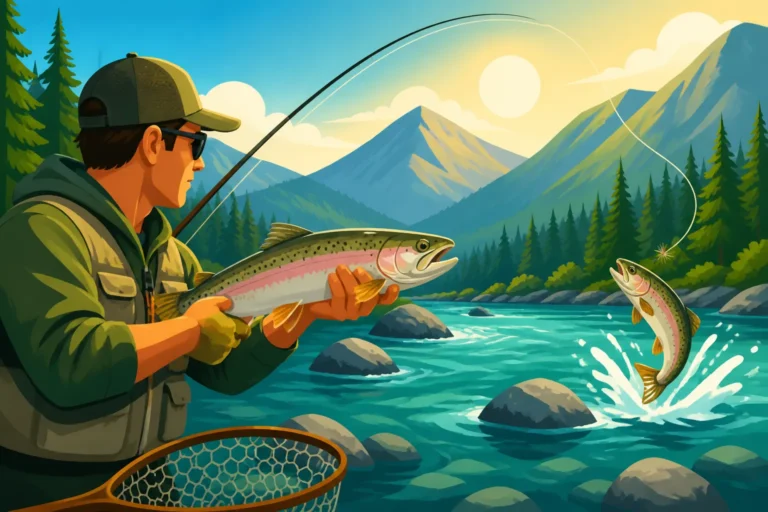
- Rainbow Trout: The undisputed king of Lake Cuyamaca. Stocked regularly, these fish provide consistent action throughout much of the year, especially during the cooler months from fall through spring. They are often caught using power bait, worms, or small spoons and spinners. You might even land a trophy-sized holdover that puts up an incredible fight. Knowing How to Fish for Trout in California can greatly improve your chances.
- Brown Trout: Less numerous than rainbows in Lake Cuyamaca but prized for their elusive nature and strong fight. They tend to prefer deeper, cooler water and are often caught by trolling or with larger baits and lures aimed at bigger predators.
- Largemouth Bass: These aggressive predators thrive in Lake Cuyamaca during the warmer months, typically from late spring through early fall. They'll readily strike plastics, crankbaits, and topwater lures around structure like submerged trees, weed beds, and rocky points. If you're passionate about targeting bucketmouths, understanding California Bass Fishing Regulations will be crucial for a compliant and successful outing.
- Smallmouth Bass: Often found in the same waters as largemouths, smallmouths prefer rocky bottoms and clear water. They offer a fantastic fight on light tackle and can be caught with similar lures to largemouths, but often respond well to tubes, grubs, and small jigs.
- Crappie and Bluegill: These panfish provide excellent fun for families and beginners, especially during spring and early summer. They school up and can be caught in large numbers using small jigs, mealworms, or redworms fished under a bobber. They're also delicious table fare!
Best Times to Visit
The "best" time to fish in the Cuyamaca Mountains really depends on what you're hoping to catch.
- Spring (March – May): This is arguably one of the best overall seasons. Trout are active as the water warms, and bass start to become more aggressive, moving into shallower waters for their spawn. Stream fishing can also be excellent, provided water levels are good after winter rains. The weather is generally pleasant, making for comfortable days on the water.
- Summer (June – August): While the lowlands bake, the Cuyamaca Mountains offer a cooler escape. Trout fishing remains strong in Lake Cuyamaca, especially at deeper depths. Bass fishing is in full swing, with early morning and late evening often being the most productive times. Stream fishing can be hit or miss depending on water flow, but higher elevation sections might still hold some wild trout.
- Fall (September – November): A beautiful time to visit, with changing leaves and crisp air. Trout fishing picks up again as surface temperatures cool, and they become more active. Bass can still be caught as they feed heavily before winter, often moving to deeper structure. Stream fishing can be fantastic as flows stabilize and trout become more aggressive. This is often highlighted in "California Fishing Seasons: Month-by-Month Guide".
- Winter (December – February): Trout fishing in Lake Cuyamaca remains productive, particularly for those targeting larger, stocked fish that thrive in colder water. Expect fewer anglers and a peaceful experience, though weather can be unpredictable with potential for rain or even snow. Bass will be sluggish and found in deep wintering holes, requiring slower presentations.
Essential Gear and Techniques for Cuyamaca Fishing
Having the right equipment can make all the difference, especially when transitioning between lake and stream environments in the Cuyamaca Mountains. While you don't need a boatload of specialized gear, a thoughtful selection will set you up for success.
Recommended Tackle and Bait
For Lake Cuyamaca, a medium-light to medium action spinning rod, 6-7 feet long, paired with a 2500-3000 series reel spooled with 6-8 pound monofilament or fluorocarbon line is a versatile setup. This will handle most trout, crappie, and even smaller bass. If you're specifically targeting larger bass, a medium-heavy baitcasting setup with 10-15 pound fluorocarbon or braided line would be more appropriate.
When it comes to bait, trout in Lake Cuyamaca absolutely love PowerBait (especially the bright colors), nightcrawlers, and salmon eggs. These are consistent producers. For bass, a variety of soft plastics (worms, senkos, creature baits), crankbaits, spinnerbaits, and topwater lures work well. Crappie and bluegill will readily hit small jigs tipped with mealworms or minnows. Many local tackle shops near Julian or Pine Valley will have exactly what's working best locally.
For stream fishing, lighten your load considerably. A light or ultra-light spinning rod (5-6 feet) with a small 1000-series reel and 2-4 pound monofilament is ideal for casting small lures or live bait into tight quarters. Fly fishing is also extremely popular and effective in these streams; a 2-5 weight fly rod is perfect for delicate presentations.
Techniques for Different Waters
- Lake Cuyamaca Trout: For stocked trout, try still-fishing with PowerBait or a inflated nightcrawler from the shore or a anchored boat. Use a sliding sinker rig to allow the bait to float off the bottom. Trolling with small spoons (like Thomas Buoyants or Kastmasters) or Rapala-style minnow imitations can also be incredibly effective, especially for locating schools of fish.
- Lake Cuyamaca Bass: For largemouth, focus on casting plastics Texas-rigged or wacky-rigged around visible structure during the warmer months. Look for areas with reeds, submerged timber, or rocky points. In the early mornings or evenings, throw topwater lures for explosive strikes. Smallmouth bass often prefer jigs or small crankbaits fished near rocky outcrops.
- Cuyamaca Stream Trout: Fly fishing with dry flies, nymphs, or small streamers is a classic and highly effective method. Patterns mimicking local insects like caddis, mayflies, and stoneflies are usually good bets. For spin fishing, tiny spinners (like Panther Martins or Mepps) or small spoons are excellent. Approach quietly, cast accurately, and try to present your lure or fly naturally with the current. Sometimes just slowly drifting a live worm can produce great results in these smaller waters. For beginners, checking out California Fly Fishing Guide or California Bait Fishing Tips and Techniques can offer a strong foundation.
Navigating Regulations and Access Points
Before you even pack your bags, it's essential to understand the rules and where you can legally cast a line. California has specific regulations, and the Cuyamaca Mountains, with its state park and privately managed lake, adds a few more layers.
Licenses and Report Cards
First and foremost, anyone 16 years or older needs a valid California Fishing License Guide to fish in any public water. For Lake Cuyamaca, you'll also need to purchase a separate daily or annual lake permit at the lake's tackle shop or marina. This permit helps fund the lake's operations, including its excellent stocking program. You can typically purchase your state license online, at many sporting goods stores like Big 5 Sporting Goods or Walmart, or through authorized vendors. Always keep it on your person while fishing.
While there aren't typically specific report card requirements for trout or bass in Lake Cuyamaca, if you venture into other areas or plan to target species like steelhead or sturgeon, you might need a California Steelhead Report Card or a California Sturgeon Report Card. Always double-check the latest California Department of Fish and Wildlife (CDFW) regulations booklet, which you can usually find where licenses are sold or view online. This booklet is your bible for bag and size limits, special regulations for specific waters, and season dates like the "California Trout Limits and Regulations".
Public Access and Facilities
Access to Lake Cuyamaca is straightforward, primarily via State Route 79. The lake provides extensive facilities, including a general store, tackle shop, boat rentals (kayaks, rowboats, pontoons), picnic areas, and restrooms. There are multiple docks and designated fishing areas along the shore. Camping and cabins are also available for those who want to make a multi-day trip out of it.
For stream fishing within Cuyamaca Rancho State Park, access is typically via hiking trails. Trailheads are usually well-marked, and parking is available at various points along Highway 79, which bisects the park. Always respect park rules, stay on marked trails, and practice Leave No Trace principles to preserve the natural beauty of these pristine fishing environments. Some sections of streams might be on private land, so always be mindful of signage and private property boundaries. Online resources or local guides found on platforms like FishingBooker can often provide specific, up-to-date information on accessible stream sections and any temporary closures.
Here's a quick overview of what to expect at the main fishing destination:
| Feature | Lake Cuyamaca | Cuyamaca Mountain Streams (e.g., Descanso Creek) |
|---|---|---|
| Primary Fish | Rainbow Trout, Brown Trout, Largemouth Bass, Smallmouth Bass, Crappie, Bluegill | Wild Rainbow Trout, Brown Trout |
| License Needed | CA Fishing License + Lake Permit | CA Fishing License Only |
| Access | Easy, paved roads, marina, boat rentals, shore access | Moderate to difficult, hiking trails, wading |
| Best Season | Year-round (Trout in cool, Bass in warm) | Spring/Fall (dependent on water flow) |
| Techniques | Bait, Lures, Trolling, Fly Fishing | Fly Fishing, Light Tackle Lures, Bait (check rules) |
| Facilities | Store, rentals, picnic, restrooms, camping | Primitive, wilderness experience |
| Typical Size | Stocked trout often 1-5 lbs, larger possible; bass to 5+ lbs | Wild trout typically 6-12 inches |
Remember, the Cuyamaca Mountains offer a truly unique and rewarding fishing experience that combines natural beauty with diverse angling opportunities. Whether you're chasing trophy trout in the lake or stealthily pursuing wild rainbows in a mountain stream, a trip here is sure to be an adventure.
Disclaimer
Fishing conditions and regulations in California can change frequently due to environmental factors, fish stocking schedules, and updates from the California Department of Fish and Wildlife. While every effort has been made to provide accurate and current information, it is the angler's responsibility to verify all rules, regulations, and access requirements before heading out. Always check the latest official CDFW resources and local advisories.