Best Time to Fish Pyramid Lake
Trying to figure out the absolute best time to hit Pyramid Lake in California can feel like solving a complex puzzle. You’ve probably heard stories of incredible catches and days where it felt like the fish just vanished, leaving you wondering if you picked the wrong weekend entirely. It’s frustrating to invest time, gas, and energy only to find the conditions aren't right. This guide is here to untangle that mystery, giving you a detailed breakdown of the seasonal rhythms, daily nuances, and practical tips to maximize your chances of a successful and enjoyable fishing trip at this unique Southern California gem.
Understanding Pyramid Lake's Unique Fishery
Pyramid Lake, nestled in the mountains north of Los Angeles in Castaic, isn't just another pretty reservoir; it's a crucial part of California's State Water Project. This means its water levels and temperatures can fluctuate, influencing the fish and requiring anglers to stay adaptable. Understanding its unique characteristics is the first step to knowing when and where to cast your line effectively.
The Lake's Layout and Depths
Pyramid Lake is quite deep in many areas, plunging over 700 feet at its deepest point near the dam. This depth provides a crucial refuge for fish during warmer months, allowing them to escape the surface heat. The lake is also characterized by its steep, rocky banks and several coves, submerged structures, and the main channel where the California Aqueduct feeds into it. These features create varied habitats, from shallower shelves where bass might hold to deep-water haunts for trout and bigger stripers. The wind, which often whips through the canyons, can also play a huge role, creating current and oxygenating the water, but also making boat control and casting a real challenge. For a broader look at prime fishing locations across the state, you might find our guide on the Best Fishing Spots in California insightful.
Primary Species and Their Seasonal Habits
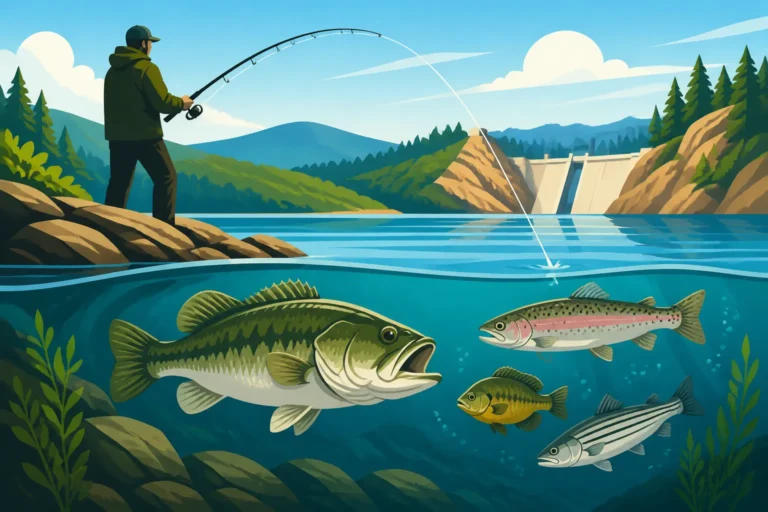
Pyramid Lake is primarily known for its excellent trout and striped bass fishing, but it also holds respectable populations of largemouth bass, smallmouth bass, crappie, bluegill, and catfish. Each species has its own preferred conditions, which is why timing your visit is so critical.
- Trout (Rainbow and Brown): These cold-water species thrive in the cooler months and deeper waters during summer. They are regularly stocked by the California Department of Fish and Wildlife, especially from fall through spring. They'll be shallower and more active near the surface when water temperatures drop.
- Striped Bass: The "stripers" are a major draw, known for their aggressive fights. They are schooling fish and chase baitfish, moving with the food source and water temperature. They tend to be more active in warmer water, making spring and fall prime times, but can be caught year-round.
- Largemouth and Smallmouth Bass: These bass are typically found near structure, points, and coves. Their activity peaks in spring during the spawn and again in the fall as they fatten up for winter.
- Catfish and Panfish (Crappie, Bluegill): These species are often less temperature-sensitive and can provide consistent action, particularly in the warmer shallow areas or at night for catfish. They are excellent targets for a relaxed day on the water, especially if the primary targets are elusive.
Knowing these habits is key to aligning your expectations and strategies with the time of year. For more specific details on what you can legally keep, review the latest California Fishing Bag and Size Limits.
Seasonal Breakdown for Optimal Fishing
Pyramid Lake truly shines at different times of the year, depending on what you're hoping to catch. There isn't a single "best time" for everything; rather, there are optimal windows for specific species and experiences.
Spring Fishing at Pyramid Lake (March-May)
Spring is arguably one of the most exciting times to fish Pyramid Lake. The water temperatures are steadily rising, kicking the metabolism of most fish species into high gear. This is when the lake truly comes alive after the slower winter months.
- Trout Opportunities: The early spring months, particularly March and April, often find trout still relatively shallow and very active, especially after fresh stockings. They're feeding aggressively before the water gets too warm. You'll find them cruising near points, drop-offs, and around the mouths of coves. Trolling with Rapalas, Kastmasters, or small spoons like Needlefish is very effective, as is bait fishing with PowerBait or nightcrawlers from shore or anchored boats. As the days lengthen and warm up into May, trout will start to move deeper, seeking cooler temperatures, but they remain catchable.
- Striped Bass Action Heats Up: This is prime time for striped bass. The warming water signals their activity surge, and they’ll start chasing baitfish with vigor. Look for schooling fish near the aqueduct intake tower, along main lake points, and around the Spanish Loop area. Casting swimbaits, jerkbaits like Lucky Craft Pointers, or live anchovies (if available) can produce explosive strikes. Early mornings and late afternoons are particularly productive for stripers, but they can be active throughout the day. It’s a great time to experiment with different retrieve speeds and depths.
- Bass and Panfish Spawning: Largemouth and smallmouth bass begin their pre-spawn and spawning rituals in spring, moving into shallower, protected coves. This means soft plastics, jigs, and spinnerbaits worked slowly around structure can be very effective. Crappie and bluegill also become more active, often schooling up in shallow brush or around submerged timber, making them fun targets for light tackle with small jigs or worms. For detailed freshwater regulations, check out our guide on California Freshwater Fishing Regulations.
Summer Fishing at Pyramid Lake (June-August)
Summer fishing at Pyramid Lake presents both challenges and unique opportunities. The intense heat and increased recreational boat traffic can make fishing tougher during midday, but early mornings, evenings, and targeting deeper water can still yield great results.
- Deep-Water Trout and Stripers: As surface temperatures soar, trout retreat to the cooler, oxygen-rich depths. This means trolling with downriggers or weighted lines becomes essential. Focus on depths of 30-60 feet, often near the dam or in the deeper sections of the main lake body. Striped bass will also go deep during the day, but they often come up to feed during the low light hours. Look for them schooling around underwater structures or along thermoclines. Vertical jigging with heavy spoons or fishing large swimbaits can entice a bite. You might want to consider booking a guide through platforms like FishingBooker if you're new to deep-water tactics, as they often have the specialized gear and knowledge.
- Early Morning and Evening Blitzes: The key to summer success often lies in timing your trip to avoid the harshest sun and busiest boat traffic. Early mornings, just as the sun peeks over the mountains, and late evenings, as it dips below the horizon, can offer spectacular topwater action for stripers, especially near the aqueduct inlet or along the dam face. Bass will also become more active during these periods, moving out of their deep-water sanctuaries to feed in shallower zones.
- Catfish and Panfish Reliability: Catfish become a consistent and often underrated target in summer. They are active day and night and can be found in coves and near structure, often in shallower water than trout or stripers. Stink baits, cut bait, or nightcrawlers fished on the bottom are highly effective. Panfish like bluegill and crappie can also be found in shaded areas or around structure, providing steady action for younger anglers or those seeking a relaxed bite. For more tips on summer angling, our general guide to California Fishing in Summer might be helpful.
Fall Fishing at Pyramid Lake (September-November)
Fall is a fantastic time at Pyramid Lake, often considered a second "spring" for fishing activity. The oppressive summer heat begins to wane, water temperatures cool, and fish respond by becoming much more active, often feeding heavily in preparation for winter.
- Explosive Striper Bites: With cooling water, striped bass become incredibly aggressive. They’re actively hunting baitfish, and you’ll often see birds diving and schools of stripers breaking the surface as they push bait up. This is prime time for throwing topwater lures, swimbaits, and jerkbaits. Focus on main lake points, submerged islands, and areas where baitfish are abundant. The aqueduct inlet remains a hot spot. Many anglers report some of their best striper days in the fall.
- Trout Return to Shallower Waters: As the lake cools down, stocked trout will spread out and move into shallower water, making them more accessible for shore anglers and those without downriggers. Trolling with spoons, stickbaits, or bait fishing from the shore or a boat with PowerBait or worms will be productive. The clearer, cooler water often means trout are more willing to chase and strike. Check local fishing reports, often available through guides on FishingBooker, for the latest stocking schedules.
- Bass and Panfish Feeding Frenzy: Largemouth and smallmouth bass will be in a strong feeding pattern, moving out of deep cover and actively chasing bait. Look for them on points, rock piles, and submerged timber. Crankbaits, spinnerbaits, and jigs can be very effective. Crappie and bluegill will also be active, often forming larger schools as they feed up for winter, making for consistent action on small jigs or live bait. Our detailed guide on California Fishing in Fall offers broader autumn angling advice.
Winter Fishing at Pyramid Lake (December-February)
Winter at Pyramid Lake can be challenging due to cold temperatures and potentially unpredictable weather, but it can also be incredibly rewarding for those seeking larger, less pressured fish. It’s a time for patience and precise techniques.
- Trophy Trout Potential: While overall numbers might be lower, winter often produces the biggest trout. The cold water keeps trout active and well-distributed throughout the water column, often shallower than you might expect for this time of year. Trolling slowly with larger spoons or Rapalas, or still fishing with powerbait, is effective. Look for them near drop-offs and channel edges. They tend to be concentrated in specific areas, so finding the school is key.
- Deep-Water Striped Bass: Stripers in winter will often school up in deeper parts of the lake. They might be less active, but a well-presented jig or spoon can still trigger a strike. Slow retrieves and vertical presentations are typically more effective than fast, erratic movements. Some anglers find success by targeting structure in deeper water. Though slow, the fish you do catch can often be larger.
- Catfish and Crappie as Steady Options: Catfish remain a viable option through winter, though their activity slows. Fishing cut bait or stink bait on the bottom in deeper coves can still produce. Crappie, while slower, can sometimes be found schooled up in deep timber or brush piles, responding to very small jigs fished slowly. It's a quieter time on the lake, offering a peaceful fishing experience for those prepared for the cold. For more tips on braving the cold, our article on California Fishing in Winter is a good read.
Daily and Weather Influences on Pyramid Lake Fishing
Beyond the seasons, the specific day and even hour you fish can significantly impact your success at Pyramid Lake. Paying attention to these smaller details can make a huge difference.
Best Times of Day
Just like with any fishery, certain times of day tend to be more productive at Pyramid Lake, especially for the predatory species like trout and striped bass.
- Sunrise and Sunset: These "low light" periods are almost universally excellent for fishing. The dim light gives predatory fish an advantage over their prey, and they often move into shallower water to feed. For stripers, this means topwater blow-ups or aggressive chases near the surface. For trout, it's a prime time for them to cruise shallow points and coves. Anglers targeting bass will also find increased activity around these times, whether they're throwing reaction baits or working soft plastics. The first hour after sunrise and the last hour before sunset are often the most productive windows you'll get all day.
- Mid-Day Challenges: Once the sun is high and bright, especially in summer, fishing can slow down considerably. Fish often retreat to deeper, cooler water or seek shade under structure. If you're fishing during midday, you'll typically need to switch to deeper presentations, heavier jigs, or slower techniques to coax a bite. This is also when recreational boat traffic tends to be at its peak, which can put fish off the bite and make certain areas unfishable due to wakes and noise.
- Night Fishing for Catfish and Stripers: Night fishing can be a surprisingly productive, and often tranquil, experience at Pyramid Lake. Catfish are naturally nocturnal and will actively feed throughout the night. For stripers, a full moon can sometimes trigger a night bite, especially if baitfish are present and actively feeding under the moonlight. Fishing under dock lights or around areas with ambient light can concentrate both bait and predators. Always prioritize safety if fishing after dark, including proper lighting and communication.
Weather and Water Conditions
Pyramid Lake is often described as a "windy lake," and for good reason. The surrounding topography funnels wind, which can dramatically affect fishing. Beyond wind, water clarity and temperature are crucial factors.
- Wind and Waves: A little chop on the water is often a good thing; it breaks up the surface, making lures look more natural and hiding your presence from the fish. It also oxygenates the water and can push baitfish. However, Pyramid Lake can experience strong winds, creating large, dangerous swells that make boat control nearly impossible and fishing uncomfortable. Always check the forecast before heading out. Days with moderate wind (5-15 mph) are often ideal. If it's too windy for boating, consider sheltered coves or stick to shore fishing in protected areas. For those interested in lake-specific fishing tips, exploring a more general Pyramid Lake Fishing Guide could offer additional insights.
- Water Temperature: This is perhaps the most critical factor influencing fish activity. Each species has an optimal temperature range. As discussed in the seasonal breakdown, fish will move to find their comfort zone. Monitoring local water temperature reports (often available from marina staff or online fishing forums) can help you decide on depths and techniques. For example, if trout are sluggish, they might be deeper than expected, or if stripers are inactive, they might be pushed into a thermocline.
- Water Clarity: Pyramid Lake typically has decent clarity, but heavy rains can sometimes muddy the incoming water from the aqueduct or local runoff. While clear water is usually preferred, a slight tint can sometimes be beneficial as it makes fish less spooky. Extremely clear water can make fish wary, requiring lighter lines and more subtle presentations. Conversely, very muddy water can shut down the bite for sight-feeding predators. Always observe the water conditions upon arrival and adjust your strategy accordingly.
Here’s a quick overview of optimal times:
| Species | Best Season | Peak Months | Best Time of Day | Key Conditions | Recommended Tactics |
|---|---|---|---|---|---|
| Rainbow/Brown Trout | Spring, Fall, Winter | Mar-May, Sep-Nov, Dec-Feb | Early Morning, Late Afternoon | Cooler water (50-65°F), post-stocking, light wind | Trolling spoons/stickbaits, PowerBait, jigs, flies |
| Striped Bass | Spring, Fall | Apr-May, Sep-Oct | Sunrise, Sunset, Night | Warming/cooling water (60-75°F), schooling bait | Swimbaits, jerkbaits, topwater, live bait, jigs |
| Largemouth/Smallmouth Bass | Spring, Fall | Apr-Jun, Sep-Oct | Sunrise, Sunset | Pre-spawn/spawn, feeding frenzy, structure | Jigs, soft plastics, crankbaits, spinnerbaits |
| Catfish | Summer, Fall | Jun-Oct | Night, Anytime | Warmer water, low light, bottom structure | Stink bait, cut bait, nightcrawlers |
| Crappie | Spring, Fall | Apr-May, Sep-Oct | Mid-day (shaded), Dawn/Dusk | Spawning, schooling near brush, clear water | Small jigs, live minnows, worms |
Gear, Techniques, and Local Knowledge for Success
Having the right gear and knowing how to use it, combined with insights from those who fish Pyramid Lake regularly, can significantly boost your angling success. It’s not just about when to go, but also how to approach the lake once you're there.
Essential Tackle for Each Season
Your tackle box should evolve with the seasons at Pyramid Lake. What works in spring might be useless in summer.
- Spring & Fall: These are active feeding periods. For trout, a light to medium-light spinning rod (6-7 feet) with 4-6 lb test fluorocarbon or monofilament line is ideal for casting lures or bait. Trollers might opt for slightly heavier setups. For stripers and bass, a medium to medium-heavy baitcasting or spinning rod (7-7.5 feet) with 10-20 lb test braided line and a fluorocarbon leader is versatile enough for throwing swimbaits, jerkbaits, or jigs. Popular lures include Lucky Craft Pointers, Kastmasters, and various soft plastic swimbaits from brands like Basstrix.
- Summer: When fish go deep, you'll need gear to match. Downriggers are essential for effective trout and striper trolling. For jigging, a sensitive medium-heavy rod with braided line helps detect subtle bites in deep water. You might also want heavier jigs (1-3 oz) to reach the bottom quickly. If you're targeting catfish at night, a sturdy medium-heavy rod with 15-25 lb mono or braid and a simple Carolina rig will serve you well.
- Winter: Patience is key, and so is sensitive gear. For trout, continue with light spinning setups, perhaps even lighter lines (2-4 lb test) if the water is very clear and fish are finicky. For deep-water stripers, vertical jigging with a sensitive rod is crucial to feel those soft takes. Long casts are often unnecessary, so focus on precise presentations.
Don't forget the essentials like pliers, scissors, a net (especially for those trophy stripers), and a cooler to keep your catch fresh. Always make sure your tackle adheres to the California Fishing Regulations Explained to avoid any issues.
Trolling, Jigging, and Bait Fishing Strategies
Adapting your technique to the season and species is paramount.
- Trolling: This is a highly effective method for covering water and finding active trout and stripers, especially in spring, fall, and summer (with downriggers). Vary your speed and depth until you find what the fish are responding to. For trout, slower speeds (1.5-2.5 mph) often work best with spoons and Rapalas. For stripers, you might go a bit faster (3-5 mph) with larger swimbaits or umbrella rigs. The key is to match the hatch – use lures that resemble the baitfish available in the lake.
- Jigging: Vertical jigging is a deadly technique for deep-water stripers and even trout, particularly in summer and winter. Position your boat over submerged structure or schools of fish (using your fish finder) and drop heavy spoons or bucktail jigs directly beneath. Work the jig with a lift-and-drop motion, pausing briefly to allow fish to strike. This technique requires good boat positioning, often aided by a trolling motor with GPS capabilities.
- Bait Fishing: Often underestimated, bait fishing can be incredibly productive, especially from shore or an anchored boat. For trout, PowerBait (in various colors and scents) or nightcrawlers fished off the bottom with an egg sinker rig are classic producers. For stripers, live anchovies or cut bait (if legal and available) can be irresistible. Catfish will readily take stink baits, cut mackerel, or chicken liver. Adjust your bait presentation to the conditions – a slip sinker for bottom fishing, or a bobber rig for suspended fish. If you're looking for guidance on specific bait and lure choices for common targets, our article on How to Fish for Striped Bass in California has some excellent pointers.
Consulting Local Experts and Resources
The local knowledge of Pyramid Lake can give you a significant edge.
- Marina and Tackle Shops: The marina at Pyramid Lake often has the most up-to-date information on recent catches, hot spots, and effective baits/lures. The staff are typically anglers themselves and happy to share tips. Local tackle shops in nearby towns like Castaic or Gorman are also invaluable resources; they thrive on local angler success and will often share detailed reports and advice.
- Online Resources and Fishing Reports: Websites, forums, and social media groups dedicated to Pyramid Lake fishing are great places to check recent reports, photos, and discussions. Many experienced anglers share their findings, offering real-time insights into what’s working. Always cross-reference information from various sources to get a comprehensive picture.
- Hiring a Guide: If you're new to Pyramid Lake, or just want to fast-track your learning curve, hiring a local fishing guide is an excellent investment. Guides spend countless hours on the water and know the lake's nuances intimately. They can teach you specific techniques, put you on fish, and provide all the necessary gear. Platforms like FishingBooker are a fantastic way to find and book experienced guides for Pyramid Lake. You can read reviews, compare services, and find a captain who specializes in the species you want to target. This can save you a lot of trial and error and significantly enhance your experience. Exploring the broader California Fishing Charters: Complete Guide can provide more options for booking guided trips across the state.
Disclaimer
Please remember that fishing regulations, conditions, and fish behavior can change. Always consult the latest California Department of Fish and Wildlife (CDFW) regulations before heading out. This guide provides general information and best practices; however, local conditions and specific rules should always take precedence. Fishing success is never guaranteed, but proper preparation and knowledge significantly increase your odds.