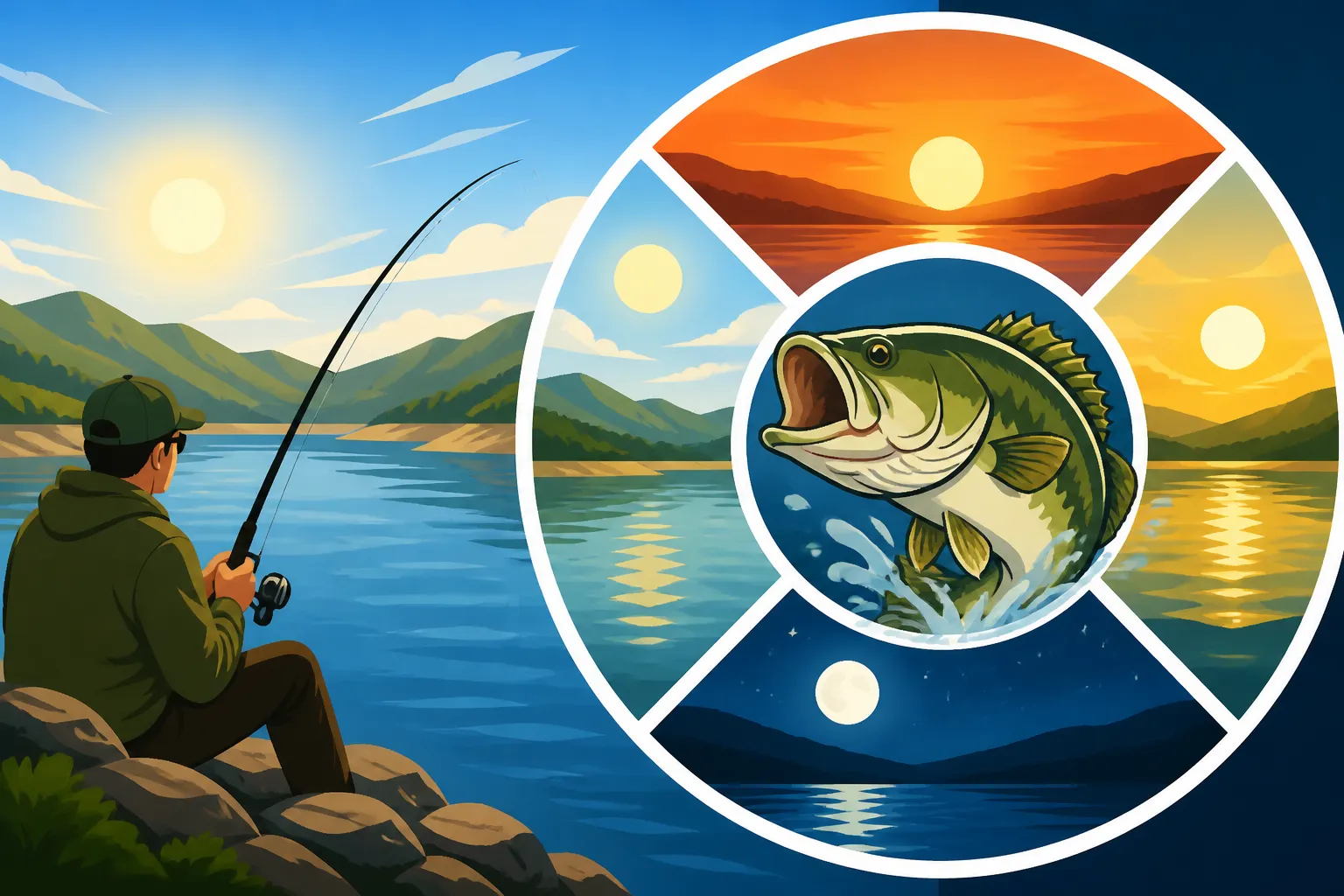
Best Time to Fish San Luis Reservoir
Trying to figure out the absolute best time to hit San Luis Reservoir can feel like solving a complex puzzle. With its fluctuating water levels, diverse fish species, and unique hydrology, pinpointing prime fishing windows is a real challenge for many anglers. This guide is here to untangle that complexity, giving you a clear, realistic breakdown of when and how to maximize your success on this incredible Central California fishery.
Understanding San Luis Reservoir's Unique Fishery
San Luis Reservoir isn't just another lake; it's a critical component of California's water infrastructure, and that plays a massive role in its fishing dynamics. Located near Los Banos in Merced County, this massive off-stream reservoir acts as an emergency storage facility for the State Water Project and the Central Valley Project. What does that mean for you, the angler? It means water levels can swing wildly, and the presence of powerful pumps transferring water into or out of the reservoir creates unique currents and feeding opportunities that you won't find just anywhere. Understanding these factors is key to knowing the best time to fish San Luis Reservoir.
Key Fish Species to Target
San Luis Reservoir is renowned for its hard-fighting fish, especially the striped bass. But it's not a one-trick pony; there are other exciting species that call these waters home. Knowing what you're targeting helps narrow down the "best time" significantly.
- Striped Bass (Stripers): Without a doubt, stripers are the main draw here. These powerful predators thrive in San Luis's vast, open waters and benefit from the abundant baitfish. They can grow to impressive sizes, offering thrilling fights. Their behavior is highly influenced by water movement and temperature, making them a strategic target.
- Largemouth Bass: While not as famous as the stripers, healthy populations of largemouth bass can be found, particularly in areas with submerged structure, rocky points, and coves. They offer a different challenge and often peak during different conditions than their saltwater cousins.
- Crappie: For those looking for a tasty meal or a fun light-tackle fight, crappie are present, often schooling around submerged brush or structure. They can be prolific when you find a good school.
- Catfish (Channel and White): Catfish are the reliable bottom-dwellers, often biting when other species are slow. They're especially popular during warmer months and can grow quite large in San Luis.
Environmental Factors Influencing Fishing
San Luis Reservoir is a dynamic environment, and ignoring the prevailing conditions is a surefire way to come home empty-handed. Water levels, temperature, and current are the holy trinity here, constantly shifting and dictating fish behavior.
The most significant factor is the water level. Because San Luis is an off-stream storage facility, its levels can rise and fall dramatically depending on rainfall, snowpack, and water demands across the state. High water levels often mean more submerged structure, which can spread fish out but also create new ambush points. Low water can concentrate fish in smaller areas, making them easier to locate but sometimes more finicky. Keep an eye on reports from the California Department of Water Resources or local tackle shops before you head out.
Water temperature is another crucial element. Stripers, for instance, prefer cooler water for aggressive feeding. When surface temperatures climb in the summer, they'll often retreat to deeper, cooler sections of the lake. Conversely, a warming trend in spring can kickstart their spawning activity and bring them into shallower water.
Finally, the water current generated by the massive pumps drawing water from or pushing water into the reservoir creates incredibly unique fishing conditions. These currents can disorient baitfish, making them easy targets for hungry predators, particularly stripers. Learning to "read the current" and position your boat or cast your bait accordingly is a San Luis Reservoir secret weapon. Many local anglers check the pump schedules for forebay and main reservoir operations to predict the best times to fish.
Seasonal Breakdown: Best Times to Fish San Luis Reservoir
Fishing San Luis Reservoir is a year-round affair, but each season offers distinct opportunities and challenges. Knowing what to expect as the calendar turns can drastically improve your chances of success.
Spring Fishing March-May: Striper Spawn and Aggressive Bass
Ah, spring! This is often considered one of the absolute best times to fish San Luis Reservoir, especially for those targeting striped bass. As the water temperatures begin to climb into the 50s and low 60s, the stripers become incredibly active. They're moving up shallower, preparing for their annual spawning run up the San Joaquin River system (though actual spawning doesn't happen in the reservoir, they follow the urge to migrate).
During March and April, stripers are often found cruising near rocky points, submerged humps, and the edges of the main channel. Trolling with large swimbaits, jerkbaits, or umbrella rigs can be incredibly effective, especially if you're covering a lot of water. If you prefer casting, throwing topwater lures at dawn or dusk can produce explosive strikes, while heavy jigs or plastic swimbaits worked along drop-offs will tempt deeper fish. This is also a fantastic time for largemouth bass, as they move into shallower coves to spawn, becoming highly protective of their beds and aggressive towards intruders. Consider consulting a fishing guide found on platforms like FishingBooker for localized spring insights; they often know the current hot spots based on specific water levels and temperatures.
Summer Fishing June-August: Early Morning, Late Evening, Deep Water Tactics
Summer at San Luis Reservoir can be brutal, with scorching Central Valley temperatures that send many anglers packing. But don't write it off entirely! The key to summer success is adapting your tactics to the heat. This is a time when the "early bird gets the worm" adage really applies.
From June through August, the best fishing windows are typically at first light (pre-dawn to mid-morning) and again in the late evening, right before sunset until dark. During these cooler periods, stripers might venture shallower to feed. However, for most of the day, they'll retreat to the cooler, deeper parts of the reservoir. Downrigging with anchovies or shad, vertical jigging spoons or heavy plastics, and drifting live bait in the main channel are popular and effective strategies. Look for areas with deeper water access, especially near the dam or submerged structures. Crappie and catfish fishing can also be excellent in summer, especially at night using submersible lights for crappie or smelly baits for catfish. Remember, if you’re fishing from a boat, always have plenty of water and sun protection!
Fall Fishing September-November: The "Fall Bite" and Active Stripers
Autumn is another prime time, often rivaling spring, for fishing San Luis Reservoir. As the oppressive summer heat breaks and water temperatures begin to cool, the stripers once again become highly active and aggressive, feeding heavily in preparation for winter. This is what many local anglers call the "fall bite."
Starting in September and continuing through October and November, stripers will often be found chasing baitfish schools, sometimes erupting in spectacular surface boils. Watching for birds diving or baitfish scattering can lead you to incredible action. Trolling big swimbaits, casting large topwater plugs, or working soft plastics like Flukes or Huddlestons are all highly effective. This is also a fantastic time for largemouth bass, as they too are putting on the feedbag, often found near submerged points and rocky outcroppings. The cooler, more stable weather often makes for a much more pleasant fishing experience overall. Many experienced guides book up fast during this period, so if you're looking for an expert to show you the ropes, try searching for "San Luis Reservoir fishing guides" on FishingBooker well in advance.
Winter Fishing December-February: Slower But Trophy Potential
Winter fishing at San Luis Reservoir is generally slower than other seasons, but it offers a unique opportunity for patient anglers: the chance at a true trophy-sized striped bass. While the numbers of fish caught might decrease, the average size of the fish can increase significantly.
During the colder months of December, January, and February, stripers become more lethargic, moving slower and feeding less frequently. They'll typically congregate in deeper water, often suspending over structure or near the bottom in the main lake basin. Slow-trolling large plugs or umbrella rigs, or drift fishing with live bait (such as jumbo minnows or anchovies) are the most common and effective techniques. Vertical jigging spoons or blade baits can also tempt these cold-water giants. Largemouth bass will be deep and slow, often requiring slow presentations of jigs or drop-shot rigs. While you'll have to work harder for your bites, the reward of landing a massive striper in the quiet calm of winter can be incredibly satisfying.
Here’s a quick overview of what to expect seasonally:
| Season | Primary Target Species | Key Tactics | Peak Activity | Notes |
|---|---|---|---|---|
| Spring | Striped Bass, Largemouth Bass | Trolling (swimbaits, jerkbaits), topwater, jigs | Highly active, pre-spawn/spawn | Excellent all-around; stripers shallower, bass spawning |
| Summer | Striped Bass, Catfish, Crappie | Deep water trolling/jigging, live bait, night fishing | Early morning/late evening, deeper water | Hot weather, fish retreat deep; focus on low-light hours |
| Fall | Striped Bass, Largemouth Bass | Trolling, casting topwater/swimbaits, jigging | Highly active, "fall bite" | Second best time of year; stripers chase bait, surface boils likely |
| Winter | Striped Bass, Catfish | Slow trolling, deep drift fishing, vertical jigging | Slower, but potential for trophy-sized fish | Patience is key; target deeper holding areas for larger fish |
Daily Timing and Influences on the Water
Beyond the seasons, understanding the daily rhythms of San Luis Reservoir can provide an edge. Fish behavior isn't just about the calendar; it's also about the clock and the flow of water.
Best Times of Day to Fish
Just like many fisheries, dawn and dusk are often the magic hours. The low light conditions make predators like stripers feel more confident moving into shallower water to hunt, and the cooler temperatures are generally more comfortable for them.
- Sunrise to Mid-Morning: This window, typically the first 2-3 hours after sunrise, is almost universally productive. Fish are often actively feeding after the night, and light penetration is still low enough to keep them from retreating to deeper water.
- Late Afternoon to Sunset: As the sun begins to drop and the heat of the day subsides, fish can become active again. This can be a fantastic time for topwater action or casting lures near shorelines and points.
- Night Fishing: For catfish and sometimes larger stripers, night fishing can be incredibly productive, especially during the warmer summer months. Submersible lights can attract baitfish, which in turn attract predators.
Mid-day, especially during summer, is often the toughest time to fish. The bright sun and high temperatures can push fish deep and make them lethargic. However, if there are strong currents from the pumps, fish might still be active even in the middle of the day.
Understanding Water Management and Flows
This is perhaps the single most critical factor unique to San Luis Reservoir. The massive pumps at the O'Neill Forebay, which connects to the main reservoir, are constantly moving water. This creates artificial currents that can mimic river systems and trigger intense feeding frenzies for striped bass.
When water is being pumped into the main reservoir from the O'Neill Forebay, it creates a significant current. Stripers will often stack up in these flow areas, waiting for baitfish to be swept past them. This can create incredible fishing opportunities, particularly if you can position your boat or cast your lures directly into or alongside the current. Conversely, when water is being pumped out of the reservoir, it can also create current, pulling bait and predators towards the outlet.
Keeping an eye on the California Department of Water Resources (DWR) operational updates is a pro tip for San Luis anglers. Knowing when the pumps are active can help you plan your trip for optimal current. Many local tackle shops and online fishing forums also provide daily insights into pump operations and how they're affecting the bite. This unique "man-made current" is a game-changer and a primary reason why many anglers consider specific days with active pumping cycles the absolute best time to fish San Luis Reservoir.
Essential Gear and Bait for San Luis Success
Having the right tools for the job is always important, but at San Luis, where fish can grow large and fight hard, it's absolutely crucial. Let's talk about what you'll need to gear up for a successful outing.
Recommended Rods, Reels, and Lines
When targeting those hard-fighting San Luis stripers, you'll want gear that can handle the abuse.
- Rods: A medium-heavy to heavy action casting or spinning rod, typically 7 to 8 feet long, is ideal. This length provides good casting distance and leverage for fighting powerful fish. Brands like Ugly Stik or St. Croix offer durable options that can stand up to heavy use. For finesse applications or smaller bass, a medium action rod around 6'6" to 7' would be more appropriate.
- Reels: For stripers, a sturdy baitcasting reel or a spinning reel in the 4000-6000 series size range is recommended. Look for reels with a smooth, powerful drag system, as these fish will make strong runs. Shimano and Penn are popular choices known for their reliability. For lighter bass or crappie, a 2500-3000 series spinning reel works well.
- Line: Braided line is king at San Luis for stripers due to its strength, sensitivity, and lack of stretch, which helps with hook sets. Opt for 30-50 lb test braid for your main line, often with a 15-30 lb fluorocarbon leader for abrasion resistance and stealth. For largemouth bass, 10-20 lb fluorocarbon or monofilament, or 20-30 lb braid with a fluorocarbon leader, is common. You can always check with a local guide before your trip; many are listed on FishingBooker and can give specific recommendations based on current conditions.
Top Baits and Lures for Each Species
Matching the hatch and presenting the right offering at the right time is paramount.
- Striped Bass:
- Live Bait: Threadfin shad or jumbo minnows are irresistible. Anchovies, especially when trolled or drifted, are also highly effective.
- Lures: Large swimbaits (soft plastic or hard-bodied, like those from Castaic or Delta Tackle), umbrella rigs (often called A-rigs), deep-diving crankbaits (think Bill Lewis Rat-L-Traps or Lucky Craft LV 500s), jerkbaits, and heavy jigs (white or chartreuse bucktails or lead heads with plastic tails) are all proven producers. Topwater plugs (e.g., Heddon Super Spook) are exhilarating during active surface feeds. For specific tips, check out our guide on how to fish for Striped Bass in California.
- Largemouth Bass:
- Soft Plastics: Senkos, creature baits, worms (Carolina-rigged or Texas-rigged) in green pumpkin, black, or natural patterns.
- Hard Baits: Crankbaits, spinnerbaits, chatterbaits, and jerkbaits work well, especially around structure.
- Jigs: Flipping and pitching jigs into heavy cover can entice big bass.
- Crappie:
- Live Bait: Small minnows are classic and incredibly effective.
- Lures: Small jigs (1/32 to 1/16 oz) tipped with tiny grubs, tubes, or Bobby Garland Crappie Baits in bright colors.
- Catfish:
- Bait: Stink bait, cut bait (sardines, mackerel), chicken liver, and nightcrawlers fished on the bottom.
Understanding the forage base and selecting baits that mimic what the fish are currently eating will often lead to the best results.
Regulations and Conservation at San Luis Reservoir
Fishing at San Luis Reservoir means you're part of a larger ecosystem, and responsible angling is key to ensuring its health for future generations. Always remember to check the latest California Freshwater Fishing Regulations before heading out. These regulations cover everything from bag and size limits to specific gear restrictions and can change throughout the year. For instance, understanding the nuances of California Striped Bass Regulations is crucial to avoid any fines or penalties.
Conservation is paramount, especially for larger, older stripers. While they are a non-native species in California, they are an integral part of the San Luis fishery. Practicing catch and release, particularly for trophy-sized fish, helps maintain a healthy population structure. If you do keep fish, only take what you will eat and adhere strictly to all legal limits. Familiarize yourself with how to handle fish carefully if you plan to release them, minimizing stress and injury.
Finding Your San Luis Fishing Adventure
Whether you're planning a full day on the water with your own boat or considering hiring an expert to guide you to the best spots, San Luis Reservoir offers options for every type of angler.
For those bringing their own vessel, there are several launch ramps available, including the Basalt Area Boat Ramp and the San Luis Creek Recreation Area. Always check current ramp conditions and water levels, as fluctuating reservoir levels can impact usability.
If you prefer to go with a pro, there are many excellent local fishing guides who specialize in San Luis Reservoir. A quick search for "San Luis Reservoir fishing guides" on a platform like FishingBooker can connect you with experienced captains who know the reservoir's intricacies, from pump schedules to secret hot spots. They can provide all the necessary gear, expertise, and often, invaluable insights into the current bite. This can be especially helpful if you're new to the reservoir or looking to target a specific species during a particular season. They'll also be up-to-date on all the relevant California Fishing Regulations Explained.
Even if you're fishing from shore, there are opportunities around the reservoir, particularly near accessible points and coves. Bank fishing can be excellent during the spring and fall when stripers are closer to shore. Just be mindful of any restricted areas and always clean up your fishing spot before you leave.
Ultimately, the best time to fish San Luis Reservoir isn't a single answer, but rather a spectrum of opportunities that shift with the seasons, the daily rhythms, and the unique hydrological conditions. By understanding the species, monitoring the environment, and adapting your techniques, you can enjoy rewarding fishing trips on this incredible Central California gem year-round.
Disclaimer
Fishing conditions, regulations, and fish behavior are subject to change. Always consult the latest official California Department of Fish and Wildlife regulations before heading out. This guide is for informational purposes only and should not replace official sources or professional advice. Stay safe and fish responsibly.