Best Time to Fish Big Bear Lake
Trying to figure out the absolute perfect moment to drop a line in Big Bear Lake can feel like chasing a mirage sometimes, especially with how much conditions can change! It's frustrating to plan a whole trip, only to find the fish aren't biting when you get there. This comprehensive guide is going to walk you through the optimal seasons, times of day, and even weather conditions to help you maximize your chances of a successful and enjoyable fishing experience on Big Bear Lake.
Understanding Big Bear Lake's Unique Fishery
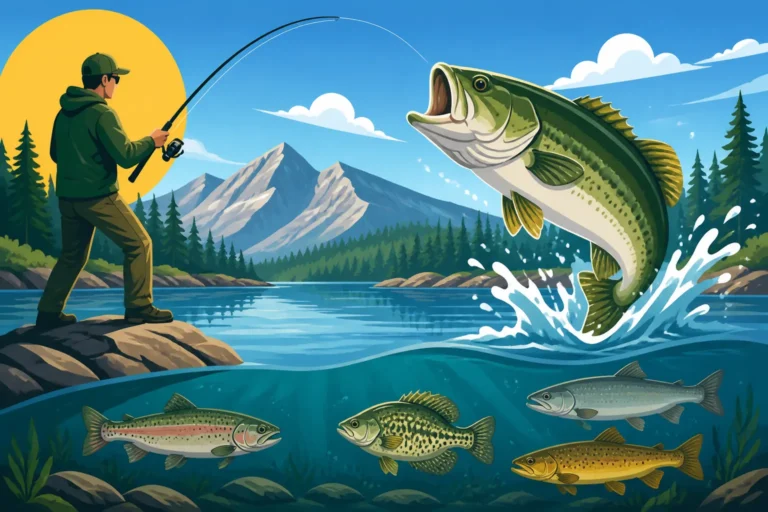
Big Bear Lake, nestled high in the San Bernardino Mountains, isn't just a pretty face; it's a fantastic fishery, but it definitely has its own personality. The varying depths, submerged structures, and clear, cool waters create different habitats for a variety of species. Knowing what thrives where, and when, is key to unlocking its secrets. We're talking about everything from rainbow trout, which are regularly stocked, to native largemouth and smallmouth bass, feisty channel catfish, and even some kokanee salmon. Each of these species has its own peak activity periods, influenced heavily by the seasonal changes in water temperature and availability of food. It's not just about showing up; it's about showing up smart.
Primary Game Fish Species
Before we dive into the "when," let's quickly chat about what you'll be targeting. Big Bear Lake is famous for a few key species that attract anglers year-round. Understanding their habits is the first step to successful timing.
Rainbow Trout
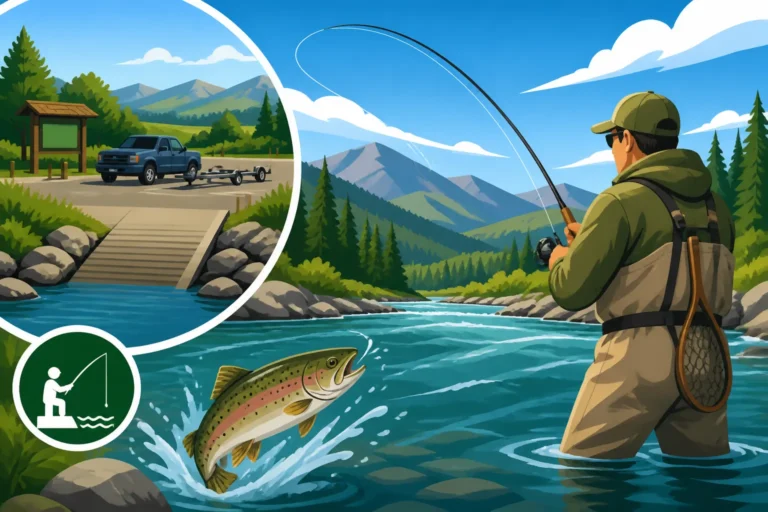
Rainbow trout are undoubtedly the most popular target in Big Bear Lake, thanks to extensive stocking programs by the California Department of Fish and Wildlife (CDFW). These fish thrive in cooler water, making them a prime target during spring, fall, and even through the ice in winter. You'll often find them cruising the shallower coves and near structure early and late in the day when the sun isn't as intense. They're often stocked in various sizes, offering a fun challenge for anglers of all skill levels. If you're looking for general tips, check out our guide on how to fish for trout in California.
Largemouth and Smallmouth Bass
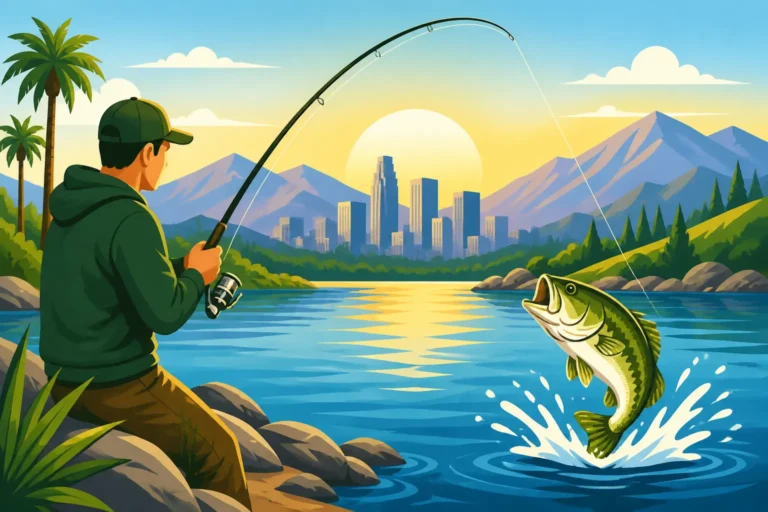
Big Bear Lake boasts a healthy population of both largemouth and smallmouth bass. Largemouth bass prefer the warmer, weedier coves and areas with plenty of submerged structure like fallen trees or docks. Smallmouth bass, on the other hand, are typically found in clearer, rockier areas and often hold to deeper breaks. Their activity levels are highly dependent on water temperature, making summer and early fall their prime time. Catching these aggressive predators can be incredibly exciting, and many anglers specifically visit Big Bear for the chance at a trophy bass. For more localized advice, our article on Largemouth Bass in California: Where and How to Catch might offer some additional insights.
Kokanee Salmon
Often overlooked, kokanee salmon are also present in Big Bear Lake. These landlocked sockeye salmon are delicious and put up a fantastic fight. They are typically found in deeper, cooler water, preferring the open water column rather than shallow cover. Their season is usually more specific, generally peaking in the warmer months when they can be found schooling. Targeting kokanee often requires specific trolling techniques at precise depths.
Catfish and Panfish
Don't forget the channel catfish and various panfish like bluegill and crappie! Catfish are bottom-dwellers and are most active in warmer water, making summer nights an excellent time to target them. Panfish are abundant and a great target for families or beginners, often found near docks, submerged brush, or weed lines in shallower water, especially during the warmer parts of the day.
Seasonal Breakdown: Best Time to Fish Big Bear Lake
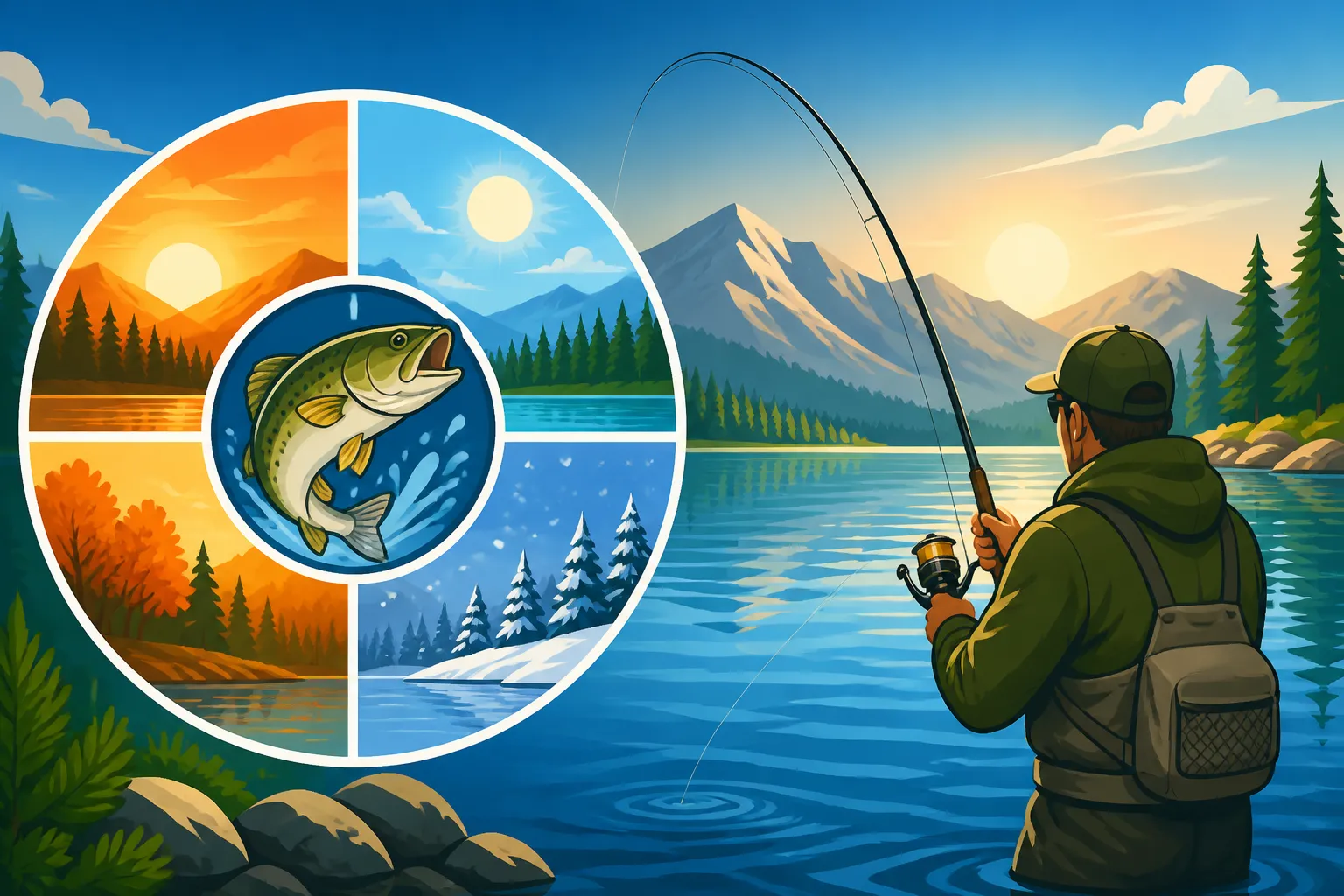
When it comes to Big Bear Lake, the "best time" really depends on what you're hoping to catch and what kind of fishing experience you're after. Each season brings its own set of opportunities and challenges.
Spring Fishing in Big Bear Lake (March – May)
Ah, spring! This is arguably one of the most exciting times to fish Big Bear Lake. As the ice melts (if it was frozen) and the water temperatures start to climb from their winter lows, the fish really begin to wake up.
Trout Galore
This is prime trout season. The CDFW usually begins its aggressive stocking schedule in spring, meaning fresh, hungry trout are being introduced regularly. The water is still cool enough for them to be active throughout the day, and they'll often cruise closer to the surface and along the shorelines. You'll find success with PowerBait, nightcrawlers, small lures like Kastmasters or Thomas Buoyants, and even fly fishing with streamers or nymphs. Mornings and evenings are stellar, but don't count out midday, especially on overcast days. Many anglers find that fishing around the North Shore, Boulder Bay, and near the dam offers some of the best early season trout action. You can often find a local guide to help you maximize your spring trout catch through platforms like FishingBooker, which lists experienced captains familiar with Big Bear's springtime nuances.
Bass Pre-Spawn and Spawn
Bass also become incredibly active in spring. As water temperatures rise into the 50s and 60s, both largemouth and smallmouth move into shallower areas, preparing for and then engaging in their spawning rituals. This is when they can be very aggressive, protecting their nests and feeding heavily. Look for them in rocky coves, around submerged timber, and near docks. Lipless crankbaits, jigs, spinnerbaits, and soft plastics can be incredibly effective. However, remember to practice catch-and-release, especially for spawning bass, to help maintain the lake's healthy population. Our article on California Bass Fishing Regulations will help you stay informed about legal requirements.
Summer Fishing in Big Bear Lake (June – August)
Summer at Big Bear Lake is a beautiful time, but the fishing tactics shift due to warmer water and increased boat traffic. It's still excellent, but you need to adjust your approach.
Early Morning Trout and Deeper Bass
As surface water temperatures rise into the 70s, trout tend to move deeper to find cooler, more oxygenated water. Your best bet for trout will be very early in the morning or late in the evening when they might temporarily move shallower to feed. During the day, trolling with flashers and dodgers followed by a spoon or an Rapala in the main lake body, or still fishing with heavier weights in deeper channels, can be effective. Popular spots include the deep waters near the dam and the middle of the lake.
Bass fishing can be fantastic in summer, especially for those targeting larger fish. Largemouth bass will often retreat to deeper weed lines, shaded areas under docks, or submerged structure during the brightest parts of the day. Smallmouth bass will be holding tight to rocky points and drop-offs. Topwater lures are exciting choices during low-light conditions, while Texas-rigged worms, drop-shot rigs, and deep-diving crankbaits work well when the sun is high. FishingBooker can connect you with guides specializing in summer bass patterns if you want to dial in your technique.
Catfish and Panfish Prime Time
Summer is prime time for channel catfish. They are warm-water fish and become very active, especially as dusk settles. Fishing the bottom with smelly baits like cut bait, chicken livers, or commercial stink baits in coves and shallower flats can yield excellent results. Panfish, like bluegill and crappie, are also abundant and easy to catch in the summer, making it perfect for family outings. Use small hooks with worms or crickets under a bobber near docks, fallen trees, or weed beds.
Fall Fishing in Big Bear Lake (September – November)
Fall is a truly magical time to fish Big Bear Lake. The summer crowds thin out, the autumn colors are stunning, and the fish often go on a feeding frenzy as water temperatures begin to drop.
Aggressive Trout and Kokanee
As the water cools again, trout become much more active and can be found closer to the surface for longer periods. They're trying to fatten up for winter, making them very eager to strike. Trolling with lures, casting spoons from shore, or bait fishing with PowerBait or worms all perform exceptionally well. This can also be a fantastic time for kokanee salmon, as they become more active before their spawning run. Look for them schooling in the main lake basin. Our guide on how to fish for Kokanee in California might give you additional tactics.
Bass Feeding Frenzy
Bass also experience a "fall turnover" where they become extremely aggressive, mirroring their spring patterns. They're chasing baitfish, so crankbaits, spinnerbaits, and swimbaits that imitate forage fish can be highly effective. Look for schools of bass busting bait on the surface, especially during low-light conditions. Targeting rocky points and transition areas where baitfish might congregate is a smart move.
Winter Fishing in Big Bear Lake (December – February)
Winter fishing at Big Bear Lake offers a unique experience, especially if the lake freezes over enough for ice fishing. Even without ice, the cold water means slower but often larger fish.
Ice Fishing for Trout
When safe ice forms (usually 6 inches or more), Big Bear Lake becomes one of Southern California's few ice fishing destinations. Trout are the primary target through the ice. Use small jigs tipped with PowerBait, mealworms, or corn. Focus on areas where trout were found in late fall. Always check ice conditions with local authorities or bait shops before venturing out. Safety is paramount when ice fishing.
Open Water Winter Fishing
If the lake doesn't freeze or only partially freezes, open-water winter fishing can still be productive. Fish activity will be slower, requiring a more patient approach. Slower presentations and deeper water are key. For trout, deep trolling or bait fishing near the bottom can yield results. Bass will be sluggish and relate tightly to deep structure; finesse techniques like drop-shotting or slow-dragging jigs are your best bet. Winter fishing can be peaceful, offering a solitude not found during the busier seasons. Keep an eye on local conditions and California Fishing Reports for updated information on access and ice safety.
Best Time of Day and Weather Considerations
Beyond the seasons, the time of day and prevailing weather conditions play a huge role in fish activity on Big Bear Lake. Ignoring these factors can lead to a frustrating day, even if you're there in the "right" season.
Early Morning and Late Evening
These "golden hours" are almost universally the best times to fish any body of water, and Big Bear Lake is no exception.
- Reduced Light: The lower light levels make fish feel safer to move into shallower water to feed. This is when trout cruise the shorelines, and bass might chase baitfish on the surface.
- Cooler Temperatures: Air and water temperatures are at their coolest, which is particularly appealing to trout and other cold-water species, especially in summer.
- Less Boat Traffic: Fewer recreational boats mean less disturbance and a more peaceful fishing environment.
Midday Fishing Strategies
Don't rule out midday, but adjust your tactics. In summer, midday means finding fish in deeper, cooler water or tucked away in heavy cover. For trout, this means trolling deeper or still fishing on the bottom in known deep spots. For bass, try pitching jigs or Texas rigs into dense cover or along deep structure. On overcast days or during spring and fall, midday can be productive, especially if the fish are actively feeding.
Weather Patterns and Their Impact
Weather isn't just about comfort; it directly influences fish behavior.
Overcast Days
Cloudy days are often fantastic for fishing. The reduced sunlight keeps water temperatures more stable and allows fish to remain active in shallower water for longer periods. This is especially true for trout and bass, which might be more hesitant to expose themselves in bright sunlight.
Before a Storm
The period right before a significant storm or cold front can trigger an intense feeding bite. Changes in barometric pressure often signal to fish that they need to feed heavily before conditions worsen. This can be a prime time for aggressive strikes.
After a Storm
Immediately after a strong storm, fishing can be tough as fish might be disoriented. However, once the water settles, especially if the storm brought in fresh, cooler water or increased water flow (if applicable), fishing can pick up again. Be cautious of muddy runoff, which can make fishing difficult in certain areas.
Wind
A moderate chop on the water from wind can be your friend. It breaks up the surface, making it harder for fish to see you and your line, and also oxygenates the water. However, too much wind can make boat control and casting difficult. In windy conditions, focus on the leeward (downwind) side of points and structure where baitfish might be pushed and fish will often ambush them.
Best Techniques for Each Season and Species
Matching your technique to the season and target species is paramount. Here's a quick overview of what generally works when.
| Species | Spring (March-May) | Summer (June-Aug) | Fall (Sept-Nov) | Winter (Dec-Feb) |
|---|---|---|---|---|
| Rainbow Trout | PowerBait, worms, small spinners, Kastmasters (shore/boat); fly fishing in coves. Regular stocking. | Trolling deeper with flashers/spoons; deep still fishing with PowerBait/worms. Early/late only in shallows. | Trolling with Rapalas/spoons, shore casting PowerBait/worms. Aggressive feeding. | Ice fishing with small jigs/PowerBait (if frozen); deep still fishing with worms/PowerBait (open water). |
| Largemouth Bass | Jigs, spinnerbaits, lipless crankbaits, soft plastics (pre-spawn/spawn). Shallow coves. | Deep-diving crankbaits, Texas rigs, drop-shot, topwater (early/late). Docks, submerged structure, weed lines. | Crankbaits, swimbaits, jerkbaits, jigs. Aggressive feeding. Rocky points, baitfish schools. | Finesse jigs, drop-shot. Slow presentations on deep structure. |
| Smallmouth Bass | Jigs, jerkbaits, shaky heads (rocky points, ledges). | Drop-shot, tubes, grubs on rocky points and deeper breaks. | Crankbaits, tubes, grubs. Rocky points. | Drop-shot, small jigs. Very slow on deep rock piles. |
| Kokanee Salmon | Trolling with dodgers/hoochies at specific depths. | Trolling with dodgers/hoochies. Spawning activity. | ||
| Channel Catfish | Bottom fishing with cut bait/worms. | Bottom fishing with cut bait/stink bait, especially at night. | Bottom fishing with cut bait/stink bait. | Deep bottom fishing with strong-scented baits. |
This table provides a general guide, but conditions can vary! Always check local Big Bear Lake fishing reports or consult with bait shops in town, like Big Bear Lake Tackle or Big Bear Sporting Goods, for the most current information. These local experts often have the pulse of what's working right now and can provide invaluable insights on specific lures, baits, and techniques for the day. For more general advice, consider our guide on Best Fishing Techniques for California Waters.
Planning Your Big Bear Lake Fishing Trip
Okay, you've got the seasonal and daily insights, now let's talk practical planning to make sure your trip is a success.
Essential Gear and Supplies
No matter the season, a few things are always essential for a day of fishing on Big Bear Lake.
- California Fishing License: Absolutely non-negotiable! If you're 16 or older, you need a valid California fishing license. You can purchase these online through the CDFW website or at local tackle shops. Make sure you understand the California Fishing License Guide before you go.
- Appropriate Rod and Reel: A medium-light to medium action spinning rod and reel combo is versatile enough for trout, bass, and panfish.
- Terminal Tackle: A selection of hooks (sizes 6-12), sinkers, swivels, and bobbers.
- Baits and Lures: Based on your target species and the season, pack a variety. For trout, PowerBait, worms, and small spoons are good. For bass, soft plastics, jigs, and crankbaits.
- Cooler and Ice: For keeping your catch fresh, if you plan to retain fish. Always check bag and size limits for Big Bear Lake species. Our guide on California Fishing Bag and Size Limits can help you with this.
- Sun Protection: Sunscreen, a hat, and polarized sunglasses are a must year-round, even on cloudy days, due to the high altitude.
- Layers of Clothing: Mountain weather can change rapidly. Dress in layers to adapt.
- Map/GPS: Even though Big Bear isn't massive, knowing your way around the lake and identifying key fishing spots is helpful.
- Navigation Tools: If you're using a boat, ensure you have proper safety gear, including life vests for everyone on board.
Where to Access the Lake
Big Bear Lake offers numerous access points for anglers, whether you're fishing from shore, a rental boat, or your own craft.
- Public Piers: The Stanfield Cutoff and Boulder Bay Park are popular spots for pier fishing, often yielding trout and panfish. Remember, generally, you can fish from public piers without a license in California, but verify this for Big Bear Lake specifically. Our article on Pier Fishing in California: Rules covers this in detail.
- Shoreline Access: There are many public access points along the North Shore and around areas like Rotary Park and Veterans Park. Just be mindful of private property.
- Boat Launches: Public boat launches are available, but always check current lake regulations regarding boat inspections for invasive species. Marina operators can provide up-to-date information on launch fees and requirements.
- Rental Boats: Marinas around the lake, such as Big Bear Marina or Pleasure Point Marina, offer a variety of boat rentals, from pontoon boats to fishing skiffs, allowing you to access prime spots across the lake. If you don't have your own boat, this is a fantastic way to explore. You can also look into booking a local guide who will provide the boat and all the necessary gear, often found on platforms like FishingBooker.
Fishing Regulations for Big Bear Lake
Staying on the right side of the law is crucial. Big Bear Lake falls under general California freshwater fishing regulations, but there can be specific local rules or emergency closures.
- License Requirements: As mentioned, a California fishing license is required for anyone 16 or older.
- Bag and Size Limits: These vary by species and can change. Always consult the current California Freshwater Fishing Regulations booklet, available online from CDFW or at tackle shops. For trout, for example, there's usually a daily bag limit, and sometimes specific size restrictions.
- Report Cards: While Big Bear Lake isn't typically known for species requiring specific report cards like steelhead or sturgeon, it's always good to be aware of what a California Fishing Report Cards Explained entails for other fisheries you might visit.
- Prohibited Areas: Be aware of any designated "no fishing" zones, especially around marinas or swimming areas.
- Barbless Hooks: While not universally required for all species in Big Bear, using barbless hooks (or crimping down barbs) makes catch-and-release much easier and safer for the fish, which is a great practice, especially during the spawn. Our piece on California Barbless Hook Requirements explains this further.
By understanding the seasonal shifts, species behaviors, and daily factors, you'll be well on your way to a memorable and productive fishing trip on Big Bear Lake. Tight lines!
Disclaimer
Fishing conditions and regulations in California, especially for specific lakes like Big Bear, can change frequently due to environmental factors, stocking schedules, and management decisions by the California Department of Fish and Wildlife. Always consult the most current regulations booklet and local advisories before heading out. This guide is for informational purposes only and should not replace official sources.