Malibu Pier Fishing Guide
Few things are as frustrating as heading out for a relaxing day of pier fishing, only to realize you don't know what you can actually catch, what bait to use, or even if you need a license. Malibu Pier, with its iconic status and stunning ocean views, draws anglers from all over, but navigating its unique fishing opportunities and regulations can feel a bit overwhelming. This comprehensive guide is here to cut through the confusion, offering you an insider's look at everything you need to know to make your next fishing trip to Malibu Pier a memorable and successful one.
Why Malibu Pier is an Angler's Paradise
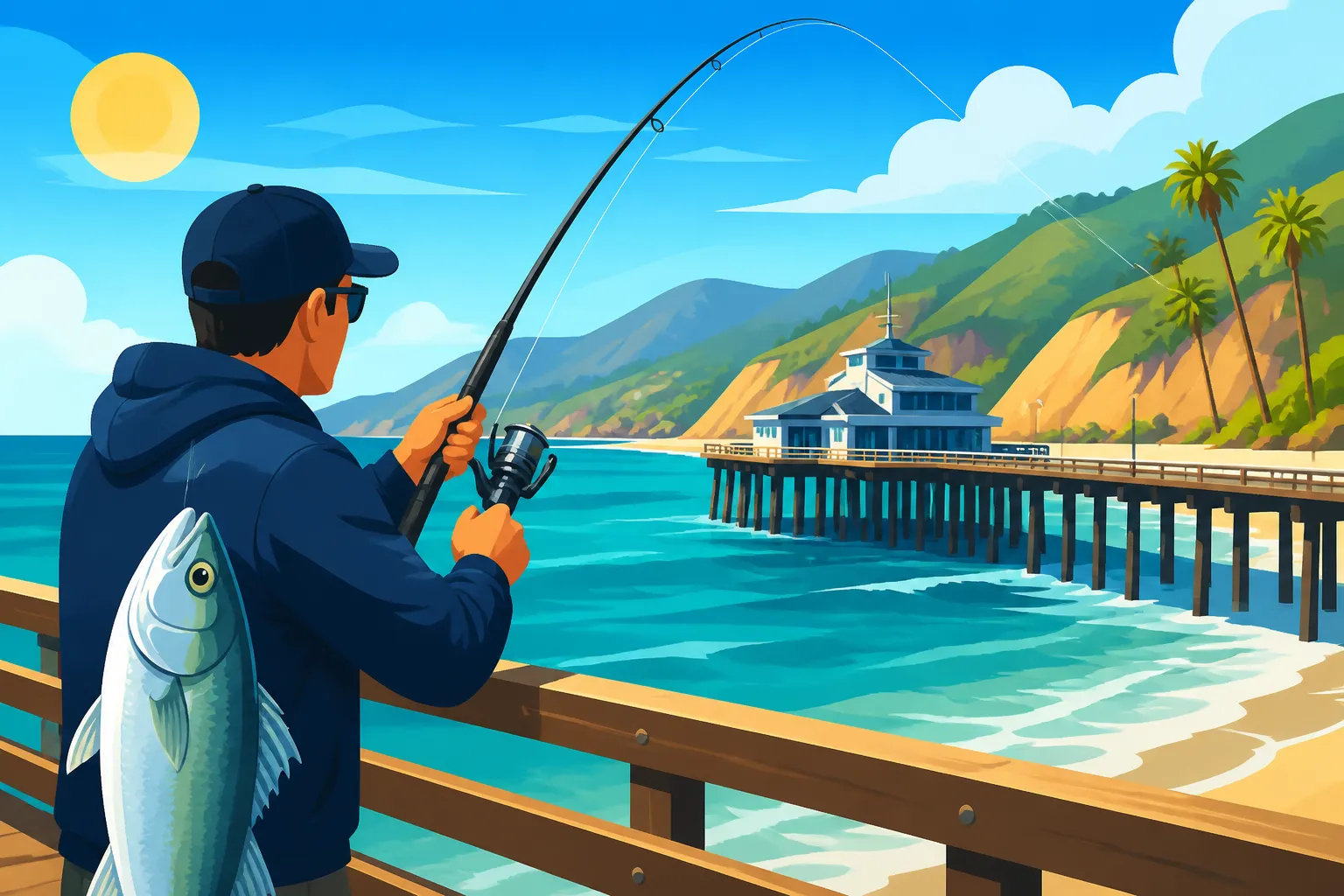
Malibu Pier isn't just a picturesque landmark; it's a fantastic fishing destination that offers something for everyone, from seasoned anglers to families just looking for a fun day out. Its accessibility, diverse marine life, and stunning backdrop make it stand out from many other piers along the Southern California coastline. Unlike fishing from a private boat or the surf, pier fishing provides a stable platform, easy access to deeper waters, and often a more relaxed atmosphere, which is exactly what you get at Malibu.
Easy Accessibility and Family-Friendly Fun
One of the biggest perks of fishing from Malibu Pier is just how easy it is to get started. You don't need a boat, and you don't even need a California fishing license for pier fishing! That's right, one of the common frustrations people face is figuring out the confusing license requirements, but when you're casting from a public pier like Malibu, you're exempt. This makes it incredibly inviting for spontaneous trips or for bringing along kids and beginners who are just getting their feet wet (pun intended!) in the world of fishing. There's ample parking nearby, though it can get busy on weekends, so planning an early start is always a good idea. The pier itself is wide and well-maintained, offering plenty of space for everyone to spread out without feeling cramped, even on a bustling Saturday. It's truly a place where you can bring the whole family, set up some folding chairs, and enjoy the ocean breeze. For those interested in understanding the nuances of these rules, our guide on where you can fish without a license in California provides more detail.
Iconic Views and Essential Amenities
Beyond the fishing, the sheer beauty of Malibu Pier is undeniable. Flanked by the sandy stretch of Surfrider Beach on one side and the stunning coastal cliffs on the other, the views are absolutely breathtaking. You're fishing in one of California's most iconic locations, which adds a special something to every catch. Plus, the pier isn't just a fishing platform; it's got a few handy amenities that make your day even easier. You'll find public restrooms, a bait and tackle shop right on the pier itself, and even a couple of restaurants. Having a bait shop so close is a huge convenience, especially if you suddenly run out of your favorite squid or need a quick tip on what's biting. And after a successful morning of fishing, or perhaps even if the fish aren't cooperating, grabbing a bite to eat with ocean views is a perfect way to cap off the experience. This blend of excellent fishing, easy access, and a scenic environment truly solidifies Malibu Pier as one of the best fishing piers in California.
What Fish Species You Can Catch at Malibu Pier
The waters around Malibu Pier are teeming with a variety of fish species, offering diverse angling opportunities throughout the year. The beauty of pier fishing here is that you're fishing in relatively shallow, nearshore waters, but also have access to deeper sections as the pier extends out, creating different habitats for different fish. Knowing what to target and when can significantly increase your chances of success.
Common Catches Year-Round
You'll find that certain species are pretty reliable residents around Malibu Pier, making them excellent targets for any trip, regardless of the season. Perhaps the most common and often overlooked are the various types of surfperch. These feisty little fish, including barred surfperch and walleye surfperch, are abundant and can provide steady action, especially for beginners. They love to hang around the pilings and sandy bottom, and are often caught using small hooks with pieces of mussel, shrimp, or bloodworms.
Another frequent visitor, particularly during warmer months, is the Pacific mackerel. These schooling fish can turn a slow day into a frenzy when they show up, often biting on shiny lures, small spoons, or chunks of cut bait. Keep an eye out for birds diving or other anglers suddenly getting multiple hook-ups—that's often a sign that a mackerel school has moved in. For anglers seeking a bit more fight, leopard sharks and smaller bat rays are also common bottom dwellers that can be caught using heavier tackle and larger pieces of cut bait like squid or mackerel. While not typically kept for eating, they offer a thrilling battle.
Here's a quick overview of some year-round possibilities:
| Fish Species | Preferred Bait/Lure | Common Location on Pier | Tips for Success |
|---|---|---|---|
| Surfperch | Mussel, Shrimp, Bloodworms | Near pilings, sandy bottom | Small hooks, light line, subtle jigging |
| Pacific Mackerel | Shiny Lures, Small Spoons, Cut Bait | Mid to outer pier, surface | Fast retrieve, retrieve through schools |
| Leopard Shark | Squid, Mackerel | Outer pier, sandy bottom | Heavier tackle, strong hooks, soak bait on bottom |
| Bat Ray | Squid, Mackerel | Outer pier, sandy bottom | Heavier tackle, strong hooks, allow long runs |
Seasonal Visitors and Game Fish
While many fish are year-round residents, Malibu Pier also sees an exciting influx of seasonal species, especially during the warmer spring and summer months. This is when some of the more sought-after game fish make their appearance, turning the pier into a hotbed of activity.
California halibut are a prized catch, and they can be found cruising the sandy flats near the pier, often ambushing baitfish. Targeting halibut usually involves using live bait such as anchovies or sardines, or drifting artificial lures like swimbaits. These fish require patience but are well worth the effort for their delicious meat. For detailed tips, check out our guide on California Halibut in California: Where and How to Catch.
Further out on the pier, especially in summer, you might encounter bonito and barracuda. Bonito are fast-moving, tuna-like fish that strike hard and provide an exciting fight, often caught on fast-retrieved spoons or Kastmasters. Barracuda, on the other hand, are toothy predators that love to hit Rapala-style lures or a quickly retrieved baitfish pattern. Always be cautious when handling barracuda due to their sharp teeth.
Occasionally, you might even hook into an opah or a white seabass, although these are less common from the pier and usually reserved for boat anglers. However, never say never! The ocean is full of surprises. Understanding the California Fishing Regulations Explained is crucial for these species, as bag and size limits can change seasonally and vary significantly. Keep an eye on local fishing reports, which you can often find from reputable sources or even by chatting with the friendly folks at the pier's bait shop. Planning your trip with a service like FishingBooker can sometimes give you insights into recent catches and seasonal patterns, even for pier fishing spots.
Essential Gear and Techniques for Malibu Pier
Fishing at Malibu Pier doesn't require a boatload of specialized gear, but having the right setup can make all the difference between a frustrating day and a fantastic one. Understanding basic techniques adapted for pier fishing will also put you ahead of the game.
Recommended Rod and Reel Setups
For most of the common species you'll encounter at Malibu Pier, a versatile medium-light to medium action spinning rod and reel combo is your best bet. A rod in the 7 to 9-foot range offers good casting distance without being unwieldy on a busy pier. Pair this with a spinning reel in the 3000 to 4000 size class, spooled with 10-15 pound monofilament or braided line. Monofilament is more forgiving for beginners, while braid offers greater sensitivity and casting distance.
If you're specifically targeting larger fish like leopard sharks, bat rays, or hoping for a halibut, you might want to bring a slightly heavier setup. A medium-heavy rod around 8-10 feet with a 6000-series spinning reel or a conventional reel spooled with 20-30 pound test line will give you the backbone needed to fight bigger fish. Remember, while pier fishing doesn't require a license, you still need to adhere to general California Fishing Regulations Explained, including using appropriate gear for the size of fish you're targeting to avoid unnecessary stress on the fish or snapped lines.
For those interested in targeting smaller, more numerous fish like surfperch or mackerel, a lighter, more sensitive setup can be a lot of fun. A light action rod (6-7 feet) with a 2500-series reel and 6-8 pound line will make even small perch feel like fighters and significantly increase your sensitivity to subtle bites.
Effective Baits, Lures, and Rigs
Choosing the right bait and rig is paramount. Malibu Pier offers a diverse menu for fish, so it's wise to come prepared with a few options.
Natural Baits:
- Squid: This is arguably the most versatile bait for pier fishing. Cut into strips or chunks, it's effective for everything from surfperch and halibut to leopard sharks and bat rays. It stays on the hook well and is readily available.
- Shrimp: Fresh or frozen, shrimp (peeled or unpeeled) is a fantastic bait for surfperch, croaker, and even smaller halibut.
- Mussels: Gathered fresh from pier pilings (check local regulations first!), mussels are irresistible to perch.
- Anchovies/Sardines: Live or dead, these are prime baits for halibut, mackerel, bonito, and barracuda. If using dead bait, cut them into chunks or use them whole on a Carolina rig.
- Bloodworms/Sandworms: Excellent for surfperch and other bottom feeders, though they can be a bit pricier.
Artificial Lures:
- Kastmasters/Spoons: Shiny, metallic lures are excellent for fast-moving pelagic fish like mackerel and bonito. Cast them out and retrieve quickly.
- Swimbaits: Soft plastic swimbaits, especially those mimicking anchovies or sardines, can be very effective for halibut when slow-reeling them along the bottom.
- Jigs: Small, flashy jigs can attract mackerel, while heavier leadhead jigs tipped with squid or plastic grubs can work for rockfish (though rockfish are less common directly under Malibu Pier) and halibut.
Common Rigs:
- High-Low Rig (Sabiki Rig): This is a staple for pier fishing, especially for catching baitfish like mackerel or even smaller surfperch. It consists of multiple small hooks tied to dropper loops above a sinker, allowing you to catch several fish at once. Just be mindful of entanglement with other lines.
- Carolina Rig (Slider Rig): Perfect for bottom feeders like halibut, leopard sharks, and perch. It involves a sliding sinker above a swivel, then a leader (18-36 inches) with a hook. This allows the fish to pick up the bait without feeling the weight of the sinker immediately.
- Dropper Loop Rig: Similar to a high-low, but often with just one or two hooks, great for presenting bait at different depths.
Remember, a lot of pier fishing success comes down to reading the water and adapting. Watch what other successful anglers are doing, and don't be afraid to try different baits or retrieve speeds. You can always consult a local guide or fishing expert through platforms like FishingBooker if you want to dial in your setup even further before your trip. For more general advice on pier fishing, take a look at our California Pier Fishing Tips and Techniques guide.
Rules and Regulations Specific to Malibu Pier Fishing
While pier fishing often feels more relaxed than boat or shore fishing, it's not a free-for-all. There are still important rules and regulations to be aware of to ensure you're fishing legally and responsibly, protecting both yourself and the marine environment. Understanding these helps keep the joy of fishing alive for everyone.
Understanding License Requirements
This is probably the most common question I hear about pier fishing, and it's a good one because the rules can be a little confusing in California. The golden rule for fishing from Malibu Pier, and indeed almost any public pier in California, is that you do not need a California fishing license. This is a huge advantage and makes pier fishing incredibly accessible. You can literally walk up, cast a line, and you're good to go, provided you're fishing on a public pier. However, this exemption is strictly for the pier itself. If you decide to bring a small kayak and launch from the beach nearby, or fish from the rocks adjacent to the pier, you will need a valid California fishing license. It's a small but critical distinction. It's always a good idea to refresh your memory on the specific nuances, so checking out the full California Pier Fishing License Rules can be beneficial.
Bag and Size Limits for Pier Catches
Just because you don't need a license doesn't mean it's a free-for-all when it comes to what you can keep. All state-mandated bag and size limits still apply to fish caught from the pier, just as they would if you were fishing from a boat or the shore. This is where many anglers can get into trouble if they're not careful. For example, if you catch a California halibut, it must meet the current minimum size requirement (typically 22 inches) and you can only keep a certain number per day. The same goes for species like rockfish, although catching a legal rockfish from Malibu Pier itself is less common due to the depth restrictions often associated with these species. For instance, understanding California Halibut Regulations and Limits is crucial for keeping your catch legal.
It’s your responsibility to know the current regulations for the species you're targeting. These rules are put in place by the California Department of Fish and Wildlife (CDFW) to ensure sustainable fishing practices. You can usually find a current summary booklet at any bait and tackle shop, or by visiting the CDFW website. Ignoring these limits can result in hefty fines. Moreover, some specific areas, especially Marine Protected Areas (MPAs) near Malibu, might have additional restrictions or "no-take" zones, so always be aware of your surroundings and any posted signage. Using an app or a service that provides updated regulation info, like some offered through partners on FishingBooker, can be a real lifesaver. Keep it honest and keep it fair for everyone!
Seasonal Fishing Opportunities at Malibu Pier
California's diverse climate and marine ecosystems mean that fishing at Malibu Pier can change quite a bit depending on the time of year. Each season brings its own unique opportunities and challenges, influencing which species are most abundant and what techniques are most effective. Understanding these seasonal shifts can help you plan your trips for maximum success.
Spring and Summer: The Warm Water Boom
Spring and summer are often considered the prime fishing seasons at Malibu Pier, especially as the ocean waters begin to warm up. This rise in temperature brings in a whole host of pelagic species that migrate closer to shore, making them accessible to pier anglers.
Starting in spring, usually April and May, you'll see an increase in baitfish activity, which in turn attracts predators. This is a fantastic time for California halibut. They move into shallower waters to feed and can often be caught on live bait or swimbaits bounced along the sandy bottom near the pier. As the water continues to warm through summer, from June to September, the pier truly comes alive. This is peak season for Pacific mackerel and bonito, which often school up in large numbers, providing fast and furious action, especially for those casting shiny spoons and jigs. You might also encounter barracuda cruising the shallows, ready to ambush lures and baitfish. Occasionally, yellowtail or even small bluefin tuna can be spotted further offshore, but catching them from the pier is a rare, exciting event. The consistent sunshine and longer days also make summer a perfect time for family outings, even if the fishing is just a secondary activity.
Fall and Winter: Cooler Waters, Different Rewards
While the summer crowds thin out, fall and winter fishing at Malibu Pier still offer unique and often rewarding experiences, albeit for different species. The cooler water temperatures bring about a shift in the marine life present.
As fall sets in during October and November, the water temperature gradually drops, and some of the summer pelagics begin to move offshore. However, this can be an excellent time for surfperch, which remain abundant, often fattening up for the cooler months. You might also find a good bite for croaker and other bottom feeders. The occasional larger leopard shark or bat ray can still be hooked on cut bait, offering a strong fight against the dropping temperatures. The quieter atmosphere of the pier in fall also makes for a more peaceful fishing experience, perfect for those looking to escape the summer hustle.
Winter, from December to March, tends to be the slowest season for pier fishing in terms of variety and numbers, but it's not without its charms. The primary targets become various surfperch species, which are cold-water tolerant and can still provide consistent action, especially on small pieces of shrimp or mussel. Winter can also bring larger, more elusive fish like calico bass and sand bass closer to structure, though they are usually caught by boat anglers in nearby kelp beds. Regardless of the season, checking local conditions and recent fishing reports before you head out is always a smart move. Websites and apps can give you a real-time pulse on what's biting.
Responsible Angling and Conservation at Malibu Pier
Being a successful angler isn't just about catching fish; it's also about being a responsible steward of our marine resources. Practicing ethical fishing techniques and respecting the environment ensures that Malibu Pier remains a fantastic fishing spot for generations to come.
Practicing Catch and Release and Proper Handling
For many species caught from the pier, especially those that are undersized, out of season, or simply not desired for consumption, practicing proper catch and release is vital. Fish like small perch, undersized halibut, or even non-game species like bat rays should be handled with care to maximize their chances of survival.
Here are some key tips for ethical catch and release:
- Minimize Handling: Try to keep the fish in the water as much as possible. If you must bring it onto the pier, do so quickly and carefully.
- Wet Your Hands: Always wet your hands before touching a fish to protect its protective slime coat.
- Support the Fish: Support the fish horizontally, especially larger ones, to avoid damaging its internal organs or spine. Never hold a fish by its jaw or gill plates if you intend to release it.
- Remove Hooks Quickly: Use needle-nose pliers or a de-hooking tool to remove hooks cleanly and swiftly. If the fish is deeply hooked, consider cutting the line as close to the hook as possible, as the hook may rust out. Barbless hooks, which are sometimes required in certain freshwater areas but are a good practice everywhere, make removal much easier.
- Revive the Fish: If a fish seems sluggish, gently hold it in the water, facing into the current, until it regains its strength and can swim away on its own.
By following these simple guidelines, you contribute directly to the health of the local fish populations and ensure that future trips to Malibu Pier will continue to be bountiful. For more information on responsible practices, refer to California Catch-and-Release Rules.
Respecting the Environment and Other Anglers
Fishing from a public pier means sharing the space with many others—other anglers, sightseers, families, and even diners. Being respectful and mindful of those around you is essential for a pleasant experience for everyone.
Consider these points:
- Mind Your Casting: Be aware of people around you before casting. A misplaced cast can easily tangle with another angler's line or, worse, injure a bystander.
- Manage Your Space: Don't hog excessive space, especially on crowded days. Be willing to share and accommodate others.
- Keep it Clean: Pack out everything you pack in. This includes bait containers, old fishing line, food wrappers, and any other trash. Fishing line, in particular, can be incredibly harmful to marine life. Many piers have specific bins for discarded fishing line. Let's do our part to keep Malibu Pier beautiful.
- Dispose of Old Bait Properly: Don't dump unwanted bait directly into the ocean or onto the pier. Dispose of it in trash receptacles.
- Observe Posted Rules: Always pay attention to any signs posted on the pier regarding specific fishing zones, prohibited activities, or seasonal closures. These are there for everyone's safety and the protection of the environment.
By adhering to these principles of responsible angling and showing courtesy to fellow pier-goers, you contribute to a positive and sustainable fishing culture at Malibu Pier. It's about enjoying the bounty of the ocean while ensuring it remains vibrant for generations to come.
Disclaimer
Fishing regulations and conditions in California can change frequently. Always consult the latest California Department of Fish and Wildlife (CDFW) regulations before your trip. This guide is for informational purposes only and should not be considered legal advice.