Castaic Lake Fishing Guide
Oh, Castaic Lake! Just hearing the name brings back memories of epic battles with monstrous bass and serene mornings watching the mist rise over the water. But let's be real, showing up to a new lake, especially one as large and nuanced as Castaic, can feel like trying to solve a puzzle with half the pieces missing. You're wondering where to go, what to use, and if you even stand a chance against the local legends. This comprehensive guide is designed to cut through that confusion, giving you the insider knowledge you need to confidently tackle Castaic Lake and, hopefully, land that personal best.
Why Castaic Lake Captures Anglers' Hearts And Lines!
Castaic Lake isn't just another body of water; it's a cornerstone of California's freshwater fishing scene, particularly renowned for its bass. Nestled in the hills of Northern Los Angeles County, it’s a haven for anglers seeking everything from a relaxing day on the water to the adrenaline rush of a trophy catch. Many first-timers are often overwhelmed by its sheer size and reputation, but once you understand its unique characteristics, you’ll quickly see why it draws so many devoted fishermen.
A Tale of Two Lakes: Upper and Lower Castaic
What many new visitors don't realize is that Castaic Lake is actually two distinct bodies of water: the massive Upper Lake and the smaller, more accessible Lower Lake, also known as the Lagoon. These two areas offer completely different fishing experiences, and understanding their differences is key to planning your day. The Upper Lake is the big daddy, a vast reservoir covering over 2,000 acres when full, with deep canyons, submerged timber, and expansive open water. This is where the truly giant fish often roam, but it demands a bit more planning and sometimes, a boat.
The Lower Lake, or Lagoon, is much smaller, about 190 acres, and is mostly a no-wake zone, making it perfect for kayaks, float tubes, and small boats. It's often stocked with trout in the cooler months, attracting a different crowd, but also holds its fair share of bass and other species. The Lagoon is fantastic for a family outing or for those who prefer a more tranquil fishing experience without the constant churn of ski boats and personal watercraft. Understanding which lake you want to target will largely dictate your gear and approach.
The Allure of Trophy Bass and Diverse Species
Let's talk about the main event: the bass. Castaic Lake is legendary for its largemouth bass, consistently producing some of the biggest in the state, if not the nation. We're talking about double-digit monsters that can make your arms ache and your heart pound. There’s a reason it’s often included in lists of the Best Bass Lakes in California. But it's not just about the green fish; Castaic also boasts a healthy population of hard-fighting striped bass, particularly in the Upper Lake. These aggressive predators can offer incredible action, especially when they're busting bait on the surface.
Beyond the bass, Castaic offers a variety of other species that keep things interesting. In the cooler months, the Department of Fish and Wildlife regularly stocks rainbow trout, especially in the Lagoon, providing excellent opportunities for both bait and lure fishermen. You'll also find channel catfish, bluegill, and crappie throughout the lake system, offering a diverse fishery that can keep anglers of all skill levels engaged. It's truly a place where you never quite know what might grab your line next, which adds to its endless appeal.
Beyond the Fish: What Makes Castaic Special
Beyond the fantastic fishing, Castaic Lake offers a truly stunning backdrop for your outdoor adventures. The surrounding hills, often dotted with California's native chaparral, provide a rugged, natural beauty that feels a world away from the urban sprawl of Southern California. It’s not uncommon to see eagles soaring overhead or deer drinking at the water's edge, reminding you that you’re truly in nature. The lake also has designated areas for swimming, picnicking, and hiking, making it a great destination for the whole family, even if not everyone in your group is a hardcore angler.
The sheer scale of the Upper Lake offers a sense of vastness and exploration that can be hard to find at smaller, more crowded impoundments. You can spend an entire day exploring coves, points, and submerged structures without feeling like you're fishing over someone else's spot. This sense of discovery, combined with the genuine possibility of landing a fish of a lifetime, solidifies Castaic's reputation as a premier destination for anyone who loves spending time on the water. For more information on great fishing destinations, check out our guide on the Best Lakes to Fish in California.
Navigating Castaic Lake's Regulations and Requirements
Alright, before you even think about casting a line, we need to talk about the rules. California fishing regulations can be a bit of a maze, and Castaic Lake, being a state recreation area, has its own set of specific guidelines on top of the statewide ones. Trust me, the last thing you want is a run-in with a game warden because you missed a detail. It's not just about avoiding a fine; it's about preserving this incredible fishery for everyone, now and in the future.
Essential Licenses and Stamps You'll Need
First and foremost, anyone 16 years or older needs a valid California fishing license to fish at Castaic Lake, just like any other public waterway in the state. No exceptions there! You can grab one online through the California Department of Fish and Wildlife (CDFW) website, or from an authorized license agent like most tackle shops or sporting goods stores. Make sure you have it on you, whether it's the physical copy or a digital version on your phone, as wardens do check. For a complete rundown, our guide on the California Fishing License Guide is an invaluable resource.
Depending on what you plan to target, you might also need an additional report card or stamp. For instance, if you're specifically going after Steelhead or Sturgeon in other parts of California, you’d need the appropriate report card, though these aren't typically relevant for Castaic itself. However, it's always wise to review the current CDFW Sport Fishing Regulations booklet, as rules can change seasonally or annually. Don't forget that if you're planning a full day of fishing, considering your California Sport Fishing License Options can save you money in the long run.
Understanding Lake-Specific Rules and Restrictions
Beyond the general state regulations, Castaic Lake has some specific rules that are crucial to follow. For example, the Lower Lake (Lagoon) often has stricter boat speed limits and designated no-wake zones, making it ideal for human-powered vessels. There are also specific hours of operation for the lake itself, and access points might close at certain times, especially for the launch ramps. Always check the Castaic Lake State Recreation Area website or call ahead for the most current information on operating hours and any temporary closures.
Another important point to note is that certain areas, especially in the Upper Lake, might have restrictions on bait types or tackle. While artificial lures are generally good to go, there might be zones where live bait is prohibited or specific hooks are mandated (e.g., barbless hooks for trout in some sensitive areas). Always read the local signage carefully when you arrive, and consult the latest CDFW regulations booklet. Understanding California Freshwater Fishing Regulations is particularly important here, as Castaic falls under those guidelines. These aren't just suggestions; they're rules designed to manage the fishery and ensure everyone has a safe and fair experience.
Protecting the Fishery: Catch-and-Release and Handling
Castaic's reputation for trophy bass has a lot to do with responsible angling practices, particularly catch-and-release. While the lake does have legal size and bag limits for various species (which you absolutely need to know – check California Bass Fishing Regulations and California Trout Limits and Regulations), many serious bass anglers practice voluntary catch-and-release, especially for the larger, older fish. These big breeders are crucial for maintaining the lake's incredible fishery.
If you do plan to release a fish, particularly a large bass, it's vital to handle it properly to maximize its chances of survival. Minimize its time out of the water, support its body horizontally (never hold a large fish vertically by its jaw alone, as it can damage its internal organs), and use a wet towel or glove if possible. Consider using single, barbless hooks, or crimping down the barbs on your trebles, to make de-hooking easier and less stressful for the fish. A good quality net can also help ensure a gentle landing and release. We all want to catch big fish, and part of that responsibility is ensuring they can fight another day.
Mastering the Art of Catching Castaic's Prized Fish
Okay, let's get down to brass tacks: how do you actually catch fish here? Castaic Lake is known for its incredible potential, but it's not always easy. The fish can be fickle, especially those monster largemouths. Success often comes down to understanding the species you're targeting, the conditions of the day, and having the right techniques in your arsenal. Don't get discouraged if the bite is tough; persistence and adaptability are key.
Largemouth Bass: Techniques for the Lunker Hunt
Castaic is a largemouth paradise, and trophy hunters flock here for a reason. These fish love structure, so focus your efforts around submerged trees, rock piles, brush, and ledges. Drop-shotting is a universally effective technique, especially when fish are suspended or holding tight to structure. Use a finesse worm or small plastic bait, and slowly work it along contours. Carolina rigging plastics (lizards, worms, Brush Hogs) can also be deadly, allowing you to cover ground and present your bait naturally near the bottom. For a comprehensive overview, look into How to Fish for Largemouth Bass in California.
When the fish are active, don't shy away from throwing larger swimbaits, particularly if you're targeting those double-digit giants. These mimic the lake's trout and other forage, and can entice truly massive strikes. Crankbaits, both shallow and deep divers, are excellent for covering water and finding active fish, especially along points and humps. Don't forget jigging spoons or even large spinnerbaits when the conditions are right. Early mornings and late evenings, or overcast days, are often prime times for topwater baits like Poppers or Zara Spooks, especially around submerged brush or weed lines.
Striped Bass: Chasing the Schools in Open Water
Striped bass in Castaic are a different beast entirely. Unlike their largemouth cousins who prefer cover, stripers are open-water predators, often schooling up and chasing baitfish. Your best bet for stripers is often trolling large swimbaits, spoons, or deep-diving crankbaits in the main body of the Upper Lake. Watch your fishfinder for bait balls and active fish. They'll often be suspended in the water column, rather than hugging the bottom.
When stripers are actively feeding, you might see them "boiling" on the surface, pushing baitfish to the top. This is when the action can be explosive! Throwing topwater lures, poppers, or even Kastmasters into the boils can result in instant hook-ups. Live bait, especially anchovies or shad (if legal and available), can also be incredibly effective for enticing a strike from a schooling striper. Keep an eye on the birds, too; gulls diving often signal baitfish being pushed to the surface by hungry stripers from below.
Rainbow Trout: Tactics for Seasonal Stockers
The Lower Lake is a popular spot for trout fishing, especially from fall through spring when the CDFW regularly stocks rainbow trout. These "planters" are often eager to bite and provide great action for anglers of all ages. PowerBait, Gulp! trout baits, and small worms fished off the bottom with a sliding sinker rig are classic and highly effective setups. Just make sure your leader isn't too heavy, as trout can be line-shy.
For those who prefer lures, small spinners like a Roostertail, Panther Martin, or Kastmaster spoons are excellent choices. Trolling these from a kayak or small boat can also be productive. Fly fishing can also be an option, particularly in the quieter areas of the Lagoon, using small nymphs, streamers, or dry flies when conditions allow. Remember, trout typically prefer cooler water, so focus your efforts during the cooler months and early morning or late evening. If you want to dive deeper, our guide on How to Fish for Trout in California has more specialized tips.
Other Species: Catfish, Crappie, and Bluegill
While bass and trout get most of the glory, Castaic Lake also offers excellent opportunities for other species. Channel catfish are abundant, especially in the warmer months. They're often caught on stink baits, cut bait (like mackerel or anchovies), or even chicken liver fished on the bottom, particularly in the evenings or overnight. They offer a strong fight and are delicious table fare.
Crappie and bluegill provide fantastic light-tackle action, especially for kids or those looking for a relaxing day. Crappie are often found around submerged brush and structure, biting on small jigs (like Bobby Garland crappie jigs) or live minnows fished under a bobber. Bluegill, being panfish, are typically found in shallower, weedier areas and readily hit small worms, crickets, or tiny jigs. A small bobber and a bit of red worm can keep a youngster entertained for hours!
When to Hit the Water: Seasonal Fishing Strategies
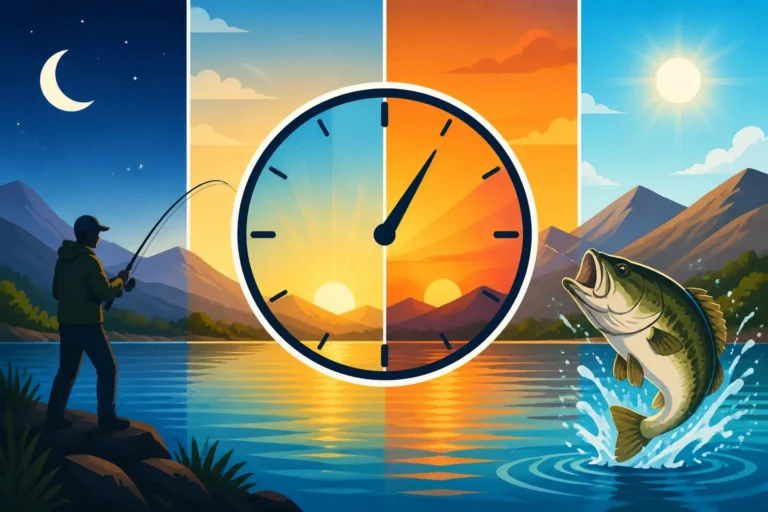
Understanding the seasonality of fishing at Castaic Lake is absolutely crucial. The lake's fish populations, water temperatures, and angler success rates fluctuate dramatically throughout the year. What works in spring won't necessarily work in summer, and knowing these patterns can mean the difference between an epic day and a frustrating skunk.
Spring's Promise: Pre-Spawn and Spawn Action
Spring is arguably the most anticipated time for bass anglers at Castaic Lake. As water temperatures begin to rise, largemouth bass move into shallower coves and flats to prepare for their annual spawn. This is your prime opportunity to target some of the lake's biggest fish. Early spring sees the "pre-spawn" phase, where bass are gorging themselves, trying to pack on weight before the rigors of spawning. Big swimbaits, crankbaits, and spinnerbaits can be incredibly effective during this period, as fish are aggressive and actively feeding.
As the water warms further, the "spawn" begins, typically from late March through May, depending on the year. Bass will be on beds, guarding their nests, making them vulnerable to sight fishing. Flipping and pitching jigs or soft plastics (like lizards or Brush Hogs) into visible beds can be deadly. However, remember that these fish are highly vulnerable, so responsible catch-and-release is paramount during this sensitive time. Striped bass also become more active in spring, chasing baitfish closer to the surface. It's truly a season of opportunity and one of the Best Season for Bass in California.
Summer Challenges and Deep-Water Success
When California's notorious summer heat truly kicks in, Castaic Lake fishing can get tougher, especially for largemouth bass. The fish often retreat to deeper, cooler waters, seeking refuge from the surface heat and intense sun. This is when techniques like deep-water drop-shotting, slow-rolling large swimbaits on ledges, or fishing deep-diving crankbaits become essential. Look for fish suspended over deep points, humps, and submerged trees in 20-50 feet of water. Early mornings and late evenings will offer your best shot at active fish closer to the surface.
Striped bass, however, can provide excellent summer action. They often school up in the deeper open water of the Upper Lake, especially around the dam or in the main channel, chasing bait. Trolling is often the most effective method, as is watching for surface boils at dawn and dusk. Catfish also become very active during the summer, and night fishing for them can be a fun and productive experience when other species are sluggish. Don't forget the panfish like bluegill and crappie; they'll still be biting, often found deeper in cover. For general advice, check out California Fishing in Summer.
Fall's Feeding Frenzy: Opportunity Knocks
Fall at Castaic Lake is another fantastic time to fish, often rivaling spring in terms of angler success. As the scorching summer heat subsides and water temperatures gradually cool, the fish sense winter approaching and go on a major feeding binge to bulk up. Largemouth bass will move shallower again, aggressively chasing baitfish. Spinnerbaits, jerkbaits, and topwater lures can be incredibly effective, especially around points, coves, and submerged timber. The bass are often easier to locate and more willing to strike.
Striped bass fishing can be particularly phenomenal in the fall. The baitfish schools are often pushed to the surface by hungry stripers and largemouths alike, creating exciting feeding frenzies. Pay close attention to surface activity and use fast-moving lures to capitalize on these opportunities. Trout stocking in the Lower Lake typically resumes in the fall, making it a great time for families or those looking for consistent action. The cooler temperatures make for a much more comfortable day on the water too, making it a favorite season for many.
Winter's Chill: Trout and Deeper Bass
Winter fishing at Castaic Lake offers a unique set of challenges and rewards. While the bite can slow down for many species due to colder water temperatures, it's a prime time for specific fisheries. The Lower Lake continues to be heavily stocked with rainbow trout throughout the winter, providing steady action for bait and light tackle anglers. This is the Best Season for Trout in California for many anglers.
For bass, winter fishing means going deep and fishing slowly. Largemouth bass will often be congregated in deep water, typically 30-60 feet, near structure like old creek channels, humps, and rock formations. Drop-shotting with small, finesse plastics, jigs, and slow-rolling spoons are the go-to techniques. The bites will be subtle, and you'll need to be patient, but landing a large, healthy winter bass is a real accomplishment. Striped bass can also be found in deep water, often near the dam, and can be caught by trolling deep-diving lures or vertical jigging. Don't let the cooler weather deter you; some of Castaic's biggest fish are caught by dedicated winter anglers.
Essential Gear and Bait for a Successful Castaic Outing
Walking into a tackle shop can be overwhelming, with rows upon rows of rods, reels, and lures. But when it comes to Castaic Lake, having the right tools for the job can truly make or break your day. You don't need every gadget under the sun, but being prepared with the essentials for the species you're targeting will significantly boost your confidence and your catch rates.
Rods, Reels, and Line: Matching Your Quarry
For largemouth bass, especially those potential monsters, a medium-heavy to heavy casting rod (6'6" to 7'6") paired with a baitcasting reel spooled with 12-20 lb fluorocarbon or monofilament is a solid all-around setup. This will handle most jigs, Texas rigs, and medium swimbaits. For finesse techniques like drop-shotting, a medium-light to medium spinning rod (6'6" to 7') with a matching spinning reel and 6-10 lb fluorocarbon or braided line with a fluorocarbon leader is ideal for detecting subtle bites.
Striped bass often require a bit more backbone. A medium-heavy to heavy action casting or spinning rod, around 7-8 feet, paired with a stout reel spooled with 20-30 lb braided line (and a strong fluorocarbon leader) will give you the power to cast larger lures and battle these hard fighters. For trout in the Lagoon, a light to ultralight spinning rod (5'6" to 6'6") with a small spinning reel and 4-6 lb monofilament or fluorocarbon line is perfect for casting light baits and feeling those delicate bites. Remember, having a "second-rod" stamp might be a good idea if you want to diversify your approach, as detailed in California Second-Rod Stamp Explained.
Lure and Bait Selection: What the Fish Are Biting
This is where local knowledge truly shines, but I can give you a strong starting point. For largemouth bass, always have a selection of plastic worms (Senkos, RoboWorms, Zoom Trick Worms), jigs (football jigs, flipping jigs), swimbaits (trout-imitation swimbaits are deadly), and crankbaits (deep and shallow divers). Colors often depend on water clarity; natural greens and browns for clear water, brighter colors for stained water. Live bait for bass is generally not as effective or commonly used in California, except for specific circumstances, as artificials reign supreme.
For striped bass, consider large swimbaits, topwater lures (pencil poppers, Spooks), and heavy spoons (Kastmasters, Megabaits). Live anchovies or sardines, if available from a local bait shop and permitted, can be absolutely deadly when fished on a sliding sinker rig or fly-lined. For rainbow trout, PowerBait (in various colors like garlic scent, rainbow, or chartreuse), salmon eggs, and small worms are traditional favorites. Lures like small spinners (Roostertail, Panther Martin) and spoons (Kastmaster) also work wonders. For catfish, stink baits, chicken liver, and cut mackerel are always good bets.
Here’s a quick overview:
| Species | Best Rod/Reel/Line | Top Lures/Baits |
|---|---|---|
| Largemouth Bass | Med-Heavy Casting (12-20lb fluoro/mono) for jigs/swimbaits; Med-Light Spinning (6-10lb fluoro/braid) for finesse | Plastic Worms (Senkos, RoboWorms), Jigs, Swimbaits, Crankbaits, Topwater |
| Striped Bass | Med-Heavy/Heavy Casting/Spinning (20-30lb braid) | Large Swimbaits, Topwater Lures, Heavy Spoons, Live Anchovies/Sardines |
| Rainbow Trout | Ultralight Spinning (4-6lb mono/fluoro) | PowerBait, Salmon Eggs, Small Worms, Small Spinners, Spoons |
| Catfish | Medium-Heavy Bottom Fishing (15-25lb mono) | Stink Bait, Chicken Liver, Cut Mackerel |
| Crappie | Ultralight Spinning (4lb mono) | Small Jigs (1/32-1/16 oz), Live Minnows |
| Bluegill | Ultralight Spinning (2-4lb mono) | Small Worms, Crickets, Tiny Jigs |
Must-Have Accessories for a Comfortable Day
Beyond your rod and reel, a few key accessories will make your day at Castaic much more enjoyable and productive. First, a good pair of polarized sunglasses is non-negotiable. They'll cut the glare off the water, helping you spot structure, weed lines, and even cruising fish. Sunscreen and a wide-brimmed hat are also critical, as the California sun can be intense. A pair of pliers or a de-hooker is essential for safely removing hooks, especially if you're practicing catch-and-release.
Don't forget a cooler stocked with plenty of water and snacks – hydration is key, especially during warmer months. If you're planning to keep fish, make sure you have ice. A measuring tape and a small scale are helpful for documenting your catches, especially if you're chasing personal bests. And finally, a first-aid kit is always a good idea for any outdoor adventure, because accidents, even minor ones, can happen. Having these small but important items can make all the difference for a comfortable and successful fishing trip.
Planning Your Trip: Access, Amenities, and Guided Options
So, you're armed with knowledge about Castaic's fish and tactics – awesome! Now, let's talk logistics. Getting to and around Castaic Lake, knowing what amenities are available, and considering a guide can greatly enhance your overall experience, especially if it's your first time or you're looking to maximize your chances.
Launch Ramps, Shoreline Access, and Facilities
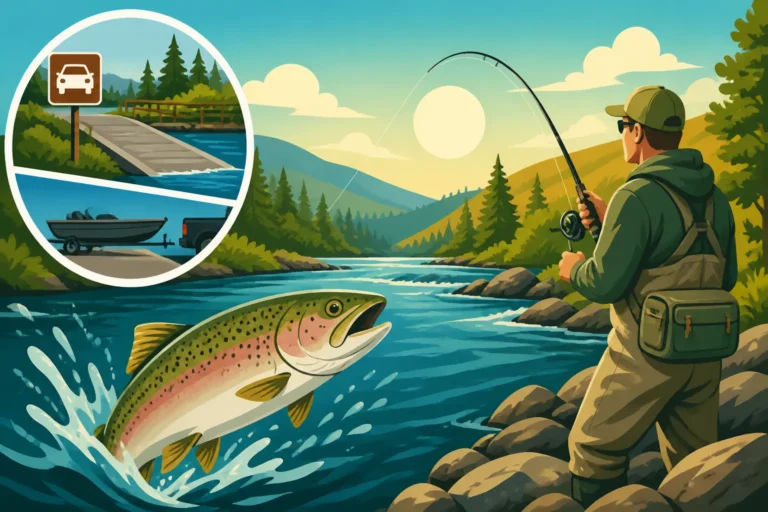
Castaic Lake is generally well-equipped for visitors. There are multiple boat launch ramps, primarily for the Upper Lake, which can accommodate everything from small aluminum boats to large bass boats. Keep in mind that there are fees for boat launching and sometimes for daily park entry, so have cash or a card ready. It's always a good idea to check the park's website for current fees and operating hours, as these can change. Shoreline access is available in various areas, particularly in the Lower Lake, offering opportunities for bank fishing. Some popular spots include the areas near the dam and around the marina.
The park offers restrooms, picnic areas, and even a marina store where you can often pick up last-minute tackle, snacks, and drinks. For specific locations, you might want to look up a map of the Castaic Lake State Recreation Area online before you go. If you're targeting the Upper Lake with a large boat, plan to arrive early, especially on weekends, as the ramps can get busy. For kayak or float tube anglers, the Lower Lake often offers easier, less crowded access points. For other great fishing spots in the area, check out our guide on the Best Fishing Near Los Angeles.
Booking a Guide for an Edge on the Water
If you're serious about learning the lake, targeting trophy fish, or just want to maximize your chances, booking a professional fishing guide for Castaic Lake can be an absolute game-changer. These guides spend countless hours on the water, tracking fish patterns, understanding seasonal movements, and knowing exactly what baits and techniques are working at any given moment. They often have top-of-the-line gear and can teach you invaluable skills and local nuances that would take years to learn on your own.
Imagine going out with someone who knows every submerged hump, every brush pile, and every current hot spot. A guide can save you hours of trial and error and significantly increase your chances of catching that dream fish. Websites like FishingBooker are excellent resources for finding experienced, reputable Castaic Lake guides. You can read reviews, compare prices, and often book directly online. While it's an investment, the knowledge and experience you gain, not to mention the potential for a truly memorable catch, often make it well worth the cost.
Local Knowledge and Fishing Reports
Beyond guides, there are other ways to tap into local knowledge. Before your trip, check online fishing forums specific to Castaic Lake or Southern California. Anglers often share tips, recent successes, and what baits are working. Local tackle shops around the Castaic area are also goldmines of information. Stop in, buy some bait or a lure, and politely ask the staff for a quick rundown on current conditions. They're often happy to share insights with genuine enthusiasts.
Additionally, many online platforms and fishing apps offer up-to-date fishing reports. These can give you a snapshot of what species are biting, where, and on what tackle. While no report is a guarantee, they provide a valuable starting point and can help you refine your strategy before you even launch your boat or step onto the bank. Combining these resources with your own observations on the water will greatly improve your success.
Disclaimer
Please note that fishing regulations, conditions, and fish stocking schedules can change frequently. Always consult the latest official California Department of Fish and Wildlife (CDFW) regulations booklet or their website, as well as the Castaic Lake State Recreation Area's official website or signage, before heading out. This guide provides general information and recommendations, but it is the angler's responsibility to adhere to all current laws and safety guidelines.