Lake Tahoe Fishing Guide
Navigating the vast, crystal-clear waters of Lake Tahoe for a successful fishing trip can feel incredibly overwhelming, especially with its sheer depth and diverse regulations spanning two states. Many anglers, both seasoned and new, struggle to pinpoint where to go, what to target, and how to effectively fish this iconic mountain lake without spending a fortune or wasting precious time. This comprehensive guide is designed to demystify Lake Tahoe fishing, providing you with all the local insights, species breakdowns, and tactical advice you need to plan a memorable and productive outing.
Unveiling the Majesty of Lake Tahoe Fishing
Lake Tahoe isn't just a stunning backdrop for photos; it's a world-class fishery, albeit one that demands respect and a bit of know-how. This massive alpine lake, straddling the border of California and Nevada, offers a unique angling experience unlike almost any other freshwater body in the Golden State. Its incredible depth, reaching over 1,645 feet, and astonishing clarity mean fish behavior can be quite different from your typical reservoir or river. You're not just fishing; you're immersing yourself in an ecosystem that feels both ancient and pristine.
Why Lake Tahoe Stands Apart
What makes Lake Tahoe so special for anglers? For starters, its sheer size. Spanning approximately 22 miles long and 12 miles wide, it offers an immense amount of water to explore, from shallow coves to profound depths. This scale alone can be daunting, but it also means there are endless opportunities to find productive spots, away from the crowds if you know where to look. The water quality is legendary; you can often see fish, and your lure, tens of feet below the surface. This clarity, while beautiful, also means fish can be spooky, requiring finesse and often very long leaders or subtle presentations.
The primary draw for many is the pursuit of trophy-sized Lake Trout, often called Mackinaw, which thrive in its cold, deep waters. But beyond the Macks, there's a vibrant ecosystem of other trout species and salmon. Understanding the nuances of this environment, from water temperatures at different depths to the unique feeding patterns of its inhabitants, is key to unlocking its full potential.
Navigating California and Nevada Regulations
One of the biggest headaches for Lake Tahoe anglers is the dual-state regulatory system. Fishing regulations, license requirements, and even specific species limits can vary significantly depending on whether you're in California or Nevada waters. It’s not uncommon for anglers to accidentally cross state lines without realizing they’re now subject to a different set of rules, leading to potential fines.
For instance, a California fishing license is only valid in California waters, and vice-versa. There's no reciprocal agreement that allows one license to cover both sides of the lake, unfortunately. This means if your fishing adventure takes you across the invisible border, you need to possess the appropriate license for that state. Always check the current California Fishing Regulations Explained before you head out, and if you plan to fish the Nevada side, ensure you're up to date on their specific rules as well. It’s a bit of a bureaucratic maze, but absolutely essential to navigate safely and legally.
Premier Fish Species of Lake Tahoe
Lake Tahoe is famous for its trout fishery, particularly the colossal Mackinaw. But it's not a one-trick pony; the lake supports a diverse range of species that offer different challenges and rewards for anglers. Knowing what you're targeting and their habits is the first step to a successful day on the water.
Lake Trout Mackinaw
Ah, the Mackinaw – the undisputed king of Lake Tahoe's deep waters. These impressive fish, a species of char, are native to northern North America but have found a spectacular home in Tahoe. They are built for the cold, dark depths, often holding in 100-300 feet of water, sometimes even deeper. What makes them so sought after? Their size, for one. Mackinaw can grow to truly enormous proportions, with fish over 20 pounds being caught regularly, and even larger specimens pushing 30 or 40 pounds are not unheard of.
Catching these deep-water giants often involves specialized techniques. You'll typically need downriggers to get your lures or bait down to their strike zone, especially if you’re trolling. Popular baits include live minnows, large spoons, and lead-core line with Rapalas or similar plugs. The fight from a big Mackinaw is powerful and sustained, a true test of an angler's skill and tackle. These fish are slow-growing, so conservation efforts are critical, and understanding the California Lake Trout in California: Where and How to Catch is invaluable.
Rainbow Trout
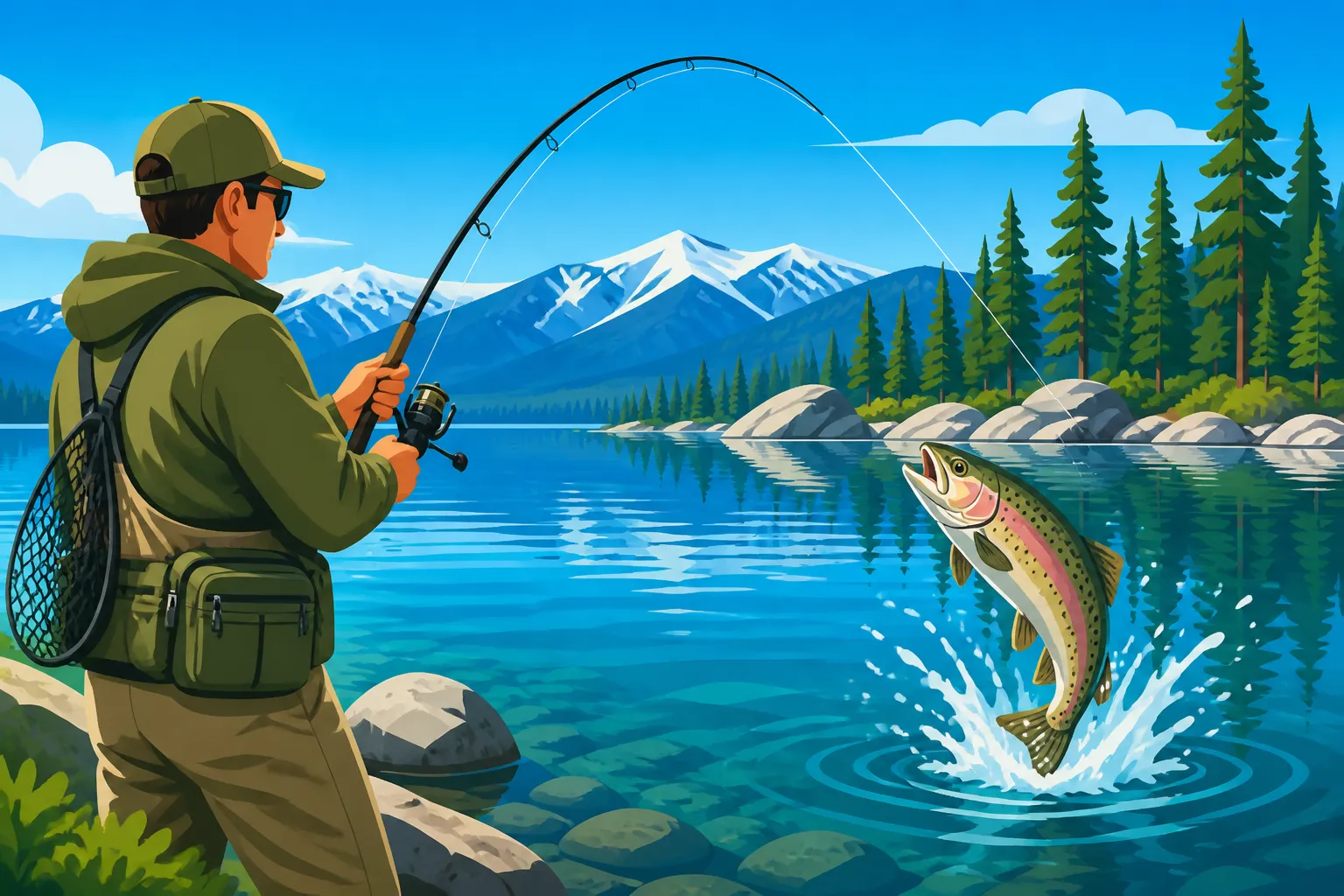
While the Mackinaw rules the depths, Rainbow Trout add a splash of color and feisty action to Tahoe’s shallower and mid-depth waters. These beautiful fish are stocked regularly by both California and Nevada fish and wildlife departments, making them a popular target, especially for those who prefer lighter tackle or want to experience faster action. They are often found cruising near shorelines, around submerged structures, or in the upper water column where plankton and insects are abundant.
Rainbows in Lake Tahoe can range from pan-sized stockers to much larger, wilder specimens. They are eager biters and will strike a variety of offerings. Light tackle trolling with small spoons, spinners like Kastmasters or Thomas Buoyants, or even fly-lining worms and PowerBait can be incredibly effective. Shore anglers often have good success targeting Rainbows, particularly in early mornings or late evenings. For tips on specific tactics, you might want to check out our guide on How to Fish for Trout in California.
Brown Trout
The Brown Trout in Lake Tahoe offer a different kind of challenge and a different kind of beauty. Known for their elusive nature and predatory instincts, these fish are often larger than Rainbows and sport a stunning golden-brown hue with distinct spots. Brown Trout are typically found in rocky areas, around points, and near submerged logs or structure, where they can ambush smaller baitfish.
They can be a bit more finicky than Rainbows, requiring patience and often larger, more natural presentations. Trolling with Rapalas or similar crankbaits that mimic baitfish, especially in brown or rainbow trout patterns, can be highly effective. Still-fishing with live minnows or large shiners can also tempt a wary Brown. They tend to be more active during low-light conditions, making dawn and dusk prime times to target these wily predators.
Kokanee Salmon
Kokanee Salmon are the landlocked sockeye salmon and bring a vibrant, seasonal fishery to Lake Tahoe. These delicious, smaller salmon are plankton feeders and typically school in open water, often in the mid-depth range. Their presence adds a unique dimension to Tahoe fishing, as they are strong fighters for their size and excellent table fare.
The key to catching Kokanee is often finding the schools, which can be done with a good fish finder. Once located, downriggers are commonly used to present small hootchies, mini-spoons, or dodger-and-flasher combinations often tipped with corn or maggots. The bite can be subtle, so light action rods are preferred. Kokanee fishing is highly seasonal, with peak activity usually occurring in summer and early fall as they prepare for their spawning run up tributaries. They undergo a dramatic color change during this time, turning a brilliant red, and become less interested in feeding.
| Species | Typical Depth | Preferred Baits/Lures | Best Season | Average Size (lbs) | Notes |
|---|---|---|---|---|---|
| Lake Trout (Mackinaw) | 100-300+ ft | Live minnows, large spoons, Rapalas | Year-round | 5-25 | Trophy potential, requires downriggers |
| Rainbow Trout | 10-60 ft | PowerBait, worms, small spoons, spinners | Spring, Summer | 1-5 | Widely stocked, good for beginners |
| Brown Trout | 20-100 ft | Live minnows, crankbaits, spoons | Spring, Fall | 2-10 | Elusive, predatory |
| Kokanee Salmon | 30-80 ft | Hootchies, mini-spoons, dodgers (tipped w/ corn) | Summer, Early Fall | 0.5-2 | Schooling fish, seasonal bite |
Prime Fishing Locales in Lake Tahoe
Lake Tahoe is huge, and trying to cover it all without a game plan is like looking for a needle in a haystack. Knowing the most productive areas for specific species can drastically improve your chances. From deep-water haunts to accessible shorelines, Tahoe offers a variety of environments.
Deep Water for Mackinaw
If you're after those legendary Mackinaw, you're going to be focusing on the vast, deep expanses of the lake. These fish prefer the colder, stable temperatures found far below the surface. Areas like the "Stateline Shelf" off South Lake Tahoe, the waters off Zephyr Cove, and the deep troughs near Homewood on the California side are prime hunting grounds. The key is to find sudden drop-offs, underwater ledges, and deep humps where Mackinaw congregate to ambush baitfish.
When fishing these areas, look for structure using your sonar. Mackinaw often relate to these topographical features. Trolling is the most common method, covering large swaths of water. Don't be afraid to experiment with different depths; sometimes they'll push shallower, sometimes deeper, depending on baitfish movement and light penetration. Many anglers also find success jigging large spoons or tubes over deep structure, especially if they mark fish directly below. Charter captains, easily found on platforms like FishingBooker, often know these deep-water spots like the back of their hand, making them an excellent resource if you're new to the lake.
Shoreline Spots for Rainbows and Browns
For anglers who prefer to stay on terra firma, Lake Tahoe still offers some fantastic opportunities, especially for Rainbow and Brown Trout. While the deep water often gets the most attention, the shallower fringes can be incredibly productive, especially during cooler months or low-light conditions.
Popular shore fishing locations include the beaches and rock jetties around South Lake Tahoe, like Kiva Beach or the areas near the Tahoe Keys. On the North Shore, Sand Harbor (Nevada side, but worth mentioning for accessibility), Sugar Pine Point State Park, and various public access points along the west shore offer promising grounds. Look for areas with a mix of rocks, sand, and submerged vegetation. Cast spoons, spinners, or bait (PowerBait, worms) near drop-offs or where creek mouths feed into the lake. Early morning and late evening are almost always your best bet for shore fishing, as trout move closer to the surface to feed. Many local tackle shops can also give you up-to-the-minute reports on productive shore fishing spots.
Tributary Mouths and Inlets
The points where tributaries flow into Lake Tahoe are hotspots, especially during certain times of the year. These areas bring cooler, oxygenated water and often carry nutrients and insects, attracting baitfish and, consequently, hungry trout. The Truckee River inlet on the North Shore, for example, can be a fantastic place to target Rainbows and Browns, particularly during spring and fall. These areas are also critical for spawning fish, so knowing and adhering to specific California Freshwater Fishing Regulations for these sensitive zones is paramount.
When fishing tributary mouths, focus on the current seams and eddies where fish will hold, waiting for food to drift by. Fly fishing can be particularly effective in these zones, presenting nymphs, streamers, or dry flies mimicking local insects. For spin anglers, small spinners or drifted worms can also produce excellent results. These areas are often accessible by both boat and shore, but they can get crowded, so practicing good angling etiquette is a must.
Essential Fishing Techniques for Lake Tahoe
Fishing Lake Tahoe successfully often requires a departure from conventional freshwater tactics. Its vastness, clarity, and depth demand specific strategies, with trolling being a dominant force, but other methods certainly have their place.
Trolling with Downriggers for Deep Water Species
Trolling is undeniably the bread and butter of Lake Tahoe fishing, especially when targeting Mackinaw and deeper-holding Kokanee. The sheer size and depth of the lake make it ideal for covering vast amounts of water and presenting lures at precise depths where these fish lurk. Without downriggers, reaching the 100-300 foot depths where trophy Macks reside would be nearly impossible. A good downrigger setup allows you to send your lure or bait down to a specific depth, detaching your line when a fish strikes.
Successful trolling involves more than just dragging a lure. Speed, lure choice, and knowing the contour of the lake bottom are critical. Speeds typically range from 1.5 to 3 mph, but vary based on the lure and target species. For Mackinaw, large spoons like Apex or dodgers paired with a large minnow imitation or live bait are popular. For Kokanee, smaller dodgers with hootchies or tiny spoons tipped with corn often do the trick. A quality sonar/fish finder is essential for identifying bait balls and marking fish, ensuring you’re trolling through productive zones. Many professional guides on FishingBooker specialize in this technique, offering invaluable local knowledge.
Jigging Over Structure
While trolling covers horizontal ground, jigging focuses on vertical presentations, often directly over marked fish or known structure. This technique is particularly effective for Mackinaw when they are tightly schooled around underwater humps, ledges, or drop-offs. It's a more active and often more challenging way to fish, but it can be incredibly rewarding.
Heavy jigging spoons, like Crippled Herring or P-Line Laser Minnows, in sizes ranging from 2 to 6 ounces, are common. The technique involves dropping the jig to the desired depth, then rhythmically lifting and dropping the rod tip, allowing the lure to flutter and dart, mimicking an injured baitfish. Watch your sonar intently for fish responding to your jigging motion. Sometimes a slow, subtle lift is all it takes; other times, an aggressive rip will trigger a strike. It’s a technique that requires a good feel for your tackle and the ability to differentiate between a tap from a fish and the jig hitting the bottom.
Fly Fishing in Tributary and Shoreline Areas
For those who love the art and challenge of fly fishing, Lake Tahoe offers unique opportunities, particularly in its tributary streams, around the immediate lake edges, and in specific shallow coves. While you won't be targeting deep-dwelling Mackinaw with a fly rod, the Rainbows and Browns that frequent shallower waters can provide exhilarating action.
Focus your efforts during cooler parts of the day or when insect hatches are occurring. Streamers that imitate baitfish (e.g., Woolly Buggers, Sculpzillas) can be highly effective in deeper pockets or along rocky shorelines for predatory Browns. For Rainbows, nymphs like Prince Nymphs or Copper Johns drifted under an indicator can work wonders, especially near creek mouths. In summer evenings, when caddis or mayflies hatch, dry fly fishing can offer some truly memorable topwater action. Remember that many areas, especially within state parks or near stream mouths, may have specific fly-fishing-only or barbless hook regulations, so always consult the California Fishing Regulations Explained beforehand.
Best Times to Fish Lake Tahoe
Lake Tahoe is a year-round fishery, but the "best" time to visit really depends on what species you're hoping to catch and what kind of experience you're after. Each season brings its own set of conditions and opportunities.
Springtime Action
Spring on Lake Tahoe, typically from April to early June, is a transition period and can be one of the most productive times of the year. As the ice (if any) melts from higher elevations and snowmelt swells the feeder creeks, nutrients flow into the lake, activating the food chain. Water temperatures begin to rise in the shallower areas, bringing fish into more accessible depths.
This is an excellent time for targeting Rainbow and Brown Trout closer to shore and near tributary mouths, as they become more active after the colder winter months. Trolling in the top 50 feet of water with spoons or plugs can be very effective. For Mackinaw, they might still be found in deep water, but warmer temperatures can sometimes bring them up a bit shallower than their typical summer haunts, making them slightly easier to target with conventional trolling methods at shallower depths. For a broader look at seasonal fishing, check out our California Fishing Seasons: Month-by-Month Guide.
Summer Fishing Strategies
Summer (June through August) is arguably the most popular time to visit Lake Tahoe, and the fishing can be fantastic, especially for deep-water species. While surface temperatures warm up significantly, the deep water remains consistently cold, making it prime time for Mackinaw and Kokanee Salmon. This is when downriggers become absolutely essential for reaching the fish.
Trolling with large spoons or live bait for Mackinaw at depths of 100-300 feet is the name of the game. For Kokanee, look for schools in the 30-80 foot range using your fish finder, and troll small hootchies or mini-spoons. Early mornings and late evenings are generally best for any species, as the bright midday sun pushes fish deeper and makes them less active. Shore fishing can be tough during the day due to boat traffic and bright sun, but early morning or night fishing can still produce results for Rainbows. You can find more general advice on Best Times to Fish in California for comparative information.
Fall and Winter Opportunities
Fall (September through November) brings cooler temperatures, less boat traffic, and some of the most consistent fishing of the year. The surface water cools, and fish become more active throughout the water column. Kokanee salmon, in particular, will be in their spawning colors and staging near tributary mouths, though fishing for them during their actual spawn is often prohibited or discouraged. Mackinaw fishing remains excellent as they feed heavily in preparation for winter.
Winter (December through March) on Lake Tahoe offers a serene, often solitary fishing experience for those brave enough to face the cold. While not for everyone, winter can be incredibly productive for large Mackinaw, which are often concentrated and actively feeding. Trolling at traditional depths with live bait or large spoons continues to be effective. Ice fishing is generally not an option on the main lake due to its depth and the unpredictable nature of ice formation, but occasionally, smaller, shallower coves or nearby lakes might offer safe ice fishing if conditions allow. Always check local ice conditions before venturing out.
Gearing Up for Lake Tahoe
Having the right gear is crucial for a productive and comfortable fishing trip on Lake Tahoe. Due to the diverse species and unique conditions, you'll want to be prepared.
Essential Rods, Reels, and Line
For general Lake Tahoe fishing, especially if you plan to troll for Mackinaw, a sturdy rod and reel combo capable of handling heavy lines and potentially large fish is essential. Look for a medium-heavy to heavy action trolling rod, typically 7-9 feet in length, paired with a conventional reel (like a Penn Squall or an Ambassadeur) loaded with 20-30 lb monofilament or braided line. Braided line offers superior sensitivity and less stretch, which is great for feeling subtle bites at deep depths, though a monofilament or fluorocarbon leader is typically used.
If you're targeting Rainbows or Browns closer to shore or with lighter tackle, a medium-action spinning rod (6-7 feet) with a matching spinning reel spooled with 6-10 lb test fluorocarbon or monofilament will be perfect. This lighter setup provides more sport and is ideal for casting spoons, spinners, or bait. Don't forget a net! A large, rubberized landing net is vital for safely landing and releasing fish, especially if you're practicing catch and release.
Lures, Baits, and Terminal Tackle
The array of lures and baits for Lake Tahoe can seem endless, but focusing on proven producers will simplify your choices.
For Mackinaw, live bait, particularly minnows or shiners, is often king, especially when trolled slowly. Large spoons (e.g., Apex, Needlefish, Shasta Tackle), big Rapala or Bomber crankbaits, and tube jigs (white or chartreuse) are also highly effective.
For Rainbows and Browns, PowerBait, nightcrawlers, small spinners (Mepps, Panther Martin), spoons (Kastmaster, Thomas Buoyant), and small crankbaits are go-tos.
Kokanee salmon respond well to small hootchies, mini-spoons, and dodgers tipped with corn or maggots.
Terminal tackle includes swivels, snap swivels, leaders (fluorocarbon is preferred for its invisibility), hooks (circle hooks are great for live bait and safe release), and weights. If you're using downriggers, you'll also need cannonballs and release clips. Always carry a variety of sizes and colors to adapt to changing conditions and fish preferences. Local tackle shops like Sportsman's Warehouse in Carson City or various smaller shops around the lake often have excellent selections of local favorites.
Electronics and Accessories
A reliable fish finder/sonar unit is probably the single most important piece of electronics for Lake Tahoe fishing, especially if you're chasing deep-water Mackinaw or schooling Kokanee. Look for units with clear, high-resolution screens and good depth penetration. Side-imaging or down-imaging capabilities can be a huge advantage for identifying structure and fish holding close to the bottom. GPS functionality with mapping capabilities is also invaluable for marking productive spots, navigating the vast lake, and staying within California or Nevada waters.
Beyond electronics, don't forget the essentials:
- Sun protection: High altitude means intense UV rays. Hats, sunglasses, and sunscreen are non-negotiable.
- Layered clothing: Mountain weather can change rapidly.
- Cooler with ice: For keeping your catch fresh or your drinks cold.
- First-aid kit: Accidents happen.
- Pliers: For hook removal.
- Camera: To capture those epic Tahoe moments and trophy fish!
Guided Trips and Charters
For many, especially those new to Lake Tahoe or targeting specific deep-water species, hiring a professional guide or joining a charter is the best way to ensure a successful and enjoyable experience. These pros have the local knowledge, specialized gear, and experience to put you on fish. You can find a wide selection of captains and trips on platforms like FishingBooker, which makes booking super easy.
Benefits of a Chartered Trip
Booking a charter or guided trip on Lake Tahoe offers numerous advantages. First and foremost, you're leveraging years of local experience. These guides spend hundreds of days on the water, tracking fish movements, understanding seasonal patterns, and knowing exactly where the bite is hot. They have all the specialized equipment – downriggers, advanced sonar, the right rods, reels, and tackle – saving you from making significant investments if you're not a regular Tahoe angler.
Furthermore, a good guide will teach you the specific techniques that work best on Tahoe, from reading your electronics to proper trolling speeds and lure presentations. This can dramatically shorten your learning curve and increase your chances of landing a trophy. It's also a fantastic way to learn about the lake itself, its ecosystem, and conservation efforts. Whether you're a seasoned angler looking for a personal best Mackinaw or a family introducing kids to fishing, a charter offers a tailored, hassle-free experience. If you’re considering this route, read up on How to Choose a California Fishing Guide for some expert advice.
What to Expect and How to Book
When booking a Lake Tahoe fishing charter, you can typically choose between half-day (4-5 hours) or full-day (7-8 hours) trips. Most charters focus on Mackinaw, but some also target Kokanee or combine species depending on the season and your preference. Most reputable charters will provide all necessary fishing gear, bait, and tackle, and many will even clean and bag your catch at the end of the trip. However, you'll still need to bring your valid California Fishing License Guide (or Nevada license if fishing that side), appropriate clothing, food, drinks, and sun protection.
To book, check out online platforms like FishingBooker. You can browse various captains, compare prices, read reviews, and see what's included in each trip. It's always a good idea to communicate with the captain beforehand to discuss your expectations, target species, and any specific needs you might have. Booking in advance, especially during peak season (summer and fall), is highly recommended as popular guides fill up quickly.
Conservation and Responsible Angling
Lake Tahoe is a precious natural resource, and it's up to all of us to ensure its health and the sustainability of its fisheries for future generations. Responsible angling practices are not just good etiquette; they are vital to conservation.
Catch and Release Best Practices
Many anglers on Lake Tahoe practice catch and release, especially for larger, older Mackinaw, which are important breeders. If you plan to release fish, it's crucial to do so with minimal harm. Use barbless hooks or crimp down the barbs on your hooks – this makes removal much easier. Handle fish gently with wet hands or a wet cloth; avoid touching their gills or eyes. Keep the fish in the water as much as possible, especially during photography. If you have to bring it aboard, do so quickly and release it immediately after a quick photo.
For deep-water fish like Mackinaw, barotrauma can be a concern when bringing them up from significant depths. This is when gases expand in their swim bladder, making it difficult for them to swim back down. Some anglers use "descending devices" or "fizzing" needles to release air, though fizzing should only be done by experienced individuals. A quick, healthy release ensures the fish has the best chance of survival and can continue to contribute to Tahoe's fishery.
Adhering to Regulations and Seasons
Following all current California Fishing Regulations Explained and Nevada regulations is not just a legal requirement but a fundamental part of responsible angling. This includes respecting bag and size limits, understanding closed seasons or areas (especially around spawning tributaries), and possessing the correct fishing license. Regulations are put in place based on scientific research to protect fish populations and ensure healthy stocks. Ignorance of the rules is not an excuse and can result in significant fines and penalties.
The health of Lake Tahoe’s fishery depends on everyone playing by the rules. Before every trip, take a moment to review the current regulations, as they can change from year to year. Be mindful of fishing in California Marine Protected Areas Explained if you venture into zones with special restrictions. By being informed and adhering to these guidelines, we contribute to the long-term health and enjoyment of this incredible fishery.
Disclaimer
Fishing conditions and regulations in California can change frequently. This guide provides general information and recommendations based on typical patterns. Always consult the latest official California Department of Fish and Wildlife (CDFW) regulations and local advisories before planning any fishing trip. It is the angler's responsibility to know and follow all applicable laws.