Humboldt Bay Fishing Guide
Humboldt Bay is a truly special place, but let's be honest, figuring out where and how to fish this complex estuary can feel like trying to solve a puzzle. The shifting tides, diverse species, and local nuances can be a real head-scratcher for even experienced anglers. This comprehensive guide is here to unravel those mysteries, helping you understand the bay's unique fishery, pinpoint the best spots, and equip you with the knowledge to make your next Humboldt Bay fishing adventure a resounding success.
Understanding Humboldt Bay's Unique Ecosystem
Humboldt Bay isn't your average fishing hole; it's a dynamic, ever-changing estuary where freshwater meets the vast Pacific Ocean. This unique blend creates an incredibly rich and diverse environment, but it also means understanding its fundamental characteristics is crucial for successful fishing. You can't just show up and expect to drop a line anywhere and catch fish – there's a science to it!
Estuary Dynamics and Tidal Influence
The tides are the heartbeat of Humboldt Bay, profoundly impacting everything from water depth and current speed to fish behavior and bait availability. Twice a day, the ocean pushes in, bringing nutrient-rich saltwater and often, schools of baitfish, creating feeding opportunities for predators. Then it retreats, drawing water out of the shallower areas and concentrating fish in channels and deeper pockets. The difference between high tide and low tide can be dramatic, especially in the shallower northern and southern reaches of the bay. A flat you could motor across at high tide might become a vast mudflat at low tide, stranding unwary boaters. This constant ebb and flow dictates when and where you should fish. For instance, incoming tides often bring in fresh bait and better current for salmon or halibut near the entrance, while the outgoing tide can pull baitfish out of the sloughs, making ambush points along channel edges productive for striped bass or even some rockfish.
Key Habitats: Mudflats, Eelgrass, and Channels
Within the bay, you'll find a patchwork of distinct habitats, each supporting different species. The extensive mudflats, particularly in the northern and southern portions, are teeming with invertebrates and crustaceans, acting as a vital food source. While you won't typically fish directly on the mudflats, the edges where they meet deeper channels are prime feeding grounds. Eelgrass beds are another critical component of the ecosystem. These underwater meadows provide shelter and nurseries for countless juvenile fish, crab, and other marine life. Fishing the perimeter of eelgrass beds, especially during higher tides when fish can move into them to forage, can be highly productive. Finally, the main channels and navigation corridors, like the Eureka Channel, offer deeper water and stronger currents. These are the highways for larger predatory fish, providing deeper holding areas and consistent access to the ocean. Understanding these habitats and how they interact with the tides is the first step to unlocking Humboldt Bay's fishing potential.
Top Fish Species to Target in Humboldt Bay
Humboldt Bay boasts an impressive variety of fish, offering something for every angler, from those seeking a challenging fight to those just looking for some fresh fillets. Knowing what's biting when and where is key to a successful trip. The sheer diversity can be overwhelming, but a few species consistently draw anglers to these waters.
Rockfish, Lingcod, and Cabezon
While often associated with offshore reefs, many rockfish species, along with their larger, toothy cousins like lingcod and the camouflaged cabezon, can be found right at the entrance of Humboldt Bay and in the deeper sections of the Eureka Channel. These "bottom dwellers" love rocky structure, jetties, and artificial reefs. During calmer days, fishing directly outside the entrance jetties can yield impressive catches of colorful rockfish. Inside the bay, especially where the main channel drops off steeply or where there's some remnant structure, you might encounter juvenile rockfish or even a surprise lingcod. Anglers often use bait like squid or cut fish, or artificial lures such as lead jigs and soft plastics, fished close to the bottom. Remember to check the current California Rockfish Regulations and Limits as these species are heavily managed and seasons can vary. Lingcod in particular offer a fantastic fight and delicious meat, but be mindful of their California Lingcod Regulations and Limits.
Halibut and Flatfish
Humboldt Bay is renowned for its California Halibut. These delicious flatfish are masters of camouflage, burying themselves in sandy or muddy bottoms to ambush unsuspecting baitfish. The bay's abundant eelgrass beds and sandy flats make it an ideal habitat for them. Targeting halibut often involves drifting with live bait, such as anchovies or herring, or slowly dragging artificial swimbaits or grub-tailed jigs along the bottom. The outgoing tide, as baitfish are flushed out of the shallows, can be particularly productive. Patience is a virtue when halibut fishing; sometimes it's a subtle tap before the rod bends over. Don't forget to familiarize yourself with the current California Halibut Size and Bag Limits to ensure you're fishing legally. Other flatfish, like starry flounder, are also common and can be caught using similar techniques, though they typically prefer shallower, muddier areas.
Salmon and Steelhead
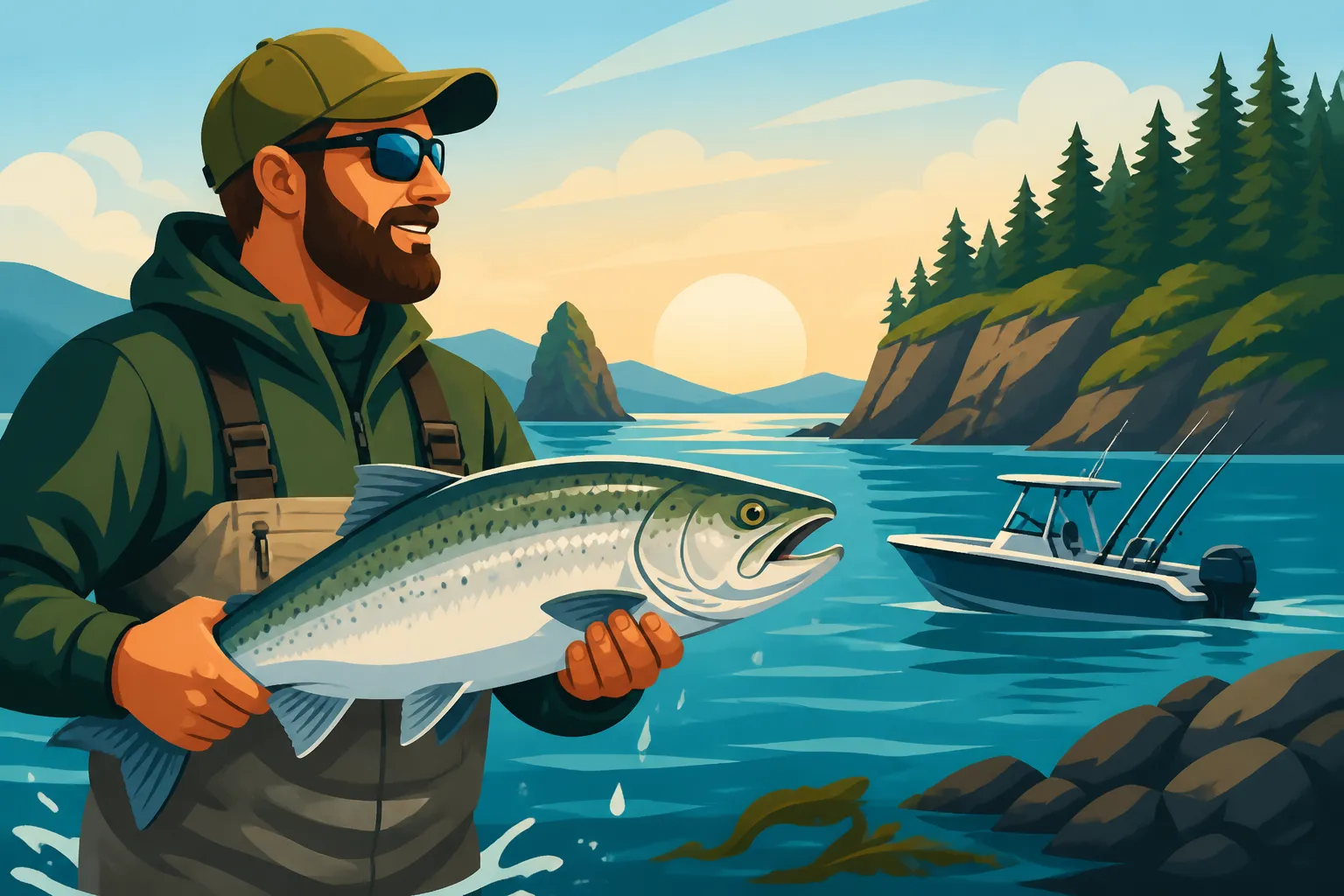
While salmon and steelhead are primarily anadromous species that spend most of their lives in the ocean before returning to rivers to spawn, Humboldt Bay serves as a crucial migratory pathway and a feeding ground. Chinook (King) Salmon are the most sought-after salmon species here. During their migratory runs, often from late spring through fall, they can be found staging in the bay before heading up the local rivers like the Eel River or Mad River. Trolling with baitfish imitations, spoons, or rigged anchovies is a popular and effective method for salmon. Steelhead, which are sea-run rainbow trout, also pass through the bay, though they are typically targeted further upstream in the rivers. Fishing the deeper channels and the area just outside the bay entrance can be productive for salmon, especially during periods of active migration. Keep a very close eye on the California Salmon Season Dates Explained, as these can change annually based on fish populations and are strictly enforced. Likewise, steelhead seasons are typically river-specific, but knowing when they are in the area can inform your efforts.
Dungeness Crab (Bonus!)
Okay, so they're not fish, but Dungeness crab are a massive draw to Humboldt Bay, and many anglers combine crabbing with their fishing trips. The bay's muddy and sandy bottoms, particularly near the deeper channels, provide excellent habitat for these tasty crustaceans. Crabbing season typically opens in November for the recreational take, and pots are deployed using bait like fish carcasses or chicken. It's a hugely popular activity, and pulling up a pot full of big Dungeness is one of the ultimate North Coast experiences. You absolutely must understand the California Dungeness Crab Regulations, including season dates, size limits, and gear restrictions, before you even think about dropping a pot.
Best Fishing Spots and Access Points Around Humboldt Bay
One of the beauties of Humboldt Bay is its accessibility, offering a mix of boat-only spots, shore fishing opportunities, and even pier access. However, knowing the local hot spots can save you a lot of time and increase your chances of success.
Eureka Channel and Entrance
The Eureka Channel is the main artery of Humboldt Bay, connecting the inner bay to the Pacific Ocean. This deep channel is a highway for migrating salmon and steelhead, a hunting ground for halibut, and a home for various bottomfish, especially near the rocky jetties that define the bay's entrance.
- Jetty Fishing: The North and South Jetties at the bay entrance are fantastic for shore-based anglers, offering access to deep water and rocky structure. You can catch rockfish, lingcod, greenlings, and even surfperch here. During active runs, salmon and halibut can sometimes be caught from the jetties, though this requires specific conditions and techniques. Always be incredibly cautious of rogue waves and slippery rocks. A high tide with moderate swells can be very productive but also dangerous.
- Boat Fishing in the Channel: For boaters, the Eureka Channel offers excellent drifting opportunities for halibut, especially on outgoing tides. Trolling for salmon is also effective here during the season. The area just inside the entrance, before the channel narrows, is a prime location for staging salmon. The strong currents in the channel necessitate heavier weights and careful boat handling. This area can get choppy quickly if the wind picks up or if there's an ocean swell, so always check marine forecasts.
Arcata Bay Flats and Nearby Piers
The expansive, shallower waters of Arcata Bay, in the northern part of Humboldt Bay, offer a different kind of fishing experience, particularly for those targeting flatfish and shore-based species.
- Arcata Pier: Located in the charming town of Arcata, this pier extends into the shallower northern bay and is a popular spot for families and casual anglers. No fishing license is required when fishing from a public pier in California, which is a great bonus. Here you can expect to catch surfperch, flounder, small rockfish, and occasionally even a leopard shark. Bait like pile worms, shrimp, or small pieces of cut fish work well. It's a safe and easy access point, particularly good for beginners or those introducing kids to fishing.
- Kayaking and Small Boat Access: The flats of Arcata Bay are perfect for kayak or small boat anglers. You can quietly paddle through the shallower areas, targeting halibut and flounder in the sand and mud, or casting along the edges of the eelgrass beds. Launch points like the Arcata Marsh or the Mad River Slough provide good access. Be extremely mindful of the tides here; many areas become completely dry at low tide, making navigation impossible and leaving boats stranded. Planning your trip around the tides is absolutely non-negotiable.
Samoa Peninsula and North Bay
The Samoa Peninsula separates Humboldt Bay from the Pacific Ocean, offering diverse fishing opportunities on both its bay and ocean sides. The "North Bay" refers to the northern section of the inner bay, often accessed from the peninsula or from Arcata.
- Samoa Boat Ramp: This is a primary launch point for boaters heading into the main bay channels or out the entrance. From here, you can easily access the Eureka Channel for salmon, halibut, or rockfish outside the jetties.
- Indian Island and Nearby Channels: The channels surrounding Indian Island and leading up towards the Mad River Slough are excellent for halibut and also hold striped bass at certain times of the year. Drifting with bait or jigs is the go-to technique. The intricate network of channels and sloughs in this area provides plenty of structure and current breaks where fish like to hide. These areas are best explored by boat, but some sections might be accessible to experienced waders during low tide for clamming or targeting small flatfish.
Essential Gear and Techniques for Humboldt Bay Fishing
Having the right tools for the job makes all the difference, especially in a place as varied as Humboldt Bay. Don't show up with just one rod and expect to conquer all its fishing challenges!
Rods, Reels, and Lines for Bay Fishing
Your gear selection will largely depend on what species you're targeting.
- Versatile Bay Setup: For general bay fishing, a medium to medium-heavy spinning or baitcasting rod, typically 7 to 8 feet long, is a great all-around choice. Pair this with a reel capable of holding 150-200 yards of 15-20 lb braided line, with a fluorocarbon leader of 20-30 lb test. This setup is robust enough for halibut and smaller salmon, sensitive enough for flatfish, and can handle various lures and baits. Brands like Shimano, Penn, or Daiwa offer reliable options across different price points.
- Heavy-Duty Jetty/Salmon Setup: If you're specifically targeting larger salmon outside the bay or fishing the jetties for lingcod and big rockfish, you might want to step up to a heavier outfit. An 8-10 foot medium-heavy to heavy conventional or spinning rod, coupled with a reel spooled with 30-50 lb braid, will give you the backbone needed to fight bigger fish and handle heavier weights in strong currents.
- Lighter Pier/Shallow Water Setup: For pier fishing or targeting smaller species in shallower, calmer areas, a lighter spinning rod (6-7 feet, light-medium action) with 8-12 lb monofilament or braid is perfect. This offers more sport and is easier for kids to handle.
Effective Baits and Lures
Humboldt Bay fish aren't usually too picky, but certain baits and lures consistently outperform others.
- Natural Baits:
- Live Bait: This is often king, especially for halibut. Live anchovies, herring, or even small surfperch (where legal) are deadly. You can often catch your own bait using a sabiki rig.
- Cut Bait: Squid, herring, or mackerel strips are excellent for rockfish, lingcod, flounder, and even opportunistic halibut. Use fresh bait whenever possible.
- Worms/Shrimp: Pile worms, ghost shrimp, or market shrimp are fantastic for surfperch, flounder, and other smaller bottom dwellers, particularly when pier fishing.
- Artificial Lures:
- Soft Plastics: Grub tails, swimbaits, and worm imitations rigged on jig heads are highly effective for halibut, rockfish, and even some striped bass. Colors like white, chartreuse, and natural baitfish patterns are popular.
- Jigs: Lead jigs, both vertical and casting, can entice rockfish, lingcod, and sometimes salmon. Yo-Yo jigging near structure can be very productive.
- Spoons: Metal spoons, often in silver, blue, or green hues, are classic salmon lures, especially when trolled.
- Plugs/Hard Baits: Diving plugs that mimic baitfish can be effective for salmon or larger halibut.
Kayak and Small Boat Fishing Tips
Kayak and small boat fishing offer a unique advantage in Humboldt Bay, allowing you to access shallow areas and stealthily approach fish that larger boats might spook.
- Tidal Awareness: This cannot be stressed enough. Always consult a tide chart and understand how the tides will affect your chosen fishing area. Plan your entry and exit points carefully, as many areas become inaccessible at low tide.
- Safety First: The bay can be calm, but conditions can change rapidly. Always wear a PFD (personal flotation device), carry a whistle, know how to use your marine radio or cell phone in an emergency, and let someone know your float plan. Fog can roll in quickly, so a GPS and compass are invaluable.
- Drifting: For halibut, drifting with the current is a prime technique. Position your kayak or boat up-current from a promising area (like the edge of an eelgrass bed or a channel drop-off) and let the current carry your bait or lure naturally.
- Stealth: Kayaks offer unparalleled stealth. Paddle quietly, minimize sudden movements, and use the natural flow of the current to your advantage to surprise wary fish.
- Anchoring: In areas with significant current, a small anchor or a drift sock can help you control your speed and stay on productive spots.
Navigating Regulations and Seasons for Humboldt Bay
California's fishing regulations are designed to protect fish populations and ensure sustainable fishing for future generations. Ignoring them isn't just irresponsible; it can lead to hefty fines. Don't let the rules intimidate you; they're there for a reason!
California Fishing License Requirements
First and foremost, almost everyone needs a valid California Fishing License Guide to fish in Humboldt Bay. There are very few exceptions.
- Who Needs One: Generally, anyone 16 years of age or older needs a California sport fishing license to take any kind of fish, mollusk, crustacean, invertebrate, amphibian, or reptile in California.
- Where to Buy: You can easily purchase a license online through the California Department of Fish and Wildlife (CDFW) website, or at licensed agents like bait and tackle shops or sporting goods stores such as Big 5 Sporting Goods or Walmart.
- Public Pier Exception: One major exception is that a fishing license is generally not required to fish from a public pier in California. So, if you're hitting the Arcata Pier, you might be in the clear, but if you're in a boat or on the jetties, you absolutely need one.
- Report Cards: For certain species like salmon, steelhead, and sturgeon, you'll also need a species-specific report card in addition to your general fishing license. These help the CDFW track catch data.
Remember, it's your responsibility to know and follow the rules. Always carry your license with you when fishing.
Species-Specific Seasons and Limits
California has incredibly detailed regulations for different species, often varying by region and even by specific body of water. What's legal for rockfish offshore might be different for rockfish caught in the bay, and salmon seasons are notoriously complex and can change year to year.
- Check the Regulations Booklet: Your absolute best friend is the current California Sport Fishing Regulations booklet, available online through CDFW or at any license agent. This booklet outlines bag limits, size limits, specific open seasons, and gear restrictions for every regulated species.
- Common Species in Humboldt Bay:
- Halibut: Typically has size and bag limits; refer to California Halibut Regulations and Limits.
- Rockfish/Lingcod/Cabezon: These are part of the groundfish complex, with complex season dates that often differ by depth and management area. Humboldt Bay falls into a specific management zone. Check California Rockfish Regulations and Limits and California Lingcod Regulations and Limits meticulously.
- Salmon: Highly regulated with specific ocean and inland seasons, often announced close to the season start. See California Salmon Season Dates Explained.
- Dungeness Crab: Has a very specific season (usually November to July for recreational take) and strict size and sex limits. Refer to California Dungeness Crab Regulations.
- Regional Differences: Be aware that regulations can differ based on whether you are fishing in the ocean or inland waters, and some bay areas might have special rules. The current California Fishing Regulations Explained will cover these nuances.
Marine Protected Areas (MPAs) in the Region
California has established a network of Marine Protected Areas (MPAs) along its coast, including areas near Humboldt Bay. These are like underwater parks designed to conserve marine life, and fishing activities within them are strictly regulated or completely prohibited.
- Know Your Zones: There are various types of MPAs (e.g., State Marine Reserves, State Marine Conservation Areas), each with different rules. The Trinidad State Marine Conservation Area and the nearby Reading Rock State Marine Conservation Area are examples of MPAs north of Humboldt Bay, impacting offshore fishing. While there are no strict "no-take" MPAs directly within Humboldt Bay itself, understanding their boundaries, especially if you venture just outside the entrance, is critical.
- Tools for Awareness: The CDFW website has interactive maps and detailed descriptions of all MPAs. Local bait shops and fishing guides are also excellent resources. Always check your charts and a reliable GPS if you are fishing close to or outside the bay entrance to avoid inadvertently fishing in a prohibited area. This includes knowing California Marine Protected Areas Explained and their specific boundaries.
Planning Your Humboldt Bay Fishing Trip
A little planning goes a long way, especially when you're visiting a new fishing destination or trying to maximize your time on the water.
Best Times of Year to Visit
Humboldt Bay offers year-round fishing opportunities, but the target species change with the seasons.
- Spring (March-May): This is a great time for halibut as they become more active with warming waters. Surfperch fishing is excellent along the beaches and in the bay. Some early salmon might start to show up, depending on the run predictions.
- Summer (June-August): Peak season for California halibut in the bay. Ocean salmon fishing can be excellent just outside the entrance, especially for Chinook. Rockfish and lingcod are also strong targets offshore during this period. The weather is generally calmer, making offshore trips more feasible.
- Fall (September-November): Often the best time for salmon as they stage in the bay and begin their upstream migration. Steelhead might also be passing through. Dungeness crab season typically opens in November for recreational take, making for a fantastic combo trip. Halibut can still be present, but usually in fewer numbers.
- Winter (December-February): While cold and often stormy, winter can still offer good crabbing (if the season is open) and opportunities for surfperch. Offshore fishing for rockfish and lingcod is possible on calm weather windows, but these are less frequent. Winter steelhead runs in local rivers can be strong.
Hiring a Local Guide or Charter
If you're new to Humboldt Bay or want to maximize your chances of success and learn the local nuances quickly, consider hiring a local fishing guide or jumping on a charter.
- Local Expertise: Guides know the bay like the back of their hand. They understand the tides, the currents, the fish movements, and the specific spots that are producing. They'll also have all the necessary gear and bait.
- Variety of Options: You can find guides specializing in bay fishing for halibut, river guides for salmon and steelhead, or offshore charters for rockfish and tuna (further offshore). Many boat charters operate out of Eureka. If you're looking for a variety of options, checking platforms like FishingBooker can give you a good overview of local guides and their specialties, allowing you to compare trips and availability.
- What to Expect: A good guide will provide everything from tackle to safety equipment and will often clean your fish. They're invaluable for navigating complex regulations and ensuring a legal and productive trip. When researching guides, reviews on sites like FishingBooker can offer insights into their expertise and customer experience.
Here's a quick comparison of fishing trip types in Humboldt Bay:
| Trip Type | Target Species | Key Advantages | Best For |
|---|---|---|---|
| Shore/Pier Fishing | Surfperch, Flounder, Small Rockfish, Leopard Shark | Accessible, often no license needed (pier), low cost | Families, beginners, casual anglers |
| Kayak/Small Boat | Halibut, Flounder, Striped Bass, Crab | Stealth, access to shallow flats, personal experience | Adventurous anglers, those seeking solitude |
| Bay Charter (Boat) | Halibut, Salmon (in season), Rockfish (bay entrance) | Local expertise, safety, gear provided, bigger boat | Groups, serious anglers, those wanting to learn |
| Offshore Charter | Rockfish, Lingcod, Salmon, Tuna (further offshore) | Access to deep ocean species, powerful boats | Experienced anglers, targeting large pelagic fish |
Safety Considerations
The ocean and even a large bay like Humboldt can be unpredictable. Always prioritize safety.
- Weather: Always check the marine weather forecast before heading out, especially if you're venturing near the bay entrance or offshore. Pay attention to wind speed, wave height, and fog predictions. The bar can be notoriously rough.
- Tides and Currents: As discussed, the tides are paramount. Know your tide tables and understand how currents will affect your boat or kayak. Strong outgoing tides can create dangerous conditions at the bay entrance.
- Gear: Ensure your boat is properly equipped with all required safety gear (life jackets, flares, horn, fire extinguisher). For kayaks, a PFD is a must.
- Communication: Carry a marine radio and/or a fully charged cell phone. Tell someone your float plan and estimated return time.
- Experience: If you're inexperienced with boating in open or tidal waters, consider taking a local boater safety course or hiring a guide for your first few trips. Platforms like FishingBooker often list experienced, licensed captains who prioritize safety.
Disclaimer
Fishing regulations, seasons, and limits are subject to change by the California Department of Fish and Wildlife. Always consult the most current official California Sport Fishing Regulations booklet or the CDFW website before heading out. This guide is for informational purposes only and should not replace official sources.