Best Bass Lakes in California
Oh, the quest for that perfect bass lake in California! It's a journey many of us anglers know well, filled with aspirations of massive largemouth and feisty smallmouth, but often met with the challenge of sifting through endless information to find those truly legendary spots. If you've ever felt overwhelmed by the sheer size and diversity of California's waterways, wondering where to cast your line for the best bass action, you're absolutely not alone. This comprehensive guide is here to cut through the noise, offering an in-depth look at the premier bass lakes across the Golden State, detailing what makes them special, and helping you plan your next trophy-worthy adventure.
Understanding California's Bass Fishing Landscape
California is an angler's paradise, but when it comes to bass, it's a whole different ballgame. The sheer variety of lakes, reservoirs, and river systems means that "bass fishing" here can encompass everything from challenging clear-water sight fishing to brute-force power fishing in stained delta waters. It's not just about throwing a lure; it's about understanding the unique personality of each fishery.
The Allure of Bass Fishing in the Golden State
There’s something truly special about chasing bass in California. Maybe it's the potential for truly giant largemouth, the kind that stretch a measuring tape beyond belief, often pushing into double-digit weights. Or perhaps it's the thrill of battling hard-fighting smallmouth in pristine, rocky environments. Our state offers such a diverse set of conditions that you can literally fish a desert reservoir one day and a high-country lake the next, all while targeting different species or sub-species of bass. This variety keeps things exciting, constantly pushing us to refine our techniques and explore new waters.
Many anglers are drawn to the challenge of patterning bass throughout the year, especially with the state's distinct seasons influencing fish behavior. From the pre-spawn frenzy in spring to the deep-water haunts of summer and the schooling activity in fall, there’s always a new puzzle to solve. Plus, the stunning backdrops, whether it’s the towering Sierra Nevada peaks or the rolling hills of the Central Valley, just make the entire experience even more enjoyable. It’s more than just fishing; it’s an immersion in California’s natural beauty.
Types of Bass You'll Encounter
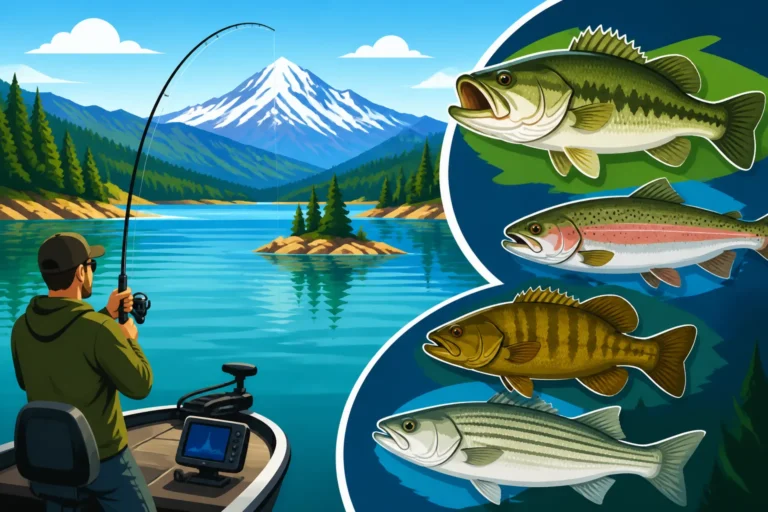
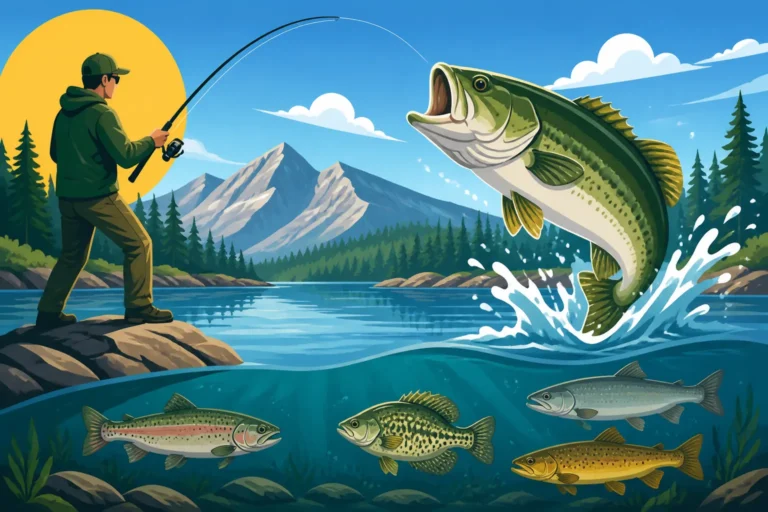
When we talk about "bass" in California, we're actually talking about a few different species, each with its own characteristics and preferred habitats. Knowing what you're targeting can greatly influence your choice of lake and your fishing strategy.
The most sought-after is undoubtedly the Largemouth Bass, especially the Florida-strain largemouth found in many of our trophy lakes. These fish are known for their aggressive strikes and impressive size. You'll find them lurking in cover like submerged trees, weed beds, and docks, often in warmer, shallower waters. Then there's the Smallmouth Bass, a bronze-colored fighter that prefers cooler, clearer waters with rocky bottoms and ledges. They might not get as big as the largest largemouth, but their fighting spirit pound-for-pound is legendary. Don't underestimate them!
We also have Spotted Bass, particularly prevalent in many of the state's foothill reservoirs. These are often mistaken for smallmouth due to their similar appearance and preference for rocky structure, but they typically have a patch of teeth on their tongue and tend to be slightly smaller than largemouth. They’re incredibly aggressive and can be a blast to catch on light tackle. Beyond these, you might also encounter Striped Bass in specific freshwater systems like the California Delta and some reservoirs. While technically a different family of fish, these hard-pulling predators offer another exciting dimension to California’s diverse bass fishing scene. Each species presents a unique challenge and reward, making every trip a learning experience.
Northern California's Trophy Bass Havens
Northern California is home to some of the most famous and productive bass fisheries in the entire country. When anglers think of giant largemouth, often these lakes are at the top of their list. They offer diverse environments, from shallow, weedy expanses to deep, clear reservoirs, each promising a unique challenge and the chance at a true monster.
Clear Lake: The Undisputed King
Clear Lake, located in Lake County, holds a legendary status among bass anglers, and for good reason. It's consistently ranked as one of the top bass lakes in the nation, not just California, for both the quantity and quality of its largemouth bass. This natural lake, California's largest freshwater lake entirely within the state, is relatively shallow, nutrient-rich, and absolutely teeming with baitfish like hitch, carp, and sunfish, providing an ideal environment for bass to grow to enormous sizes.
Anglers here often target expansive weed beds, tules, rock piles, and submerged structures. Techniques like flipping jigs or creature baits into heavy cover, slow-rolling spinnerbaits, or throwing topwater frogs over matted vegetation are incredibly effective, especially during the spring and fall. Even in winter, deep crankbaits and A-rigs can produce giants. The lake also hosts numerous professional and amateur bass tournaments throughout the year, a testament to its consistent productivity. FishingBooker lists several excellent guides and charters who specialize in Clear Lake bass, perfect for those looking to learn the ropes from a local expert or simply maximize their time on this iconic water. Many veteran anglers will tell you that if you want a legitimate shot at a 10+ pound largemouth, Clear Lake is where you need to be.
Lake Shasta: Versatility and Giants
Further north, nestled in the scenic Shasta-Trinity National Forest, lies Lake Shasta, another premier bass fishing destination. While Clear Lake is famous for its sheer numbers and colossal largemouth, Shasta offers incredible diversity, boasting strong populations of both Largemouth and Smallmouth Bass, as well as Spotted Bass. This massive reservoir, with its thousands of miles of shoreline when full, features varied terrain including steep rocky cliffs, submerged timber, and numerous coves and points, catering to a wide range of fishing styles.
Smallmouth bass often patrol the main lake points and rocky banks, particularly in the northern arms like the Pit and McCloud Rivers, and can be caught on drop-shots, tubes, and small crankbaits. Largemouth and spotted bass, on the other hand, will utilize the abundant submerged trees and brush, especially in the more timbered Sacramento River arm, hitting everything from jigs and plastics to reaction baits. Seasonal fluctuations in water level can change the fishing dramatically, but there’s always a bite to be found if you adapt. During the spring, the backs of coves become prime spawning grounds, while summer sees fish moving deeper. The versatility of Lake Shasta makes it a favorite for many anglers who enjoy switching between techniques and targeting different species on the same outing.
Lake Oroville: Deep Water, Big Rewards
Lake Oroville, located in the Sierra Nevada foothills, is another Northern California gem, particularly renowned for its exceptional Spotted Bass fishery, though healthy populations of largemouth and smallmouth also exist. This deep, clear reservoir, formed by the Oroville Dam, boasts an incredible amount of rocky structure, steep drop-offs, and standing timber, providing ideal habitat for spotted bass to thrive and grow to impressive sizes, often rivaling smallmouth in weight and fight.
Anglers here frequently employ finesse techniques like drop-shotting, shaky heads, and Ned rigs, especially when targeting the schooling spotted bass that suspend over deep points and humps. During the warmer months, these schools can be found congregated around baitfish, offering fast-paced action with light tackle. Don't be surprised to hook into a 4-5 pound spotted bass here – they are abundant and aggressive. Largemouth tend to prefer the shallower, brushier coves, especially in the warmest arms of the lake. Lake Oroville's clear water demands a stealthy approach and an understanding of sonar, but the rewards are well worth the effort, providing a thrilling challenge for those looking to hone their deep-water bass fishing skills. This lake is truly a testament to the fighting power of spotted bass.
Central Valley's Powerhouse Bass Fisheries
The Central Valley of California might be known for agriculture, but it’s also a hotbed for some truly incredible bass fishing. The massive California Delta and several large reservoirs offer unique opportunities to chase both largemouth and striped bass, often in challenging and rewarding environments.
California Delta: A Labyrinth of Opportunity
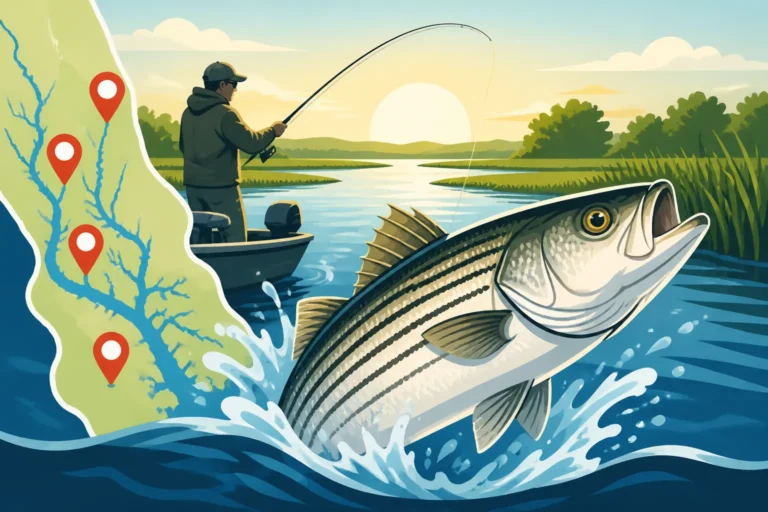
The Sacramento-San Joaquin River Delta, affectionately known simply as the "Delta," is an immense, complex network of channels, sloughs, and islands spanning over a thousand miles of navigable waterways. This vast freshwater tidal estuary is a truly iconic bass fishing destination, famous for its abundant Largemouth Bass and prolific Striped Bass populations. Fishing the Delta is a unique experience; it's a dynamic system heavily influenced by tides, currents, and water clarity, making local knowledge incredibly valuable.
Largemouth bass here grow big and strong, feasting on a rich diet of baitfish and crawfish. Anglers primarily target the extensive tules, weed mats, submerged hydrilla, riprap, and docks that line the channels. Flipping and pitching jigs, punching heavy mats with creature baits, and throwing topwater frogs over thick vegetation are classic Delta tactics that can produce explosive strikes. When the tide is moving, throwing crankbaits and spinnerbaits along channel swings and current breaks can also be very effective. Meanwhile, striped bass cruise the open channels, feasting on baitfish, and are often targeted with topwater lures, swimbaits, and cut bait. Navigating the Delta can be tricky due to its sheer size and numerous dead ends, but the rewards of catching trophy-sized bass in this wild, untamed fishery are unparalleled. If you're looking for an adventure, the Delta delivers.
San Luis Reservoir: Wind, Current, and Giants
San Luis Reservoir, located in Merced County, stands out as a unique and often challenging bass fishery in the Central Valley. While it's primarily known for its incredible Striped Bass fishing, it also holds a healthy population of impressive Largemouth Bass. What makes San Luis particularly distinct is its role as an off-stream storage facility, meaning water levels can fluctuate dramatically, and wind can be a constant, often intense, factor. This creates a challenging but incredibly rewarding environment for anglers who learn to read the conditions.
For largemouth, targeting the riprap banks, points, and submerged rock piles, especially on the calmer, leeward side of the lake, can be productive. Jerkbaits, crankbaits, and various plastics rigged on drop-shots or shaky heads work well. The wind can churn up baitfish, creating feeding opportunities for both species. Striped bass often chase schools of shad and typically fall for spoons, swimbaits, and trolling plugs. Patience and adaptability are key at San Luis. When the conditions are right, and you’ve cracked the code, this lake can produce some truly memorable catches. Keep a close eye on the wind forecasts, as a calm day can turn into a gale surprisingly quickly.
New Melones Lake: Clear Waters, Healthy Bass
Situated in the Sierra Nevada foothills of Calaveras and Tuolumne counties, New Melones Lake offers a stunning backdrop for some fantastic bass fishing. This large, deep reservoir is known for its clear water and diverse habitat, supporting strong populations of Largemouth, Smallmouth, and Spotted Bass. Its numerous coves, steep rock walls, submerged timber, and brush piles provide ample cover and feeding grounds for all three species, appealing to anglers who enjoy both power fishing and finesse techniques.
Smallmouth and spotted bass thrive in the clear, rocky main lake areas, often suspending over deeper structure or holding tight to points and ledges. Drop-shotting, Ned rigs, and small swimbaits are highly effective for these hard fighters. Largemouth bass tend to prefer the flatter, brushier coves and creek arms, especially during the warmer months and the spring spawn. Here, you can throw everything from jigs and Texas-rigged plastics into the cover to topwater baits over open water during low-light conditions. The lake’s depth and clarity mean that bass can often be found deeper than in some other reservoirs, requiring anglers to adjust their presentations. New Melones is a beautiful lake to fish, offering both scenic beauty and the chance to hook into a diverse bag of bass species.
| Lake Name | Primary Bass Species | Best Seasons | Key Characteristics | Notable Features |
|---|---|---|---|---|
| Clear Lake | Largemouth (trophy) | Spring, Fall | Shallow, nutrient-rich, abundant vegetation | Consistently ranked top 10 nationally; heavy cover, big fish. |
| Lake Shasta | Largemouth, Smallmouth, Spotted | Spring, Summer, Fall | Deep, clear, diverse structure (rock, timber) | Versatile fishery; good for multiple species in one day. |
| Lake Oroville | Spotted (trophy), Largemouth, Smallmouth | Spring, Summer, Fall | Deep, clear, steep rocky banks, standing timber | Excellent spotted bass fishery; finesse techniques shine. |
| California Delta | Largemouth (trophy), Striped | Spring, Summer, Fall | Tidal estuary, vast network of channels, heavy cover | Challenging, dynamic fishery; big largemouth in tules. |
| San Luis Reservoir | Striped (trophy), Largemouth | Spring, Summer, Fall | Fluctuating levels, often windy, open water | Primarily striped bass, but good largemouth too; powerful fish. |
| New Melones Lake | Largemouth, Smallmouth, Spotted | Spring, Summer, Fall | Deep, clear, rocky, submerged timber | Scenic lake with healthy populations of all black bass. |
| Diamond Valley Lake | Largemouth (trophy), Smallmouth, Spotted | Spring, Fall | Deep, clear, minimal natural cover, strict rules | Southern California's premier trophy lake; requires finesse. |
| Castaic Lake | Largemouth (trophy) | Spring, Fall | Deep, clear, rocky points, man-made structures | Home to state record largemouth; known for big fish. |
Southern California's Exciting Bass Destinations
Southern California, despite its urban sprawl and often drier climate, surprises many with its incredible bass fishing opportunities. From pristine, deep reservoirs managed for trophy fish to more accessible local lakes, the region offers a diverse array of options for both seasoned anglers and those just getting started. Don't let the cityscape fool you; there are true bass giants lurking just a short drive away.
Diamond Valley Lake: Southern California's Jewel
Diamond Valley Lake, located near Hemet in Riverside County, is widely regarded as Southern California's premier trophy bass lake. Opened in 2003, this massive, deep, and incredibly clear reservoir was designed and managed with recreation and trophy fishing in mind, and it has absolutely delivered. It boasts a thriving population of Largemouth Bass, many of which routinely tip the scales into the double digits, as well as strong numbers of Smallmouth and Spotted Bass.
The lake's clear water and limited natural cover mean that finesse techniques often dominate here. Drop-shotting, shaky heads, and slow-pitch jigs are incredibly effective, especially when targeting fish holding deep on points, humps, and submerged roadbeds. However, don't rule out power fishing; swimbaits, large crankbaits, and even topwater lures can coax a monster bite during specific seasons, particularly during the spring spawn. Strict rules regarding live bait (only purchased live shiners from authorized dealers are allowed) and specific boat launching procedures are in place to maintain the lake's pristine condition and protect its trophy fishery. For anyone in Southern California dreaming of a truly giant bass, Diamond Valley Lake is an absolute must-visit destination. It truly lives up to its name as a jewel among bass lakes.
Castaic Lake: Legend of the Lunker
Castaic Lake, situated in the mountains north of Los Angeles in Los Angeles County, holds a legendary place in bass fishing history. This is where the California state record largemouth bass – a staggering 21 pounds, 12 ounces – was caught by Michael Arujo in 1991. While that record has since been tied elsewhere, Castaic remains synonymous with giant Largemouth Bass, and rightfully so. The lake consists of two distinct bodies of water: the upper lagoon, which is restricted to float tubes and non-motorized boats, and the main lake, a deep, clear reservoir fed by the California Aqueduct.
The main lake features steep, rocky canyon walls, points, and various submerged structures, providing excellent habitat for trophy largemouth. Anglers often target fish suspending over deep water with large swimbaits, especially during the colder months when these giants feed heavily. During the spring, the shallower coves and flats become prime spawning grounds, where jigs, plastics, and even reaction baits can be effective. The clear water here means that a stealthy approach and quality electronics are invaluable for locating and catching these wary giants. While not an everyday occurrence, the possibility of hooking into a truly world-class bass keeps anglers flocking to Castaic Lake, year after year. It's a lake where dreams of a personal best can absolutely come true.
Lake Perris and Lake Skinner: Accessible Action
For anglers in Southern California seeking more accessible and often consistent bass action, Lake Perris in Riverside County and Lake Skinner, also in Riverside County, are fantastic options. While they might not carry the same "trophy potential" reputation as Diamond Valley or Castaic, they offer reliable fishing for Largemouth Bass and are excellent choices for a casual day on the water or for introducing new anglers to the sport.
Lake Perris is a state recreation area with a healthy population of largemouth, as well as Florida-strain bass that can grow quite large. It offers a mix of habitat, including submerged rock piles, brush, and some weed beds. During the spring, the coves and shallower flats are great for throwing spinnerbaits, crankbaits, and plastics. In summer, fish often move deeper, making drop-shotting and jigging effective. Lake Skinner is another popular destination, featuring similar habitat and bass species. It's known for its consistent numbers of largemouth and is often a great place to catch limits of solid fish. Both lakes are subject to water level fluctuations, which can impact fishing patterns, but generally offer a good chance at catching bass using a variety of techniques. They are excellent choices for a spontaneous trip or for honing your skills before tackling the more challenging trophy waters.
Key Factors for Choosing Your Bass Lake
With so many incredible options, how do you decide which California bass lake is right for your next adventure? It's not just about picking the "best" lake; it's about finding the best lake for you, based on your preferences, skill level, and the kind of experience you're seeking. Several key factors come into play.
Water Conditions and Lake Structure
The physical characteristics of a lake play an enormous role in determining its bass population and the best ways to fish it. California's bass lakes vary wildly in their water conditions and underlying structure, and understanding these differences is crucial.
First, consider water clarity. Lakes like Diamond Valley and Oroville are known for their incredibly clear water, often demanding finesse techniques, lighter line, and a more subtle presentation. Bass in clear water can be highly visual and easily spooked. On the other hand, the California Delta and some other reservoirs might have more stained or even murky water, especially after heavy rains. In these conditions, bass rely more on vibration and scent, making power fishing techniques like throwing spinnerbaits, chatterbaits, or noisy topwater lures incredibly effective.
Next, think about the lake structure. Do you prefer shallow, weedy lakes with lots of tules and submerged vegetation, like Clear Lake, where flipping and punching heavy cover is the name of the game? Or are you drawn to deep, rocky reservoirs with steep drop-offs, points, and humps, like Lake Shasta or New Melones, where you might be targeting suspended fish with sonar? Some lakes, like Castaic, offer a mix of both, with deep main lake bodies and shallower coves. Identifying your preferred fishing style and matching it to the lake's dominant structure will significantly enhance your enjoyment and success. Knowing these dynamics helps you pick the right gear and approach for what's in front of you.
Seasonal Considerations for Bass
The time of year you plan to fish is arguably one of the most critical factors in bass fishing, as it dictates fish behavior, location, and feeding patterns. What works in spring won't necessarily work in winter, and vice-versa. Understanding the seasonal rhythms of bass in California is key to consistent success.
Spring is often considered prime time for trophy bass, especially the pre-spawn and spawn periods. As water temperatures rise into the 50s and 60s, bass move from deeper wintering grounds to shallower spawning areas, becoming aggressive and protective. This is when you can find big fish shallow, hitting everything from spinnerbaits and crankbaits to jigs and soft plastics. Summer sees bass moving deeper to seek cooler water and stable oxygen levels, often schooling around thermoclines or congregating on offshore structure. Early mornings and late evenings might offer topwater action, but the midday bite often requires deep diving crankbaits, jigs, and drop-shots.
As Fall approaches, water temperatures begin to cool, and bass go on a feeding frenzy, fattening up for winter. This "fall bite" can be incredibly productive, with bass chasing baitfish schools. Reaction baits like jerkbaits, crankbaits, and swimbaits become highly effective. Finally, Winter fishing can be challenging but rewarding for those patient enough. Bass typically move to deep, stable water, often suspending or holding tight to structure. Finesse techniques, slow presentations, and vertical jigging are often the most productive. Always check the Best Season for Bass in California to align your trip with peak activity.
Accessibility and Amenities
Before heading out, it's always smart to consider the practical aspects of your chosen lake: how easy it is to get to, launch your boat, and what facilities are available. These details can significantly impact your overall fishing experience.
Some of California's best bass lakes, like Clear Lake, have multiple public and private launch ramps, bait and tackle shops right on the water, and numerous lodging options nearby. These lakes are often very accommodating for anglers bringing their own boats or looking for local guide services. You might find a great guide on FishingBooker for Clear Lake who can provide all the necessary gear and expertise. Other lakes, particularly smaller or more remote reservoirs, might have fewer amenities, limited launch ramp access, or even restrictions on boat types and motor sizes to maintain water quality. For instance, some lakes might require quagga mussel inspections which can add time to your launch process.
Consider if you need boat rentals, a place to buy fishing licenses, or specific bait. Checking the lake's official website or calling ahead is always a good idea. For those without a boat, many lakes offer excellent bank fishing opportunities, particularly at designated fishing access points or fishing piers. Don't forget that if you're looking for a guided trip, FishingBooker can help you find seasoned professionals who know the local waters inside and out, often providing all the necessary gear and even handling licensing details. Always confirm the California Fishing License Guide requirements before you go, as rules vary.
Essential Gear and Tactics for California Bass
Alright, let's talk tackle! Having the right gear and understanding the most effective tactics can make all the difference between a frustrating day and a fantastic one on California's bass lakes. While specific presentations will vary by lake and season, there's a core set of equipment and techniques that every aspiring bass angler should have in their arsenal.
Rods, Reels, and Line for Various Techniques
Just like a chef has different knives, a serious bass angler needs a variety of rod, reel, and line setups to tackle the diverse conditions and techniques found in California. You wouldn't use a frying pan to bake a cake, right? Same principle applies here!
For general-purpose bass fishing, a good starting point is a medium-heavy power, fast action casting rod, typically 6'8" to 7'4" in length. This is your workhorse for throwing jigs, Texas-rigged plastics, spinnerbaits, and medium crankbaits. Pair it with a baitcasting reel with a gear ratio around 6.4:1 or 7.1:1, spooled with 15-20 lb fluorocarbon line or 30-50 lb braided line for heavy cover. Fluorocarbon offers excellent sensitivity and low visibility, while braid provides incredible strength and no stretch, perfect for punching through mats.
For finesse techniques, which are often crucial in California's clearer lakes like Diamond Valley or Oroville, a medium power, fast action spinning rod (6'6" to 7'2") is essential. Match this with a 2500-3000 series spinning reel, spooled with 8-12 lb fluorocarbon or a light braid (10-15 lb) with a fluorocarbon leader. This setup is ideal for drop-shotting, shaky heads, Ned rigs, and smaller jerkbaits. Finally, if you're getting serious about throwing big swimbaits for monster largemouth at lakes like Castaic, you'll want a dedicated heavy power, moderate-fast action swimbait rod (7'6" to 8'6") with a robust baitcasting reel capable of handling heavy line (20-30 lb fluorocarbon or 50-80 lb braid). Investing in a few versatile setups will prepare you for almost any situation California throws your way.
Top Baits and Lures for Different Conditions
The world of bass baits and lures can be dizzying, but a few categories consistently produce in California's diverse waters. It's about having the right tool for the job.
Let's start with soft plastics, which are incredibly versatile. Texas-rigged worms, creature baits, and senkos are phenomenal for flipping into cover, pitching to docks, or casting along weed lines. For clear water and finicky fish, the drop-shot rig with a small plastic worm or minnow imitation is almost unbeatable, especially for suspended bass or those holding on deep structure. Think of this as your precision tool. Jigs, whether football jigs for deep rocky structure or flipping jigs for heavy cover, are also bass magnets. Pair them with a crawfish or creature trailer for added bulk and action.
Moving to reaction baits, crankbaits are fantastic for covering water and targeting different depths. Squarebills excel in shallow, woody cover, while deep divers are perfect for offshore humps and points. Spinnerbaits and chatterbaits are excellent "search baits" in stained water or around sparse cover, creating vibration and flash that bass can't resist. And of course, who can forget the thrill of a topwater bite? Frogs over mats, poppers around docks, and walking baits in open water during low light can provide explosive, heart-stopping strikes. For truly giant largemouth, especially at Castaic, big swimbaits (both hard and soft) can be the key to triggering a bite from a record-class fish. Always remember to carry a variety; bass can be picky!
Mastering California Bass Fishing Techniques
California's varied bass fisheries demand a flexible approach to fishing techniques. Relying on just one method will limit your success, so becoming proficient in a range of presentations is crucial.
For tackling the thick vegetation and heavy cover found in lakes like Clear Lake or the Delta, flipping and pitching jigs and creature baits into tight spots is an art form. This requires precision, a strong rod, and the ability to detect subtle bites. If the cover is extremely dense, punching with a heavy weight and creature bait can get your lure into places other baits can't reach, triggering a reaction strike from hidden giants.
When bass are holding on rocky points, ledges, or humps, especially in clear-water reservoirs like Oroville or Diamond Valley, finesse techniques like drop-shotting and shaky head fishing come into their own. These subtle presentations mimic natural forage and are incredibly effective for pressured or lethargic fish. Learning to interpret your sonar to find suspended fish or subtle changes in bottom contour is vital for these offshore techniques. If you're interested in really dialing in your approach, consider exploring resources like How to Fish for Largemouth Bass in California or California Bass Fishing Techniques for more in-depth breakdowns. Ultimately, the more techniques you have in your playbook, the better equipped you'll be to adapt to whatever challenges California's diverse bass lakes present. Practice makes perfect, and every lake offers a new opportunity to refine your skills.
Regulations and Responsible Bass Fishing Practices
Ensuring the longevity of California's incredible bass fisheries requires every angler to be aware of and adhere to the current regulations, as well as practice responsible fishing habits. It's not just about catching fish; it's about protecting the resource for future generations.
Understanding Bag and Size Limits
California's Department of Fish and Wildlife (CDFW) sets specific bag and size limits for bass species, and these regulations can vary not only by species but also by water body. It's imperative to consult the current California Freshwater Fishing Regulations booklet or the CDFW website before each trip, as rules can change.
Generally, for Largemouth, Smallmouth, and Spotted Bass, there's often a statewide aggregate bag limit of five fish, with a minimum size limit (commonly 12 inches total length, but this can vary). However, certain lakes may have "special regulations" designed to promote trophy fishing, such as slot limits (where fish within a certain size range must be released) or higher minimum size requirements. For example, some trophy lakes might have a 15-inch minimum for largemouth. Exceeding bag limits or keeping undersized fish can result in significant fines and penalties, so it's not something to take lightly. Always measure your catch accurately and release any fish that do not meet the legal requirements. Ignorance of the law is not an excuse.
Catch and Release Ethos
While legal limits dictate what you can keep, the ethos of catch and release, particularly for larger bass, is a practice widely embraced and encouraged by the California bass fishing community. Many anglers, especially those targeting trophy largemouth, voluntarily release their biggest catches to ensure these valuable breeders remain in the gene pool.
Practicing proper catch and release techniques is essential for the survival of the fish. This means:
- Minimize handling: Try to keep the fish in the water as much as possible, especially during warm weather.
- Wet hands: Always wet your hands before touching a fish to protect its protective slime coat.
- Support the fish: If you must lift a large bass for a photo, support its body horizontally, avoiding hanging it solely by the jaw, which can damage its spine and jaw hinge.
- Use appropriate tackle: Use hooks that are easily removable, and consider barbless hooks for quicker release.
- Revive carefully: If a fish seems sluggish, hold it gently in the water, moving it back and forth to force water over its gills until it swims away under its own power.
By adopting a strong catch and release ethic, especially for the larger, older bass, we contribute directly to the health and sustainability of California's bass fisheries, ensuring that the next generation of anglers can also experience the thrill of a lifetime catch.
Planning Your California Bass Fishing Adventure
Getting out on the water and making the most of California's incredible bass fishing takes a little planning. It's about more than just rods and reels; it's about preparation, smart decision-making, and leveraging the resources available to you.
Leveraging Technology and Local Knowledge
In today's world, planning a successful fishing trip involves a blend of traditional wisdom and modern technology. Don't be afraid to use all the tools at your disposal!
Start with fishing reports. Many local tackle shops, online forums, and lake concessionaires publish regular reports that detail recent catches, effective baits, and current lake conditions. These can give you a crucial snapshot of what's working right now. Websites and apps often provide access to these, and you can also check out specific guides or charter services listed on platforms like FishingBooker, many of whom offer up-to-date intel on their local waters.
Beyond general reports, marine electronics are invaluable. A good fish finder with down imaging and side imaging can help you locate submerged structure, baitfish schools, and even individual bass, especially in deeper, clearer lakes. Learning to use these tools effectively is a game-changer for offshore bass fishing. Additionally, local knowledge is gold. Don't hesitate to strike up conversations with anglers at the ramp, chat with folks at bait shops, or consider hiring a professional fishing guide for your first trip to a new lake. They know the subtle nuances that only years of experience can teach. A guide can accelerate your learning curve dramatically and put you on fish faster. FishingBooker is a great resource to find reputable guides and charter trips across California's top bass lakes, many of whom are experts on specific techniques or species.
When to Go and What to Expect
Timing is everything in fishing, and California's bass lakes are no exception. Knowing the best times to visit and setting realistic expectations will contribute to a more enjoyable and successful trip.
Generally, spring (March-May) and fall (September-November) are considered the prime seasons for bass fishing in California. Spring offers the exciting pre-spawn and spawning bites, often with big fish shallow and aggressive. Fall brings cooler temperatures and a "feed bag" mentality as bass gorge themselves before winter, leading to fantastic reaction bait fishing. Summer can be excellent, especially for early morning and late evening topwater action, but midday often requires targeting deeper, cooler water. Winter can be challenging but offers the chance for true giants if you're patient and use slow, finesse presentations. For more detailed information on species-specific timing, check out California Bass Spawn Timing and Tactics.
No matter when you go, it's important to have realistic expectations. Fishing is never a guarantee, and even the "best" lakes have tough days. Weather changes, fishing pressure, and fish behavior can all impact your success. Be prepared for varying conditions – pack layers, bring plenty of water and snacks, and have a positive attitude. Even if the fish aren't biting, being out on a beautiful California lake is its own reward. The key is to enjoy the process, learn from every outing, and appreciate the natural beauty surrounding you.
Disclaimer
Please remember that fishing regulations, including bag limits, size limits, and specific rules for certain water bodies, are subject to change by the California Department of Fish and Wildlife (CDFW). Always consult the most current CDFW Sport Fishing Regulations booklet or their official website before you head out on your fishing adventure. This guide is for informational purposes only and does not constitute legal advice regarding fishing regulations.