California Bass Spawn Timing and Tactics
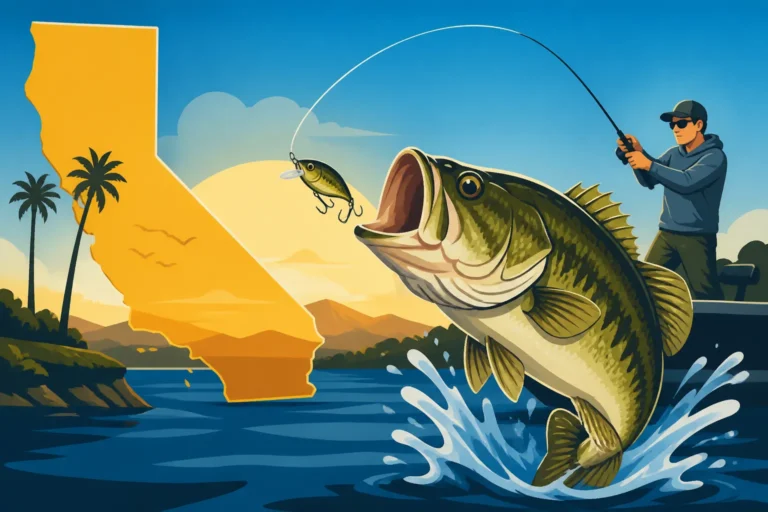
There's nothing quite like the thrill of chasing largemouth bass, especially when they're getting ready to spawn. But let's be real, figuring out exactly when the California bass spawn happens and what tactics actually work can feel like trying to solve a puzzle with half the pieces missing. One day they're biting everything, the next they're nowhere to be found! This guide is here to demystify the bass spawn in California, giving you the insider knowledge and practical strategies you need to tackle this exciting, yet often challenging, fishing period with confidence.
Deciphering the California Bass Spawn Season
The bass spawn in California isn't a single, statewide event that happens on one specific date. It's a dynamic period influenced by a myriad of factors, most notably water temperature, daylight hours, and geographical location. If you've ever felt like you missed the window or showed up too early, you're not alone. It's a nuanced dance with Mother Nature, and understanding her cues is your first step to success.
When Does the Spawn Really Start and End?
The absolute bedrock for understanding the bass spawn is water temperature. While it can vary slightly by species (largemouth, smallmouth, spotted bass), the sweet spot for largemouth bass, which are the most commonly targeted in California, typically falls between 55 and 68 degrees Fahrenheit. However, it's not just about hitting that number once. It's about sustained temperatures. When the water in a given lake, reservoir, or delta system consistently hovers in that range for several days, that's when the magic starts to happen.
You'll notice this means the spawn kicks off much earlier in warmer, shallower bodies of water, especially in Southern California lakes like Castaic Lake Fishing Guide or Diamond Valley Lake Fishing Guide, often starting as early as February or March. As you move north or into higher elevation lakes, such as those in the Eastern Sierra, the spawn can be delayed, sometimes not truly peaking until May or even early June. The duration of the spawn itself can also stretch over several weeks, with different waves of fish moving up to bed. It’s rarely a sudden, all-at-once phenomenon, which is why a flexible approach and keen observation are so critical.
Pre-Spawn: The Feeding Frenzy Before the Nest
Before bass commit to the arduous process of spawning, they enter a crucial "pre-spawn" phase. Think of it as their last big push to bulk up before a marathon. During this time, they're actively seeking out food, often moving from deeper winter haunts to shallower staging areas. They need to pack on calories to fuel the energy demands of nest building, egg-laying, and guarding. This is often when you encounter some of the most aggressive bites and can land some truly trophy-sized fish.
These pre-spawn bass will congregate in areas adjacent to their eventual spawning grounds. Look for them on channel swings, main lake points, submerged humps, or the mouths of creeks and coves that offer easy access to shallower flats. These spots provide a comfortable depth, often a bit warmer than the deeper main lake, and are prime ambush points for forage. They're also usually close to denser cover, giving them protection before they move fully onto the beds. Understanding these transitional areas is key to intercepting these hungry fish before they get locked onto nesting duties. For more insights on this period, check out our guide on California Bass Fishing Techniques.
Post-Spawn: Recovery and Regrouping
Once the eggs are laid and, for the females, their part is mostly done, bass enter the "post-spawn" phase. This can be one of the more challenging times to catch bass because, frankly, they're exhausted. Females are often depleted, sometimes with visible wounds from the spawning process, and they tend to retreat to slightly deeper water to recover. They’re not actively feeding with the same vigor as in the pre-spawn. Males, on the other hand, might stick around a bit longer, guarding the newly hatched fry (the "fry guard" stage), but they too will eventually need to recuperate.
During this period, bass are often less aggressive and more lethargic. You'll find them holding tight to cover – fallen trees, weed lines, docks, or rock piles – where they can rest and occasionally pick off an easy meal. This phase often overlaps with a secondary feeding surge as they begin to regain their strength. The key here is patience and a more subtle approach. They might not chase a fast-moving lure, but a slowly presented, easy meal can still tempt them. It’s also important to recognize that a significant number of bass might be in various stages of post-spawn recovery, so while some are still guarding fry, others might be starting to feed more actively.
Understanding Bass Behavior During the Spawn
To effectively fish the bass spawn, you really need to get inside their heads – or at least understand their instinctual drives during this critical period. It’s not just about finding fish; it’s about understanding why they are where they are and what they are doing. This behavioral insight will dramatically improve your approach and success rate.
Nesting and Bedding: What Bass Are Doing
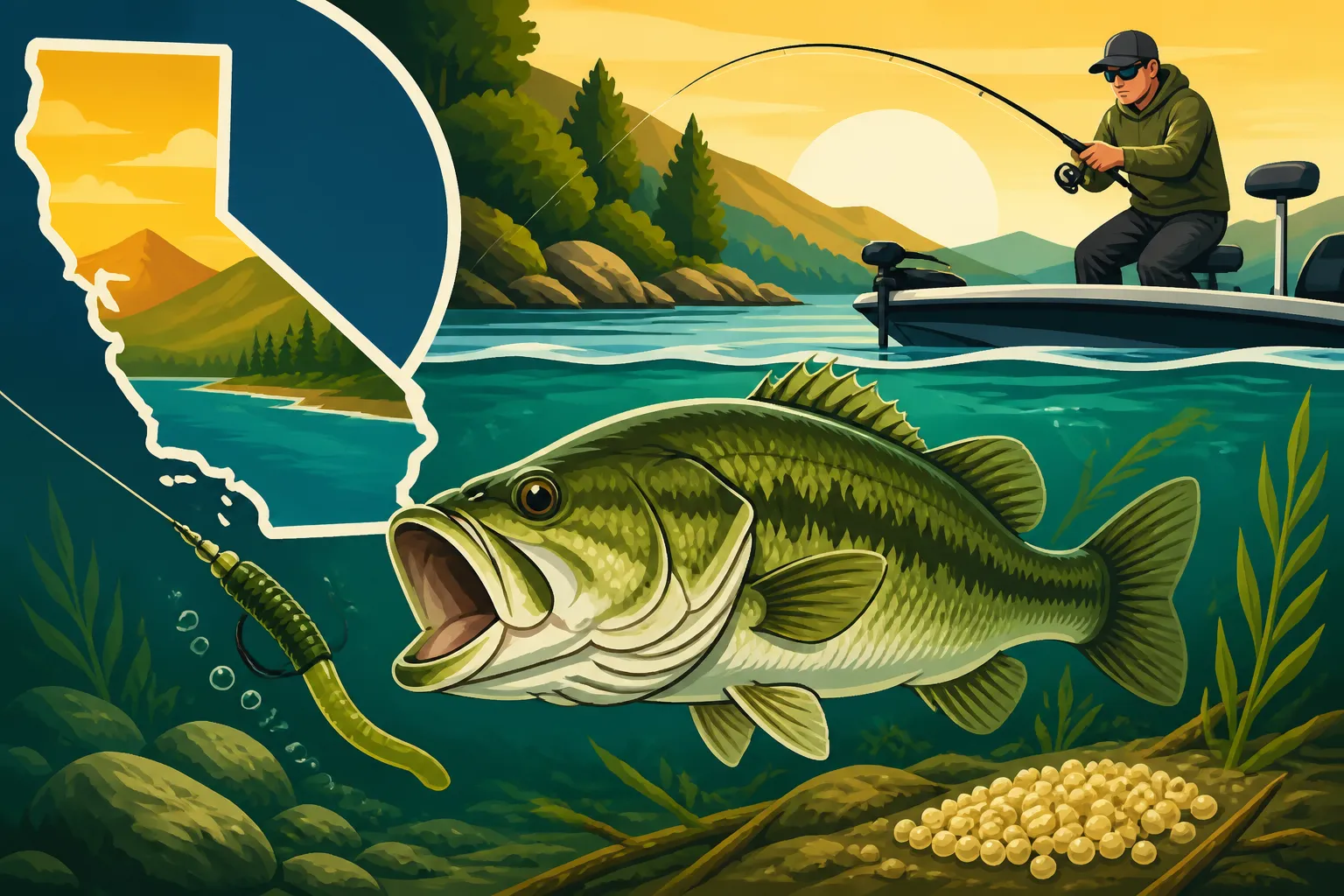
During the peak spawn, bass actively engage in nesting, commonly referred to as "bedding." The males are the primary architects and guardians of these nests. They'll use their tails to fan out circular depressions, typically in shallow, firm-bottomed areas that receive good sunlight. These beds are usually located near protective cover like submerged wood, rocks, or emergent vegetation, which offers a sense of security from predators.
Once a bed is prepared, the male attracts a female to lay her eggs. After the eggs are deposited and fertilized, the female's role is largely complete, and she will often leave the bed within a day or two to recover in deeper water. The male, however, remains to diligently guard the nest, fanning the eggs to keep them oxygenated and free of silt, and aggressively chasing away anything perceived as a threat – be it another fish, a turtle, or your well-placed lure. It's this protective instinct that anglers capitalize on when targeting bedding bass. If you can visually locate these beds, your chances of catching a fish increase significantly.
Male vs. Female Roles in the Spawn
It's a common misconception that you're always catching the big female when you're sight fishing a bed. While you can catch the female during the short window she's on the bed, it's far more common to catch the male. As mentioned, the male largemouth bass does the heavy lifting of preparing and guarding the nest. He is typically smaller than the female but is fiercely protective. His territorial nature makes him an easier target for anglers during this phase.
The larger females visit the beds to lay their eggs and then, quite literally, split. They move off to recover, sometimes not biting for a day or two. So, if you're targeting a bed and catch a smaller fish, it's very likely the male. While you might want that giant female, remember that catching and releasing the male quickly and gently is crucial. If the male is removed from the nest for too long, predators like bluegill or crawfish can quickly devour the unprotected eggs, severely impacting future generations. This is a critical point for ethical angling and conservation, as covered in our guide on California Catch-and-Release Rules.
The Impact of Weather and Water Conditions
Just like us, bass are sensitive to changes in their environment, and during the spawn, these sensitivities are heightened. A stable period of warm, sunny weather is ideal for a strong, consistent spawn. The sun warms the shallow waters where beds are located, signaling to the bass that conditions are right. However, California weather can be notoriously fickle, and these fluctuations can have a significant impact.
A sudden cold front, for instance, can cause water temperatures to drop, making bedding bass temporarily abandon their nests and retreat to deeper water until conditions stabilize. This can make fishing incredibly tough. Similarly, heavy rains can lead to rising, murky water, making it impossible to sight fish and potentially flooding out beds. On the flip side, prolonged periods of stable, slightly overcast days can offer fantastic opportunities, providing comfort for the bass while still allowing anglers to see beds without the glare of direct sunlight. Always check the forecast and local fishing reports (like those you’d find for the Clear Lake Fishing Guide) before heading out to gauge what the fish might be doing.
Essential Tactics for Spawning Bass
Now that you understand when and why bass spawn, let's talk about the how. Fishing during the spawn requires a blend of patience, observation, and precise presentation. It's often less about covering vast amounts of water and more about meticulous targeting.
Sight Fishing: Finding Those Beds
In clear water lakes and reservoirs across California, sight fishing for bedding bass is arguably the most effective tactic during the peak spawn. This involves actively looking for the circular depressions that bass have fanned out, often with a bass or two hovering nearby. To do this successfully, a few key pieces of equipment are absolutely essential. First and foremost, a good pair of polarized sunglasses is non-negotiable. They cut through the glare on the water's surface, allowing you to see into the shallows. You can find excellent options on Amazon from brands like Costa Del Mar or Oakley.
Once you spot a bed, approach it slowly and quietly. Bass, especially bed-guarding males, are territorial but also wary. A sudden shadow or noisy approach will send them fleeing, at least temporarily. Use your trolling motor minimally or paddle silently if you're in a kayak. Keep a respectful distance and observe the fish's behavior. Is it locked tight on the bed, or is it cruising on and off? This observation will dictate your next move. Remember, the goal isn't just to catch the fish, but to ensure it can return to its nest unharmed, so a quick, gentle fight and release are paramount.
Lure and Bait Selection for Spawning Bass
When targeting spawning bass, your lure choice becomes less about mimicking forage and more about irritating the fish into striking. The bass aren't necessarily hungry; they're reacting defensively to perceived threats to their offspring. This is where creature baits, lizards, and soft plastic stick baits really shine. A lizard, for example, is a natural egg predator, making it an ideal choice to draw an aggressive response from a bed-guarding male. Soft plastic stick baits like a Yamamoto Senko are also incredibly effective due to their subtle, tantalizing fall and profile. You can pick up a wide variety of these essential baits, often in multi-packs, on Amazon to ensure you have plenty of options.
Colors can vary, but often natural greens, browns, and watermelon patterns work well because they blend in. However, don't be afraid to try brighter, more "irritant" colors like white, chartreuse, or even bubblegum pink. Sometimes, a bright, unnatural color can trigger a defensive strike when natural hues are ignored. Jigs with a bulky trailer, or even small swimbaits twitched slowly, can also be effective. The key is to present something that looks like it's trying to eat the eggs or fry, or simply invading the bass's personal space. For a deeper dive, check out our guide on Best Lures for California Largemouth Bass.
Presentation is Key: Gentle Approaches and Persistence
Catching spawning bass is not a power-fishing game. It’s all about finesse, patience, and precise presentation. Once you’ve located a bed and picked your bait, cast beyond the bed and slowly work your lure into the nesting area. You want the bait to land softly, not splash down aggressively. The goal is to draw the bass's attention without spooking it.
Once your bait is on the bed or very close to it, let it sit. This "dead sticking" technique can be incredibly effective. Sometimes, just the presence of the lure is enough to agitate the bass into moving it away. If the bass doesn't immediately strike, twitch the bait ever so slightly, just enough to make it appear alive. Watch the bass’s reaction closely. Is it flaring its fins? Circling the bait? Nudging it? These are all signs of aggression. Repeat this process multiple times. It might take dozens of casts to get a single fish to commit, but persistence often pays off. Using a sensitive rod and braided line with a fluorocarbon leader will help you feel even the most subtle bites or nudges, which can feel like nothing more than a slight weight increase on your line. You can find great quality fishing lines and leaders from reputable brands on Amazon.
Ethical Considerations and Conservation
As anglers, we have a profound responsibility to protect the fisheries we enjoy, especially during sensitive times like the bass spawn. The choices we make on the water today directly impact the fishing opportunities of tomorrow.
Catch and Release Best Practices
When targeting spawning bass, proper catch and release techniques are paramount. The male bass, in particular, is the sole guardian of the nest. If he's removed from the bed for too long, or is overly stressed during the fight, the eggs or newly hatched fry are left vulnerable to predators. This can decimate a year's worth of reproduction.
To minimize impact:
- Handle gently: Wet your hands before touching the fish to protect its slime coat. Avoid squeezing.
- Minimize air time: Keep the fish in the water as much as possible. A quick photo, if desired, should be just that – quick.
- Support properly: Support the fish horizontally, especially larger bass. Avoid hanging them vertically by the jaw, as this can damage their internal organs.
- Quick release: Get the fish back to its bed as swiftly and gently as possible. If it seems disoriented, hold it upright in the water and move it back and forth gently until it swims away on its own power.
- Barbless hooks: Consider using barbless hooks, or pinching down barbs, to facilitate easier, less damaging hook removal.
By following these practices, we ensure that the bass can return to their vital role in the spawning cycle, safeguarding future generations of fish in California’s waters. These principles are part of responsible angling and contribute to the health of iconic bass fisheries like those detailed in our Best Reservoirs for Trophy Bass in California guide.
The Importance of Protecting Spawning Bass
Beyond individual catch and release practices, there's a broader conservation ethic tied to fishing during the spawn. Every spawning bass represents the future of the fishery. Excessive pressure on bedding fish can lead to widespread nest abandonment, ultimately reducing recruitment into the bass population. While fishing during the spawn is legal in many areas of California, it requires a heightened sense of responsibility.
It's crucial to be mindful of local regulations and consider voluntary restraint in areas with intense fishing pressure or particularly fragile populations. If you've caught a few fish off a bed, consider moving on to other areas to reduce stress on that particular fish and its nest. Education and awareness within the angling community are our strongest tools. By understanding the biology of the bass spawn and respecting the fish's role in the ecosystem, we contribute to healthy, thriving bass populations for years to come. Remember to consult the California Freshwater Fishing Regulations before heading out, as specific rules can vary by water body and time of year.
California Bass Spawn Phases: A Quick Overview
To tie it all together, here's a handy table summarizing the different phases of the bass spawn and the general tactics that tend to work best.
| Spawn Phase | Typical Water Temperature | Bass Behavior Highlights | Recommended Lures/Tactics |
|---|---|---|---|
| Pre-Spawn | 50-60°F (rising) | Aggressive feeding, staging near future beds, bulking up. | Jerkbaits, crankbaits, swimbaits, spinnerbaits, jigs. |
| Peak Spawn | 58-68°F (stable) | Nest building, egg laying, males guarding beds intensely. | Soft plastics (Senkos, lizards, creature baits), jigs, sight fishing. |
| Post-Spawn | 65-75°F (stable to rising) | Females recovering, males guarding fry, some secondary feeding. | Topwater, swim jigs, flukes, shallow crankbaits, finesse worms. |
No matter which phase you're fishing, patience and observation will always be your best allies. And remember, the health of our fisheries depends on responsible choices.
Disclaimer
Fishing regulations, seasons, and conditions can change rapidly. Always consult the latest official California Department of Fish and Wildlife (CDFW) regulations before you head out on the water. This guide is for informational purposes only and does not supersede state or local laws.