California Fishing in July: What to Catch
Heading out to fish in California during the scorching heat of July can sometimes feel like a gamble, with water temperatures rising and fish behaviors shifting. Many anglers find themselves scratching their heads, wondering where the bite went or which species are still actively feeding. This guide is here to cut through that confusion, helping you understand the unique challenges and incredible opportunities that July fishing in California presents, ensuring your summer outings are successful and enjoyable.
The Summer Fishing Vibe in July: What to Expect Across California
July in California means full-on summer. The days are long, the sun is high, and water temperatures, especially in shallower areas and inland lakes, can climb significantly. This isn't always a bad thing; for some species, it's prime time! But it does mean you need to adapt your strategies and know where to look. Gone are the aggressive, easy bites of spring for many freshwater species, but offshore action often heats up, and high-country trout fishing hits its stride. It’s all about understanding these shifts and planning your trips accordingly. You wouldn't hit the beach in December expecting to surf in shorts, right? Same goes for fishing in July – smart planning makes all the difference.
General Weather and Water Conditions
Across most of California, July is synonymous with clear skies and warm temperatures. Coastal areas benefit from marine layers and cooler ocean breezes, making for more comfortable fishing conditions than the sweltering heat found in the Central Valley or desert regions. Ocean temperatures are generally at their warmest, which can draw in pelagic species closer to shore. Inland, lakes and rivers will experience peak summer warmth. This can lead to thermoclines forming in deeper lakes, pushing cold-water species down, and making shallower waters less productive during midday. Rivers and streams fed by snowmelt will still have good flows and cooler temperatures, especially higher up in the mountains, but lower elevation rivers can get warm and sluggish. Understanding these basic conditions is the first step to figuring out your target species and Best Times to Fish in California.
Impact on Fish Behavior
The elevated water temperatures and increased recreational activity on the water during July definitely impact fish behavior. Many freshwater species, like bass, become more nocturnal or move to deeper, cooler waters, often congregating around structure or in shaded areas during the heat of the day. Trout in low-elevation streams might become stressed or move to higher, colder headwaters, making high-country fishing a popular option. Conversely, the warmer ocean currents can bring in a bounty of migratory species, especially those chasing baitfish. This is when offshore game fish really start to show up in force. So, while some fishing slows down, other types kick into high gear. It’s a trade-off, but California offers enough diversity to keep you busy no matter the season.
Prime Saltwater Targets: Ocean Fishing in July
If you’re a saltwater enthusiast, July is one of the most exciting months to be on the water in California. The warmer offshore currents often bring in a fantastic array of hard-fighting, pelagic species, making it prime time for both private boaters and those hopping on a charter. From the productive kelp beds to the deep blue offshore, there’s a lot to chase. Just remember that ocean conditions can change, so always check the marine forecast before heading out.
Offshore Game Fish Action
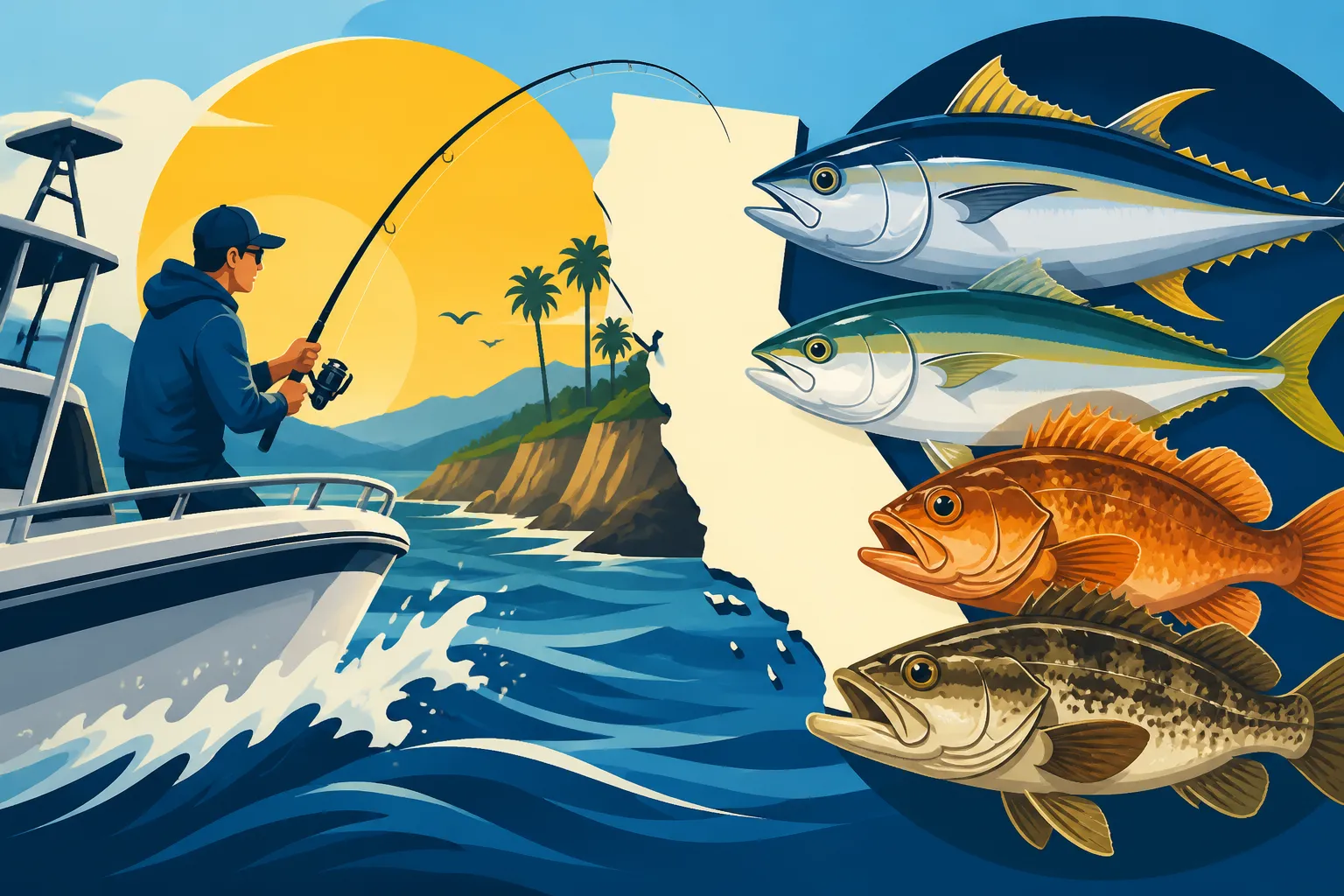
July marks the heart of tuna season in Southern California. Bluefin tuna, yellowfin tuna, and even skipjack and dorado (mahi-mahi) can be found offshore, often requiring longer runs from ports like San Diego, Dana Point, and Long Beach. The How to Catch Bluefin Tuna off California article emphasizes that these trips can be epic, with anglers often targeting football-sized bluefin to massive cows. Yellowtail also remain a strong contender, schooling up around offshore islands like Catalina and San Clemente, and congregating in kelp paddy systems. For yellowtail, you’ll find success jigging, fly-lining live bait, or slow-trolling. Many anglers invest in high-quality rods and reels for these battles, often found on platforms like Amazon, ensuring their gear can handle the immense power of a tuna or a stubborn yellowtail.
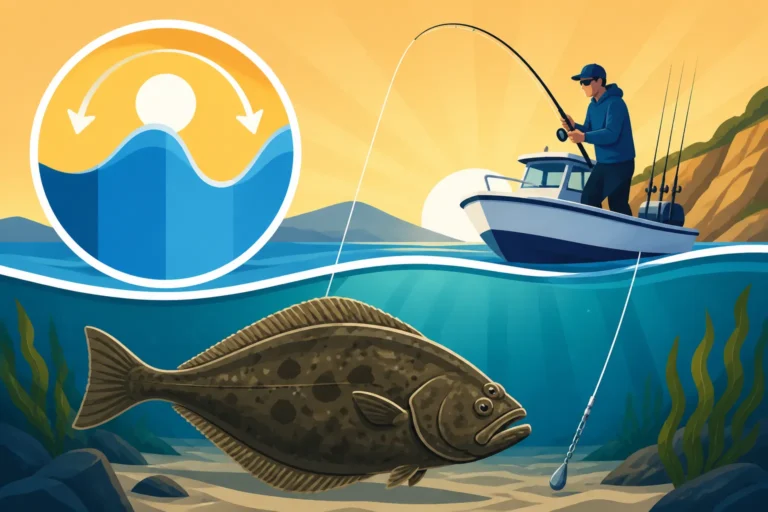
Further north, while tuna action might be less consistent, species like California halibut and rockfish are still very much in play. Halibut can be found drifting bays, nearshore reefs, and sand flats from Santa Barbara up through San Francisco Bay. Rockfish, including lingcod, continue to provide consistent action in deeper waters, although be mindful of the California Rockfish Depth Restrictions that vary by management area. Charter boats specializing in rockfish and lingcod trips are readily available along the entire coast.
Nearshore and Pier Fishing Opportunities
Closer to shore, the fishing remains diverse. Surf fishing for species like corbina, spotfin croaker, and perch can be excellent, especially during morning and evening hours when the sun isn't as intense. Look for subtle depressions and structure in the surf line, and use light tackle with sand crabs, ghost shrimp, or Gulp! sandworms. Piers, which don't require a California Fishing License Guide for direct fishing, offer a fantastic, accessible option. From piers, you might catch mackerel, bonito, white croaker, or even a halibut drifting on the bottom. Early mornings or late evenings are often the most productive, as the fish are less pressured and the sun is less brutal.
Freshwater Wonders: Lakes and Rivers in July
While the ocean often steals the spotlight in July, California's vast network of freshwater lakes, rivers, and high-altitude streams offers some fantastic opportunities, especially if you know where to look and when to fish. The key is often to go deeper, higher, or earlier/later in the day to escape the heat.
Lake Fishing for Bass and Trout
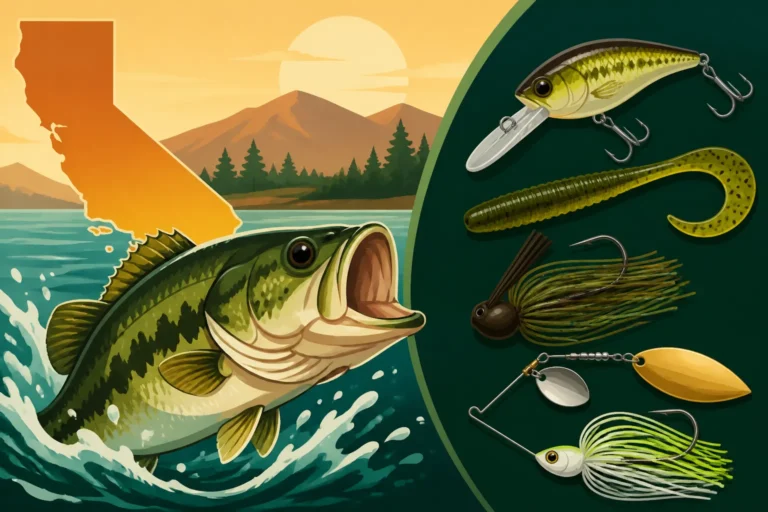
For bass anglers, July in most lower-elevation lakes means an early morning or late evening bite. Largemouth and smallmouth bass will retreat to cooler, deeper waters during the day, often suspending over ledges, hiding in dense vegetation, or seeking shade under docks and trees. Look for schools of baitfish, as the bass won't be far behind. Drop-shotting, deep crankbaits, or even night fishing with topwater lures can be incredibly effective. Clear Lake, Lake Shasta, and Castaic Lake are legendary for their bass populations. For more detailed strategies, check out How to Catch Largemouth Bass in California.
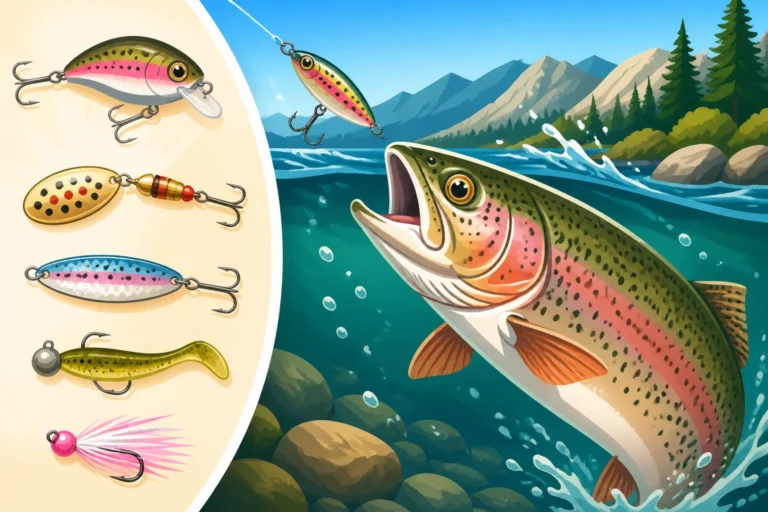
Trout fishing in lower-elevation reservoirs can be challenging in July, as the warmer surface water pushes them into deeper, colder zones. Trolling with downriggers or lead core line is often necessary to reach them. However, for a truly magical trout experience, head to the higher elevations. The Eastern Sierra region, with lakes like Crowley Lake, Lake Sabrina, and countless alpine lakes, comes alive in July. These waters remain cold, and trout are actively feeding on hatches. Fly fishing can be phenomenal, and bait fishing with powerbait or worms is also highly productive. Remember to check local stocking schedules for regularly planted lakes, which you can often find through the CDFW website.
River and Stream Fishing
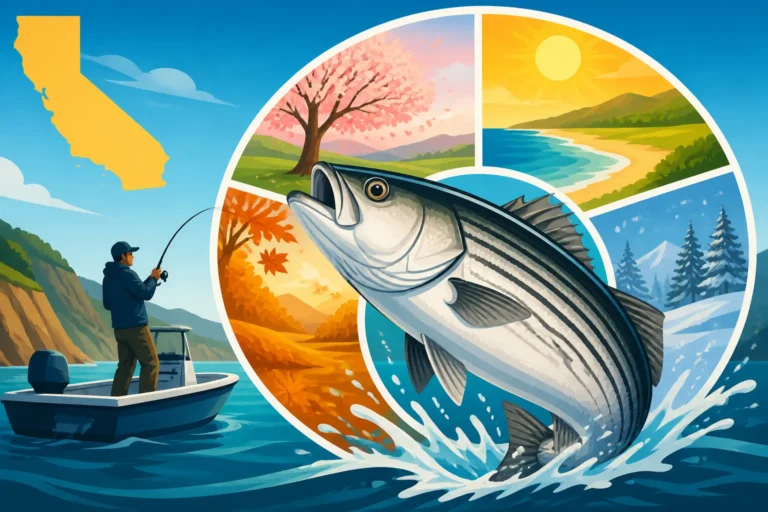
July is prime time for fly fishing in California's mountain rivers and streams. Rivers like the Upper Sacramento, Truckee, and Kern offer fantastic opportunities for rainbow and brown trout, especially in their cooler headwaters. The key here is presenting natural drifts with nymphs or dry flies, focusing on riffles, deep pools, and shaded areas. Low-elevation rivers that flow through warmer regions, like sections of the American River or Feather River, might see striped bass still active in the Delta, but resident trout populations will be stressed by heat. Always prioritize fish health during warm water periods; practice catch-and-release carefully, and consider fishing only during cooler parts of the day.
Gear Up for July Success: Essential Tackle and Tips
Having the right gear and knowledge about fishing techniques can make or break your July fishing trip. The conditions demand a thoughtful approach, whether you’re casting off a pier or heading miles offshore. A little preparation goes a long way to ensure comfort and success.
Recommended Tackle and Bait
For saltwater fishing in July, especially for offshore game fish, you'll want medium-heavy to heavy conventional rods and reels spooled with 40-80 lb braid, often topped with a fluorocarbon leader. Live bait, like sardines and anchovies, is king for tuna and yellowtail, but heavy jigs, surface irons, and poppers are also crucial. You can find a vast selection of these items, from rods to specialized jigs, on Amazon. For rockfish, a stout conventional setup with 30-50 lb test and dropper loop rigs with squid or cut bait will do the trick. For surf fishing, a medium-light surf rod with 8-12 lb line and small hooks for sand crabs or Gulp! baits is ideal.
For freshwater bass, a variety of spinning and baitcasting setups are necessary. Look for medium-heavy rods for throwing jigs and crankbaits, and lighter setups for finesse techniques like drop-shotting. July often calls for deep-diving crankbaits, plastic worms, and jigs that can reach fish hiding in deeper structure. For trout in mountain streams, a 3-5 weight fly rod is perfect, or a light spinning rod with small spinners, spoons, or bait. Make sure your tackle box is well-stocked with the appropriate lures and terminal tackle for the species you plan to target.
| Species | Typical Location in July | Recommended Bait/Lure | Key Tip |
|---|---|---|---|
| Bluefin Tuna | Offshore, Southern California | Live Sardines, Jigs (Yo-Yo, Flat-Fall), Poppers | Look for kelp paddies and bird activity. |
| Yellowtail | Offshore islands, kelp paddies | Live Mackerel/Sardines, Surface Iron, Jigs | Early morning and late evening bites are best. |
| Rockfish/Lingcod | Deep reefs, wrecks, coastal areas | Squid, Cut Bait, Metal Jigs, Large Swimbaits | Drift over structure; mind depth restrictions. |
| California Halibut | Sandy bottoms, bays, nearshore reefs | Live Bait (anchovies, smelt), Gulp! grubs, Jigs | Slow drift is often key. |
| Largemouth/Smallmouth Bass | Deeper structure, shade, vegetation in lakes | Plastic Worms, Jigs, Deep Crankbaits, Drop-Shot | Fish early/late; target shady areas and depth. |
| Mountain Trout | High-elevation lakes and streams | Dry Flies, Nymphs, Spinners, PowerBait, Worms | Focus on cold, clear water; check hatches. |
| Striped Bass | California Delta, estuaries | Live Minnows, Cut Bait, Swimbaits, Topwater (dawn/dusk) | Target tidal current breaks and submerged structure. |
July Fishing Techniques and Strategies
With the summer heat, patience and precision often trump aggressive tactics. For bass, consider moving slowly and methodically, presenting baits to fish that might be less inclined to chase. For saltwater pelagics, it's about covering water, looking for signs of life (birds, bait, temperature breaks), and being ready to react quickly when a school is found. Trolling can be very effective for both offshore game fish and lake trout, allowing you to present baits at specific depths. Don't forget the importance of proper fish handling, especially with higher water temperatures. If you're planning on keeping fish, have a cooler with ice ready. Catch-and-release anglers should minimize handling and release fish quickly and gently, especially for stressed freshwater species. Knowing your California Fishing Regulations Explained is crucial, as limits and seasons can change. For example, don't forget your California Ocean Enhancement Stamp if fishing south of Point Arguello.
Staying Safe and Respectful on the Water in July
July often brings crowded waterways, from bustling boat ramps to popular fishing piers. Beyond the fishing techniques, it's vital to prioritize safety, respect other anglers and boaters, and stay mindful of the environment. A successful trip isn't just about catching fish; it's about having a positive experience for everyone involved.
Navigating Crowded Waters
With school out and many families on vacation, July sees a significant increase in recreational boating, swimming, and kayaking. If you're fishing from a boat, be aware of speed limits, no-wake zones, and always maintain a safe distance from other vessels and swimmers. On popular lakes, try to fish during off-peak hours, like early mornings or weekdays, to avoid the weekend rush. When pier fishing, be mindful of others' lines and space. A little common courtesy, like giving fellow anglers room to cast and not hogging prime spots, goes a long way toward making everyone's day enjoyable. Remember, a quick search on Amazon for "boating safety equipment" can help you be prepared for any situation on crowded waterways.
Essential Summer Safety Tips
The California sun in July is no joke. Sun protection is paramount: wear a wide-brimmed hat, UV-protective clothing, and liberally apply sunscreen with a high SPF. Staying hydrated is equally critical; bring plenty of water, even more than you think you'll need, especially if you're out on a long trip. If you're heading offshore, consider wearing a life vest, and always let someone know your float plan. Be aware of the signs of heatstroke or dehydration in yourself and your companions. Moreover, always carry your California Fishing Report Cards Explained and a valid fishing license. Staying prepared ensures a fun and safe day, allowing you to focus on the thrill of the catch rather than unexpected discomforts or dangers.
Disclaimer
Fishing conditions, regulations, and seasons in California can change frequently. Always consult the latest California Department of Fish and Wildlife (CDFW) regulations before any fishing trip. This guide is for informational purposes only and does not constitute legal advice or an exhaustive list of all rules and conditions.