How to Catch Largemouth Bass in California
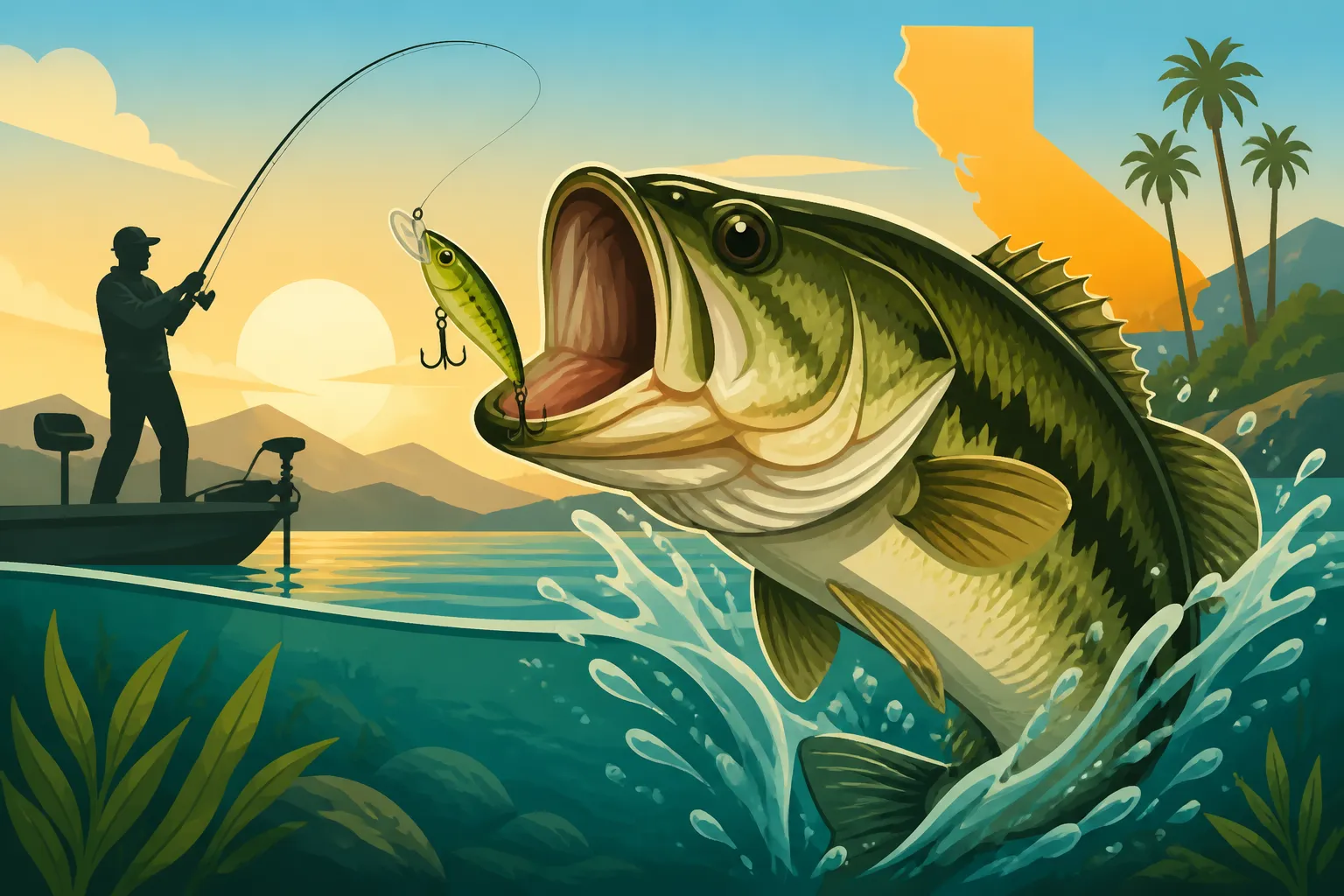
Catching largemouth bass in California can feel like an impossible puzzle sometimes, especially with our diverse waters, from massive reservoirs to smaller urban ponds. Many anglers get frustrated trying the same old techniques without understanding how bass adapt to different conditions here. This comprehensive guide is designed to cut through that confusion, helping you understand their behavior, master effective techniques, and pinpoint the best spots to consistently land those prized largemouth.
Understanding Largemouth Bass in California
Largemouth bass are truly iconic sportfish, known for their aggressive strikes and powerful fights. In California, they thrive across a wide range of freshwater environments, adapting their behavior significantly based on water temperature, cover availability, and food sources. Knowing their biology and habits is the first step toward becoming a more successful angler, moving beyond just casting randomly and hoping for the best.
The Biology and Behavior of Largemouth Bass
These magnificent fish, easily identifiable by that characteristic large mouth where the jaw extends beyond the eye, are primarily ambush predators. They possess an incredible lateral line system that detects vibrations in the water, allowing them to sense prey even in murky conditions or low light. Their diet is varied, including everything from smaller fish like bluegill and shad to crawfish, frogs, and even small birds or rodents. This adaptability in diet means they can be targeted with a wide array of lures and baits, which is great news for us anglers but also means we need to think about what they might be feeding on at any given moment.
Their behavior is heavily influenced by water temperature. In colder months, they become lethargic, moving slowly and preferring deeper, stable water. As the water warms, they become more active, moving into shallower areas to feed and eventually to spawn. Understanding these seasonal shifts is absolutely crucial. For instance, in spring, as waters warm past 55-60 degrees Fahrenheit, they’ll start moving towards spawning grounds, often in protected coves or flats with submerged vegetation, making them somewhat predictable if you know what to look for.
Preferred Habitats in California Waters
California offers an incredible array of habitats for largemouth bass, from the sprawling California Delta to deep, clear reservoirs like Diamond Valley Lake. These fish are structure-oriented, meaning they love to hang out near anything that provides cover, shade, or ambush points. Think about submerged trees, weed beds, rock piles, docks, bridge pilings, or even subtle changes in bottom contour. These features offer protection from predators, a place to hide from prey, and often cooler water temperatures during the heat of summer.
In reservoirs, you'll often find them relating to main lake points, coves, creek channels, and submerged humps. On rivers, they'll favor eddies, current breaks, and log jams. Even in urban ponds, they'll congregate around tules, fallen branches, or artificial structures. A common mistake many new anglers make is casting into open water, hoping a bass will just appear. Instead, focus your efforts on these prime structural elements. Even a small patch of shade cast by an overhanging tree can hold a big bass waiting for an unsuspecting meal to swim by. This understanding will significantly improve your chances and reduce wasted casts.
Best Seasons and Times to Target Largemouth Bass
Timing is everything when it comes to largemouth bass fishing in California. Just like us, bass have distinct seasonal patterns, and knowing when they're most active can turn a slow day into an epic one. It's not just about the month; it's also about the specific conditions that make them want to bite.
Spring: The Pre-Spawn and Spawn Period
Spring is arguably the most exciting time for largemouth bass fishing in California. As water temperatures start climbing into the high 50s and low 60s Fahrenheit, bass begin their pre-spawn ritual. This is when they move from their deeper wintering holes into shallower, protected coves and flats, staging to spawn. They're incredibly hungry, trying to pack on calories for the energy-intensive spawning process. This makes them highly aggressive and willing to chase down a variety of baits. Crankbaits, jerkbaits, and spinnerbaits can be deadly as bass cruise the shallows looking for food.
Once water temperatures consistently hit the mid-60s, the spawn begins. Male bass build circular nests, usually on hard bottom near cover, and guard them fiercely. While tempting to target bedding bass, remember that stressing them during this crucial reproductive phase can negatively impact future populations. Many ethical anglers practice catch-and-release and minimize disturbance during this time. Post-spawn, the fish are often exhausted and scattered, but they quickly recover and start feeding aggressively again to regain strength. This period is well covered in resources like California Bass Spawn Timing and Tactics.
Summer: Deep Water and Early Morning Bites
California summers can be brutal, with scorching heat making surface waters uncomfortable for both anglers and bass. During the peak summer months, especially when temperatures soar, largemouth bass typically move deeper to find cooler, more oxygenated water. They'll often hold around deep points, submerged humps, creek channels, and the shady side of docks or heavy cover. Early mornings and late evenings often provide a brief window of opportunity when bass might venture shallower to feed before retreating to the depths.
Techniques like deep cranking, Texas rigs, Carolina rigs, and drop-shotting become highly effective. For those early morning topwater enthusiasts, throwing a frog or a popper around dense lily pads or weed mats can result in explosive strikes before the sun gets too high. Patience is key during summer, as bites might be fewer but often come from larger, more established fish. Pay close attention to your electronics to locate those subtle depth changes and submerged structures where bass are seeking refuge.
Fall and Winter: Transition and Deep Patterns
As autumn arrives, the water temperatures begin to drop, and the bass sense the approaching cold. This is another fantastic time to fish, often called the "fall feed." Bass become incredibly active, trying to gorge themselves before winter sets in. They'll chase schools of shad and other baitfish into the backs of coves or against main lake points, making them relatively easy to find. Spinnerbaits, swimbaits, and lipless crankbaits can be incredibly effective during this period. The cooler, stable weather of fall can lead to some of the most consistent fishing of the year.
Winter brings colder water, and bass generally retreat to their deepest, most stable haunts. They become much more lethargic, and their metabolism slows down considerably. This doesn't mean you can't catch them, but it requires a slower approach. Finesse techniques like drop-shotting, slow-rolling jig-and-trailer combos, or slowly working a spoon in deep water can tempt a cold-water bass. Look for areas with rock, timber, or steep breaks that offer thermal stability. While the bites might be subtle, winter fishing can often produce some of the largest bass of the year, as big fish are still feeding, just less frequently.
Essential Gear for California Largemouth Bass Fishing
Having the right tools for the job can make a world of difference. Largemouth bass fishing, especially in California, demands versatility in your gear selection to adapt to the many different techniques and environments you'll encounter. Don't worry, you don't need to break the bank, but a few key items will certainly set you up for success. Many quality options are readily available, and you can find a vast selection on sites like Amazon, ensuring you get exactly what you need delivered right to your door.
Rod and Reel Combinations
For largemouth bass, having a couple of different rod and reel setups is ideal. A good all-around choice is a medium-heavy power, fast action casting rod, typically 6'6" to 7'6" in length, paired with a baitcasting reel. This setup is incredibly versatile, handling everything from heavier jigs and Texas rigs to larger spinnerbaits and crankbaits. Baitcasters offer superior casting accuracy and power for pulling big bass out of heavy cover. Make sure your reel has a decent gear ratio (around 7.1:1 is a good starting point) for quick line retrieval.
For lighter lures and finesse techniques, a medium power, fast action spinning rod (6'6" to 7'0") with a matching spinning reel is indispensable. This is perfect for drop-shotting, wacky rigging senkos, or throwing smaller jerkbaits and topwaters. Spinning gear excels at casting lighter baits a good distance and handling lighter lines without issue. Consider a reel size in the 2500-3000 range. Having both casting and spinning setups allows you to quickly switch between different presentations without retying, which can be a huge time-saver when the bite is on.
Line Selection and Terminal Tackle
Your line choice is critical. For baitcasting setups, many anglers opt for fluorocarbon line (12-20 lb test) for its low visibility, excellent sensitivity, and abrasion resistance, especially when fishing around rocks or timber. Braided line (30-65 lb test) is another popular choice, particularly for fishing heavy cover or punching through mats, due to its incredible strength and zero stretch. If using braid, many anglers tie on a fluorocarbon leader (10-20 lb test) for stealth. For spinning gear, lighter fluorocarbon (6-10 lb test) or monofilament (8-12 lb test) works well. Monofilament offers good knot strength and shock absorption, while fluorocarbon gives you that added sensitivity.
Terminal tackle includes a range of hooks, weights, and swivels. You'll need various worm hooks (EWG and straight shank) in sizes 2/0 to 5/0, offset hooks, and treble hooks for crankbait replacement. For weights, stock up on bullet weights (1/8 oz to 1 oz) for Texas rigs, drop-shot weights, and lead-free alternatives where required. Barrel swivels can help prevent line twist, especially with certain lure presentations. Don't forget essentials like high-quality fishing pliers, line cutters, and a net for safely landing bigger fish. It's always a good idea to check local regulations like California Freshwater Fishing Regulations as lead weight restrictions may apply in some areas.
Top Techniques for Catching Largemouth Bass
Becoming a successful largemouth bass angler in California isn't just about having the right gear; it's about mastering a variety of techniques and knowing when to apply them. Bass can be incredibly fickle, and what works one day might be completely ignored the next. Having a diverse toolkit of presentations will significantly increase your success rate.
Power Fishing Techniques
Power fishing is all about covering a lot of water quickly and eliciting reaction strikes from active bass. This style of fishing is often most effective during the pre-spawn, fall feed, or when bass are actively chasing bait. It's a great way to locate aggressive fish quickly before slowing down with finesse presentations.
- Crankbaiting: Deep-diving crankbaits are phenomenal for exploring submerged humps, creek channels, and rock piles, while shallow-diving models excel around docks and shallow cover. The key is to make your crankbait deflect off structure, triggering a reaction strike. Experiment with different colors and retrieve speeds until you find what the bass are keying in on.
- Spinnerbaiting: Spinnerbaits are incredibly versatile, effective in a wide range of conditions, from clear to murky water. They're great for covering expansive flats, fishing through sparse weeds, or around timber. The flash and vibration of the blades mimic a fleeing baitfish, making them irresistible to hungry bass. Slow-roll them along the bottom or burn them just under the surface.
- Lipless Crankbaits: These rattling baits are fantastic for fishing grass beds, submerged vegetation, or open water when bass are chasing shad. Their tight wobble and loud rattles call fish from a distance. Ripping them through grass, letting them fall, and then ripping them again can be a particularly effective tactic.
- Topwater Fishing: Nothing beats the thrill of a topwater strike! Poppers, walking baits (like a Heddon Super Spook), and frogs are killer during low light conditions or over matted vegetation. Patience is key; let the ripples dissipate after casting before starting your retrieve. These are especially effective during warmer months.
Finesse Fishing Approaches
When the bite gets tough, or bass are pressured, lethargic, or suspended, finesse fishing often comes to the rescue. These techniques involve smaller baits, lighter lines, and slower, more subtle presentations. They're designed to tempt wary bass into biting, rather than provoking an aggressive reaction.
- Drop-Shotting: The drop-shot rig is a staple for clear water and pressured fish. A small weight is tied at the tag end of your line, and the hook is tied directly to the main line a foot or two above it. This allows your soft plastic bait (often a small worm or creature bait) to suspend horizontally off the bottom, presenting a natural, easy meal. It's deadly for bass suspended over structure or holding on steep breaks. You can find many ready-to-go drop shot weights and hooks on Amazon to easily set up your rig.
- Texas Rigging: The Texas rig is probably the most weedless setup in bass fishing. A bullet weight slides freely on the line above a worm hook, which is threaded through a soft plastic worm or creature bait so the hook point is skin-hooked back into the plastic. This allows you to fish through dense cover like brush piles, weed beds, and submerged timber without snagging. Drag it slowly, hop it, or pitch it into tight spots.
- Carolina Rigging: Similar to a Texas rig but with a heavier weight, a bead, and a swivel above a longer leader (2-4 feet) tied to another worm hook. The Carolina rig is excellent for covering large areas of open water, especially over hard bottoms or sparse grass, searching for fish. The weight drags along, stirring up the bottom, while the bait swims enticingly behind it.
- Wacky Rigging and Ned Rigging: These are ultimate finesse tactics. A wacky rig involves hooking a stick bait (like a Yamamoto Senko) directly through its center, allowing both ends to wiggle seductively as it falls. A Ned rig uses a small mushroom-head jig with a stubby, buoyant soft plastic bait, making it stand upright on the bottom, mimicking a foraging critter. Both are extremely effective for drawing strikes from reluctant bass.
| Technique Category | Target Conditions | Ideal Lures/Baits | Rod/Reel Type | Key Advantages |
|---|---|---|---|---|
| Power Fishing | Active fish, covering water, reaction strikes, moderate cover | Crankbaits, Spinnerbaits, Lipless Cranks, Topwaters, Swimbaits | Medium-Heavy Casting | Fast coverage, triggers aggressive bites |
| Finesse Fishing | Pressured fish, lethargic bass, clear water, deep water, heavy cover | Drop-Shots, Texas Rigs, Carolina Rigs, Wacky Rigs, Ned Rigs, Jigs | Medium Spinning or Medium-Heavy Casting | Presents natural look, effective on tough days |
Choosing the Right Baits and Lures
The sheer variety of largemouth bass baits and lures available can be overwhelming, even for experienced anglers. The key is to understand why a particular bait works and when to use it. Matching the hatch (imitating what the bass are naturally eating) and adapting to current water conditions are paramount.
Soft Plastics for Versatility
Soft plastic baits are arguably the most versatile and effective lures for largemouth bass, and they come in an endless array of shapes, sizes, and colors. From worms to creature baits, they can imitate everything from a swimming baitfish to a crawfish scurrying along the bottom.
- Plastic Worms: These are the bread and butter of bass fishing. Texas-rigged worms are fantastic for probing heavy cover, while wacky-rigged Senkos are irresistible to bass cruising shallower flats. Straight-tail worms work wonders on a drop-shot rig. Experiment with lengths (4-inch to 10-inch) and colors (green pumpkin, black and blue, junebug are popular choices). Brands like Gary Yamamoto Custom Baits (Senko) are renowned for their effectiveness, and you can find many options on Amazon.
- Creature Baits: Designed to mimic crawfish, lizards, or other bottom-dwelling prey, creature baits shine when Texas rigged or used as a jig trailer. Their flapping appendages create a lot of action and disturbance, attracting bass hiding in cover. Pitching a creature bait into a brush pile or flipping it under a dock can be incredibly productive.
- Swimbaits: These realistic soft plastics imitate baitfish and are incredibly effective for targeting larger bass. Smaller paddle-tail swimbaits can be rigged on a jig head or belly-weighted hook for an irresistible swimming action. Larger, more detailed swimbaits are often thrown on heavy casting gear and fished like a crankbait, drawing monstrous strikes from trophy-sized fish.
Hard Baits for Covering Water
Hard baits are your go-to when bass are actively chasing prey or when you need to cover a lot of water efficiently. Their built-in action and vibration can call fish from a distance, making them excellent search baits.
- Crankbaits: As mentioned earlier, crankbaits come in various diving depths and actions. Shallow-divers like square bills are great for deflecting off cover in skinny water, while deep-divers can plumb the depths of reservoirs. Color patterns should often mimic local forage (shad, bluegill) or be bright and flashy in murky water.
- Jerkbaits: These slender, suspending baits mimic injured baitfish with a darting, erratic action. They are particularly effective in cooler water or when bass are suspended. A "twitch, twitch, pause" retrieve is standard, with the pause often being when the strike occurs. Try brands like Lucky Craft or Megabass for exceptional jerkbaits.
- Topwater Lures: Nothing beats the visual thrill of a topwater strike. Poppers, walking baits (like a Zara Spook or Whopper Plopper), and prop baits create commotion on the surface, drawing explosive strikes. They are most effective during low light conditions (dawn, dusk) or on overcast days, especially around visible cover.
- Spinnerbaits and Buzzbaits: Spinnerbaits, with their flashing blades, are excellent for covering water and fishing through sparse cover. Buzzbaits are a topwater option that creates a gurgling, bubbling commotion on the surface, perfect for aggressive bass. Both are excellent for finding active fish.
Key California Lakes and Reservoirs for Largemouth Bass
California is a bass fishing paradise, boasting numerous lakes and reservoirs renowned for their largemouth populations. While conditions and bites can vary, certain bodies of water consistently produce quality fish and even trophy-sized bass. Getting familiar with these hotspots is crucial for any serious bass angler in the Golden State. Many of these lakes have guides like Clear Lake Fishing Guide that provide even deeper insights.
Northern California Bass Hotspots
Northern California offers some of the state's most famous bass fisheries, with diverse environments ranging from massive lakes to intricate delta systems. These waters are often where you'll hear about record-breaking catches.
- Clear Lake: Often dubbed the "Bass Capital of the West," Clear Lake consistently produces giant largemouth. Its fertile waters, abundant cover (tules, submerged hydrilla, rock), and ample baitfish allow bass to grow to impressive sizes. Key areas include the extensive tule beds, docks, main lake points, and the sparse hydrilla patches. Spring and fall are prime, but even summer nights can be productive.
- California Delta: This massive network of rivers, sloughs, and canals is an incredible fishery. The Delta offers a mind-boggling amount of cover, from dense weed mats and tules to docks and submerged structures. Flipping and punching heavy cover with creature baits or jigs is a staple technique here. Also, don't overlook throwing frogs over the mats or working spinnerbaits along levee walls for both largemouth and striped bass. The vastness can be intimidating, but focusing on areas with current breaks and plentiful cover will narrow your search.
- Lake Shasta: While famous for its trout and salmon, Lake Shasta also holds a healthy population of largemouth, smallmouth, and spotted bass. Its deep, clear waters mean finesse techniques often shine, especially drop-shotting and Ned rigs. Look for bass relating to steep banks, main lake points, and submerged timber. Fishing the countless coves and creek channels can also be very productive.
Southern California Bass Hotspots
Southern California isn't just about saltwater fishing; it also boasts some incredible freshwater opportunities for largemouth bass, especially in its sprawling reservoirs that cater to millions of anglers.
- Diamond Valley Lake: This reservoir, located in Hemet, is known for its incredible trophy largemouth potential. It's a deep, clear impoundment with minimal natural cover, so bass tend to relate to submerged rock piles, humps, and artificial structures. Deep cranking, jigging spoons, and finesse techniques like drop-shotting are very effective here. The lake often has specific regulations regarding tackle and bait, so always check before you go.
- Castaic Lake: A well-known trophy bass lake near Santa Clarita, Castaic is famous for its massive largemouth. It has both a main lake and a lagoon, offering diverse fishing environments. Bass here often relate to steep rocky points, submerged trees, and drop-offs. Swimbait fishing for giant bass is a popular pursuit, but jigs, plastic worms, and crankbaits are also highly productive.
- San Vicente Reservoir: Located near San Diego, San Vicente is another Southern California gem known for its big bass. Like Diamond Valley, it's a deep, clear reservoir, and fish often hold on submerged structure and points. Drop-shotting, Carolina rigging, and deep cranking are go-to methods. The lake often operates on a seasonal schedule, so check opening times before planning your trip.
Reading the Water and Locating Bass
Finding largemouth bass is often the biggest challenge for anglers. They don't just appear anywhere; they choose specific locations based on environmental factors like cover, food, and comfort. Learning to "read the water" means understanding these factors and predicting where bass might be hiding. It’s a skill that develops over time, but there are definite shortcuts to getting started.
Identifying Productive Structures and Cover
Largemouth bass are creatures of habit and structure. They love to ambush prey, so any feature that offers them an advantage is a potential hotspot. Start by visually scanning the water for obvious signs.
- Vegetation: Weed beds, lily pads, tules, and hydrilla are prime bass habitat. They provide shade, oxygen, and ambush points for baitfish. Focus on the edges of these mats, gaps within them, or any submerged portions. Flipping a Texas-rigged creature bait into thick vegetation or running a frog over the top are classic strategies.
- Wood: Fallen trees, log jams, stumps, and submerged brush piles are bass magnets. They offer excellent cover and often hold schools of baitfish. These areas can be tricky to fish due to snags, so using weedless setups like jigs with brush guards or Texas rigs is crucial. Pitching and flipping are key techniques here.
- Rock: Rocky banks, rip-rap (rock lining shorelines), boulder fields, and submerged rock piles provide cover, crawfish habitat, and attract baitfish seeking shelter. Crankbaits that deflect off rocks, football jigs, and shaky head worms are excellent choices for these areas.
- Man-Made Structures: Docks, bridge pilings, submerged roadbeds, and discarded tires all offer valuable cover and shade. Bass will often hold on the shady side of docks or near the support columns of bridges. Skipping jigs or soft plastics under docks is an art form that can yield big rewards.
Using Electronics for Deeper Understanding
Modern fishing electronics have revolutionized bass fishing, giving anglers an incredible advantage in locating fish and understanding underwater topography. If you're serious about bass fishing, investing in a quality fish finder is well worth it.
- 2D Sonar: This traditional sonar provides a basic picture of what's directly beneath your boat, showing fish arches, bottom contours, and depth. Look for schools of baitfish, sudden depth changes, and any indications of larger fish. Understanding your 2D sonar readings is the foundation of using electronics effectively.
- Side Imaging/Down Imaging: These technologies provide incredibly detailed, photographic-like views of the bottom and structure to the sides and directly below your boat. Side imaging allows you to scan wide areas, revealing submerged trees, brush piles, rock formations, and even schools of fish that you might otherwise miss. Down imaging provides a clearer picture of what's directly below, differentiating between different types of cover. Brands like Lowrance, Humminbird, and Garmin offer excellent units.
- Mapping and GPS: High-definition mapping chips (like those from Navionics or C-MAP) paired with your GPS-enabled unit provide detailed contours, depth changes, and known fishing spots. Use your GPS to mark waypoints on productive structures, baitfish schools, or active bass, allowing you to return to those exact spots later. Understanding How to Read California Fishing Reports can often give you coordinates or areas to focus your electronic search.
Conservation and Responsible Angling
As dedicated anglers, we have a responsibility to protect California's incredible largemouth bass fisheries for future generations. Practicing conservation and responsible angling techniques is not just a suggestion; it's essential for maintaining healthy fish populations and preserving the integrity of our sport.
Catch and Release Best Practices
While keeping a few bass for a delicious meal is certainly part of the fishing experience, many largemouth bass anglers practice catch and release, especially for larger, trophy-sized fish. These bigger fish are crucial for the gene pool and future spawning success.
- Minimize Handling: Try to land the fish quickly and handle it as little as possible. Wet your hands before touching the fish to protect its protective slime coat.
- Proper Hook Removal: Use needle-nose pliers or a hook remover to quickly and carefully remove the hook. If a fish is deeply hooked, especially in the gills, it might be better to cut the line as close to the hook as possible rather than tearing the fish's delicate tissues.
- Support the Fish: When holding a bass for a photo, support its weight horizontally, ideally with one hand under its belly and the other gripping the lower jaw. Avoid holding large bass vertically by the jaw alone, as this can damage their jaw and internal organs.
- Revive Carefully: If a fish seems stressed or lethargic, gently hold it upright in the water, facing into any current, until it regains its strength and swims away on its own. Never just toss a tired fish back into the water.
Adhering to Regulations and Ethics
California has a comprehensive set of fishing regulations designed to manage fish populations and ensure sustainable angling. It's every angler's duty to know and follow these rules. Information on specific rules can be found in resources like the California Fishing Regulations Explained.
- Fishing Licenses: Always ensure you have a valid California fishing license. Kids often have different rules, so check Can Kids Fish Without a License in California if fishing with youngsters. A valid license is required for anyone 16 years of age or older.
- Bag and Size Limits: Pay close attention to the specific bag limits (how many fish you can keep) and size limits (minimum or maximum length) for largemouth bass in the waters you are fishing. These can vary by region or specific body of water.
- Protect Habitats: Be mindful of your impact on the environment. Avoid littering, don't damage vegetation unnecessarily, and respect private property. Always dispose of old fishing line responsibly, as it can be deadly to wildlife.
- Report Violations: If you witness any fishing violations, such as poaching or illegal netting, report it to the California Department of Fish and Wildlife. Protecting our resources is a community effort.
By incorporating these conservation practices and maintaining a strong ethical approach, we can all contribute to the long-term health and enjoyment of largemouth bass fishing in California.
Disclaimer
Please note that fishing regulations in California can change frequently. Always consult the latest California Freshwater Sport Fishing Regulations booklet or the California Department of Fish and Wildlife website before heading out on your trip. This guide is for informational purposes only and does not supersede official regulations.