Sculpin in California: Where and How to Catch
It's an interesting thing, isn't it? You head out to the California coast, maybe targeting some rockfish or even halibut, and then you pull up something completely different, something with those distinctive, spiky fins and a face only a mother could love: a sculpin. These often-accidental catches are actually incredible table fare, but because they're not always the primary target, many anglers don't know the best ways to find and catch them reliably. This guide is all about changing that, helping you understand these fascinating bottom dwellers so you can intentionally add them to your cooler.
Unraveling the Mystery of California Sculpin
When we talk about "sculpin" in California fishing circles, we're usually referring to the California sculpin, Scorpaena guttata. Now, it’s easy to confuse them with their larger, more prominent cousins, the cabezon, or even some of the various rockfish species, because they all share a love for rocky, structured habitats. But the California sculpin has some distinct characteristics and habits that make them a unique and rewarding target once you get to know them.
What Exactly Are California Sculpin?
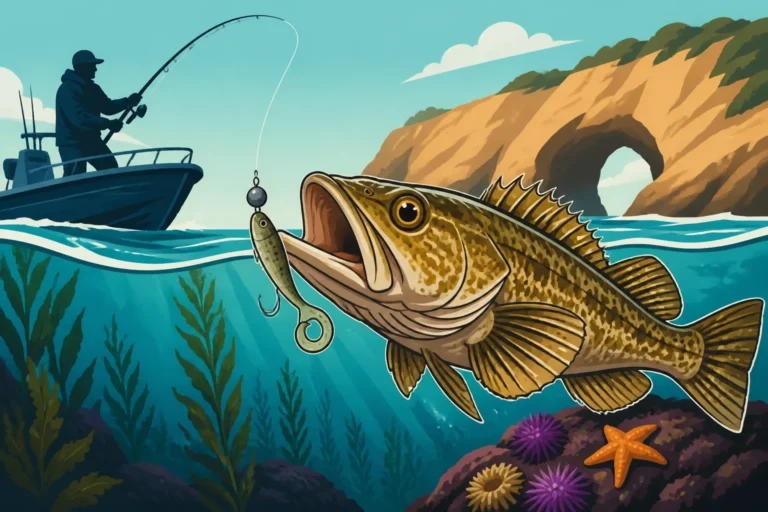
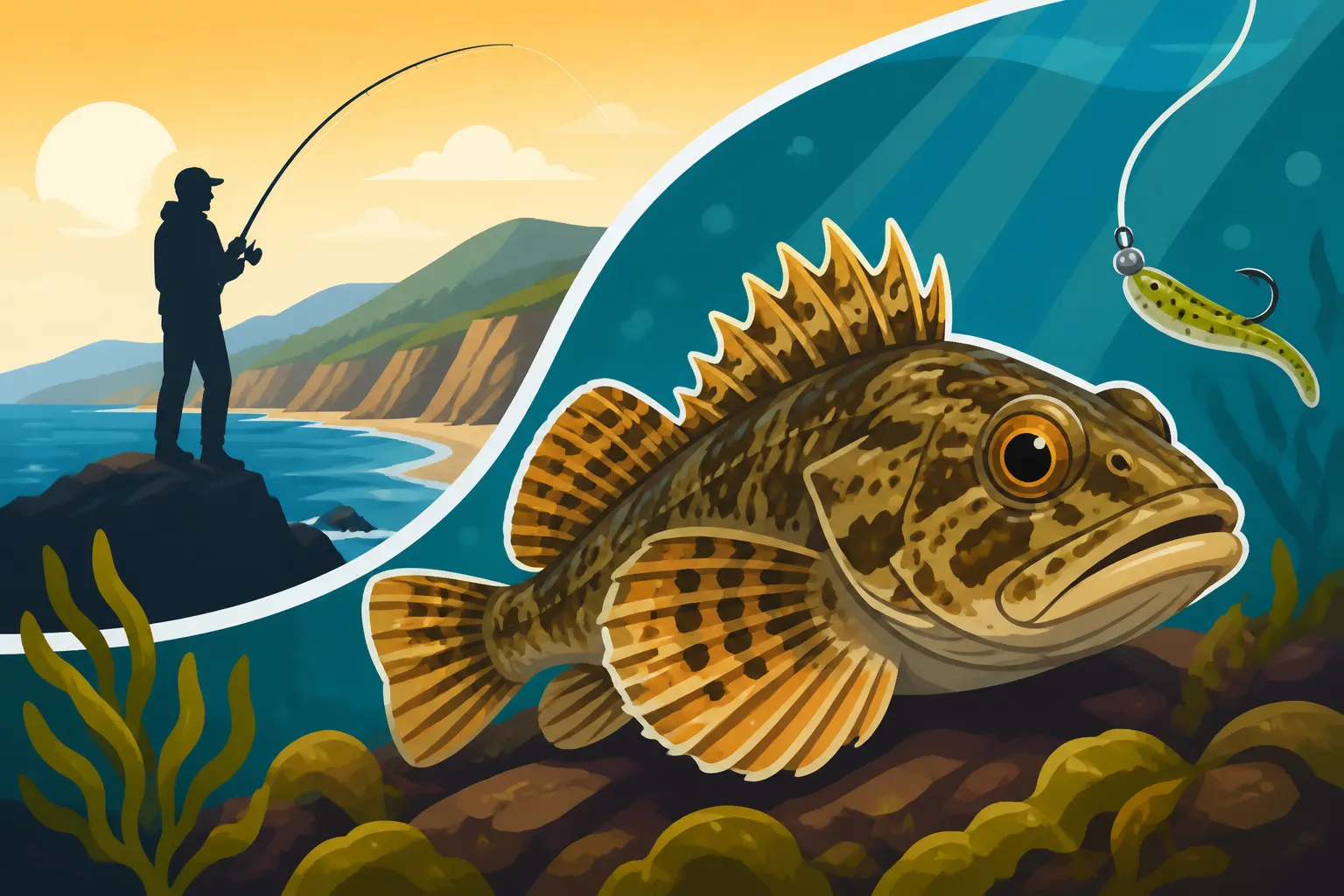
California sculpin are masters of camouflage, blending seamlessly with their rocky surroundings. They're typically reddish-brown, mottled with darker spots and blotches, allowing them to disappear against kelp, rocks, and sand. They have those signature venomous spines, mostly on their dorsal fin, gill plates, and pelvic fins. Don't worry, a sting isn't usually life-threatening for humans, but it is incredibly painful – think a sharp, throbbing ache that can last for hours, sometimes even days. This is why handling them with extreme care, ideally with a pair of sturdy gloves and long-nose pliers, is absolutely paramount. They generally average around 8-12 inches but can grow up to 18 inches, making them a decent size for a meal.
Their Preferred Hangouts and Habits
Sculpin are ambush predators. They don't chase down prey like a speedy bonito; instead, they lie perfectly still, often partially buried in the sand or tucked into a crevice, waiting for an unsuspecting crab, shrimp, or small fish to swim by. This means you'll find them predominantly on rocky bottoms, near reefs, kelp beds, jetties, and breakwaters. They love structure where they can hide and spring out.
They’re most active when currents stir up the bait, often making them a good target during tidal changes. Unlike some fish that move through the water column, sculpin are almost exclusively bottom dwellers. If your bait isn't on the seafloor, you're probably not going to connect with a sculpin. Understanding this bottom-hugging nature is key to successful targeting.
Top Spots for Targeting Sculpin Along the California Coast
California is blessed with an abundance of diverse marine habitats, and for sculpin, that means plenty of prime real estate. From bustling urban piers to secluded island reefs, there are numerous places where you can encounter these spiky, delicious fish. It's often where the rough meets the smooth – where rocky outcroppings transition to sandy patches – that sculpin find their ideal ambush points.
Southern California Hotbeds
When it comes to sculpin, Southern California truly shines. The warmer waters and extensive rocky reefs and kelp forests provide the perfect environment for them to thrive.
- San Diego County: The reefs around La Jolla, especially if you're out on a private boat or kayak, are legendary for sculpin. The varied rocky bottom structure here is ideal. Similarly, areas within Mission Bay with rock jetties and deeper channels can hold them. For pier anglers, try the deeper sections of piers like Ocean Beach Pier or Imperial Beach Pier, especially if there's significant structure below. Remember to check local rules about California Pier Fishing License Rules before you go!
- Orange County: Dana Point and Laguna Beach areas offer fantastic rocky terrain. If you're fishing from shore, look for accessible rocky points and coves at high tide, being mindful of safety and tides. Boat anglers will find success on the numerous inshore reefs. Newport Harbor also has some deeper, rockier spots.
- Los Angeles County: Palos Verdes Peninsula is a classic spot, known for its extensive kelp beds and rocky reefs that are a haven for many bottom fish, including sculpin. Nearshore areas around Santa Monica, Redondo Beach, and Marina del Rey also have productive rocky stretches. For those fishing from a pier, the Redondo Beach Pier can produce sculpin, particularly if you cast close to the pilings or areas with known rocky debris.
- Channel Islands: Catalina Island, Santa Cruz Island, and the other Channel Islands are absolutely phenomenal for sculpin. Their pristine, untouched reefs and deep kelp forests offer some of the best habitat in the state. If you're taking a charter to the islands, make sure to ask the captain about targeting these bottom fish. This is where you might find some of the larger specimens.
Central and Northern California Opportunities
While Southern California is often cited as the sculpin capital, you can certainly find them further north, especially in areas with similar rocky structure.
- Central Coast: Morro Bay and Monterey Bay have rocky areas that hold sculpin, though they might be less numerous than in the south. Look for areas with significant rock formations or artificial reefs. Kayak fishing in these bays can be particularly effective, allowing you to quietly explore structure-rich spots.
- Bay Area: While the San Francisco Bay itself is more known for species like striped bass and halibut over sandy bottoms, the coastal areas immediately outside the Golden Gate, particularly around rocky points and nearshore reefs, can produce sculpin. Bodega Bay to the north also has good rocky habitat.
- Identifying Productive Structure: Whether you're fishing from a boat, kayak, or shore, the key is always the same: find the rocks. Look for signs of reefs on charts, listen for local tips, or observe where other anglers are successfully targeting rockfish, as sculpin often share similar habitat. When pier fishing, cast as close as safely possible to pilings, rock jetties, or any visible underwater structure.
Essential Gear and Techniques for a Successful Sculpin Hunt
Successfully catching sculpin isn't about brute force; it's about finesse, understanding their ambush feeding style, and, most importantly, respecting their dangerous spines. You need gear that allows you to feel the bottom effectively and techniques that put your bait right in their strike zone.
Rods, Reels, and Line Choices
Since sculpin aren't huge fighters, you don't need heavy-duty offshore gear.
- Rod: A medium-light to medium action spinning or casting rod, typically 6 to 7.5 feet long, works perfectly. You want a rod with a sensitive tip to detect subtle bites but enough backbone to pull a fish out of structure and handle small sinkers.
- Reel: A spinning reel in the 2500-4000 size range or a conventional reel like a Daiwa Lexa 100 or Shimano Tranx 200 is ideal. The key is smooth drag and good line capacity.
- Line: For your main line, 15-20 lb braided line is highly recommended. Braid offers superior sensitivity, which is crucial for feeling those light bites and the nuances of the bottom. Its thin diameter also helps cut through current. For a leader, 20-30 lb fluorocarbon is excellent because of its abrasion resistance against rocks and its low visibility in the water. Remember, these fish are often hiding, and a stealthy approach can make a difference.
The Right Terminal Tackle
Keeping your tackle simple and effective is the name of the game when targeting sculpin. You want to present your bait naturally on the bottom without getting constantly snagged.
- Hook Size: Aberdeen or octopus hooks in sizes 1/0 to 3/0 are typically perfect. These sizes are small enough for sculpin mouths but strong enough to hold other incidental catches like rockfish.
- Sinkers: Pyramid sinkers or egg sinkers in 1/2 oz to 2 oz are commonly used, depending on the current and depth. The goal is to keep your bait on the bottom without it drifting too much.
- Rigs:
- Carolina Rig: This is a classic for a reason. Thread an egg sinker onto your main line, then a bead, and then tie on a swivel. To the other end of the swivel, attach a fluorocarbon leader (18-36 inches long) and finally your hook. This rig allows the bait to move freely and naturally with the current, enticing sculpin hiding nearby.
- Dropper Loop Rig: Another excellent choice, especially for boat or pier fishing. This rig features two or more hooks branching off a main line, with a sinker at the very bottom. This allows you to present multiple baits at different levels just above the seafloor, increasing your chances. It's also fairly snag-resistant if you use a sacrificial lighter leader for the sinker.
| Rig Type | Advantages | Disadvantages | Ideal Usage |
|---|---|---|---|
| Carolina Rig | Natural bait presentation, good sensitivity | Can get tangled, one bait presentation | Bottom fishing, moderate current, subtle bites |
| Dropper Loop Rig | Multiple baits, good for structure | More prone to tangles if not tied well | Boat/pier fishing, varied depths, targeting multiple species |
Baits and Lures That Get Their Attention
Sculpin aren't particularly picky, but some baits and lures definitely outperform others. They're opportunistic eaters, so anything resembling their natural forage will do the trick.
- Live Bait: This is almost always your best bet. Live ghost shrimp, market shrimp, small anchovies, or even small shiner perch are irresistible to sculpin. Hook them lightly through the tail or lips for the most natural presentation.
- Cut Bait: If live bait isn't available, cut pieces of squid, mackerel, or anchovy work very well. The scent trail is often what draws sculpin out of their hiding spots. A small strip of squid on a hook can be incredibly effective.
- Artificial Lures: While not as effective as natural bait for dedicated sculpin targeting, small plastic grubs (like those from Berkley Gulp! or similar brands) or small lead-head jigs tipped with a piece of squid or a grub tail can also entice a strike. The key is to work them slowly along the bottom, mimicking a wounded baitfish or crab. You can find a good selection of these on Amazon.
Techniques for the Bottom Feeder
- Bottom Bouncing: The primary technique is to cast your rig out and let it sink to the very bottom. Once it hits, slowly retrieve, lifting and dropping your rod tip to "bounce" the sinker along the bottom. This stirs up sand and mimics a foraging creature, drawing attention.
- Still Fishing: If you've found a particularly rocky or structured spot, sometimes just letting your bait sit on the bottom for a few minutes can be effective. Sculpin are patient ambush predators, and your bait might be exactly what they're waiting for.
- Feeling the Bite: Sculpin bites can be subtle – sometimes just a light tap or a sudden weight. Because of their spiny nature, they don't always "run" with the bait. Set the hook quickly and firmly at the first sign of a bite.
- Snag Management: Fishing rocky areas means snags are inevitable. To minimize them, try to keep your line as vertical as possible, especially from a boat. If you feel your sinker getting hung up, give a quick, sharp tug to try and free it. Using a slightly lighter leader for your sinker than your main leader can also save your entire rig if the sinker gets permanently stuck.
- Safety First! This cannot be stressed enough. Always assume every sculpin has venomous spines ready to inject pain. Bring a good pair of needle-nose pliers or a hook remover to safely extract hooks without touching the fish. If you plan to keep them for dinner, bring a pair of sturdy gloves, a cooler with ice, and a sharp fillet knife. Knowing California Fishing Regulations Explained for sculpin, including bag and size limits, is also crucial before you head out.
The Best Times and Conditions to Target Sculpin
Understanding when and under what conditions sculpin are most active can significantly increase your success rate. While they can be caught year-round in many parts of California, certain factors will tilt the odds in your favor.
Seasonal Opportunities
One of the great things about California sculpin is that they are generally available year-round, especially in Southern California's more temperate waters. However, you might find them more consistently in the warmer months.
- Late Spring through Fall: This is often considered the prime season. As water temperatures rise, sculpin, like many other species, tend to be more active and feed more aggressively. Baitfish are also more abundant, drawing predators like sculpin out to feed. During these months, boat trips to offshore reefs and islands are particularly productive.
- Winter: Don't write off winter entirely! Sculpin will still be present, though they might be less active and bites could be more subtle. Deeper water might be more productive as they seek stable temperatures. Pier fishing can still yield results, especially during periods of calm weather.
Tidal Influence and Water Conditions
Tides play a crucial role in many saltwater fishing scenarios, and sculpin are no exception. They are ambush predators, so conditions that bring food directly to them are often the most productive.
- Moving Tides: Both incoming and outgoing tides can be good, as long as there's movement. Moving water stirs up the bottom, dislodging crabs and other crustaceans, and brings baitfish closer to the rocky structures where sculpin hide. Strong tidal currents can sometimes make it harder to keep your bait on the bottom, so adjust your sinker weight accordingly.
- Slack Tide: While not always the most active time, sometimes sculpin will bite during slack tide, especially if they are resting in a particularly good ambush spot. However, if fishing slows down, consider moving or waiting for the tide to start moving again.
- Water Clarity: Sculpin rely on camouflage, so moderately clear to slightly turbid water is generally fine. Extremely clear water might make them more cautious, while very murky water can make it harder for them to see your bait.
- Calm Conditions: While sculpin live on the bottom and aren't directly affected by surface chop, calm ocean conditions make for a much more pleasant and effective fishing experience, especially for boat anglers. It's easier to maintain boat position over structure and feel subtle bites without constant pitching and rolling. Check marine forecasts before heading out.
Time of Day
Like many bottom dwellers, sculpin don't necessarily have a "best" time of day tied to light levels in the same way some surface feeders do. Their activity is more closely linked to food availability. Therefore, focusing on prime tidal movements, regardless of whether it's dawn, midday, or dusk, will generally be more important than the specific time of day. However, dawn and dusk often bring increased activity from baitfish, which in turn can stimulate sculpin feeding.
Understanding these patterns and combining them with your knowledge of their habitat and preferred baits will put you in an excellent position to consistently catch California sculpin. And trust me, once you try them, you'll understand why these often-overlooked fish are worth the effort – just remember those spines! For broader information on regulations, you might want to look into California Saltwater Fishing Regulations and specifically California Rockfish Depth Restrictions as sculpin often inhabit similar depths. Don't forget to get your How to Get a California Fishing License before your trip! If you're planning a trip with a guide, you'll find great tips in What to Bring on a California Fishing Charter. For specifics on targeting similar species, check out How to Catch Rockfish in California.
Disclaimer
Fishing conditions and regulations in California can change frequently. Always consult the latest California Department of Fish and Wildlife (CDFW) regulations booklet or website before heading out to ensure compliance with current laws, including bag limits, size limits, and season dates for sculpin and other species. Be aware of any Marine Protected Areas (MPAs) in your chosen fishing location, as fishing restrictions apply.