Freshwater Fish of California: What to Catch
Venturing out to fish California's abundant freshwater spots can be an incredible experience, but let's be honest, figuring out exactly what's swimming beneath the surface and how to catch it can feel like cracking a secret code. With so many lakes, rivers, and reservoirs, it’s easy to get overwhelmed trying to identify fish, understand their habits, and pick the right gear. This comprehensive guide will pull back the curtain on the most popular and exciting freshwater fish species found across California, helping you identify your target, understand their preferred hangouts, and arm you with the techniques to bring them to net.
The Magnificent World of California Trout
Ah, trout! For many anglers, trout fishing is the quintessential freshwater experience, especially here in California. From high alpine lakes to rushing mountain streams and heavily stocked reservoirs, trout offer diverse challenges and stunning beauty. It's easy to get them mixed up, but once you learn the nuances, you'll appreciate each one's unique fight and characteristics.
Rainbow Trout: The Golden State Staple
Rainbow trout are undoubtedly California's most iconic freshwater fish, and for good reason. They're widely stocked, accessible, and put up a fantastic fight. You'll find them in almost every freshwater system across the state, from urban ponds to the remote Sierra Nevada backcountry. Many anglers get their start chasing these vibrant fish, and it's a passion that often lasts a lifetime. The sheer accessibility means you're never too far from a good spot to test your skills.
Identifying a rainbow is usually pretty straightforward: look for that distinctive iridescent pink or red stripe running horizontally along its side, against a background of olive green to silvery blue, often speckled with small black spots. In stocked waters, they might appear paler, while wild rainbows in pristine rivers are often much more vividly colored. They typically range from 10 inches to several pounds, though trophy-sized rainbows can exceed 10-15 pounds in certain reservoirs like Lake Berryessa or Eagle Lake. Understanding the nuances of their behavior can vastly improve your success, whether you're using bait, lures, or flies.
When it comes to catching rainbow trout, versatility is key. They're opportunistic feeders, which means a variety of techniques can work depending on the conditions and location. For bait anglers, popular choices include powerbait, corn, salmon eggs, or even a simple worm, often fished with a light sinker to keep it near the bottom or suspended under a bobber. Spin fishermen find great success with small inline spinners like a Rooster Tail or Panther Martin, spoons such as a Kastmaster or Little Cleo, or even small jerkbaits. Fly anglers can target them with nymphs, dry flies, or streamers, matching the hatch of local insects. Remember, success often comes down to matching the local food sources and presentation, especially for wild trout. For more detailed insights, check out our guide on how to fish for Trout in California.
Brown Trout: The Elusive Predator
Brown trout are the cunning, often larger, cousins of the rainbow, revered by anglers for their wariness and predatory nature. Originally from Europe, they've established strong populations in many of California's colder rivers and lakes, particularly in the Eastern Sierra. They tend to be more elusive than rainbows, making them a prize catch for those seeking a greater challenge. Many a seasoned angler has spent countless hours trying to outsmart a big brown, only to be left with a story of the one that got away.
Brown trout typically have a golden-brown or olive-brown body, adorned with large dark spots surrounded by lighter halos, and often some reddish-orange spots along their sides. Their fins can sometimes have a yellowish hue. Unlike rainbows, their spots often extend onto their adipose fin. They can grow significantly larger than rainbows in the right conditions, with fish exceeding 20 pounds caught in lakes like Lake Crowley. They are highly territorial and carnivorous, preying on smaller fish, insects, and even mice. Their size and aggressive nature make them a thrilling catch.
Targeting brown trout usually requires a more strategic approach. While smaller browns might hit traditional trout baits and lures, larger specimens are often focused on bigger prey. Trolling with larger minnow-imitating crankbaits (like Rapalas or CD-series lures) or spoons is effective in lakes. For river fishing, casting larger jerkbaits, swimbaits, or even fly-fishing with big streamers that imitate sculpins or baitfish can entice a strike. Live bait, such as shiners or nightcrawlers, can also be deadly. Browns are often most active during low light conditions, like dawn and dusk, or on overcast days, so adjust your timing accordingly. Don't forget to check out California Trout Limits and Regulations before you go.
Brook Trout: The Mountain Gem
Brook trout, easily identifiable by their striking patterns and vibrant colors, are actually members of the char family, not true trout, but they're cherished by anglers who venture into California's high-country lakes and streams. Native to eastern North America, they've been successfully introduced into many of California's pristine, cold-water environments, particularly in the Sierra Nevada. Their smaller size is often compensated by their stunning beauty and the breathtaking scenery of their habitats.
These fish are truly a sight to behold. They sport a dark, mottled olive-green to black body, covered with distinctive worm-like markings (vermiculations) on their backs, and bright red spots surrounded by blue halos along their sides. Their lower fins are often fiery orange with crisp white leading edges, making them unmistakable. While they rarely grow beyond a foot in California, a 14-inch brook trout is considered a trophy. They thrive in oxygen-rich, cold, clear water, making them an indicator of healthy aquatic ecosystems. Catching one is often a reward for a strenuous hike into the wilderness.
Light tackle and subtle presentations are the name of the game for brook trout. Small inline spinners (size 0-1), tiny spoons, or even micro jigs are highly effective. Fly anglers will find success with small dry flies, nymphs, and wet flies, imitating the abundant insect life in their high-altitude homes. Many a successful backcountry angler will have a selection of classic patterns like a Royal Wulff, Adams, or Elk Hair Caddis in their fly box. In these wilder settings, brook trout are often less selective than their larger cousins, but their small mouths mean tiny hooks are essential. If you're looking for a peaceful fishing experience combined with incredible scenery, chasing brook trout is a fantastic option.
Lake Trout: The Deepwater Giants
Lake trout, or Mackinaw as they're often called, are the largest species of trout found in California and a true cold-water behemoth. Native to North America, they've been introduced to several large, deep, cold-water lakes in California, with Lake Tahoe being the most famous example. These fish are slow-growing but can live for decades and reach immense sizes, making them a serious target for trophy hunters. Landing a Mackinaw over 10 pounds is a feat that many anglers dream of.
Mackinaw have a long, slender body, dark green to grayish-brown, with light, irregular spots that extend over their head and fins, though not usually on the tail. Their tail is deeply forked, a key identification feature. They lack the vibrant colors of other trout, often appearing somewhat drab, but don't let that fool you about their power. In Lake Tahoe, these fish regularly exceed 20 pounds, with the state record pushing over 37 pounds. They are apex predators in their ecosystems, feeding primarily on smaller fish like kokanee salmon and sculpins, and preferring the deep, cold, oxygen-rich waters.
Due to their deepwater habitat, fishing for lake trout typically involves specialized techniques. Trolling with downriggers to get large spoons, large minnow plugs, or dead bait (like minnows or sardines) down to depths of 100-300 feet is common. Jigging with heavy metal jigs or large plastic swimbaits vertically over deep structure is another effective method, especially during early morning or late evening when they might move shallower. Electronics like a good fishfinder are almost essential to locate these deep-dwelling giants and the schools of baitfish they follow. While challenging, the reward of battling a massive Mackinaw from the depths is an unforgettable experience.
The Excitement of California Bass Fishing
Bass fishing in California is a vibrant and competitive scene, attracting anglers from all walks of life. From the iconic largemouth to the hard-fighting smallmouth and the feisty spotted bass, these aggressive predators offer thrilling action. California's diverse waters, from massive reservoirs to winding rivers, provide incredible opportunities to pursue these popular sportfish.
Largemouth Bass: The Reservoir King
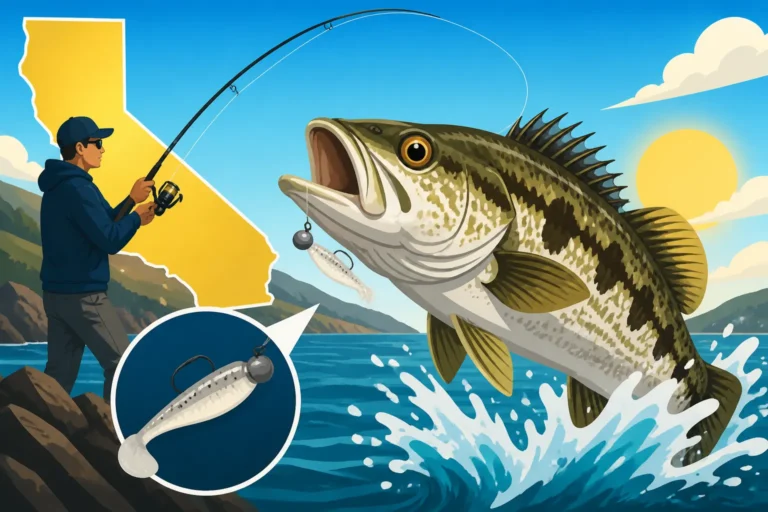
The largemouth bass is arguably the most sought-after freshwater game fish in California, and for good reason. They are aggressive, acrobatic, and can grow to impressive sizes, making them a blast to catch. You'll find them in nearly every warm-water lake, reservoir, and slow-moving river or slough across the state, from the California Delta to Diamond Valley Lake. Their prevalence and willingness to hit a wide variety of lures make them a favorite for both seasoned pros and weekend warriors.
Largemouth bass are easily identified by their large mouth (the jaw extends beyond the eye), a dark green to olive green body with a prominent dark, often broken, horizontal stripe along their sides. Their belly is usually white or pale. In California, trophy largemouth can reach well over 10 pounds, with the state record pushing nearly 22 pounds. They are ambush predators, often found lurking in cover like submerged trees, weed beds, rocky points, and docks, waiting to strike unsuspecting prey. Their habitat preferences make them a fascinating target, requiring anglers to "read" the water and present lures precisely.
Catching largemouth bass involves an arsenal of techniques. Topwater lures like poppers, frogs, and buzzbaits create explosive strikes during low light. Subsurface lures such as spinnerbaits, crankbaits, and swimbaits are excellent for covering water and targeting different depths. Soft plastics, including worms, jigs, and creature baits, are incredibly versatile for pitching into heavy cover or fishing slowly along the bottom. Popular brands like Zoom, Yamamoto, and Berkley offer a vast array of soft plastics that bass simply can't resist. Many anglers even find great deals on these lures on Amazon. Understanding how to fish for Largemouth Bass in California is about matching the hatch and the season, whether they're spawning in spring, feeding actively in summer, or slowing down in winter.
Smallmouth Bass: The River Scrapper
Smallmouth bass, though not as widespread as largemouths in California, are highly prized for their incredibly strong fighting spirit. Pound for pound, many anglers consider them the toughest freshwater fighter. They prefer cooler, clearer water with rocky bottoms and current, making them common in certain rivers like the Sacramento River and specific reservoirs with significant rock structure such as Lake Shasta or Folsom Lake. Their feisty nature provides an exhilarating challenge.
Smallmouths have a bronze to olive-green body, often with vertical bars or mottling along their sides, distinguishing them from the horizontal stripe of a largemouth. Their mouth is smaller, with the jaw not extending past the eye. Their eyes are typically red. While they don't grow as large as largemouths in California (a 5-pound smallmouth is a true trophy), their fight often makes up for the size difference. They are adept at using current and structure to their advantage, making for thrilling battles on light tackle. Their diet primarily consists of crawfish, baitfish, and aquatic insects.
Fishing for smallmouth bass often involves methods that mimic their natural prey in rocky, current-heavy environments. Small crankbaits that dive to different depths, inline spinners, and plastic grubs or tubes fished on a jig head are all highly effective. Drop-shot rigs with small finesse worms or creature baits can be deadly when they're finicky. When fishing rivers, understanding current seams and eddies is crucial, as smallmouths often position themselves in these areas to ambush prey. In lakes, targeting rocky points, ledges, and offshore humps with Carolina rigs or football jigs can produce big results. Always pay attention to California Bass Fishing Regulations before heading out.
Spotted Bass: The Schooling Fighters
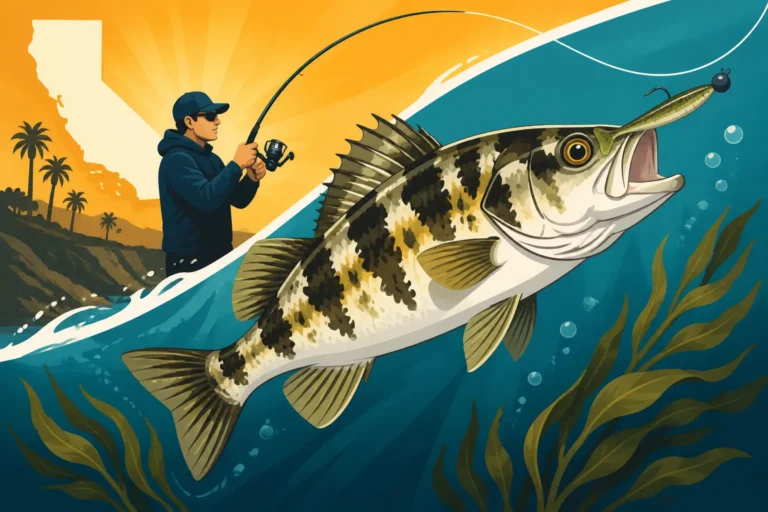
Spotted bass are a fantastic addition to California's bass fishing scene, especially known for their aggressive schooling behavior and willingness to bite. They thrive in many of the state's large reservoirs, often overlapping with largemouth and smallmouth populations. Lakes like New Melones Lake, Lake Oroville, and Don Pedro Reservoir are known for excellent spotted bass fishing, where anglers can enjoy high-action days catching numerous fish.
Spotted bass share characteristics with both largemouth and smallmouth, leading to some confusion for novice anglers. They have a lateral band similar to a largemouth, but it's usually more broken, forming distinct spots below the lateral line, hence their name. Their mouth extends only to the middle of the eye, similar to a smallmouth, but their tongue often has a small patch of teeth (a good identifier!). They generally don't grow as large as largemouths, with most fish being 1-3 pounds, but they can reach up to 5-6 pounds. They are known for aggressive schooling behavior, especially around points and submerged structure, making it possible to catch many in one spot once you locate a school.
Due to their schooling nature, techniques that allow you to quickly cover water or present to multiple fish are effective. Small crankbaits, spinnerbaits, and underspins are great for active schools. When fish are deeper, jigging spoons, drop-shot rigs, and football jigs can be incredibly productive. Unlike largemouths that often hold tight to heavy cover, spotted bass frequently suspend over open water near baitfish schools or relate to main lake points and humps. Fish finders are invaluable for locating these schools. Once you find them, prepare for fast and furious action!
Striped Bass: The Inland Chargers
Striped bass, often called "stripers," are an incredibly popular and powerful game fish in California's freshwater systems, particularly in the vast California Delta and major rivers like the Sacramento River and San Joaquin River. While they are anadromous (living in saltwater and spawning in freshwater), many populations are now landlocked or spend significant time in freshwater, offering exciting opportunities for anglers seeking a hard-hitting fight.
Stripers are easily recognizable by their silvery body with several distinct horizontal black stripes running from gill plate to tail. They have a sleek, powerful build, designed for speed and ambush. In freshwater, they can range from schoolie-sized fish (2-5 pounds) to massive individuals weighing 30-50 pounds or more, with the state record pushing over 67 pounds. They are voracious predators, preying on baitfish like threadfin shad, anchovies, and even small salmon and trout. Their aggressive feeding habits and powerful runs make them a favorite target for many.
Targeting striped bass in freshwater involves a mix of techniques depending on the location and season. Trolling large swimbaits, jerkbaits, or umbrella rigs is highly effective in open water or along river channels. Live bait, such as shad or anchovies, can be deadly when fished on a Carolina rig or under a bobber. When stripers are actively chasing bait on the surface (a "boil"), casting topwater plugs, poppers, or pencil poppers can lead to explosive strikes. In the California Delta, anglers often use large lipless crankbaits or soft plastic swimbaits retrieved quickly. Remember to consult California Striped Bass Regulations for limits and seasons. The seasonal runs, especially in spring, can offer incredible action, making this a prime target for many anglers throughout the year.
Catfish: The Bottom Dwellers
Catfish might not have the flashy reputation of trout or bass, but they offer some of the most consistent and often relaxing fishing experiences in California. They're also delicious! Found in warm-water lakes, reservoirs, and slow-moving rivers across the state, catfish are primarily nocturnal bottom feeders, though they can be caught throughout the day. Their powerful pulls and distinctive whiskers make them unique and enjoyable to pursue.
Channel Catfish: The Whiskered Warriors
Channel catfish are the most widespread and popular catfish species in California. They are a fantastic target for family fishing trips or anyone looking for consistent action and a good meal. You'll find them in almost all of California's warmer reservoirs and slow-moving river sections, from Lake Perris in Southern California to the Sacramento-San Joaquin Delta. They are a robust species that adapts well to various environments.
Channel cats typically have a slender body, olive-brown to slate-gray on the back, fading to silvery-white on the belly. They have deeply forked tails (unlike other catfish species) and scattered black spots along their sides, particularly when young. They possess eight barbels (whiskers) around their mouth, which are highly sensitive for detecting food in murky water. Most caught in California are in the 1-5 pound range, but they can grow to over 20 pounds in larger systems, offering a formidable fight. They are opportunistic scavengers, feeding on almost anything they can find.
When it comes to bait, channel catfish aren't particularly picky. Stink baits, cut bait (like mackerel or anchovies), chicken livers, nightcrawlers, and even hot dogs are all highly effective. They have an incredible sense of smell, so strong-smelling baits are often best. Fishing techniques usually involve a simple bottom rig: a weight to keep the bait on the bottom, a leader, and a sturdy hook. Many anglers use a sliding sinker rig to allow the fish to take the bait without feeling immediate resistance. Fishing primarily in the evenings or at night can increase your chances of success, as this is when they are most active. For families, targeting channel catfish often guarantees plenty of bites and fun.
White Catfish: The Smaller Cousins
White catfish are another common species in California, often found cohabiting the same waters as channel cats, though they generally prefer slightly less turbid conditions. They are particularly abundant in the California Delta and many central and northern California reservoirs. While they don't grow to the massive sizes of channel or blue catfish, they are still a popular catch dueishing to their accessibility and fight on light tackle.
White catfish are typically grayish-blue to olive on their backs, fading to white on their bellies. They have a broad, flattened head, but unlike channel cats, their tail is typically rounded or only slightly notched, not deeply forked. They also have a dark line often running through the middle of their barbels. Most white catfish caught are in the 1-3 pound range, with larger specimens reaching 5-8 pounds. They share many of the same dietary habits as channel cats, primarily feeding on bottom-dwelling insects, crustaceans, and small fish, along with decaying organic matter.
Like channel catfish, white catfish respond well to a variety of strong-smelling baits. Cut bait, worms, chicken livers, and various dough baits are all good choices. They are often found in slightly shallower water than channel cats, sometimes congregating around weed beds or structure in bays and sloughs. A simple bottom rig with a bobber can also be effective, especially if you're trying to keep your bait just off the bottom in shallower areas. Because they don't grow as large, lighter tackle can provide a more exciting fight. Catching white catfish can be a great way to fill a cooler, and they make for excellent table fare.
Panfish & Sunfish: Fun for Everyone
Panfish are the unsung heroes of freshwater fishing, especially for beginners and families. They're abundant, relatively easy to catch, and provide consistent action. In California, this group primarily includes various sunfish species like bluegill, crappie, and green sunfish, along with yellow perch in some waters. While they may not be trophy fish, they offer endless entertainment and are excellent for introducing new anglers to the sport.
Bluegill: The Backyard Brawlers
Bluegill are arguably the most common and universally loved panfish in California. Found in nearly every lake, pond, and slow-moving stream with warm water and aquatic vegetation, they are incredibly accessible. Their aggressive nature and willingness to bite make them a perfect target for kids and adults alike, often providing continuous action throughout the day.
Bluegill are easily identified by their deep, disc-like body, olive-green to dark blue coloring, and a distinctive black spot on the "ear" flap of their gill cover. They often have vertical bars on their sides and sometimes a reddish-orange belly, particularly during spawning season. While most bluegill are hand-sized, approaching a pound is considered a nice fish, and they can occasionally reach over two pounds in highly productive waters. They feed on insects, small crustaceans, and even tiny fish, often found schooling around docks, weed beds, and submerged structure.
Catching bluegill is as simple as fishing gets, making them ideal for beginners. Small hooks (size 8-12) baited with a piece of worm, a kernel of corn, or even a tiny piece of bread under a bobber are incredibly effective. Light line (2-4 lb test) and a small ultralight rod make for an exciting fight. Fly anglers can also have a blast targeting bluegill with small poppers, flies, and nymphs. A pack of small hooks, bobbers, and worms, easily found on Amazon or at any tackle shop, is all you need to get started. Focus on areas with cover like lily pads, submerged timber, or shaded areas, and you're almost guaranteed to find them.
Crappie: The Delicious Slab
Crappie, both black and white species, are highly prized panfish in California for their schooling behavior and excellent table quality. They tend to be a bit more elusive than bluegill but are well worth the effort to locate. Major crappie fisheries include Clear Lake, Lake Isabella, and many of the state's larger reservoirs with abundant baitfish populations and submerged brush.
Black crappie are typically silvery-olive with irregular black spots scattered over their body, while white crappie have more organized vertical bars. Both have a deep, compressed body, similar to a bluegill but more oval. They grow larger than bluegill, often reaching 1-2 pounds, with "slab" crappie exceeding three pounds. They are primarily piscivorous, feeding on small minnows and crustaceans, often schooling around submerged timber, brush piles, bridge pilings, and weed lines, especially during their spring spawn.
Targeting crappie often requires a slightly different approach than bluegill. They respond exceptionally well to small jigs (1/32 to 1/8 ounce) tipped with a small minnow imitation plastic, or live minnows fished under a bobber. Trolling small jigs or spider-rigging multiple lines with minnows can also be very effective, especially for locating schools. During the spring spawn, crappie move into shallow areas to nest, making them more accessible to bank anglers. Otherwise, look for them suspended in deeper water around submerged structure. A good fish finder can be invaluable for locating these schools. Many anglers even pick up specialized crappie jigs and soft plastics through online retailers.
Yellow Perch: The Striped Nibblers
Yellow perch are a delicious and recognizable panfish, though not as widespread as bluegill or crappie in California. They are primarily found in specific northern California lakes and reservoirs, often where they were introduced, such as Lake Almanor and Eagle Lake. They provide good fishing action and are excellent eating.
Yellow perch are easily identified by their distinctive golden-yellow body with 6-8 dark vertical stripes running down their sides. They have a slightly humped back and two dorsal fins, with the first being spiny. Most yellow perch caught in California are in the 6-12 inch range, but they can occasionally reach over a pound. They are schooling fish that prefer cooler, clear water with some aquatic vegetation or structure. Their diet consists of insects, crustaceans, and small baitfish.
Fishing for yellow perch is similar to crappie or bluegill, utilizing light tackle and small baits. Small jigs, minnow-imitating plastics, worms, and pieces of cut bait are all effective. They often bite aggressively, but their mouths are relatively small, so smaller hooks are recommended. Look for them in schools near submerged structure, weed beds, or along drop-offs. In winter, they are a popular target for ice fishing in appropriate areas where lakes freeze over. Their schooling nature means if you catch one, there are likely many more nearby.
Salmon, Steelhead & Sturgeon: The Mighty Migrators
California's freshwater systems are also home to some truly magnificent and powerful fish that undertake incredible migrations. These species represent a different class of freshwater fishing, often requiring more specialized techniques and knowledge of their unique life cycles. They are a testament to the wildness that still exists within the state.
Kokanee Salmon: The Landlocked Reds
Kokanee salmon are the landlocked version of sockeye salmon, and they are a highly prized sportfish in California's deep, cold-water reservoirs and lakes. They are renowned for their vibrant red flesh and excellent table quality. Popular kokanee fisheries include Lake Tahoe, Lake Berryessa, and Folsom Lake. Targeting these schooling fish often involves specific methods.
Kokanee are typically silvery-blue with no spots when in their feeding phase. As they approach spawning, males develop a distinctive humped back and a brilliant red body, with an olive-green head. Females also take on a reddish hue. Most kokanee caught in California range from 10-16 inches, though some larger strains can reach over 20 inches. They are plankton feeders, living in schools in the open water column, making them a unique challenge to locate and catch. Their life cycle is generally 3-4 years, after which they spawn and die.
Fishing for kokanee almost exclusively involves trolling. Anglers use downriggers or lead core line to get small dodgers or flashers, followed by tiny lures like Hoochies, wedding rings, or small spoons, down to the depths where the schools are holding. The key is to run your lure just above or through the schools of fish. Scent is also incredibly important, with popular choices including Pro-Cure, Pautzke's Krill, or various garlic-based scents applied to corn or artificial baits. A good fish finder is essential for locating schools and monitoring your depth. These fish have soft mouths, so a light touch is needed when fighting them, but their strong runs make for exciting battles. Knowing the optimal time of year to fish is key, so checking a California Fishing Seasons: Month-by-Month Guide can be very helpful.
Chinook Salmon (King Salmon): The River Runners
Chinook salmon, often called King salmon, are iconic anadromous fish that undertake incredible migrations from the Pacific Ocean into California's major river systems, primarily the Sacramento River and its tributaries, to spawn. They are one of the largest and most powerful of the Pacific salmon, offering a truly epic freshwater fishing experience during their runs.
Chinook salmon are typically dark-backed (blue-green to black), with a silvery body and distinct black spots on their back and both lobes of their tail. When they enter freshwater to spawn, their bodies turn dark olive, brown, or even black. They can reach impressive sizes, with fish commonly weighing 15-30 pounds, and specimens over 50 pounds not uncommon. They are extremely powerful fighters, known for their head shakes and long, strong runs. During their freshwater migration, they primarily strike out of aggression or instinct, rather than feeding.
Targeting Chinook salmon in rivers usually involves specific techniques that trigger their aggressive instincts. Back-bouncing roe, back-trolling plugs (like Kwikfish or Flatfish), or drifting eggs and artificial baits under a float are popular and effective methods. Fly anglers can target them with large, weighted streamers or egg patterns. Accurate casting and boat control (if fishing from a drift boat) are crucial. California Salmon Regulations and Limits are complex and vary greatly by year and river, so always check the latest regulations from the California Department of Fish and Wildlife (CDFW) before planning a trip. Their powerful runs and sheer size make them a bucket-list fish for many freshwater anglers.
Steelhead: The Silver Ghosts
Steelhead are a migratory rainbow trout, spending part of their lives in the ocean before returning to freshwater rivers to spawn, similar to salmon. They are renowned for their incredible strength, acrobatic jumps, and challenging nature, earning them the nickname "silver ghosts" due to their elusive qualities. California has several rivers known for steelhead runs, particularly on the North Coast.
Steelhead in their ocean phase are sleek and silvery, almost chrome-like, often without the distinct red stripe of resident rainbows. Once they enter freshwater, they begin to develop the characteristic rainbow trout coloration. They can reach impressive sizes, with fish commonly in the 5-15 pound range, and occasionally much larger. Their fight is legendary, characterized by blistering runs and spectacular aerial displays. Like salmon, they do not actively feed during their spawning migration, striking out of aggression or territoriality.
Fishing for steelhead requires patience, skill, and often specialized gear. Popular methods include drift fishing with roe, yarn, or beads, sometimes paired with a small float. Fly fishing with an indicator setup (nymphing) or swinging large streamers are also highly effective. Understanding river flows, water clarity, and where steelhead hold in different water conditions is paramount to success. Many anglers consider landing a wild steelhead to be the pinnacle of freshwater fishing. Due to their protected status, many steelhead fisheries are catch-and-release only, and barbless hooks are often required. Always review California Fishing Regulations Explained for specific rules.
White Sturgeon: The Ancient Giants
White sturgeon are truly prehistoric fish, massive bottom-dwellers that are the largest freshwater fish in North America. They inhabit California's major river systems, particularly the Sacramento-San Joaquin Delta and parts of the San Francisco Bay Estuary. Targeting sturgeon is an experience unlike any other, demanding heavy tackle and immense patience for a chance at these living fossils.
White sturgeon have a distinct appearance: a long, slender body, gray to brownish-gray, with rows of bony plates called scutes along their sides and back. They have a flattened snout with four barbels (whiskers) used to detect food on the bottom. Their mouth is ventrally located and protrusible, adapted for vacuuming up prey. These fish can grow to incredible sizes, easily exceeding 100 pounds, with the state record being a colossal 468 pounds. They are long-lived, with some individuals estimated to be over 100 years old. They feed on a variety of bottom-dwelling organisms, including shrimp, clams, worms, and dead fish.
Fishing for white sturgeon demands heavy-duty gear: stout rods, large conventional reels spooled with heavy braided line (60-100 lb test), and strong circle hooks. The most common technique is anchor fishing with a baited bottom rig, using large weights to hold the bait in place against the current. Popular baits include ghost shrimp, eel, lamprey, and various cut baits like sardine or shad. Patience is key, as sturgeon bites can be subtle "taps" or a slow, steady pull. Hooksets are often delayed to allow the fish to fully ingest the bait. Catching a large sturgeon is an immense challenge and a thrilling reward. All sturgeon fishing requires a California Sturgeon Report Card, and strict size limits and slot limits apply. Releasing these majestic fish unharmed is a priority.
Other Notable Freshwater Species
California's freshwater ecosystems are incredibly diverse, offering opportunities to catch even more species beyond the popular game fish. While perhaps not as widely targeted, these fish often provide unique challenges and contribute to the rich tapestry of California's aquatic life.
Common Carp: The Freshwater Workhorses
The common carp is a widely distributed and often underrated freshwater fish in California. While many anglers consider them a nuisance, carp are incredibly powerful fighters, making them a popular target for a dedicated niche of anglers. They can be found in almost any warm, slow-moving water body, from canals and ponds to large lakes and rivers, including the California Delta.
Carp are robust, deep-bodied fish with large scales, typically golden-brown to olive-green. They have two pairs of barbels on their upper lip and can grow to very large sizes, often exceeding 20 pounds, with some trophy fish pushing 40-50 pounds. They are omnivorous bottom feeders, sifting through mud and debris for insects, crustaceans, seeds, and plant matter. Their presence is often indicated by muddy water or visible "rolls" on the surface.
Targeting carp often involves patient still-fishing with baits like corn, dough balls, bread, or even boilies (specialized carp baits). A simple bottom rig with a strong hook is usually sufficient. Carp are incredibly strong, so sturdy tackle and a good drag system are essential. European carp fishing techniques, using specialized alarms and bait presentation, are gaining popularity for those serious about landing trophy carp. While not everyone's cup of tea, carp offer an accessible and challenging fight, often found in urban waters where other species might be scarce.
Crappie, Bluegill, and Perch Identification
| Species | Typical Size (CA) | Key Identifying Features | Preferred Habitat | Common Baits/Lures |
|---|---|---|---|---|
| Rainbow Trout | 10-20 inches, 1-5 lbs | Pink/red stripe, black spots, slightly forked tail | Cold rivers, lakes, reservoirs | PowerBait, worms, spinners, spoons, flies |
| Brown Trout | 12-25 inches, 1-10 lbs | Golden/olive body, dark spots with light halos, red spots, square tail | Cold rivers, larger lakes | Minnow plugs, larger spoons, streamers, worms |
| Brook Trout | 6-12 inches, 0.5-1 lb | Vermiculations on back, red spots with blue halos, white fin edges | High alpine streams, lakes | Small spinners, tiny spoons, small flies |
| Lake Trout | 20-35+ inches, 5-30+ lbs | Deeply forked tail, light spots, drab coloration | Deep, cold lakes (e.g., Tahoe) | Deep-trolled spoons, plugs, jigs, dead bait |
| Largemouth Bass | 12-24 inches, 1-10+ lbs | Jaw beyond eye, dark horizontal stripe | Warm lakes, reservoirs, slow rivers | Spinnerbaits, plastics, crankbaits, topwater |
| Smallmouth Bass | 10-18 inches, 1-4 lbs | Jaw to middle of eye, vertical bars, red eye | Clear, rocky rivers/lakes with current | Small crankbaits, tubes, grubs, drop-shot |
| Spotted Bass | 10-18 inches, 1-3 lbs | Jaw to middle of eye, spots below lateral line, tooth patch on tongue | Reservoirs, clear rivers | Jigs, drop-shot, crankbaits, spinnerbaits |
| Striped Bass | 15-30+ inches, 2-20+ lbs | Silver body, distinct black horizontal stripes | Delta, major rivers, large reservoirs | Swimbaits, jerkbaits, live bait, topwater |
| Channel Catfish | 12-24 inches, 1-10 lbs | Forked tail, dark spots (when young), 8 barbels | Warm lakes, reservoirs, slow rivers | Stink bait, cut bait, chicken liver, worms |
| White Catfish | 10-18 inches, 1-5 lbs | Rounded/slightly notched tail, flattened head, 8 barbels | Delta, warmer lakes, reservoirs | Cut bait, worms, dough bait |
| Bluegill | 6-10 inches, 0.25-1 lb | Deep disc body, black spot on gill flap, small mouth | Ponds, lakes, slow rivers with weeds | Worms, crickets, tiny jigs, flies |
| Crappie | 8-15 inches, 0.5-2 lbs | Deep oval body, silvery, scattered spots (black) or bars (white) | Lakes, reservoirs with submerged cover | Small jigs, minnows, tiny spoons |
| Kokanee Salmon | 10-16 inches, 0.5-1.5 lbs | Silvery (feeding), red (spawning), no spots, plankton feeder | Deep, cold lakes/reservoirs | Trolled dodgers/flashers with small lures |
| Chinook Salmon | 25-40+ inches, 15-30+ lbs | Black spots on back/both tail lobes, large size, powerful | Sacramento River, major tributaries | Back-bounced roe, back-trolled plugs, eggs |
| Steelhead | 20-30+ inches, 5-15+ lbs | Silvery (ocean), red stripe (freshwater), powerful, acrobatic | North Coast rivers, certain tributaries | Roe, yarn, nymphs, streamers |
| White Sturgeon | 40-100+ inches, 50-200+ lbs | Long body, bony scutes, 4 barbels, large size | Delta, major rivers, SF Bay Estuary | Ghost shrimp, eel, lamprey, cut bait |
Mastering Freshwater Fishing Techniques
Understanding the species is just the first step; knowing how to catch them is where the real fun begins. California's diverse freshwater environments call for a range of techniques, from quiet fly fishing to active bait casting. Matching your technique to the fish and the conditions is crucial for a successful day on the water.
Bait Fishing: The Tried and True Method
Bait fishing is arguably the most fundamental and widely used technique for freshwater anglers, and for good reason—it works! The principle is simple: present natural or appealing artificial bait that fish want to eat. It's especially effective for species like trout, catfish, and panfish, and a great way to introduce new anglers to the sport because it often yields consistent bites.
For trout, popular baits include worms, salmon eggs, PowerBait (in various colors and scents), and corn. These are typically fished on a light line with a small hook, either still-fishing on the bottom with a sliding sinker, or suspended under a bobber. For catfish, the scent is king! Stink baits, chicken livers, cut bait (like pieces of anchovy or mackerel), and shrimp are irresistible. These are almost always fished on the bottom using a heavy weight to hold them in place. Panfish like bluegill and crappie will readily take small pieces of worm, mealworms, crickets, or tiny minnows, often fished under a small bobber in shallow, weedy areas. A selection of these basic baits can cover a lot of ground, and you can stock up on many options through Amazon for convenience.
The beauty of bait fishing lies in its simplicity and effectiveness. It allows you to relax, enjoy the scenery, and wait for the fish to come to you. However, success still hinges on factors like bait freshness, presentation, and understanding where fish are likely to be holding. For example, drifting a nightcrawler through a river seam for a hungry trout can be incredibly effective, while casting a chicken liver into a muddy eddy in the Delta is perfect for channel catfish. Always remember to check local regulations regarding bait restrictions, as some waters (especially certain trout streams) may prohibit live bait or require specific artificial lures.
Lure Fishing: The Active Pursuit
Lure fishing offers a more active and dynamic approach, allowing anglers to cover more water and entice strikes from aggressive, predatory fish like bass, trout, and striped bass. This method involves casting and retrieving artificial lures designed to mimic baitfish, insects, or other prey, using their movement, flash, and vibration to trigger a strike.
For bass, the sheer variety of lures is staggering. Spinnerbaits and crankbaits are excellent for covering water and targeting different depths. Soft plastics, such as worms, creature baits, and jigs, allow for precise presentations in heavy cover. Topwater lures create explosive strikes, especially during low light. For trout, smaller inline spinners (like a Rooster Tail or Panther Martin), spoons (Kastmaster, Little Cleo), and small jerkbaits are incredibly effective. Striped bass will hit larger swimbaits, jerkbaits, and topwater plugs, especially during active feeding frenzies. The key to successful lure fishing is understanding what the fish are feeding on and what action and color will best imitate that prey.
Retrieval techniques are just as important as the lure itself. Slow-rolling a spinnerbait near cover for largemouth, twitching a jerkbait for smallmouth, or reeling a spoon erratically for trout—each has its time and place. Experimentation is crucial, as fish preferences can change throughout the day and with different weather conditions. Having a versatile tackle box with a range of lure types, colors, and sizes will set you up for success. You can find an incredible selection of fishing lures from countless brands online.
Fly Fishing: The Artful Approach
Fly fishing is often seen as the most artistic and challenging form of freshwater angling, but it's incredibly rewarding. It involves using a fly rod to cast an artificial "fly"—a lure crafted from feathers, fur, and thread—that mimics aquatic insects, baitfish, or other food sources. It's particularly popular for trout and steelhead in California's pristine rivers and streams, but can also be effective for bass and panfish.
The technique itself is unique, relying on the weight of the line (rather than the lure) to present a nearly weightless fly with grace and precision. There are three main types of flies: dry flies (float on the surface, imitating adult insects), nymphs (sink below the surface, imitating larval insects), and streamers (imitate baitfish or leeches). Matching the "hatch"—the particular insects emerging at a given time—is a core principle of fly fishing. For example, on a cool spring evening, trout might be rising to sip tiny Mayflies, requiring a delicate dry fly presentation.
California offers world-class fly fishing opportunities, from the famous waters of the Eastern Sierra (like the Truckee River or Owens River) to the steelhead rivers of the North Coast (Trinity River). Mastering the cast, learning to read the water, and understanding entomology (insect life) are all part of the journey. While it has a steeper learning curve than bait or spin fishing, the connection to nature and the satisfaction of fooling a fish with a perfectly presented fly are unparalleled. Many fly shops offer clinics and guided trips for beginners, which can be an excellent way to get started with this rewarding discipline.
Final Thoughts on California Freshwater Fish
California's freshwater fishing scene is a true marvel, offering an incredible variety of species and experiences for every type of angler. Whether you're chasing the vibrant colors of a high-country brook trout, feeling the explosive strike of a largemouth bass, or battling a prehistoric sturgeon in the Delta, there's always a new adventure waiting. Understanding the nuances of each species—where they live, what they eat, and how they behave—is the key to unlocking consistent success and truly appreciating the richness of our aquatic environments. So grab your gear, consult the latest regulations, and get out there to explore the fantastic freshwater fishing opportunities that the Golden State has to offer.
Disclaimer
Fishing regulations in California are subject to change by the California Department of Fish and Wildlife (CDFW). It is your responsibility to consult the most current official CDFW regulations booklet or website before engaging in any fishing activity. This guide is for informational purposes only and should not be considered a substitute for official regulatory information. Always prioritize safety and practice responsible angling to preserve California's precious fisheries for future generations.