Best Time of Year to Catch Kokanee Salmon in California
Catching Kokanee salmon in California can be an incredibly rewarding experience, but if you've ever spent hours on the water without a bite, you know just how frustrating it can be to figure out their patterns. These feisty, landlocked sockeye have specific preferences, and timing is everything. This comprehensive guide is designed to cut through the guesswork, helping you understand the seasonal nuances and pinpoint the absolute best times of year to target Kokanee salmon in California's diverse waters.
Understanding Kokanee Salmon in California's Lakes
Kokanee salmon are a unique and cherished sportfish in California, offering a challenging yet exciting pursuit for anglers. Unlike their anadromous sockeye cousins, Kokanee spend their entire lives in freshwater, typically landlocked in deep, cold mountain lakes and reservoirs. They’re known for their distinctive fighting spirit and, often, their vibrant red coloring as they approach their spawning cycle.
Kokanee Lifecycle and Habits
These fish typically live for three to four years, growing to a catchable size within two to three years. Their diet consists primarily of zooplankton, which dictates their schooling behavior and their preference for certain water conditions. Kokanee are incredibly sensitive to light and temperature. During the cooler months, they might be found shallower, but as the water warms, they'll seek refuge in the cooler, deeper layers of the lake. This thermocline, or the layer where water temperature changes rapidly, is often where you’ll find the densest concentrations of zooplankton, and therefore, the Kokanee.
One of the most defining aspects of their lifecycle is their spawning run. Typically occurring in the fall, mature Kokanee undergo a dramatic transformation, turning brilliant red, and the males develop a distinctive hooked jaw (kype). They migrate upstream into rivers and creeks, or move to shallow areas of the lake, to reproduce, after which they die. This terminal spawn means that while the fall can present visually spectacular fishing opportunities, many areas have strict closures or catch-and-release rules to protect the spawning population. Always double-check the latest California Fishing Regulations Explained before heading out.
Where to Find Them: Key California Lakes
California is blessed with several fantastic Kokanee fisheries, each offering slightly different characteristics and peak seasons. Knowing which lake to visit can make all the difference. Some of the most popular and productive spots include:
- Lake Tahoe: A true gem, Lake Tahoe holds an excellent population of Kokanee, often growing to impressive sizes. The deep, clear water provides ideal conditions, though it also means they can go really deep in summer. If you're planning a trip to this iconic fishery, our detailed Lake Tahoe Fishing Guide can provide even more insights.
- Folsom Lake: Located near Sacramento, Folsom is a popular destination that sees good Kokanee action, especially in the spring and early summer. It’s more accessible for many Central Valley anglers.
- New Melones Lake: Another Central Valley favorite, New Melones offers consistent Kokanee fishing, often producing good numbers.
- Stampede Reservoir: Up in the Sierra Nevada, Stampede is renowned for its trophy-sized Kokanee. Anglers here often boast about catching fish exceeding 20 inches, though it requires specific techniques and timing.
- Pardee Lake: Known for its quality Kokanee, Pardee is a municipal water supply, which means it has specific regulations you need to be aware of, including restrictions on private boats and specific launch requirements.
- Don Pedro Reservoir: While also known for its bass, Don Pedro has a healthy population of Kokanee that can provide great sport.
Each of these lakes presents unique challenges and rewards, but the common thread is that timing and technique are paramount for consistent success.
Seasonal Strategies: Best Times to Target Kokanee
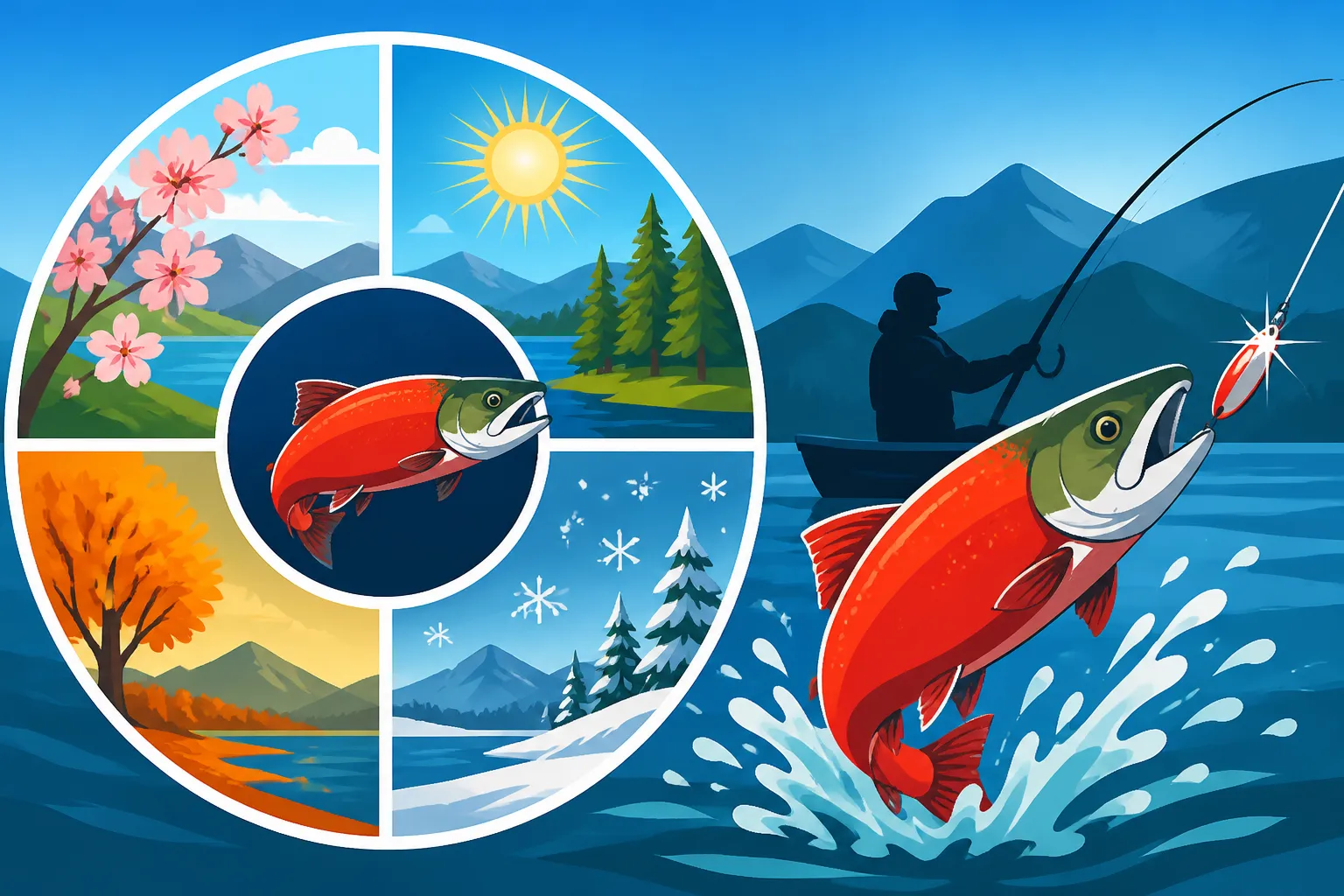
The timing of your Kokanee fishing trip is arguably the most crucial factor in your success. These fish are highly seasonal, driven by water temperature, food availability, and their biological imperative to spawn. Understanding these shifts will dramatically improve your chances.
Spring Awakening: Post-Winter Bite
As winter's chill loosens its grip, typically from March through May, Kokanee salmon begin to stir. This is often one of the best times to target them. The water is still cold enough for them to be relatively shallow, making them more accessible than during the intense heat of summer. Lake turnover (when surface waters cool and sink, and deeper, warmer waters rise) often occurs in early spring, distributing oxygen and nutrients throughout the water column.
During these spring months, Kokanee are actively feeding to regain strength after the lean winter. You'll often find them anywhere from 10 to 40 feet deep, sometimes even shallower early in the season, particularly on cloudy days or during the early morning and late evening hours. Trolling with small lures, dodgers, and Wedding Rings becomes very effective. The fish are often scattered but aggressive, making for exciting strikes. This is a prime window for anglers who enjoy shallower trolling without needing elaborate deep-water gear right away.
Summer Heat: Going Deep
When the California sun really starts to beat down, typically from June through August, Kokanee salmon retreat to the cooler, deeper sections of the lake. This is when the thermocline really sets up, creating a distinct layer of cold, oxygenated water where the Kokanee thrive alongside their zooplankton food source. You might find them anywhere from 40 to over 100 feet deep, depending on the specific lake and current conditions.
Targeting Kokanee in summer requires specialized equipment like downriggers to precisely present your lures at the exact depth where the fish are holding. Your fishfinder becomes your best friend, helping you locate schools of fish and the critical depth of the thermocline. Early mornings are still often the most productive, as the fish can be slightly more active before the midday sun penetrates the water column. While more challenging due to the depth, summer can yield some of the largest Kokanee, as they've had months to feed and grow. If you're looking for more general insights, our California Fishing in Summer guide covers a broader range of species and strategies.
Fall Spawning Frenzy (and subsequent decline)
The fall, generally September through November, marks a significant shift in Kokanee behavior. This is their spawning season. As the water temperatures begin to drop, the mature Kokanee undergo their vibrant color change and begin their migration towards spawning grounds. Visually, it’s a stunning time to be on the water, seeing these bright red fish.
However, fishing for Kokanee during the peak of their spawn can be a tricky and often regulated affair. Many lakes implement closures or strict catch limits to protect the spawning population. While they are often concentrated and aggressive during this period, many anglers choose to respect the spawn and target other species. Moreover, post-spawn, the fish die off, meaning the population of catchable fish declines significantly. Always consult the California Freshwater Fishing Regulations for the specific body of water you intend to fish, as regulations can vary wildly from lake to lake.
Winter Chill: The Challenging Months
December through February presents the toughest challenge for Kokanee anglers. The water is at its coldest, and the fish are generally much less active. They typically hold in the deepest parts of the lake, often suspending in open water. Ice fishing can be an option in certain high-elevation lakes if conditions allow and local regulations permit, but open-water trolling is often a slow grind.
Catching Kokanee in winter demands patience and precision. Slow trolling with very subtle presentations can sometimes entice a bite. However, many anglers will shift their focus to other species during these colder months, waiting for the spring thaw to bring the Kokanee back to life.
Peak Fishing Times and Factors Affecting Success
While seasons provide a general framework, several other factors play a critical role in determining when you'll have the best luck catching Kokanee salmon. Understanding these nuances can help you maximize your time on the water.
Water Temperature is King
We've touched on it, but it bears repeating: Kokanee are extremely sensitive to water temperature. Their optimal feeding zone is typically between 45°F and 55°F (7°C and 13°C). As the seasons change, this ideal temperature band shifts vertically in the water column.
- Spring: The ideal temperature range might be found relatively shallow, say 15-30 feet, as the lake slowly warms.
- Summer: The sun heats the surface, pushing the optimal zone much deeper, often 60-100 feet or more, creating a distinct thermocline. Your fishfinder's temperature gauge and depth sounder are invaluable tools for locating this zone. Once you find the correct temperature, you're halfway to finding the fish.
Paying close attention to reports from local tackle shops or online fishing forums for specific lakes can give you real-time information on where the Kokanee are holding.
The Spawning Run: A Double-Edged Sword
As mentioned earlier, the fall spawning run, typically from late August into October, concentrates Kokanee in specific areas as they prepare to reproduce. From a purely "catching fish" perspective, this could be considered a peak time due to their aggressive nature and predictable locations. However, ethical considerations and regulatory restrictions often overshadow the fishing potential.
Many anglers choose to avoid targeting Kokanee during their spawn, giving them a chance to complete their lifecycle. Moreover, the flesh of spawning Kokanee deteriorates rapidly, becoming soft and mushy as their bodies convert energy to reproduction, making them less desirable for eating. Always verify the current California Salmon Season Dates for specific Kokanee regulations, as they are often treated distinctly from ocean-run salmon.
Daily Patterns and Weather Impact
Just like many other fish, Kokanee have daily feeding windows that can be more productive.
- First Light & Last Light: The hours around dawn and dusk are often the most active for Kokanee, especially during warmer months. The lower light conditions make them feel more secure and they may move slightly shallower to feed.
- Overcast Days: On cloudy or overcast days, Kokanee might remain active and at shallower depths for longer periods, as the sun's penetration is reduced.
- Stable Weather: Stable weather patterns generally lead to more consistent fishing. Sudden changes in barometric pressure (like an approaching storm front) can often make fish finicky and less willing to bite. A few days of consistent weather, whether sunny or cloudy, can often mean better fishing.
Keep an eye on the weather forecast and plan your trips accordingly. Sometimes, waiting for a stable high-pressure system to settle in can make a big difference in your catch rates.
Essential Gear and Techniques for Kokanee
You can have the perfect timing, but without the right gear and techniques, those Kokanee will remain elusive. Let's talk about what you need to bring to the fight. For a deeper dive into methods, check out our guide on How to Troll for Kokanee in California.
Trolling for Success: Specialized Gear
Trolling is overwhelmingly the most effective method for targeting Kokanee salmon in California. This involves pulling lures behind a moving boat, often at specific depths and speeds.
- Downriggers: These are almost essential for summer Kokanee fishing. A downrigger uses a heavy cannonball weight to carry your fishing line and lure down to a precise depth, releasing the line when a fish strikes. Brands like Scotty and Cannon are popular choices. You can find a good selection of quality downriggers and accessories on Amazon.
- Lead Core Line: If you don't have downriggers, lead core line is an alternative. It's a colored line with a lead core that sinks at a predictable rate (typically 5 feet per color, or 10 feet for newer types) per knot of boat speed. It allows you to get your lure down, though less precisely than a downrigger.
- Weight Systems: For shallower depths or when fishing without specialized equipment, inline weights, snap weights, or diving planes can help get your lure to the desired depth.
- Rod and Reel: A light to medium-light action rod, typically 7-9 feet long, paired with a small trolling reel or baitcasting reel spooled with light monofilament or fluorocarbon line (6-10 lb test) is ideal. The softer tip of the rod helps absorb the Kokanee's head shakes and keeps the small hooks from tearing out.
Bait and Lure Choices
Kokanee are picky eaters, and their small mouths mean small presentations are key.
- Dodgers and Flashers: These are not lures themselves, but attractors. They wobble and flash, mimicking a larger predator chasing baitfish, drawing Kokanee in from a distance. Dodgers come in various sizes and colors; generally, smaller ones (4-6 inches) are best for Kokanee. Popular brands like Sep's and Sling Blade make excellent dodgers.
- Small Spoons: Tiny trolling spoons, usually 1 to 2 inches long, in bright colors like pink, orange, or chartreuse, are highly effective. Favorites include Kokanee Pro, Apex, and Uncle Larry's.
- Hoochies and Squids: Small plastic squid or hootchie skirts, often in pink, orange, or chartreuse, are deadly when tipped with bait.
- Wedding Rings and Spinners: These small spinners feature colorful beads and a small blade, often with a bare hook for bait. They are perennial Kokanee favorites.
- Bait: The secret sauce for Kokanee is often tipping your lure with a small piece of shoepeg corn, usually soaked in an attractant like Pautzke's Krill Juice or Anise scent. The corn provides a visual cue, a bit of scent, and helps keep the lure running true. Always make sure your bait is legal in your chosen fishery. You can find various Kokanee-specific scents and corn on Amazon to experiment with.
Electronics: Your Underwater Eyes
A good fishfinder is an absolute game-changer for Kokanee fishing. It allows you to:
- Locate Schools: See where the fish are holding in the water column. Kokanee often school tightly, appearing as dense arches or lines on your screen.
- Identify the Thermocline: Many modern fishfinders can show you the temperature profile, helping you pinpoint that ideal cold-water layer where Kokanee will be.
- Monitor Your Lure: See exactly where your downrigger ball and lure are relative to the fish. This precision is critical.
High-quality units from brands like Garmin, Lowrance, or Humminbird can provide the detail you need. Even a basic unit can help immensely, but the more advanced features, especially for temperature and depth, are a huge advantage. Reading your fishfinder effectively is a skill that develops with practice, but it's an investment that pays off quickly in Kokanee success.
The table below provides a quick overview of the best times to target Kokanee and what to expect:
| Season | General Behavior | Typical Depths | Recommended Lures/Baits | Key Lakes |
|---|---|---|---|---|
| Spring | Actively feeding, post-winter recovery | 10-40 feet | Small spoons, Wedding Rings, dodgers | Folsom Lake, New Melones Lake, Pardee Lake |
| Summer | Retreat to deep, cold thermocline waters | 40-100+ feet | Hoochies, small flies, dodgers (tipped with corn) | Lake Tahoe, Stampede Reservoir, Don Pedro Reservoir |
| Fall | Spawning migration, vibrant colors, often regulated | Variable/Shallow | Often not targeted due to regulations | Check specific lake regulations; many areas have restrictions for California Salmon Report Cards Explained |
| Winter | Less active, suspend deep in the water column | 60-120+ feet | Vertical jigs, slow troll with bait | Limited success; some ice fishing (check local rules) |
To truly master Kokanee fishing, consider exploring resources on California Kokanee Salmon Fishing Tips to refine your approach.
Mastering the Approach: Advanced Tips and Techniques
Beyond the basics, there are always little tricks and insights that can elevate your Kokanee game. These often come from experience and paying close attention to the details.
Speed Control and Boat Action
Kokanee are often very sensitive to trolling speed. A slight variation can be the difference between a hot bite and nothing. Typically, speeds between 1.0 to 1.8 miles per hour are effective, but this can vary daily. Experiment with your speed, making small adjustments until you find what the fish prefer.
The action of your boat also plays a role. Gentle turns can cause your outside lines to speed up and your inside lines to slow down, sometimes triggering a strike. If you're marking fish but not getting bites, try subtle S-curves instead of straight lines. This change in speed and action can often entice a hesitant Kokanee. Remember, consistency is key once you find a successful pattern.
Scent and Color Experimentation
Kokanee have a keen sense of smell, making scent application crucial. While corn soaked in Pautzke's Fire Bait or similar scents is a staple, don't be afraid to experiment with other odors. Garlic, Bloody Tuna, and Anise are popular choices. Reapply scent regularly, especially after a fish strike or if you haven't had a bite in a while.
Color is another factor that can change daily. Pink and orange are classic Kokanee colors, but chartreuse, green, and even blue can be incredibly effective depending on water clarity and light conditions. Keep a variety of lure colors on hand. Sometimes, a subtle change from a bright pink to a more subdued UV pink, or adding a glow-in-the-dark component (available on Amazon, for instance), can make all the difference, especially in deeper, darker water. The best way to learn is to put out multiple lines with different colors and scents until you discover what's working that day.
Understanding Lake-Specific Quirks
Every Kokanee lake in California has its own personality. What works perfectly on Folsom Lake might need adjustments for the deeper, clearer waters of Lake Tahoe or the highly pressured Kokanee of Stampede Reservoir.
For example, on Lake Tahoe, the fish often hold incredibly deep in summer, requiring long leads behind your dodger or even heavier downrigger weights to combat blowback from current. In contrast, a shallower lake might require shorter leads and lighter gear. Water clarity also plays a role; in clearer lakes, fish might be more easily spooked by your boat or tackle, requiring longer leads and lighter line.
Before heading to a new lake, do a bit of research. Check local forums, call bait shops, or read up on specific guides like the Best Time to Fish Lake Tahoe or Best Time to Fish Folsom Lake. Local knowledge is invaluable for dialing in your approach to a new fishery. This preparedness will ultimately lead to more successful and enjoyable fishing trips.
Disclaimer
Fishing regulations, including seasons, bag limits, and gear restrictions, can change frequently. Always consult the latest official California Department of Fish and Wildlife (CDFW) regulations booklet or website before heading out on any fishing trip. This guide is for informational purposes only and should not be considered a substitute for official regulations.