California Sheephead Fishing Guide
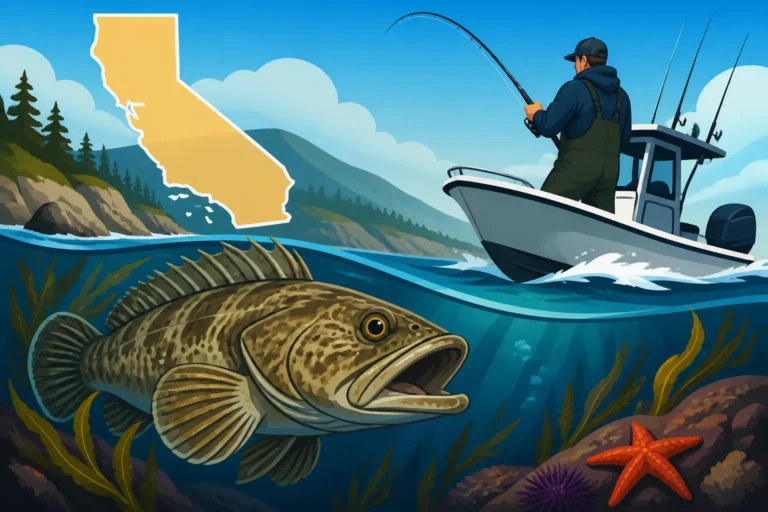
You've probably been out fishing the kelp beds or rocky reefs, reeling in a steady stream of rockfish, only to have a huge, grumpy-looking fish steal your bait clean off the hook. Or maybe you've spotted those distinctive buck-toothed grins in the clear water and wondered how on earth to get one to bite. Targeting California Sheephead can feel like trying to catch a phantom at times, but trust me, with the right approach, these incredible fighting fish are within reach. This guide is all about demystifying the California Sheephead, helping you understand their quirky habits and giving you the best strategies to hook into one of these unique Pacific beauties.
Understanding California Sheephead: Biology and Behavior
California Sheephead (Semicossyphus pulcher) are truly one of the most distinctive and fascinating fish you'll encounter in Southern and Central California waters. They’re part of the wrasse family, known for their thick lips and prominent teeth, but sheephead take that to another level with their signature buck teeth. Understanding their life cycle, physical characteristics, and natural behaviors is absolutely crucial to increasing your chances of a successful day on the water.
Identifying California Sheephead
One of the most striking things about California Sheephead is their dramatic appearance, especially as they age. They exhibit what's called protogynous hermaphroditism, meaning they start life as females and can later change into males. This transformation brings significant changes in color and body shape, which can sometimes confuse new anglers.
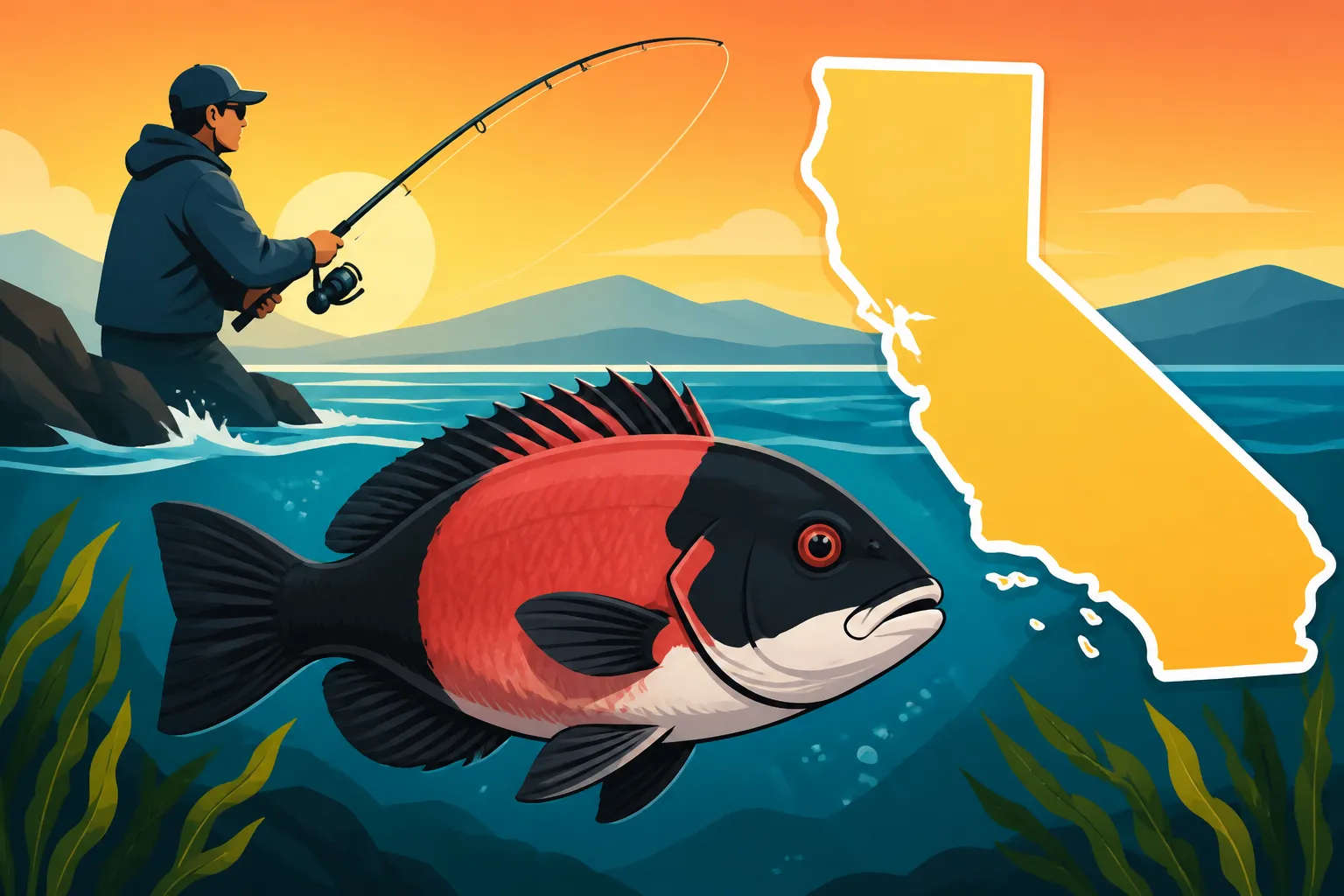
Juvenile sheephead are typically a vibrant red-orange with a distinctive white stripe running down their side, and they often have black spots on their fins. As they mature into females, they retain much of this reddish-pink hue, though it might become a bit more subdued. However, when a female transitions into a male, often called a "bull" sheephead, their appearance changes drastically. Males develop a prominent, fleshy hump on their forehead, and their bodies become a striking black on the head and tail, with a broad reddish-pink band in the middle. Their chin turns white, and those buck teeth become even more pronounced, designed for crushing hard-shelled prey. Identifying California Sheephead in different life stages can be half the fun, but it’s always those big, colorful males that get the heart pumping.
Habitat and Preferred Structure
California Sheephead are homebodies, preferring specific types of underwater real estate that offer both shelter and a buffet of their favorite foods. You won't typically find them cruising open sandy bottoms unless they're transiting between structures. Their domain is primarily the rocky reef environment and the dense, swaying forests of kelp.
These fish absolutely thrive in rocky terrain, where crevices and caves provide refuge from predators and ambush points for prey. They are masters of navigating these complex underwater landscapes, using their powerful bodies and fins to maneuver through tight spots. Kelp forests are another prime habitat, offering not just protection but also an abundance of the invertebrates they love to munch on. You'll find them anywhere from the shallows down to about 200 feet, but they're most commonly encountered by recreational anglers in depths ranging from 20 to 120 feet. Artificial structures like wrecks, oil rigs, and even piers with substantial submerged pilings can also be magnets for these fish, as they mimic their natural rocky reef preferences. Always be mindful of areas like California Marine Protected Areas Explained, where fishing may be restricted or prohibited, as these are often prime sheephead habitat.
Feeding Habits and Diet
The powerful teeth and jaws of a California Sheephead are not just for show; they are precision tools perfectly adapted for their diet. These fish are true bottom foragers, specializing in crushing and eating hard-shelled invertebrates. Think of them as the dentists of the reef, constantly crunching down on the toughest snacks the ocean has to offer.
Their primary diet consists of sea urchins, crabs, lobsters, mussels, clams, and various other crustaceans and mollusks. They use those formidable buck teeth to pry creatures off rocks and their powerful pharyngeal jaws (located further back in their throat) to crush shells. This feeding behavior is key to understanding how to catch them. They're not chasing down fast-moving baitfish; instead, they're rooting around structure, looking for a substantial, crunchy meal. This means presenting a natural, appealing bait directly on or very close to the bottom is usually your best bet. Because they are so adept at crushing, smaller hooks can easily be straightened or broken by their powerful bite, so robust terminal tackle is a must.
Best Techniques for Catching California Sheephead
Once you understand where sheephead live and what they eat, the next step is translating that knowledge into effective fishing techniques. These fish can be notoriously clever bait stealers, so a bit of finesse and the right presentation can make all the difference between a frustrating nibble and a solid hookup.
Ideal Baits and Lures
For California Sheephead, natural bait almost always outperforms artificial lures. They are opportunistic feeders but have a strong preference for the crunchy invertebrates that make up their natural diet.
- Crab: Live or fresh dead crab, especially rock crab or sand crab, are absolute sheephead magnets. A small piece of crab meat, with some shell attached if possible, is incredibly effective. The scent and texture are irresistible.
- Shrimp: Ghost shrimp, market shrimp, or even peeled chunks of larger shrimp work wonders. Ghost shrimp, in particular, are a top-tier bait when available, as they are a natural food source for many bottom dwellers.
- Mussels/Clams: Freshly shucked mussels or clams, especially those found locally, are another fantastic option. The soft, pungent meat is easily detected by a hungry sheephead.
- Squid: While not their primary diet, a small, tough piece of squid can often entice a bite, especially if other preferred baits are scarce. It's durable and stays on the hook well, which is a big plus when dealing with bait thieves.
- Urchin: In areas with a high concentration of sea urchins, using a piece of urchin can be incredibly effective. However, collecting and handling urchins can be tricky, so this is a less common bait for the average angler.
While artificials are less effective, some anglers have success jigging small, heavy metal jigs (like a 2-4 oz lead head with a grub or a small, dense butterfly jig) in deep, rocky areas when the fish are actively feeding. However, for consistent sheephead action, natural bait is king. Remember, these fish have an incredible sense of smell and rely heavily on scent to locate food on the reef.
Rigging for Success
The key to a successful sheephead rig is getting your bait to the bottom, keeping it there, and ensuring your hook is strong enough to withstand their powerful jaws. Two common and highly effective rigs stand out:
- Carolina Rig: This is a fantastic option for sheephead. You'll want a sliding egg sinker (1-4 oz, depending on current and depth) above a swivel, followed by a fluorocarbon leader (2-4 feet) and a strong hook. The sliding weight allows the fish to pick up the bait without feeling immediate resistance, which can be critical for these finicky biters. The fluorocarbon leader is less visible underwater, which can make a difference in clear kelp environments.
- Dropper Loop Rig (Hi-Lo Rig): Also incredibly popular, this rig involves tying two dropper loops (or snelled hooks) at different points above a sinker at the very bottom. This presents two baits at slightly different depths, increasing your chances of finding the feeding zone. It's particularly useful when you're fishing straight down from a boat or pier. Ensure your loops are strong and your hooks are offset enough not to tangle.
Regardless of the rig, the choice of hook is paramount. Avoid flimsy hooks! Sheephead can bend and break them with ease. Opt for strong, sharp, wide-gap octopus hooks or circle hooks in sizes 1/0 to 4/0. Circle hooks are particularly good for sheephead as they tend to hook the fish in the corner of the mouth, making for easier release if you're not keeping them, and preventing the hook from getting too deep in their crushing plates. You can find robust hooks and other terminal tackle essentials easily on Amazon to ensure you're always prepared.
Effective Fishing Methods
Successfully targeting California Sheephead often comes down to precise bait placement and understanding their cautious nature. These aren't fish that typically chase baits far from their rocky homes.
- Bottom Fishing Near Structure: This is the bread and butter of sheephead fishing. Position your boat or cast your line directly adjacent to kelp beds, rocky outcrops, or artificial reefs. The goal is to get your bait right into their living room. Anchoring up-current from a promising spot and letting your bait drift into it can be very effective. From a pier, cast as close to the pilings or any visible structure as possible. When fishing from a boat, dropping straight down into a hole or alongside a rock wall is a prime strategy.
- Patience and Sensitivity: Sheephead often "mouth" their bait before committing. You might feel a series of light taps or a slight weight before a solid pull. Resist the urge to yank immediately. Let them take the bait, and if using a circle hook, just reel into the fish rather than setting the hook hard. A good tip is to feed them a little line after the first tap to ensure they swallow the bait properly. Many anglers find success using a stout but sensitive rod that allows them to feel these subtle bites. This approach can be particularly effective when practicing California Bait Fishing Tips and Techniques for species like sheephead.
- Chumming (with caution): A little bit of ground up mussel, crushed crab, or even chopped squid can sometimes help attract sheephead to your fishing zone. Be careful not to over-chum, as you don't want to fill them up! Just enough to create a scent trail can make a difference, especially if you're trying to draw them out from heavy cover.
Prime Locations and Seasons for California Sheephead
California is a big state, and while sheephead are present in many of its coastal waters, some spots are definitely more productive than others. Knowing when and where to drop your line can dramatically improve your catch rate.
Top Spots Along the Coast
California Sheephead are primarily found from Point Conception southward, though their range extends up to Monterey Bay, becoming less common in northern waters. Southern California is truly their stronghold.
- Channel Islands: Catalina Island, San Clemente Island, Santa Cruz Island, and Santa Rosa Island are legendary for their sheephead populations. The diverse and extensive kelp beds and rocky reefs surrounding these islands provide ideal habitat. Multi-day trips on sportfishing boats often target these areas, yielding some of the biggest bull sheephead.
- Coastal Reefs and Kelp Beds: Anywhere along the mainland coast from San Diego up to Ventura and even parts of the Central Coast where rocky reefs meet kelp beds, you'll find sheephead. Popular spots include the La Jolla kelp beds, Palos Verdes Peninsula, and the various reefs off Orange County. These fish are a common catch on California Deep Sea Fishing Charter Guide trips.
- Piers with Structure: While not typically known for trophy sheephead, some larger, older piers with substantial submerged structure, like those in San Diego or Long Beach, can hold smaller to medium-sized sheephead, especially during warmer months. Fishing from a pier in California: Rules generally allow for sheephead, but checking local regulations is key.
- Offshore Oil Rigs: These massive artificial structures become thriving ecosystems, attracting a wide variety of fish, including large sheephead, which congregate around the pilings and associated growth.
Seasonal Considerations
California Sheephead are present year-round, but their activity levels and accessibility can fluctuate with water temperature and spawning cycles.
- Warm Water (Summer and Fall): This is generally considered the prime time for sheephead fishing. As water temperatures rise, sheephead become more active, feeding aggressively, and are more willing to venture out from heavy cover. Their metabolism is higher, and they're often easier to entice with bait. Late summer and early fall can be particularly productive for larger fish. This aligns well with general California Fishing Seasons: Month-by-Month Guide recommendations for many Southern California species.
- Cooler Water (Winter and Spring): While still catchable, sheephead can be a bit more lethargic and less cooperative in colder water. They tend to stick tighter to structure and might require more precise bait presentations. However, cooler months can also bring opportunities for larger, less pressured fish if you can pinpoint their hangouts. Spawning typically occurs in late spring and summer, during which fish may be concentrated in certain areas, but it's important to respect their breeding cycles.
California Sheephead Regulations
Like all fishing in California, targeting sheephead comes with rules designed to ensure a healthy population for future generations. It's crucial to stay informed about current bag and size limits, which can change.
Generally, California Sheephead are subject to statewide regulations. The bag limit is usually 5 fish per person, with a minimum size limit of 12 inches total length. However, there can be specific depth restrictions or seasonal closures, especially when fishing for groundfish concurrently. Always consult the latest California Department of Fish and Wildlife (CDFW) regulations booklet or their website before heading out. This is especially important for California Saltwater Fishing Regulations, which are frequently updated. Failure to adhere to these rules can result in hefty fines, so always err on the side of caution.
Essential Gear and Tackle for Sheephead Fishing
Having the right tools for the job can make a huge difference, especially when you're battling a stubborn California Sheephead that's determined to dive back into the rocks. Don't skimp on quality when it comes to your rod, reel, and line.
Rod, Reel, and Line Selection
Choosing the appropriate setup will give you the power and sensitivity needed to detect bites and winch these strong fish away from snags.
- Rods: A medium-heavy to heavy conventional rod, typically 7 to 8 feet in length, is ideal. You want a rod with a fast tip for sensitivity to feel those light bites, but a strong backbone to provide the lifting power necessary to pull a sheephead out of the kelp or off the reef. Many West Coast "rock cod" or "lingcod" style rods work perfectly for sheephead. Look for a line rating of 20-50 pounds.
- Reels: A sturdy, conventional baitcasting reel is preferred for its cranking power and durability. Reels in the Penn Fathom, Shimano Trinidad, or Daiwa Saltiga series are excellent choices, but more affordable options like the Penn Squall or Daiwa Saltist can also handle the job admirably. Choose a reel capable of holding at least 200-300 yards of 40-50 pound braided line. A good quality star drag or lever drag system is essential.
- Line: Braided line is highly recommended as your main line. Its zero-stretch quality provides superior sensitivity, allowing you to feel every subtle tap, and its thin diameter for its breaking strength helps cut through current. Load your reel with 40-50 pound braided line. You'll then tie a top shot or a leader of 20-40 pound fluorocarbon. Fluorocarbon is less visible underwater and more abrasion-resistant than monofilament, which is crucial when fishing around sharp rocks and kelp.
Terminal Tackle Essentials
Your terminal tackle is the connection between you and the fish, and it needs to be robust to handle the sheephead's power and their rocky environment.
- Hooks: As mentioned earlier, strong, sharp, wide-gap octopus or circle hooks are a must. Sizes 1/0 to 4/0 are generally appropriate. Brands like Gamakatsu or Owner offer excellent options that resist bending. Don't go cheap here; a bent hook is a lost fish and potentially a lost memory. You can often find multi-packs of these essential hooks on Amazon for convenience.
- Sinkers: A variety of weights will be useful depending on current, depth, and whether you're drifting or anchoring. Egg sinkers (1-4 oz) for Carolina rigs, and torpedo or pyramid sinkers (2-8 oz) for dropper loop rigs or when you need to hold bottom in strong current, are good to have on hand. Keep a range of sizes to adapt to changing conditions.
- Swivels: High-quality barrel swivels or ball-bearing swivels (size 2/0 to 4/0) are important to prevent line twist, especially when using braided line with a fluorocarbon leader. These also serve as the connection point for your main line to your leader in a Carolina rig setup. Look for strong, black swivels that are less visible to fish.
- Leader Material: Always bring extra fluorocarbon leader material in 20-40 pound test. You'll be fishing in abrasive environments, and retying leaders due to nicks and frays will be a regular occurrence. The less visible aspect of fluorocarbon really does help in the clear California waters, especially when targeting larger, warier sheephead.
- Pliers/De-hooker: Sheephead have powerful jaws and teeth, so a good pair of long-nose pliers or a de-hooking tool is essential for safe hook removal, both for you and the fish. Their buck teeth can deliver a nasty bite if you're not careful.
| Gear Category | Recommended Item | Key Features |
|---|---|---|
| Rod | Medium-Heavy to Heavy Conventional Rod | 7-8 feet, fast tip, strong backbone, 20-50 lb line rating. Ideal for feeling subtle bites and fighting fish out of structure. |
| Reel | Conventional Baitcasting Reel | Sturdy, high-capacity (200-300 yds 40-50lb braid), reliable drag system (star or lever), good cranking power. |
| Main Line | Braided Line | 40-50 lb test, zero stretch for sensitivity, thin diameter for strength. |
| Leader Material | Fluorocarbon Leader | 20-40 lb test, 2-4 feet long. Excellent abrasion resistance, low visibility underwater. |
| Hooks | Strong Wide-Gap Octopus or Circle Hooks | Sizes 1/0 – 4/0. Critical for resisting bending from sheephead's powerful jaws. Brands like Gamakatsu or Owner are reliable. |
| Sinkers | Egg, Torpedo, Pyramid Sinkers | Variety of weights (1-8 oz) to match current and depth. Egg sinkers for Carolina rigs, heavier weights for dropper loops or strong currents. |
| Swivels | High-Quality Barrel or Ball-Bearing Swivels | Sizes 2/0 – 4/0. Prevents line twist, strong connection points. |
| Bait | Fresh/Live Crab, Shrimp, Mussels, Squid | Natural bait is highly preferred. Crabs and ghost shrimp are top choices. A small, tough piece of squid can also work. Consider sourcing locally or from a reputable bait shop. |
| Tools | Long-Nose Pliers or De-Hooker | Essential for safe hook removal from sheephead's powerful, teeth-filled mouth. Protects both angler and fish. |
Ultimately, catching a California Sheephead is a rewarding experience. Their beauty, strength, and unique character make them a prized catch for any angler. By understanding their world and adapting your techniques, you'll be well on your way to adding one of these magnificent fish to your lifetime of fishing memories. Whether you're planning a trip to the Channel Islands Fishing Guide or simply trying your luck at a local pier, these tips should set you up for success.
Disclaimer
This article is for general informational purposes only and does not constitute professional advice. Laws, prices and regulations vary by location and change over time. Consult a qualified professional for guidance on your specific situation.