Channel Islands Fishing Guide
For many anglers, the thought of fishing the Channel Islands conjures images of pristine waters, abundant fish, and the thrill of a truly wild experience. But let's be honest, getting out there and knowing where to start can feel like navigating a maze, especially with all the choices and unique challenges these remote waters present. This comprehensive guide is designed to demystify fishing California's incredible Channel Islands, equipping you with the knowledge to plan a successful and memorable trip.
Why the Channel Islands Are a Premier Fishing Destination
The Channel Islands aren't just another set of islands off the coast; they're a biological hotspot, a marine paradise teeming with life that makes for some of the most spectacular fishing opportunities in California. This isn't your average pier fishing trip; this is an adventure into an oceanic wilderness.
A Unique Ecosystem for Diverse Species
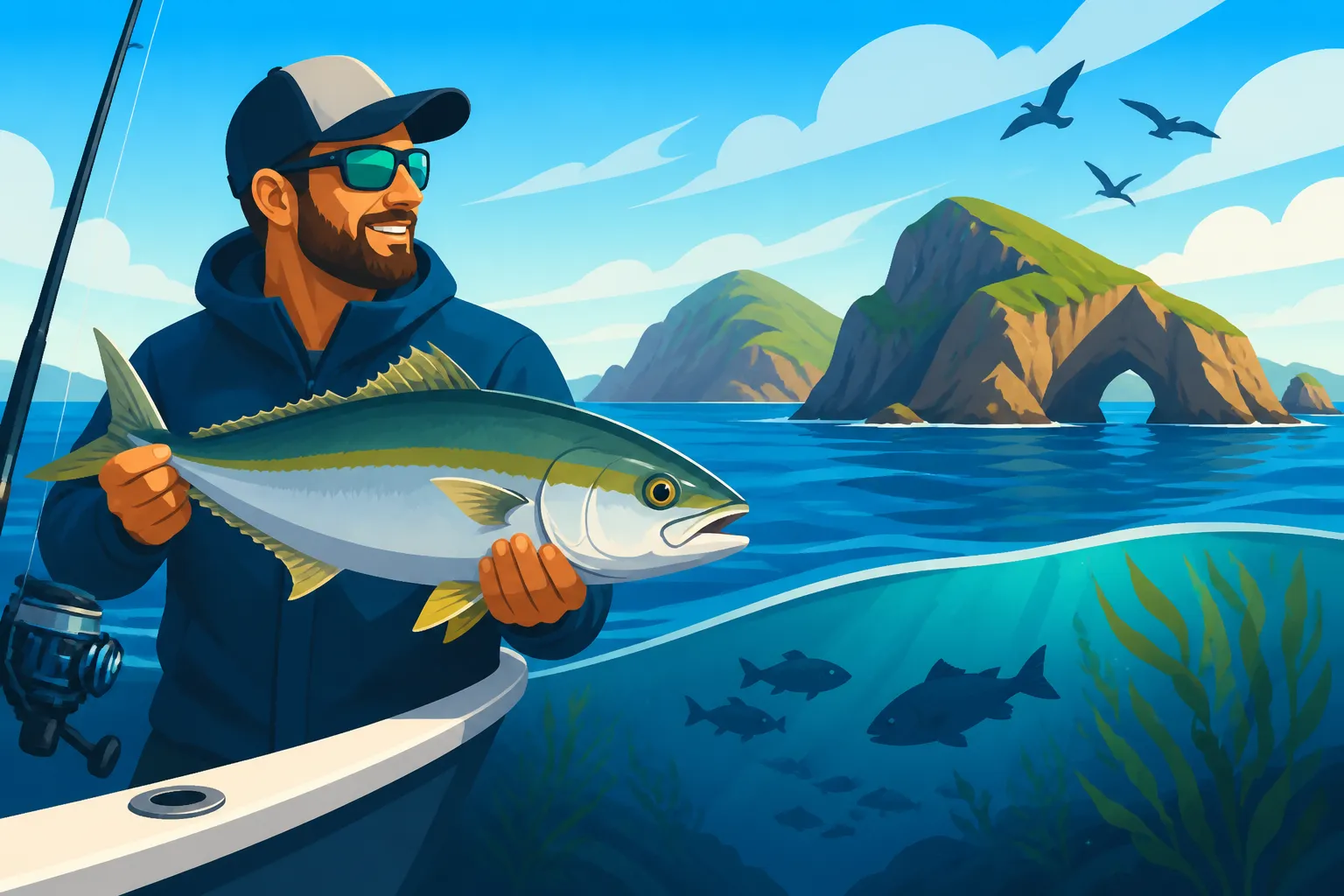
What makes the Channel Islands so special is their incredible, often untouched, ecosystem. Picture dramatic underwater pinnacles rising from the depths, vast forests of giant kelp swaying with the currents, and rocky reefs providing shelter for countless marine creatures. These islands act as a natural magnet, drawing in a bewildering array of fish species from both northern and southern currents. The waters here are remarkably nutrient-rich, fueled by upwellings that create a vibrant food web, supporting everything from tiny baitfish to apex predators.
This rich biodiversity means that on any given day, you could be targeting a wide variety of fish. The sheer abundance is often what surprises first-time visitors – it's a testament to the protected nature of these waters and the health of the ecosystem. Whether you're a bottom-fishing enthusiast or a high-speed pelagic hunter, the Channel Islands offer a unique stage for every type of angler. It’s an immersion into a genuinely thriving marine environment, unlike many heavily pressured nearshore spots on the mainland.
Accessing the Remote Fishing Grounds
Unlike mainland fishing spots where you can often just drive up and cast a line, reaching the prime fishing grounds around the Channel Islands requires a boat. This automatically adds an element of adventure and preparation, but it also ensures a less crowded and more rewarding experience. Many anglers opt for a sportfishing charter, as these boats are specifically designed for offshore conditions and come equipped with experienced crews and all the necessary gear.
Choosing the right vessel and trip is part of the fun. You might consider a multi-day trip for a truly immersive experience, staying overnight and waking up to the island sunrise. Or perhaps a full-day trip for a concentrated fishing effort. Independent private boaters also frequent the islands, navigating the waters with their own vessels, but this demands a higher level of seamanship and knowledge of offshore conditions. Regardless of how you get there, the journey itself becomes an integral part of the fishing story, offering breathtaking views of the islands and the open Pacific.
Top Fish Species to Target in the Channel Islands
The Channel Islands offer a smorgasbord of fish species, each providing a different challenge and reward. Knowing what’s biting and when can significantly improve your chances of a successful trip.
Rockfish and Lingcod: Reef Dwellers
When it comes to bottom fishing around the Channel Islands, rockfish are the undisputed kings. This broad category includes a multitude of species, each with its own unique coloring and characteristics. You'll often pull up vibrant Vermilion Rockfish, deep-water Bocaccio, feisty Copper Rockfish, and many others. They inhabit the rocky reefs, pinnacles, and ledges that define the islands' underwater topography, often stacking up in impressive numbers. The thrill of feeling that distinct "thump-thump-thump" as you reel up a stringer full of various rockfish is truly satisfying.
But for many, the real prize among the reef dwellers is the Lingcod. These prehistoric-looking predators are highly sought after for their aggressive strikes and delicious white meat. A big Lingcod can easily exceed 20 pounds, putting up a formidable fight as you try to coax it away from its rocky lair. Targeting them often involves heavier tackle and robust jigs or large baits, designed to entice these ambush hunters. Always be mindful of the current California Rockfish Regulations and Limits and California Lingcod Regulations and Limits to ensure you're fishing sustainably and legally.
Pelagic Powerhouses: Yellowtail, Barracuda, and Tuna
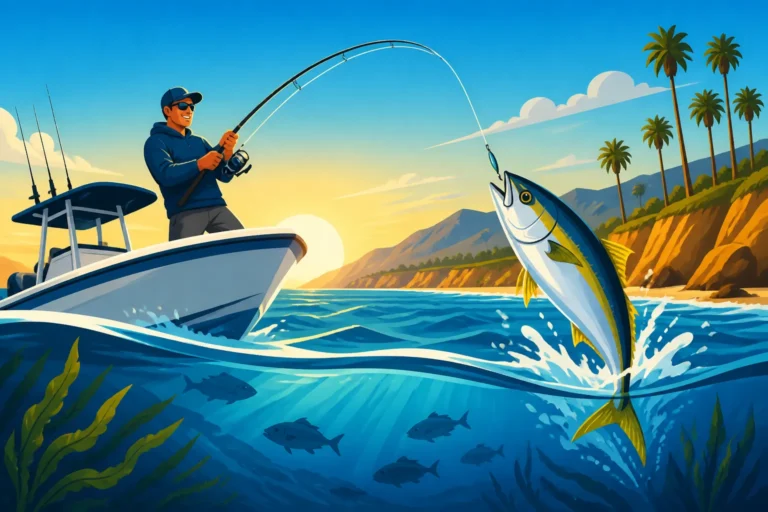
For those who crave the adrenaline rush of a fast-moving, hard-fighting fish, the Channel Islands deliver with their pelagic visitors. Yellowtail are a perennial favorite, known for their incredible speed and strength. When they're in a feeding frenzy, the action can be non-stop, with multiple hookups around kelp paddies or structure. These fish, sometimes called "forktails" for their distinctive tails, provide an exhilarating fight that will test your tackle and stamina. If you're looking for a detailed guide, check out our California Yellowtail Fishing Guide.
Barracuda are another exciting pelagic species, particularly in the warmer months. While not as large as Yellowtail, their aggressive strikes and acrobatic leaps make them a blast to catch. They're often found patrolling the edges of kelp beds or around bait schools, ready to strike anything that looks like an easy meal. And then, of course, there's the highly prized tuna – especially Bluefin. While offshore tuna fishing often takes you further out, the Channel Islands can sometimes be a stepping stone or a direct destination for these magnificent beasts. Landing a giant Bluefin Tuna is the pinnacle for many California anglers, requiring heavy gear, expert technique, and a lot of grit. Our California Bluefin Tuna Fishing Guide offers more in-depth advice on these incredible fish.
White Seabass and Halibut: Elusive Delicacies
For many, the ultimate challenge and reward in the Channel Islands is hooking into a majestic White Seabass or a sizeable California Halibut. White Seabass are often referred to as "ghosts" because of their elusive nature and how incredibly wary they can be. They patrol the kelp forests, ambushing baitfish, and require stealth, patience, and a precise presentation to entice a bite. When you finally get one on the line, the fight is powerful and exhilarating, making the reward all the sweeter. If you're hoping to target these, learning How to Catch White Seabass in California will be invaluable.
California Halibut are another highly sought-after flatfish, prized for their delicious, flaky meat. These ambush predators lie camouflaged on the sandy bottoms, waiting for an unsuspecting meal to swim by. While they can be found in various depths, successful halibut fishing around the islands often involves drift fishing with live bait or carefully presented artificials over sandy patches adjacent to structure. Keeping an eye on California Halibut Regulations and Limits is crucial for both species, as their populations are carefully managed. Catching either of these can truly make for a "trip of a lifetime" memory.
Essential Techniques and Seasons for Channel Islands Fishing
A successful fishing trip to the Channel Islands isn't just about showing up; it's about understanding the seasonal patterns and employing the right techniques for the species you're targeting.
Best Seasons for Peak Action
California's Channel Islands offer year-round fishing opportunities, but specific species tend to peak during certain seasons. For rockfish and lingcod, the bite can be consistent through much of the year, with winter offering some truly epic days, especially for larger specimens in deeper waters, though access can be weather-dependent. Spring often sees the arrival of White Seabass, with some of the best fishing occurring from April to June. As the waters warm into summer, Yellowtail and Barracuda become more prevalent, chasing baitfish closer to the islands.
The late summer and fall months are often considered prime time for pelagic species. This is when the offshore waters can come alive with Yellowtail, Dorado (Mahi-Mahi), and various tuna species like Bluefin and Yellowfin, especially if warm currents extend up the coast. The weather is generally calmer, making for more comfortable boat rides and longer fishing days. Understanding the California Fishing Seasons: Month-by-Month Guide can help you plan your trip for the best chances at your target species. Always check current fishing reports before heading out, as conditions can change rapidly.
Go-To Fishing Techniques
Fishing the Channel Islands requires a versatile approach, as different species and conditions demand varying techniques. For rockfish and lingcod, bottom fishing is paramount. This typically involves dropping leadhead jigs tipped with squid or plastic grubs, or using dropper loops with baited hooks. Jigging with heavy metal jigs, sometimes called "yo-yo" jigging, is incredibly effective for triggering aggressive strikes, especially from larger rockfish and lingcod. You'll want to get that jig right down to the structure where these fish live. Our guide on California Jigging Tips and Techniques has more specific details.
For pelagic species like Yellowtail, live bait fishing is often the most productive. This involves slow-trolling or drift fishing with sardines, anchovies, or mackerel, usually caught fresh from the bait receiver or chummed up right at the islands. When Yellowtail are on the surface, surface iron (metal jigs cast and retrieved quickly) or trolling with lures or rigged baits can be incredibly exciting. For halibut, drift fishing with live bait (like a large anchovy or sardine) or a Gulp! plastic grub is a proven method, allowing your bait to cover ground near the bottom. Understanding California Bait Fishing Tips and Techniques will give you an edge, regardless of your target species.
Chartering a Trip to the Islands
Deciding to go with a fishing charter for your Channel Islands adventure is often the smartest move, especially if you're not an experienced offshore boater or don't own a suitable vessel. These charters come with seasoned captains and deckhands who live and breathe these waters. They know the current fish patterns, the best spots, and what techniques are producing. This local knowledge is invaluable and dramatically increases your chances of a successful trip. You can learn more in our comprehensive California Fishing Charters: Complete Guide.
There are various types of trips available, from half-day excursions closer to shore to full-day or even multi-day overnight trips that delve deeper into the island's more remote fishing grounds. Finding the perfect charter can seem daunting, but reputable platforms like FishingBooker make it easy to compare boats, read reviews, and find a trip that fits your budget and fishing goals. They offer a diverse selection of operators targeting various species, making it simple to filter by location, trip length, and even specific fish you're hoping to catch. Before you go, it's always a good idea to check out What to Bring on a California Fishing Charter so you're fully prepared.
Here's a quick overview of popular species, their seasons, and techniques:
| Species | Best Season | Primary Techniques | Common Baits/Lures | Notes |
|---|---|---|---|---|
| Rockfish | Year-round (weather permitting) | Bottom Fishing, Jigging | Squid, Cut Bait, Plastic Grubs, Metal Jigs | Abundant, diverse species; check depth limits. |
| Lingcod | Year-round (weather permitting) | Bottom Fishing, Jigging | Live Mackerel, Large Jigs, Scampi | Aggressive predators, great eating. |
| Yellowtail | Summer, Fall | Live Bait, Surface Iron, Trolling | Sardines, Mackerel, Anchovies, Jigs | Fast, powerful fights, often found near kelp. |
| Barracuda | Late Spring, Summer | Live Bait, Trolling, Plastics | Sardines, Anchovies, Jerkbaits, Tubes | Fast, toothy, exciting surface action. |
| White Seabass | Spring, Early Summer | Live Squid, Live Mackerel, Jigging | Fresh Squid, Live Mackerel | Elusive and highly prized, often in kelp. |
| California Halibut | Spring, Summer, Fall | Drift Fishing | Live Anchovies, Sardines, Grubs, Swimbaits | Bottom ambush predator, excellent table fare. |
| Bluefin Tuna (Offshore) | Summer, Fall | Trolling, Jigging, Kite Fishing | Squid, Sardines, Poppers, Heavy Jigs | Requires specialized gear and often longer trips. |
Regulations and Conservation Efforts
Fishing the Channel Islands isn't just about catching fish; it's also about being a responsible angler and respecting the delicate marine environment. Adhering to regulations and practicing conservation ensures these incredible fisheries remain healthy for generations to come.
Navigating California's Fishing Rules
California has a comprehensive set of fishing regulations designed to manage its diverse marine resources, and the Channel Islands are no exception. Before every trip, it's absolutely essential to consult the latest regulations booklet from the California Department of Fish and Wildlife (CDFW). This will cover everything from bag limits (how many fish of a certain species you can keep) and size limits (the minimum or maximum length a fish must be) to season closures and specific area restrictions. For instance, there are often specific depth restrictions for certain rockfish species depending on the season, and some areas around the islands are designated as Marine Protected Areas (MPAs).
Understanding where you can and cannot fish, especially within various California Marine Protected Areas Explained, is critical. Violating these rules, even unintentionally, can result in hefty fines. You'll also need a valid California Fishing License Guide for anyone 16 years or older. It's a small investment that goes directly towards managing and conserving our fisheries. The crew on your charter will be well-versed in these rules, but as an angler, it’s always your responsibility to be informed. For a broad overview of all regulations, check out our California Fishing Regulations Explained.
Practicing Responsible Angling
Beyond just following the rules, responsible angling means adopting practices that minimize your impact on the marine environment. This includes handling fish with care, especially those you intend to release. Using barbless hooks can reduce harm to fish, and wet hands can prevent damage to their protective slime coat. For species like rockfish that can suffer from barotrauma (due to changes in pressure when brought up from deep water), employing descending devices or fizzing techniques can significantly increase their survival rate upon release.
Always strive to leave no trace. This means packing out everything you pack in, and never discarding trash, fishing line, or plastic into the ocean. The Channel Islands are a national treasure, and it's up to every angler to help preserve their pristine beauty. Choosing to release healthy, breeding-sized fish, especially when you’ve already filled your limit, also contributes to sustainable fishing practices. By being thoughtful and informed, we can all play a part in ensuring the Channel Islands remain a world-class fishing destination.
Disclaimer
Please remember that fishing conditions, regulations, and fish populations can change rapidly. Always consult the latest California Department of Fish and Wildlife (CDFW) regulations before heading out. This guide provides general information and recommendations, but it is your responsibility to stay informed of current laws and conditions.