American River: Fishing Access and Tips
Ah, the American River. It's a true gem of California's central valley, offering some fantastic fishing opportunities, but let's be real, it can also be a bit intimidating if you don't know where to start. With its diverse sections, constantly changing regulations, and the sheer volume of water, many anglers find themselves scratching their heads trying to figure out the best access points or what exactly to target. This guide is here to untangle all that, giving you the insider tips and specific spots you need to confidently fish this amazing river.
Unpacking the American River's Unique Character
The American River isn't just one monolithic waterway; it's a dynamic system with distinct personalities depending on where you are. Understanding these different sections is key to planning your fishing adventure, because what works in one area might be totally ineffective in another. From the cooler, regulated flows of the Lower River to the wilder, higher elevation stretches, each part holds its own unique charm and angling challenges.
The Lower American River: A Mecca for Anadromous Fish
This is probably the section most anglers think of when you say "American River fishing." The Lower American River stretches about 23 miles from Nimbus Dam down to its confluence with the Sacramento River in Discovery Park. It’s a tailwater fishery, meaning the water released from Nimbus Dam is drawn from the bottom of Lake Natoma, keeping temperatures relatively stable and cold, which is absolutely critical for the health and migration of anadromous species. This stretch is heavily influenced by spawning salmon and steelhead, drawing incredible runs of these fish, alongside resident trout and seasonal runs of shad and striped bass.
Access here is generally excellent, thanks to the Jedediah Smith Memorial Trail, which runs along both banks for much of its length. You’ll find numerous parks and parking areas that offer easy access to the water, though some spots can get quite crowded, especially during peak salmon or steelhead runs. Think of spots like Nimbus Fish Hatchery (a fantastic educational stop and often a hotspot for viewing salmon), Sailor Bar, Gristmill, and Watt Avenue. These areas provide ample bank access and slower-moving stretches where fish often hold. The consistency of flow and temperature from the dam makes it a reliable fishery year-round for different species, although you'll want to stay up-to-date on specific California Freshwater Fishing Regulations that often apply here.
The Middle and Upper American River: High Country Trout and Bass
Venturing upstream from Nimbus Dam, you enter the Middle and Upper American River sections, which are a completely different ballgame. The Middle Fork, North Fork, and South Fork of the American River carve through the Sierra Nevada foothills and mountains, offering stunning scenery and a more rugged, wilderness-like fishing experience. Here, the focus shifts dramatically from large migratory fish to resident populations of wild trout and smallmouth bass. These sections are typically freestone rivers, meaning their flows are dictated by snowmelt and rainfall, leading to more fluctuating conditions throughout the year.
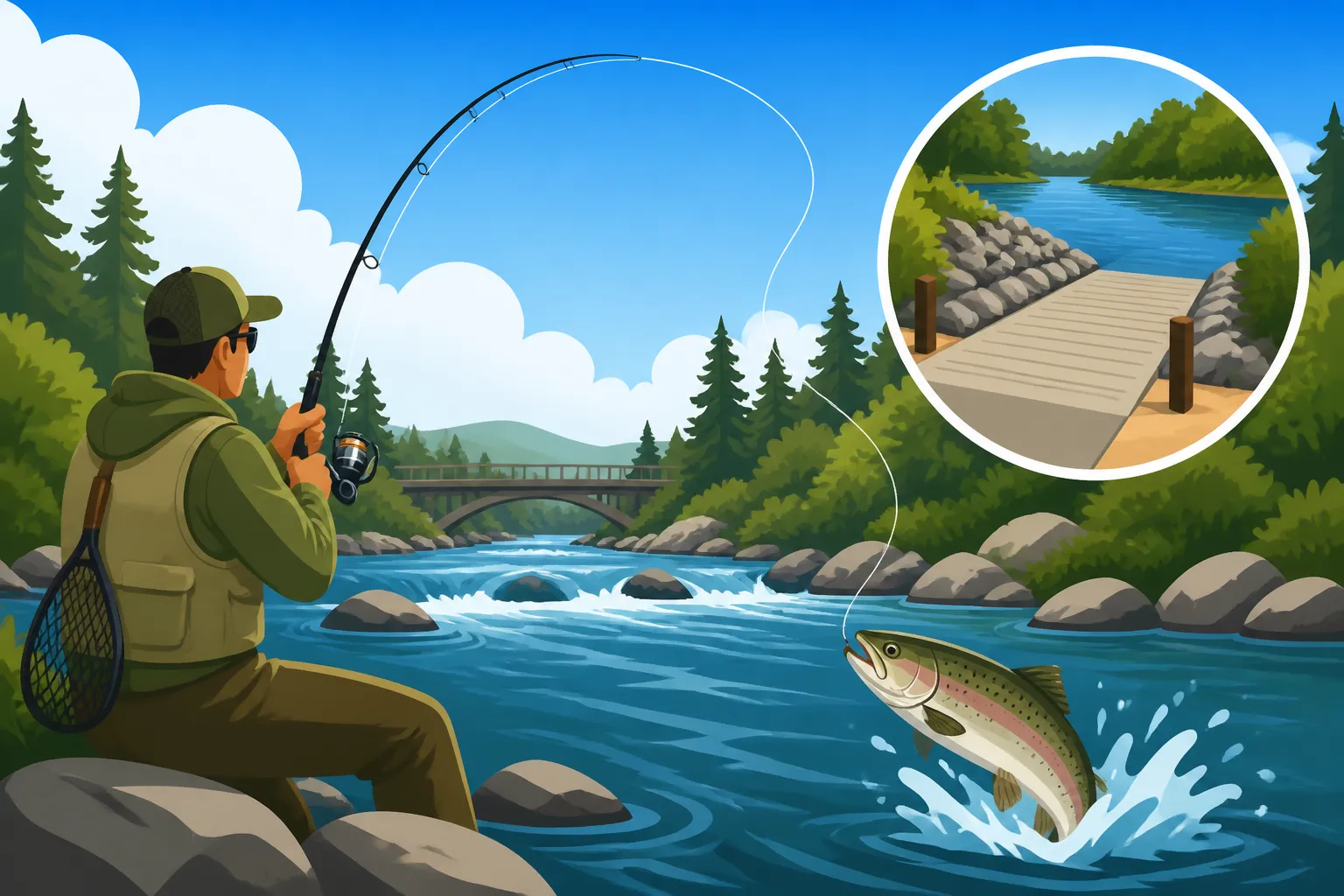
The fishing in these higher sections is often more about solitude and the challenge of stalking wild fish in crystal-clear mountain streams. Fly fishing is incredibly popular here, with anglers targeting rainbow, brown, and even some native trout species in pocket water, riffles, and deeper pools. Access can range from easy roadside pull-offs near towns like Auburn or Coloma (especially on the South Fork) to challenging hikes into remote canyons. For those looking to combine their fishing with a true outdoor adventure, these upper reaches are absolutely phenomenal. Just be prepared for more varied terrain and often, fewer amenities than the lower river.
Prime Species to Target and Their Seasons
The American River is a truly diverse fishery, playing host to a variety of sought-after species. Knowing what’s in season and where they tend to hold can dramatically improve your success rate. It's a river that keeps on giving, but you need to know which gifts to look for when.
Anadromous Adventures: Salmon and Steelhead
When most people talk about "trophy fishing" on the American River, they're often talking about its robust runs of Chinook salmon and steelhead. These incredible fish migrate from the ocean, up the Sacramento, and into the American River to spawn.
- Chinook Salmon (King Salmon): The fall run is legendary here. Starting typically in late September and peaking in October and November, thousands of chrome-bright salmon push into the Lower American River. They're big, powerful, and a challenging catch. Anglers often target them with roe, roe clusters, or large plugs and spinners, drifting from boats or casting from the bank in deeper holes and runs. Remember that salmon fishing often requires a specific California Salmon Report Card, and seasons and limits can vary dramatically year to year, so always check the latest California Salmon Season Dates Explained.
- Steelhead: These sea-run rainbow trout are a true prize. The American River sees both a winter and sometimes a spring run of steelhead. Winter steelhead typically arrive from December through March, with some lingering into April. They’re known for their incredible fighting ability and often require more finesse than salmon. Fly anglers especially love targeting steelhead with nymphing techniques or swinging flies. Spin anglers find success drifting roe, yarn eggs, or small plugs. Again, a California Steelhead Report Card is mandatory, and the regulations, particularly regarding barbless hooks and catch-and-release, are usually quite strict to protect these precious populations.
Resident Favorites: Trout and Bass
While the big migratory fish get a lot of attention, the American River also boasts fantastic year-round opportunities for resident species.
- Trout: Rainbow trout are abundant throughout the entire river system. The Lower American River receives regular stockings from the Department of Fish and Wildlife, especially in the cooler months, providing consistent action for bait, lure, and fly anglers. Wild rainbows are found in the upper reaches, often smaller but incredibly spirited. Brown trout are less common but present, particularly in the middle and upper forks, adding to the allure for experienced anglers. Knowing How to Fish for Trout in California effectively can really pay off here, especially when targeting wild fish.
- Bass: Smallmouth bass are prevalent in the rocky, faster-moving sections of the Middle and Upper American River, where they provide exciting action on light tackle with crankbaits, jigs, or soft plastics. They love structure and current. In the slower, deeper pools and sloughs of the Lower American River, you might encounter largemouth bass, especially in areas with more vegetation or woody debris. Striped bass also make an appearance in the lower sections during their spring and fall migrations.
Seasonal Specialties: Shad and Striped Bass
Beyond the headliners, the American River offers some incredibly fun seasonal fisheries that are often overlooked by those solely chasing salmon and steelhead.
- American Shad: If you've never experienced the "poor man's tarpon" run, you're missing out! In late spring and early summer (typically May and June), huge schools of American shad flood the Lower American River. These feisty fish are incredible fighters on light tackle, making screaming runs that will test your drag. They hit small, brightly colored darts and jigs with incredible aggression. It's an absolute blast and often provides non-stop action, making it a perfect outing for beginners or families.
- Striped Bass: While more famous in the Delta, striped bass venture into the Lower American River during their spring spawning runs (April to June) and again in the fall. They follow the anadromous fish, preying on baitfish and salmon smolts. Targeting them with swimbaits, jerkbaits, or live bait (like anchovies or pile worms) can lead to some truly explosive strikes. For more detailed strategies, check out our guide on How to Fish for Striped Bass in California.
Essential Fishing Techniques and Gear
Now that you know what to target and when, let's talk about how to catch them. The American River's varied environments demand a range of techniques, and having the right gear can make all the difference. You don't need a boatload of expensive equipment, but understanding the basics for each scenario will set you up for success.
Spin Fishing: Versatility and Effectiveness
Spin fishing is perhaps the most popular and versatile method on the American River, largely due to its adaptability to different species and river conditions.
- Drifting Roe or Bait: For salmon and steelhead, drifting roe (especially cured salmon roe or roe clusters) is a classic and highly effective method. You'll want a sensitive rod (7-9 feet, medium-light to medium action) with a matching spinning reel spooled with 8-12 lb fluorocarbon or monofilament line. The key is to use enough weight (often slinky weights or pencil lead) to get your bait down to the fish, but not so much that it snags constantly. The goal is a natural, drag-free drift that mimics loose eggs. Nightcrawlers under a bobber can also be effective for resident trout, especially in slower pools or after stockings.
- Casting Lures: Spinners like Roostertails or Mepps, small spoons (like Kastmasters or Little Cleos), and various plugs (Hot Shots, Kwikfish) are excellent for both trout and anadromous species. For steelhead and salmon, often larger, brighter plugs are used, especially when targeting aggressive biters or during higher flows. For trout, smaller, more natural-colored spinners and spoons are ideal. Experiment with retrieve speeds and depths. For example, casting upstream and retrieving just faster than the current can be deadly for trout holding in feeding lanes.
Fly Fishing: The Art and Science
The American River is a phenomenal fly-fishing destination, attracting enthusiasts from all over. Whether you're chasing wild trout in the upper forks or chrome steelhead in the lower, fly fishing offers a unique connection to the water.
- Nymphing: This is hands-down one of the most productive methods for trout and steelhead on the American River. You'll use weighted fly patterns that imitate aquatic insects (like caddis, mayflies, or stoneflies) and drift them along the bottom. A long, sensitive fly rod (9-10 feet, 5-8 weight depending on target species) with a floating line and a long leader/tippet system is essential. Indicators help detect subtle takes, which are often just a slight pause or twitch. For beginners, learning to read the water and achieve a good drift is paramount. If you're just getting started, our California Fly Fishing for Beginners guide can offer some excellent foundational knowledge.
- Swinging Flies: Particularly for steelhead and larger trout, swinging a wet fly or a small streamer across the current can be incredibly effective. This method relies on the fish reacting to the fly's movement. You cast across and slightly downstream, letting the current animate the fly as it swings through potential holding lies. Spey rods or switch rods are popular for this, but a single-hand rod can also be used.
- Dry Fly Fishing: While less common for the big migratory fish, dry fly fishing can be spectacular for resident trout in the middle and upper forks during insect hatches. Matching the hatch with realistic imitations of adult mayflies, caddis, or stoneflies can lead to exciting topwater action.
Rigging for Success: Details Matter
No matter your chosen method, your rigging needs to be precise. Small details can make a big difference, especially when fish are finicky or water is clear.
- Leaders and Tippet: For clear water conditions, especially when targeting wary steelhead or trout, using long leaders (9-12 feet) and light fluorocarbon tippet (6-10 lb for steelhead, 2-6 lb for trout) is crucial. Fluorocarbon is less visible underwater and more abrasion-resistant, which is a big plus when fishing rocky bottoms.
- Knots: Learn to tie strong, reliable knots. The improved clinch knot or palomar knot are great for tying on lures and hooks, while surgeon's knots or blood knots are excellent for connecting leader sections.
- Hooks: Pay attention to hook sharpness. A dull hook will cost you fish. Carry a hook sharpener and use it often. For steelhead and salmon, barbless hooks are often required or highly recommended for catch-and-release, which is generally good practice to protect the fishery. Make sure you understand California Barbless Hook Requirements before you head out.
| Species | Prime Season | Recommended Gear/Technique | Best River Section(s) |
|---|---|---|---|
| Chinook Salmon | Oct-Nov | Drifting roe/plugs | Lower American River |
| Steelhead | Dec-Mar | Nymphing, drifting eggs | Lower American River |
| Rainbow Trout | Year-round (best Spring/Fall) | Spinners, nymphs, bait | All sections |
| Smallmouth Bass | May-Sept | Jigs, crankbaits | Middle/Upper Forks |
| American Shad | May-Jun | Small darts/jigs | Lower American River |
| Striped Bass | Apr-Jun, Oct-Nov | Swimbaits, live bait | Lower American River |
Access Points and Navigating the River
One of the American River's greatest assets is its accessibility, especially the lower section. However, knowing the specific hotspots and how to get to them can turn a frustrating search into a productive fishing trip.
Bank Fishing Hotspots: Walk-In Wonders
For many anglers, especially those without boats, bank access is king. The Lower American River Parkway, managed by Sacramento County Regional Parks, offers numerous well-maintained access points.
- Jedediah Smith Memorial Trail: This paved multi-use trail runs for miles along both sides of the Lower American River, providing unparalleled bank access. You can park at various points and walk to your preferred fishing spot. Just remember to be mindful of cyclists and other trail users.
- Sailor Bar (Fair Oaks): A perennial favorite, Sailor Bar is known for its relatively deep, slow-moving runs and gravel beds where salmon and steelhead often hold and spawn. There’s ample parking (though it requires a day-use fee or park pass), picnic areas, and restrooms. It can get very busy during peak runs, so arrive early!
- Gristmill Park (Rancho Cordova): Another popular spot downstream from Sailor Bar, Gristmill offers good access to deeper pools and riffles. It's often a good spot to intercept fish moving upstream. Similar to Sailor Bar, expect company during prime times.
- Watt Avenue Bridge: Both upstream and downstream of the Watt Avenue Bridge offer productive water. Anglers often target salmon and steelhead in the deeper sections around the bridge pilings or drift for them in the open runs. This area is easily accessible from both sides of the river, with parking lots nearby.
- Discovery Park (Sacramento): Located at the confluence of the American and Sacramento Rivers, Discovery Park is a huge area offering diverse fishing opportunities. It's a prime spot for striped bass and can also be good for salmon and steelhead as they enter the river system. It also has a boat launch, which brings us to our next point.
Boating and Kayak Access: Floating the Runs
For those who prefer to cover more water or access spots unreachable from the bank, boating or kayaking the American River can be incredibly rewarding.
- Drift Boating: The Lower American River is very popular for drift boat anglers, especially during salmon and steelhead season. Guides often launch at upstream points like Sunrise Recreation Area or Gristmill and float down to places like Watt Avenue or Discovery Park, strategically working runs and holes along the way. This allows for precise bait presentation and covering prime water.
- Kayaking and Float Tubes: For a more personal and agile approach, kayaks and float tubes are fantastic options, especially for targeting trout in the middle and upper forks, or shad and smaller bass in the lower river. Launch points are numerous along the parkway. Just be aware of currents and potential rapids, especially in the upper sections. Our California Kayak Fishing Guide has more tips if you're thinking of getting out on the water in a paddle craft.
- Public Boat Launches:
- Nimbus Flat State Recreation Area: Located just below Nimbus Dam, this is a popular launch for small boats, kayaks, and canoes. It's a great starting point for exploring the upper reaches of the Lower American River.
- Discovery Park: As mentioned, Discovery Park at the river's mouth offers a large public boat ramp suitable for larger powerboats, providing access to both the American and Sacramento Rivers.
Hiring a Local Guide: Shortening the Learning Curve
Let’s be honest, fishing a new river, especially one as nuanced as the American River, can be overwhelming. Conditions change constantly, fish move, and knowing the latest hot spots and techniques requires local knowledge. This is where a professional fishing guide really shines. They spend hundreds of days a year on the water, tracking fish movements, understanding the specific regulations (which are often complex for species like salmon and steelhead), and knowing exactly what bait or fly is working right now.
Hiring a guide, particularly for your first few trips, can dramatically shorten your learning curve and significantly increase your chances of success. They provide all the necessary gear, know how to navigate the river safely, and can teach you the specific techniques that are most effective. If you’re looking to target a specific species like anadromous salmon or steelhead, or want to get into fly fishing the upper sections, a guide can be an invaluable resource. You can easily find reputable local guides specializing in the American River on platforms like FishingBooker, where you can read reviews, compare expertise, and book your trip with confidence. Many of the top guides in the Sacramento area list their availability and specialties on FishingBooker, offering anything from half-day steelhead trips to full-day salmon adventures. Searching for "American River fishing guides" on FishingBooker will give you a great overview of your options and help you find the perfect match for your angling goals. It’s a smart investment in a memorable and productive day on the water, and many of these guides also specialize in other local waters like the Sacramento River, expanding your options through FishingBooker.
Essential River Manners and Conservation
Fishing the American River, especially its lower reaches, often means sharing the water with many other anglers, kayakers, cyclists, and general park users. Practicing good river etiquette and conservation is vital to ensure everyone has an enjoyable experience and to protect this precious resource for future generations.
Respect Your Fellow Anglers
One of the biggest frustrations anglers face is dealing with crowded conditions. If you're going to a popular spot like Sailor Bar during a salmon run, expect to be shoulder-to-shoulder with others.
- Give Space: Always try to give other anglers ample casting and fishing room. Don't crowd someone's hole, especially if they were there first. A general rule of thumb is to allow at least 25-50 feet of space, more if conditions allow.
- Don't Cast Over Others: Nothing is more annoying than having someone cast directly over your line. Be aware of where your line (and especially your weight or lure) is going.
- Respect Drifting Boats: If you're bank fishing, be aware of drift boats coming downriver. They have the right of way in a drift. Try not to cast into their path, and understand that they are working specific lines through the water. Conversely, if you're in a boat, be respectful of bank anglers and avoid cutting too close to them.
- Keep Noise Down: The river is a place of peace for many. Keep your voices down and avoid loud music or other disturbances.
Protect the Fishery: Catch and Release & Regulations
The health of the American River fishery relies heavily on responsible angling practices. This includes understanding and adhering to all regulations, and making ethical choices when it comes to the fish you catch.
- Know the Regulations: The California Department of Fish and Wildlife (CDFW) publishes comprehensive regulations annually, often with specific rules for the American River, especially concerning anadromous species. These rules cover California Fishing Bag and Size Limits, seasons, gear restrictions (like barbless hooks), and report card requirements. Ignorance is not an excuse, and fines for violations can be steep. You can pick up a physical copy of the regulation booklet from any bait shop or tackle store, or view the current California Fishing Regulation Booklet Explained online.
- Handle Fish Carefully: If you're practicing catch and release, particularly for steelhead or wild trout, minimize handling time. Keep the fish in the water as much as possible, use wet hands, and release it gently. Avoid dragging fish onto dry ground or squeezing them tightly. This is especially critical during warmer water periods when fish are already stressed.
- Report Card Compliance: For salmon and steelhead, completing and returning your report cards is not just a legal requirement, it's crucial for the CDFW to monitor populations and set future regulations. This data directly impacts the health and availability of the fish you love to catch. Understand the California Fishing Report Cards Explained process and their deadlines.
- Pack It In, Pack It Out: Leave no trace. Take all your trash, fishing line, and discarded bait with you. Consider picking up any litter you see, even if it's not yours. Keeping the river clean benefits everyone.
Navigating River Closures and Restrictions
The American River, like many California waterways, can be subject to dynamic closures or special regulations, particularly in times of drought, low water, or to protect spawning fish.
- Check Before You Go: Before every trip, it's a good practice to check the latest CDFW fishing advisories and the American River Parkway's specific rules. Fire danger in surrounding areas or local construction could also impact access.
- Marine Protected Areas (MPAs) are not here: While the American River is freshwater, it's worth noting that California has a system of California Marine Protected Areas Explained along its coast. These do not apply to the American River, but if you're planning a trip to the coast, be aware of them.
By understanding the American River's different sections, knowing what species to target and when, utilizing the right techniques, and respecting both the river and your fellow anglers, you're well on your way to experiencing some of the best fishing California has to offer. This river system truly is a treasure, and with a little preparation, it can provide years of unforgettable angling memories.
Disclaimer
Fishing conditions, regulations, and access can change rapidly. Always consult the latest official California Department of Fish and Wildlife (CDFW) regulations and local advisories before planning your trip. This guide is for informational purposes only and should not replace official sources. Always prioritize safety and practice responsible angling.