Sacramento River: Fishing Access and Tips
Oh, the Sacramento River! It's one of those iconic California waterways that can feel both incredibly promising and utterly overwhelming for an angler. This colossal river stretches hundreds of miles, changing character from pristine mountain streams to broad, agricultural arteries, and finally, to the vast, intricate delta system. It's easy to feel lost trying to figure out where to even drop a line, let alone what gear to use or what fish might be biting. This comprehensive guide is designed to cut through that confusion, helping you unlock the amazing fishing potential of the Sacramento River with practical access points and proven tips.
Understanding the Majestic Sacramento River System
The Sacramento River isn't just one river; it's a dynamic, ever-changing ecosystem that serves as the lifeblood of much of Northern California. From its headwaters near Mount Shasta, it carves a path southward, winding through diverse landscapes before merging with the San Joaquin River to form the expansive Sacramento-San Joaquin River Delta. This incredible journey means that fishing opportunities are incredibly varied, catering to almost every type of angler, from fly-fishing enthusiasts seeking wild trout to those chasing massive Sturgeon in the deeper, slower sections.
From Alpine Springs to Tidal Flow
The sheer length and diversity of the Sacramento River are what make it such a unique fishing destination. Up north, in the Shasta Cascade region, you'll find cold, clear waters perfect for trout and steelhead. As it flows into the Central Valley, the river widens, slows, and warms, becoming prime habitat for a different suite of species like Striped Bass, Largemouth Bass, and Catfish. Then, as it nears Suisun Bay and the Pacific Ocean, it becomes part of the Delta, a tidal wonderland where both fresh and saltwater species mingle, influenced by ocean tides. Understanding these distinct sections is key to planning a successful trip.
Key Fish Species of the Sacramento River
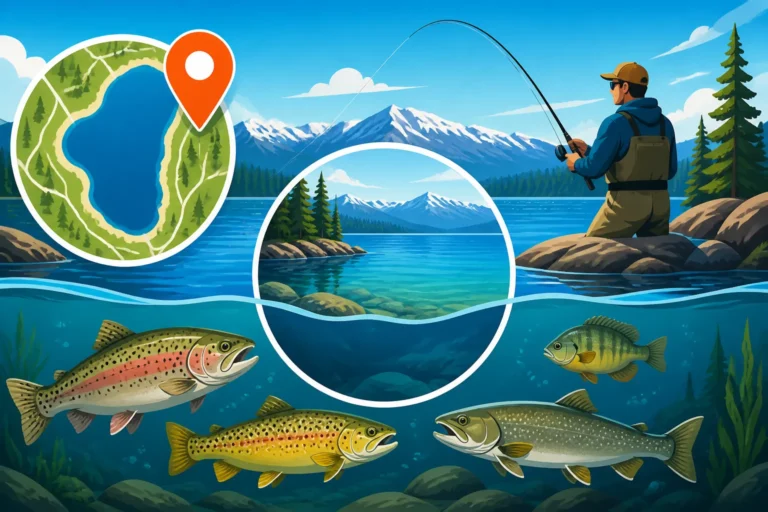
The Sacramento River is renowned for its diverse fishery, hosting both resident freshwater species and anadromous fish that migrate from the ocean to spawn. Here’s a quick rundown of the main players you might encounter:
- King Salmon (Chinook): Without a doubt, the King Salmon are the stars of the show when they make their seasonal runs upriver to spawn. These powerful fish offer incredible fighting challenges and are highly prized.
- Steelhead: These sea-run Rainbow Trout are another anadromous gem, offering a thrilling pursuit, especially for fly anglers in the upper river sections.
- Striped Bass: Known for their voracious appetites and strong fights, "Stripers" are abundant, especially in the middle and lower river, including the Delta.
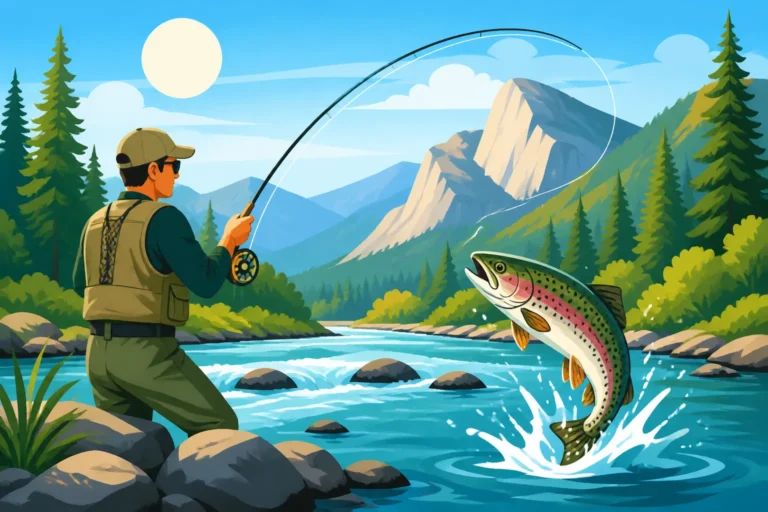
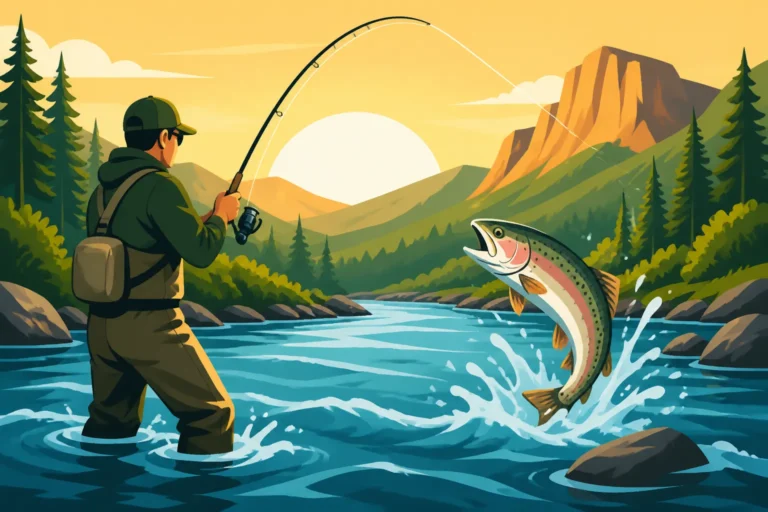
- Trout (Rainbow, Brown): Resident trout populations thrive in the cooler, upper reaches of the river, providing year-round action.
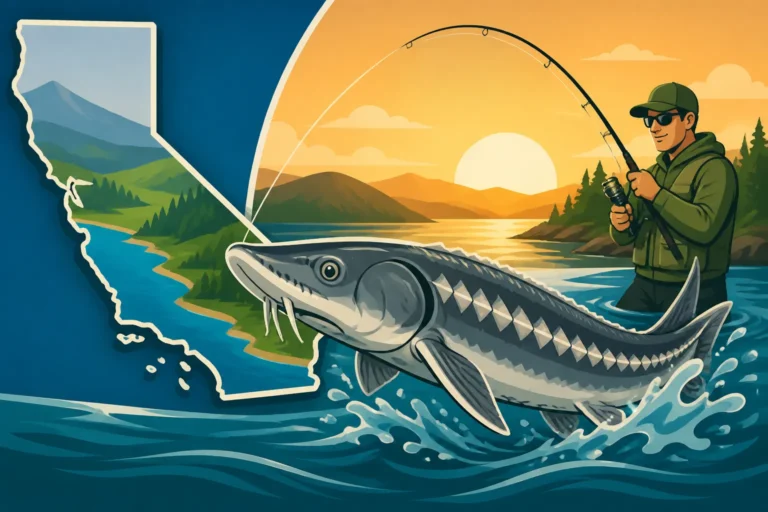
- Sturgeon (White, Green): The Sacramento River is a legendary spot for Sturgeon, particularly the massive White Sturgeon. These ancient fish require specialized gear and a lot of patience.
- Largemouth and Smallmouth Bass: Found in the slower sections and sloughs, these offer exciting sportfishing opportunities, especially for those who love throwing artificials.
- Catfish (Channel, White, Blue): Often overlooked, catfish provide consistent action, particularly in the warmer, deeper sections.
Prime Fishing Access Points Along the Sacramento River
Navigating the Sacramento River can feel like a puzzle, especially with its length. But don't worry, there are fantastic public access points that cater to different fishing styles and target species. From boat launches to scenic bank fishing spots, you've got options.
Upper Sacramento River (Shasta to Redding)
This section is largely influenced by the cold tailwaters of Shasta Lake and Keswick Dam, making it a premier destination for trout and steelhead. The scenery here is often breathtaking, with dense forests and rocky stretches.
- Catching Trout in the Redding Area: The stretch immediately below Keswick Dam, particularly around Redding, is legendary for its wild Rainbow Trout. Access points include the Sundial Bridge area at Turtle Bay Exploration Park, where you can find ample bank access and wading opportunities. Just a bit further downstream, spots like Bonnyview Bridge offer good bank fishing. If you're looking to drift the river, public boat ramps at places like Caldwell Park or Anderson River Park provide excellent launch points for rafts, drift boats, and jet boats. The key here is presenting natural drifts with nymphs or small streamers. For more detailed information, check out our guide on how to fish for trout in California.
- Steelhead Hotspots Near Dunsmuir: Further upstream, closer to the towns of Dunsmuir and Mount Shasta, the Upper Sacramento River narrows and quickens, becoming classic freestone trout water. Access points like those found along the I-5 corridor, often marked by "Public Fishing Access" signs, lead to prime wading spots. The fishing here is often about patience and stealth, targeting deep pools and riffles. Many anglers seeking these elusive steelhead will book a guide through services like FishingBooker to navigate the more remote and productive stretches, especially if they’re new to the area.
Middle Sacramento River (Redding to Colusa)
As the river flows south, it leaves the mountainous terrain behind and enters the Central Valley. This section is wider, slower, and often warmer, offering a different suite of species and fishing techniques.
- Striped Bass and Salmon Runs in Chico/Corning: This part of the river, especially around towns like Chico, Corning, and Ord Bend, is a major migration corridor for King Salmon and a prime habitat for Striped Bass. Public access at places like Woodson Bridge State Recreation Area near Corning provides excellent bank fishing, boat launches, and camping facilities. During salmon runs, this place can get busy! Boat anglers often launch here to troll for salmon or drift for stripers. Look for public access points along Highway 32 and other county roads that get you closer to the water.
- Fishing the Colusa Area: Colusa is a major hub for fishing on the Middle Sacramento River. The Colusa Boat Launch and Colusa State Park offer great access for boaters and bank anglers alike. This area is particularly famous for its incredible White Sturgeon fishing, especially in the winter months. Many experienced sturgeon anglers use specialized gear and techniques here, often anchoring and baiting with lamprey or ghost shrimp. If you're planning on chasing these giants, make sure you understand the California Sturgeon Fishing Report Card Rules. You might even find local guides on FishingBooker specializing in these unique trips, offering expertise on bait presentation and river currents.
Lower Sacramento River and Delta (Colusa to San Francisco Bay)
This is where the Sacramento River transforms into a massive, intricate system of channels, sloughs, and islands, eventually blending into the San Joaquin River Delta and connecting to the San Francisco Bay.
- Delta Fishing for Striped Bass and Black Bass: The Delta is a labyrinth of waterways, and it’s a paradise for Striped Bass, Largemouth Bass, and Smallmouth Bass. Key access points include Brannan Island State Recreation Area, Rio Vista, and various marinas around Isleton and Antioch. For bass anglers, the hundreds of miles of levees, submerged structures, and tule beds offer endless opportunities. Many anglers prefer to explore the Delta by boat, targeting specific sloughs and channels. Bank access can be limited in some areas due to private property, but public parks and county access points are available.
- Suisun Bay and Carquinez Strait: As the Sacramento River empties into Suisun Bay and the Carquinez Strait, the water becomes brackish, influenced by the tides. This area is renowned for its significant Striped Bass populations and offers opportunities for Sturgeon as well. Public piers like the Martinez Marina Pier offer easy access for shore anglers, and several marinas provide boat launching. These tidal zones demand attention to tide charts, as fish activity can be heavily influenced by water movement. Understanding the California Striped Bass Regulations is crucial here, as they can be quite specific to the Delta.
Targeting Specific Species and Seasons
Understanding when and where to target specific fish species is paramount to success on the Sacramento River. Each species has its preferred conditions and migration patterns, making seasonality a huge factor.
Anadromous Runs: Salmon and Steelhead
The true magic of the Sacramento River often revolves around its anadromous fish runs – species that live in the ocean but return to freshwater to spawn.
- King Salmon: There are several distinct runs of King Salmon throughout the year on the Sacramento River, though their timing and abundance can vary annually. The Fall run (late summer through fall) is typically the largest and most anticipated. Anglers flock to the river to troll with Kwikfish or other plugs, drift roe, or cast spoons. Prime areas include the stretches from Redding down to Verona and even into the Delta. The specific California Salmon Season Dates Explained change annually based on fish populations, so always check the latest regulations.
- Steelhead: While not as numerous as salmon, steelhead provide an exciting challenge, especially for fly anglers. The main steelhead runs occur in the late fall through winter and into early spring, with fish pushing into the cooler, upper river sections. Techniques like nymphing, egg patterns, or swinging streamers are highly effective. For those new to fly fishing for steelhead, hiring a guide via FishingBooker can provide invaluable local knowledge and technique refinement. You'll also want to familiarize yourself with the California Steelhead Season Dates Explained, as these highly migratory fish are subject to strict regulations.
Year-Round Freshwater Opportunities
Beyond the migratory species, many resident freshwater fish offer consistent action throughout the year.
- Striped Bass: Stripers are present year-round in the middle and lower river, including the Delta. While they can be caught any time, spring and fall often see the most aggressive feeding. During the spring spawn, large numbers move upriver, creating exciting opportunities. Techniques range from bait fishing with anchovies or sardines to casting swimbaits, jerkbaits, or topwater lures. The Sacramento River Delta is a world-class destination for these fish.
- Sturgeon: Winter and early spring are prime times for targeting Sturgeon in the Sacramento River. These ancient giants require heavy tackle, strong lines, and robust bait like lamprey, ghost shrimp, or salmon roe, fished on the bottom. The Colusa and Knights Landing areas are particularly famous for sturgeon fishing. Remember, Sturgeon fishing is highly regulated, including specific slot limits and mandatory report cards, so always check the latest California Sturgeon Regulations and Limits before heading out.
- Trout and Bass: In the upper river, Rainbow Trout provide consistent fishing, especially during the warmer months when flows are stable. Smallmouth and Largemouth Bass are abundant in the slower sections and sloughs of the middle and lower river, offering good fishing from spring through fall, with peak activity often coinciding with warmer water temperatures. For bass, try throwing crankbaits, jigs, or soft plastics around structure.
Here's a quick overview of some prime fishing times for common species:
| Species | Primary Season (Peak Activity) | Best River Sections | Common Techniques |
|---|---|---|---|
| King Salmon | Late Summer – Fall (August – November) | Middle & Lower River, Delta | Trolling, Drifting Roe, Back-Bouncing |
| Steelhead | Fall – Spring (October – March) | Upper River (Redding, Dunsmuir) | Fly Fishing (Nymphs, Egg Patterns), Side-Drifting |
| Striped Bass | Spring & Fall (March – June, Sept – Nov) | Middle & Lower River, Delta, Bays | Bait Fishing, Trolling, Casting Lures, Topwater |
| White Sturgeon | Winter – Early Spring (December – April) | Middle & Lower River, Delta (Colusa) | Bottom Fishing (Heavy Tackle, Cut Bait) |
| Rainbow Trout | Year-Round (Best Spring & Fall) | Upper River (Redding, Dunsmuir) | Fly Fishing (Nymphs, Dry Flies), Spin Fishing (Lures) |
| Largemouth Bass | Spring – Fall (April – October) | Delta, Lower River Sloughs | Jigs, Crankbaits, Soft Plastics, Topwater |
Essential Tips for a Successful Sacramento River Fishing Trip
Fishing the Sacramento River, given its size and diverse conditions, requires a bit of preparation and understanding of local nuances. Don't just show up with any old rod and reel; think about what you're targeting and where.
Gear Up Properly
Having the right equipment can make all the difference, whether you're battling a trophy Salmon or delicately presenting a fly to a wary trout.
- Rods and Reels: For salmon and steelhead, a medium-heavy rod (8.5-10.5 ft) paired with a baitcasting reel spooled with 15-30 lb monofilament or braid is common. For striped bass and sturgeon, you’ll need even heavier gear – think medium-heavy to heavy rods (7-9 ft) and robust reels capable of holding 30-80 lb braided line, often with a fluorocarbon leader. Trout fishing in the upper river might call for lighter spinning gear or a 5-7 weight fly rod. Always match your gear to your target species.
- Lures and Bait: The Sacramento River sees a wide variety of effective baits and lures. For salmon, consider Kwikfish, Brads KillerFish, or drifting cured roe. Steelhead often fall for egg patterns, nymphs, or small spinners. Striped bass hit everything from live bait (shad, anchovies, pile worms) to swimbaits, flukes, Rat-L-Traps, and topwater poppers. Sturgeon are almost exclusively caught on heavy baits like lamprey eels, ghost shrimp, or salmon roe on the bottom. Do some research or ask at a local tackle shop to see what’s currently working, as preferences can shift.
Navigating Regulations and Safety
California's fishing regulations are extensive, and the Sacramento River, with its migratory fish, has specific rules that change by season and even by section of the river.
- Licenses and Report Cards: First and foremost, you absolutely need a valid California Fishing License Guide. Beyond that, if you're targeting salmon, steelhead, or sturgeon, you'll need a specific report card for each species, which must be filled out and returned to the California Department of Fish and Wildlife (CDFW). Understanding these requirements is critical to avoid fines. Our guide on California Fishing Report Cards Explained can walk you through the specifics.
- Know the Rules: Bag limits, size limits, and even tackle restrictions (e.g., barbless hooks only in certain trout waters) vary greatly depending on the species and location. For example, California Freshwater Fishing Regulations are different from those governing the tidal sections near the Delta. Always consult the current CDFW Sport Fishing Regulations booklet or their website before you head out. It's a lot to take in, but it’s non-negotiable for responsible angling.
- River Safety: The Sacramento River is a powerful waterway. If you're fishing from a boat, always have appropriate safety gear, including life jackets, and be aware of currents, submerged obstacles, and boat traffic. Bank anglers should be mindful of slippery banks, swift currents, and private property boundaries. Always tell someone where you're going and when you expect to return.
Hiring a Guide or Charter
For those unfamiliar with the Sacramento River or wanting to maximize their chances of success, especially for challenging species like Salmon or Sturgeon, hiring a professional guide can be an invaluable investment.
- Expert Knowledge: Local guides spend hundreds of days a year on the water. They know the current hot spots, the most effective techniques, and how to adapt to changing river conditions. They can save you a ton of time and frustration, particularly on a river as complex as the Sacramento. Many excellent guides specializing in salmon, steelhead, or sturgeon operate out of areas like Redding, Colusa, and the Delta. You can find reputable guides and book trips through platforms like FishingBooker, which lists a variety of experienced operators across different sections of the river.
- Specialized Equipment: Guides typically provide all the necessary high-quality gear, from specialized rods and reels to the freshest bait and proven lures, often tailored to the exact conditions of the day. This saves you the expense and hassle of acquiring specialized equipment you might only use once or twice.
- Learning Opportunity: A guided trip isn't just about catching fish; it's a fantastic learning experience. You'll pick up tips on reading the water, presenting baits, fighting fish effectively, and understanding the local ecosystem. Consider checking out our post on the Best Fishing Guides in California for more insights on choosing the right one.
Conclusion
The Sacramento River truly offers an unparalleled fishing experience in California, from the serene, trout-filled upper stretches to the bustling, trophy-laden waters of the Delta. It’s a river that demands respect and a bit of homework, but the rewards are absolutely worth it. With the right preparation, knowledge of access points, and understanding of the seasonal patterns, you'll be well on your way to creating unforgettable angling memories on this magnificent waterway. Whether you're chasing the thrill of a King Salmon on the troll or patiently waiting for a Sturgeon bite, the Sacramento River promises adventure around every bend.
Disclaimer
Please remember that fishing regulations, seasons, and access points can change. Always consult the latest California Department of Fish and Wildlife (CDFW) regulations booklet or website before embarking on any fishing trip. This guide is for informational purposes only and should not be considered a substitute for official regulations. Exercise caution and practice responsible angling to preserve these precious resources for future generations.