California Sturgeon Fishing Guide
There's a certain mystique around sturgeon fishing in California, isn't there? These prehistoric giants are notoriously tricky to target, often leaving anglers feeling frustrated and empty-handed after countless hours on the water. But don't you worry, because this guide is here to unravel the secrets to successful sturgeon fishing, helping you understand their habits, where to find them, and what it truly takes to land and properly handle one of these incredible, ancient fish.
Understanding California Sturgeon Species and Regulations
Before you even think about casting a line for these magnificent creatures, it's absolutely crucial to understand the different species of sturgeon found in California and the strict regulations that govern their pursuit. It’s not just about catching fish; it’s about responsible angling and conserving these long-lived species for future generations.
White Sturgeon vs. Green Sturgeon
California waters are home to two primary species of sturgeon: White Sturgeon and Green Sturgeon. While both are impressive, their legal statuses for anglers are dramatically different, and misidentification can lead to serious consequences.
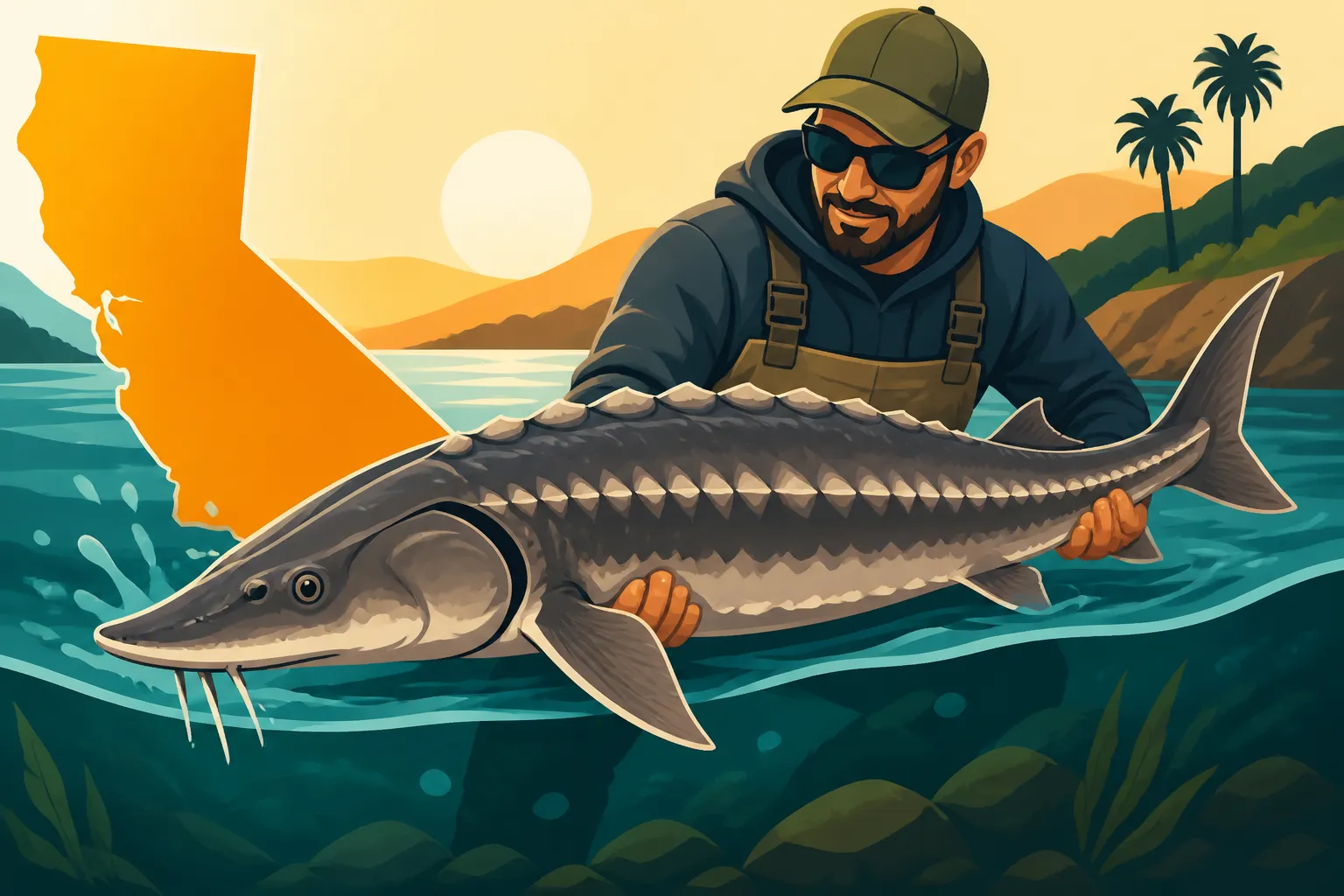
The White Sturgeon (Acipenser transmontanus) is the largest freshwater fish in North America, with some individuals growing to over 20 feet in length and living for more than 100 years. These are the giants anglers dream of catching. They are characterized by their lighter, grayish-white coloration, a pointed snout, and a single row of prominent bony plates (scutes) along their sides. In California, White Sturgeon are a prized sport fish, but their populations are carefully managed, which is why strict catch-and-release rules often apply, with specific slot limits for retention during certain periods. They are primarily found in the Sacramento-San Joaquin Delta and its tributary rivers, as well as San Pablo Bay and Suisun Bay, where they feed on a variety of benthic organisms.
The Green Sturgeon (Acipenser medirostris), on the other hand, is a federally protected species and it is illegal to target or retain them. They are easily distinguished by their darker, olive-green to black coloration, a broader, shovel-like snout, and two rows of bony plates between the anus and the anal fin, compared to one row on a White Sturgeon. Green Sturgeon are also generally smaller than White Sturgeon, though still substantial, typically reaching lengths of 7 feet. If you accidentally hook a Green Sturgeon, you must immediately release it unharmed. Knowing the difference is not just good practice, it's the law, and unfamiliarity can lead to hefty fines and penalties. Always prioritize careful identification before making any decisions about a hooked fish.
Essential Regulations and Report Cards
California has some of the most stringent fishing regulations, and sturgeon are no exception. These rules are designed to protect the population, especially given their long lifespans and slow reproductive rates. Getting to grips with the California Fishing Regulations Explained is your first step.
First and foremost, you'll need a valid California Fishing License Guide. On top of that, anyone fishing for sturgeon in California, regardless of age, must also possess a California Sturgeon Report Card. This isn't just a piece of paper; it's a vital data collection tool for the California Department of Fish and Wildlife (CDFW). Each time you catch a sturgeon, whether you retain it or release it, you are required to punch out the corresponding date on your card. If you retain a legal White Sturgeon, you must immediately record the date, location, and length on the card. This information, when returned to the CDFW by the annual deadline, helps biologists monitor population health and make informed management decisions. Don't forget, these cards have specific deadlines for return, even if you didn't catch anything, so make sure to check the California Sturgeon Report Card guidelines every year.
When it comes to retaining White Sturgeon, the rules are very specific. There’s a narrow "slot limit" for size, meaning the fish must be within a certain minimum and maximum length to be legally kept. These limits can change, so always consult the most current regulations booklet. For example, the typical slot limit for White Sturgeon is between 40 and 60 inches fork length (measured from the tip of the nose to the fork in the tail). Fish smaller or larger than this slot must be immediately released. Additionally, there’s a strict annual bag limit and a daily bag limit, often allowing only one White Sturgeon per day and a limited number per year. This is important to remember to avoid penalties, so understanding the California Sturgeon Bag Limit Explained and California Sturgeon Size Limit Explained is paramount. Any fish outside the legal slot, or any Green Sturgeon, must be released unharmed. This often means cutting the line rather than trying to remove a deeply set hook.
Prime Sturgeon Fishing Locations in California
California offers some fantastic opportunities for sturgeon fishing, particularly in the sprawling estuarine system of the Delta and its surrounding bays. These areas provide the perfect blend of freshwater and saltwater, abundant food sources, and the deeper channels that sturgeon prefer.
Delta and Bay Area Hotspots
The undisputed king of sturgeon fishing in California is the Sacramento-San Joaquin Delta. This vast network of rivers, sloughs, and channels is a primary habitat for White Sturgeon. Anglers flock here, especially during peak seasons, drawn by the chance to hook into a true monster.
- San Pablo Bay and Suisun Bay: These bays are critical staging areas and feeding grounds. In winter months, especially after heavy rains bring fresh water and nutrients down from the rivers, sturgeon congregate in the deeper channels and holes of these bays. Popular spots include the Pumphouse and the deep water near the Carquinez Strait. The strong currents here mean you'll need heavy sinkers to keep your bait on the bottom. Fishing from anchored boats is the most common method, using stout rods and plenty of patience. These bays can get choppy, so always check marine forecasts before heading out.
- Sacramento River: Upstream from the Delta, the lower stretches of the Sacramento River, particularly around areas like Rio Vista and Isleton, are prime spots. The river offers a mix of deep holes, submerged structure, and varying current speeds. Many anglers target areas where the river bends or where sloughs meet the main channel, as these create natural ambush points for sturgeon. During the winter, the Sacramento River Fishing Guide can point you to specific known wintering holes where sturgeon can stack up.
- San Joaquin River: While often overshadowed by the Sacramento, the San Joaquin River also holds a healthy population of sturgeon, especially in its lower reaches closer to the Delta convergence. Similar to the Sacramento, look for deeper channels, drop-offs, and areas with slower currents adjacent to faster flows. The stretch near Antioch and Pittsburg can be very productive. Check out our San Joaquin River Fishing Guide for more localized tips.
The beauty of the Delta system is its immense size and complexity. Successful sturgeon fishing often involves a bit of exploring and learning the nuances of specific stretches of water. Tides play an enormous role here, influencing current, water depth, and how sturgeon move and feed.
Lesser-Known Rivers and Estuaries
While the Delta and its associated bays are the most famous, sturgeon can occasionally be found in other California waterways, particularly coastal estuaries that connect to larger river systems. However, these are generally less reliable for consistent sturgeon fishing.
For instance, the lower reaches of some coastal rivers might see transient sturgeon, but these encounters are rare and usually incidental. The key takeaway is that the vast majority of California's fishable White Sturgeon population resides within the Sacramento-San Joaquin Delta and its immediate tidal bays. Anglers looking to maximize their chances will focus their efforts in these well-known productive zones. Remember that Green Sturgeon, being a protected species, may be present in more diverse coastal estuaries and river systems during their migrations, but they are not to be targeted under any circumstances. Always be prepared to identify and release any non-target species immediately and safely.
Effective Sturgeon Fishing Techniques and Gear
Sturgeon are powerful, bottom-dwelling fish with incredibly tough mouths. Successfully hooking and landing them requires specialized techniques and robust gear that can withstand immense pressure. Forget your standard bass setup; we’re talking heavy artillery here.
Best Baits and Rigs for Sturgeon
Sturgeon are primarily scavengers with an excellent sense of smell, so scent is paramount. Fresh, natural baits are almost always the most effective.
-
Baits of Choice:
- Ghost Shrimp: Often considered the gold standard, especially in the bays. Their natural scent is irresistible. You can buy them live or frozen.
- Eel: Cut pieces of lamprey eel (not the marine moray eels) are extremely effective, particularly in river systems. Their oily, pungent scent carries well in the current. Brands like Pautzke's Nite Brite Salmon Eggs are often used as a scent booster, smeared on baits or added to scent cages.
- Shad: Freshly cut shad, especially the belly or a chunk of the body, is another potent bait, particularly when shad are running.
- Sardines and Anchovies: While typically associated with saltwater fishing, fresh or brined cut pieces can also attract sturgeon, especially in the brackish bay areas.
- Pile Worms/Blood Worms: These can be effective, especially for smaller sturgeon or when other baits aren't working.
- Roes: Salmon or steelhead roe, often cured, can also be a good option for scent and appeal.
-
Rigging for Success: The most common and effective rig for sturgeon is the sliding sinker rig (Carolina rig variation). This allows the fish to pick up the bait and move off with it without feeling the full weight of the sinker, which is crucial for getting a good hook set.
- Main Line: Start with your main line.
- Sliding Sinker: Thread a heavy pyramid or flat sinker (usually 8-16 oz, sometimes more in strong currents) onto your main line.
- Bead: Add a plastic bead to protect your knot from the sinker.
- Swivel: Tie on a heavy-duty barrel swivel.
- Leader: To the other end of the swivel, tie a strong monofilament or fluorocarbon leader (60-100 lb test, typically 18-36 inches long). Many anglers prefer monofilament for its stretch, which can act as a shock absorber against powerful runs.
- Hook: At the end of the leader, tie a stout, sharp circle hook. Circle hooks are highly recommended and often required by regulation for sturgeon fishing, as they are designed to hook in the corner of the fish's mouth, minimizing gut hooking and making release easier and safer for the fish. Sizes typically range from 7/0 to 10/0, depending on bait size and target fish.
When baiting, try to present your bait naturally. For ghost shrimp, thread them on the hook so they stay intact. For cut baits, ensure the hook point is exposed. Remember, these are scent-oriented feeders, so fresh bait is key. Our Best Bait for California Sturgeon article delves deeper into specific bait preparation.
Rods, Reels, and Lines for Fighting Giants
This isn't a game for light tackle. Sturgeon are incredibly strong and can make blistering runs, often peeling hundreds of yards of line off your reel. You need gear that's up to the task.
- Rods: Look for heavy-action rods, typically 7 to 9 feet in length, rated for 40-80 lb test line. Many sturgeon-specific rods are made of fiberglass or composite materials, providing the necessary backbone to set heavy hooks and absorb powerful headshakes, yet having enough flexibility in the tip to detect subtle bites. Popular options might include brands like Ugly Stik or Penn. When looking for a new rod, checking out reviews on Amazon can give you a good idea of what other anglers prefer for the demanding sport of sturgeon fishing.
- Reels: A robust conventional (baitcasting) reel with a smooth, powerful drag system and high line capacity is essential. Penn Squall, Shimano TLD, or Daiwa Sealine reels are common choices. You'll want something that can comfortably hold 250-400 yards of heavy line. The drag system is critical; it needs to be smooth and capable of applying significant pressure without binding or chattering, which can lead to snapped lines or pulled hooks. Many top-tier reels can be found on Amazon, offering a wide array of choices for different budgets.
- Line: Your main line should be braided superline, typically 60-100 lb test. Braid offers superior strength-to-diameter ratio, no stretch (which helps with hook sets at long distances), and excellent abrasion resistance. However, because braid has no stretch, it's crucial to use a monofilament or fluorocarbon leader to provide some shock absorption. A heavy leader (60-100 lb mono or fluoro) is also vital for resisting the abrasive nature of a sturgeon's mouth and the rough bottom. Spooling up with quality line, easily accessible on Amazon, is a non-negotiable step.
Always check your knots, leaders, and hook points regularly. A frayed line or dull hook can mean the difference between landing a trophy and losing a fish of a lifetime. The sheer power of these fish demands that your gear be in pristine condition.
Timing Your Sturgeon Adventures for Success
Fishing for sturgeon isn't just about having the right gear and bait; it's also about understanding when and where these elusive fish are most likely to be biting. Environmental factors play a huge role in their behavior.
Best Seasons and Tides
Sturgeon fishing in California is often best during the colder months, primarily late fall through early spring, roughly from November to April.
- Winter (November-February): This is often considered prime time. As temperatures drop and freshwater flows increase from winter rains, sturgeon move from the ocean into the bays and rivers to feed and eventually spawn. The cooler water also means higher oxygen levels, which sturgeon appreciate. During this period, they tend to congregate in deeper holes and channels, making them more predictable targets.
- Spring (March-April): As water temperatures gradually rise, sturgeon activity can remain high, especially as they prepare for or complete their spawning runs. This can be a very productive time, but success can start to dwindle as water temperatures continue to climb.
- Summer and Early Fall: While sturgeon are present year-round, fishing typically slows significantly during the warmer months (May-October). Higher water temperatures can make them less active, and they may move into deeper, cooler sections of the river or even out into the Pacific Ocean in search of more comfortable conditions.
Tides are arguably even more critical than seasons, especially when fishing in the San Francisco Bay and Delta regions. Sturgeon are heavily influenced by tidal movement.
- Slack Tide (especially the transition from outgoing to incoming): Many experienced sturgeon anglers swear by the hour before and after a slack tide. The theory is that as the current slows down, bait settles on the bottom, making it easier for sturgeon to feed. The change of tide often stirs up the bottom, releasing scents and attracting fish.
- Strong Tidal Movement: While slack tide is often preferred for feeding, strong currents can also concentrate bait and fish. However, fishing in strong currents requires heavier sinkers and can make detecting subtle bites more challenging. It's often a balancing act between current flow and fish activity.
Understanding how to read tide charts and planning your trip around favorable tidal swings will dramatically increase your chances of success. Our California Sturgeon Season Dates Explained provides more insight into specific seasonal patterns.
Reading the Water and Environmental Factors
Beyond seasons and tides, several other environmental factors can influence sturgeon behavior and your fishing success. Becoming a keen observer of the water can give you a significant edge.
- Water Clarity: Sturgeon, relying heavily on their sense of smell and barbels (whiskers) to find food on the bottom, can tolerate and even thrive in murky or turbid water. In fact, some anglers find that slightly off-color water, often caused by recent rains and runoff, can improve fishing by reducing visibility and encouraging sturgeon to move around more freely in search of food. Extremely clear water might make them more wary.
- Water Temperature: As mentioned, sturgeon prefer cooler water. While they can tolerate a range, their feeding activity tends to be highest when water temperatures are in the 50s and low 60s Fahrenheit. Very warm water can make them lethargic.
- Water Flow/Current: In river and estuarine environments, current is everything. Sturgeon often position themselves in eddies, behind submerged structures, or in deeper channels where the current is slightly reduced, allowing them to conserve energy while waiting for food to drift by. Too much current can make it difficult to hold bottom with your bait, while too little current might mean less scent dispersion. Pay attention to how the current behaves in your chosen spot; observing subtle changes can reveal prime holding areas.
- Barometric Pressure: Like many fish species, sturgeon can be affected by changes in barometric pressure. Stable or rising pressure often correlates with more active feeding, while rapidly dropping pressure before a storm might make them less inclined to bite. While harder to predict, keeping an eye on weather patterns can be beneficial.
Ultimately, successful sturgeon fishing is a blend of patience, persistence, and adapting to the conditions. Keep an eye on local fishing reports, talk to bait shop owners (they’re often a wealth of current information!), and pay attention to what's happening on the water around you. The more you learn to "read" the water, the better your chances of landing one of California's magnificent prehistoric giants. For even more detailed tactics, check out our How to Fish for Sturgeon in California guide.
Here's a quick overview of key White Sturgeon regulations:
| Regulation Type | White Sturgeon (in effect for most of California) | Green Sturgeon (Protected Species) |
|---|---|---|
| License Required | Valid California Sport Fishing License AND Sturgeon Report Card | Valid California Sport Fishing License AND Sturgeon Report Card (incidental catch) |
| Size Limit | 40-60 inches Fork Length (catch-and-release outside this slot) | ZERO retention, must be released immediately and unharmed |
| Daily Bag Limit | 1 legal White Sturgeon per day | ZERO |
| Annual Limit | 3 legal White Sturgeon per year | ZERO |
| Hook Type | Barbless circle hooks recommended (often legally required in some areas; check current regulations) | Barbless circle hooks recommended |
| Report Card | Required. Must punch card immediately upon catch (even if released) and record retained fish. | Required for incidental catch; must punch card. No retention. |
| Targeting | Legal to target White Sturgeon | Illegal to target. If caught incidentally, release immediately. |
Always consult the current California Freshwater Sport Fishing Regulations booklet for the most up-to-date and specific rules before heading out, as regulations can change seasonally or yearly.
Disclaimer
Fishing regulations and conditions in California can change frequently. The information provided in this guide is for general informational purposes only and should not be considered legal advice. Always consult the latest California Department of Fish and Wildlife regulations booklet or their official website before any fishing trip to ensure compliance with all current laws and to obtain the necessary licenses and report cards.