How to Fish for Sturgeon in California
If you've ever dreamt of battling a true freshwater leviathan, the kind that tests your grit and gear to the absolute limit, then you've likely set your sights on California's majestic sturgeon. These ancient, powerful fish are notoriously challenging to hook and land, often leaving anglers feeling frustrated and empty-handed. But don't you worry, because this guide is going to walk you through the precise strategies, essential gear, and local insights you need to successfully fish for sturgeon in California, turning those dreams into thrilling realities.
Understanding California Sturgeon Fishing
Before you even think about casting a line, it's crucial to understand the magnificent creatures you're targeting and the waters they inhabit. Sturgeon are living fossils, incredibly resilient, and require a thoughtful approach to fishing that prioritizes their conservation.
White Sturgeon vs. Green Sturgeon
In California, you'll primarily encounter two species of sturgeon: White Sturgeon and Green Sturgeon. It's vital to know the difference because their legal status and conservation efforts are very different.
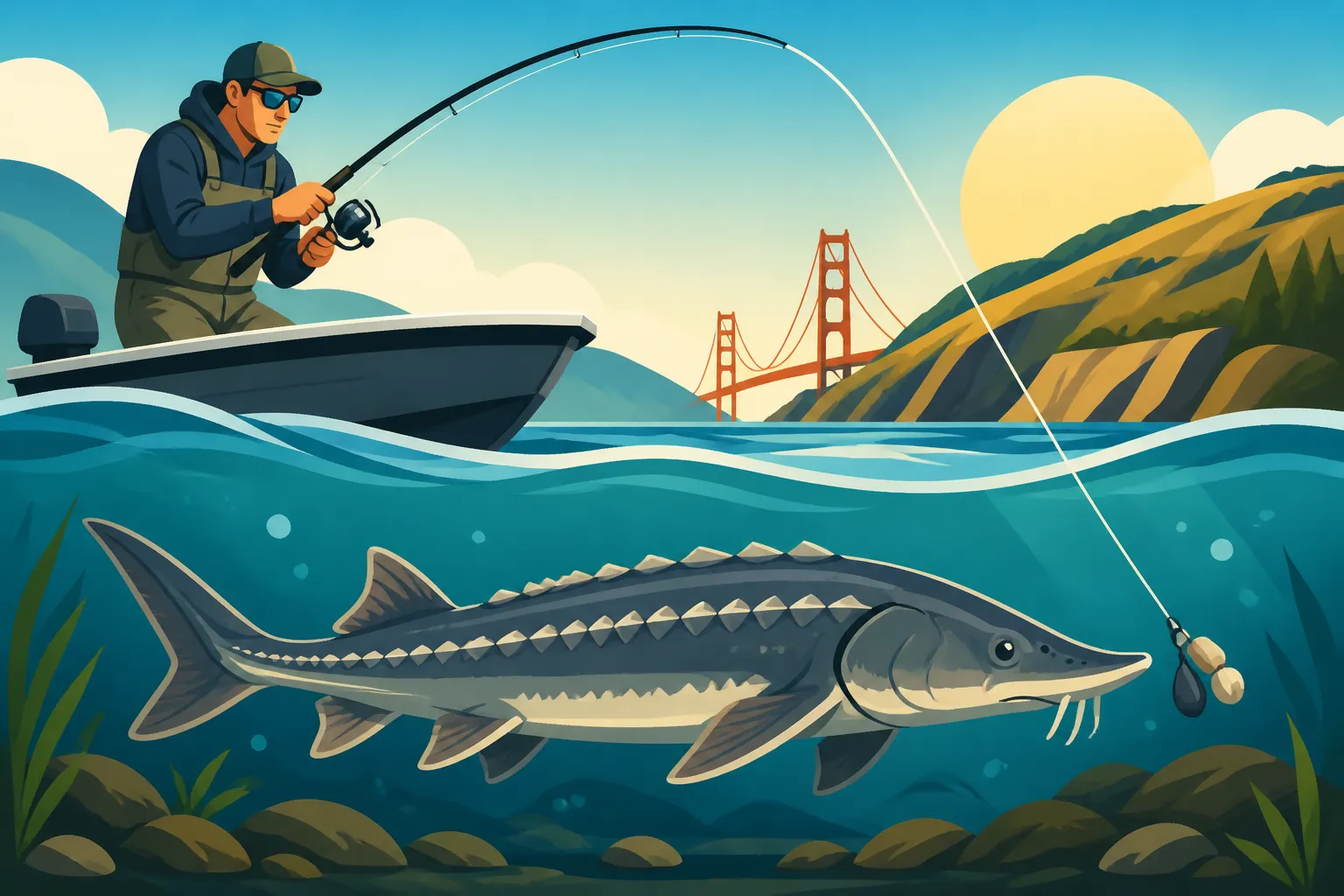
White Sturgeon are the largest freshwater fish in North America, with some specimens growing over 10 feet long and living for more than 100 years. These are the giants that most anglers are targeting, and they are catch-and-release only in many areas, or have very strict slot limits when retention is allowed. You'll typically find them in the Sacramento-San Joaquin River Delta and its tributaries, as well as some coastal bays. They have a more pointed snout and a row of bony plates (scutes) down their back and sides.
Green Sturgeon, on the other hand, are a federally protected species and it is illegal to target or retain them. If you accidentally hook a Green Sturgeon, you must release it immediately and unharmed. They are generally smaller than White Sturgeon, rarely exceeding 7 feet, and have a broader, flatter snout, along with a distinct row of scutes that often appear greenish. Their habitat overlaps with White Sturgeon, especially in the Delta, making identification paramount. Always double-check your catch before handling it excessively. Understanding these differences is the first step in responsible sturgeon fishing, aligning with the broader California Fishing Regulations Explained.
Prime Sturgeon Habitats in California
California offers some incredible opportunities to pursue sturgeon, mainly centering around the vast Sacramento-San Joaquin River Delta. This intricate network of rivers, sloughs, and bays provides the perfect mix of brackish and freshwater environments these fish adore.
The Sacramento River is arguably the most famous sturgeon fishery, particularly from Suisun Bay all the way upstream to the Knights Landing area. Key stretches include Pittsburg, Martinez, and the area around Sherman Island. The confluence of the Sacramento and San Joaquin rivers is a hotspot, as is Honker Bay. These areas provide deep channels, strong currents, and abundant food sources that attract and hold sturgeon. Other productive spots include the San Pablo Bay, where tides play a huge role, and sometimes even San Francisco Bay itself, especially near the mouths of the rivers. Knowing the specific depths, bottom structure, and current patterns in these locations can drastically increase your success rate. When planning your trip, you might find more localized insights by looking into Best Places to Catch Sturgeon in California.
Essential Gear for Sturgeon Fishing
Fishing for sturgeon isn't like casually flicking lures for bass. These are big, strong fish, and your gear needs to be up to the task. Skimping on tackle here will lead to heartbreak more often than not.
Rods, Reels, and Line Choices
Let's talk about the backbone of your sturgeon setup: your rod and reel. You need heavy-duty equipment that can withstand immense pressure.
For rods, think heavy action with a good backbone and a relatively soft tip. A rod in the 7 to 9-foot range with a line rating of 40-80 pounds is ideal. The heavy action allows you to cast heavy weights and fight powerful fish, while a sensitive tip helps you detect those subtle sturgeon bites. Many anglers prefer specialized "sturgeon rods" made by brands like Lamiglas or Shimano, designed specifically for this kind of brutal freshwater combat. You'll want a rod with comfortable handles for those long waiting periods and powerful battles.
Your reel needs to match the rod's power. Conventional baitcasting reels are the go-to choice for sturgeon. Look for models with a high line capacity (at least 250-300 yards of heavy line) and, most importantly, a smooth, powerful drag system. A reel with a drag rating of 25-30 pounds or more is essential. Popular choices often include models from Penn or Avet. Make sure your reel is clean, well-maintained, and has fresh drag washers, as a sticky drag is a sure way to lose a trophy sturgeon. You can find a great selection of these robust reels and rods on platforms like Amazon, often with reviews from fellow sturgeon enthusiasts.
Line choice is critical. Most serious sturgeon anglers use braided main line, typically 65 to 100-pound test. Braid offers incredible strength, minimal stretch (which means better bite detection), and a thinner diameter for its breaking strength. However, braid can be unforgiving, so you'll always want to tie on a monofilament or fluorocarbon leader. A 60 to 80-pound test monofilament leader, about 2-4 feet long, acts as a shock absorber, provides abrasion resistance against sharp scutes, and is less visible to the fish. When you're dealing with the sheer power of a sturgeon, having the right line combination can truly make or break your day.
Terminal Tackle and Rigs
Your terminal tackle is where the magic happens, connecting your line to your bait. Simplicity and strength are key.
The most common and effective sturgeon rig is a sliding sinker rig. This setup allows the sturgeon to pick up the bait and move off without immediately feeling the resistance of a heavy sinker. Here's what you'll need:
- Sinker Slide: A plastic or metal slide that attaches to your main line, allowing your sinker to move freely.
- Swivel: A heavy-duty barrel swivel (at least 150-pound test) tied to the end of your main line, which prevents line twist and acts as a stopper for your sinker slide.
- Leader: As mentioned, a 2-4 foot piece of 60-80 pound monofilament or fluorocarbon leader.
- Hook: A strong, sharp, wide-gap hook is essential. Circle hooks are mandatory in many California sturgeon fisheries, typically in sizes 7/0 to 10/0. Circle hooks greatly reduce gut-hooking, which is vital for catch-and-release survival. Always check current regulations regarding hook types, as rules can change.
- Sinker: Depending on the current and depth, you'll need pyramid or cannonball sinkers ranging from 8 ounces to a whopping 2 pounds! Having a variety of weights on hand is crucial.
Assemble your rig by sliding the sinker slide onto your main braided line. Then, tie your heavy-duty swivel to the end of your main line. Next, tie your monofilament leader to the other end of the swivel. Finally, tie your circle hook to the end of your leader. Attach your chosen sinker to the sinker slide, and you're ready to go! This setup is effective and easy to tie, making it a favorite for targeting these magnificent fish.
The Best Baits for Sturgeon
Sturgeon are primarily bottom feeders, and they have an incredible sense of smell. This means scent is your secret weapon. While there are many baits that can work, a few stand out as consistent producers.
Here are the top contenders:
- Ghost Shrimp: These are probably the most popular and effective bait for sturgeon in California. They emit a powerful scent trail that sturgeon find irresistible. You can buy them live or frozen, though live is often preferred. Rig them by threading them onto your circle hook, leaving the point exposed. Many anglers will "cocktail" them with other baits for an extra kick.
- Pacific Sardines: Cut sardines, especially oily ones, are another fantastic choice. Their strong scent disperses well in the current. Cut them into chunks or strips and thread them onto your hook. Some anglers swear by slightly fermented sardines for an even stronger smell.
- Lamprey Eel: While a bit harder to come by and often more expensive, lamprey eel is a known sturgeon killer. Its tough skin makes it durable on the hook, and its natural oils attract fish from a distance. Cut it into sections and present it effectively.
- Roe (Salmon or Shad): While perhaps more commonly associated with salmon or steelhead, fresh salmon or shad roe can also be very effective for sturgeon, especially when combined with other baits. The rich, natural oils and scent can draw them in.
- Squid: Easy to acquire and durable, squid can be a good secondary bait. While not always the top choice, it can be effective, especially when paired with a more pungent bait like ghost shrimp or sardine.
Many anglers also use scent enhancers like Pro-Cure or Mike's Glow Bait scent, applying them generously to their baits. A table comparing common sturgeon baits is below to help you choose wisely. Remember, when you're looking for these specific baits or scent products, online retailers like Amazon can be a convenient source, especially for non-perishable items or specialized scents you might not find locally. For more detailed insights into what these giants crave, check out our guide on Best Bait for California Sturgeon.
| Bait Type | Scent Factor | Durability on Hook | Availability | Primary Use Case |
|---|---|---|---|---|
| Ghost Shrimp | Very High | Medium | Moderate | Standalone or cocktail bait, highly effective |
| Pacific Sardine | High | Medium | High | Cut bait, excellent scent trail, widely used |
| Lamprey Eel | High | High | Low | Premium bait, very durable, strong attractant |
| Salmon/Shad Roe | Medium-High | Low | Seasonal | Scent boost, often used in combination |
| Squid | Medium | High | High | Durable, good secondary bait, pairs well |
Proven Techniques for Catching Sturgeon
Now that you've got your gear dialed in, let's talk about the actual fishing. Sturgeon fishing is often a game of patience, but employing the right techniques will significantly increase your odds.
Anchoring and Bait Presentation
One of the most crucial aspects of sturgeon fishing from a boat is proper anchoring. You need to position your boat so that your bait is presented naturally in the current, directly where sturgeon are likely to be feeding.
Typically, you'll anchor both bow and stern (known as a "two-point anchor") in deeper channels or along ledges where sturgeon tend to congregate. This keeps your boat stable and your lines from swinging wildly in the current. Use a heavy anchor in the bow, and a lighter "spot anchor" or drift sock in the stern to fine-tune your position. Aim to have your bait drifting naturally downstream from your boat, settled on the bottom. The idea is to create a scent trail that sturgeon can follow upstream to your offering. Some anglers will drop a "chum bag" up current of their baits, containing mashed sardines or potent bait bits, to enhance this scent trail even further.
Once anchored, casting your bait is straightforward. Cast your rig slightly upstream from your boat, allowing the current to carry your sinker and bait downstream until it settles on the bottom. Pay close attention to how your line settles – you want to feel the sinker hit bottom, then reel in just enough slack to keep tension without moving the bait. Your rod should be in a sturdy rod holder, with the clicker on or drag set light, ready for a bite. Remember that a sturgeon bite can range from a very subtle tap to a rod-bending thud.
Reading the Water and Tides
Sturgeon are highly influenced by current and tides, especially in the Delta. Understanding these factors can be the difference between a slow day and a banner day.
The best fishing often occurs during the last few hours of an incoming tide and the first few hours of an outgoing tide. These "moving water" periods concentrate baitfish and create strong scent trails that sturgeon use to hunt. Slack tide (when the water is not moving) can be tougher, as the scent doesn't spread as effectively, and sturgeon activity tends to slow. Many experienced anglers will follow the tide, moving from one spot to another to stay in optimal current conditions. For example, if fishing near Pittsburg, they might fish the incoming tide there, and then move towards Antioch for the outgoing tide, or vice-versa.
You'll also want to pay attention to water clarity and temperature. While sturgeon can tolerate a range of conditions, overly muddy water after heavy rains can slow them down, and extreme temperature swings can make them less active. Look for areas where baitfish are present, as sturgeon are rarely far from their food source. Local knowledge is invaluable here, and checking recent fishing reports or talking to bait shop owners can provide real-time insights into where the bite is hot and what the California Fishing Seasons: Month-by-Month Guide says about peak times.
Hook Set and Fighting Sturgeon
When that rod tip finally goes down, the real fun begins! Sturgeon bites can be notoriously tricky. Sometimes it's a gentle tap-tap-tap, other times a slow, deliberate pull, and occasionally a violent thud.
With a circle hook, you don't need a massive, sweeping hook set. In fact, a hard hook set can actually pull the bait out of the fish's mouth. Instead, when you feel a sustained pull or the rod starts to bend steadily, simply pick up the rod, reel down smoothly until you feel resistance, and apply steady pressure. The circle hook is designed to slide into the corner of the fish's mouth as tension is applied. If the fish starts peeling line, just let it run.
Fighting a sturgeon is a test of endurance and technique. Keep steady pressure on the fish, pumping the rod up and reeling down to gain line. Be prepared for long runs, powerful headshakes, and even impressive jumps from larger fish. Keep your drag set appropriately – tight enough to apply pressure, but loose enough to allow the fish to take line when it surges. Avoid putting too much strain on your tackle, especially during long runs. Work the fish systematically, maintaining a low angle if possible to prevent it from jumping, and always be aware of where other lines or obstacles might be. Landing a big sturgeon is truly a team effort, so if you're with a fishing buddy, make sure you communicate. These fish are incredible fighters, and landing one is a memory you won't soon forget!
Navigating Sturgeon Regulations and Conservation
Fishing for sturgeon in California isn't just about catching them; it's about doing it responsibly and legally. The California Department of Fish and Wildlife (CDFW) has stringent regulations in place to protect these magnificent, slow-growing fish. Ignoring these rules can lead to significant fines and penalties.
Size and Bag Limits
Sturgeon regulations are among the most complex in California, and they can change, sometimes yearly, so always consult the most current CDFW regulations booklet before heading out. Generally, for White Sturgeon, there is a specific "slot limit" for retention, meaning fish must fall within a minimum and maximum size range to be kept. For instance, a common slot might be 40 to 60 inches fork length (measured from the tip of the nose to the fork of the tail). Fish smaller or larger than this slot must be released immediately and unharmed. These slot limits are designed to protect the breeding population of larger, older fish and the younger, developing fish.
The bag limit is typically one fish per person per year, and there's often an annual possession limit. This means you can only keep one White Sturgeon in a calendar year. This strict limit underscores the importance of catch-and-release and the conservation ethic surrounding these species. Remember, Green Sturgeon are federally protected and no retention is allowed under any circumstances. Any Green Sturgeon caught must be released instantly. For the most up-to-date details, be sure to consult our comprehensive guide on California Sturgeon Regulations and Limits.
Sturgeon Report Card Requirements
Beyond your standard California Fishing License Guide, if you plan to fish for sturgeon, you are required to purchase a California Sturgeon Report Card. This isn't just a formality; it's a critical tool for biologists to gather data on sturgeon populations and fishing effort.
Upon purchasing your Sturgeon Report Card, you'll receive a physical card with a series of tabs. If you catch a White Sturgeon within the legal slot limit and decide to keep it, you must immediately cut out and permanently attach the corresponding numbered punch tab to the fish's gill plate. You also need to record the date, location, and length of the fish on the card. If you catch and release a White Sturgeon, you must record that as well, noting whether it was legal size or not. All Green Sturgeon, regardless of size, must be recorded as catch-and-release.
Even if you don't catch or keep any sturgeon, you are still required to return your Sturgeon Report Card to the CDFW by the specified deadline (usually January 31st of the following year). This data is invaluable for managing the fishery. Failing to purchase a card, neglecting to validate it correctly, or not returning it can result in citations and fines. This highlights why understanding your California Sturgeon Report Card is just as important as knowing your fishing techniques.
Catch-and-Release Best Practices
Given the vulnerability of sturgeon and the importance of conservation, responsible catch-and-release practices are paramount, especially for White Sturgeon that fall outside the slot limit or any Green Sturgeon caught.
Here are some best practices to minimize stress and ensure the sturgeon's survival:
- Minimize Fight Time: Use appropriate heavy tackle to land the fish as quickly as possible without over-stressing it.
- Keep Fish in Water: If possible, do not remove the sturgeon from the water. Unhook it while it's still swimming alongside your boat. If you need to bring it aboard for a quick measurement or photo (only for legal-sized White Sturgeon you plan to retain), ensure it's kept wet, handled gently, and returned to the water swiftly.
- Support the Body: If you must lift a sturgeon for a photo, support its entire body horizontally to avoid damaging internal organs. Never lift a large sturgeon by its tail alone.
- Use Barbless Hooks: While not always mandatory, using barbless hooks (or crimping down barbs on existing hooks) makes unhooking much easier and faster, reducing injury to the fish.
- Cut the Line: If a hook is deeply set and removal would cause excessive damage, cut the line as close to the hook as possible. The hook will likely rust out over time.
- Revive the Fish: Before releasing, hold the fish gently in the water, facing into the current, until it regains its strength and can swim away on its own. This is especially important for larger fish or those that put up a long fight.
By following these guidelines, you're not just adhering to the law, but you're also doing your part to ensure that future generations can experience the thrill of fishing for these incredible prehistoric fish. Learning about California Catch-and-Release Rules in general will benefit all your fishing adventures.
Disclaimer
Fishing regulations, including bag limits, size limits, and open seasons, can change frequently. It is always your responsibility to consult the most current California Department of Fish and Wildlife (CDFW) regulations before engaging in any fishing activity. This guide is for informational purposes only and should not be considered a substitute for official CDFW documentation.