California Mooching for Beginners
There is nothing quite like the feeling of standing on the deck of a boat off the California coast, watching your line drift out into the Pacific swell, and waiting for the telltale tap of a hungry fish. But if you have ever tried to figure out how to target Pacific salmon or coastal halibut without spending a fortune on downriggers, heavy trolling booms, and complicated vessel electronics, it is easy to feel completely overwhelmed. That is where mooching comes in. This traditional, highly effective fishing technique offers a hands-on, budget-friendly way to present bait directly to aggressive predatory fish. This guide will break down everything you need to know about California mooching so you can head out onto the ocean or bay with complete confidence.
What is Mooching and Why Does It Work so Well in California?
If you talk to veteran anglers along the Pacific Northwest and Northern California coastline, you will hear mooching spoken of with a kind of quiet respect. Unlike high-speed trolling, where a boat engine pulls heavy hardware through the water column at a relentless pace, mooching relies on the gentle motion of the boat, tide, and current to impart action to your bait. It is essentially a specialized form of drift fishing designed to make a dead or live baitfish look like a wounded, fluttering meal that an opportunistic predator simply cannot pass up.
Mooching originated as a clever way to catch hungry Pacific salmon without scaring them off with noisy engine rumble or bulky boat gear. Over the decades, California anglers adapted the technique to target a wide variety of coastal predators. The secret lies in the natural drop-and-rise motion of your rig. As your line drops into the water column, the bait spins slowly; as you reel it back up toward the surface, the bait climbs sharply, mimicking an escaping baitfish. This constant vertical movement triggers a strong reaction strike from surrounding fish.
The Mechanics of Mooching vs. Traditional Trolling
To truly understand why mooching works, it helps to contrast it with classic trolling setup mechanics. In conventional ocean trolling, heavy lead weights or downrigger balls lock your line at a specific depth while the vessel maintains a continuous speed over ground. The fish hit the lure against the resistance of the heavy downrigger clip or weight.
Mooching flips this dynamic entirely on its head. The vessel is typically dead in the water, drifting alongside ocean currents, or bumping in and out of gear at an absolute crawl. You drop a light-to-moderate sinker down through the water column, allow it to settle near the bottom or in a known fish zone, and then manually manipulate the depth using your rod and reel. Because there is minimal line resistance and no downrigger clip in the way, you feel every single bite, nibble, and subtle weight change directly through your fingertips. It transforms fishing from a passive waiting game into an active, heart-pounding sport.
Target Species and Ideal California Water Conditions
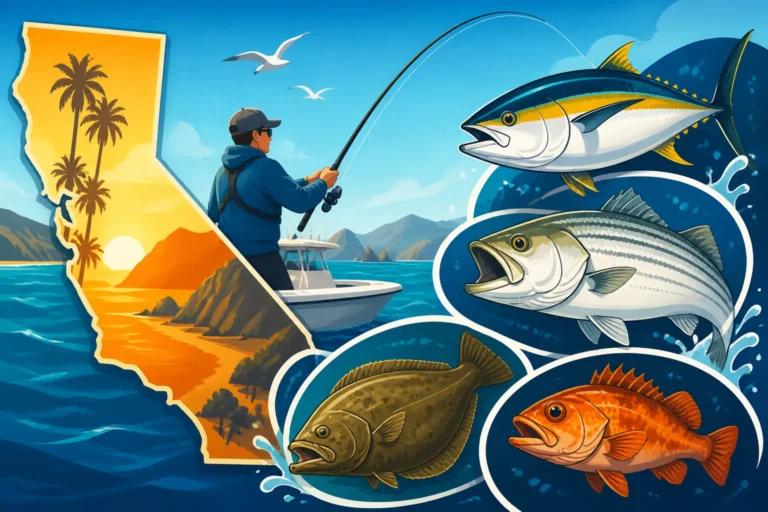
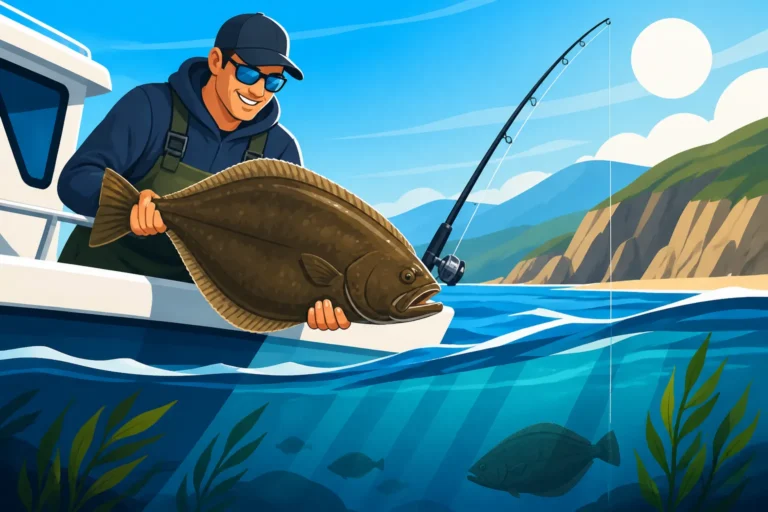
While mooching is historically associated with king salmon, California’s diverse coastal marine ecosystems make it an incredibly versatile tactic. The two primary targets for local anglers are Chinook salmon and California halibut. However, it is not uncommon to hook into lingcod, giant cabezon, hungry rockfish, and occasionally striped bass while working a mooching rig through coastal waters.
The ideal water conditions for mooching occur when you have a manageable tidal drift—typically between 0.5 and 2 knots—and decent underwater visibility. Deep channels, sub-surface structure, tidal current edges, and underwater drop-offs are absolute magnets for baitfish like Pacific herring and northern anchovies. When large schools of bait stack up near underwater reefs or bay entrances, mooching allows you to keep your bait directly in the strike zone longer than fast-paced trolling ever could. If you want to explore broader regional strategies beyond mooching, check out our comprehensive breakdown of California Drift Fishing Tips and Techniques to broaden your skill set.
| Technical Metric | Classic Ocean Trolling | California Mooching |
|---|---|---|
| Boat Speed | 2.0 to 4.0 knots continuous | Dead drift or 0.5 to 1.5 knots (motor bumping) |
| Sinker Weight | Heavy downrigger weight or 16-32 oz drop lead | Light to medium slip-sinker (2 to 8 oz) |
| Target Depth Control | Locked via mechanical downrigger | Manual reel counting or line-counter tracking |
| Angler Engagement | Passive until fish strikes downrigger clip | Active continuous drop and retrieve cycling |
| Primary Rigging | Flashing blades, hootchies, spoons | Tandem-hook leader with fresh herring or anchovy |
| Bite Perception | Visual pop on downrigger rod tip | Direct tactile feel through rod blank and line |
Essential Gear and Rigging for California Mooching
One of the greatest joys of mooching is its minimalist nature. You do not need a expensive offshore fishing boat outfitted with thousands of dollars in power downriggers to be successful. A reliable medium-action ocean rod, a smooth conventional reel, a handful of terminal tackle pieces, and good fresh bait are all you need to get started.
Selecting the Right Rod, Reel, and Line Setup
Because mooching relies on feeling subtle strikes and soft bites, your rod selection plays an enormous role in your success. You want a long rod—typically between 8 feet 6 inches and 10 feet 6 inches—with a forgiving, moderate action and a soft rod tip. A stiff rod tip will cause a feeding salmon or halibut to feel tension and spit the bait before swallowing it, whereas a soft, parabolic rod tip bends gradually under tension without alerting the fish.
Pair your rod with a lightweight, smooth conventional or baitcasting reel featuring a reliable star drag or lever drag system. Many beginners opt for line-counter reels because they take the guesswork out of depth management, allowing you to quickly return your bait to the exact depth where you just marked fish. Spool your reel with 20-pound to 30-pound main line. High-visibility monofilament line is popular because its natural stretch acts as a shock absorber during violent headshakes, but many modern anglers prefer low-diameter braided main line paired with a long monofilament top-shot to maximize depth sensitivity and minimize water drag.
Constructing the Classic Mooching Rig Step-by-Step
The classic California mooching rig is simple, elegant, and designed to slide freely so a fish feels zero tension when picking up the bait.
- Thread the Sinker Slider: Slide a plastic sinker slide (or a simple plastic bead and bead-swivel setup) onto your main line. Attach a banana-style lead sinker or crescent sinker weighing between 2 and 8 ounces to the slider clip.
- Add a Cushioning Bead: Slide a soft rubber bead onto the main line below the sinker slider. This protects your main line knot from getting constantly bruised by the sliding lead weight.
- Tie a Quality Barrel Swivel: Securely tie a high-quality marine grade barrel swivel to the end of your main line using a Palomar knot or Improved Clinch knot.
- Attach the Tandem Leader: Tie a 6-to-9-foot leader made of 15-to-25-pound fluorocarbon or monofilament to the other side of the swivel.
- Snell the Hooks: Snell two solid barbless or barbed hooks in tandem onto the end of the leader, spaced approximately 3 to 5 inches apart depending on the overall size of your cut or whole bait.
To keep your leaders tangle-free and organized on the water, many anglers pick up pre-rigged leader holders or terminal tackle storage boxes on Amazon, which saves valuable time when fishing conditions are fast and chaotic.
Sourcing and Preparing Live or Dead Bait
Your bait is the star of the show when mooching. Fresh Pacific herring and northern anchovies are the absolute gold standard in California waters. Whenever possible, use fresh bait over frozen bait; fresh bait stays firm on the hooks longer, retains its natural oils, and provides a far superior action in the water.
If you are using dead herring or anchovies, cut the bait using a diagonal “cut-plug” bevel just behind the gills. Remove the guts cleanly. When pulled through the water, a properly cut-plugged bait will spin with a tight, fast drill-bit action that perfectly mimics a wounded baitfish trying to escape. If you are fishing live anchovies or live shiner perch for coastal halibut, hook the live bait gently through the nose or upper lip with the lead hook, allowing the trailing hook to ride freely alongside the flanks. Keeping your fresh bait cold is essential, so packing an insulated cooler or a reliable bait bucket sourced easily on Amazon will keep your bait firm and fresh throughout a long day under the California sun.
If you are planning to hit ocean waters specific to northern regions, take a quick moment to review Best Season for Salmon in California to make sure your trip aligns perfectly with peak local runs.
Step-by-Step Mooching Tactics for Beginners
Once you are out on the open water with your gear rigged and fresh bait prepped, it is time to put your plan into motion. Mooching requires patience, rhythmic execution, and close attention to detail.
Reading Ocean Currents, Drift Speed, and Depth
Before dropping your lines into the ocean, take a moment to assess the water conditions. Shift your engine into neutral and observe how fast your boat drifts across the surface. Your ideal drift speed for mooching is generally between 0.5 and 1.5 knots. If the wind is blowing hard and driving your boat too fast across the surface, your line will scope out at an extreme angle, forcing your sinker off the bottom and pulling your bait out of the strike zone. In these conditions, you can deploy a drift sock or periodically bump your boat’s engine into reverse to slow your momentum.
Pay close attention to your marine fish finder. Look for underwater structure like drop-offs, reef edges, and subsurface bait balls. Take note of the depth where bait schools are holding. For instance, if you are floating over 100 feet of water and marking large clusters of bait at 40 to 60 feet, that mid-water column zone is where you will focus your efforts.
The Drop and Retrieve Technique: How to Work the Water Column
- Position the Vessel: Drift over your chosen underwater structure, reef edge, or active bait ball.
- Lower the Sinker: Put your reel in free-spool, place your thumb lightly on the spool to prevent backlashes, and lower your sinker slowly into the water column. Count the pulls of line from your reel or rely on your line counter to measure depth accurately.
- Reach Target Depth: Stop the drop once your rig reaches the depth where fish or bait are showing on your electronics, or lower it all the way to the bottom if targeting halibut.
- Engage the Reel: Put your reel into gear and slowly begin cranking the handle. Use a steady, rhythmic retrieve—about 10 to 20 slow cranks of the handle—to pull the bait upward through the water column.
- Drop It Back Down: Pause briefly at the top of your retrieve, throw the reel back into free-spool, and allow the bait to flutter slowly back down to your starting depth.
- Repeat the Rhythm: Continue this drop-and-rise pattern continuously. Most strikes occur on the free-falling phase or immediately as you start cranking the bait back upward.
Recognizing the Bite and Setting the Hook
Recognizing a mooching bite requires a bit of practice because it does not look like a violent strike from a bass or trout. Often, as your bait falls through the water, your rod tip will simply stop pulsing, or you will feel a sudden loss of weight as a fish grabs the bait and swims upward with it. Other times, you will notice a soft rhythmic double-tap on the rod tip.
When you feel a bite, do not yank the rod violently to set the hook! This is the single biggest mistake beginners make. Swiping the rod immediately will pull the bait right out of the fish’s mouth before it has taken the tandem hooks completely. Instead, follow these steps:
- Keep the Rod Tip Down: Lower your rod tip toward the water surface and maintain a steady, smooth reeling motion.
- Reel Through the Resistance: Keep cranking the reel handle continuously until the rod loads up heavily and bows down toward the water under the full weight of the fish.
- Apply Steady Pressure: Once the rod is fully bent and line starts pulling off your drag, lift the rod firmly to seat the hooks securely into the fish’s jaw.
- Maintain Constant Tension: Fight the fish with steady, continuous pressure. Never give a hooked salmon or halibut slack line, as barbless hooks can easily dislodge during a jump or violent headshake.
For deeper insights into targeting specific species with this exact bite-handling rhythm, check out our guide on Mooching for Salmon in California for focused ocean tactics.
Best Times, Locations, and Rules for California Moochers
Mooching can be productive up and down the Golden State’s coast, but certain regions and seasonal windows stand head and shoulders above the rest. Knowing where to go and staying fully compliant with state wildlife regulations will ensure your outings are both fun and legal.
Prime Spots Across Northern and Central California
Northern and Central California feature world-class mooching locations thanks to nutrient-rich ocean upwellings and massive bay drainages that draw millions of baitfish every season.
- San Francisco Bay and the Golden Gate: The waters surrounding the Golden Gate Bridge, the Buoy 8 drift, and the flats inside San Francisco Bay Fishing Spots offer incredible seasonal mooching opportunities for both salmon and California halibut.
- Monterey Bay: The deep submarine canyon in Monterey Bay brings bait right up near shore, creating an exceptional mooching sanctuary for coastal anglers operating out of Santa Cruz or Monterey harbor.
- Half Moon Bay and Bodega Bay: These coastal ports offer direct access to rocky kelp edges, drop-offs, and productive gravel beds where salmon and bottom fish gather to feed on anchovy schools.
- Humboldt Bay and Shelter Cove: For northern anglers, the rugged Lost Coast offers some of the most dramatic underwater structure in the state, making it ideal for mooching near reef formations.
If you are exploring coastal access points or planning a broader coastal journey, take a look at our roundup of Best Saltwater Fishing Spots in California to pick your next launching point.
Navigating Local Regulations, Licenses, and Report Cards
Before loading up your vessel or booking a launch slot, make sure your paperwork is completely up to date. California marine regulations are strictly enforced to protect sensitive marine ecosystems and sustain healthy fish populations for future generations.
Every angler aged 16 and older must hold a valid state sport fishing license when targeting fish in coastal waters. You can easily pick up a waterproof license holder or tackle pouch on Amazon to keep your paperwork dry and safe on board. Depending on your target species, you may also need specific stamps and report cards. For example, if you are targeting ocean salmon, you must purchase and carry a dedicated report card to record your catch immediately.
Make sure you read up on current bag limits, minimum size restrictions, barbless hook requirements, and seasonal ocean closures. For a full breakdown of requirements, start with our complete California Fishing License Guide and brush up on details regarding the California Salmon Punch Card Explained. Furthermore, always check local marine protected area maps to ensure you are not accidentally fishing inside a restricted no-take reserve.
To ensure you stay compliant on every trip, keep these key catch and legal limits in mind:
| Regulatory Category | Salmon Guidelines | Halibut Guidelines |
|---|---|---|
| Hook Requirements | Barbless hooks strictly required in ocean waters | Barbed hooks generally allowed in ocean zones |
| Minimum Size Limit | Variable by management zone and season | Strictly enforced length minimums state-wide |
| Report Card Needed | Mandatory salmon report card required | Standard fishing license required |
| Bag Limits | Strict daily possession limits per angler | Regional daily bag limits apply |
| Key Size & Possession Rules | Check California Salmon Regulations and Limits | Check California Halibut Size and Bag Limits |
Mooching is one of the most rewarding, hands-on, and pure ways to experience coastal fishing in California. By mastering your bait preparation, keeping your rigging light and simple, and learning to read the drift, you will open up a whole new world of exciting ocean adventures without breaking the bank. Grab your gear, head down to the coast, and enjoy every second of the slide!
Disclaimer
This article is for general informational purposes only and does not constitute professional advice. Laws, prices and regulations vary by location and change over time. Consult a qualified professional for guidance on your specific situation.