Best Season for Salmon in California
California salmon fishing can feel like chasing a ghost sometimes, with seasons opening, closing, and shifting seemingly at the drop of a hat. It's truly frustrating when you've planned a trip, only to find the regulations have changed or the fish just aren't showing up where they were last year. This guide is here to untangle the complexities of California's salmon seasons, helping you understand the factors at play and how to stay ahead of the curve to maximize your chances of a successful outing.
Understanding California Salmon Seasons: A Moving Target
Salmon fishing in California is deeply intertwined with the health of the fish stocks, particularly the Chinook (King) salmon, which are the primary target for anglers. Unlike some other fisheries that have predictable, static seasons, salmon runs are highly sensitive to environmental factors and are managed with a heavy hand through dynamic regulations. It's a dance between nature's whims and human conservation efforts, and it means "the best season" is rarely a fixed calendar date.
The Role of Ocean Conditions and Regulations
When we talk about salmon fishing, especially ocean salmon, we're talking about a species that spends most of its life at sea, bulking up on rich nutrients before returning to its natal rivers to spawn. What happens in the ocean directly impacts their numbers and availability along the coast. Factors like ocean temperatures, the abundance of baitfish such as anchovies and sardines, and the presence of krill blooms all play a crucial role. For instance, warmer ocean waters, often associated with El Niño events, can push baitfish further north or deeper, making it harder for salmon to find food, leading to smaller, less numerous returns. Conversely, strong upwelling — when nutrient-rich cold water rises from the deep — creates a thriving ecosystem that benefits salmon.
These fluctuating natural conditions are meticulously monitored by scientific bodies. Based on these stock assessments and environmental forecasts, regulatory bodies like the Pacific Fishery Management Council (PFMC) and the California Department of Fish and Wildlife (CDFW) set the rules. These aren't just suggestions; they are legally binding mandates that dictate when, where, and how you can fish for salmon. It can feel incredibly frustrating when seasons are delayed or even closed entirely, sometimes just weeks before they're supposed to open, but these decisions are made with the long-term health of the salmon population in mind. Their goal is to ensure enough fish return to spawn, safeguarding future generations. This constant adjustment is why it's vital to always consult the official California Fishing Regulations Explained before you even think about putting a line in the water.
Key Salmon Species and Their Cycles
While several salmon species exist in the Pacific, in California, the star of the show for anglers is undoubtedly the Chinook salmon, affectionately known as King salmon. These magnificent fish are prized for their size, fighting prowess, and delicious flesh. They have a fascinating life cycle: starting as eggs in freshwater rivers, migrating to the ocean as smolts, spending 2-5 years growing large in the Pacific, and then returning to their exact birth rivers to spawn and complete their life cycle. It's this anadromous journey that creates the "salmon runs" that anglers eagerly anticipate.
Another species, the Coho salmon (Silver salmon), also inhabits California waters. However, Coho salmon are currently listed as endangered or threatened under state and federal law, making them off-limits for recreational fishing. Any incidental catch of a Coho must be immediately released unharmed. So, when you're planning your California salmon adventure, your focus will almost exclusively be on the Chinook. Understanding the nuances of their ocean feeding patterns and their distinct freshwater return timing is key to mastering How to Catch King Salmon in California.
Prime Ocean Salmon Fishing Seasons by Region
California's vast coastline offers diverse salmon fishing opportunities, though the timing and intensity can vary significantly from north to south. The availability of salmon in the ocean is largely dictated by their feeding migrations and the proximity to major river systems where they will eventually spawn. Knowing which areas tend to produce at certain times can help you plan more effectively.
Northern California Coastal Waters (e.g., Fort Bragg, Eureka, Crescent City)
Up in Northern California, areas like Fort Bragg, Eureka, and Crescent City are often the first to see robust ocean salmon seasons. This region benefits from its proximity to major salmon-producing rivers like the Klamath and Trinity Rivers, which contribute significantly to the ocean salmon populations. The season here can often kick off in late spring, sometimes as early as April or May, and can extend well into early fall, frequently through September or even October, if conditions allow and conservation goals are met.
Anglers targeting salmon in these waters during peak times can expect good numbers of feeder fish — salmon actively foraging and growing larger before their spawning migration. Trolling with bait (like anchovies or herring) or artificial lures (hoochies, spoons) at various depths is a common and highly effective technique. Boat anglers will typically head offshore, looking for temperature breaks, bait balls, or signs of activity, often in depths ranging from 60 to 300 feet. The rugged coastline and deep ocean canyons provide excellent habitat, and the cooler, more stable northern ocean conditions often translate to more consistent seasons compared to areas further south. If you're looking for a longer, potentially more predictable salmon season, the North Coast is often your best bet, though always check the most recent California Salmon Season Dates Explained.
Central California Coastal Waters (e.g., San Francisco, Half Moon Bay, Monterey Bay)
Central California, particularly around the iconic San Francisco Bay, Half Moon Bay, and Monterey Bay, has a rich history of incredible salmon fishing. This area is strongly influenced by the massive Sacramento River system, which is the largest producer of Chinook salmon in California. While the fish are present, the opening of the season can often be a bit later than in the north, typically starting in late spring or early summer, around June or July, and running through late summer or early fall.
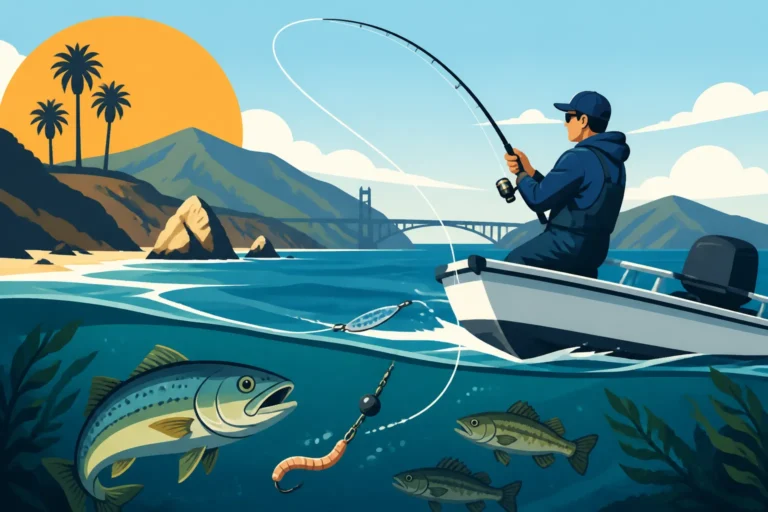
Once the season gets underway, fishing can be exceptional. Many anglers head out from popular ports like Berkeley, Emeryville, or Princeton Harbor (Half Moon Bay). The fishing often happens relatively close to shore, sometimes just outside the Golden Gate Bridge or along the coastal bluffs, where salmon congregate to feed. Party boats are incredibly popular here, offering a convenient way for many anglers to get out on the water. However, the Central Coast fishery is also highly susceptible to the annual regulatory reviews, and seasons can sometimes be shorter or more restrictive due to stock concerns, especially for the critically important fall run of Sacramento River Chinook. It's during these times that knowing California Ocean Salmon Regulations becomes absolutely paramount.
Southern California and its Infrequent Salmon Opportunities
For anglers dreaming of consistent salmon fishing, Southern California is generally not the place to be. While Chinook salmon are occasionally caught in Southern California waters, these instances are typically rare and opportunistic. The region lacks major salmon-spawning rivers, and the warmer ocean temperatures further south are less hospitable to salmon, which prefer cooler, more nutrient-rich waters.
Any salmon caught in Southern California are usually transient fish that have ventured far from their typical feeding grounds or spawning migration routes. They might be caught incidentally by anglers targeting other species like yellowtail or tuna. So, if your primary goal is to catch salmon, planning a dedicated salmon trip to San Diego, Orange County, or Los Angeles is not advisable. Instead, focus your efforts on the central and northern coasts. While it's always fun to get a surprise catch, don't set your expectations too high for salmon south of Point Conception.
The Intricacies of Freshwater Salmon Runs
After spending years growing fat in the Pacific, Chinook salmon heed an undeniable call to return to the freshwater rivers of their birth to spawn. This upstream migration, known as a "run," creates thrilling opportunities for anglers willing to venture into California's inland waterways. These runs are a testament to nature's incredible cycles, but they are also highly sensitive to water conditions and conservation needs.
Sacramento River System: The Heart of Inland Salmon Fishing
The Sacramento River system is, without a doubt, the lifeblood of California's freshwater salmon fishing. This vast network of rivers, including the main stem of the Sacramento, the Feather River, and the American River, hosts several distinct runs of Chinook salmon. The most prominent and heavily targeted is the Fall Run Chinook. These fish begin entering the San Francisco Bay and the Sacramento-San Joaquin Delta in late summer, with the run intensifying through September, October, and into November as they push further upstream towards their spawning grounds near Redding.
Fishing for these majestic fish in the Sacramento River can be incredibly rewarding. Anglers often target them from boats, drifting or back-bouncing cured roe (salmon eggs), or fishing with plugs and divers. Bank anglers also find success in accessible areas, especially closer to the lower stretches of the river and the Delta. The key here is timing and understanding where the fish are in their migration. Early in the run, they are typically silver and vibrant, full of fight, while later in the season, they transform into their spawning colors, becoming darker and more focused on reproduction. Understanding the specific nuances of fishing each section of this massive river system is essential for success. If you're planning a trip to this region, you'll definitely want to check out a California Delta Fishing Guide to maximize your chances.
Other Major River Systems (e.g., Feather, American, Klamath, Trinity)
While the Sacramento River might be the king, other river systems in California also host significant salmon runs, each with its own unique timing and character. The Feather River, a major tributary of the Sacramento, and the American River, which flows through Sacramento, both see strong fall Chinook runs, often mirroring the Sacramento's timing but with their own specific hotspots. Fishing on these rivers can offer fantastic opportunities for both boat and bank anglers.
Further north, the Klamath River and Trinity River systems are incredibly important for salmon, supporting significant populations of both fall-run and often spring-run Chinook. The seasons on these rivers are heavily managed and can be quite dynamic due to conservation concerns, particularly regarding tribal fishing rights and fish health. Anglers here often employ different techniques, including drift fishing with roe, bobber-and-jig setups, or even fly fishing in specific designated sections. The timing for these northern rivers can sometimes start earlier, with fish entering in late summer and continuing through fall. Regardless of the river, strict regulations on gear, bait, and catch limits are always in place, making it crucial to understand the California Freshwater Fishing Regulations specific to each waterway.
Gear and Techniques for Freshwater Salmon
Tackling powerful freshwater salmon requires robust gear and specialized techniques. Unlike ocean fishing where you might be trolling, river fishing often involves more direct engagement with the fish in currents. For many anglers, back-bouncing or drift fishing with cured salmon roe is a go-to method. This involves using a weighted leader to bounce the bait along the river bottom, imitating naturally drifting eggs. Plugs and lures, such as Kwikfish or Wiggle Warts, are also highly effective, especially when fished in deeper holes or current seams from a boat.
For those who enjoy a more active approach, spooning or spinner fishing can yield great results, casting and retrieving metallic lures that flash and vibrate to mimic injured baitfish. Fly fishing for salmon, while challenging, is also incredibly rewarding in certain designated fly-fishing-only stretches, requiring heavy rods and large flies that imitate eggs or baitfish. When choosing your gear, look for medium-heavy to heavy action rods (8-10 feet for river fishing) paired with stout baitcasting or spinning reels capable of handling strong runs and heavy line. Brands like Shimano, Daiwa, or even more accessible options on Amazon offer a wide range of suitable equipment. Don't forget durable line (20-30 lb monofilament or braid), strong swivels, and sharp hooks – quality terminal tackle is paramount when fighting a powerful King salmon.
Factors That Shift Salmon Seasons Year-to-Year
If you've spent any time following California salmon fishing, you know that "consistent" is rarely the word used to describe it. The seasons can be incredibly dynamic, with regulations and fish availability changing drastically from one year to the next. Understanding the underlying reasons for these shifts can help temper expectations and appreciate the delicate balance of this fishery.
El Niño/La Niña and Ocean Climate Patterns
One of the most significant influences on California's salmon runs comes from large-scale ocean climate patterns like El Niño and La Niña. These phenomena, which are part of the El Niño-Southern Oscillation (ENSO) cycle, profoundly impact ocean temperatures and currents across the Pacific.
An El Niño year typically brings warmer ocean water to the California coast. While this might sound pleasant for beachgoers, it's often bad news for salmon. Warmer waters tend to push the cold-water baitfish (like anchovies, sardines, and krill) that salmon feed on further offshore or into deeper, cooler zones. This means salmon have less food readily available, leading to poorer body condition, smaller sizes, and lower survival rates. Consequently, El Niño years often result in smaller returns of adult salmon to the rivers and more restrictive ocean fishing seasons.
Conversely, a La Niña year often brings cooler ocean temperatures and increased upwelling – the process where cold, nutrient-rich water from the deep rises to the surface. This upwelling fuels massive plankton blooms, which in turn support vast populations of baitfish. For salmon, a La Niña year means an abundant food supply, leading to healthier, larger fish and potentially stronger runs. Therefore, La Niña conditions are often associated with more productive salmon seasons. These large-scale climate patterns are crucial for understanding Why California Salmon Season Changes Yearly.
Drought, Water Management, and River Health
Beyond ocean conditions, what happens in California's rivers also directly impacts salmon, especially during their critical freshwater life stages. Drought is a perpetual concern in California, and low rainfall translates directly to low river flows. Salmon need adequate water depth and flow to migrate upstream, spawn successfully, and for their eggs and fry to survive. During severe drought years, rivers can become too shallow, too warm, or even impassable, creating significant barriers for returning adults and devastating conditions for juvenile salmon.
Water management practices, particularly around the state's extensive network of dams (like Shasta Dam on the Sacramento River), also play a critical role. Controlled water releases are often necessary to maintain suitable temperatures and flows for salmon migration and spawning, especially during dry periods. However, balancing agricultural, urban, and environmental water needs is a constant challenge. Decisions made about dam releases can have a direct impact on the success of a salmon run. Conservation efforts, such as habitat restoration projects that improve spawning grounds and rearing habitat, are ongoing and vital to help bolster salmon populations against these environmental stressors.
Regulatory Changes and Conservation Efforts
Given the complex interplay of ocean conditions, river health, and population dynamics, it's no surprise that salmon fishing regulations are among the most dynamic in California. The PFMC and CDFW use the latest scientific data on salmon abundance, ocean conditions, and river forecasts to set highly specific regulations each year. These decisions are made in public forums, often involving intense debate among various stakeholders, including commercial fishermen, recreational anglers, environmental groups, and tribal nations.
These annual regulatory adjustments can include changes to season dates (often delaying or shortening seasons), daily bag limits, size limits, and even gear restrictions. In recent years, due to critically low stock forecasts for key populations like the Sacramento River fall run Chinook, both the 2023 and 2024 ocean salmon seasons in California were almost entirely closed to recreational and commercial fishing. These closures are never popular, but they underscore the severity of the conservation challenges and the commitment to allowing as many fish as possible to return to spawn. This is precisely why obtaining a California Salmon Report Card and understanding its requirements is not just a formality but a part of the broader conservation effort, helping biologists track harvest data.
How to Stay Up-to-Date on California Salmon Seasons
Given the highly variable nature of California salmon seasons, staying informed is absolutely critical. You can't just assume what was true last year will be true this year. Being proactive and knowing where to look for the latest information can make all the difference between a successful trip and a frustrating one.
Official Resources and Fishing Reports
Your absolute first stop for any salmon fishing planning should be the official sources. The California Department of Fish and Wildlife (CDFW) website is the definitive authority for all state fishing regulations, including specific seasons, bag limits, and gear restrictions. They update their sport fishing regulations annually, and sometimes even mid-season if conditions change. Similarly, the Pacific Fishery Management Council (PFMC) website provides detailed information on federal ocean salmon management decisions, which often dictate the broader parameters of the ocean season. These are the rule-makers, so their sites are non-negotiable for serious anglers.
Beyond the official rulebooks, a wealth of practical, real-time information comes from local fishing reports. Websites like "The Fish Sniffer" or "Western Outdoor News" often publish weekly reports that detail current catches, hot spots, and effective techniques. Local tackle shops, especially those near popular salmon ports like Bodega Bay, Fort Bragg, or the Sacramento Delta, are goldmines of information. These shops live and breathe local fishing and often have the freshest intel from charter captains and experienced local anglers. Many also have online forums or social media pages where daily updates are posted. Regularly checking How to Read California Fishing Reports can give you a tactical edge and keep you prepared.
Charter Captains and Local Experts
For many, the best way to stay informed and increase your chances of success is to connect with experienced local charter captains and fishing guides. These professionals are on the water almost daily and have an intimate understanding of current conditions, fish movements, and regulatory nuances. They often know before anyone else when the fish are showing up, what bait they're hitting, and where the best spots are. A good charter captain will also be completely up-to-date on all the latest regulations, saving you the headache of poring over dense rulebooks.
Booking a trip with a reputable guide, particularly for freshwater river fishing, can be an invaluable learning experience. They can teach you the specific techniques that work for different river sections and conditions. For ocean fishing, a party boat or private charter can take you directly to the action, often providing all the necessary gear. Many of these captains are plugged into wider fishing networks, sharing information and collectively tracking the movements of salmon. While it might be an investment, the knowledge and access they provide can be priceless. This is why many experienced anglers start their planning by looking into California Fishing Charters: Complete Guide.
Planning Your Salmon Fishing Trip
Flexibility is truly your best friend when planning a salmon fishing trip in California. Given the annual variability, it's wise to have backup plans or be prepared to adjust your dates or target locations. Don't put all your eggs in one basket for a specific weekend months in advance, as regulations can change, or the fish simply might not cooperate with your calendar. Try to schedule with some wiggle room or have alternative species in mind if salmon prove elusive.
When it comes to gear, be prepared for California's varied conditions. A good quality rain suit is essential, even on a sunny forecast day, as conditions offshore or in the mountains can change rapidly. Beyond your rod and reel, having a reliable fishing knife, appropriate terminal tackle (swivels, weights, hooks), and a good cooler for your catch are must-haves. Many of these essential items can be easily purchased from major online retailers like Amazon, ensuring you're well-equipped for whatever the season throws at you. And always, always remember to purchase your California Fishing License Guide and any required report cards before you head out, because getting caught without one can ruin your entire day.
Ultimately, salmon fishing in California is a journey of learning and adapting. It's about respecting the fish, the environment, and the regulations designed to protect them. By staying informed and approaching each season with an open mind, you’ll be well-positioned to enjoy the incredible challenge and reward that chasing California King salmon offers, whether you're targeting them during California Fishing in Spring or California Fishing in Fall.
Disclaimer
The information provided in this guide is for general informational purposes only and is not intended to be a substitute for consulting official sources. Fishing regulations, seasons, and limits in California are subject to change at any time. It is the angler's responsibility to check the latest regulations issued by the California Department of Fish and Wildlife (CDFW) and the Pacific Fishery Management Council (PFMC) before engaging in any fishing activity. Always fish responsibly and ethically.