How to Troll for Lake Trout in Tahoe
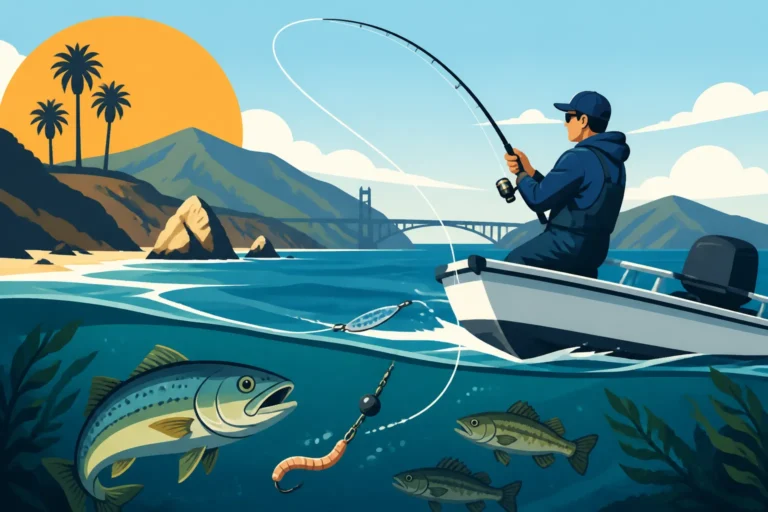
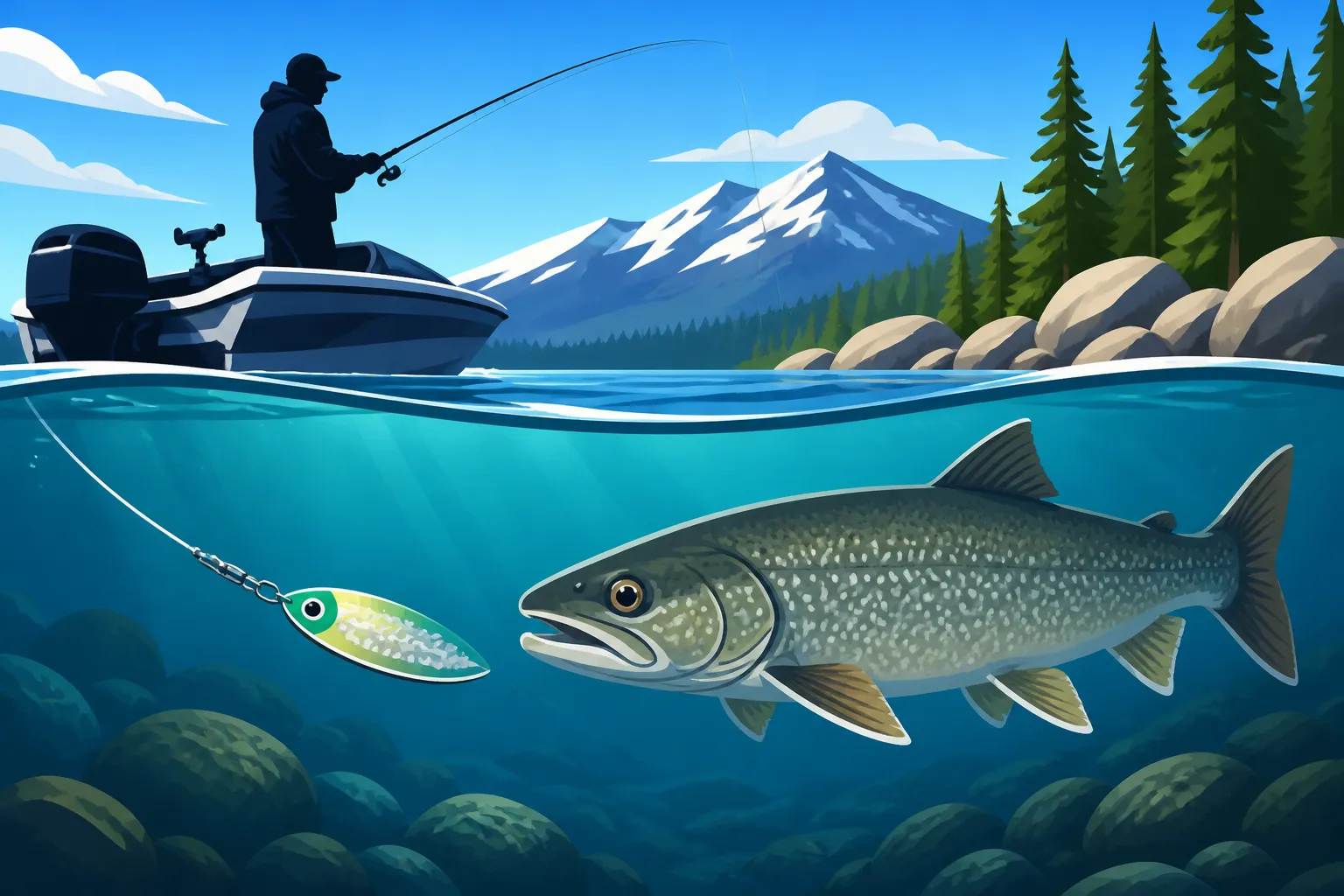
Lake Tahoe offers some of the most stunning scenery and, for the persistent angler, truly rewarding fishing experiences for one of its most enigmatic residents: the Lake Trout, affectionately known as Mackinaw. Trying to unlock the secrets of these deep-water giants can feel like cracking a safe, especially when you’re staring at miles of crystal-clear, incredibly deep water. This guide will take you step-by-step through the art and science of trolling for Mackinaw in Tahoe, equipping you with the knowledge to make those elusive bites a regular occurrence.
Understanding Lake Tahoe's Elusive Mackinaw
Before you even think about dropping a line into the sapphire waters of Lake Tahoe, it's crucial to understand the creature you're targeting. Mackinaw (or Salvelinus namaycush) are not your average trout; they are apex predators of the deep, thriving in cold, oxygen-rich environments. Their habits and habitat dictate every aspect of a successful trolling strategy.
Their Habits and Habitat
Lake Tahoe's Mackinaw are fascinating fish, perfectly adapted to their unique environment. Unlike rainbow or brown trout that often cruise shallower waters, Mackinaw prefer the cold, dark depths. They are primarily piscivorous, meaning they eat other fish, with kokanee salmon and sculpins making up a large part of their diet. This deep-water preference means you’ll rarely find them near the surface, especially once the water warms up. They are ambush predators, often holding tight to submerged structures like rocky ledges, underwater points, and deep humps, waiting for an unsuspecting meal to swim by. This means that merely dragging a lure through open water isn't enough; you need to understand where they hide and how to get your presentation right into their strike zone. Their diet also influences lure choice, as mimicking their natural prey is often key. You’re essentially trying to fool a sophisticated predator that lives in a vast, dark underwater world.
Seasonal Movements and Depths
The beauty of fishing Lake Tahoe for Mackinaw is that they can be caught year-round, but their preferred depths change significantly with the seasons. During the colder months, particularly late winter and early spring, Mackinaw might venture into slightly shallower waters, sometimes as "shallow" as 60-100 feet, often relating to spawning activities or concentrated baitfish. As summer progresses and the surface waters warm, they retreat to the thermocline and deeper, cooler zones, typically anywhere from 150 to over 300 feet deep. This seasonal migration is critical for anglers. You can’t just troll at the same depth year-round and expect consistent success. Keeping an eye on the water temperature and recent fishing reports is paramount. For instance, in the peak of summer, if you're not getting your lures down past 150 feet, you're likely missing the vast majority of the active fish. Understanding these patterns is a huge part of the puzzle when you're trying to figure out the Best Time to Fish Lake Tahoe.
Essential Gear for Trolling Lake Trout
You can't effectively chase Lake Tahoe's Mackinaw without the right tools. This isn't a place for flimsy ultralight gear; you're dealing with powerful fish in very deep water, often requiring specialized equipment to get your offerings into the strike zone. Skimping on quality here can lead to a lot of frustration and lost fish.
Rods, Reels, and Line Choices
When it comes to rods for Mackinaw trolling, you'll want something stout enough to handle heavy weights, deep-diving lures, and powerful fish, but with enough sensitivity to detect subtle bites. A medium-heavy to heavy action trolling rod, typically 7 to 9 feet in length, is ideal. Look for rods with a parabolic bend that can absorb the shock of a big Mackinaw’s head shakes and keep steady pressure on the fish. Brands like Okuma, Daiwa, or Shimano offer excellent options for trolling-specific rods.
For reels, a sturdy level-wind baitcasting reel is pretty much standard. These reels excel at managing heavy line and the powerful drag needed to pull fish up from the depths. A reel with a good line counter is an absolute game-changer, allowing you to precisely replicate successful depths and presentations. You'll want a reel capable of holding at least 200-300 yards of line.
Now, for line, this is where things get interesting. Most seasoned Lake Tahoe Mackinaw anglers will run a braided mainline with a fluorocarbon leader. A 30-50 lb test braided line is common for its low stretch, incredible strength-to-diameter ratio, and sensitivity, which is crucial for feeling those light bites when fishing deep. The lack of stretch in braid transmits every bump and tap directly to your hands. For your leader, a 15-25 lb test fluorocarbon leader is excellent. Fluorocarbon is nearly invisible underwater, more abrasion-resistant than mono, and has just enough stretch to act as a shock absorber. Attach your leader to your braid with a strong knot like an Albright or an FG knot. Finding the right combination of line can make a significant difference, and you can often find great deals on bulk spools of braid and fluorocarbon on Amazon.
Downriggers and Depth Finders
These two pieces of equipment are non-negotiable for serious Mackinaw trolling in Lake Tahoe. Without them, you're essentially guessing and hoping for a lucky strike, which isn't a sustainable strategy in 500-foot-deep water.
Downriggers: Downriggers are the workhorses that get your lures to the exact depth you want, and they do it efficiently. They consist of a heavy cannonball weight (often 8-15 lbs) attached to a cable, which is lowered into the water. Your fishing line is clipped to a release mechanism on the downrigger cable, allowing your lure to run free at a precise depth. When a fish strikes, the line pops free from the clip, and you fight the fish directly on your rod and reel. Electric downriggers are a huge convenience, especially when fishing solo or making frequent depth changes, though manual ones certainly do the job. You'll often see boats running two or even four downriggers to cover multiple depths and lure presentations. Cannon and Scotty are two of the most popular and reliable brands in the downrigger world, known for their robust construction and precise depth control.
Depth Finders/Fish Finders: A high-quality fish finder with good sonar capabilities is your eyes beneath the surface. Lake Tahoe's clarity is legendary, but that doesn't help you see what's happening hundreds of feet down. Your fish finder will show you depth, water temperature, baitfish schools, and, most importantly, the presence of Mackinaw and the structure they relate to. Look for units with CHIRP sonar technology for superior target separation and clarity. Side-scanning and down-scanning features can also be incredibly helpful for identifying submerged features that hold fish, like underwater canyons or rocky points that aren't obvious on traditional charts. Brands like Garmin, Lowrance, and Humminbird offer a range of excellent marine electronics that are worth every penny for serious Tahoe anglers. Understanding how to interpret the images on your screen is an ongoing learning process, but it's vital for placing your lures where the fish are.
Lures, Baits, and Attractors
The choice of what to put at the end of your line is critical. Mackinaw are opportunistic predators, but they can also be picky. Having a varied tackle box is key to adapting to their mood and current feeding patterns.
Lures:
- Spoons: Large trolling spoons are classic Mackinaw producers. Brands like Sep’s, Apex, and Gibbs-Delta offer spoons in various colors and sizes. Silver, blue/silver, green/silver, and chartreuse patterns are often very effective, mimicking baitfish. Experiment with different sizes, from 4 to 6 inches or even larger, based on the prevalent baitfish size.
- Plugs/Stickbaits: Diving plugs that resemble trout or kokanee are also excellent. Rapala Down Deep Husky Jerks, J-Plugs, and similar offerings can entice aggressive strikes. The wobbling action of these plugs can be irresistible to Mackinaw.
- Tube Lures: White or glow-in-the-dark tube lures, often tipped with a piece of bait, are a staple. These mimic sculpins and other bottom-dwelling prey.
- Jigs: While trolling, some anglers will "vertical jig" off the downrigger with heavy jigs, but for pure trolling, the above are more common.
Baits: The most popular and often most effective bait for Lake Tahoe Mackinaw is a live or cured minnow, specifically a Tahoe minnow (tui chub) or similar baitfish. Shiner minnows are also commonly used. These are typically rigged on a bait harness or a single hook set up to allow for natural swimming action. Some anglers will use cut bait as well, especially when targeting larger fish. The scent of natural bait can be a huge draw, particularly when fish are less aggressive.
Attractors: Attractors are designed to create flash, vibration, and sometimes scent to draw fish in.
- Dodgers/Flashers: These are metal or plastic plates that wobble or rotate, creating a lot of flash and vibration in the water. They don't have hooks themselves but are placed a few feet in front of your lure or bait. Popular brands include Sep’s, Luhr Jensen, and Pro-Troll. They can be incredibly effective, especially in deep or murky conditions (though Tahoe is rarely murky) where visibility is limited. Different colors (silver, brass, chartreuse, glow) can be more effective on certain days.
- Scent: Applying scent to your lures and baits can significantly increase your strike rate. Pro-Cure, Smelly Jelly, and other fish attractants in flavors like kokanee, anchovy, or garlic are popular choices. The scent trail can help Mackinaw locate your offering, especially if they are cruising rather than actively feeding. You can find a wide array of these specialized attractors and baits on Amazon to help fill out your tackle box.
Here's a quick reference for common Mackinaw lure choices:
| Lure Type | Best Use Case | Depth Range (typically with downrigger) | Common Colors | Action |
|---|---|---|---|---|
| Large Spoons | General trolling, mimicking baitfish | 80-300+ feet | Silver, Blue/Silver, Green/Silver, Chartreuse, Glow | Wobbling, darting |
| Diving Plugs | Aggressive fish, imitating kokanee/trout | 60-200 feet | Trout patterns, Perch, Firetiger, Blue | Tight wobble, diving |
| Tube Lures (w/bait) | Slower trolls, mimicking sculpins, scent attraction | 100-300+ feet | White, Glow, Pearl | Subtle, natural "swimming" |
| Bait Rigs (minnows) | Finicky fish, maximum realism, scent trail | 80-300+ feet | Natural baitfish color | Natural, injured fish |
| Dodgers/Flashers | Attractor, creates flash & vibration for following lures | All depths | Silver, Brass, Green, Glow | Erratic flash, wobble |
Mastering Trolling Techniques for Mackinaw
Once you have your boat loaded with the right gear, it's time to put it all into action. Trolling for Mackinaw in Lake Tahoe is more than just driving in a straight line; it's a dynamic dance between speed, direction, lure presentation, and reading the subtle cues from your electronics and the water itself.
Speed and Pattern Strategies
Trolling speed is one of the most critical variables when targeting Mackinaw. Generally, Mackinaw prefer a slower presentation compared to other trout or salmon species. A speed range of 1.5 to 2.5 miles per hour (mph) is often a good starting point. However, this can vary day-to-day and even hour-to-hour. Pay attention to what's working. Sometimes, speeding up slightly to 3 mph can trigger a reactionary strike, while other times, a crawl at 1 mph is what they want. The key is to experiment.
Beyond just speed, your trolling pattern is hugely important. Instead of driving in a perfectly straight line, incorporate S-turns or gentle zig-zags. When your boat turns, the lures on the inside of the turn will slow down and drop slightly, while the lures on the outside will speed up and rise. This change in speed and depth can often be the trigger for a strike, making your lure appear injured or erratic. Don't be afraid to change direction often, especially when you mark fish or structure. A figure-eight pattern can be particularly effective over a known hot spot.
Pay close attention to your downrigger balls. If they are swinging wildly in turns, you might be going too fast or turning too sharply, which can tangle lines. It's a delicate balance. The goal is to present your lure in a way that looks natural and enticing, not like a frantic, fleeing fish that's impossible to catch.
Reading Your Electronics
Your depth finder is your best friend on Lake Tahoe. It provides a real-time picture of the underwater world, allowing you to make informed decisions. First, use it to identify depth and bottom structure. Look for sharp drop-offs, underwater ledges, humps, and submerged rock piles. These are prime Mackinaw holding areas. Mark these spots on your GPS plotter so you can return to them.
Next, identify baitfish schools. Mackinaw will almost always be found near their food source. If you see dense schools of kokanee or other baitfish, you can bet there are Mackinaw nearby, often positioned just below or to the side of the bait, ready to ambush. Adjust your downrigger depths to present your lures just above, within, or just below these baitfish schools.
Finally, learn to interpret fish arches. Mackinaw often appear as large, distinct arches on your sonar. If you see multiple arches at a specific depth, that's your cue to deploy your lures to that exact zone. Modern fish finders are incredibly sophisticated, providing so much data that it can be overwhelming at first. However, with practice, you'll learn to quickly identify promising signs and adapt your trolling strategy on the fly. Remember, consistency is key, and if you find a depth or area producing, try to replicate it precisely using your GPS and downrigger readings. For more general advice on understanding your electronics, you might want to look at our guide on California Fishing Seasons: Month-by-Month Guide for how fish relate to conditions.
Effective Trolling Rigs
There are several popular trolling rigs for Mackinaw, each designed to optimize lure presentation in deep water.
- The Dodger/Spoon or Dodger/Bait Rig: This is arguably the most common and effective setup. You'll attach a dodger or flasher to your mainline, then a leader of 24-48 inches (sometimes longer, depending on how much action you want from the dodger) to your spoon or bait rig. The dodger's erratic action provides flash and vibration, drawing fish in, while the trailing lure or bait looks like an easy meal. The leader length is crucial here; a shorter leader will give the trailing lure more action from the dodger, while a longer leader will allow it to swim more independently. Experiment with both.
- The Inline Weight Rig: While downriggers are preferred, if you don't have them, heavy inline weights (like banana weights or pencil weights) can get your lure down. However, precise depth control is much harder, and fighting a fish with a heavy weight still on the line is cumbersome. This is more of a fallback option or for targeting slightly shallower depths.
- The Scented Tube Rig: A white or glow tube lure tipped with a piece of anchovy, sardine, or even a specialized scent strip, fished behind a small dodger or even solo. These are excellent for mimicking bottom-dwelling prey like sculpins. The natural scent addition is often what seals the deal for a reluctant Mackinaw.
Remember, the goal of any rig is to present your chosen lure or bait in the most natural and enticing way possible at the correct depth. Always check your knots and leader for nicks or abrasions regularly, especially after catching a fish, as Mackinaw have abrasive mouths and powerful jaws.
Lake Tahoe Specific Considerations for Success
Fishing Lake Tahoe is a truly unique experience, and while general trolling principles apply, there are specific nuances to this magnificent body of water that you absolutely need to consider. Ignoring these can turn a promising day into a frustrating blank.
Best Times and Locations
Lake Tahoe is massive, encompassing 191 square miles of water, so knowing where to start can be overwhelming. While Mackinaw can be found throughout the lake, certain areas are known hotspots. The deeper sections on the west and south shores are particularly productive. Think about areas like the deep waters off South Lake Tahoe, Tahoe City, Meeks Bay, and especially the vast, deep expanses near Rubicon Bay and Emerald Bay. These locations often feature significant underwater structure, like shelves, rock piles, and sharp drop-offs, which are exactly what Mackinaw love. Don't be afraid to consult local bait shops or fishing reports for the very latest intel on where the fish are biting. Many experienced captains offer valuable insights that can save you hours of searching.
As for the best times, early mornings and late afternoons/evenings often provide the most consistent bites. Low light conditions tend to bring Mackinaw (and their prey) slightly shallower and make them more active hunters. However, due to their deep-water nature, Mackinaw can be caught throughout the day, especially if you're marking fish on your electronics. In summer, the midday sun drives them even deeper, so you might need to drop your presentations even further. For a more detailed breakdown of year-round opportunities, check out our comprehensive Lake Tahoe Fishing Guide.
Navigating Tahoe's Unique Challenges
Lake Tahoe presents a few challenges that are quite specific to its environment.
- Depth and Clarity: The sheer depth of Tahoe (up to 1,645 feet) means you must have reliable downriggers and depth-finding electronics. The crystal-clear water, while beautiful, also means Mackinaw have excellent visibility, making stealth and realistic lure presentation even more important. Long fluorocarbon leaders become crucial here.
- Weather and Wind: Tahoe can experience sudden and dramatic weather changes. Calm mornings can quickly turn into windy, choppy afternoons, making trolling difficult and even dangerous for smaller boats. Always check the marine forecast before heading out and be prepared to head back if conditions deteriorate. The open expanse of the lake offers little protection from wind.
- Cold Water: Even in summer, the depths where Mackinaw live remain extremely cold. This means you need appropriate clothing, even on sunny days, and certainly if you plan on an overnight trip. The cold water also means Mackinaw are very sensitive to handling. If you plan to release fish, minimize their time out of the water and handle them gently.
Safety and Regulations
Safety on Lake Tahoe should always be your top priority. Given its size and potential for sudden weather changes, ensure your boat is in excellent working order, you have all required safety equipment (life jackets for everyone, flares, a whistle, a fire extinguisher), and a reliable communication device. Always let someone know your float plan – where you're going and when you expect to return.
Beyond general boating safety, you absolutely must be aware of the specific California Fishing Regulations Explained for Lake Tahoe. This includes daily bag limits, size limits, and any special restrictions that may be in place. Lake Tahoe is managed by both California and Nevada, so regulations can sometimes be complex, especially if you cross state lines. Always carry your current California Fishing License Guide and, if required, any associated report cards. Mackinaw have specific regulations, including a reduced-fee sport fishing license for certain anglers. Check the current regulations booklet or the California Department of Fish and Wildlife website before every trip. It's a small hassle that prevents big problems!
Mastering the Release for Healthy Mackinaw
One often overlooked aspect of targeting Mackinaw in deep water is the proper handling and release of fish, especially if you plan on letting them go. Mackinaw brought up from extreme depths can suffer from barotrauma, a condition caused by the rapid change in pressure. Their swim bladders expand, making it difficult for them to swim back down.
Signs of Barotrauma: Look for a distended belly, bulging eyes, or the stomach protruding from the mouth. A fish showing these signs will struggle to return to depth on its own.
Mitigation and Best Practices:
- Minimize Air Exposure: Get the fish back in the water as quickly as possible.
- Use a Dehooker: Have a long-handled dehooker ready to remove hooks while the fish is still in the water or barely out.
- Ventilating Tools (Fizzing Needles): While controversial and requiring practice, some anglers use a "fizzing needle" to carefully puncture the swim bladder and release the excess gas. This should only be attempted by experienced anglers who know exactly what they are doing, as improper technique can kill the fish.
- Descent Devices: These devices (sometimes called "fish releasers" or "recompression tools") are designed to rapidly transport the fish back to its capture depth, allowing its swim bladder to recompress naturally. The fish is attached to a weighted clip, lowered on a separate line, and released at depth. This is often the safest and most effective method for ensuring high survival rates for deeply caught and released Mackinaw.
Always make the decision to keep or release a fish quickly. If you plan to release, use techniques that maximize its chances of survival, contributing to the healthy fishery that makes Lake Tahoe so special.
Conclusion
Trolling for Lake Trout in Tahoe is an incredible pursuit, combining the thrill of the chase with the majesty of one of California's most iconic lakes. It demands patience, the right gear, and a solid understanding of both the fish and the environment. By mastering your electronics, understanding Mackinaw behavior, and adapting your trolling techniques, you'll be well on your way to experiencing those unforgettable moments when a truly enormous Mackinaw comes tight on your line. Remember to always respect the lake, practice good sportsmanship, and adhere to all regulations. Tight lines and happy fishing!
Disclaimer
Please remember that fishing regulations in California can change frequently. Always consult the latest official California Department of Fish and Wildlife (CDFW) regulations booklet or their website before heading out on any fishing trip. This guide is for informational purposes only and should not be considered a substitute for official regulations.