How to Fish the California Delta for Stripers
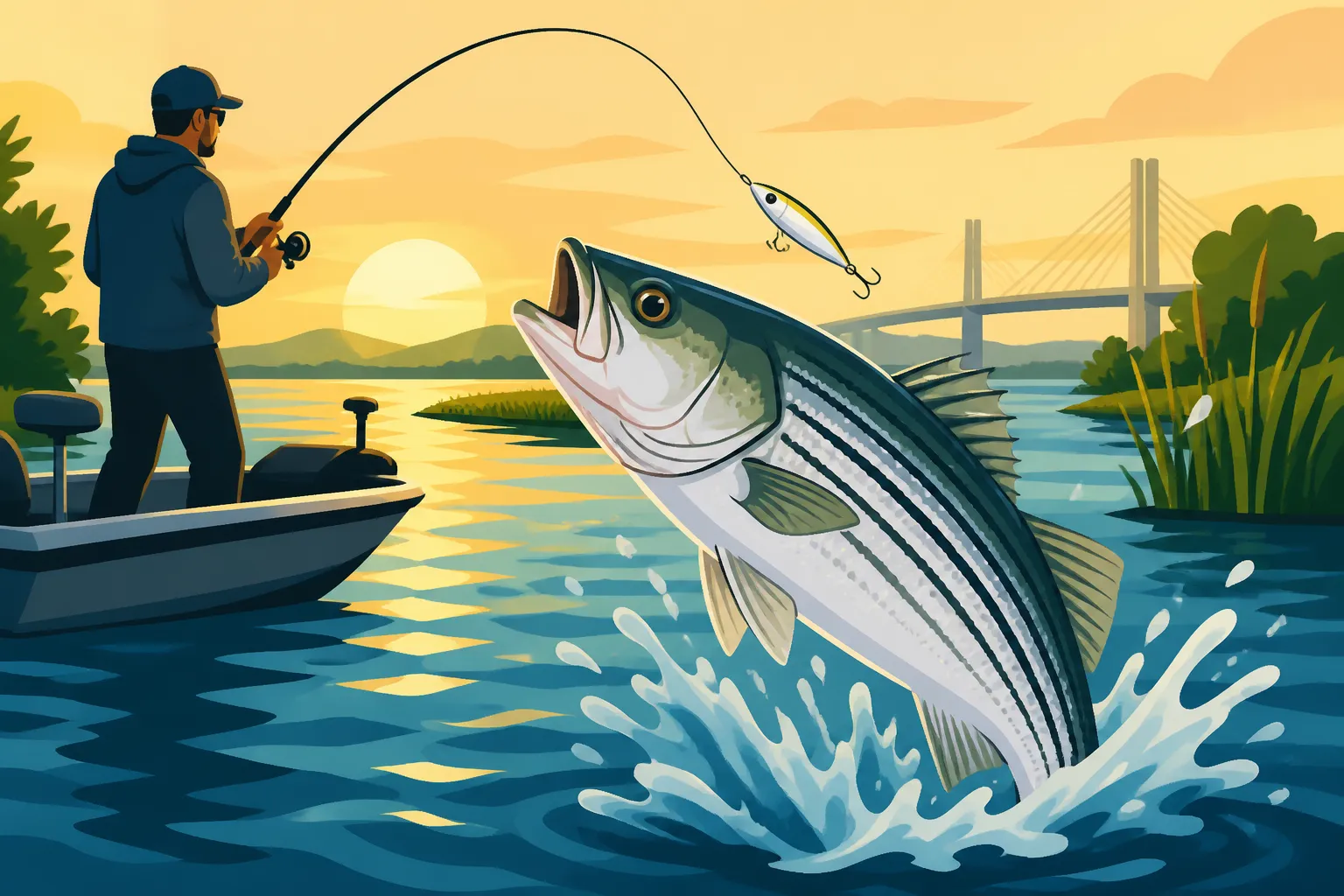
Oh, the California Delta! If you’ve ever cast a line into its vast, winding waterways hoping for a tug from a powerful Striped Bass, you know it can feel like trying to find a needle in a haystack—a very big and murky haystack. This incredible fishery, stretching over a thousand miles of sloughs, channels, and islands, is an absolute paradise for stripers, but it can be incredibly intimidating for anglers. You're probably wondering how to even begin to unlock its secrets, what gear you actually need, and how to tell a good spot from a bust. Well, take a deep breath, because this guide is going to walk you through everything you need to know to confidently fish the California Delta for those elusive and hard-fighting stripers.
Understanding the California Delta's Striped Bass Ecosystem
Fishing the Delta effectively means getting a handle on its unique environment. It’s not just a big lake or a single river; it’s a complex, ever-changing system where freshwater from the Sacramento and San Joaquin rivers meets the tides of the Pacific Ocean. This creates a fascinating and challenging ecosystem that stripers absolutely thrive in.
The Delta's Unique Hydrology and Its Impact on Stripers
Imagine a giant, intricate network of veins and arteries, constantly pushing and pulling water. That's essentially the California Delta. It’s formed by the confluence of the Sacramento River, which flows from the north, and the San Joaquin River, coming in from the south, all eventually making their way to San Francisco Bay and the Pacific. This constant flow, coupled with the daily ebb and flow of ocean tides, means the water levels, currents, and salinity are always shifting. Stripers, being anadromous fish (meaning they live in saltwater but spawn in freshwater), are perfectly adapted to this brackish environment. They follow the baitfish, and the baitfish follow the plankton, which are all influenced by these powerful hydraulic forces.
The sheer scale of the Delta is mind-boggling, encompassing over 1,100 miles of navigable waterways. This includes vast main channels like the San Joaquin River and Sacramento River, but also countless smaller sloughs, dead-end cuts, flooded islands, and shallow flats. The currents can be incredibly strong in the main channels, especially during peak tidal movements or significant river flows, and this is where stripers often hold, waiting for unsuspecting bait to be swept past them. Understanding these currents is paramount because it dictates where the fish will position themselves and how you need to present your lure or bait. Forget trying to fish against a raging current; you'll just be wasting your energy.
Identifying Prime Striper Habitat in the Delta
Given the Delta's immense size, knowing where to even drop a line can feel like the biggest hurdle. But stripers are predators, and like all good predators, they look for easy meals and ambush points. They love structure and current breaks. Think about it: why would a fish expend energy fighting a strong current when it can sit just out of the main flow, letting the current bring food right to its mouth?
Look for these prime spots:
- Submerged Structures: Old pilings, sunken boats, abandoned docks, bridge abutments, and even natural underwater rock piles. These provide current breaks and hiding spots. Stripers will often sit on the downstream side of these structures, darting out to snatch prey.
- Weed Lines and Tules: Thick aquatic vegetation, particularly submerged hydrilla or tall tules along the banks, offers cover for both stripers and their prey. Casting parallel to these lines or probing the edges can be highly effective. This is especially true in the shallower, slower moving sloughs.
- Deep Holes and Drop-offs: While stripers are often found in shallower water when actively feeding, they will retreat to deeper holes during slack tides, intense heat, or when pressured. These are often found near channel bends or where two waterways converge.
- Points and Eddy Lines: Any landform or submerged feature that creates a "point" extending into the main channel will cause currents to swirl and create eddies. These are fantastic ambush points. The seams between fast-moving and slow-moving water (eddy lines) are highways for baitfish and, consequently, for stripers.
- Confluence Zones: Where two sloughs meet, or a smaller slough joins a larger channel, you often find concentrations of bait and stripers. These areas provide multiple current seams and food delivery systems.
- Underwater Humps and Reefs: These elevated structures, often unseen from the surface, act like magnets for baitfish and provide perfect holding positions for stripers. A good depth finder is invaluable for locating these.
When you’re out there, actively look for signs of life. Birds diving, baitfish scattering on the surface, or even the distinct "boil" of a striper hitting prey can tell you exactly where to focus your efforts. Sometimes, it’s about patience and covering water, but often, it's about paying close attention to these subtle clues the Delta gives you. For a broader perspective on the region, you might find our main guide on the California Delta Fishing Guide helpful.
Essential Gear and Bait for Delta Stripers
Alright, now that we’ve got a handle on where to look, let’s talk about the tools of the trade. You don't need to break the bank, but having the right setup makes all the difference when you hook into a powerful Delta striper. They fight hard, and inferior gear will let you down faster than you can say "fish on!"
Rods, Reels, and Line Choices
When it comes to battling aggressive stripers, especially in current, you need tackle that can handle the abuse.
- Rods: Forget those flimsy trout rods. For Delta stripers, you’ll want a medium-heavy to heavy power rod with a fast action. This combination gives you the backbone to set a hook into a striper’s tough mouth and control the fish, while the fast tip allows for sensitive bite detection and accurate casting. A length of 7 to 9 feet is ideal. Shorter rods (7-7'6") are great for accurate casting with artificials from a boat, while longer rods (8-9 ft) really excel at casting further from shore, managing bigger fish in heavy current, or for live bait presentations. For specific techniques, our California Trolling Tips and Techniques article offers insights into how rod choice impacts success.
- Reels: Your reel needs to be robust. For spinning setups, look for a 4000 to 6000 series reel. These have the line capacity and drag power to handle hard-charging stripers. Popular options from brands like Penn, Shimano, and Daiwa are reliable choices. If you prefer baitcasting, a robust low-profile or round-profile baitcaster designed for heavier lines and lures will serve you well. Make sure it has a smooth, strong drag system – this is crucial for preventing break-offs. You can find a fantastic selection of these durable reels and rods on Amazon.
- Line: This is where many anglers make mistakes. Given the snags, abrasions from structure, and the sheer power of stripers, you need strong line.
- Main Line: I highly recommend braided line, in the 30 to 50 lb test range. Braid offers superior strength-to-diameter ratio, zero stretch for excellent sensitivity and hook sets, and it cuts through water more efficiently than mono. Brands like PowerPro or Seaguar are excellent choices and readily available on Amazon.
- Leader: Always, always use a fluorocarbon leader. Stripers are sight feeders, and fluorocarbon is nearly invisible underwater. It also offers excellent abrasion resistance against sharp rocks, mussel beds, and the fish’s own rough mouth. A leader of 20 to 40 lb test, typically 3 to 6 feet long, connected to your braid with a strong knot like an FG knot or an Albright knot, is standard. The leader's strength depends on the bait/lure size and the average fish size you expect.
Best Lures and Baits for Delta Stripers
The Delta offers a buffet for stripers, and you need to match the hatch or offer something irresistible. Having a variety of options is key because what works one day might be ignored the next.
- Live Bait: There's nothing quite like live bait for attracting a hungry striper.
- American Shad: These are candy for Delta stripers, especially during their spawning runs. If you can catch them (or buy them when available), rig them through the nose or back with a large Kahle or circle hook.
- Shiners and Minnows: Smaller baitfish are excellent when stripers are focused on smaller forage. A simple sliding sinker rig or a bobber setup works wonders.
- Anchovies/Sardines: While often used as cut bait, live anchovies can be devastating if stripers are in a feeding frenzy.
- Ghost Shrimp: These bottom dwellers are a favorite in shallower, slower moving sloughs, especially when the tide is moving. Rig them on a small hook with a lightweight sinker.
- Cut Bait: When soaking bait on the bottom, cut bait creates an enticing scent trail that can draw in stripers from a distance.
- Sardines and Anchovies: These oily fish are prime choices. Cut them into chunks or use a whole fillet. A Carolina rig or a three-way swivel rig works well.
- Mackerel: Another oily option that can be effective.
- Artificial Lures: This is where the fun really begins for many anglers, allowing for active fishing and exciting strikes.
- Swimbaits: These are arguably the most effective artificial lures for Delta stripers. Soft plastic paddle tail swimbaits from brands like Keitech, Huddleston, or Basstrix, in sizes from 5 to 9 inches, are absolute killers. Rig them on a heavy jig head (½ oz to 2 oz, depending on current and depth) for casting, or on a lead-core line for trolling. Colors like shad, white, chartreuse, and pearl are perennial favorites.
- Plugs/Crankbaits: Deep-diving lipped plugs are excellent for trolling or casting in deeper channels. P-Line Predator Minnows, Lucky Craft Pointers, and Yo-Zuri Crystal Minnows are renowned for their fish-attracting action. Match the dive depth to where you believe the fish are holding.
- Topwater Lures: Nothing beats the explosive strike of a striper on a topwater lure. Walk-the-dog style baits like Heddon Super Spooks or poppers and even the frantic action of a Whopper Plopper can be incredible during low light conditions (dawn, dusk) or when stripers are actively busting bait on the surface.
- Jigs: Bucktail jigs (½ oz to 2 oz) can be deadly, especially when tipped with a piece of grub or shrimp. Soft plastic flukes or paddle tails rigged on plain jig heads are also very effective, especially bounced along the bottom or jigged vertically.
- You can stock up on a fantastic array of these artificial lures and all your bait rigging essentials through Amazon, often with quick delivery so you're ready for your next trip.
Effective Techniques for Targeting Stripers in the Delta
The Delta’s diverse environment calls for a variety of techniques. What works in a wide, fast-moving channel might not be the best approach in a calm, shallow slough. Mastering these methods will significantly increase your chances of success.
Trolling and Drifting Strategies
These techniques are excellent for covering a lot of water and finding actively feeding stripers, especially from a boat.
- Trolling: This involves pulling lures behind a boat at a slow, consistent speed. It’s incredibly effective in the Delta's main channels and larger sloughs. You'll typically use deep-diving plugs or rigged swimbaits.
- Lead Core Line: Many Delta anglers rely on lead core line, which sinks at a predictable rate per color (usually 10 yards per color). By letting out a certain number of colors, you can control the depth of your lure. This is a game-changer for hitting specific depths where stripers are holding.
- Downriggers: For even more precise depth control, especially with lighter lures, downriggers can be employed.
- Speed is Key: Generally, a trolling speed of 2-4 mph is effective, but always experiment. Watch your fish finder for bait balls and fish arches, and adjust your depth and speed to match. Our guide on California Trolling Tips and Techniques has even more in-depth advice.
- Drifting: This method lets the current do the work, presenting your bait or lure naturally. It’s particularly effective with live or cut bait.
- Live Bait Drifting: Rig a live shad or shiner on a sliding sinker rig (a small sinker above a swivel, then a fluorocarbon leader to your hook) and let it drift naturally with the current. This presents a struggling baitfish that stripers can’t resist.
- Cut Bait Drifting: Similar to live bait, but the scent trail is the primary attractant. Use a similar rig, allowing the bait to bounce along the bottom.
- Bobber Drifting: In slower currents or over submerged weed beds, a large slip bobber can suspend live or cut bait at a specific depth. This is great for keeping your bait just above snags.
The key to drifting is understanding the current and knowing where it will take your bait. Position your boat upstream from likely striper holding areas and let your bait flow through the strike zone.
Casting and Retrieval Methods
For those who prefer a more active approach, or when fishing from shore, casting is king.
- Shore Fishing: Many access points along the Delta's banks, particularly near bridges or parks, offer opportunities for bank fishing. Long casting rods are an advantage here, allowing you to reach deeper channels or submerged structures further from shore. Use heavy lures like ½-2 oz swimbaits or plugs, or soak cut bait on a sturdy Carolina rig. The key is to find spots with good current and nearby structure. Remember to check local regulations, as not all shorelines are public access.
- Boat Casting: From a boat, you have the flexibility to target specific structures.
- Fan Casting: If you're unsure where the fish are, fan cast an area, making casts in a wide arc to cover as much water as possible.
- Targeting Structure: Cast your lures precisely to the edges of weed lines, around submerged trees, or directly into current eddies. Let your lure sink to the desired depth, then begin your retrieve.
- Varying Retrieval: This is crucial for artificials. Don't just reel steadily. Experiment with slow, steady retrieves; stop-and-go actions; twitching; or burning and pausing. Sometimes a fast retrieve will trigger a reaction strike, other times a slow, methodical crawl is what they want.
- Topwater Action: For those exhilarating topwater strikes, cast your popper or walk-the-dog lure into areas where baitfish are abundant or stripers are actively feeding. Work the lure rhythmically, creating splashes and commotion on the surface.
Patience and persistence are your best friends here. You might make dozens of casts without a bite, but that one explosive strike makes it all worthwhile.
Fishing with Live and Cut Bait
Using natural bait can be incredibly effective, especially when stripers are less aggressive or when fishing challenging conditions.
- Rigging Live Bait for Natural Presentation: The goal is to make your live bait look as natural and unhindered as possible.
- Nose Hooking: For shad or shiners, a single hook through the nose or upper lip allows the bait to swim freely and stay alive longer. This is excellent for drifting or slow trolling.
- Back Hooking: If you need the bait to stay deeper or move a specific way, a hook lightly placed behind the dorsal fin can be effective, but be careful not to injure the bait too much.
- Keep 'em Lively: Use a good bait tank with aeration to keep your live bait as fresh and active as possible. A lively bait will draw strikes more effectively.
- Scent Trails with Cut Bait: When using cut bait, you’re appealing to the striper’s keen sense of smell.
- Carolina Rig: This is a go-to for cut bait. A sliding egg sinker (1-3 oz, depending on current) on your main line, followed by a swivel, then a 12-24 inch fluorocarbon leader (20-40lb test) to a circle hook (sizes 4/0-7/0). The sinker holds the bait near the bottom, while the leader allows the bait to move naturally in the current and spread its scent.
- Three-Way Swivel Rig: In heavier currents, a three-way swivel can be effective. One eye goes to your main line, one to a dropper line with a heavy sinker, and the third to your leader and hook. This keeps your bait precisely where you want it.
- Patience is a Virtue: When soaking cut bait, patience is key. Cast it out, let it settle, and let the scent do its work. Stripers might take some time to locate the bait. When you get a bite on a circle hook, simply reel into the fish, don’t jerk to set the hook. This allows the hook to rotate and embed in the corner of the fish’s mouth.
Remember, experimenting with different techniques and presentations throughout the day, and even within the same fishing session, is critical. The Delta's moods change constantly, and the stripers' preferences change with them. For a deeper dive into bait options, check out our California Bait Fishing Tips and Techniques article.
Navigating Regulations and Best Practices for Delta Striper Fishing
Beyond the exciting pursuit of stripers, it's absolutely vital to be a responsible angler. This means not only understanding and adhering to the law but also actively participating in conservation efforts to protect this incredible resource for future generations.
Understanding California Striper Regulations
California has specific rules for fishing Striped Bass, and they can occasionally change, so staying informed is crucial. Ignorance of the law is never an excuse, and game wardens patrol the Delta regularly.
- Bag and Size Limits: The current statewide regulation for Striped Bass in California is typically two fish per day, with a minimum size of 18 inches total length. It’s important to measure your fish accurately from the tip of the snout to the farthest end of the tail with the tail compressed. Always check the latest California Department of Fish and Wildlife (CDFW) regulations booklet or their website before you head out, as these limits can be subject to change based on stock assessments or environmental factors. Our California Striped Bass Regulations guide provides detailed information.
- Seasonality: Generally, Striped Bass fishing in the Delta is open year-round. However, specific emergency closures or special regulations for certain areas might be implemented. Always verify.
- Fishing License Requirements: Absolutely, you need a valid California Sport Fishing License to fish for stripers in the Delta if you are 16 years of age or older. You can purchase these online, at tackle shops, or at many sporting goods stores. Make sure it's valid for the current year. Our California Fishing License Guide breaks down all the options, and for a general overview of all the rules, refer to our comprehensive California Fishing Regulations Explained.
Failing to follow these regulations can result in hefty fines and even loss of fishing privileges, so it's not something to take lightly.
Conservation and Responsible Angling
We all want to keep the Delta thriving for stripers. Our actions today directly impact tomorrow's fishing.
- Catch and Release: While taking your legal limit for the table is perfectly fine, many anglers practice catch and release, especially for larger breeding females. These big females are crucial for the population’s health, laying millions of eggs. If you plan to release a fish, handle it with care:
- Minimize its time out of water.
- Support its body horizontally.
- Use wet hands or a knotless rubber net to protect its slime coat.
- If a fish is deeply hooked, consider cutting the line as close to the hook as possible rather than tearing its gills or throat.
- Barbless Hooks: In some special regulation waters, barbless hooks might be required, though not typically for general Delta striper fishing. However, many anglers voluntarily use them for easier, less damaging releases. You can easily pinch down the barb on most hooks with a pair of pliers.
- Bait Restrictions: Be aware of any restrictions on bait, particularly regarding the use of non-native species or those that could introduce disease. Stick to approved bait sources.
- Leave No Trace: Pack out everything you pack in. Dispose of all trash, including fishing line, bait containers, and food wrappers, properly. Fishing line, in particular, can be deadly to wildlife.
- Report Violations: If you witness any poaching or blatant disregard for regulations, report it to the CDFW. Protecting the resource is everyone's responsibility.
By adopting these practices, you help ensure that the thrill of catching Delta stripers continues for generations to come.
Essential Safety and Planning Tips
The Delta is a wild and powerful place. Respecting its conditions and preparing adequately is paramount for a safe and enjoyable trip.
- Navigational Hazards: The Delta is notorious for its ever-changing hazards.
- Shallow Areas: Many areas, especially outside the main channels, can be surprisingly shallow. Consult up-to-date nautical charts (like those from NOAA or C-MAP) or a reliable GPS unit (you can find excellent marine GPS units and apps on Amazon) and pay attention to channel markers.
- Debris: Floating debris, particularly after heavy rains, can be a serious threat to boat props and hulls. Keep a watchful eye.
- Boat Traffic: The Delta is a busy waterway, especially on weekends. Be aware of other boats, including larger commercial vessels, houseboats, and speed boats. Follow all boating safety rules.
- Weather Awareness: The weather in the Delta can change rapidly.
- Wind: Winds can pick up quickly, turning calm waters into choppy, dangerous conditions, especially on the larger channels. Check the forecast before you go, and be prepared to cut your trip short if conditions deteriorate.
- Fog: Dense fog can roll in unexpectedly, severely reducing visibility. Have a compass or GPS and know how to use it.
- Sun Protection: You’ll be out on the water for extended periods. Bring sunscreen, a wide-brimmed hat, sunglasses, and protective clothing.
- Emergency Supplies: Always have a well-stocked first-aid kit, extra water, snacks, a fully charged phone, and a means of communication (VHF radio for boaters). Make sure someone knows your float plan – where you’re going and when you expect to return.
- Life Jackets: For boaters, ensure everyone onboard has an easily accessible, properly fitting life jacket. Kids under 13 are required to wear them while underway. You can find comfortable and reliable life vests on Amazon.
A little planning goes a long way in ensuring your Delta striper adventure is memorable for all the right reasons. For more specific insights on general fishing times, our Best Times to Fish in California article offers a great overview. And if you're ever looking for general fishing news or conditions, knowing How to Read California Fishing Reports can give you a significant advantage.
Here's a quick comparison of some popular lure and bait options for Delta Stripers:
| Lure/Bait Type | Best Use Case | Pros | Cons | Average Cost (approx.) |
|---|---|---|---|---|
| Live Shad/Shiners | Active fish, slower currents, drifting | Highly natural, irresistible to stripers | Requires bait tank, can be hard to acquire, fragile | Varies (catching/buying) |
| Cut Bait (Sardine/Anchovy) | Soaking on bottom, scent trail, slower conditions | Strong scent, effective for less active fish | Can be messy, attracts smaller fish, less active | $5-$10 per pack |
| Paddle Tail Swimbait | Trolling, casting, varying depths, active fish | Versatile, effective in various conditions, durable | Can snag easily, requires proper rigging | $5-$15 per lure |
| Deep-Diving Plug | Trolling in channels, reaching specific depths | Covers water efficiently, triggers reaction strikes | Limited to trolling or deep casting, can snag | $10-$25 per lure |
| Topwater Lure | Low light, active surface feeds, exciting strikes | Visually thrilling, targets aggressive fish | Only effective when fish are active on surface, limited use | $10-$20 per lure |
| Bucktail Jig | Vertical jigging, casting near structure, bottom bouncing | Versatile, can imitate various baitfish, durable | Requires good feel for bottom, can snag | $4-$10 per jig |
Disclaimer
Please be aware that fishing regulations, including bag limits, size limits, and seasons, can change. Always consult the latest California Department of Fish and Wildlife (CDFW) regulations booklet or their official website before heading out to fish. This guide provides general information and recommendations but is not a substitute for official legal guidelines.