Fly-Lining Bait in California
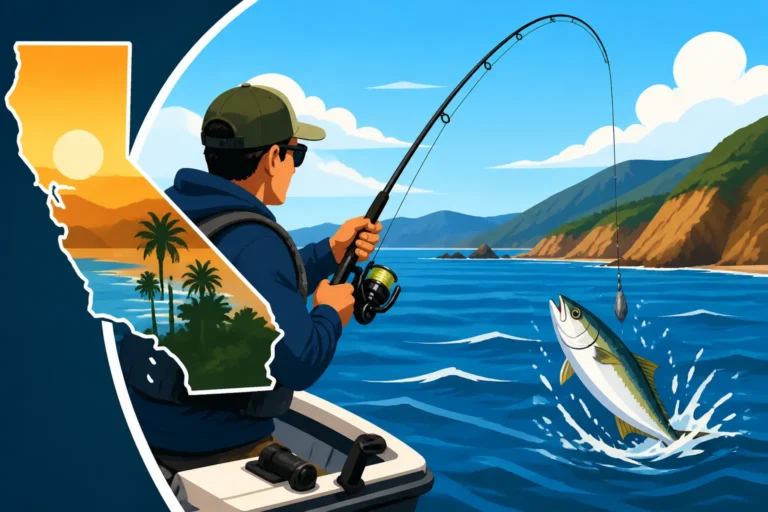
There’s nothing quite like the feeling of watching a live bait swim freely, unencumbered by heavy weights, just beneath the surface of the shimmering California ocean. But let’s be real, trying to get that perfect, natural presentation can often feel like a losing battle, especially when the fish are wary and refusing to commit to anything that looks remotely unnatural. If you’ve ever found yourself frustrated with conventional rigs that spook fish or simply don't get the bites you know are there, you’re in the right place. This guide is all about mastering the art of fly-lining bait in California, a technique that truly taps into the natural instincts of predatory fish.
Understanding the Art of Fly-Lining Bait
Fly-lining, in its essence, is all about presenting your bait as naturally as possible. It’s a technique that throws out the rulebook on heavy sinkers and cumbersome rigs, opting instead for a minimalist approach that allows your live bait to swim freely and entice fish that might be shy of a more obviously presented meal. This isn’t just some fancy term; it's a strategic choice for anglers who understand that subtlety often leads to success, especially in clear California waters.
The Philosophy of Natural Presentation
Imagine you’re a hungry yellowtail cruising a kelp paddy. You see a frantic school of sardines, but then one or two suddenly separate, swimming just a little off, looking vulnerable. That’s the exact scenario fly-lining aims to replicate. By using minimal weight – often none at all – your live bait can swim in its most natural way, imitating an injured or disoriented snack. This makes it incredibly appealing to gamefish, which are often attuned to the slightest unnatural movement or resistance. The whole idea is to present your bait as if it were simply another fish going about its business, only to suddenly find itself in the wrong place at the wrong time. This stealthy approach is why it's so effective, especially when targeting trophy fish that have seen it all.
Basic Setup and Core Principles
The beauty of fly-lining lies in its simplicity. At its most basic, you’re looking at a main line, a leader, and a hook. That’s it! No sliding sinkers, no swivels, no extra hardware that can telegraph your presence to a cautious fish. The main line is spooled onto your reel, then you connect a fluorocarbon leader (more on why fluorocarbon in a bit), and finally, a single hook. The bait, usually a lively sardine, anchovy, or mackerel, is then carefully hooked to allow maximum swimming action. The core principle is to let the bait do the work. You cast it out, let it swim, and keep a light, almost imperceptible tension on the line, feeling for any subtle taps or changes in its swim pattern. It’s about trust – trusting your bait to find the fish and trusting your senses to know when a fish has committed.
Why Fly-Line Bait in California's Waters?
California's diverse aquatic environments, from the sprawling kelp forests offshore to the murky depths of the Delta, present a myriad of fishing opportunities. Fly-lining bait isn't just a niche technique; it's often the most effective method for a wide range of popular species, particularly when they're feeding near the surface or in relatively shallow, clear water.
Target Species and Their Feeding Habits
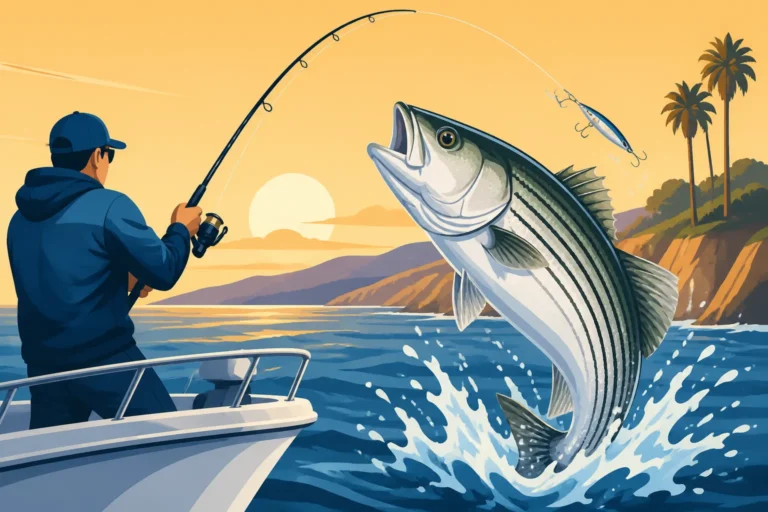
When you think about the quintessential California sportfish, many of them are prime candidates for fly-lining. Take the spirited yellowtail, for example. These powerful fighters often feed aggressively on baitfish schools near the surface, especially around kelp paddies or underwater structure. A fly-lined sardine or mackerel, swimming frantically away from the boat, is often irresistible. The same goes for the elusive white seabass, which, despite its often-deep water habitat, will readily ascend to gobble up a naturally presented squid or finbait near structure. Even in freshwater, striped bass in the California Delta can be incredibly susceptible to fly-lined bait when they’re chasing shad or anchovies in the current. It works because it directly mimics their natural prey in a way that weighted rigs simply can't.
| Species | Common Bait Choices | Preferred Habitat | Key Behaviors for Fly-Lining |
|---|---|---|---|
| Yellowtail | Sardines, Mackerel | Kelp beds, offshore banks | Surface feeding, aggressive |
| White Seabass | Squid, Sardines | Structure, kelp edges | Often suspended, wary |
| Barracuda | Anchovies, Sardines | Open water, shallow reefs | Fast-moving, visual predators |
| Halibut | Sardines, Anchovies | Sandy bottoms, bay channels | Ambush predators, responsive to movement |
| Striped Bass | Anchovies, Shad | Delta channels, surf | Schooling, current feeders |
Ideal Conditions and Locations
Fly-lining truly shines in specific conditions and locations across California. Clear, calm waters are often ideal, as the natural presentation is less obscured. Around kelp beds, whether offshore like those near the Channel Islands or closer to shore, fly-lining is paramount. Fish like yellowtail and calico bass often hold within or just outside the kelp, and a free-swimming bait can easily penetrate the canopy or draw fish out. On open water, when you encounter schools of baitfish being harassed by predators (often indicated by diving birds or breaking fish), a fly-lined bait can cut through the chaos and get picked off. Even in bays, like San Diego Bay or San Francisco Bay, when halibut or even a stray striped bass are feeding on abundant bait, a light line and a natural presentation can make all the difference. Fishing from a pier in California: Rules often allow for bait fishing, and a fly-lined anchovy can be surprisingly effective for mackerel or even small halibut when cast away from the pilings. Understanding the best times to fish in California for different species will definitely help you zero in on when this technique is most potent.
Essential Gear for Successful Fly-Lining
Just like any specialized fishing technique, having the right gear for fly-lining bait in California can make a huge difference in your success rate. While the setup is minimalist, the quality and characteristics of your rod, reel, line, and terminal tackle are critical for both casting effectively and fighting strong fish on light line.
Rod, Reel, and Line Selection
For fly-lining, you want a rod that's long enough to cast a light bait a good distance, yet sensitive enough to feel those subtle pickups. A longer, parabolic rod (think 7.5 to 9 feet) with a medium-light to medium action is often ideal. This allows for a gentle, lob-style cast that won't tear the hook out of your bait, and provides enough backbone to manage a strong fish without snapping your light line.
When it comes to reels, a conventional lever-drag reel in the 15-20lb class (like a Penn Fathom 15 or a Daiwa Lexa 300) is a popular choice for larger species, offering excellent casting ability and smooth drag. However, for lighter applications or bay fishing, a high-quality spinning reel in the 4000-6000 size range, paired with a matching rod, can also be very effective, especially for beginners learning the technique. You can find a fantastic selection of both conventional and spinning reels for various budgets on Amazon.
Your main line should generally be 20-30 lb monofilament for most offshore fly-lining. The slight stretch in mono acts as a shock absorber, which is crucial when fighting powerful fish on a delicate setup. Some anglers prefer braided line for its sensitivity and zero stretch, but if you go that route, you absolutely need to pair it with a longer, more flexible rod to compensate for the braid's unforgiving nature. The choice between them often comes down to personal preference and the specific conditions you're fishing.
Hooks, Leaders, and Bait Choices
Terminal tackle for fly-lining is straightforward but critical. You'll want to use high-quality, sharp hooks that are appropriate for your bait and target species. Circle hooks, ranging from size 1 to 4/0, are very popular because they are designed to hook fish in the corner of the mouth, reducing gut-hooking and making for easier release if desired. J-hooks can also be used, especially if you prefer a more aggressive hook-set, but be mindful of the potential for deeper hooking. Owner and Gamakatsu are trusted brands that offer excellent hook options.
The leader material is almost exclusively fluorocarbon. Why fluorocarbon? It's less visible underwater than monofilament, which is a massive advantage when presenting bait to wary fish. It also has excellent abrasion resistance, which is important when fishing near kelp or structure. A good starting point for leader strength is 20-25 lb test, matching or slightly exceeding your main line strength. The length of your leader can vary, but generally, 3 to 6 feet is a good range, long enough to offer stealth but not so long it becomes unwieldy to cast.
Finally, the bait itself is paramount. Live bait is almost always preferred for fly-lining. In Southern California, lively sardines and anchovies are king. For larger predators, a feisty mackerel can be irresistible. Up north, herring or even small squid can be effective. The key is lively bait. A healthy baitfish will swim actively and naturally, drawing attention. Learning how to properly hook your bait, usually through the nose or just in front of the dorsal fin, without impeding its swim is a skill in itself.
Mastering the Art of the Fly-Line Cast
The way you cast and present your fly-lined bait can make or break your success. It’s not about brute force; it’s about finesse, accuracy, and understanding how to keep your bait alive and swimming naturally from the moment it leaves your hand until a fish inhales it.
The Art of the Effortless Cast
Casting a fly-lined live bait requires a delicate touch. Unlike casting a heavy lure, you’re not trying to launch it with all your might. Doing so will likely rip the hook out of your bait or kill it on impact. Instead, aim for a smooth, lob-style cast.
- The Lob Cast: Hold the bait gently in one hand, rod in the other. Swing the rod back slowly, then smoothly forward, letting the momentum of the bait and the flex of the rod propel it forward. Release the line with just enough force to send the bait where you want it without excessive speed. This keeps the bait intact and swimming strongly. A sidearm cast can often give you better distance and accuracy while minimizing the strain on your bait.
- Bait Placement: Aim for your cast to land just beyond where you suspect the fish are, allowing the bait to swim into the strike zone naturally. If you're fishing near a kelp paddy, try to land it just outside the thickest part and let it swim towards the structure. If you’re targeting breaking fish, cast ahead of their movement so your bait intercepts them.
Remember, the goal is to make it look like the bait just decided to swim away from the boat, completely unaware of the danger lurking beneath. The more natural your cast and splashdown, the better your chances.
Reading the Drift and Setting the Hook
Once your bait is in the water, the real dance begins. This is where patience, observation, and a sensitive touch come into play.
- The Natural Drift: Let your bait swim freely. Avoid reeling in too quickly or putting too much tension on the line. The idea is for the bait to swim as it would naturally, perhaps even darting nervously if a predator is near. Keep your bail open (on a spinning reel) or your thumb lightly on the spool (on a conventional reel) to allow the line to peel off easily. Maintain a slight bow in your line – enough to let the bait swim, but not so much that you can't feel a bite.
- Feeling the Bite: This is the part that takes practice. Sometimes it's a subtle tap, sometimes a sudden pull. Often, you'll feel your bait get nervous, swimming harder, before the actual strike. When a fish hits, it might be a gentle "tick-tick" as it mouths the bait, or an aggressive "WHAM!" as it inhales it.
- The Hook Set: With circle hooks, you typically don't need a hard, sweeping hook set. Instead, when you feel a solid pull, just slowly reel in, steadily increasing the pressure. The circle hook will usually find its way to the corner of the fish's mouth. If you're using J-hooks, a firm but controlled sweep of the rod tip is usually in order. The key is not to snatch the bait away from a tentative fish. Patience and a smooth reaction are critical to converting bites into hooked fish.
Top California Species for Fly-Lining Success
California's waters are teeming with incredible fish, and many of the most sought-after species respond incredibly well to a properly presented fly-lined bait. Knowing which species, where to find them, and what specific tactics to employ will elevate your fly-lining game.
Yellowtail and White Seabass Tactics
These two species are often considered the holy grail of California sportfishing, and fly-lining is arguably the most effective way to target them.
- Yellowtail: The "forktail" is a powerful, aggressive predator that loves to chase down bait. You’ll typically find them around offshore kelp paddies, high spots, and sometimes even cruising the deeper edges of inshore kelp forests. The best time to target them is often during the warmer months, as detailed in the California Fishing Seasons: Month-by-Month Guide. When fishing for yellowtail, use lively sardines or mackerel. Hook them lightly through the nose or just in front of the dorsal fin. Cast them out, away from the boat, and let them swim naturally. Keep your eyes peeled for "boiling" water, which indicates a feeding frenzy, or simply marks on your fish finder. A school of yellowtail can be surprisingly selective, and a natural presentation is often the only way to get a bite when they're being finicky. The excitement of a yellowtail blowing up on a fly-lined bait is truly something else! For more specialized advice, check out our guide on how to Catch Yellowtail in California.
- White Seabass: Often called "ghosts of the kelp," white seabass are notoriously challenging but incredibly rewarding. They're often found hugging structure, whether it's submerged rocks, wrecks, or the deeper edges of kelp beds, particularly in areas like the Channel Islands or around Catalina Island. While they can be found throughout the year, their peak season often aligns with squid spawns. Fresh, live squid is hands-down the best bait for white seabass. If squid isn't available, a large, lively sardine or mackerel can also work. The key is patience. Cast your bait near structure and let it sink slowly and naturally. White seabass often pick up the bait very subtly, so you need to be constantly attentive to your line. When you feel that gentle tap, resist the urge to strike immediately. Let the fish commit, allowing the line to come tight before slowly increasing pressure. This technique is extensively covered in our guide on How to Catch White Seabass in California.
Coastal and Bay Opportunities
Fly-lining isn't just for offshore giants. It's incredibly versatile and can be highly effective in more accessible coastal waters and bays for a variety of species.
- Barracuda: These toothy predators are a blast to catch on light tackle. They often cruise just under the surface, especially in warmer nearshore waters. Fly-lined anchovies or small sardines are perfect for barracuda. Cast your bait out and let it swim freely. Barracuda strikes are usually aggressive and unmistakable. Keep your reel in gear and get ready for a fast fight! While they don't have the endurance of yellowtail, their speed and aerial acrobatics make them a thrilling target.
- Halibut: While many anglers target halibut on the bottom with weighted rigs, fly-lining can be incredibly effective, particularly in bays or along sandy stretches of the coast where halibut might be cruising closer to the surface or ambushing bait in shallower water. A fly-lined sardine, anchovy, or even a small smelt allowed to swim near a channel edge or a sand flat can often entice a curious halibut. The trick is to let the bait move slowly, allowing the halibut to track and strike. It's a different approach to How to Fish for Halibut in California, but one that can yield impressive results when conditions are right. Places like San Francisco Bay Fishing Spots or San Diego Bay Fishing Spots are excellent proving grounds for this method.
- Bonito and Mackerel: These smaller but incredibly fast-paced game fish are perfect for honing your fly-lining skills. They often school up and actively feed on smaller baitfish near the surface, making them ideal targets for a fly-lined anchovy or small sardine. Look for birds diving or schools of bait being chased. A quick cast into the fray will often result in an instant hookup.
Advanced Fly-Lining Strategies and Tips
While the basic principles of fly-lining are simple, there are always ways to refine your technique and increase your chances of success. From attracting fish to deploying more specialized rigs, these advanced strategies can give you an edge on the water.
Churning and Chumming for Success
One of the most effective ways to make fly-lining even more productive is to actively draw fish to your boat with bait, a technique often called "churning" or "chumming."
- Churning: This involves keeping a livewell full of lively bait (sardines, anchovies, mackerel) and then strategically throwing a few baits overboard at a time, often in a rhythmic pattern. The commotion and sight of free-swimming bait create a feeding frenzy, drawing fish closer to your boat. As fish start to boil on the surface, that's your cue to cast your fly-lined bait right into the heart of the action. The goal is to make your hooked bait indistinguishable from the free offerings. It’s a bit of a psychological game – making the target fish think they're missing out on an easy meal.
- Chumming: Chumming usually involves grinding up baitfish or using finely cut pieces of bait and tossing them into the water to create a scent trail. This attracts fish from a distance and keeps them engaged around your boat. It’s especially effective for species like yellowtail and sometimes even white seabass. When chumming, ensure your fly-lined bait is presented within the chum line, allowing it to drift naturally with the current alongside the free offerings. The idea is to make your hooked bait look like the tastiest, easiest meal in the buffet line. Just remember to check California Saltwater Fishing Regulations regarding chumming in specific areas.
Kite Fishing and Specialized Rigs
While pure fly-lining is generally weightless, there are situations and species where combining its principles with other techniques can be incredibly effective, pushing the boundaries of traditional fly-lining.
- Kite Fishing: For truly difficult and wary surface feeders, or when you need to present a bait far away from the boat and its shadow, kite fishing can be a game-changer. While not strictly "fly-lining" in the conventional sense, it uses the same principle of a weightless, natural bait presentation. A live bait (often a mackerel or even a small skipjack for bluefin tuna) is suspended from a kite, far from the vessel, allowing it to swim or skip enticingly on the surface. When a fish bites, the line is released from the kite, and you fight the fish directly. This technique is often employed when targeting large bluefin tuna offshore, and can be crucial for getting bites on days when fish are boat-shy. Although more complex, the core philosophy of a weightless, natural bait presentation remains. For those looking to tackle truly big fish, exploring California Bluefin Tuna Fishing Guide might even lead you to kite fishing tactics.
- Balloon Fishing: Similar to kite fishing but generally less complex, balloon fishing involves attaching a balloon to your main line a set distance above your bait. The balloon acts as a float and allows you to drift a live bait a significant distance away from the boat with the wind or current. This is particularly useful for covering a wider area when targeting species that might be spread out or when you want to keep your bait at a specific depth just below the surface without using a traditional bobber. It offers that same free-swimming, natural presentation, just with added range and depth control.
- Sliding Sinker for Depth: Occasionally, even when fly-lining, you might encounter fish that are holding just a little deeper than your bait can naturally swim on its own. In these rare cases, a very small sliding sinker (1/8 oz or 1/4 oz) can be added above your leader. The key is for it to be just enough weight to get the bait down a few extra feet without impeding its natural swimming action too much. This isn't true fly-lining, but it's a variation that might be useful when fish are suspended slightly deeper than the surface. However, always prioritize weightless presentation if the fish are willing to come up.
The beauty of fly-lining bait in California is its adaptability and effectiveness across so many scenarios. Whether you're a seasoned angler or just starting out, taking the time to master this nuanced technique will undoubtedly add a thrilling dimension to your fishing adventures.
Disclaimer
Fishing regulations, seasons, and limits can change frequently. Always consult the latest California Department of Fish and Wildlife (CDFW) regulations before heading out on any fishing trip. This guide is for informational purposes only and does not supersede official regulations.