California Drift Fishing for Beginners
It's easy to feel a bit lost when you're first dipping your toes into the vast world of California fishing, especially with so many techniques out there. Drift fishing might sound intimidating, but it's actually one of the most effective and often overlooked methods, especially for beginners. This guide will demystify drift fishing, walking you through everything you need to know to get started, from understanding the basics to mastering the simple techniques that will have you catching fish across California's diverse waters.
Understanding the Art of Drift Fishing in California
Drift fishing, at its heart, is about letting nature do some of the work for you. Instead of casting and retrieving, or anchoring in one spot, you're using the natural currents of the water—be it a river, a bay, or the open ocean—to present your bait or lure. It’s a beautifully subtle approach that can be incredibly effective, especially when fish are spread out or shy. For many of us who've spent countless hours trying to pinpoint where the fish are hiding, drift fishing offers a fantastic way to cover more water and let your presentation look as natural as possible.
What Makes Drift Fishing So Effective?
The magic of drift fishing lies in its realism. When a piece of bait or a small insect tumbles naturally downstream in a river, or drifts with the tide in an estuary, it doesn't move with the mechanical cadence of a retrieve. It moves like food that has accidentally dislodged, presenting an irresistible, easy meal. Fish, especially wary ones, are far more likely to strike a bait that looks completely unencumbered and moves with the flow rather than one that's being pulled by a tight line. This natural presentation is key, fooling even the pickiest of fish into thinking your offering is just another snack passing by.
Another huge benefit, especially for beginners who are still learning to read the water, is the ability to cover vast areas. Instead of being confined to casting distance from a single point, you're essentially "trolling" your bait through a much wider zone. This increases your chances of encountering fish that might be scattered or actively hunting for food over a larger area. Think of it as painting with a broad brush rather than a fine point – you're exploring more of the canvas. This technique is particularly potent in larger systems like the Sacramento River or vast estuaries where fish can be dispersed.
Key Principles: Current, Depth, and Presentation
At its core, successful drift fishing hinges on three main principles: understanding the current, controlling your depth, and perfecting your presentation.
The current is your best friend. Whether it's the flow of a river, the tidal movement in a bay, or the subtle currents offshore, learning to read and utilize it is paramount. You want your bait to move at the same speed as the current, not faster or slower, which would make it look unnatural. This often means adjusting your boat speed if you’re drift fishing from a vessel, or carefully mending your line if you’re fishing from shore or wading. Sometimes, strong winds can also dictate your drift, acting like an invisible current, especially on larger lakes or bays.
Controlling your depth is the next piece of the puzzle. Fish aren't always on the bottom, nor are they always near the surface. They occupy different parts of the water column based on temperature, light, food availability, and time of day. Your goal is to get your bait to the depth where the fish are holding, or just above them. This is achieved by carefully selecting the right amount of weight and adjusting your line length. Too much weight, and your bait drags unnaturally on the bottom; too little, and it floats above the strike zone. Finding that sweet spot often requires experimentation and paying close attention to your surroundings.
Finally, presentation is everything. This isn't just about how your bait moves, but also how it looks. Using fresh bait, keeping your terminal tackle as inconspicuous as possible, and making sure your line doesn't create unnatural drag are all part of a good presentation. You want the fish to focus on the meal, not on your fishing line or sinker. It's a dance between letting go and maintaining subtle control, allowing your offering to entice without raising suspicion.
Essential Gear for Drift Fishing Beginners
Getting into drift fishing doesn't require a whole new arsenal of expensive equipment, which is great news for those just starting out. Many of the items you might already have for other types of fishing can be repurposed for drift fishing. The key is to select gear that offers sensitivity and balance, allowing you to feel those subtle bites and control your drift effectively. Don't worry about needing the fanciest gear right out of the gate; reliable, functional equipment is what truly matters.
Rods and Reels for Optimal Sensitivity
For drift fishing, you're generally looking for a rod that offers a good balance of backbone for fighting fish and a sensitive tip for detecting light bites. A medium to medium-heavy action spinning rod, typically 7 to 9 feet in length, is a fantastic all-around choice for many California drift fishing scenarios, from trout streams to bay fishing for halibut. The longer length helps with line management and mending, especially in river settings, giving you more control over your drift.
Pairing that rod with a quality spinning reel in the 2500-4000 size range will serve you well. Look for a reel with a smooth drag system, which is crucial when you hook into a powerful fish, especially since you might be using lighter lines to achieve a more natural drift. Brands like Shimano, Daiwa, and Penn offer excellent mid-range options that provide both durability and performance without breaking the bank. You can often find great deals on reliable models on sites like Amazon. For those interested in deeper insights, explore our guide on how to choose a California fishing guide, which often touches upon suitable gear for various techniques.
Line Choices: Monofilament, Fluorocarbon, or Braid?
Your choice of fishing line is critical for successful drift fishing, influencing everything from sensitivity to how naturally your bait moves in the water.
-
Monofilament (Mono): This is a classic choice for a reason. Its stretch acts as a shock absorber, which can be forgiving for beginners, especially when dealing with a hard-fighting fish or an unexpected snag. Mono also has some buoyancy, which can be an advantage when you want your bait to drift a little higher in the water column. For general freshwater drift fishing, 6-10 lb test mono is a solid starting point.
-
Fluorocarbon (Fluoro): Often used as a leader material, fluorocarbon is nearly invisible underwater due to its refractive index being similar to water. It also has less stretch than mono, offering increased sensitivity, which is a huge plus for detecting subtle bites. While it sinks faster than mono, which can be useful, it can also make getting a natural, unweighted drift a bit more challenging. Many anglers will use a main line of braid with a fluorocarbon leader.
-
Braided Line (Braid): Braid offers incredible strength-to-diameter ratio and virtually no stretch, providing maximum sensitivity. This means you’ll feel every bump, every nibble, and every change in current. However, braid is highly visible to fish, so it’s almost always paired with a fluorocarbon leader (typically 3-6 feet long) to fool wary fish. For freshwater, 10-20 lb test braid with a 6-12 lb fluoro leader is a versatile setup. For heavier saltwater applications like drifting for halibut, you might go up to 30-50 lb braid with a 20-30 lb fluoro leader.
Terminal Tackle: Weights, Hooks, and Swivels
The specific terminal tackle you need will vary depending on the target species and the water conditions, but some staples are universally useful.
-
Weights/Sinkers: These are crucial for getting your bait to the desired depth and maintaining contact with the bottom without snagging excessively. Common types include split shot, slinky weights (great for snaggy bottoms), pencil weights, and egg sinkers. For freshwater river fishing, a common technique involves using just enough weight to tick the bottom every few feet without dragging. In saltwater, heavier lead weights or cannonball sinkers might be necessary to combat stronger currents.
-
Hooks: The size and type of hook will depend entirely on your bait and target species. For live bait, sharp, strong circle hooks or Octopus hooks are excellent as they often lead to lip hooks, which are better for the fish if you plan to release them. For artificial baits or cut bait, J-hooks or bait holder hooks might be more appropriate. Always ensure your hooks are sharp to maximize your hook-up ratio.
-
Swivels: Barrel swivels or three-way swivels are invaluable for preventing line twist, especially when using spinning gear or presenting baits that might spin in the current. A three-way swivel is often used in a classic drift rig, allowing you to tie your main line to one eye, a leader to your hook on another, and a short dropper line to your weight on the third. This setup keeps the weight separate from your bait, allowing the bait to drift more freely.
When building your terminal tackle kit, consider visiting a local tackle shop. They often have specific recommendations for the area and species you're targeting. Alternatively, Amazon has a vast selection of terminal tackle, often with reviews that can help guide your choices for specific drift fishing applications.
Mastering Basic Drift Fishing Techniques
Drift fishing, while simple in concept, has nuances that can significantly impact your success. It’s not just about tossing your line in and hoping for the best; it’s about reading the water, understanding the fish, and subtly controlling your presentation. Let’s break down some fundamental techniques that beginners can quickly grasp.
Reading the Water and Identifying Drift Lanes
One of the biggest hurdles for new anglers is learning to "read the water." When drift fishing, this means identifying areas where fish are likely to hold and where the current will naturally carry your bait. Look for seams where faster current meets slower water, eddies behind rocks or fallen trees, deeper holes, or submerged structure. These are all prime locations where fish will stage, waiting for an easy meal to come to them.
In rivers, the main current channel is a good starting point, but don't neglect the edges. Often, fish will sit just out of the main flow, conserving energy, and dart out to grab passing food. If you're fishing from a boat, you'll want to position yourself upstream or upcurrent from these spots and let your boat drift, ideally matching the speed of the current. From shore, you'll cast slightly upstream and let your bait drift naturally down into these promising areas, taking up slack as it moves. Understanding how fish use these current breaks is key to successful California Freshwater Fishing Regulations.
The Art of the Natural Presentation
Achieving a truly natural presentation is the core skill of drift fishing. This means your bait should look like it’s floating freely, not being dragged or pulled.
- Weight Management: The most crucial element here is using just enough weight to get your bait to the desired depth and maintain occasional contact with the bottom, but not so much that it snags constantly or anchors your bait unnaturally. It’s often a process of trial and error. If your line is pulling tight and your weight is dragging, you might have too much weight or your drift is too slow. If your bait is surfacing too quickly, you might need more.
- Line Mending: When fishing in rivers or strong currents, your main line can be affected by different current speeds on the surface versus where your bait is. Line mending is the technique of lifting your rod tip and flipping a loop of slack line upstream or upcurrent to allow your bait to continue its natural drift without being pulled by surface currents. This is particularly important for fly fishing style drifts with lighter tackle.
- Controlling Slack: While you want your bait to drift freely, you don't want excessive slack in your line. Too much slack makes it hard to detect bites and set the hook. As your bait drifts, slowly reel in just enough line to maintain a slight bend in your rod tip, keeping direct contact with your bait. You should be able to feel the weight occasionally ticking the bottom or detect a subtle pull from a biting fish.
Common Drift Fishing Rigs for Beginners
There are several effective drift fishing rigs, but two are particularly popular for beginners:
-
The Simple Weight-and-Hook Rig: This is as basic as it gets. Tie your main line to a small barrel swivel. To the other end of the swivel, tie a leader (18-36 inches) of lighter fluorocarbon, and then tie on your hook. Above the barrel swivel, you'll crimp on one or more split shot weights to get your bait to the desired depth. This rig is fantastic for trout in streams or smaller fish in bays.
-
The Three-Way Swivel Rig: This rig is incredibly versatile, especially for targeting larger fish or fishing in stronger currents. Tie your main line to one eye of a three-way swivel. To a second eye, tie a leader (12-36 inches) to your hook. To the third eye, tie a shorter leader (6-18 inches) to your weight. This setup keeps the weight slightly away from your bait, allowing it to tumble more naturally. It's an excellent choice for species like salmon, steelhead, or even California Halibut Regulations and Limits in shallower bay environments.
| Rig Type | Best For | Key Feature | Pros | Cons |
|---|---|---|---|---|
| Simple Weight-and-Hook | Small to medium fish, lighter currents | Minimal components, direct bait presentation | Easy to tie, highly sensitive, natural presentation | Prone to snagging on bottom, less versatile for heavy currents |
| Three-Way Swivel | Larger fish, stronger currents, deeper water | Separates weight from bait with a dropper line | Reduced snagging, allows bait to drift more freely, versatile | Slightly more complex to tie, can be less sensitive with long droppers |
| Slinky Rig (Modified) | Snaggy bottom environments | Flexible weight (slinky) attached to a dropper line | Minimizes snags, excellent for rocky or woody bottoms | Can be less sensitive, requires making or buying slinky weights |
Remember, the goal with any rig is to present your bait naturally. Experiment with different weights and leader lengths to find what works best for the conditions and the fish you're targeting.
Top California Species and Spots for Drift Fishing
California's diverse aquatic environments offer a plethora of opportunities for drift fishing, from rushing mountain rivers to expansive coastal bays. Each location and species presents its own unique challenges and rewards, making drift fishing a truly adaptable technique.
Freshwater Drift Fishing: Rivers and Streams
California's freshwater systems are a dream for drift fishing, especially for species like trout and steelhead. The key here is often to mimic the natural drift of insects, salmon eggs, or small baitfish in the current.
-
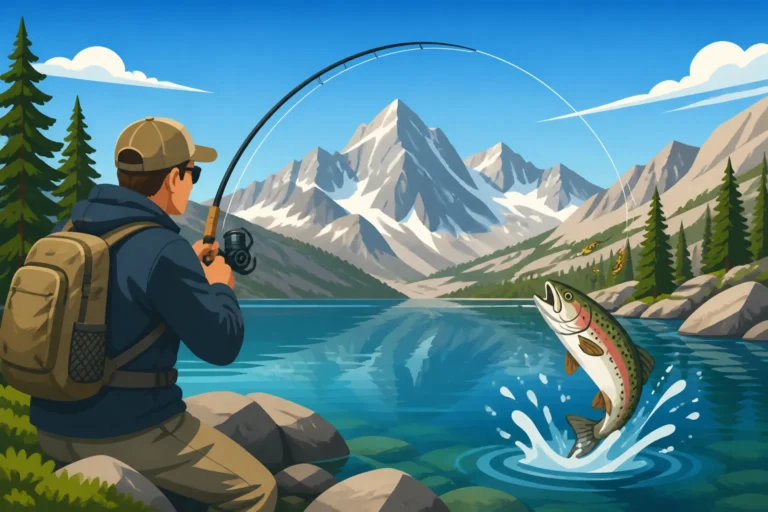
Trout (Rainbow, Brown, Brook): From the Eastern Sierra's countless creeks and rivers, like the Owens River, to the cooler flows of the Truckee River near Lake Tahoe, trout absolutely love a well-drifted bait or fly. Small egg patterns, salmon eggs, nightcrawler pieces, or even tiny spinners drifted naturally can be incredibly effective. Focus on seams, eddies, and deeper runs. The beauty of trout fishing with a drift rig is how light and subtle your presentation can be. You can learn more about California Trout Limits and Regulations to ensure you're fishing responsibly.
-
Steelhead: These migratory rainbow trout are a prized catch in rivers like the Klamath, Trinity, and Eel Rivers. Drift fishing is perhaps the most popular and effective method for steelhead. Anglers typically drift roe (fish eggs), worms, or various drift bobbers and jigs under a float. The goal is to get the offering to tumble along the bottom, right in front of the steelhead holding in deeper runs or behind structure. It's a game of precise weight, line control, and patience, often requiring repeated drifts through productive water. Checking out a California Steelhead Report Card is also essential for any aspiring steelhead angler.
-
Striped Bass: While often associated with casting and retrieving lures, striped bass in the California Delta and lower river systems (like the Sacramento River) can be effectively targeted by drifting bait. Live anchovies, sardines, or ghost shrimp drifted with the current in deeper channels or near structure can entice these powerful fish. The Delta's vast network of channels and sloughs provides endless opportunities for boat-based drifting. Our California Delta Fishing Guide has tons of info on targeting stripers and more.
Saltwater Drift Fishing: Bays and Nearshore Waters
Drift fishing isn't just for freshwater. California's extensive coastline and productive bays offer fantastic saltwater drift fishing opportunities, particularly for bottom-dwelling species.
-
California Halibut: Without a doubt, halibut are one of the most popular targets for saltwater drift fishing in California. Bays like San Francisco Bay, Monterey Bay, and San Diego Bay, along with nearshore ocean waters, are prime halibut grounds. Anglers typically drift live anchovies, sardines, or even squid on a sliding sinker rig or a three-way swivel rig. The goal is to keep your bait close to the bottom as your boat drifts with the tide, covering vast expanses of sandy or muddy bottom where halibut ambush their prey. You can find detailed information in the California Halibut Regulations and Limits guide.
-
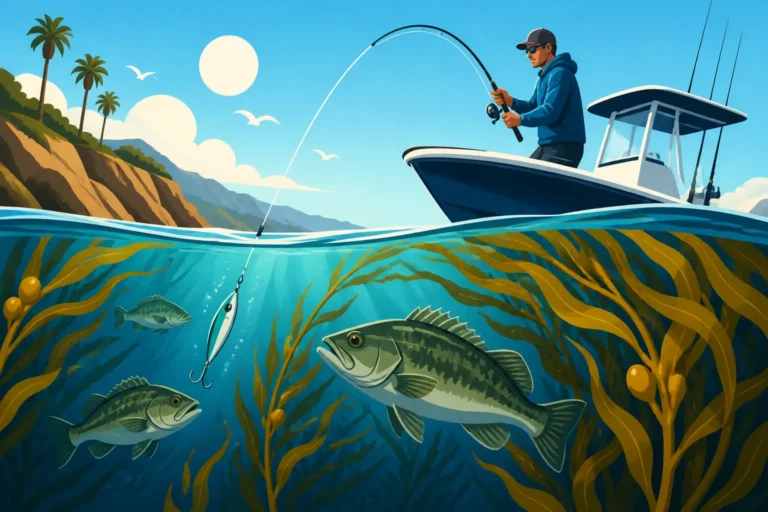
Rockfish and Lingcod: While often targeted with jigs or bait dropped from anchor, drift fishing can also be highly effective for rockfish and lingcod in certain scenarios, especially when fishing over patchy reef areas or along rocky drop-offs. Using cut bait or soft plastics on a dropper loop rig, allowed to drift along the bottom with a boat, can present a very natural offering to these predatory fish. The trick is to find the right balance of weight to stay in the strike zone without constant snagging. Exploring California Rockfish Depth Restrictions is crucial to ensure you're fishing legally and sustainably.
-
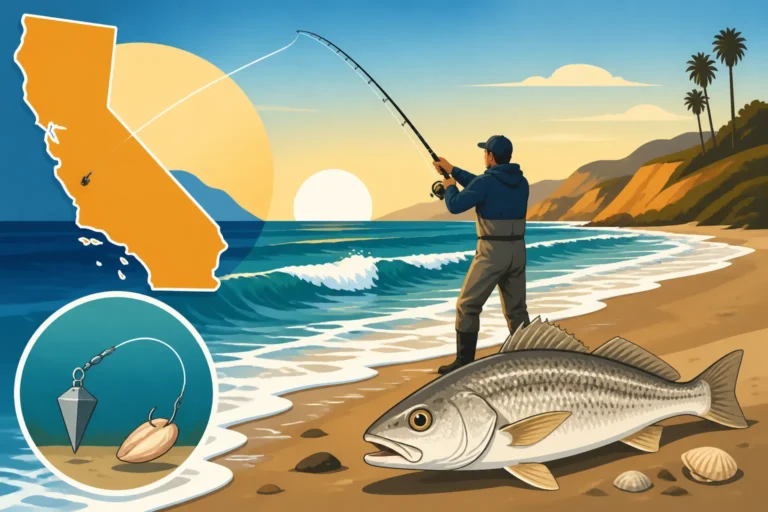
Surfperch and Croaker: Along California's beaches, especially those with calmer surf, drift fishing with a lighter setup can be effective for surfperch and various croaker species. Small pieces of bait like Gulp! sandworms, bloodworms, or even mussels on a Carolina rig or a high-low rig can be allowed to drift along the trough created by the waves. This isn't a long-distance cast-and-retrieve; rather, it's letting the subtle currents of the wash present your bait.
In all these scenarios, being observant and adaptable is key. Pay attention to what other successful anglers are doing, and don't be afraid to experiment with different baits, weights, and drift speeds. Every day on the water is a learning experience, and drift fishing provides ample opportunity for quiet observation and patient angling.
Troubleshooting Common Drift Fishing Challenges
Even seasoned anglers run into snags and frustrations, and drift fishing, for all its simplicity, is no exception. It’s totally normal to feel like you’re doing something wrong when the bites aren’t coming or your line keeps getting tangled. Let’s tackle some of the most common issues you might face and how to work through them.
Dealing with Snags and Lost Tackle
Ah, the dreaded snag! Every drift angler knows the pain of feeling that sudden stop, the tightening of the line, and the realization that your carefully tied rig is now inextricably linked to a submerged rock or log. It’s incredibly frustrating, and it’s probably one of the biggest reasons beginners shy away from bottom-contact techniques.
The best defense against snags is proactive prevention. First, lighten your weight as much as possible while still maintaining contact with the bottom. The less weight dragging, the less likely it is to wedge into crevices. Using "slinky weights" – often homemade from cordura and lead shot – can be a game-changer in rocky areas, as their flexible nature allows them to slide over obstacles that would snag traditional lead sinkers.
Secondly, learn to feel the bottom. You want to feel your weight gently ticking, not dragging. If you feel it getting stuck, immediately lift your rod tip and reel in a few feet of line to free it. Sometimes, changing your drift angle or speed can also help avoid particularly snaggy sections. If you're fishing from a boat, having a boat hook or even a sturdy paddle can help you push off from shallow obstacles or retrieve your anchor if it gets stuck. For shore anglers, patience and a good line release technique (sometimes just walking parallel to the bank can help) are your best bets. While you might lose some tackle, consider it part of the learning curve. You can always replenish your stock of weights and hooks from a reliable supplier like Amazon or your local tackle shop.
Identifying Bites vs. Bottom Contact
One of the trickiest parts of drift fishing for beginners is distinguishing between a subtle fish bite and simply feeling your weight tap the bottom or brush against a piece of structure. Many new anglers miss bites because they assume every twitch is a snag or a rock.
A good rule of thumb is to look for deviations from the normal rhythm. If your weight has been steadily ticking along, and suddenly you feel a distinct thump or a series of rapid taps that feel different from the usual bottom contact, that's likely a bite. Sometimes, it's not a strong pull at all, but rather a sudden lightness or slack in your line as a fish picks up your bait and moves with the current. This is where a sensitive rod tip and braided line really shine, as they transmit these subtle signals much more clearly.
When in doubt, set the hook! It's better to set the hook on a phantom bite than to miss a real one. With practice, your hands will learn to differentiate the subtle nuances, and you'll develop a "feel" for what a fish bite truly feels like. Pay attention to any visual cues too – a sudden dip of your rod tip that doesn't feel like a snag, or a twitch in your line where it enters the water.
Adjusting to Changing Conditions
California's weather and water conditions can be notoriously unpredictable, and what worked yesterday might not work today. Learning to adapt is a hallmark of a successful drift angler.
- Current Speed: If the current suddenly speeds up (e.g., due to increased river flow or a strong tide swing), you'll likely need to increase your weight to keep your bait in the strike zone. Conversely, if it slows down, you'll need to lighten your weight to avoid snagging and maintain a natural drift.
- Fish Depth: Fish can move up and down the water column throughout the day. If you're not getting bites on the bottom, try shortening your leader or adjusting your weight to allow your bait to drift slightly higher. Sometimes, a simple change of depth by a few feet can make all the difference. Observing baitfish activity or other anglers' success can provide clues.
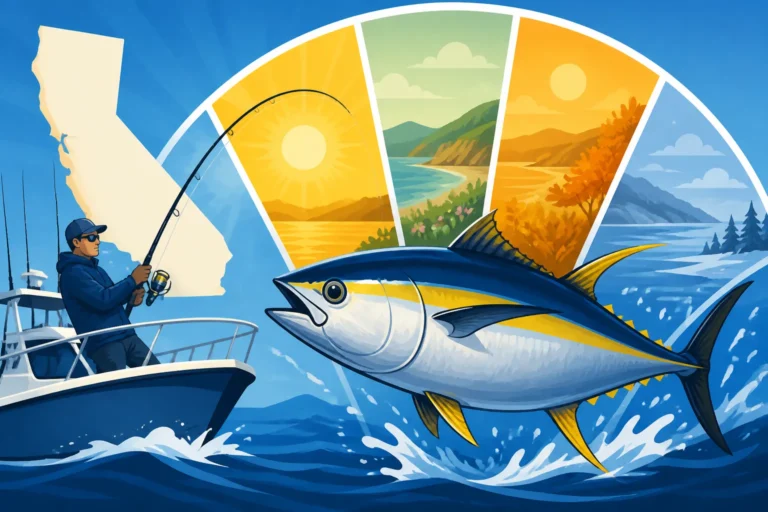
- Bait Preference: Fish can be finicky. If your go-to bait isn't producing, don't be afraid to switch it up. Try different colors of artificials, different sizes of live bait, or even completely different bait types. For instance, if anchovies aren't working for halibut, try squid. Or, for trout, if salmon eggs are slow, switch to a worm. Being flexible and having a variety of options in your tackle box is always a smart move. Our article on California Fishing Seasons: Month-by-Month Guide can give you an idea of what fish are active when, and what baits they might prefer.
Drift fishing is a journey, not a destination. Embrace the learning process, celebrate every bite, and enjoy the tranquil beauty of letting your bait wander where the currents take it.
Disclaimer
Fishing regulations, seasons, and limits in California are subject to change by the California Department of Fish and Wildlife (CDFW). Always consult the latest official CDFW regulations booklet or their website before heading out on the water. This article is intended for informational purposes only and should not be considered a substitute for official regulations.