How to Surf Fish for Corbina
Trying to catch a California corbina from the surf can feel like chasing a ghost. These incredibly wary, discerning fish cruise the shallow sandy beaches, often right at your feet, but coaxing them to bite takes a specific touch and a whole lot of patience. It’s a truly frustrating experience to see them tailing in the shallows and repeatedly refuse your offerings. This comprehensive guide will strip away the mystery, arming you with the knowledge, gear, and techniques you need to finally hook into one of these prized surf zone fighters.
Understanding California Corbina: The Elusive Surf Zone Hunters
Corbina are a quintessential California surf fish, prized not just for their challenging nature but also for their delicious white meat. But before you even cast a line, it's crucial to understand what makes these fish tick – and why they're so maddeningly difficult to catch.
The Shy Nature of Corbina and Why They're So Tricky
California corbina (also known as Menticirrhus undulatus) are part of the drum family, but unlike some of their more aggressive cousins, they are incredibly sensitive to their environment. They thrive in the turbulent, oxygen-rich waters of the sandy surf line, but they're constantly on alert. They feed primarily on sand crabs, small clams, and other invertebrates they dig out of the sand with their sensitive, downward-pointing mouths.
What makes them so tricky? For starters, they have exceptional eyesight and lateral line sensitivity. They can feel vibrations in the sand and spot a poorly presented bait or a clumsy angler from a mile away. Often, you'll see them tailing in ankle-deep water, their tails poking out of the surface as they dig for sand crabs, completely ignoring a perfectly placed bait just feet away. It's enough to make you pull your hair out! They're not chasing flashy lures; they're meticulously sifting through the sand for natural food, making a natural presentation absolutely paramount. This isn't a power game; it's a finesse game.
Identifying Key Surf Features for Corbina Habitat
Successfully targeting corbina means you need to become a student of the beach. You can't just cast anywhere; you need to understand where these fish are likely to be feeding. The surf zone isn't just a flat expanse of sand; it's a dynamic environment with specific features that concentrate bait and, in turn, fish.
Look for troughs, which are deeper channels running parallel to the shore between sandbars. These act as highways for corbina moving up and down the beach, and they often hold calmer water and concentrated food sources. Sandbars, on the other hand, are elevated areas of sand closer to shore. Corbina will often feed on the backside of these bars during higher tides or in the deeper water adjacent to them. Pay close attention to rip currents, too. While a rip current itself isn't a fishing spot, the edges where the water pulls out, or the areas where the current slows down, can be excellent feeding zones as they churn up the bottom and dislodge food. Areas where a wave breaks consistently, creating a "foamy" water line, are also prime. This disturbed water offers both cover and dislodges prey. Take your time when you arrive at a beach; observe the waves, watch how the water moves, and identify these features before making your first cast. This "reading the beach" skill is perhaps the most important weapon in your corbina fishing arsenal. For a deeper dive into the seasonal movements of various species, check out our guide on California Fishing Seasons: Month-by-Month Guide.
Assembling Your Essential Corbina Surf Fishing Arsenal
Alright, now that you know a bit more about the elusive corbina, let's talk about the tools you'll need. This isn't the kind of fishing where bigger is always better. For corbina, finesse, sensitivity, and subtlety are your best friends.
Rod, Reel, and Line: The Finesse Setup
Choosing the right rod and reel combination is absolutely critical for corbina. You need something sensitive enough to detect the incredibly subtle bites of these fish, but with enough backbone to cast light baits and handle the surf.
- Rods: Forget your heavy bass rods or beefy shark setups. For corbina, you're looking for a light to medium-light action rod, typically between 8 and 10 feet in length. Some anglers even prefer up to 12 feet for increased casting distance and line control over the waves. The key is a sensitive tip, often fiberglass or a composite, that allows you to feel those faint taps and bumps. A rod with a fast or moderate-fast action will give you the sensitivity to feel the slightest nibble and the backbone to make a decent cast without overpowering your bait. Brands like Okuma, Daiwa, and Ugly Stik offer excellent, affordable options that fit the bill.
- Reels: A spinning reel in the 2500-4000 series range is ideal. It needs to have a smooth drag system, as corbina can make surprising runs, and saltwater resistance is a huge plus given the environment. Make sure it balances well with your chosen rod.
- Line: This is where things get really precise. You'll want to spool your reel with either monofilament or braided line.
- Monofilament: A 6-8 pound test monofilament is a classic choice. It has a bit of stretch, which can be forgiving with a hard-fighting fish or when waves put pressure on your line. It's also less visible in the water.
- Braided Line: If you opt for braid, go with 10-15 pound test, keeping in mind that braid has a much thinner diameter than mono of the same strength. The big advantage of braid is its zero stretch, which translates to incredible sensitivity – you'll feel everything. However, its visibility can be an issue, so you'll almost always need a fluorocarbon leader.
Many experienced corbina anglers prefer braided mainline for sensitivity, followed by a fluorocarbon leader (6-8 lb test) for invisibility and abrasion resistance. A good knot like the FG knot or a double uni-knot is essential for connecting these two different lines. You can find a great selection of these specialized surf fishing rods, reels, and lines on platforms like Amazon, making it easy to get exactly what you need delivered right to your door. For understanding general gear choices, you might find our article on California Surf Fishing Tips and Techniques helpful.
Terminal Tackle: Mastering the Carolina Rig and Its Variations
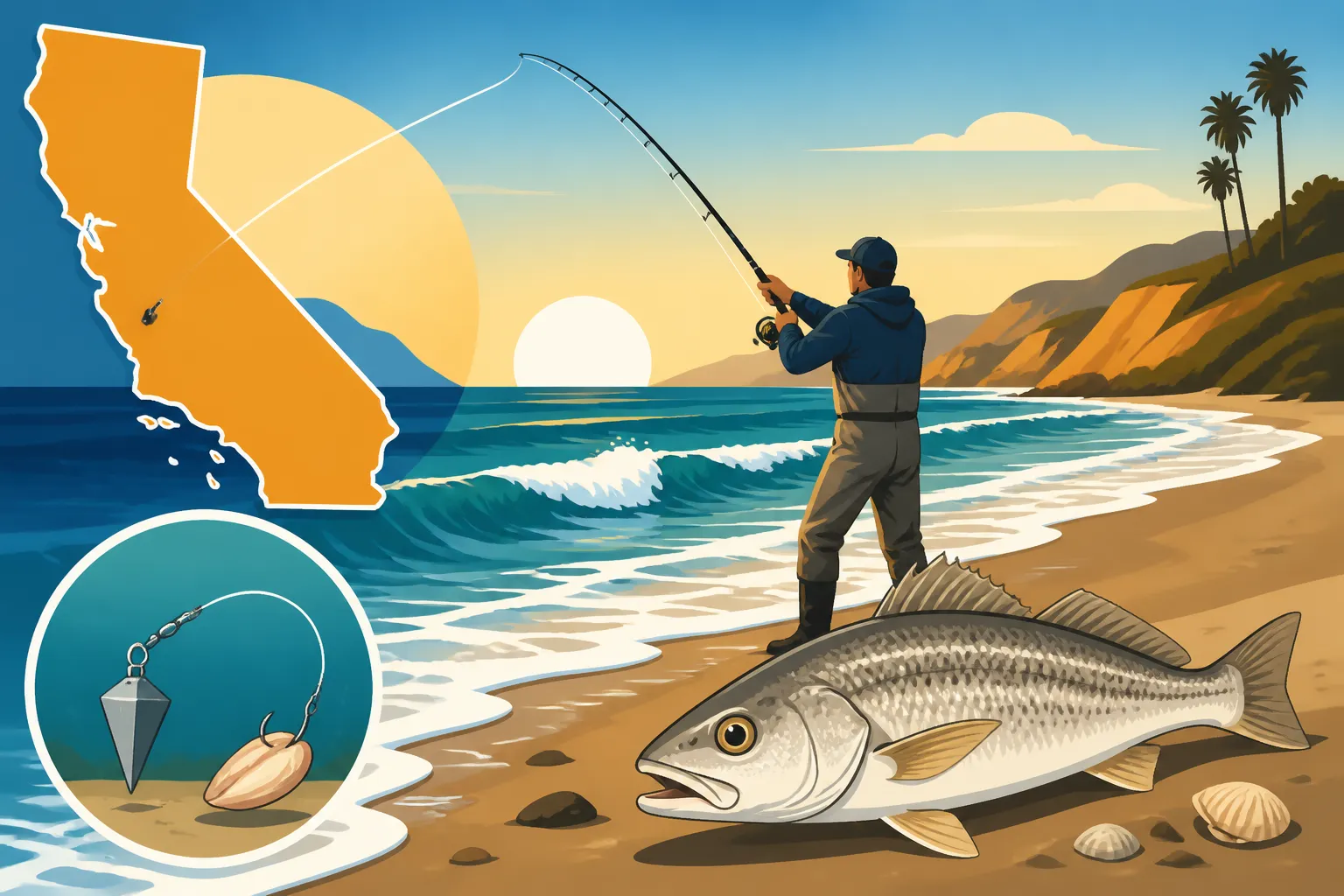
When it comes to terminal tackle for corbina, simplicity and stealth are key. The Carolina rig is far and away the most popular and effective setup. It allows your bait to move naturally in the current, mimicking how a sand crab would tumble along the bottom.
-
The Carolina Rig Breakdown:
- Sinker: You'll typically use an egg sinker or a torpedo sinker, weighing between 1/4 ounce and 1 ounce, depending on the current and wave action. The goal is just enough weight to hold bottom without being so heavy that it anchors your bait unnaturally. Let it roll a bit.
- Bead: A small plastic or glass bead placed between the sinker and the swivel. This protects the knot from the sinker's movement and adds a subtle clicking sound that can sometimes attract curious fish.
- Swivel: A small, good quality barrel swivel (size 10-12) connects your mainline to your leader. This prevents line twist and ensures the sinker can slide freely.
- Leader: This is crucial. A fluorocarbon leader of 6-8 pound test, typically 18-36 inches long. Fluorocarbon is nearly invisible underwater, which is a major advantage with spooky corbina.
- Hook: Small is the name of the game. A size 4 to 8 hook, either a J-hook or a circle hook, is what you'll want. Circle hooks are great for protecting the fish, as they tend to hook in the corner of the mouth, making for easy release. Always remember California's California Barbless Hook Requirements in many freshwater and some saltwater fisheries; for corbina, using barbless hooks, or crimping down your barbs, is a responsible practice, especially if you plan on releasing fish.
-
Variations: Some anglers like to shorten the leader to 12-18 inches in very heavy surf or when bites are extremely subtle. Others might use a very light sliding sinker (1/8 oz) to allow the bait to drift even more naturally in calmer conditions. Experimentation is part of the fun!
The Holy Grail of Corbina Baits: Sand Crabs and More
You simply cannot talk about corbina fishing without talking about sand crabs. They are the absolute number one bait for these fish, and for good reason: they are corbina's primary natural food source.
- Sand Crabs: The Undisputed King:
- Finding Them: Sand crabs live in the wash zone, the area where waves crash and recede. Look for "V" shapes in the sand as a wave pulls back – these are their feeding antennae. A good sand crab population is a good sign of corbina.
- Catching Them: The easiest way to catch sand crabs is with a sand crab rake or a specialized sand crab pump. Dig or sift in the wash zone during an outgoing wave. Look for medium-sized "soft-shell" crabs, which are easier for corbina to eat and have a stronger scent. You can often find durable sand crab rakes and pumps on Amazon, making your bait collection much more efficient.
- Keeping Them: Keep them alive and cool in a bucket with damp sand, or a bait tube specifically designed for surf bait. Avoid direct sunlight.
- Rigging Them: This is key. Thread your hook through the underside of the crab and out through the top, ensuring the hook point is exposed. You want it to look as natural as possible, almost like it’s still alive.
- Other Baits: While sand crabs are king, there are other options to consider, especially if sand crabs are scarce.
- Gulp! Sand Crabs: These artificial baits from Berkley Gulp! are surprisingly effective and a great backup or even primary bait when real sand crabs are hard to come by. They come pre-scented and are durable.
- Mussel/Clam Pieces: Small pieces of fresh mussel or clam can work, especially if the beach has a natural population of these invertebrates.
- Shrimp: Small pieces of fresh, raw shrimp (peeled) can also entice a bite, though they tend to attract more unwanted species like perch or small croaker.
Remember, whatever bait you use, freshness and natural presentation are absolutely non-negotiable for corbina.
Mastering the Art of Corbina Presentation and Technique
Having the right gear and bait is only half the battle. To consistently catch corbina, you need to understand how to present your offering and when to do it. This requires patience, observation, and a delicate touch.
Precision Casting and Patient Waiting: It's All in the Approach
Corbina are not usually found way out past the breakers. They're often in the first trough, sometimes even right in the wash where the waves recede. Your cast doesn't need to be mighty; it needs to be precise and gentle.
- Casting for Accuracy, Not Distance: Focus on casting just beyond the first breaker, or into a visible trough or depression you've identified. A common mistake is to cast too far. Often, the fish are in knee-deep water right in front of you. A gentle lob cast that allows your bait to land softly is much better than a thunderous splash that sends every fish scattering.
- The Gentle Entry: When your bait lands, allow the sinker to settle. Give it a few seconds, then very slowly, gently retrieve just enough line to take up the slack. You want your bait to tumble naturally with the current, not drag unnaturally.
- Reading the Bite: Corbina bites are notoriously subtle. It might feel like a series of light taps, a slight weight, or just a momentary slackening of the line as the fish picks up the bait. It's rarely a dramatic strike. This is where your sensitive rod and line really shine. Don't immediately yank; give them a moment to fully mouth the bait. If you feel anything unusual, even a tiny "tick," be ready.
- Stealth is Paramount: Remember how spooky these fish are? Walk softly on the sand, avoid loud noises, and keep your silhouette low, especially during daylight hours. A good pair of polarized sunglasses will help you spot fish tailing or moving in the shallows, allowing you to plan your approach and cast well in advance. Consider the general tips for California Surf Fishing for Beginners to refine your technique.
Understanding Tides, Seasons, and Time of Day
Timing is everything in corbina fishing. These fish are highly influenced by tidal movements, time of day, and even seasonal changes.
- Tidal Windows: The incoming tide, especially the last two hours before high tide and the first hour or two of the outgoing tide, is generally considered the most productive. The rising water pushes bait closer to shore and gives corbina access to new feeding grounds. A strong current can make it harder for your bait to hold bottom naturally, so sometimes the "slack" periods around high or low tide can be productive too.
- Time of Day: Dawn and dusk are prime times. The lower light conditions provide corbina with more confidence to feed aggressively in the shallower waters. During the brightest parts of the day, they tend to be more wary and might move into slightly deeper water. Overcast days can extend these productive periods throughout the day.
- Seasons: While you can catch corbina year-round in Southern California, they are generally most active and abundant during the warmer months, roughly from late spring through fall. During winter, they tend to move into deeper water or become less active. Check local fishing reports for specific beach conditions and corbina activity. For a more general understanding of when specific species are biting, our Best Times to Fish in California guide can be a great resource.
Hooking Up and Fighting These Feisty Fish
Once you've felt that subtle bite, the next steps are crucial. Corbina are strong fighters for their size, especially in the waves, and they can pull hooks if you're not careful.
- The Gentle Hookset: This is critical. Since corbina have those downward-pointing mouths for sifting, and their bites are so light, a violent hookset will often just pull the bait out of their mouth. Instead, when you feel a solid pull or consistent weight, slowly and smoothly lift your rod tip. If you're using circle hooks, just reel into the fish without setting the hook – the circle hook will do the work.
- Keeping Tension: Once hooked, keep steady pressure on the fish. Do not let slack get into your line, especially when waves are breaking around you. A breaking wave can easily shake a hook loose if there's slack. Let your rod and reel's drag do the work.
- Playing the Waves: As you reel the fish in, pay attention to the incoming waves. Use the energy of an incoming wave to help bring the fish closer, but be ready to reel quickly as the wave recedes to maintain tension. Don't fight the wave; work with it. When the fish is close, quickly get it onto the wet sand to minimize stress on the fish and prevent it from flopping back into the surf.
Remember that corbina are relatively fragile, especially out of the water. Handle them gently, unhook them quickly (using pliers or a dehooker from your tackle box, maybe even a set found on Amazon), and release them quickly if you're not keeping them.
Top California Corbina Hotspots and Local Tips
California's long coastline offers countless stretches of sand that hold corbina. While they can be found on many sandy beaches, some areas are particularly renowned for consistent action.
Popular Beaches Known for Productive Corbina Fishing
When you're chasing corbina, certain beaches consistently prove more productive due to their geography, sand crab populations, and structure.
- Southern California Gems: In Southern California, beaches like San Clemente Pier Beach, Huntington City Beach, Bolsa Chica State Beach, and Zuma Beach near Malibu are well-known corbina haunts. Further south, Ocean Beach in San Diego and stretches of sand in Encinitas can also produce. These beaches often feature a good mix of shallow troughs and sandbars, providing ideal feeding grounds. The key is to look for beaches with a decent surf zone, not too rocky, and evidence of sand crabs. Our guide to Best Surf Fishing Beaches in California offers more detailed locations to explore.
- Central Coast Opportunities: While less famous for corbina than SoCal, certain Central Coast beaches, particularly around Morro Bay and Pismo Beach, can also hold good numbers, especially during warmer months. The general principles of reading the beach and finding sand crabs apply universally.
| Beach Name (Example) | Region | Key Features for Corbina | Best Time to Fish (General) | Notes |
|---|---|---|---|---|
| Huntington City Beach | Southern California | Defined troughs, consistent sand crab populations | Summer/Fall, Incoming Tide | Can get crowded; plenty of access. |
| San Clemente Pier Beach | Southern California | Good sandbars, less crowded south of the pier | Summer, Early Morning | Check regulations near the pier; good structure around the pier can hold fish. |
| Zuma Beach | Southern California | Long stretches of sand, often less crowded | Late Spring/Early Fall | Excellent for walking the beach and finding active fish. |
| Bolsa Chica State Beach | Southern California | Wide, flat beach; watch for sand crab activity | Summer, Low to Mid-Tide | Can be productive, but requires careful observation for subtle changes in the sand. |
| Pismo Beach | Central Coast | Classic surf fishing beach, good sand crab habitat | Warmer Months | Can also be good for barred surfperch and other surf species. |
Advanced Tactics and Common Mistakes to Avoid
Once you've got the basics down, you can start refining your approach to increase your chances of success.
- Walk the Beach: Don't just pick one spot and stay there. Corbina move. If you're not getting bites after 15-20 minutes, pick up your gear and move 50-100 yards down the beach. Look for signs of life, like diving birds or baitfish activity.
- Vary Your Retrieve: While a slow, natural drift is often best, sometimes a very subtle, almost imperceptible retrieve can trigger a bite. Just enough to slowly crawl your bait a few feet.
- Scent Attractants: Some anglers swear by adding a touch of scent to their bait, like Pro-Cure or Mike's Shrimp Oil. Apply it directly to your sand crab or artificial bait.
- Avoid Overcasting: As mentioned, casting too far is a common mistake. Many corbina are caught within 20-40 yards of the shoreline. Focus on accurate casts into productive-looking water.
- Don't Overstay Your Welcome: If you see corbina tailing but they won't bite, it might be worth trying a different spot. Sometimes they are simply not in a feeding mood, or they've been spooked.
- Be Aware of Your Surroundings: California beaches are popular. Be mindful of swimmers, surfers, and other beachgoers. Always practice responsible angling, pack out what you pack in, and respect local regulations. Understanding California Saltwater Fishing Regulations is crucial for any ocean angler.
Surf fishing for corbina is a rewarding challenge. It teaches patience, observation, and a deeper understanding of the ocean's intricate dynamics. While it can be frustrating, the reward of landing a beautiful, hard-fighting corbina from the shallow surf makes all the effort worthwhile. Keep practicing, keep observing, and you'll eventually crack the code on these wary ghosts of the California coastline!
Disclaimer
The information provided in this guide is for general informational purposes only and is subject to change. Fishing regulations, seasons, and limits can vary and are regularly updated by the California Department of Fish and Wildlife (CDFW). Always consult the latest official CDFW regulations before engaging in any fishing activity. It is the angler's responsibility to know and adhere to all applicable laws and regulations.