How to Fish for Lingcod in California
Fishing for lingcod in California can feel like trying to find a needle in a haystack, especially with their reputation for hiding in rocky, snag-prone environments and their aggressive, yet often elusive, bites. Many anglers get frustrated losing tackle or simply not knowing where these toothy predators lurk and what makes them strike. This comprehensive guide is designed to cut through that confusion, arming you with the knowledge of lingcod behavior, the right gear, and proven techniques to successfully target and land these prized fish along the California coast.
Understanding Lingcod: A California Deep-Dweller
Lingcod are fascinating creatures, blending perfectly into their rocky homes and ambushing unsuspecting prey. To consistently catch them, you first need to understand them. Knowing their habits and the rules that govern their harvest are the first steps to success.
Lingcod Biology and Behavior
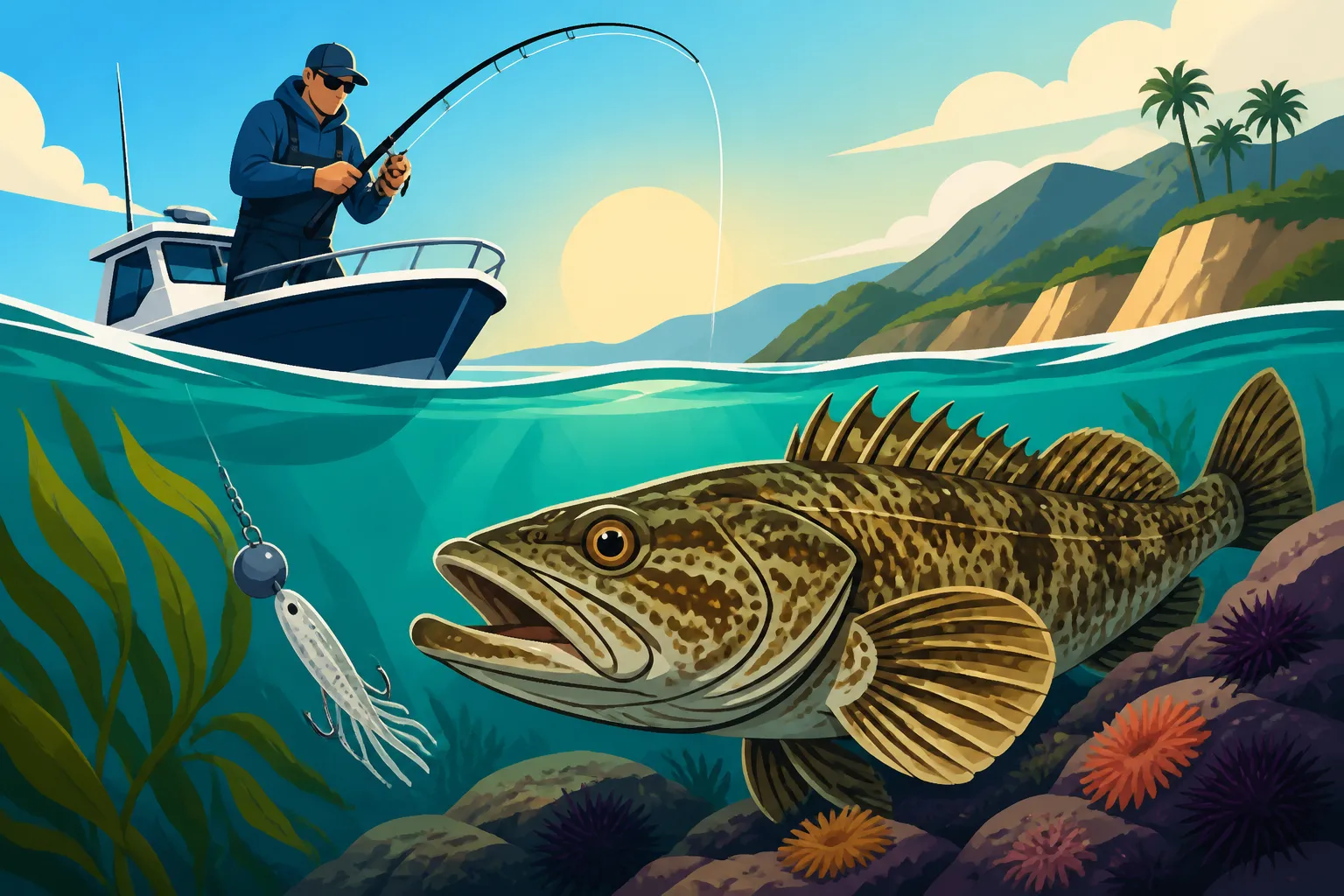
These aren't your average bottom fish; lingcod (scientific name Ophiodon elongatus) are voracious predators, often referred to as "bucketmouths" due to their large, toothy grins. They're typically found along the entire Pacific Coast, from Alaska down to Baja California, but they absolutely thrive in the cooler, nutrient-rich waters off the Golden State. What makes them unique is their preference for rocky reefs, pinnacles, kelp forests, and wrecks – essentially any structure that offers ambush points and shelter from strong currents. They're masters of camouflage, often blending seamlessly with their surroundings as they wait for rockfish, smaller lingcod, octopus, or even crabs to swim by.
You'll find that lingcod are generally solitary fish, though you might occasionally stumble upon a honey hole with several individuals if the habitat is particularly rich. Their aggressive nature means they're not shy about striking lures or bait, but their territorial instincts also mean you often need to present your offering directly in their face. It's not uncommon to pull up a lingcod only to find it's still clamped down on another, smaller fish it just caught! They can grow quite large, with the California state record being an impressive 56 pounds, though most anglers are thrilled with anything in the 10-20 pound range. Knowing these habits helps you anticipate where they'll be and how they'll react to your presentation. They are truly apex predators of the nearshore rocky habitat.
Regulations and Limits for Lingcod
Navigating fishing regulations in California can sometimes feel like solving a complex puzzle, and lingcod are no exception. The California Department of Fish and Wildlife (CDFW) sets specific rules to ensure sustainable populations, and these can change based on the fishing zone, time of year, and even depth. For instance, you'll find different rules for the northern management area versus the central or southern regions, especially when it comes to depth restrictions and season closures for groundfish. It's crucial to consult the current California Fishing Regulations Explained booklet or the CDFW website before every trip. Ignorance of the rules is never an excuse, and a violation can lead to hefty fines or even loss of fishing privileges.
Generally, lingcod are part of the broader "groundfish" complex, which includes various California Rockfish Species Identified. This means their seasons and bag limits are often tied together with other bottom-dwelling fish. Throughout most of California, there's a specific daily bag limit, typically two lingcod per person, with a minimum size limit of 22 inches. These regulations are designed to protect the breeding stock and ensure healthy future populations. These are subject to change, so always double-check. For example, some years might see unexpected closures or changes to California Lingcod Season and Limits due to stock assessments or broader groundfish management. Remember, adhering to these rules isn't just about avoiding trouble; it's about being a responsible angler and ensuring future generations can also enjoy the thrill of catching these amazing fish.
Essential Gear for Lingcod Fishing
Lingcod are strong, heavy fighters, and they live in gnarly, abrasive environments. This means your gear needs to be robust, reliable, and ready for a battle. Skimping on tackle here often leads to heartbreak and lost fish.
Rods, Reels, and Line
When you're gearing up for lingcod, think heavy-duty. Forget your freshwater trout setup; this is saltwater beast mode. A medium-heavy to heavy conventional rod, anywhere from 6.5 to 8 feet in length, with a fast action tip and plenty of backbone, is ideal. You want something that can handle 30-80 pound test line and has enough leverage to pull a big lingcod out of a rock pile before it can wedge itself in. Many anglers prefer a shorter, stiffer rod for jigging, as it gives better control and leverage for working heavy jigs. A slightly longer, more forgiving rod might be better for drifting with natural bait, allowing the fish to mouth the bait before feeling too much resistance.
For reels, a conventional star-drag or lever-drag reel in the 30-50 size range is perfect. Think models like a Penn Fathom, Daiwa Saltist, or a Shimano Torium. These reels have the cranking power and drag necessary to subdue a lingcod quickly and efficiently. Spool your reel with braided line, 50 to 80-pound test being a common choice. Braid has minimal stretch, which gives you excellent sensitivity to feel those subtle bites even in deep water, and its thin diameter for its strength means you can cut through current more effectively. You'll want to add a top shot of 6-10 feet of 40-60 pound monofilament or fluorocarbon leader to your braid, connected with a strong knot like an FG knot or an Albright special. Fluorocarbon is less visible in the water and more abrasion-resistant, which is key when fishing around sharp rocks. You can find quality braided line and fluorocarbon leaders on Amazon, ensuring you're ready for the toughest fights.
Lures and Bait for Lingcod
Lingcod are opportunistic predators, so they'll hit a wide variety of offerings. The key is often presenting something that looks alive, is in their strike zone, and can withstand their powerful jaws. Jigs are incredibly popular and effective. Heavy metal jigs, often called "iron," in sizes from 6 to 16 ounces (or even heavier in strong currents or deep water), are go-tos. Popular styles include knife jigs, diamond jigs, and flutter jigs. Colors can vary, but chrome, blue-and-white, or glow-in-the-dark are perennial favorites. These jigs, when worked correctly, mimic a wounded baitfish, irresistible to a hungry lingcod.
Soft plastics, especially those rigged on heavy lead-head jigs (6-12 ounces), are also deadly. Large swimbaits, grubs, or curly-tail plastics in white, green, brown, or even chartreuse can imitate squid or smaller fish like California Rockfish Species Identified that lingcod commonly prey upon. Brands like Berkley Gulp! offer potent scent and action combinations that can be incredibly effective. When it comes to natural bait, live bait is king for lingcod. Mackerel, sardines, anchovies, or even small rockfish (if legal to use as bait and caught within your limit) are irresistible. Hook them through the nose or the back. If live bait isn't an option, fresh dead squid, herring, or mackerel strips can also work wonders. Sometimes, combining a jig with a piece of bait, like a strip of squid on the hook of a lead-head jig, can be incredibly effective – offering both visual appeal and scent. Don't be afraid to experiment; sometimes a different color or a slightly different presentation can make all the difference, especially when other anglers are struggling.
Terminal Tackle and Accessories
Beyond your rod, reel, and main line, a few crucial pieces of terminal tackle will make or break your lingcod outing. You'll need heavy-duty barrel swivels, rated for at least 80 pounds, to prevent line twist from your jigging action. Snaps or snap swivels are handy for quickly changing jigs, but ensure they are strong enough to handle a big ling. For your leader material, 40 to 60-pound fluorocarbon is preferred for its abrasion resistance against rocks and the lingcod's teeth, as well as its low visibility in clear saltwater. Make sure to use strong, reliable knots like a Palomar knot, improved clinch knot, or a uni-knot for attaching hooks and swivels to your leader.
Hooks should be stout and sharp. If you're using bait, 6/0 to 9/0 circle hooks or J-hooks are standard. Circle hooks are often mandated in certain areas for groundfish to promote healthier releases and reduce gut hooking, so check the latest California Saltwater Fishing Regulations. Sinkers will vary depending on current and depth, but bring an assortment of torpedo or cannonball sinkers from 8 to 16 ounces. Losing tackle is part of lingcod fishing in their rocky habitat, so always bring plenty of extra jigs, weights, and pre-tied leaders. A good pair of heavy-duty pliers (like a pair of Manley pliers) for hook removal, a fish gripper (a necessity with those teeth!), and a sturdy landing net or gaff are also essential. Safety glasses are also a smart choice when handling toothy fish or casting heavy weights, protecting your eyes from errant hooks or thrashing fish. Many of these essential accessories can be easily found on Amazon to round out your tackle box.
Top Techniques for Catching Lingcod
Lingcod are ambush predators, so your techniques need to either mimic their natural prey or annoy them enough to strike defensively. Different approaches work better in different conditions, and mastering a few will significantly boost your success.
Jigging for Lingcod
Jigging is perhaps the most popular and often most effective method for targeting lingcod, especially from a boat. The idea is to present a lure that resembles a wounded baitfish or squid, drawing the lingcod out of its lair. Heavy metal jigs are lowered to the bottom, then retrieved with an erratic up-and-down motion. This could be a slow lift and drop, or a series of sharp, quick jerks followed by a pause. The strike often comes on the drop or when the jig is paused, so always be ready and keep your line taut. Some anglers prefer to "yo-yo" jig, which involves dropping the jig to the bottom and then quickly cranking it up 10-20 feet before dropping it again. This aggressive presentation can trigger reaction strikes from even less active fish.
The key to successful jigging is staying in contact with the bottom. You need to use enough weight to quickly get down and stay vertical, but not so much that you can't impart action to your jig. Pay close attention to your depth sounder or fish finder; lingcod often hold tight to structure. When you mark fish or structure, drop your jig right into it. If you're on a party boat, watching what the deckhands or experienced anglers are doing can provide invaluable clues about the day's preferred retrieve. They often have an intuitive feel for what the fish want. Check out more California Jigging Tips and Techniques for mastering this art, which can be applied to many different bottom fish.
Live Bait Fishing for Lingcod
While jigs are great, live bait can be absolutely deadly for lingcod, especially when they're a bit finicky or when fishing pressure is high. Nothing beats the natural scent and movement of a struggling baitfish. The most common setup involves using a dropper loop or a sliding sinker rig. With a dropper loop, you tie a loop in your leader a foot or two above your sinker, and then attach a large, sharp hook to the loop. The sinker is on the very bottom, keeping your bait near the structure. A sliding sinker rig uses an egg sinker or similar weight that slides freely on your main line, terminating at a swivel, followed by your leader and hook. This allows the fish to pick up the bait without feeling the weight of the sinker, giving a more natural presentation.
The choice of live bait is crucial. Mackerel, sardines, anchovies, and even small white croaker are excellent. If you can catch your own bait fresh, even better! Always check local regulations to ensure your chosen baitfish is legal to use and that you stay within any applicable bag limits for bait. Present your live bait as close to the rocky structure as possible. Lingcod are ambush predators, so they'll often wait for an easy meal to swim by. Sometimes, a slight retrieve, slowly pulling the bait just above the structure, can trigger a chase. The initial bite can be subtle or a violent thud, so keep your rod in hand and be ready to set the hook. This technique is especially effective when fishing near kelp forests or known California Rockfish Conservation Areas where lingcod often coexist and feed actively.
Trolling and Drifting Methods
While not as common as vertical jigging or stationary live bait fishing, trolling and drifting can also be effective, particularly for covering more ground or when trying to locate scattered fish over a larger area. Drifting involves letting your boat move with the current or wind, slowly dragging your lure or bait along the bottom. This can be very productive over large rocky reefs or sand-to-rock transitions. Use enough weight to keep your offering near the bottom, but be prepared for snags, as you're covering varied terrain. A "leadhead and plastic" combo (a heavy jig head with a large soft plastic swimbait) or a whole dead bait rigged on a bottom walker can work well here. The natural motion of the drift often makes the bait look more realistic.
Trolling for lingcod is less common but can be done, often with large diving plugs, crankbaits, or swimbaits that can get down deep. This is typically done at very slow speeds, hugging the contours of the bottom. It's more effective when targeting specific submerged structures or known lingcod haunts rather than blindly covering open water. Your boat's GPS and fish finder are critical for staying on track and marking productive spots. If you're fishing with a charter, they often employ a combination of these methods, starting with drifting or slow trolling to find active fish, then anchoring up or making repeated drifts over productive areas once a school is located. Understanding these options gives you flexibility, especially on days when the fish aren't cooperating with one particular method.
Prime Locations and Seasons for Lingcod
Knowing where and when to fish for lingcod in California is just as important as knowing how. Their distribution and activity levels are highly dependent on habitat and seasonal patterns, which can vary significantly along the extensive California coastline.
Key Habitats and Structures
Lingcod are structure-oriented fish, plain and simple. If you want to find them, you need to find rocks. Look for rocky reefs, pinnacles, ledges, submerged boulders, and wrecks. These areas provide the perfect ambush points and cover for these predatory fish, allowing them to hide from currents and surprise prey. Kelp forests, particularly the edges where the kelp meets open water or deeper rock piles, are also prime real estate. The kelp provides cover for baitfish, which in turn attracts lingcod. Marine Protected Areas (MPAs) are off-limits for fishing, so make sure you understand California Marine Protected Areas Explained and know exactly where you can and cannot fish. However, the edges of these zones can sometimes be very productive, as fish may congregate there.
Many of California's most popular fishing destinations offer excellent lingcod opportunities. Off San Diego, areas around the Coronado Islands (with proper Mexican permits) or local offshore banks hold good numbers. Up the coast, places like Santa Barbara, Morro Bay, and Monterey Bay are famous for their rocky bottoms and abundant lingcod. Further north, Bodega Bay and the waters off Fort Bragg and Eureka are renowned for big lings. When planning a trip, looking at nautical charts for depth contours and rocky symbols, or consulting local Best Fishing Spots in California fishing reports, can give you a significant advantage. Pay attention to depths between 50 and 300 feet, as this is often where you'll find the most consistent action, though they can be shallower or deeper depending on conditions and location and the time of year. Knowing How to Catch Rockfish in Deep Water will also help you target lingcod, as they often share the same habitats.
Best Time of Year to Target Lingcod
Lingcod can be caught year-round in California, but there are definitely peak seasons when the action heats up. Generally, late winter through spring (February to May) is considered prime time. This is often when lingcod are spawning, guarding their nests, and are particularly aggressive, protecting their eggs from intruders. During this period, they are often found in shallower water than usual, making them more accessible to anglers. The cooler water temperatures also tend to make them more active. However, always be mindful of seasonal closures or depth restrictions that might be in place for groundfish, as these vary by region and year. The CDFW often modifies California Rockfish Depth Restrictions to manage populations, which directly impacts lingcod access.
As summer approaches, lingcod tend to move to deeper, cooler waters, often congregating around offshore reefs and wrecks to escape the warmer surface temperatures. This doesn't mean they can't be caught; it just means you might need to fish deeper or cover more ground with more robust California Offshore Fishing Techniques. Fall can also be an excellent time, as water temperatures begin to cool, and lingcod become more active again as they feed heavily in preparation for winter. Many long-range offshore trips or multi-day charters will target lingcod along with other species during these peak seasons, heading to offshore banks or islands. Always check the latest fishing reports and regulations for the specific area you plan to fish, as conditions and opportunities can change rapidly. For example, Best Fishing in Northern California might have slightly different peak seasons due to colder water.
Fishing from Shore vs. Boat
While boat fishing undeniably offers the best access to prime lingcod habitat, it's absolutely possible to target them from shore, especially in certain areas with deep water and rocky structure. From shore, you'll be limited to areas with deep water access and rocky structure, like jetties, breakwaters, and rocky points. Places like the Pacifica Pier or the jetties in San Pedro and Moss Landing can produce lingcod, especially after a storm when baitfish are pushed closer to shore or during the peak spawning season. When fishing from shore, heavy gear is still essential to battle fish out of rocky snags. Large swimbaits, heavy metal jigs, or natural baits (like squid or mackerel strips) fished on a high-low rig with heavy sinkers are common setups. Just be prepared to lose some tackle!
However, if you're serious about consistently catching lingcod, a boat — whether your own, a private charter, or a spot on a party boat — is the way to go. Boats allow you to reach those isolated offshore pinnacles, deep reefs, and kelp beds that are inaccessible from land. They also provide the stability needed to fish heavy jigs or live bait effectively in deeper water and stronger currents, allowing for precise bait placement. Many anglers opt for half-day or full-day trips on one of California's many excellent party boats. These vessels are specifically designed for groundfish trips and have experienced crews who know exactly where the fish are biting and what techniques are working. For those looking for a more personalized experience, a private charter can offer tailored trips focusing specifically on lingcod, giving you maximum flexibility and expert guidance.
| Technique/Bait Type | Description | Best Conditions | Pros | Cons |
|---|---|---|---|---|
| Jigging (Metal Jigs) | Dropping heavy metal jigs to the bottom and retrieving with sharp, erratic jerks. | Deep water, moderate current, visible fish on sonar. | Highly effective, covers water, triggers reaction strikes. | Requires heavy jigs, can be tiring, prone to snags. |
| Jigging (Soft Plastics) | Large swimbaits or grubs on heavy lead heads, worked near structure. | Similar to metal jigs, or when fish are less aggressive. | Natural action, scent options, less prone to snags than exposed treble hooks. | Can be torn by teeth, requires specific presentation. |
| Live Bait (Mackerel/Sardine) | Fishing live bait on a dropper loop or sliding sinker rig near bottom structure. | When fish are finicky, or in known high-density areas. | Extremely effective, irresistible scent and movement. | Requires bait acquisition/care, can attract unwanted species. |
| Dead Bait (Squid/Mackerel) | Using fresh dead bait strips on J-hooks or circle hooks. | Backup when live bait is unavailable, can be fished passively. | Readily available, cost-effective, good scent trail. | Less active presentation, can be picked apart by smaller fish. |
| Drifting | Allowing boat to move with current/wind, dragging bait/lure over structure. | Large, scattered reefs, light current, searching for fish. | Covers wide area, natural presentation. | Prone to snags, less precise placement. |
Advanced Tips and Lingcod Insights
Once you've got the basics down, there are always ways to refine your approach and increase your success rate. Lingcod fishing, like any other, has its nuances that experienced anglers learn over time.
Reading the Ocean and Structure
The ocean tells a story, and learning to read it is paramount to consistent success, especially for structure-loving fish like lingcod. Beyond just looking for rocky symbols on a chart, pay attention to current lines, water temperature breaks, and bird activity, especially diving birds, which often indicate baitfish schools that might attract predators. Your boat's fish finder is your best friend. Learn to interpret those arches and blobs near the bottom. Lingcod often show up as larger, distinct marks, sometimes right on the bottom or slightly above the structure they're holding to. If you see a cluster of smaller marks, it could be a bait ball, and where there's bait, there are usually predators.
When fishing, mentally map the structure below. If you're drifting over a reef, try to visualize the humps, valleys, and drop-offs. The bites often come right on the edges of these features, where the lingcod can ambush prey effectively. If you snag up, try to remember the exact location and adjust your next drift or drop to avoid it. Conversely, if you get a strike in a specific spot, make a mental note – lingcod are territorial, and there might be another one waiting. Understanding California Fishing Regulations by Region is also part of reading the ocean; knowing where you can fish and what restrictions apply prevents costly mistakes and ensures you're fishing in legally open areas.
The Art of the Hook Set and Fight
Landing a lingcod isn't just about getting a bite; it's about converting that bite into a fish in the boat. When a lingcod strikes, it can be a subtle "thump" or a savage tug that nearly rips the rod from your hands. Because they often crush their prey, give them a moment to fully engulf the bait or lure. If using J-hooks, a firm, sweeping hook set is necessary to drive the hook home. If using circle hooks (which are often required for groundfish), simply tighten up the line and start reeling; the hook will typically set itself in the corner of the fish's mouth as it tries to swim away. Don't yank on circle hooks; you'll likely pull the bait right out of their mouth.
Once hooked, lingcod will fight hard, often trying to dive back into the rocks. This is where a strong rod and tight drag are critical. Keep a steady bend in the rod and continuously reel, pumping the fish up from the depths. If it tries to run, resist the urge to clamp down too hard on the drag, which could break your line. Instead, maintain steady pressure and let the rod do the work, gaining line whenever the fish pauses. The goal is to get them away from the structure as quickly as possible, as a big lingcod can easily wedge itself into a crevice and break you off. Many an angler has lost a big lingcod by letting it reach the sanctuary of a rock crevice. As they get closer to the surface, they'll often "blow up" with air from their swim bladder, making the fight a bit easier but still requiring careful handling. A good gaff or net handled by an experienced deckhand is invaluable at the boat.
Responsible Lingcod Fishing Practices
As passionate anglers, we have a responsibility to protect the resources we enjoy. Lingcod populations, like many groundfish, are carefully managed. Beyond adhering to size and bag limits, practicing responsible catch and release for fish you don't intend to keep is vital. If a lingcod is deeply hooked, especially if it's smaller than the legal size, consider cutting the line as close to the hook as possible rather than tearing its throat trying to remove the hook. Barbless hooks, which are sometimes required in certain freshwater fisheries like those for trout or steelhead, can also reduce damage, though they are not typically mandated for saltwater lingcod.
Another key aspect is understanding barotrauma. When lingcod are brought up from deep water (typically 50 feet or more), the rapid change in pressure can cause their swim bladder to expand, making it difficult for them to swim back down. If you catch an undersized lingcod from deep water, even if it looks healthy, it might not survive without proper release methods. Descending devices, which are weighted tools that take the fish back down to depth, are highly recommended and sometimes required for deep-water releases. Knowing California Fishing License Guide is also critical, as proper licensing ensures funds for conservation efforts. Being mindful of these practices ensures that future generations can also experience the thrill of lingcod fishing in California.
Disclaimer
Please remember that fishing regulations in California are subject to change by the California Department of Fish and Wildlife (CDFW). Always consult the latest official CDFW regulations before heading out on your fishing trip. This guide is for informational purposes only and should not be considered a substitute for official legal guidelines.