California Surf Fishing for Beginners
Let's be real, the idea of surf fishing in California can feel a little overwhelming when you're just starting out. You're standing on this vast, sandy beach, the waves are crashing, and you're wondering how on earth you're supposed to catch anything out there. It's totally normal to feel intimidated by the sheer scale of the ocean and the specific know-how required. But don't you worry! This guide is going to walk you through everything a beginner needs to know to get started, from the basic gear to the best spots and techniques, turning that apprehension into excitement for your first successful catch.
Why Surf Fishing in California is a Game-Changer (and Worth the Effort!)
There's something uniquely captivating about surf fishing. It's not just about catching fish; it's about the entire experience. You're out there, with the salty air on your face, the sound of the waves, and the incredible California coastline stretching out before you. It's therapeutic, challenging, and incredibly rewarding, even when the fish aren't biting every single time. Many anglers find it to be a more accessible way to enjoy coastal fishing without needing a boat or a pier, which often comes with its own set of crowds and rules.
The Allure of the Beach and the Catch
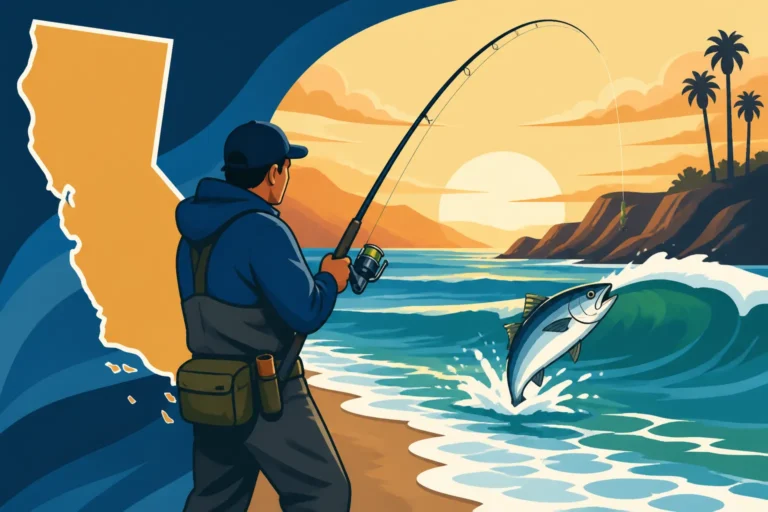
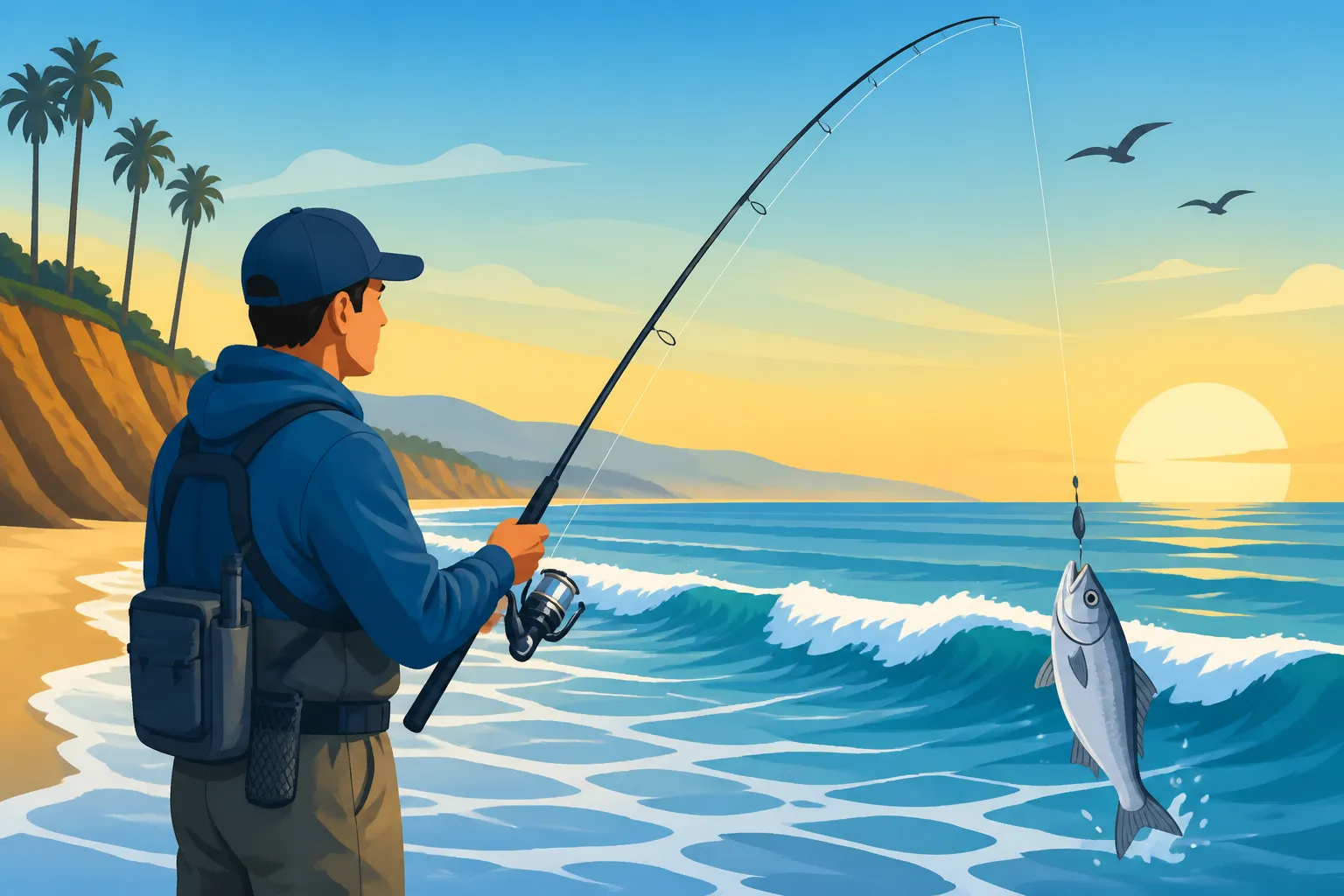
Picture this: you've set up your gear, cast your line, and you're just soaking in the morning sun as the waves gently lap at your feet. Suddenly, your rod tip gives a solid thud, bends over, and the reel starts singing! That's the moment it all clicks. The peace and solitude, combined with the thrill of a biting fish, make surf fishing an unparalleled experience. You're literally tapping into the ocean's bounty right from the sand.
What truly makes California surf fishing special for beginners is the diversity of fish you can encounter. From the ever-present barred surfperch, which are incredibly common and a fantastic target for newcomers, to the more elusive corbina, halibut, and even leopard sharks, there’s always a chance for a surprise. Plus, you get to explore some of the most beautiful beaches in the world, from the rugged coastlines up north to the vast sandy stretches of Southern California. It’s a chance to connect with nature, test your skills, and maybe even bring home a tasty dinner.
Common Beginner Hurdles and How to Overcome Them
I've heard it all before: "It's too much gear," "I don't know where to start," "The waves will just wash my bait away!" These are completely valid concerns, and believe me, we've all been there. The initial learning curve can feel steep. The sand gets everywhere, tying knots can be frustrating, and casting far enough seems impossible. And let's not forget the sheer disappointment of casting for hours with no bites while the seasoned angler next to you pulls in fish after fish.
But here’s the secret: consistency and patience are your best friends. Don't expect to be an expert on your first outing. Start small. Focus on mastering one rig, one type of bait, and one casting technique. As for gear, you don't need to break the bank. There are plenty of affordable starter kits out there, and you can slowly upgrade as you get more serious. The biggest hurdle is often just getting out there and giving it a try. Embrace the learning process, talk to other anglers on the beach (most are surprisingly friendly and helpful!), and don't be afraid to make mistakes. Every lost lure or tangled line is a lesson learned.
Essential Gear for Your First California Surf Fishing Adventure
Getting started with surf fishing doesn't require a fortune, but having the right tools for the job makes a world of difference. Think of it as investing in your enjoyment and success. You’ll want gear that can stand up to the corrosive saltwater environment and the powerful forces of the ocean. Skipping on quality for basic items will only lead to frustration, trust me on this one.
Rods and Reels: Your Primary Tools
When it comes to rods, you're looking for something with a bit of length and backbone. A good starting point for California surf fishing is a rod between 8 to 11 feet long, with a medium to medium-heavy action. This length helps you cast over the breaking waves and allows you to keep your line out of the surf, minimizing snags and providing better bite detection. Brands like Ugly Stik or Penn Battle offer excellent durability and value for beginners. You want a rod that can handle 1 to 4 ounces of weight (sinker plus bait) comfortably.
For reels, a sturdy spinning reel is often the easiest for beginners to learn with. Look for a reel size in the 4000 to 6000 range. It needs to hold a good amount of line, typically 150-250 yards of 15-20 lb monofilament or braided line. Ensure it’s saltwater-resistant or at least has a sealed drag system to protect against sand and saltwater corrosion. Shimano Nasci or Daiwa BG are popular choices that strike a good balance between performance and price. You can find many great options, often bundled as combos, on sites like Amazon, which makes getting started pretty convenient. Make sure your reel has a smooth drag system, as this is crucial for fighting larger fish and preventing line breaks.
Terminal Tackle: Hooks, Sinkers, and Swivels
This is where the rubber meets the road, or rather, where your bait meets the fish. Terminal tackle refers to everything at the end of your fishing line.
- Hooks: For surfperch, size #4 to #2 hooks (like Owner Mosquito hooks or Gamakatsu Baitholder hooks) are perfect. For larger species like halibut or corbina, you might go up to a 1/0 or 2/0 circle hook, which is fantastic for preventing gut hooking and promoting catch and release. Always have a variety of sizes.
- Sinkers: These are essential for keeping your bait anchored in the current. Pyramid sinkers (1-4 ounces) are popular because they dig into the sand and hold well. Sputnik sinkers (often called spider sinkers) are even better in heavy current due to their wire legs that grip the bottom. Keep a range of weights so you can adapt to different conditions.
- Swivels: Barrel swivels and snap swivels (size 7-10) are important for connecting your main line to your leader, preventing line twist, and making it easy to change rigs.
- Leader Material: A fluorocarbon leader (15-25 lb test) is nearly invisible in the water and more abrasion-resistant than your main line. Have a spool on hand.
Don't forget a pair of robust fishing pliers for cutting line, crimping weights, and safely removing hooks. A pair of Fiskars or Gerber fishing pliers will serve you well.
Bait and Lures: What the Fish Are Eating
Choosing the right bait can make or break your day. Surf fishing in California typically favors natural baits.
- Live/Fresh Bait:
- Sandworms and Bloodworms: These are absolute gold for surfperch and corbina. You can buy them at local bait shops, and some anglers even dig their own sandworms right on the beach.
- Mussels and Clams: If you can gather them fresh, they are incredibly effective, especially for perch.
- Cut Bait: Small pieces of anchovy, mackerel, or squid are excellent for a wider range of species, including halibut and larger perch. You can often find frozen bait at bait and tackle shops.
- Artificial Baits:
- Gulp! Sandworms (by Berkley): These artificial baits are incredibly effective and a lifesaver when fresh bait isn't available. They come pre-scented and are durable. Just make sure to reseal the package to keep them moist. Many anglers swear by the "camo" or "natural" colors. You can find these easily on Amazon or at any sporting goods store.
- Grub Tails and Small Plastics: When targeting halibut, small grub tails (2-4 inches) in white, motor oil, or green colors can be rigged on a lead head and slowly retrieved along the bottom.
Having a variety on hand is always a good idea, as fish preferences can change throughout the day or season. Don't be afraid to experiment!
Comfort and Safety Gear
Surf fishing can mean long hours on the beach, sometimes in various weather conditions. Being comfortable and safe is just as important as having the right fishing gear.
- Waders: Breathable chest waders are a game-changer. They allow you to wade out into the shallow surf, cast further, and stay dry and warm, especially during cooler mornings or evenings. Look for reputable brands like Hodgman or Simms.
- Sun Protection: A wide-brimmed hat, polarized sunglasses (crucial for spotting structure and protecting your eyes), and plenty of reef-safe sunscreen are non-negotiable. The sun reflecting off the water can be intense.
- Tackle Bag or Backpack: You need something to carry all your gear. A waterproof tackle bag or backpack with multiple compartments is ideal. Some come with rod holders built-in.
- Sand Spikes or Rod Holders: These handy devices hold your rod securely in the sand, allowing you to relax, rig another rod, or simply wait for a bite without having to constantly hold your rod. They prevent your expensive rod and reel from getting dragged into the waves by a strong fish or an unexpected rogue wave.
- First Aid Kit: Always a good idea to have one, even for minor cuts from hooks or abrasions.
- Fishing License: This is non-negotiable in California! Make sure you understand the California Fishing License Guide and have yours with you. You can face a California Fishing Without a License Penalty if caught.
Mastering the Basics of California Surf Fishing Techniques
Okay, you've got your gear. Now, how do you actually catch something? It's more than just throwing a line in the water. Understanding the ocean and a few fundamental techniques will dramatically increase your success. It takes practice, but the rewards are well worth it.
Reading the Beach: Understanding Structure and Water
This is arguably the most crucial skill for a surf angler. The ocean floor isn't flat; it has contours, depressions, and elevations that create fish-holding structure. Fish, especially surfperch, corbina, and halibut, are constantly looking for food and shelter in these areas.
- Troughs (or Gutters): These are deeper channels that run parallel to the beach, often just beyond the breaking waves. They are prime feeding grounds where fish cruise, protected from the strong currents. You can spot them by looking for areas where waves break, reform, and then break again further out, or where the water looks darker and calmer between sets of waves.
- Rips: These are currents that pull water back out to sea, often created where two sandbars meet or where a trough deepens. Fish will sometimes wait at the edge of rips for food to be swept out. While strong rips can make fishing difficult, subtler ones can be productive.
- Sandbars: These are elevated areas of sand. Fish will often hold in the troughs on either side of a sandbar. Look for areas where waves are consistently breaking, as this often indicates a shallow sandbar.
- Points and Jetties: Any structure that extends into the ocean, natural or man-made, will create current breaks and attract baitfish, which in turn attract predatory species. Fishing around these can be very productive.
Spend some time just observing the water before you cast. Look for calmer spots, areas where waves are consistently breaking, or subtle changes in water color. This "beach reading" will tell you where fish are most likely to be holding and feeding.
Casting Techniques for the Surf
Distance and accuracy are key in surf fishing. You need to get your bait out past the immediate wash of the waves, often into those deeper troughs.
- Overhead Cast: This is the most common and easiest to learn. With your bait dangling a couple of feet from your rod tip, bring the rod straight back over your shoulder, then swing it forward smoothly, releasing the line as the rod points towards your target. The key is a smooth, continuous motion, not a jerky jab. Practice in an open field to get a feel for it without the distraction of waves.
- Pendulum Cast (Advanced): Once you're comfortable with the overhead, you might explore the pendulum cast. This involves letting your rig swing out in front of you like a pendulum before bringing the rod back and unleashing a powerful forward cast. It can add significant distance but requires more practice to master without tangling your line.
Always make sure your reel's drag is set appropriately and your line is free of tangles before casting. A "bird's nest" (tangle) is a common beginner frustration, so take your time.
Rigging Up: Simple Setups for Success
There are a few go-to rigs for surf fishing that are effective and easy for beginners to tie.
- Carolina Rig (Fish Finder Rig): This is fantastic for targeting bottom feeders like halibut and corbina, allowing the fish to pick up the bait without feeling the weight of the sinker.
- Slide an egg sinker (or pyramid sinker) onto your main line.
- Tie on a barrel swivel.
- Tie an 18-36 inch fluorocarbon leader to the other end of the swivel.
- Tie your hook to the end of the leader.
- High-Low Rig (Pompano Rig): This rig presents two baits at different depths, increasing your chances, especially for surfperch.
- Tie a loop in your leader material (about 12 inches from the end for the bottom hook, and another 12 inches above that for the top hook).
- Cut the loops to create two short dropper lines.
- Tie your hooks to these dropper lines.
- At the very bottom of the main leader, tie on a pyramid sinker.
- Attach the top of the leader to your main line via a swivel.
Here’s a quick comparison of these popular beginner rigs:
| Rig Type | Target Species | Pros | Cons | Best Use |
|---|---|---|---|---|
| Carolina Rig | Halibut, Corbina, Larger Perch, Rays | Allows fish to run with bait, simple setup | Only one bait presented, can snag in kelp | Calm to moderate surf, targeting specific fish |
| High-Low Rig | Surfperch, Croaker, Small Bottom Fish | Presents two baits, covers more water column | More prone to tangles, less sensitive | Active surf, targeting multiple species |
| Fish Finder Rig | Halibut, Striped Bass, Larger Species | Similar to Carolina, great for bigger baits | Can be bulky, requires larger sinker | Larger baits, stronger currents, bigger fish |
When using any rig, always check your knots and inspect your line for nicks or abrasions before casting. A knot failure is a heartbreaking way to lose a fish!
Where to Fish from the Shore
California offers an incredible array of beaches. Some are better than others for surf fishing. Generally, you'll want to look for:
- Long, Sandy Beaches: These are classic surf fishing grounds. Think stretches like Huntington Beach, Bolsa Chica, or Coronado Beach. These beaches often have subtle troughs and sandbars that are perfect for perch and corbina.
- Near River Mouths and Estuaries: Areas where freshwater meets saltwater often attract baitfish and larger predatory fish like striped bass or halibut. Just be aware that specific regulations might apply closer to river mouths; always check the California Freshwater Fishing Regulations if you're close to a river mouth.
- Structure: Rock outcroppings, jetties, and even old pier pilings can hold fish. However, these areas also present more snagging hazards, so be cautious. For safety and compliance, be aware of California Marine Protected Areas Explained, which prohibit fishing in certain zones.
Many local bait shops can give you up-to-the-minute advice on the best local spots and what fish are biting. Don't be shy about asking! You can also find detailed information about specific locations in guides like Best Surf Fishing Beaches in California.
Targeting Common California Surf Species
California's surf is teeming with life, and knowing what you're likely to catch, and how to target it, makes the experience even more rewarding.
Surfperch: The Beginner's Best Friend
Barred surfperch are the quintessential California surf fish. They are plentiful, relatively easy to catch, and a blast to battle on light tackle. They typically hang out in the troughs and along the edges of sandbars, feeding on small crustaceans and worms.
- Technique: A high-low rig with small hooks (size #4 to #2) baited with sandworms, bloodworms, or Gulp! Sandworms is your most effective setup. Cast into the troughs, let your sinker settle, and then slowly retrieve, pausing often to allow the bait to sit naturally. You'll feel a series of light taps or a steady pull when they bite.
- Conditions: Surfperch are often active during incoming and outgoing tides, especially around dawn and dusk. Overcast days can also be productive. They are caught year-round, though action tends to pick up in late winter and spring.
- Regulations: Always check current California Fishing Bag and Size Limits for surfperch, as they can vary by region and season.
These fish are fantastic for practicing your casting, rigging, and bite detection skills. Plus, they're surprisingly good eating!
Corbina and Halibut: The Elusive Challengers
Once you've mastered perch, you might set your sights on more challenging species like the California corbina and halibut.
- California Corbina: These incredibly wary fish are known for their finicky bites and fighting prowess. They have incredible eyesight and prefer very subtle presentations.
- Technique: A simple Carolina rig with a small, live sand crab is the deadliest bait. Present it subtly, allowing the sand crab to move naturally. They often feed in very shallow water, sometimes right at your feet, so stealth is key. Look for them cruising in the wash of the waves, often with their tails breaking the surface.
- Conditions: Corbina prefer calm, clear water and usually feed during the incoming tide. Summer and early fall are prime times.
- California Halibut: These flatfish are ambush predators that lie buried in the sand, waiting for unsuspecting baitfish or crustaceans.
- Technique: A Carolina rig with live anchovies, smelt, or even a large piece of cut mackerel can be effective. Slowly drag the bait along the bottom, mimicking a wounded baitfish. Artificial grub tails on a lead head (2-4 inches) can also be worked slowly along the bottom.
- Conditions: Halibut can be caught year-round, but spring and summer are often most productive. They are frequently found in sandy areas near structure, such as piers or jetties, or in deeper troughs.
- Regulations: Be very aware of California Halibut Size and Bag Limits as they have strict rules. Releasing undersized halibut quickly and carefully is crucial. If you want to learn more, check out How to Fish for Halibut in California.
Landing a corbina or a halibut from the surf is a true accomplishment and a sign that you're developing your skills as a surf angler.
Other Potential Catches
While perch, corbina, and halibut might be your primary targets, you can also encounter other exciting species:
- Spotfin Croaker and Yellowfin Croaker: These schooling fish can provide fast action, especially during warm summer months. They often take the same baits and rigs as surfperch.
- Leopard Sharks and Bat Rays: You might hook into these larger cartilaginous fish, especially if you're using larger cut baits. They put up a fantastic fight! Be sure to handle them with care, especially their sharp spines, and release them quickly.
- Opaleye and Halfmoon: These often hang out around rocky areas, feeding on seaweed and small invertebrates. A small piece of Gulp! Sandworm or even bread can entice them.
Each species presents a unique challenge and learning opportunity, making every trip to the beach an adventure.
California Surf Fishing Regulations for Beginners
Navigating fishing regulations can feel like deciphering ancient texts, but it's absolutely vital. Ignoring them can lead to hefty fines and penalties, and it impacts the sustainability of our fisheries. The California Department of Fish and Wildlife (CDFW) is the source for all official rules.
Understanding Licensing and Report Cards
First and foremost, if you're 16 years or older, you need a valid California fishing license. This isn applies to almost all fishing activity, including surf fishing. There are different options available, from annual licenses to one-day or two-day options, perfect for visitors or those trying it out. You can purchase these online through the CDFW website, at most tackle shops, or at many sporting goods stores like those found through a quick search on Amazon for local retailers. You can learn more details in the California Fishing License Guide or by reading California Pier Fishing License Rules to understand the differences for pier fishing.
Beyond the general license, certain species require a "report card." While these are more common for species like salmon, steelhead, or sturgeon, it's good to be aware of them. For surf fishing, ensure you're not targeting any species that might require one without knowing. Always double-check the current regulations before you head out.
Bag and Size Limits
Every species has specific rules about how many you can keep (bag limit) and how big they must be (size limit). These regulations are designed to ensure sustainable fish populations.
- Example: Barred Surfperch: Typically, there's a generous bag limit (e.g., 10 fish) and a minimum size limit (e.g., 10.5 inches). You must release any fish that are too small or if you've already caught your limit.
- Example: California Halibut: These have stricter limits, usually a smaller bag limit (e.g., 2 fish) and a larger minimum size (e.g., 22 inches). Always measure your fish carefully!
It's your responsibility to know these limits for every species you intend to keep. The easiest way to stay informed is to download the current "California Sport Fishing Regulations" booklet from the CDFW website or pick up a physical copy at a tackle shop. This booklet explains everything from California Saltwater Fishing Regulations to California Fishing Bag and Size Limits for various species. Trust me, learning How to Read the California Fishing Regulations Booklet is a valuable skill!
Marine Protected Areas (MPAs): Know Before You Go
California has established a network of Marine Protected Areas (MPAs) along its coastline. These are like underwater parks where certain fishing activities are restricted or completely prohibited. Some MPAs are "no-take" zones, meaning you can't fish there at all. Others might allow certain types of fishing but restrict others.
It is absolutely crucial to know if the beach you're fishing on is within an MPA, and if so, what the specific rules are for that area. Ignorance is not an excuse, and violations carry serious consequences. You can find detailed maps and information on the CDFW website. Many fishing apps also have MPA boundaries marked on their maps. Always check before you cast! This is a critical part of being a responsible angler and respecting our marine ecosystems.
Disclaimer
The information provided in this guide is for general informational purposes only and is subject to change. Fishing regulations, seasons, and conditions in California are constantly updated by the California Department of Fish and Wildlife (CDFW). Always consult the official CDFW website or their current Sport Fishing Regulations booklet for the most accurate and up-to-date rules before engaging in any fishing activity. It is the angler's sole responsibility to understand and adhere to all applicable laws and regulations.