California Kayak Fishing for Beginners
Diving into kayak fishing in California can feel like trying to solve a puzzle with a thousand pieces when you're just starting out. You're probably wondering what gear you absolutely need, where you can even go without getting into trouble, and honestly, how not to capsize on your first try. This comprehensive guide is designed to cut through all that confusion, offering clear, actionable advice to get you comfortably and confidently on the water, turning those kayak fishing dreams into a reality.
Why California Kayak Fishing is Worth the Paddle
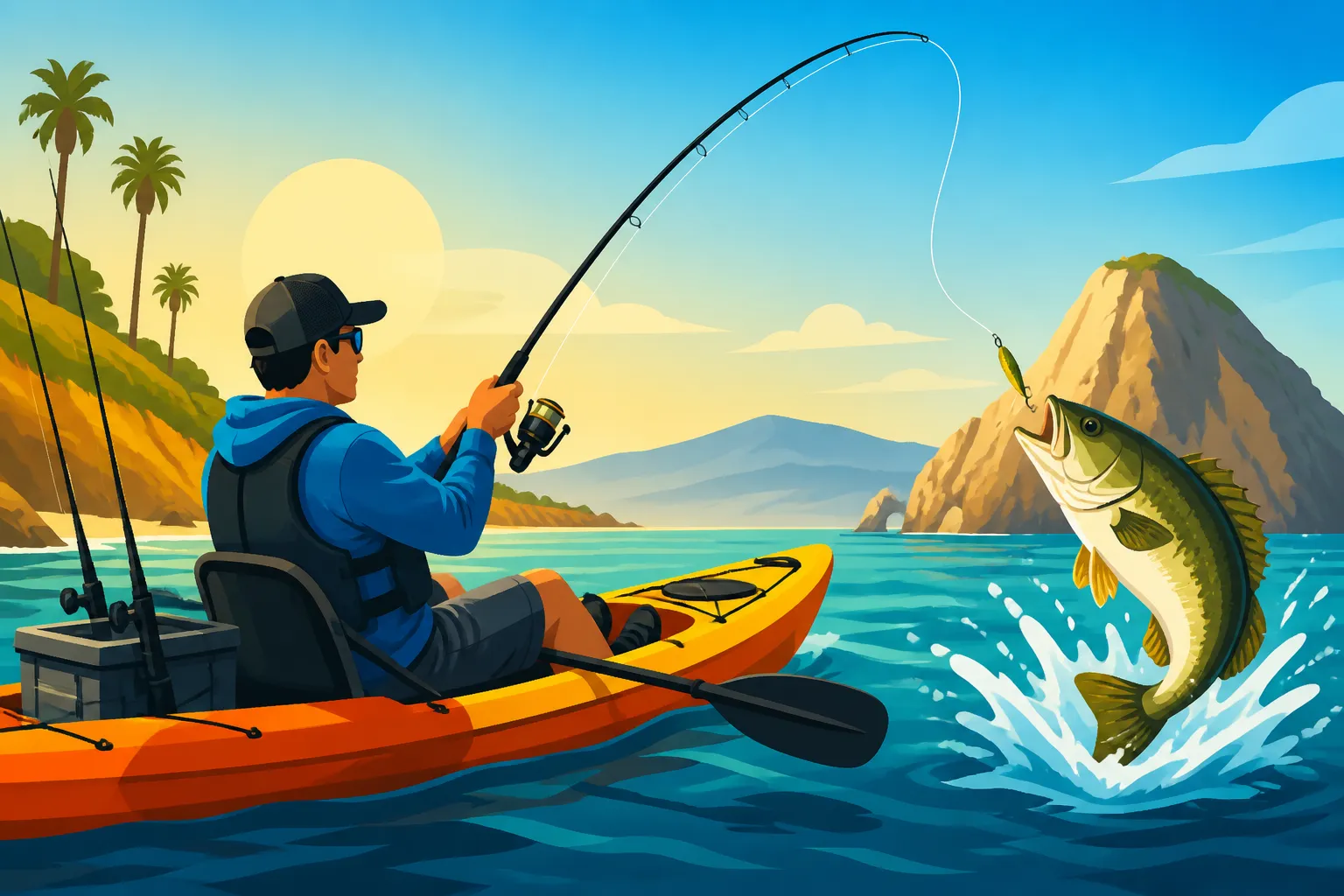
Let's be real, the idea of getting out on the water in a kayak, away from crowded shorelines or expensive boat rentals, just hits different. California, with its incredibly diverse waterways, from serene freshwater lakes nestled in mountains to the vast, teeming Pacific coastline, offers unparalleled opportunities for kayak anglers. It's an intimate way to connect with nature, offering a quiet stealth that often gets you closer to the fish than larger boats ever could.
The Unique Appeal of Kayak Fishing
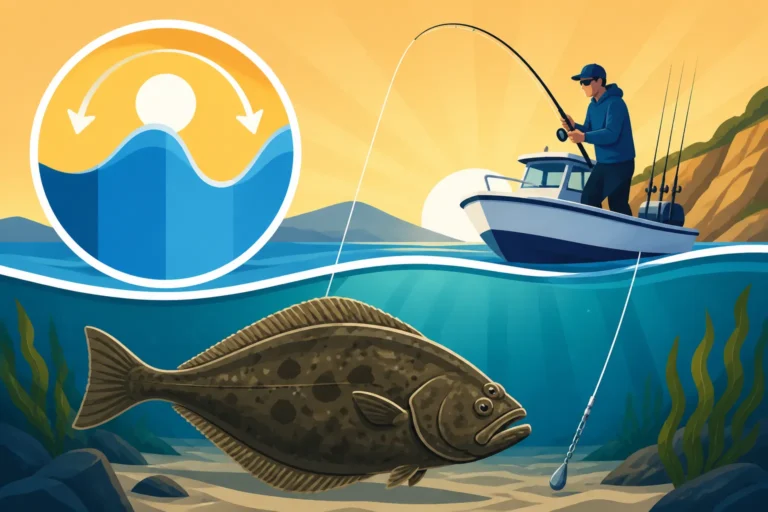
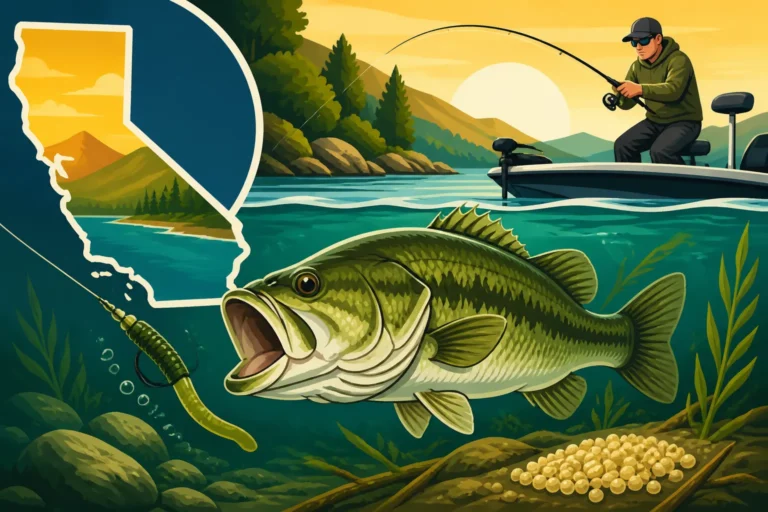
There’s a certain magic to being so close to the water, feeling every ripple and hearing every splash. Kayak fishing isn't just a sport; it's an experience. You’re paddling your way to untouched spots, silently gliding into coves or along kelp lines that bigger boats can't access. This quiet approach often spooks fewer fish, giving you a distinct advantage. Imagine silently slipping into a quiet corner of Clear Lake, known for its incredible bass fishing, where you can cast right into dense cover without disturbing the water much. Or picture yourself drifting along the calm estuaries of Humboldt Bay, targeting halibut, with only the sound of your paddle breaking the silence.
It's also an incredibly versatile pursuit. Whether you're a minimalist angler who loves to throw light tackle for panfish in a local pond or someone looking to paddle out into protected bays for a shot at larger species, a kayak can do it all. Plus, it’s fantastic exercise! You’re not just sitting there; you’re engaging your core, arms, and shoulders, making it a full-body workout that feels less like a chore and more like an adventure.
Cost-Effectiveness and Accessibility
One of the biggest hurdles for many aspiring anglers is the cost associated with traditional boat ownership or charter trips. Kayak fishing significantly lowers that barrier to entry. While you can certainly invest in high-end, feature-packed fishing kayaks, a solid entry-level setup is surprisingly affordable. You don't need a truck, a trailer, or a slip fee. Most kayaks can be transported on a roof rack and launched from almost any accessible shoreline, offering a freedom that other forms of boating just can't match.
Think about it: instead of spending hundreds on a day trip with a charter, you can invest in your own kayak and gear, and those costs are spread out over countless future trips. Many public boat ramps and access points in California that might charge a small launch fee for powerboats are often free or have minimal charges for kayaks. This makes it an incredibly accessible sport, allowing more people to enjoy the bounty of California's waters without breaking the bank.
Essential Gear for Your First California Kayak Fishing Trip
Getting started can feel like a mountain of choices when it comes to gear. Don't worry, you don't need every gadget on the market. We're going to focus on the absolute essentials to get you on the water safely and effectively. Think of it as your starter pack for kayak fishing in California.
Choosing Your Kayak and Paddle
The kayak itself is, naturally, your most important piece of equipment. For beginners, especially in California's varied waters, a sit-on-top (SOT) fishing kayak is almost always the best choice. They are incredibly stable, easy to get on and off (which is crucial for self-rescue), and typically feature open decks with plenty of room for gear, rod holders, and tackle. Look for models in the 10-12 foot range; they offer a good balance of maneuverability and tracking. Brands like Old Town, Perception, and Hobie (though Hobie can be a bit pricier for a beginner, their pedal drives are a game-changer once you get serious) are popular choices and offer various models.
Next up, the paddle. Don't underestimate its importance! A good paddle is lightweight, durable, and the correct length for your height and kayak width. An ill-fitting paddle can lead to fatigue and make your trip a lot less enjoyable. Look for paddles with an adjustable feathering angle, which allows you to change the blade angle for different paddling conditions. Materials like fiberglass or carbon fiber are lighter than aluminum but come at a higher price point. For a beginner, a mid-range fiberglass paddle often offers the best balance of performance and cost.
Personal Safety Equipment
This is non-negotiable, folks. Safety isn't just a recommendation; it's a requirement.
- Personal Flotation Device (PFD): You absolutely must wear a PFD. Not just have it in your kayak, but wear it. Accidents happen fast, and even strong swimmers can be overwhelmed by cold water or unexpected currents. A fishing-specific PFD is a great investment, as it often includes pockets for small tackle boxes, pliers, and other essentials. You can find an excellent selection of US Coast Guard-approved PFDs on Amazon, ensuring you meet all safety standards.
- Whistle: A simple but effective signaling device. Attach it to your PFD.
- Visibility Flag/Light: Essential for being seen by other boaters, especially in busy harbors or during low-light conditions. A bright orange flag mounted on a pole behind your seat is highly recommended, and a 360-degree white light is a must for dawn, dusk, or night fishing.
- Leashes: Leash your paddle, rods, and any other expensive gear to your kayak. If you capsize or drop something, it won't float away.
- Dry Bag: Protect your cell phone, car keys, wallet, and any other electronics from water. A good quality dry bag is invaluable.
- First-Aid Kit: A compact, waterproof kit can be a lifesaver for minor cuts, scrapes, or stings.
- Sun Protection: California sun is no joke. Wide-brimmed hat, polarized sunglasses (they also help you spot fish!), and high SPF sunscreen are crucial.
- Water and Snacks: Hydration is key, even on cooler days.
- Marine Radio or Charged Cell Phone: While a phone in a dry bag is good, a VHF marine radio is better for offshore or larger bay areas for communicating with other vessels and calling for emergency help.
Basic Fishing Gear for Kayak Anglers
You don't need a full arsenal, but a few key items will get you started.
- Rod and Reel Combo: A medium-light to medium action spinning rod, 6.5 to 7 feet long, paired with a 2500-3000 series spinning reel spooled with 10-20 lb braided line, is incredibly versatile for both freshwater and most inshore saltwater species. This setup is great for casting lures or bait.
- Tackle Box: Keep it compact and waterproof. Fill it with a selection of hooks (various sizes), sinkers, swivels, and a few versatile lures like soft plastics, spoons, or small crankbaits. For organizing your tackle, a small, waterproof tackle box available on Amazon is a game-changer.
- Pliers/Fish Grippers: Essential for removing hooks safely and handling fish without injury to yourself or the fish.
- Net: A small, rubberized landing net is incredibly helpful for safely bringing fish into the kayak, especially when you're dealing with a lively one or a larger species. It also protects the fish's slime coat.
Here’s a quick overview of essential gear:
| Category | Item | Description |
|---|---|---|
| Kayak | Sit-on-top Fishing Kayak | Stable, easy entry/exit, room for gear. 10-12 ft recommended for beginners. |
| Propulsion | Kayak Paddle | Lightweight, correct length, adjustable feathering. |
| Safety | PFD (USCG Approved) | Non-negotiable. Wear it at all times. Fishing-specific PFDs are useful. |
| Whistle & Visibility Flag | For signaling and being seen by other boats. | |
| Dry Bag | To protect electronics, keys, wallet. | |
| Leashes (Paddle, Rod) | Prevent loss of gear if dropped or capsized. | |
| First-Aid Kit | Small, waterproof kit for minor injuries. | |
| Comfort | Sun Protection (Hat, SPF, Glasses) | Essential in California sun. Polarized glasses aid fish spotting. |
| Water & Snacks | Stay hydrated and fueled. | |
| Fishing | Rod & Reel Combo | Medium-light to medium action, 6.5-7 ft spinning rod, 2500-3000 reel. |
| Compact Tackle Box | Hooks, sinkers, swivels, versatile lures (soft plastics, spoons). | |
| Pliers/Fish Grippers | For hook removal and safe fish handling. | |
| Landing Net | Rubberized net for safe and easy fish retrieval. |
Choosing Your First Kayak Fishing Spot in California
California is a giant playground, but picking the right spot for your first kayak fishing adventure is crucial for a positive experience. You want calm, protected waters where you can focus on paddling and fishing, not battling strong currents or boat traffic.
Protected Bays and Estuaries
These are fantastic starting points for kayak anglers. Places like Mission Bay in San Diego, Morro Bay on the Central Coast, or even parts of San Francisco Bay offer relatively calm, sheltered waters. They are often shallower, which can make for easier fishing, and host a variety of species.
- Mission Bay (San Diego): This large, calm bay is ideal for beginners. You can target spotted bay bass, halibut, and even some croaker. The water is often warmer, and there are plenty of launch points. Learning to drift fish for California Halibut in California: Where and How to Catch in these calm waters is a great skill to develop.
- Morro Bay (Central Coast): Known for its protected harbor, Morro Bay is excellent for targeting leopard sharks, bat rays, and various perch species. The scenery is stunning, and the waters are usually very manageable, making it one of the Best Kayak Fishing Spots in California.
- Alameda Rock Wall (San Francisco Bay Area): While parts of San Francisco Bay can be challenging, the protected inner areas, like along the Alameda Rock Wall, can be calmer and offer opportunities for striped bass and halibut. Always check local wind forecasts, though, as even "calm" bays can get choppy.
Remember, even in bays, you'll need to be aware of the tides. A strong incoming or outgoing tide can create currents that are tough to paddle against for a beginner. Always consult tide charts before heading out. And don't forget that if you're venturing into saltwater, you'll need to understand the California Saltwater Fishing Regulations.
Serene Lakes and Reservoirs
For freshwater enthusiasts, California boasts an incredible array of lakes and reservoirs that are perfect for kayak fishing. These offer a generally more controlled environment, free from the complexities of tides and strong ocean swells.
- Perris Lake (Southern California): This lake is known for its excellent largemouth bass, striped bass, and even some panfish. It’s a popular spot for kayak fishing due to its calm waters and good accessibility. Many anglers here also target How to Fish for Largemouth Bass in California.
- Lake Berryessa (Northern California): A large, beautiful lake near Napa, Lake Berryessa is fantastic for bass, trout, and landlocked salmon (kokanee). Its many coves and inlets provide plenty of sheltered areas where you can explore and cast without worrying about heavy boat traffic, especially during weekdays.
- Folsom Lake (Near Sacramento): Another great option for targeting bass, trout, and salmon. The lake has numerous quiet arms and inlets that are perfect for kayak exploration. Just be mindful of powerboat traffic in the main channels, especially during peak summer weekends.
When fishing freshwater, make sure you understand the California Freshwater Fishing Regulations and acquire your California Fishing License Guide. Also, be aware of specific regulations for certain species, like the California Trout Limits and Regulations if you're targeting those.
Considerations Before Launching
Before you even dip your paddle, always check the weather forecast. Wind is the kayak angler's nemesis. Even a light breeze can make paddling difficult and tiring, and a strong wind can make conditions dangerous. Look for days with light winds (under 10 mph) and no major swells.
Also, be mindful of any Marine Protected Areas (MPAs) in California. These are specific zones where fishing may be restricted or entirely prohibited. Knowing How to Know If You're in a California MPA before you go can save you a lot of trouble. Always double-check regulations for your specific location and target species.
Basic Kayak Fishing Techniques for Beginners
Once you're geared up and at a suitable spot, the next step is to actually fish from your kayak! It's a bit different from bank or pier fishing, but with a few pointers, you'll get the hang of it quickly.
Paddling and Positioning Your Kayak
Efficient paddling is key to conserving energy and effectively moving around your fishing spots. Use your core muscles, not just your arms. Imagine rotating your torso with each stroke. This power stroke will propel you further with less effort. Practice paddling in a straight line and turning in open water before you start fishing.
When you've found a spot, positioning is crucial. You want to be able to cast effectively without fighting the wind or current. For stationary fishing (like soaking bait), an anchor system is indispensable. A small, grapnel-style anchor with about 50 feet of anchor line and a quick-release system is perfect for kayaks. Make sure you understand how to safely deploy and retrieve it. Never tie your anchor line directly to the bow or stern handles; always use an anchor trolley system that allows you to deploy and retrieve the anchor from your seating position and change its attachment point from bow to stern. This helps prevent capsizing if the anchor gets snagged or if you need to quickly detach.
For covering water, drifting is a fantastic technique. Let the wind or current gently carry you over a promising area while you cast. A small drift sock or sea anchor can help slow your drift down, allowing your lures or bait to present more naturally and give you more time to fish an area.
Casting and Retrieval from a Kayak
Casting from a kayak requires a bit of practice to maintain your balance. Start with shorter, controlled casts. A sit-on-top kayak's stability usually makes this easier. When casting, avoid excessive body rotation that could throw you off balance. Let the rod do the work. Overhand or sidearm casts are generally safer than aggressive backhand casts.
Retrieval is much the same as from shore, but you need to be mindful of your surroundings. Are there obstacles you could get snagged on? Is a strong current pulling your line? Keep an eye on your surroundings. When you hook a fish, it's often best to turn the kayak to face the fish directly, allowing you to fight it from the bow or stern, minimizing the chances of the fish getting under your kayak.
Landing and Handling Fish
This is where things can get exciting – and a little tricky – from a kayak. Once you've reeled in your catch, having a net (as mentioned in the gear section) is incredibly helpful. Guide the fish into the net headfirst. Once in the net, you can secure it and bring it into your kayak for unhooking. For smaller fish, you might be able to simply lift them by hand.
Always carry a pair of pliers or a de-hooking tool to safely remove hooks. If you're practicing catch and release, handle the fish as little as possible with wet hands. Revive it gently alongside your kayak before letting it go. Be aware of specific catch-and-release rules or slot limits, which are often detailed in the California Fishing Regulations Explained or within species-specific guides like California Halibut Regulations and Limits.
Safety First: Crucial Kayak Fishing Considerations
Safety in kayak fishing isn't just a list of rules; it's a mindset. The water, whether fresh or salt, is a powerful and unpredictable force, and being prepared means respecting it.
Understanding Weather and Water Conditions
Before every trip, I can't stress this enough, check the weather forecast. Look beyond just sunshine and clouds. Pay close attention to wind speed and direction, potential for sudden storms, and water temperature. Even on a hot day, cold water can be lethal if you capsize. The "120-degree rule" is a good guideline: if the sum of the air temperature and water temperature is less than 120 degrees Fahrenheit, you should dress for immersion. That means wearing a wetsuit or drysuit, especially during colder months or in colder waters like the Northern California coast.
Tides and currents are also major factors, particularly in bays and along the coast. Always consult a tide chart for your location. Fishing the incoming or outgoing tide can be productive, but you need to understand how the currents will affect your paddling and drifting. Strong currents can quickly sweep you into dangerous areas or make paddling back to your launch point exhausting or impossible.
Staying Visible and Communicating
You might feel like you're alone out there, but you're probably not. Other boaters, from small fishing vessels to large commercial ships, may not see a low-profile kayak, especially in choppy water or low light. This is why that visibility flag and 360-degree white light are so important. Brightly colored clothing and PFDs also help you stand out.
For communication, a fully charged cell phone in a waterproof case or dry bag is a bare minimum. However, for any significant offshore or open-water paddling, a marine VHF radio is a much more reliable tool. It allows you to communicate with other boats and call the Coast Guard directly in an emergency. Ensure someone on shore knows your float plan – where you're going, when you expect to return, and who to call if you don't check in.
Self-Rescue and Emergency Preparedness
Knowing how to get back into your kayak if you capsize (a "self-rescue") is arguably the most important skill for a kayak angler. Practice this in warm, shallow water until you can do it confidently. There are various techniques, but a common one involves flipping your kayak upright, getting to the stern, and kicking your way onto the back of the boat, then sliding into the cockpit. Watching a few YouTube videos on kayak self-rescue and practicing it will make a huge difference in your confidence and safety.
Beyond self-rescue, always have a small emergency kit in your dry bag. This could include a signal mirror, an emergency blanket, a loud whistle (attached to your PFD!), and any personal medications you might need. A small, sharp knife can be useful for cutting tangled line or ropes in an emergency. Being prepared for the unexpected is not being paranoid; it's being smart.
Getting Started: Your First Trip Checklist
Alright, you've got the knowledge, the gear, and the determination. Now it's time to plan that inaugural kayak fishing trip! Here’s a simple checklist to ensure you don’t forget anything crucial.
Pre-Trip Planning and Checks
Before you even load your kayak, take these steps:
- Check Your License: Make sure your California Fishing License Guide is current and properly endorsed if needed (e.g., an California Ocean Enhancement Stamp for saltwater species). Remember, even if you’re fishing from a pier that might be license-free, if you launch a kayak, a license is typically required. Understand the difference between a California Fishing License vs Report Card.
- Weather and Tides: Consult detailed forecasts for wind, swells, air temperature, and water temperature. Check tide charts for your specific launch location if fishing saltwater or tidal areas.
- Float Plan: Inform a trusted person on shore of your exact launch and retrieve locations, planned route, and estimated return time. Tell them who to call if you don’t check in.
- Gear Check: Do a quick inventory. Is your PFD accessible and properly fitted? Are all your rod and paddle leashes ready? Is your dry bag sealed with your phone, keys, and wallet? Do you have enough water and snacks?
- Kayak Inspection: Give your kayak a quick once-over for any damage or loose parts. Ensure scupper plugs (if applicable) are in or out as desired.
- Rod/Reel Check: Are your lines fresh? Are your knots tied securely? Do you have your preferred bait or lures ready?
Packing Your Kayak Efficiently
Loading your kayak correctly makes a huge difference in stability and accessibility.
- Weight Distribution: Distribute weight evenly. Heavier items should be as low as possible and centered. Avoid stacking too much gear high, which can make you top-heavy.
- Secure Everything: Use bungee cords, straps, or leashes to secure everything to your kayak. Imagine if you flipped – what would float away? If it's not secured, it's probably gone.
- Accessibility: Keep frequently used items (paddle, water, tackle, net, pliers) within easy reach. The PFD pockets are great for smaller items you need quickly.
- Rod Holders: Utilize your kayak's built-in rod holders for transport and when paddling. When actively fishing, you'll likely want one rod in hand and maybe a second in a convenient holder for quick access.
Your First Moments on the Water
The launch itself is often the trickiest part for beginners.
- Shallow Water Launch: Try to launch from a calm, shallow area. Sit in your kayak where it's still grounded, then push off with your hands or feet once you're settled.
- Maintain Balance: Keep your core engaged and avoid sudden movements. Think smooth, controlled actions.
- Practice Paddling: Spend a few minutes just paddling around near your launch point to get a feel for the kayak before venturing further out. Practice stopping, turning, and even a quick back paddle. This builds confidence.
- Start Simple with Fishing: Don't try to master every technique on your first trip. Pick one simple bait or lure setup and focus on getting a feel for casting and retrieving from the kayak. Even just soaking a piece of shrimp for perch in a calm bay can be incredibly rewarding.
Remember, every experienced kayak angler started exactly where you are. Take it slow, prioritize safety, and most importantly, have fun! The joy of kayak fishing, the peace of being on the water, and the thrill of the catch are waiting for you.
Disclaimer
The information provided in this guide is for general informational purposes only and does not constitute professional advice. Kayak fishing involves inherent risks, and conditions can change rapidly. Always prioritize your safety, wear a PFD, understand local regulations, and check weather conditions before heading out. Consult with experienced local anglers or guides for specific advice pertaining to your chosen fishing location.