California Fishing in January: What to Catch
Oh, January in California! It’s that time of year when many anglers mistakenly hang up their rods, figuring the colder weather means the fishing has shut down. But let me tell you, that's a common misconception, and frankly, a missed opportunity! While it's true that conditions shift, January can actually offer some incredible, often less crowded, fishing experiences if you know exactly what to target and where to look. This guide is going to walk you through the very best freshwater and saltwater opportunities California holds in the first month of the year, ensuring your winter fishing trips are productive and enjoyable.
Understanding the January Fishing Landscape in California
January definitely brings a different vibe to the California fishing scene. The crisp air, the occasional rain, and even snow in the higher elevations mean you can't just fish the same way you would in summer. But don't let that deter you; instead, let it inform your approach! Understanding these shifts is key to finding success when many others are staying indoors.
Weather and Water Condition Realities
Winter in California means a significant drop in both air and water temperatures across the state. In the mountains, you're looking at freezing conditions and snow, while the valleys and coastal areas experience cooler, often wet, weather. This lower temperature naturally slows down the metabolism of most fish species. They become less active, their feeding windows might be shorter, and they often seek out deeper, more stable water where temperatures are less volatile. For instance, a shallow coves that were buzzing with bass in July might be completely barren in January, as those fish have retreated to deeper channels or submerged structures. The runoff from winter rains can also affect water clarity, especially in rivers and streams, which can sometimes concentrate fish in calmer pockets but also make them harder to spot. It really forces you to adapt and think like a fish, which, for many of us, is part of the fun challenge.
Species Behavior Shifts in Winter
Just like humans bundle up and slow down in winter, fish adjust their behavior too. Cold-blooded creatures, their activity levels are directly tied to water temperature. You'll find that many species that were aggressive surface feeders in warmer months will be holding tight to structure on the bottom, conserving energy. Bass, for example, will move to deep points, ledges, or timber. Trout, especially those recently stocked, might still be relatively active, but even they prefer slower presentations in colder water. Coastal species like rockfish and lingcod, being bottom dwellers, are often still quite catchable, sometimes even more concentrated due to the cooler water. Migratory species like steelhead and sturgeon are actually more active and accessible in January, making it a prime time to target them. It's a game of patience and precision, rather than speed and splash. Knowing these seasonal shifts is truly what sets a successful winter angler apart.
Freshwater Fishing Hotspots and Target Species in January
Don't let the thought of chilly mornings keep you from the freshwater scene in January. While some lakes might slow down, others truly shine, especially for species that thrive in cooler temperatures.
Trout Fishing in Stocked Waters
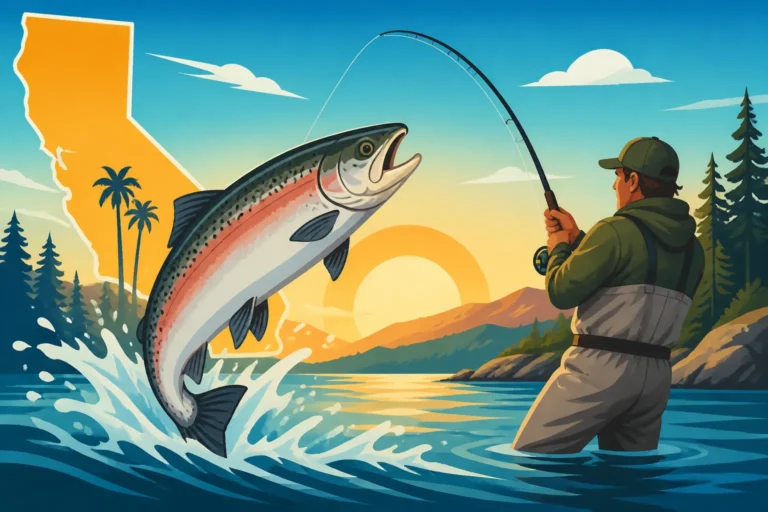
For many, January means prime trout fishing, especially in the state's numerous stocked lakes and ponds. The California Department of Fish and Wildlife (CDFW) continues its stocking program through the colder months, making these locations highly productive. Think about those beautiful, clear winter days when the air is crisp, and the lake is calm – perfect conditions for targeting rainbow, brown, and even golden trout. You'll often find these fish cruising in the top 10-20 feet of water, especially in the mornings or late afternoons when the sun has had a chance to warm the surface ever so slightly.
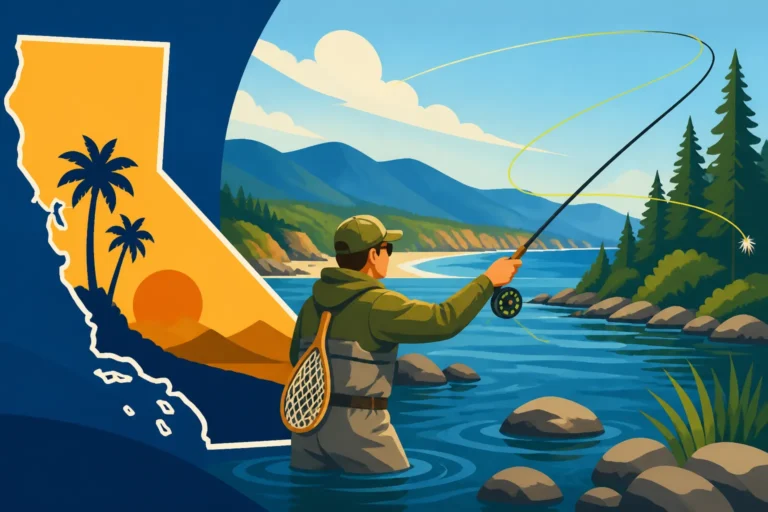
Popular spots like the Lower Owens River, certain sections of the American River, and many smaller community ponds across the state are regularly stocked. In Southern California, lakes such as Lake Hemet, Santa Ana River Lakes, and Irvine Lake are excellent choices, often producing some impressive winter trout. For bait, PowerBait in bright colors like chartreuse or rainbow is a perennial favorite, often fished off the bottom with a 12-18 inch leader. Small, subtle lures like Kastmasters, Thomas Buoyants, or Rooster Tails in silver or gold can also be deadly when slowly retrieved. Fly anglers will find success with nymphs and small streamers, especially in the tailwaters of larger reservoirs. Remember, trout can be a bit sluggish in the cold, so a slow, patient retrieve or presentation is often more effective than an aggressive one. If you're looking to dive deeper into the tactics, our guide on How to Fish for Trout in California is an excellent resource, and keeping an eye on the California Trout Stocking Schedule will give you the inside scoop on where the fish are being planted.
Deepwater Bass and Crappie Action
While the aggressive topwater bite for bass is a distant summer memory, January offers incredible opportunities for deepwater bass and crappie, particularly in larger reservoirs. These fish will be schooled up in their winter patterns, often holding tight to submerged structures like old creek channels, humps, points, and even deep brush piles.
For largemouth and smallmouth bass, you'll want to focus on depths anywhere from 20 to 60 feet, sometimes even deeper, depending on the lake's thermocline and overall water temperature. Popular bass lakes like Clear Lake, Lake Shasta, and Diamond Valley Lake are prime candidates for this kind of fishing. The key here is a slow, methodical approach. Think about jigs, drop shots, and slow-rolled swimbaits. A football jig tipped with a craw-style trailer, painstakingly dragged along the bottom, can entice a sluggish bass. For drop-shotting, smaller worms or finesse baits in natural colors are highly effective when fished vertically over structure. Even slow-rolling a deep-diving crankbait can trigger a reaction strike. The bite will often feel very subtle, sometimes just a slight "thump" or added weight on your line, so pay close attention. Our in-depth How to Fish for Largemouth Bass in California guide offers more strategies for these conditions, and if you're specifically thinking about Clear Lake, our Clear Lake Fishing Guide has specialized tips.
Crappie also school up tightly in winter, making them a fantastic target for anglers with good electronics. They'll often be found suspended over brush piles or deep timber, typically in 15-30 feet of water. Tiny jigs (1/32 or 1/16 oz) tipped with a small plastic grub or minnow imitation, fished vertically, are often irresistible. Once you locate a school, you can often catch multiple fish, making for a fun and rewarding outing. The biggest challenge is finding them, but once you do, it's often lights out.
Sturgeon in the Delta
January is, without a doubt, one of the best months to target the elusive and powerful white sturgeon in the Sacramento-San Joaquin River Delta. These ancient giants thrive in the colder, nutrient-rich waters of the Delta and its tributaries. As the water temperatures drop, sturgeon become more active and concentrate in specific areas, making them more accessible to anglers.
Popular sturgeon hotspots include the deep channels of the Carquinez Strait, Suisun Bay, and the various sloughs and cuts around Pittsburg, Martinez, and Rio Vista. The key to sturgeon fishing is finding a good deep spot with some current and anchoring up. Most anglers use heavy gear – stout rods, large conventional reels spooled with 80-100 lb braided line, and robust circle hooks. The most effective baits are those with a strong scent, such as ghost shrimp, pile worms, mud shrimp, or even cured salmon roe. Some anglers also have success with shad or lamprey. You'll want to rig your bait on a sliding sinker setup to allow the sturgeon to pick up the bait without feeling immediate resistance. Patience is paramount, as sturgeon bites can be notoriously light, sometimes just a subtle tap before the rod loads up. When it does, be ready for a fight of a lifetime! Before you head out, make sure you're well-versed in the California Sturgeon Regulations Explained to ensure you're compliant with all the rules, especially regarding their protected status and slot limits. For more insights on prime locations, check out our Best Places to Catch Sturgeon in California article.
Saltwater Fishing Adventures in California's January Waters
If the freshwater isn't calling your name, the Pacific Ocean offers its own unique set of opportunities in January. While some species move offshore or become less active, others remain a consistent draw for determined anglers.
Rockfish and Lingcod Bonanza
January is prime time for rockfish and lingcod along the California coast, particularly for those willing to brave the cooler conditions. These bottom-dwelling species are a cold-water staple, offering consistent action when other fisheries might be slow. From Northern California's rugged coast down to the kelp forests of Southern California, these fish can be found in abundance.
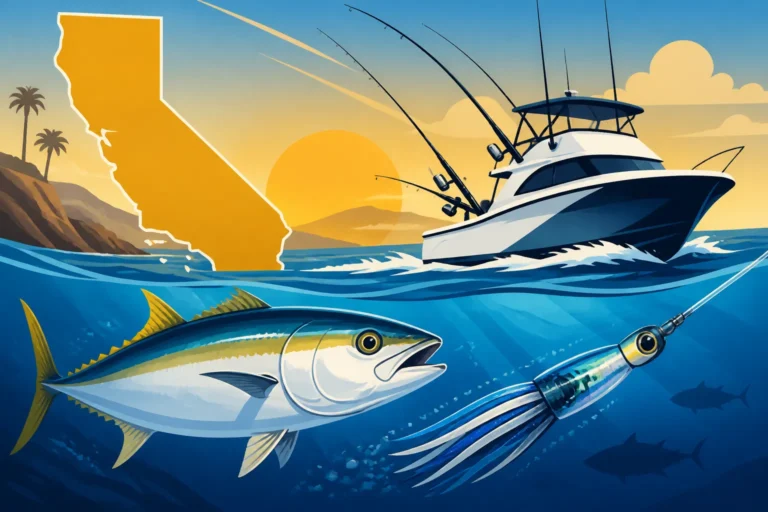
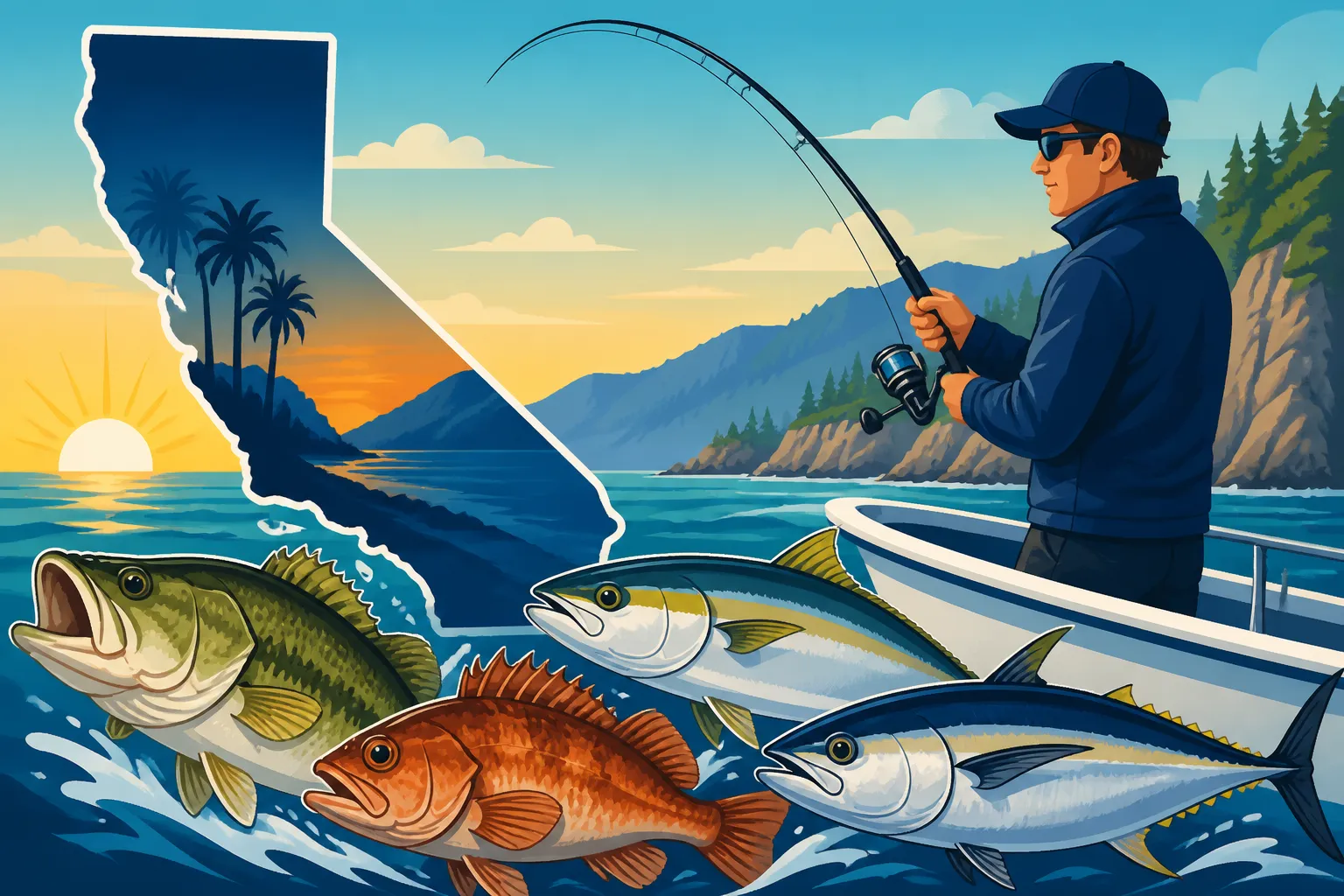
Charter boats operating out of ports like Bodega Bay, Half Moon Bay, Monterey, Morro Bay, Santa Barbara, and San Diego regularly target these species. You'll typically be fishing in depths ranging from 50 to 300 feet, often over rocky reefs, pinnacles, and ledges where these fish congregate. Common tactics include jigging with heavy metal jigs (like the popular Ahi Assistent jigs or similar iron) or fishing with bait, such as squid, mackerel, or anchovies, on dropper loop rigs. When targeting rockfish, you're likely to encounter various species like vermilion, copper, greenspot, and bocaccio. Lingcod, the toothy predators of the reef, are often caught using larger jigs or live bait, or as a bycatch while targeting rockfish. They love to ambush prey, so working your lure aggressively near structure can be highly effective.
It's crucial to remember that rockfish regulations, including depth restrictions and bag limits, can vary by management area and even change seasonally. Always check the current California Rockfish Regulations and Limits and California Lingcod Regulations and Limits before your trip. These regulations are designed to protect these valuable resources, so understanding them is key to responsible angling. For deeper dives into the gear and techniques required for ocean fishing, our guide to California Offshore Fishing Techniques provides excellent insights.
Dungeness Crab Season
While not strictly "fishing," recreational crabbing for Dungeness crab is a highly anticipated and incredibly rewarding activity that hits its stride in January, especially in Northern and Central California. After the initial rush of the opening season, January often brings stable weather windows and more consistent catches.
Crabbing typically involves setting crab pots or hoop nets from piers, boats, or kayaks. San Francisco Bay is a classic hotspot, with numerous piers offering easy access for hoop netters, such as the Berkeley Pier or Pacifica Pier. Further north, Bodega Bay and Humboldt Bay are also prime locations. For boaters, setting pots in deeper channels and along drop-offs in the bays or just outside the harbor mouths can be incredibly productive. Baits like chicken (especially legs or thighs) or oily fish scraps work wonders to attract these tasty crustaceans into your traps.
It's important to be aware of the specific regulations for recreational Dungeness crabbing, which include minimum size limits, bag limits, and gear restrictions. The season usually runs through spring, but January is a fantastic window. Always remember to measure your crabs accurately and release any undersized or female crabs immediately and gently. Our article on California Crab Regulations and Limits will give you all the details you need to ensure a legal and successful crabbing trip.
Surf Fishing for Perch and Halibut
While January isn't typically peak season for surf fishing in California, determined anglers can still find success, especially targeting surfperch and, occasionally, halibut. The colder water usually means fewer baitfish nearshore, but the resident species are still around, albeit a bit slower in their bite.
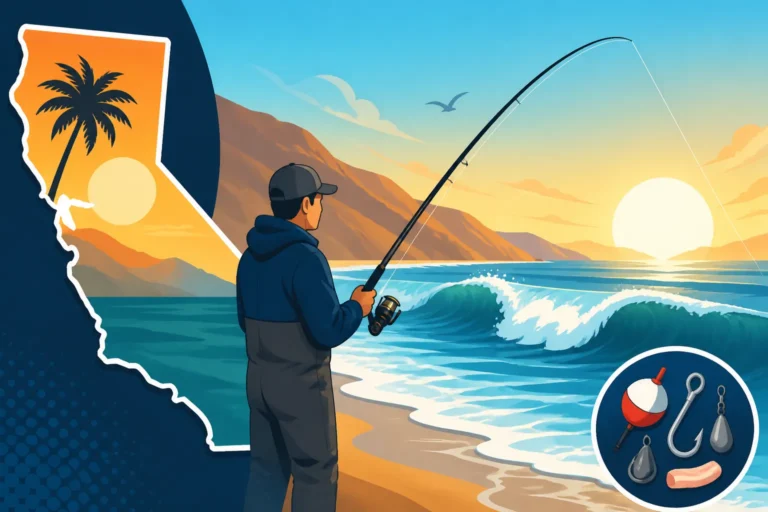
Along the sandy beaches from San Diego up to Oregon, you can target various species of surfperch, including barred surfperch and redtail surfperch. These hardy fish don't mind the cooler water and can be found in the troughs and holes just beyond the breaking waves. Using light tackle with small hooks (size 6-8) and baits like sand crabs (if available), Gulp! sandworms, or small pieces of shrimp can be effective. Fan casting along the beach to find where the schools are holding is a good strategy.
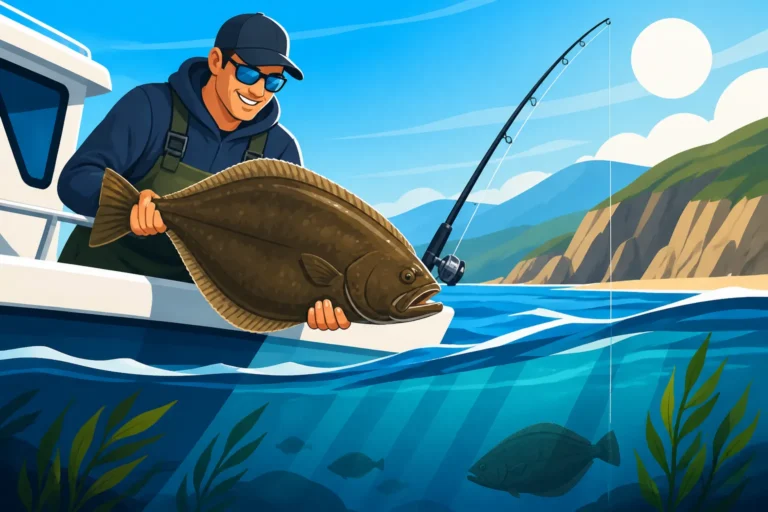
Halibut are less common in the surf during January, as many move to deeper, warmer waters, but it's not impossible to catch a stray one, especially in areas where bays meet the ocean or near river mouths. Large swimbaits or Lucky Craft style lures, slow-retrieved along the bottom, can sometimes entice a winter halibut. Always check local fishing reports for current conditions and what's being caught in your area. Our guide on California Halibut Regulations and Limits will provide essential information on size and bag limits for these flatfish, should you be lucky enough to hook one.
Essential Gear, Tactics, and Staying Warm for January Success
Successfully fishing in January often comes down to preparedness and adapting your techniques. It's not just about what you catch, but also about staying comfortable and safe while doing it.
Layering Up and Waterproof Gear
This might seem obvious, but it's astonishing how many anglers underestimate the chill of a January morning in California, especially when out on the water. Layering is your absolute best friend. Start with a moisture-wicking base layer (merino wool or synthetic, not cotton, which holds moisture and makes you colder), add an insulating mid-layer like a fleece or down jacket, and top it off with a waterproof and windproof outer shell. Even if the forecast calls for clear skies, conditions can change quickly, and the wind chill on a boat or by the water can be brutal.
Don't forget the extremities! A warm hat that covers your ears is critical, as you lose a lot of heat through your head. Insulated, waterproof gloves are a game-changer for handling wet lines and cold fish. And for footwear, invest in a good pair of waterproof, insulated boots. Companies like Xtratuf or Muck Boot Company make excellent options that will keep your feet dry and toasty, whether you're standing on a damp pier, a wet boat deck, or a muddy riverbank. You can find a huge variety of reliable gear like this on online retailers such as Amazon, making it easy to get ready for those colder fishing adventures without breaking the bank. Trust me, being cold and wet is a quick way to ruin an otherwise promising day of fishing.
Slow Down Your Approach and Presentation
As we touched on earlier, fish metabolism slows down in colder water. This means they're less likely to chase down a fast-moving bait or lure. The most common mistake winter anglers make is fishing too fast. Instead, embrace the "slow and low" mantra.
For freshwater species like bass and trout, this often means employing finesse techniques. When jigging for bass, a deliberate lift-and-drop, allowing the bait to sit on the bottom for several seconds, can be far more effective than an aggressive retrieve. For trout, slowly drifting PowerBait or worms, or a very slow retrieve of a small spinner or spoon, is often key. You might need to add more weight to get your bait down to where the fish are holding, and then present it in a way that gives them plenty of time to inspect and commit.
In saltwater, especially for rockfish and lingcod, a slow jigging motion right off the bottom or gently bouncing bait rigs can be incredibly productive. Don't be afraid to let your bait soak for a longer period. Fish aren't expending a lot of energy, so they need an easy meal that's right in front of them. Experiment with the cadence until you find what triggers a bite – it could be an extra pause, a smaller twitch, or an even slower retrieve than you initially thought.
Prioritizing Safety and Local Knowledge
Winter fishing, while rewarding, also comes with increased safety considerations. Cold water exposure is a real danger, so if you're boating, always wear a life vest and be aware of hypothermia risks. Tell someone where you're going and when you expect to return. Always check marine forecasts before heading out onto the ocean, as winter storms can whip up dangerous conditions very quickly.
Beyond personal safety, tapping into local knowledge is invaluable. Check recent fishing reports from local bait and tackle shops or online forums. These reports will give you the most up-to-date information on what's biting, where, and what baits or lures are working. They can tell you if the California Salmon Season Dates are affecting other species in the area, or if specific bodies of water have special regulations in place for the winter. Many charter operations and guide services also provide daily updates. Learning to How to Read California Fishing Reports is a skill that will serve you well year-round, but especially in the ever-changing conditions of January. Don't be afraid to call ahead to a local shop or strike up a conversation with experienced anglers at the ramp or pier – most are happy to share a tip or two.
January Fishing Quick Reference
Here's a quick overview to help you plan your January fishing trips in California:
| Species | Typical Location | Key Tactic | Typical Bait/Lure | Gear Recommendation |
|---|---|---|---|---|
| Rainbow Trout | Stocked Lakes & Rivers (Lower Owens, Irvine Lake) | Slow retrieve, drift | PowerBait, small spinners, nymphs | Light spinning/fly rod, 4-6 lb line |
| Largemouth/Smallmouth Bass | Deep structures in Reservoirs (Clear Lake, Shasta) | Jigs, drop shots, slow swimbaits | Plastic worms, craws, small swimbaits | Medium-heavy rod, 10-20 lb fluoro/braid |
| White Sturgeon | Sacramento-San Joaquin Delta (Carquinez Strait) | Bottom fishing, anchor up | Ghost shrimp, pile worms, roe | Heavy conventional rod, 80-100 lb braid |
| Rockfish | Coastal reefs, offshore banks | Vertical jigging, dropper loop | Squid, mackerel, metal jigs | Heavy boat rod, 50-80 lb braid |
| Lingcod | Coastal reefs, pinnacles | Large jigs, live bait | Mackerel, large swimbaits, jigs | Heavy boat rod, 50-80 lb braid |
| Dungeness Crab | San Francisco Bay, Bodega Bay | Crab pots, hoop nets | Chicken, oily fish scraps | Crab pots/hoop nets, heavy rope |
| Surfperch | Sandy beaches, troughs | Light tackle, soak bait | Sand crabs, Gulp! sandworms, shrimp | Light surf rod, 6-10 lb mono |
Remember, this is just a general guide. Always cross-reference with current local regulations and fishing reports!
Disclaimer
Fishing conditions, regulations, and opportunities can change rapidly due to environmental factors, management decisions, and other unforeseen circumstances. Always consult the latest California Department of Fish and Wildlife (CDFW) regulations and local advisories before engaging in any fishing activities. This guide is for informational purposes only and does not constitute an endorsement of specific fishing practices or locations. Adhere to all safety guidelines and practice responsible angling.