How to Catch Barracuda in California
Few marine species offer the sheer adrenaline rush of a Pacific barracuda blitz, yet few fish test an angler’s patience quite like these toothy, erratic predators. You might spend hours watching them ignore every lure in your tackle box, only for the water to suddenly explode in a chaotic feeding frenzy where they slash through fluorocarbon and steal your best jigs. This guide solves the riddle of catching California barracuda by detailing their seasonal movements, terminal tackle requirements, artificial lure presentations, and live-bait setups so you can consistently turn frustrating follows into solid hookups.
Understanding California Pacific Barracuda Behavior and Habitat
Pacific Barracuda Biology and Seasonal Migrations
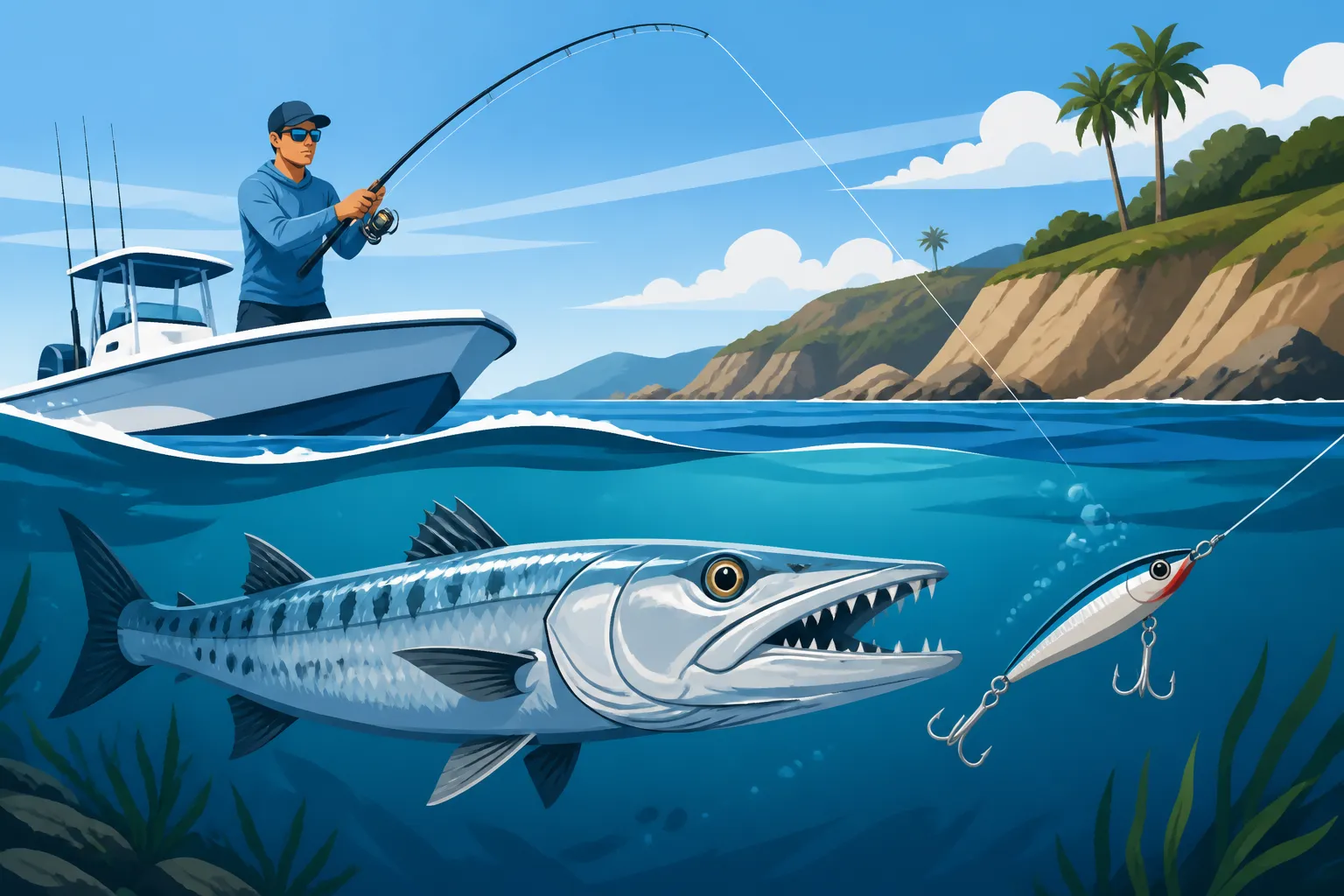
The Pacific barracuda, known scientifically as Sphyraena argentea, is a sleek, torpedo-shaped predator built purely for speed and explosive ambush attacks. Unlike their larger Caribbean cousins, Pacific barracuda are slightly smaller on average but make up for it with aggressive pack-hunting behavior. They feature a prominent lower jaw packed with needle-sharp, forward-facing teeth designed to slice through baitfish instantly. Understanding their biology is the first step toward becoming a more effective angler because their physiological needs dictate where they gather and how aggressively they feed throughout the year.
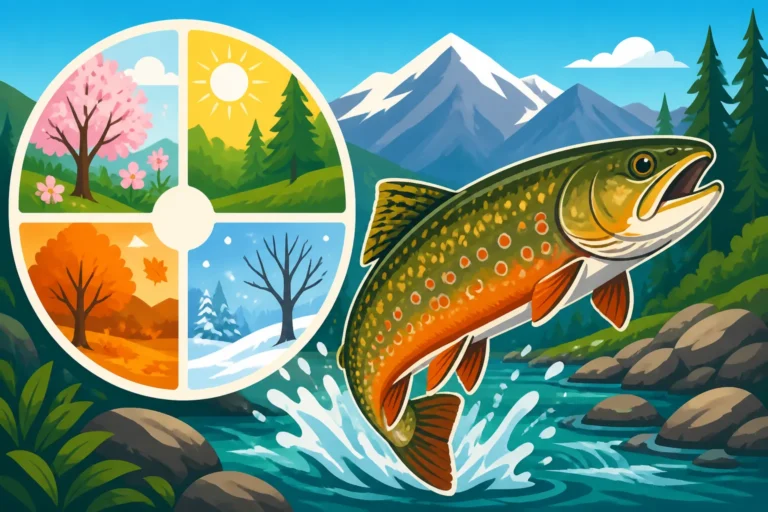
During the cooler winter months, the bulk of the Pacific barracuda population retreats south into the warm, nutrient-rich coastal waters off Baja California. As spring approaches and ocean temperatures begin their seasonal rise, these fish migrate northward in massive schools, pushing past San Diego and spreading throughout the Southern California Bight. Depending on water currents and water temperature anomalies, barracuda can push as far north as Point Conception, and during particularly strong warm-water events, isolated schools are occasionally reported near Monterey Bay.
Tracking these migratory movements is critical for planning a successful fishing trip. Early in the spring migration, barracuda tend to move quickly along offshore kelp highways and underwater banks. By late spring and early summer, they settle into coastal kelp beds, island reefs, and shallow flats where baitfish congregate. If you are keeping an eye on regional conditions, consulting a California Barracuda Fishing Guide can help you pinpoint when the first major migratory push reaches local waters.
Ideal Water Temperatures and Environmental Triggers
Water temperature plays a massive role in dictating Pacific barracuda activity levels. These fish are distinctly warm-water predators compared to colder-water species like kelp bass or lingcod. Ideally, barracuda prefer sea surface temperatures ranging between 62°F and 70°F. When water temperatures linger below 60°F, barracuda become sluggish, dropping deep into the water column and refusing fast-moving lures. In cold water, their metabolic rate slows down dramatically, causing them to ignore artificial lures almost completely while occasionally taking a carefully presented live anchovy drifted right past their snout.
When sea surface temperatures cross the 64°F threshold, their behavior changes entirely. Barracuda transition into high-energy feeding patterns, forming tight schools near the surface to corrals schools of Pacific thread herring, market squid, northern anchovies, and Pacific sardines. Bright sunlight combined with clear ocean water often pushes barracuda slightly deeper during mid-day hours, whereas overcast days, early morning light, and late afternoon grayline trigger topwater blitzes.
Tidal movement is another environmental trigger that anglers frequently overlook. Strong incoming tides force baitfish against kelp bed edges and structure points, creating natural feeding chokepoints. Barracuda position themselves on the down-current side of these structural features, waiting for disoriented bait to sweep past. Paying close attention to water clarity, current speed, and localized temperature breaks will consistently put you on active fish while other anglers cast blindly into dead water.
Structure and Coastal Aggregation Spots
Pacific barracuda are structure-oriented pelagic fish, meaning that while they roam open water, they consistently anchor their hunting activities around physical ocean features. High-relief rocky reefs, submerged pinnacles, steep underwater drop-offs, and dense kelp forests act as natural magnets for migratory schools. In Southern California, prominent geographical formations create world-class barracuda habitats every season.
The outer edges of giant kelp beds offer ideal hunting grounds for barracuda. The thick kelp canopy provides shelter for juvenile baitfish, while the open water lanes between kelp stalks allow barracuda to utilize their lightning-fast acceleration to ambush prey. Anglers fishing near Point Loma, the Palos Verdes Peninsula, or around the Channel Islands frequently target the kelp cutter lanes where barracuda patrol back and forth.
Submerged banks and island points are equally productive. Structure points off Catalina Island, San Clemente Island, and the Coronado Islands hold vast concentrations of barracuda during peak summer months. These locations feature strong upwelling currents that push plankton toward the surface, attracting massive schools of finfish. When planning a coastal skiff trip or booking a spot on a local party boat, targeting areas with clean, blue-green water sitting adjacent to steep structural relief will yield the highest success rates.
Essential Tackle Rigging and Gear Selection
| Setup Type | Rod Length & Action | Reel & Mainline | Terminal Rigging |
|---|---|---|---|
| Surface Iron | 8’0″ – 9’0″ Medium | Fast 40-50lb Braid | 40lb Mono/Fluoro Leader (3-4 ft) |
| Live Bait | 7’0″ – 8’0″ Med-Heavy | 25-30lb Monofilament | Size 2 to 1/0 Live Bait Hook |
| Deep Yo-Yo | 7’0″ Heavy Action | 50-65lb Braid | 40-50lb Fluorocarbon (5-6 ft) |
Choosing Rods Reels and Line Configurations
Selecting the right rod and reel combo for Pacific barracuda comes down to balancing casting distance, line capacity, and hook-setting power. Because barracuda often feed on topwater bait schools that move rapidly across the surface, being able to cast a light surface iron or live bait long distances is crucial. An 8-foot to 9-foot medium-fast action conventional rod paired with a high-speed casting reel represents the quintessential Southern California surface setup.
When choosing mainline, many veteran anglers prefer 40-pound to 50-pound braided line as a backing because its thin diameter allows for maximum line capacity and effortless casting. However, braid has zero stretch, which can be a drawback when dealing with a barracuda’s erratic violently shaking head. Connecting a 3-foot to 5-foot leader of 30-pound to 40-pound monofilament or fluorocarbon provides just enough shock absorption to prevent hooks from tearing out during the fight.
If you prefer spinning tackle, a 7-foot-6-inch to 8-foot-6-inch medium-heavy spinning rod paired with a 4000 to 6000 size reel works exceptionally well, especially when throwing lighter plastic swimbaits or casting live anchovies. You can easily find a wide variety of suitable rod and reel combos, terminal tackle, and fluorocarbon leader material on Amazon to suit your personal fishing style and budget before hitting the water.
Metal Jigs Surface Irons and Artificial Lures
Artificial lures account for some of the most exciting barracuda bites you will ever experience. The classic Southern California “surface iron” is arguably the most productive artificial lure in history for targeting Pacific barracuda. These lightweight cast-aluminum jigs feature an asymmetrical design that generates an erratic side-to-side swimming action when retrieved at moderate speeds.
Popular color patterns for barracuda surface irons include:
* Blue and white (mimicking market squid and anchovies)
* Mint green and white (classic Pacific sardine imitation)
* Solid white (highly visible in murky or overcast conditions)
* “Dorado” or yellow/green (excellent bright-day attractant)
Beyond surface irons, heavy chrome metal jigs designed for yo-yoing excel when barracuda are holding deeper in the water column. Heavy chrome lures drop rapidly through the water, allowing you to reach fish lingering at depths of 50 to 150 feet. Fast-retrieving chrome lures creates a flashing motion that triggers violent reaction strikes from aggressive fish. Plastic swimbaits ranging from 4 to 6 inches mounted on 1/2-ounce to 1-ounce jigheads are also highly effective, particularly when fish are pressured or feeding on smaller bait hatch.
Live Bait Rigs and Wire Leader Considerations
While artificial lures offer non-stop action during a heavy blitz, there are days when barracuda become extremely picky and will only touch live bait. Live Pacific sardines and northern anchovies are the premier live baits for barracuda. Presenting live bait properly requires light-wire hooks and fluorocarbon line to achieve a natural swim presentation.
A standard live bait rig consists of a size 2 to 1/0 live bait hook tied directly to a 25-pound or 30-pound fluorocarbon leader using a Palomar or reverse Alonso knot. Nose-hooking a sardine or hooking an anchovy through the clear collar behind its head allows the bait to swim naturally away from the boat and sink slowly through the strike zone. If you are unfamiliar with live bait handling, checking out tips on How to Fly-Line Sardines for Yellowtail offers valuable cross-over techniques that apply directly to fishing live bait for barracuda.
One of the biggest debates among barracuda anglers centers on whether to use wire leaders. Barracuda possess razor-sharp teeth that easily slice through standard monofilament and fluorocarbon lines. While single-strand stainless steel wire or multi-strand flexible wire prevents bite-offs, it significantly reduces the number of strikes you will get in clear water. Most experienced captains recommend sticking with heavy 30-pound to 40-pound fluorocarbon leaders. You may lose an occasional lure to a bad bite, but you will hook significantly more fish overall compared to using bulky wire leaders.
Proven Angling Techniques for Pacific Barracuda
Mastering the Surface Iron Retrieve
Casting and retrieving a surface iron for barracuda is a specialized skill that requires practice, timing, and rhythmic consistency. When you spot surface feeding activity—evidenced by birds diving, water churning, or fish breaking the surface—cast your iron well past the school. Allowing the jig to land quietly past the activity prevents scaring the school, ensuring your lure swims directly through the feeding zone on the retrieve.
The secret to working a surface iron lies in the retrieve speed. You want to wind the reel fast enough to initiate the lure’s natural “kick” or side-to-side wobbling motion, but not so fast that the lure spins, skips out of the water, or rolls over. Keep your rod tip pointed low toward the water at a 45-degree angle to maintain direct tension with the lure.
When a barracuda tracks your surface iron, you will often see a wake forming behind the lure or see the fish’s long body slash at the tail. The most crucial rule in surface iron fishing is: do not swing or set the hook when you see the splash. Swinging prematurely pulls the lure away from the fish. Instead, keep winding smoothly right through the bite until your rod loads up fully under the heavy weight of the fish. Once the rod bows deeply, lean back smoothly to drive the treble hook home.
Live-Lining Anchovies and Sardines
Live-lining, often referred to locally as fly-lining, is the most effective method for tempting barracuda when they are holding around a chum line or drifting over deep structure. Success with live bait begins at the bait tank. Always use a small hand net to scoop bait gently, avoiding touching the bait with dry hands, which rubs off their delicate protective slime layer.
Once your sardine or anchovy is hooked, cast it gently away from the boat using an underhand lob motion. Overhand casts generate too much momentum, often tearing the hook through the bait’s delicate tissues or knocking the bait unconscious upon water impact. After the bait hits the water, put your reel into free spool, leaving your thumb resting lightly on the spool to prevent backlashes.
Let the bait swim freely away from the boat. If the bait stops moving or swims back toward the hull, gently reel it in and replace it with a fresh, lively specimen. Barracuda strike live bait with incredible speed. You will feel a sudden tug or watch line rapidly peel off your spool. Count to two, re-engage your reel’s drag, wind off the slack, and lift the rod tip firmly to set the hook.
Deep Yo-Yo Jigging and Trolling Strategies
When surface water warms excessively during mid-summer, or when cold snaps push barracuda downward, surface lures lose their effectiveness. This is when deep yo-yo jigging comes into play. Drop a heavy, flat-fall or chrome metal jig straight down to the sea floor or to the depth indicated on the boat’s fish finder.
Once your jig reaches the desired depth, put your reel in gear and wind as fast as you physically can for 20 to 30 cranks. Barracuda are apex visual predators that react instinctively to fast-moving prey fleeing upward toward the light. The strike on a yo-yo jig is often sudden and jarring, instantly bending your rod to the water’s edge.
Trolling is another fantastic search strategy for locating scattered barracuda across broad expanses of open water. Trolling deep-running minnow plugs, artificial feather dusters, or heavy metal spoons at speeds between 4 and 6 knots allows you to cover vast tracks of ocean. Once a trolling line gets hit, mark the location on your GPS, throw out a handful of live bait as chum to hold the school near the boat, and transition to surface casting or live-lining.
Top Spots and Seasonal Timing in California
Southern California Coastal Waters and Islands
The ocean waters stretching from San Diego up through Santa Barbara represent the heart of California’s barracuda fishery. San Diego serves as the primary entry point for migrating schools each spring. High-density structures like the Imperial Beach Kelp, Point Loma Kelp beds, and La Jolla Cove consistently deliver premier action from April through July.
Moving north into Orange County and Los Angeles, several key locations stand out:
* Dana Point Harbor Area: Excellent shallow-water reefs that hold baitfish early in the season.
* Huntington Flats: Expansive mud-and-sand flats located between Long Beach and Huntington Beach, famous for holding massive summer schools.
* Palos Verdes Peninsula: Deep kelp walls and rocky points that provide superb cover for hunting barracuda.
* Catalina and San Clemente Islands: Offshore island habitats featuring crystal-clear water where surface iron action can be phenomenal.
If you are traveling into the region specifically to sample Southern California’s saltwater action, checking out options for Best Fishing Charters in San Diego can connect you with experienced local captains who track barracuda movements daily.
Party Boats Piers and Inshore Skiffs
You do not need an expensive sportfishing vessel to enjoy world-class barracuda fishing. California’s extensive fleet of commercial passenger fishing vessels, commonly known as party boats or sportboats, offers accessible and affordable access to these fish. Operations running out of Mission Bay, Point Loma, Dana Point, Newport Beach, San Pedro, and Marina del Rey offer half-day and full-day trips targeting barracuda whenever schools move into local waters.
For those who prefer fishing from shore or fixed structures, coastal piers provide surprising opportunities during warm-water months. Piers extending into deep water—such as Ocean Beach Pier, Oceanside Pier, Newport Pier, and Santa Monica Pier—frequently intercept barracuda schools chasing anchovies close to shore. Anglers targeting barracuda from piers typically throw shiny casting spoons, heavy chrome jigs, or live anchovies suspended beneath bobbers. For detailed guidelines on pier regulations, refer to California Pier Fishing Tips and Techniques.
Inshore skiff anglers and kayak fishermen enjoy a unique advantage when targeting barracuda. Operating a quiet, small vessel allows you to slip stealthily along the outer edges of kelp beds without disturbing feeding schools. Kayak anglers, in particular, experience thrilling rides when hooked into large, aggressive barracuda in shallow water.
Regulations Size Limits and Handling
Because Pacific barracuda are a heavily managed sportfish, remaining strictly compliant with state regulations is critical for conserving the fishery. The California Department of Fish and Wildlife (CDFW) enforces specific size and bag limits designed to protect immature fish, allowing them to spawn before being harvested.
| Regulation Parameter | CDFW Legal Requirement |
|---|---|
| Minimum Size Limit | 28 inches total length |
| Standard Daily Bag Limit | 10 fish per angler |
| Ocean Enhancement Requirement | Required south of Point Arguello |
| Measuring Standard | Snout tip to tail tip (longest natural lay) |
The standard minimum size limit for Pacific barracuda in California ocean waters is 28 inches total length. Any barracuda under 28 inches must be immediately returned to the water unharmed. It is common for schools of juvenile barracuda, often called “pencils” by local anglers due to their thin profiles, to invade coastal areas. Carefully measuring your catch on a flat surface gauge is mandatory. For full regulatory breakdowns on marine species, consult California Saltwater Fishing Regulations and review the official California Fishing Bag and Size Limits.
Proper handling of barracuda requires extreme caution due to their sharp teeth and delicate skin. Never grab a barracuda by its eyes or gill plates. Use a padded landing net or an aluminum lip-gripper tool to control the fish safely. Wearing rubber-coated fishing gloves helps protect your hands from their thick, pungent protective slime coat and keeps the fish’s scales intact during unhooking. Keeping a sturdy set of long-nose pliers on hand—which can easily be ordered off Amazon—makes removing treble hooks quick and safe for both angler and fish.
Comparing Barracuda Tactics Against Other Coastal Species
Barracuda vs California Yellowtail Tactics
While Pacific barracuda and California yellowtail often share the exact same habitats and bite on similar surface irons, the tactical approaches required to catch them differ significantly. Yellowtail are powerful, deep-pulling members of the jack family that instantly attempt to dive straight into kelp stalks or sharp rocky reefs to break your line. In contrast, barracuda make fast, thrashing surface runs and swim erratically near the top of the water column.
| Feature | Pacific Barracuda | California Yellowtail |
|---|---|---|
| Fight Style | Fast surface thrashing & jumps | Powerful deep dives into structure |
| Hook Set Method | Steady wind until rod bows | Firm, immediate hook set |
| Bite Characteristics | Slashes prey, sharp tooth cuts | Swallows prey whole, crushing bite |
| Preferred Retrieve | Smooth, medium-fast retrieve | High-speed, erratic retrieve |
When targeting yellowtail, anglers rely on heavy drag settings and thick leader lines to turn the fish away from bottom structure. With barracuda, lighter drags are preferred because their mouths contain soft jaw membranes that easily tear under extreme force. Adjusting your tactics based on which species is actively feeding ensures higher landing rates. For a deeper understanding of yellowtail setups, take a look at the comprehensive California Yellowtail Fishing Guide.
Barracuda vs Pacific Bonito Strategies
Pacific bonito are another fast-moving pelagic predator that frequently mingles with barracuda along Southern California kelp lines. Both species possess tremendous speed, but their feeding behaviors demand subtle adjustments in lure selection and presentation style.
Bonito feature much smaller mouths and lack the large, razor-sharp teeth found on barracuda. As a result, bonito are easily spooked by heavy fluorocarbon leaders or wire terminal gear. When targeting bonito, anglers downsize to 15-pound or 20-pound fluorocarbon leaders and fish smaller, compact casting lures like mini-spoons or 2-inch plastic swimbaits attached to splash splutters.
Barracuda, on the other hand, show a clear preference for longer, larger profiles like 6-inch to 7-inch surface irons or full-sized sardines. If you find yourself catching exclusively small bonito while trying to target barracuda, try increasing your lure size and slowing down your retrieve slightly to appeal directly to the larger mouth profile of the barracuda.
Handling Teeth Slime and Release Techniques
Safely releasing undersized barracuda or fish you do not intend to keep is an essential part of responsible angling. Barracuda possess a fragile slime coat that guards against bacterial infections. Scrubbing off this coat with dry hands, towels, or abrasive boat decks greatly reduces the fish’s chances of survival after release.
Follow these best practices for release:
1. Keep the fish in the water whenever possible while removing the hook.
2. Use long-nosed hook removers or pliers to back the hook out smoothly without twisting the jaw.
3. If a barracuda has swallowed a hook deeply, cut the leader line close to the hook rather than tearing internal organs.
4. Gently support the fish horizontally in the water, facing into the current, until it regains its strength and swims away under its own power.
When keeping legal barracuda for consumption, bleed them immediately by cutting the main gill arch and placing them directly into an ice slush bath. Barracuda meat is oily and highly perishable; properly bleeding and icing your catch ensures clean, fresh fillets suitable for grilling, smoking, or making delicious fish tacos.
Maximizing Your Success on California Waters
Reading the Water and Spotting Bird Activity
Locating barracuda without relying purely on GPS waypoints or fishing reports requires developing a keen eye for subtle environmental signs. Seabirds, particularly elegant terns and California brown pelicans, serve as nature’s ultimate fish finders. When barracuda push schools of baitfish toward the surface, seabirds quickly gather overhead to capitalize on the chaos.
Watch for terns hovering low over the water and making rapid, vertical dives. This behavior indicates that small baitfish like anchovies are being pinned against the sea surface from below. Pelicans making steep, heavy dives signal larger baitfish like Pacific sardines or mackerel. Positioning your boat upwind of active bird diving activity allows you to drift quietly into casting range without startling the feeding school.
Additionally, look for visual cues on the water’s surface itself. “Slick water” or calm oil-like patches on the ocean surface often indicate where large schools of fish are actively feeding on oily bait below. “Boiling water,” where fish flash, splash, and break the surface in rapid succession, is an undeniable sign that you should immediately throw a surface iron directly into the disturbance.
Weather Patterns and Marine Conditions
Ocean condition shifts dramatically alter how barracuda behave from day to day. Coastal fog, wind patterns, atmospheric pressure changes, and ocean swells all influence bait movement and light penetration in the water column.
Pre-frontal weather patterns, characterized by falling barometric pressure and increasing cloud cover, often spark some of the most aggressive barracuda feeding frenzies of the season. The low-light conditions make barracuda feel secure feeding near the surface, while reducing their ability to distinguish fluorocarbon leaders from natural bait.
Conversely, strong post-frontal north winds bring upwelling of cold, dirty bottom water that can shutdown a thriving barracuda bite overnight. When water clarity drops dramatically or temperatures drop rapidly after a storm, adapt your strategy by fishing deeper reefs, downsizing lure choices, and switching to high-scent live bait presentations until stable warm water returns.
Final Checklist for a Successful Barracuda Trip
To ensure your next barracuda excursion goes smoothly, use this simple prep checklist before leaving the dock:
- Licensing: Ensure your California sport fishing license is valid and includes an ocean enhancement validation if fishing south of Point Arguello. Review How to Get a California Fishing License for quick purchasing options.
- Rod & Line Prep: Inspect the bottom 10 feet of your mainline for abrasions or nicks caused by barracuda teeth or kelp stalks, and re-tie fresh fluorocarbon leaders.
- Lure Stocking: Verify you have a balanced assortment of surface irons, heavy chrome yo-yo jigs, and soft swimbaits packed in your tackle box. Ordering replacement treble hooks and heavy split rings on Amazon ahead of time keeps your gear ready for action.
- Safety Gear: Double-check that your long-nosed pliers, fish grippers, tape measure, and cut-resistant gloves are easily accessible on deck.
By mastering these tactical adjustments, respecting size regulations, and understanding the environmental drivers behind Pacific barracuda movements, you will consistently enjoy high-tempo topwater action whenever these formidable predators push into California waters.
Disclaimer
This article is for general informational purposes only and does not constitute professional advice. Laws, prices and regulations vary by location and change over time. Consult a qualified professional for guidance on your specific situation.