Best Time of Year to Catch White Sturgeon in California
It’s a truly humbling experience, isn't it? You spend hours out on the water, meticulously rigging your line, carefully casting into what you think are the perfect spots, and yet, those legendary white sturgeon remain stubbornly elusive. It’s enough to make any angler pull their hair out! This elusive nature often leaves us scratching our heads, wondering if we’re even fishing at the right time. But don't you worry, because this guide is designed to cut through the guesswork and lay out exactly when you have the best shot at hooking into one of California’s most magnificent freshwater giants.
Deciphering White Sturgeon Behavior and Seasonal Patterns
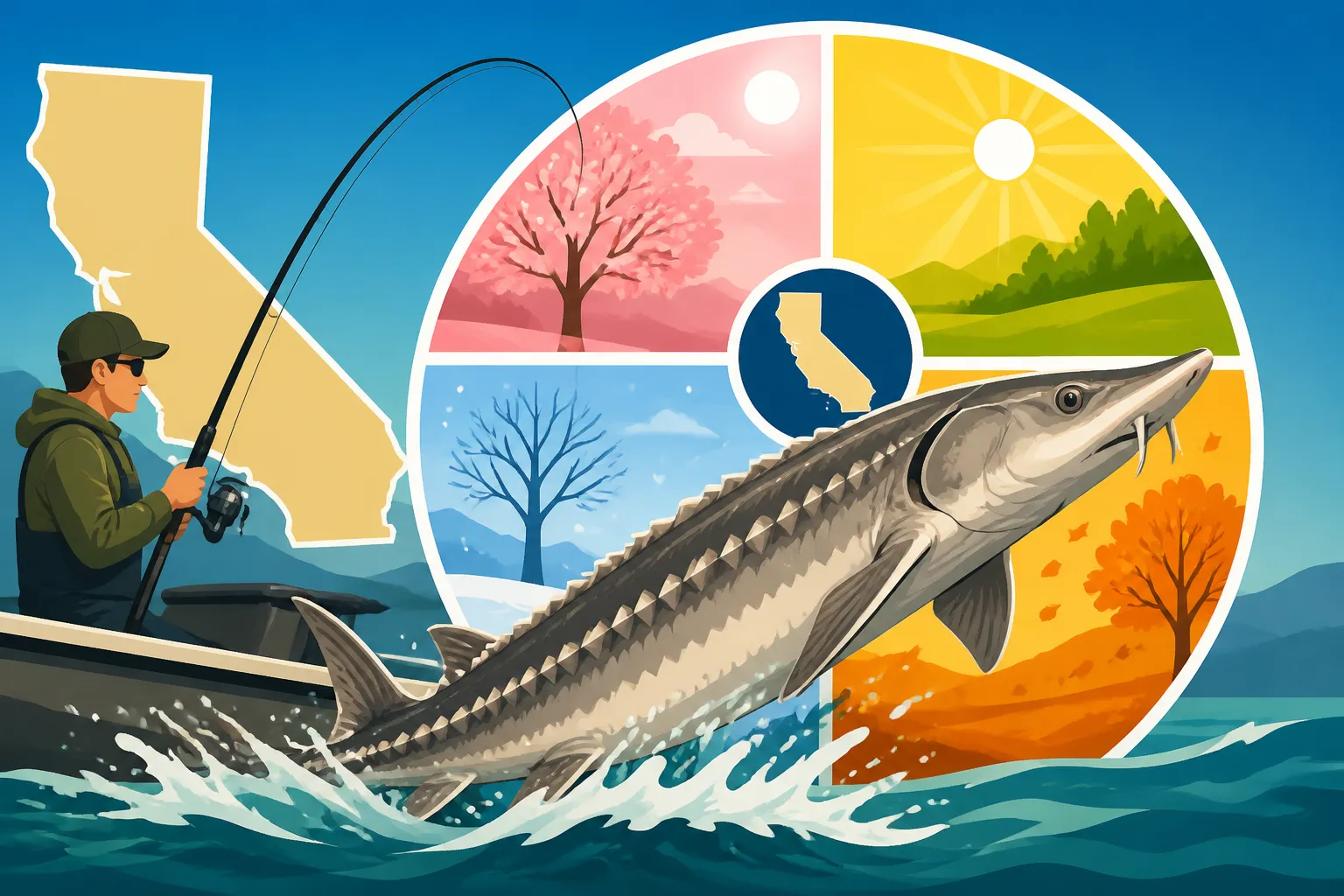
Catching white sturgeon isn’t just about being in the right place; it's crucially about being there at the right time. These ancient, magnificent fish have distinct seasonal patterns that dictate their feeding, migration, and overall activity. Understanding these rhythms is the first step to truly improving your odds. It's not like chasing bass that might bite all year; sturgeon have a much more predictable, yet challenging, calendar.
The Influence of Water Temperature and Tides
White sturgeon are incredibly sensitive to changes in their environment, particularly water temperature. As cold-blooded creatures, their metabolism slows down significantly in frigid waters and speeds up in warmer conditions, but there's a sweet spot. They prefer cooler, stable temperatures, which means their feeding activity tends to peak when the water isn't too hot or too cold. This preference plays a huge role in their seasonal movements.
Beyond temperature, tides, especially in the brackish waters of the California Delta where sturgeon thrive, are absolutely critical. Sturgeon are opportunistic feeders, and incoming or outgoing tides often concentrate baitfish and other food sources, making it easier for them to forage. Stronger tidal flows, particularly the last few hours of an incoming tide and the first few hours of an outgoing tide, tend to be the most productive. The moving water stirs up the bottom, dislodging delectable morsels like ghost shrimp, clams, and other invertebrates that sturgeon love to munch on. Ignoring the tides when sturgeon fishing is like trying to drive a car without gas – you might have the right vehicle, but you're not going anywhere.
Key Factors Affecting Sturgeon Activity
Several environmental factors conspire to make certain times of the year better than others for white sturgeon. Beyond temperature and tides, water clarity, river flow, and even barometric pressure can play a role. Sturgeon, being bottom feeders with excellent senses of smell and touch, don't necessarily need crystal clear water. In fact, slightly turbid conditions can sometimes work in your favor, as it helps hide your line and weights, and may also dislodge more food.
However, extreme changes in flow, such as those following a heavy rain event, can sometimes scatter fish or make it harder for them to find your bait. You'll often hear anglers talking about "clean water" after a storm has passed and the rivers are settling back down. That's usually the sweet spot. Monitoring the river flow rates for the Sacramento and San Joaquin Rivers, especially through resources like the Department of Water Resources data, can give you a significant edge in predicting good fishing windows. These factors combine to create windows of opportunity that savvy anglers learn to identify. For a deeper dive into the nuances of freshwater fishing regulations, check out our guide on California Freshwater Fishing Regulations.
The Reigning Season: Winter for White Sturgeon
Let's not beat around the bush: if you're serious about catching white sturgeon in California, winter is hands down your best bet. This isn't just an old angler's tale; it's a proven fact backed by years of success on the water. The colder months from late fall through early spring provide the most consistent and often the most productive fishing opportunities for these ancient giants.
December Through February: The Golden Window
The period from roughly December through February, extending into early March depending on the year's specific weather patterns, stands out as the prime time for white sturgeon. As water temperatures drop into the ideal range (typically between 48°F and 58°F), sturgeon become much more active in their feeding. They sense the coming cold and instinctively begin to bulk up, meaning they’re more likely to bite.
During these months, large numbers of sturgeon congregate in the deeper channels and bays of the San Francisco Bay Delta system. They move into these areas to escape the harsher conditions of the open ocean and to feed on the abundant food sources that also thrive in the cooler, nutrient-rich waters. It’s common to see numerous boats anchored up in popular spots like Suisun Bay, the Carquinez Strait, and various deep holes within the Sacramento River and San Joaquin River confluence. This concentration of fish makes them more accessible and offers higher chances of multiple hookups in a single outing. Many experienced anglers will tell you these are the months they target exclusively. For detailed insights on specific fish regulations, you should always consult the California Sturgeon Regulations and Limits to stay within legal bounds.
Essential Gear and Bait for Winter Sturgeon
When fishing for winter sturgeon, you're going to need robust tackle. These fish are incredibly strong, and hooking into a "keeper" (a legal-sized sturgeon) means a serious fight. A heavy-action rod between 7 to 9 feet, paired with a stout baitcasting reel capable of holding at least 200-300 yards of 50-80 pound braided line is standard. Brands like Shimano, Penn, and Daiwa offer excellent options that you can often find readily available on Amazon. Make sure your drag system is smooth and reliable; it's your best friend during a long battle.
As for bait, the colder water often means sturgeon are looking for strong-smelling, oily offerings. Favorites include ghost shrimp, shad, sardines, and lamprey eel. Many anglers will also 'cocktail' their baits, combining a few different options to create an irresistible scent trail. For example, a piece of ghost shrimp paired with a chunk of lamprey eel can be deadly. Using a scent enhancer, like those from Pro-Cure, liberally applied to your bait and even your leader, can significantly increase your attractiveness. You can grab many of these specialty baits and scents from local tackle shops or even find a great selection of fishing accessories on Amazon. Don't forget heavy pyramid or Sputnik sinkers (4-12 oz, depending on current) to keep your bait firmly on the bottom.
Secondary Seasons and Opportunistic Sturgeon Fishing
While winter undeniably holds the crown for white sturgeon fishing, that doesn't mean the rest of the year is a complete bust. There are still opportunities, albeit generally more challenging and requiring different strategies or simply a bit more luck. These shoulder seasons can sometimes surprise you, but don't expect the same consistent action as the colder months.
Spring Spawning Runs and Associated Regulations
As winter transitions into spring, typically from late March through May, white sturgeon begin their annual spawning migration. They move upstream into the freshwater tributaries of the Delta, seeking out suitable gravel beds to lay their eggs. This is a critical time for the species' reproduction, and as such, specific regulations are often in place to protect them. For instance, sections of the Yolo Bypass or other specific river stretches might have closures or stricter catch-and-release rules during this period.
Fishing during the spawn can be a mixed bag. While fish are concentrated, they might be less focused on feeding and more on reproductive activities. However, fresh fish moving into the system can still be caught. It's imperative during this time to be extra vigilant about current regulations. The California Fishing Regulations Explained guide is an invaluable resource, and always check the latest Fish and Wildlife booklet. Targeting spawning fish requires a delicate approach, emphasizing minimal stress during catch-and-release, which is generally recommended, if not mandated, during this sensitive period.
Summer and Fall: The Toughest Seasons
Summer (June-August) and fall (September-November) are generally considered the toughest times to consistently catch white sturgeon in California. As water temperatures climb in the summer, sturgeon tend to become lethargic and spread out across the vast Delta system, making them harder to locate. Their metabolism is high, but they might not be actively feeding as aggressively in specific areas as they do in winter. They also tend to move into deeper, cooler pockets of water, which can be harder to pinpoint.
Fall can see a slight uptick in activity as water temperatures begin to cool, and they might start to feed more actively in preparation for winter. However, this period is often overshadowed by other popular fisheries, such as salmon or striped bass, which draw many anglers away from sturgeon. If you do target sturgeon in summer or fall, focus on very deep holes, early morning or late evening bites, and employ strong-smelling baits. Success in these seasons often comes down to persistent effort and a bit more luck, making any hookup feel like a genuine triumph. Our article on California Fishing Seasons: Month-by-Month Guide offers a broader look at what to expect throughout the year.
Top Locations and Techniques for Sturgeon Success
Knowing when to fish is only half the battle; you also need to know where and how. California's sprawling Delta and Bay system is a primary stronghold for white sturgeon, offering numerous hot spots for anglers willing to put in the time. Understanding the specific characteristics of these areas and employing the right techniques will dramatically increase your chances of success.
Prime Sturgeon Haunts in California's Delta Region
The heart of California's white sturgeon fishery lies within the Sacramento-San Joaquin River Delta and the connected bays. This massive network of waterways provides the perfect habitat, with diverse depths, strong currents, and abundant food sources.
- Suisun Bay: Often considered the epicenter of winter sturgeon fishing, Suisun Bay is legendary. Its deep channels and muddy bottoms are perfect holding grounds for large numbers of sturgeon. Popular spots include the "Mothball Fleet" area (though access varies), the deep water near Martinez, and areas around Grizzly Bay.
- Carquinez Strait: This narrow, deep strait connecting San Pablo Bay to Suisun Bay is a natural funnel for migrating fish. The strong currents here mean you'll need heavier weights, but they also bring a constant supply of food, making it a productive area, especially during tidal changes.
- San Pablo Bay: Downstream from the Carquinez Strait, San Pablo Bay offers vast expanses of prime sturgeon habitat. Its shallower average depth compared to Suisun means finding the deeper channels and holes is key. The area around the Petaluma River mouth and the Pinole Shoal are known producers.
- Sacramento and San Joaquin Rivers: Upstream from the bays, the main channels of these rivers, particularly their confluence, hold excellent sturgeon opportunities. Look for deep bends, submerged structure, and areas where smaller sloughs feed into the main river, creating current breaks. For a comprehensive overview of fishing this incredible region, check out our California Delta Fishing Guide.
Remember, while these are known hot spots, sturgeon move. It pays to consult local fishing reports, chat with bait shop owners, and even observe other successful anglers on the water.
Essential Rigging and Baiting Strategies
Sturgeon fishing demands a specific approach to rigging and bait presentation. The goal is always to present a stationary, scent-rich bait directly on the bottom, where these vacuum-mouthed feeders forage.
- The Carolina Rig (or Slider Rig): This is the go-to rig for sturgeon. It consists of a heavy sinker (pyramid or Sputnik styles are popular, ranging from 4 to 12 ounces or more depending on current) that slides freely on your main line. Below the sinker, a heavy-duty swivel connects your main line to a leader of 60-100 lb monofilament or fluorocarbon, typically 18 to 36 inches long. This leader is terminated with a stout, wide-gap hook (sizes 7/0 to 10/0 are common). The sliding sinker allows the sturgeon to pick up the bait and move off without immediately feeling the resistance of the weight, giving you a better hook set.
- Bait Presentation: As mentioned before, strong-smelling baits are key. Ghost shrimp are a classic for a reason; their natural scent is irresistible. Lamprey eel is another premium choice, especially for larger fish. Many anglers will "milk" their ghost shrimp, squeezing them lightly to release more scent, or create a bait cocktail using multiple offerings. The presentation should be natural, allowing the bait to lie flat on the bottom. Some anglers use a bait loop or thread their baits to ensure they stay on the hook during the cast and against strong currents.
- Patience and Scent Trails: Sturgeon fishing is not for the impatient. You cast out, anchor your boat (or find a comfortable spot on shore), and wait. The key is to establish a strong scent trail that draws fish in. This means frequent bait changes, especially if you're not getting bites. Every 30-60 minutes, check your bait, re-scent, and ensure it's still presentable. The longer your bait is in the water, releasing its alluring aroma, the better your chances. To give yourself the best shot, consider upgrading your fishing license with a California Second-Rod Stamp Explained to maximize your coverage.
White Sturgeon Seasonality Overview
To help you visualize the best times, here’s a quick overview of white sturgeon activity throughout the year in California.
| Season | Months | Sturgeon Activity | Best Chances | Common Tactics / Notes |
|---|---|---|---|---|
| Winter | Dec – Feb | Highly active feeding, congregating in deep channels. | Excellent | Heavy tackle, strong-smelling baits (ghost shrimp, eel), Carolina rigs. |
| Early Spring | Mar – Apr | Spawning migrations, some feeding but can be less aggressive. | Moderate | Focus on staging areas near spawning grounds, strict regulations apply. |
| Late Spring | May | Post-spawn, fish dispersing, some feeding. | Fair | Finding scattered fish is key, lighter pressure from other anglers. |
| Summer | Jun – Aug | Lethargic due to warm water, spread out. | Challenging | Deep water focus, early/late bites, persistent scent trails. |
| Fall | Sep – Nov | Gradually increasing activity as water cools, pre-winter feed. | Fair to Good | Looking for returning fish, can be hit-or-miss depending on water temps. |
This table provides a general guideline, but remember that local conditions, specific weather events, and yearly environmental changes can always influence the bite. Always stay flexible and adjust your strategy based on current reports. For further guidance on what you need to fish these waters, check out the California Fishing License Guide.
Final Thoughts on Your Sturgeon Quest
Chasing white sturgeon in California is more than just fishing; it’s an adventure steeped in patience, strategy, and respect for one of nature's most impressive freshwater fish. While winter is clearly the undisputed champion for consistent action, understanding the nuances of each season and adapting your approach can lead to rewarding experiences year-round. Don't be discouraged by slow days; even the most seasoned sturgeon anglers face them. It’s all part of the allure of these magnificent creatures.
The thrill of seeing your rod tip slowly bend over, then violently get slammed down, followed by the electrifying run of a powerful sturgeon – that's what keeps us coming back. Always remember to prioritize the fish's health, especially if you're participating in catch-and-release, and be mindful of all current regulations, including the proper use of your California Steelhead Report Card or California Sturgeon Report Card, as reporting your catch is vital for conservation efforts. Happy fishing, and may your line be tight!
Disclaimer
The information provided in this article is for general guidance and informational purposes only. Fishing regulations, seasons, and conditions in California can change frequently. Always consult the latest official California Department of Fish and Wildlife (CDFW) regulations booklet or their website before planning any fishing trip. Adherence to all local, state, and federal laws is the responsibility of the angler.