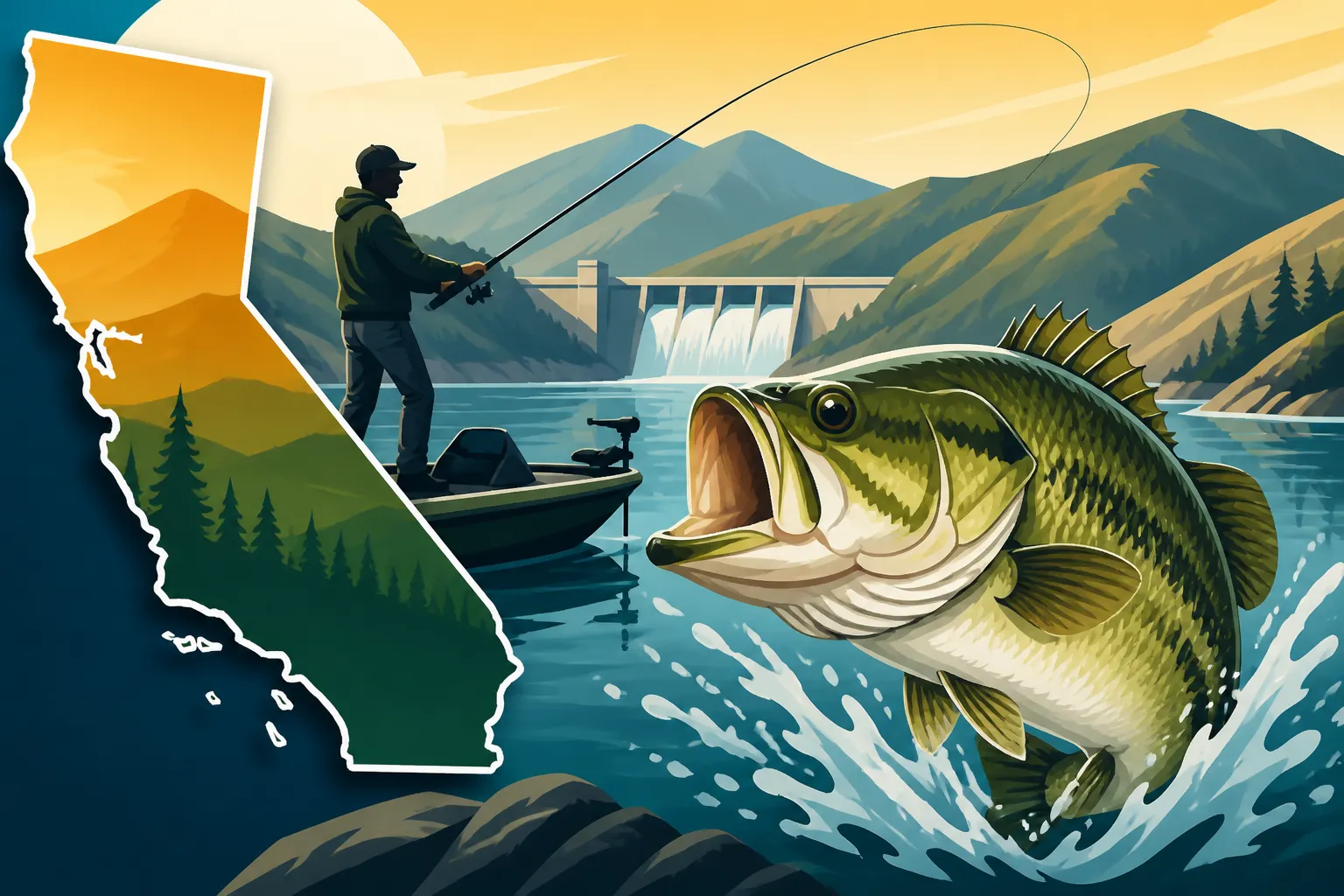
Best Reservoirs for Trophy Bass in California
You know that feeling, right? You've spent countless hours out on the water, casting until your arm aches, hoping for that one epic bite that signifies a true lunker. California's vast and varied waters offer incredible fishing, but when it comes to consistently hooking into those monstrous, brag-worthy trophy bass, it can feel like finding a needle in a haystack. This guide is here to cut through the noise, revealing the absolute best reservoirs across the Golden State where you truly have a shot at landing the bass of a lifetime.
What Makes a Reservoir a Trophy Bass Hotspot?
It's not just about size; it's about the entire ecosystem conspiring to produce giants. A true trophy bass reservoir isn't just a big pond with fish in it; it's a finely tuned machine where every element contributes to growing monsters. Anglers often get frustrated trying to replicate successful techniques from one lake to another, only to find vastly different results. That’s because these trophy factories have specific, often subtle, characteristics that set them apart.
The Ideal Habitat and Structure
Think about it from a bass's perspective. They need places to ambush prey, spots to escape the heat, and areas to spawn safely. A reservoir that consistently kicks out massive bass usually boasts an incredible diversity of submerged structure. We're talking about extensive rock piles, deep creek channels, standing timber from when the reservoir was first filled, brush piles that accumulate over time, and even man-made structures like old roadbeds or foundations. These aren't just random spots; they form complex underwater neighborhoods where bass can thrive. For instance, a steep drop-off next to a broad, shallow flat is an ideal ambush point, allowing bass to move between deeper, cooler water and shallower feeding grounds with ease. Reservoirs with fluctuating water levels can sometimes expose these structures, giving you a sneak peek, but knowing how to interpret your sonar and mapping is critical for finding them when they’re submerged. The sheer complexity and abundance of structure provide endless hiding spots for big fish to grow old and wise.
Abundant Forage and Water Quality
A bass can only grow as large as its food source allows. Trophy bass reservoirs are typically teeming with a rich, diverse menu of forage fish. In California, this often means a healthy population of threadfin shad, hitch, bluegill, crappie, and sometimes even trout or kokanee salmon. When bass have an unlimited buffet, they don't have to expend much energy hunting, allowing them to pack on pounds quickly. Imagine a bass that can feast on schools of protein-rich shad all day long; it’s no wonder they become chunky giants! Beyond food, water quality plays a huge role. Consistent oxygen levels, stable temperatures, and clear water (though not always crystal clear, as some stained water can be incredibly productive) are essential. Reservoirs with stable water levels and good inflow/outflow generally have healthier ecosystems. Lakes like Clear Lake, for example, are known for their incredibly fertile waters, which translate directly into abundant baitfish and, consequently, gargantuan bass. Poor water quality, on the other hand, stresses fish, making them less active and less likely to grow to impressive sizes.
Management and Fishing Pressure Factors
This is where the human element comes in, and it's a huge one. Some of the best trophy bass waters are those with stringent catch-and-release regulations or a strong angling ethic that encourages conservation. When bigger fish are regularly returned to the water, they get to grow even larger, contributing to the trophy population. Lakes like Diamond Valley Lake, with its almost entirely catch-and-release culture and restrictions on private boats, have cultivated a truly exceptional big bass fishery. Fishing pressure is another factor. Heavily pressured lakes, even with good habitat and forage, can make bass warier and harder to catch. However, skilled anglers know that even on pressured lakes, finding less-frequented spots or fishing during off-peak times can still yield incredible results. Understanding the local regulations, like those outlined in the various California Fishing Regulations Explained, is paramount, not just for compliance but for contributing to the health of the fishery.
Northern and Central California's Premier Trophy Bass Reservoirs
When you think of trophy bass in California, a few names immediately jump out, especially in the northern and central parts of the state. These aren't just pretty places to fish; they're proven producers of genuine giants. If you're looking to target a specific species, you might also want to check out our detailed guide on how to Catch Largemouth Bass in California.
Clear Lake: A Legend of Giants
Clear Lake, often hailed as "The Bass Capital of the West," isn't just a legend; it's a living, breathing trophy factory. Located in Lake County, this natural lake (though dammed to increase capacity) consistently produces some of the biggest largemouth bass in the state, year after year. The sheer numbers are staggering, but it's the consistent opportunity for 8-10 pounders, and even double-digit monsters, that truly sets it apart. The lake is relatively shallow, averaging around 20-30 feet, but its fertile waters are rich in nutrients, supporting an insane amount of forage like hitch, threadfin shad, and various panfish. This abundance of food allows bass to grow quickly and to immense sizes.
Fishing Clear Lake is an experience in itself. During the spring spawn, you'll find colossal bass cruising the vast tule beds, hydrilla mats, and rocky banks. Flipping jigs or throwing big swimbaits into these cover-rich areas can be incredibly effective. As the water warms in summer, bass often move slightly deeper, but they're still accessible with spinnerbaits, crankbaits, and topwater lures in the early mornings or late evenings. Even in winter, when the bite slows, dedicated anglers can pull massive bass from deeper structure using slow-rolled swimbaits or jigs. While the lake sees significant pressure, its size and productivity mean there's always a new corner to explore. If you're planning a trip, looking up the best time to fish Clear Lake can help you strategically plan for optimal conditions.
Lake Shasta: Diversity and Deep Structure
Further north, Lake Shasta stands as California's largest reservoir by volume, offering a different kind of trophy bass challenge. While not as universally known for sheer numbers of double-digit largemouth as Clear Lake, Shasta holds incredible potential for trophy quality bass, including both largemouth and smallmouth. Its deep, clear, and intricate structure – a result of numerous submerged creek channels, steep rock walls, and standing timber – provides an ideal environment for bass to grow large, albeit often requiring more nuanced techniques.
Anglers targeting trophy largemouth on Shasta often focus on the many fingers and coves, especially those with significant timber or rock formations. Big swimbaits, deep-diving crankbaits, and jigs worked slowly around structure are popular choices. For smallmouth, which can also reach impressive sizes here, focusing on rocky points, ledges, and main lake humps with drop shots, tubes, or small swimbaits can be highly productive. The lake's vastness means you can often find unpressured water, making it a favorite for those who enjoy exploring. The Lake Shasta Fishing Guide offers more specific tips for navigating this immense waterway. Fishing in different seasons requires different approaches; for instance, understanding California Bass Spawn Timing and Tactics can be crucial here.
New Melones Lake: Untapped Potential
New Melones Lake, nestled in the Sierra Nevada foothills, is a hidden gem for trophy bass, particularly known for its monster spotted bass. While largemouth are present and can be quite large, the lake's clear, deep waters and abundant kokanee salmon forage have created a perfect storm for growing massive spots, often exceeding the state record. This reservoir is enormous, with over 100 miles of shoreline, featuring steep rock walls, submerged river channels, and plenty of brush and timber in its upper reaches.
Targeting trophy spotted bass at New Melones usually involves techniques like dropshotting, Carolina rigging, or slow-rolling large swimbaits in deep water. The key is often finding schools of kokanee or shad and then locating the larger spots that are feeding on them. Early mornings and late evenings, especially during the spring and fall, can offer incredible topwater action for aggressive spots. The lake's relative remoteness compared to some other popular spots means less pressure in certain areas, providing a fantastic opportunity for dedicated anglers to discover untouched honey holes. For those who love a challenge and the thrill of a truly colossal spotted bass, New Melones is absolutely worth the journey.
Southern California's Best for Big Bass
Southern California, with its drier climate, relies heavily on large reservoirs to provide water to its bustling metropolises. Luckily for anglers, many of these reservoirs have been expertly managed to also become world-class trophy bass fisheries.
Castaic Lake: Southern California's Trophy Factory
Castaic Lake, located north of Los Angeles, is arguably Southern California's most famous trophy bass lake. It holds the current state record largemouth bass, a colossal 21.06-pound monster caught in 1991, and has consistently produced double-digit fish ever since. This deep, clear reservoir is meticulously managed, often with strict regulations that help maintain its elite status. Its cold, deep waters are stocked with rainbow trout and other forage, providing a rich diet for the resident bass.
Fishing Castaic often means targeting the lake's abundant forage. Many trophy hunters here specialize in throwing giant swimbaits, imitating the trout that the biggest bass feed on. These aren't just any swimbaits; we're talking about baits often 8-12 inches long, designed to attract only the hungriest, most aggressive giants. Beyond swimbaits, deep jigs, Carolina rigs, and drop shots are effective when bass move to deeper ledges and points. The lake has two distinct sections: the main lake and the upper lagoon, both offering unique opportunities. The upper lagoon, often restricted to specific hours or non-motorized boats, can be a fantastic place for a more intimate pursuit of big fish, especially during the spring spawn. If you're serious about chasing a state record, Castaic Lake should be high on your list. For more detailed insights, you can consult our Castaic Lake Fishing Guide.
Diamond Valley Lake: Strict Management, Huge Rewards
Diamond Valley Lake, near Hemet in Riverside County, is a prime example of how strict management can create an extraordinary fishery. Opened in 2003, this massive reservoir quickly established itself as a premier trophy bass destination. Its deep, clear waters, abundant baitfish (including threadfin shad and rainbow trout), and a strict catch-and-release policy for bass have allowed the fish to grow unmolested to incredible sizes. The lake is known for its pristine conditions, often being referred to as an "aquarium" due to its clarity.
Anglers at Diamond Valley consistently report catches of largemouth bass in the 8-15 pound range, with larger fish always a possibility. Because of the clear water, finesse techniques like drop shots, shaky heads, and light jigs are often highly effective. However, the biggest bass will still respond to large swimbaits, especially those imitating the stocked trout. Structure includes steep rocky banks, deep ledges, and underwater islands. Pay close attention to areas where baitfish are schooling, as the trophy bass won't be far behind. The lake's boat restrictions (requiring inspections to prevent invasive species) ensure a cleaner environment, and finding a local guide through platforms like FishingBooker can be incredibly helpful for first-timers to navigate the rules and learn the lake's unique nuances. Understanding the best time to fish Diamond Valley Lake can also give you a significant edge.
Lake Perris: Overlooked but Productive
While perhaps not as famous for monstrous records as Castaic or Diamond Valley, Lake Perris, also in Riverside County, is a consistently productive fishery that often gets overlooked by trophy hunters. It’s a great option for anglers looking for solid numbers of quality bass, with the potential for a genuine lunker. The lake has diverse habitat, including rocky points, submerged vegetation, and standing timber, providing ample cover for largemouth bass.
Lake Perris is a fantastic place to target bass during the spring spawn, when fish move into shallower areas to breed. Flipping jigs, pitching creature baits into brush, or throwing spinnerbaits and crankbaits along the banks can be very effective. As temperatures rise, bass will move deeper, congregating around cooler structure, where drop shots and deep jigs come into play. The lake also boasts healthy populations of bluegill and shad, offering a rich food source. While you might not break a state record here, the chance to hook into multiple quality bass, with a strong possibility of a 5-8 pounder, makes Lake Perris a worthwhile destination for any Southern California trophy bass enthusiast.
Key Strategies for Landing a California Trophy Bass
Landing a true trophy bass isn't just about showing up at the right lake; it's about employing the right tactics at the right time. These fish didn't get big by being easy to catch, so you need to be prepared and methodical.
Mastering Seasonal Patterns
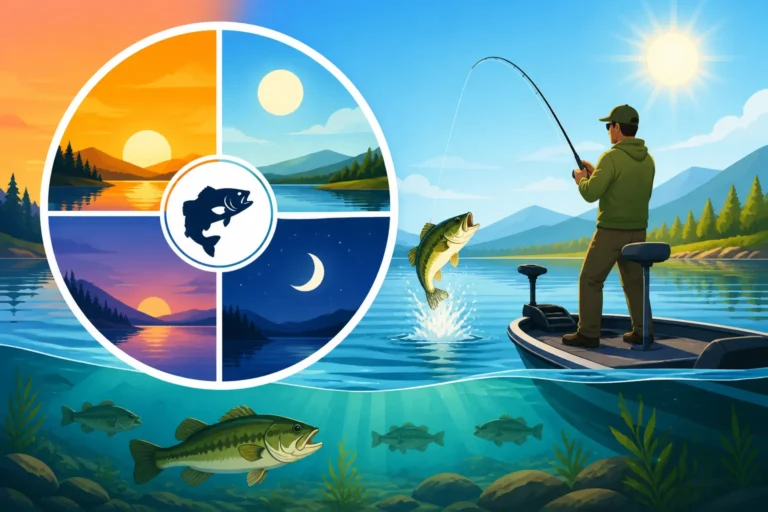
Understanding how bass behave throughout the year is paramount to consistent success, especially when chasing giants. The "best time to fish for bass" isn't a single answer; it's a dynamic puzzle that changes with temperature, water levels, and fish biology.
- Spring (Pre-spawn & Spawn): This is often considered prime time for trophy bass. As water temperatures rise, big females move from deep wintering grounds to shallower areas to feed heavily before spawning (pre-spawn). They are aggressive and looking to pack on calories. Then, during the actual spawn, they become highly territorial and protective of their nests. This is when sight fishing for huge bass on beds can be incredibly effective, often using creature baits or jigs. Knowing California Bass Spawn Timing and Tactics is crucial here.
- Summer: Once the spawn is over, bass typically move deeper to seek cooler water and stable oxygen levels. They'll often relate to deep structure like humps, ledges, creek channels, and submerged timber. Early morning and late evening can see them move shallower to feed, offering topwater opportunities. During the heat of the day, slow-presenting deep jigs, Carolina rigs, and drop shots are your best bet. Look for thermoclines and baitfish schools.
- Fall (Post-spawn & Turnover): As water temperatures cool, bass become incredibly active, feeding aggressively to fatten up for winter. This "fall bite" can be fantastic, with fish often moving shallower and chasing baitfish. Spinnerbaits, crankbaits, swimbaits, and even topwater lures can be deadly. Pay attention to baitfish patterns; if you find the bait, you'll find the bass.
- Winter: This is often the toughest time, but it can produce some of the biggest fish if you're patient. Bass are sluggish and often hold tight to deep structure, rarely moving far for a meal. Slow presentations with jigs, spoons, or large, slow-rolled swimbaits are the ticket. Look for fish suspended over deep water or relating to vertical structure.
Essential Gear and Baits
Trophy bass demand a serious tackle setup. You're not just fishing for fun; you're hunting a monster, and your gear needs to be up to the task.
- Rods and Reels: Heavy action rods (7' to 8'+) paired with stout baitcasting reels spooled with strong line are non-negotiable. For heavy cover or big swimbaits, braided line (50-80 lb test) is often preferred for its strength and no-stretch sensitivity. For finesse techniques in clear water, fluorocarbon (10-20 lb test) offers invisibility and good abrasion resistance.
- Lures and Baits: This is where the fun begins.
- Large Swimbaits: These are quintessential for trophy bass, especially on trout-stocked lakes like Castaic or Diamond Valley. Brands like Huddleston, Roman Made, and Deps offer highly realistic baits that mimic trout and other forage.
- Jigs: Heavy football jigs, skipping jigs, and flipping jigs are excellent for working heavy cover or deep structure. Pair them with bulky creature or craw trailers.
- Deep Diving Crankbaits: For covering water and finding fish on ledges or humps, crankbaits that dive 15-25+ feet can be very effective.
- Finesse Baits: Drop shots, shaky heads, and Ned rigs, especially in clear water, can tempt finicky giants when other presentations fail.
- Topwater: Big walking baits, poppers, and wakebaits can entice explosive strikes from trophy bass during low-light conditions.
- Live Bait: While less common for dedicated trophy bass anglers who prefer the challenge of artificials, live trout or large shiners can be incredibly effective where legal, especially for catching true giants.
The specific lures you use will vary by lake and season, so it's wise to carry a diverse selection. Our guide on Best Lures for California Largemouth Bass provides excellent starting points.
The Role of Guides and Local Knowledge
Let's be real: these trophy bass reservoirs are huge, complex, and sometimes intimidating. You could spend days, even weeks, learning the nuances of a single lake. That's where a reputable local guide becomes an invaluable asset. They spend hundreds of days a year on the water, tracking fish movements, understanding seasonal changes, and knowing exactly where the big ones hang out.
Booking a guide, especially for your first few trips to a new trophy lake, can drastically shorten your learning curve and significantly increase your chances of catching a giant. They'll know the current patterns, the best baits, and the specific spots that are producing. Platforms like FishingBooker are excellent resources for finding and booking highly-rated, experienced California bass fishing guides. Don't underestimate the power of local knowledge – it can make the difference between a frustrating blank and the fish of a lifetime. Beyond guides, don't be afraid to strike up conversations at local tackle shops or boat ramps; anglers are often happy to share general information, and every little bit helps build your understanding of the fishery.
Here's a quick look at some of California's top trophy bass reservoirs:
| Reservoir Name | Location (Region) | Primary Trophy Species | Key Characteristics | Best Time for Trophy | Notable History |
|---|---|---|---|---|---|
| Clear Lake | Northern California | Largemouth Bass | Shallow, fertile, abundant forage, extensive tules. | Spring, Fall | "Bass Capital of the West," consistently produces 8-10+ lb fish |
| Lake Shasta | Northern California | Largemouth, Smallmouth | Largest reservoir, deep, clear, intricate structure, timber. | Spring, Fall, Summer (deep) | Offers diverse opportunities for both species, vast and scenic |
| New Melones Lake | Central California | Spotted Bass, Largemouth | Deep, clear, abundant kokanee forage, steep rocky banks. | Spring, Fall | Known for huge spotted bass, often overlooked by largemouth anglers |
| Castaic Lake | Southern California | Largemouth Bass | Deep, clear, trout-stocked, strict management. | Spring, Winter (swimbait) | State record largemouth (21.06 lbs), consistently produces giants |
| Diamond Valley Lake | Southern California | Largemouth Bass | Pristine, deep, clear, catch-and-release focused, trout-stocked. | Spring, Fall | Exceptionally managed, strong numbers of 8-15 lb fish |
| Lake Perris | Southern California | Largemouth Bass | Diverse habitat, good forage, solid numbers of quality bass. | Spring, Fall | Consistent producer of quality bass, more accessible |
| San Luis Reservoir | Central California | Striped Bass, Largemouth | Large, often windy, can produce very large striped bass. | Spring, Fall | While known for stripers, can surprise with big largemouth |
Remember, while this table highlights key features, each lake requires specific research and adaptability. Local conditions, weather, and fish behavior are always changing.
Disclaimer
The information provided in this guide is for general informational purposes only and is not intended as legal or professional advice. Fishing regulations, conditions, and fish populations can change frequently. Always consult the latest California Department of Fish and Wildlife regulations before fishing. Fishing involves inherent risks, and anglers should prioritize safety and responsible angling practices.