Best Moon Phases for California Bass
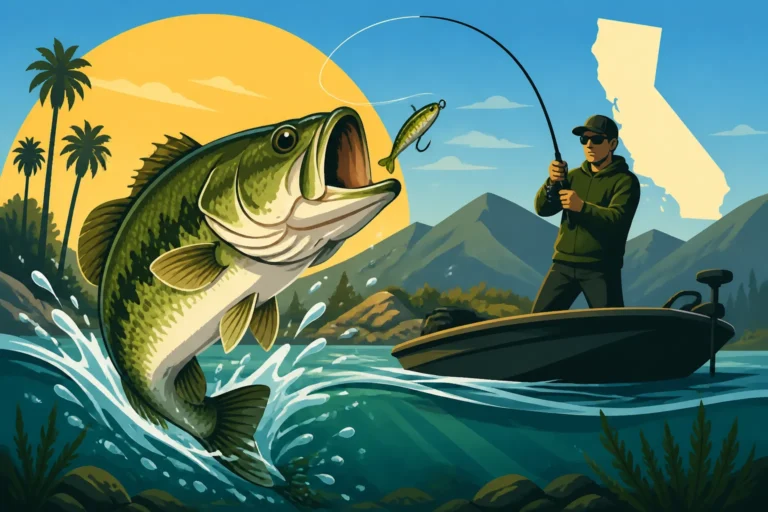
There's nothing quite as frustrating as heading out for a day of bass fishing in California, full of optimism, only to find the bite completely shut down. We've all been there, wondering what secret ingredient we're missing. While there are countless variables, many seasoned anglers swear by the moon's influence on bass behavior. This guide will dive deep into how different moon phases might be affecting your success on the water and what strategies you can use to put more fish in the boat.
Understanding the Lunar Cycle in Bass Fishing
The moon, with its constant gravitational pull, plays a much larger role in our planet's natural rhythms than many of us realize. For anglers, especially those targeting species like bass that are highly attuned to their environment, understanding the lunar cycle isn't just folklore; it's a critical piece of the puzzle. It influences everything from tides to ambient light, and these factors, in turn, can dramatically alter how and when bass feed.
The Science Behind Lunar Influence
At its core, the moon's gravitational pull is what drives the tides. While this is most obvious in saltwater environments and brackish areas like the California Delta, its effects aren't entirely absent from large freshwater systems. Even in landlocked lakes and reservoirs, the subtle shift in water mass can influence currents, baitfish movements, and ultimately, where bass decide to position themselves. Think about it: moving water often means moving food, and bass are always looking for an easy meal. Furthermore, the amount of moonlight directly affects visibility. On a bright full moon night, bass might feed heavily under the cover of darkness, only to be less active during the glaring daylight hours. Conversely, a new moon offers complete darkness, encouraging different feeding patterns.
Beyond the visible impact, some theories suggest that lunar phases might even influence the biological rhythms of fish, much like they affect many other creatures on Earth. Changes in atmospheric pressure and subtle electromagnetic shifts associated with lunar cycles could potentially stimulate or suppress a fish's metabolism and feeding drive. While hard scientific proof connecting these subtle forces directly to a bass's appetite is still evolving, generations of anglers have observed correlations that are hard to ignore. It’s about tuning into nature's subtle cues.
Major Moon Phases and What They Mean
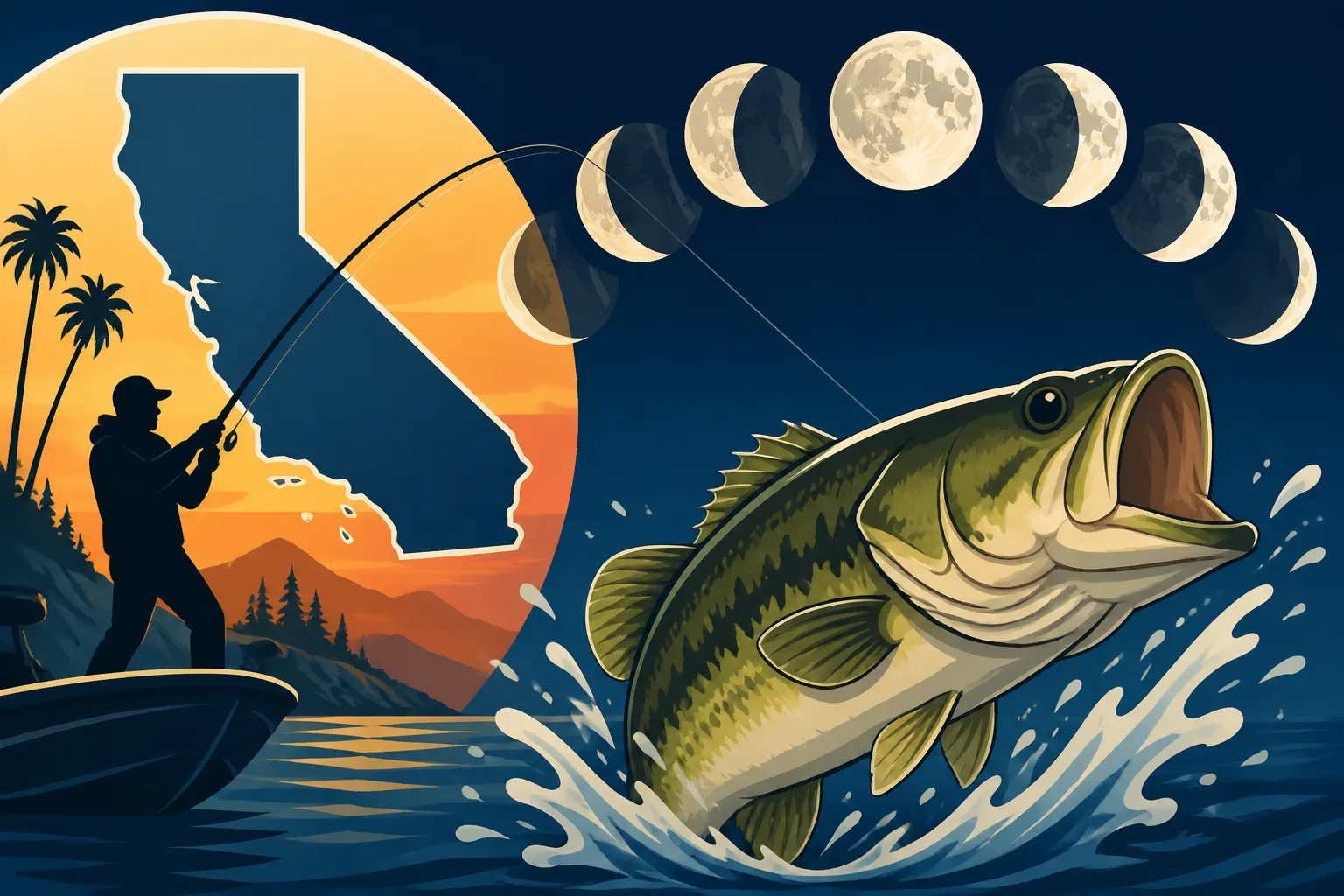
Let's break down the primary phases of the moon and what they generally signal for bass activity. We're talking about the big four that tend to get the most attention from dedicated anglers. Understanding these distinct periods is the first step in aligning your fishing efforts with nature's schedule.
- New Moon: This is when the moon is positioned between the Earth and the Sun, making it virtually invisible from our perspective. This phase brings the darkest nights. For many, the new moon represents some of the best fishing, especially for nocturnal feeders or those bass that prefer to ambush prey in low light.
- First Quarter Moon: About a week after the new moon, you'll see half of the moon illuminated. This is a period of increasing light, and often, increasing tidal pull. Fishing can be consistent during this phase, offering good opportunities throughout the day.
- Full Moon: When the Earth is between the moon and the Sun, the entire face of the moon is illuminated. These are the brightest nights of the month. The full moon often presents a dichotomy: great night fishing but potentially slower daytime bites, as fish may have gorged themselves under the moonlight.
- Last Quarter Moon: Approximately three weeks after the new moon, we see the other half of the moon illuminated, and the light is decreasing. Similar to the first quarter, this phase often provides stable fishing conditions, making it a reliable time to hit the water without expecting extreme highs or lows.
These phases aren't just arbitrary points; they represent significant shifts in light and gravitational pull, which can set the stage for how aggressive or lethargic bass might be.
How Different Moon Phases Affect California Bass Activity
It's tempting to think of bass as predictable, but they're not. Their behavior is a complex dance between water temperature, forage availability, weather, and, yes, the moon. Understanding how each major moon phase tips the scales can give you a significant advantage, helping you decide when to fish and what techniques to employ.
The New Moon Advantage
Many dedicated bass anglers consider the new moon period to be a golden opportunity, and for good reason. With minimal moonlight, the nights are exceptionally dark, creating ideal conditions for bass, which are ambush predators, to hunt effectively. This low light extends into dawn and dusk, pushing bass into aggressive feeding modes. During this phase, you often find bass in shallower water, more willing to chase down bait. They rely heavily on their lateral line system to detect vibrations and movement in the water, making them less reliant on sight.
This translates to fantastic opportunities for topwater fishing, particularly during twilight hours and even throughout the day if there's good cloud cover. Imagine fishing the weed lines on Clear Lake or the submerged timber in Lake Oroville. Bass will be actively cruising, looking for frogs, mice, or unsuspecting baitfish. Dark-colored lures, especially those that create a strong silhouette against the surface or good commotion, become incredibly effective. The bass are primed for action, and the reduced light offers them a sense of security to move into more exposed areas.
The Full Moon Frenzy and Frustration
The full moon is a bit of a Jekyll and Hyde situation for bass anglers. On one hand, the nights are incredibly bright, offering ample light for bass to feed extensively under the cover of darkness. This means they can be highly active throughout the night, chasing baitfish and gorging themselves. If you're willing to brave the night, you might find some of the best topwater action of the month under a full moon. However, this often leads to a tricky situation during the day.
When the sun comes up after a night of heavy feeding, bass tend to be lethargic and less willing to bite. They've filled their bellies, and the bright daylight can make them feel exposed and wary. You'll often find them retreating to deeper, shadier cover or suspending in open water, conserving energy. This is where the frustration comes in. Anglers who hit the water mid-morning might struggle significantly. To counter this, focus on very early morning or late evening bites, or target deeper structure where bass are seeking refuge. Slow, subtle presentations with soft plastics or jigs become more effective than aggressive, fast-moving baits.
Quarter Moons: Transitional Opportunities
The first and last quarter moons, where the moon is half-illuminated, are often periods of more consistent, moderate activity. They don't have the extreme dark of the new moon or the intense light of the full moon. This creates a more balanced environment where bass activity tends to be steady rather than punctuated by extreme peaks or lulls. You might not experience the explosive bites of a new moon night or the challenging daytime lulls of a full moon, but you're likely to find a more predictable bite throughout the day.
During these transitional phases, bass often stick to more typical patterns, relating to structure and cover in a predictable manner. It's a great time to experiment with a variety of techniques – from crankbaits along points to flipping jigs into heavy cover. These periods are excellent for covering water and trying to establish a pattern, as the fish aren't under as much "lunar pressure" to feed at specific, intense windows. If you're planning a trip and want reliable action without having to adapt to drastic changes, the quarter moon periods are often a safe bet.
The Solunar Theory Connection
Beyond simply observing the moon's phases, many anglers rely on the Solunar Theory to fine-tune their fishing schedule. This theory, developed by John Alden Knight, suggests that fish and wildlife activity is influenced by the position of the moon and sun, predicting periods of heightened activity (major and minor feeding times) each day.
Major feeding periods generally occur when the moon is directly overhead or directly underfoot (opposite side of the Earth). Minor periods happen when the moon is rising or setting. These windows, typically lasting an hour or two, are thought to be when fish are most active, regardless of the moon phase. For instance, even during a tough full moon day, if a major solunar period aligns with dawn or dusk, you might experience a significant uptick in bites. Many fishing apps and calendars integrate Solunar charts, allowing anglers to check predicted peak times. While not a guaranteed solution, combining Solunar predictions with your understanding of the moon phases can help you optimize your time on the water, especially for Best Times to Fish in California.
Tailoring Your California Bass Fishing Strategy to the Moon
Knowing how the moon might affect bass is one thing; putting that knowledge into practice is another. The key is to adapt your techniques, lure choices, and even your timing to capitalize on the prevailing lunar conditions. This isn't about rigid rules, but flexible guidelines that help you stack the odds in your favor.
New Moon Tactics for Aggressive Bass
During the new moon, those dark nights mean bass are often bolder and more likely to hunt in shallower water. This is your cue to get aggressive with your presentations. Topwater lures are incredibly effective, especially during low light at dawn and dusk. Think about big walking baits, poppers, or buzzbaits that create a lot of commotion. Dark colors, like black, blue, or junebug, are excellent choices because they create a strong silhouette against the sky. For instance, fishing a black frog over matted vegetation on the California Delta during a new moon can lead to explosive strikes.
If topwater isn't cutting it, consider spinnerbaits with dark skirts or bladed jigs like a Z-Man ChatterBait. These lures displace a lot of water and create vibrations that bass can easily detect in the low light. Focus your efforts around heavy cover such as submerged hydrilla, tule lines, or shady docks. Bass will be tucked in, waiting to ambush prey. Flipping and pitching dark-colored jigs with a bulky trailer into these areas can also be highly productive. Remember, the bass are actively hunting, so don't be afraid to make some noise and draw attention to your bait. You can find a great selection of dark-colored topwater lures and buzzbaits on Amazon to stock up for your next new moon adventure.
Full Moon Adjustments for Wary Fish
The full moon, particularly during the day, requires a more finessed approach. Since bass likely fed all night, they're probably holding deeper, seeking refuge from the bright light, and less inclined to chase. This means you'll need to slow down and target their holding areas. Focus on deep points, ledges, submerged roadbeds, or the shady sides of docks and trees.
Effective lures include soft plastics like Senkos, drop-shot worms, or finesse jigs. Present them slowly, letting them sink naturally and twitching them subtly. Color choices might shift towards more natural or translucent hues, mimicking lazily swimming baitfish. Early morning and late evening remain crucial windows, so try to be on the water just as the sun is coming up or going down. Sometimes, even small details like the shadow of a bridge or a thick patch of lily pads can hold a concentration of bass seeking respite from the sun. Think about how you would feel after a huge meal – probably not like running a marathon! Bass are similar; they're resting, so you need to put the meal right in front of them without spooking them. For targeting deeper fish, a good quality fish finder, which you can also find on Amazon, can be invaluable to locate those hidden structures.
Capitalizing on Quarter Moon Consistency
The first and last quarter moons are often overlooked but can offer surprisingly consistent fishing. Since the conditions are less extreme, bass tend to exhibit more stable behavior. This is a great time to revert to your tried-and-true techniques and cover a lot of water. If you've had success with crankbaits, spinnerbaits, or even swimbaits, these phases are ideal for deploying them.
Focus on primary and secondary points, channel swings, and areas with a good mix of cover and open water. The bass might not be as aggressively feeding as during a new moon, but they're typically willing to strike if your presentation is right. This is also a good time to experiment with new lures or techniques you've been wanting to try, as the fish are generally more cooperative. Don't be afraid to adjust depths throughout the day, as bass might move up or down depending on light penetration and baitfish movement. A consistent bite means you can focus on pattern fishing – finding what works and replicating it across similar areas.
Essential Gear and Tools for Lunar-Savvy Anglers
To truly leverage the moon's influence, you need the right tools and gear in your arsenal. It goes beyond just rods and reels; it’s about preparation and information.
First and foremost, a reliable fishing app that includes moon phase tracking and Solunar charts is invaluable. Apps like Fishbrain, Angler's Atlas, or even many weather apps now integrate this data. These allow you to quickly see the current moon phase, upcoming phase changes, and predicted major and minor feeding times. For those fishing tidal waters like the Sacramento River or the California Delta, a good tide chart app is non-negotiable. Knowing when the tide is moving (incoming or outgoing) and how it correlates with a moon phase can be the difference between a phenomenal day and a skunk.
Consider your tackle box. For new moon nights or low-light conditions, having a selection of dark-colored topwater lures, buzzbaits, and spinnerbaits is critical. For full moon days, ensure you have a good array of finesse baits – various soft plastics, drop-shot weights, and lighter line to achieve a more natural presentation. A quality headlamp is a must-have if you plan on fishing at night, regardless of the moon phase. These items, from specialized lures to a bright headlamp, are easily found on Amazon. Don't forget polarized sunglasses for daytime fishing to cut through glare and spot fish or structure more easily.
Here's a quick reference table to help visualize how moon phases can influence your approach:
| Moon Phase | General Bass Activity | Best Times to Fish | Recommended Lures/Techniques | Key Considerations |
|---|---|---|---|---|
| New Moon | Highly active, especially at dawn/dusk and throughout night | Dawn, Dusk, Night, Overcast Days | Dark topwaters (frogs, buzzbaits), dark spinnerbaits, jigs | Bass are bold, in shallower water. Rely on sound/vibration. Aggressive presentations. |
| First Quarter | Consistent, moderate activity throughout the day | All day, with potential peaks during Solunar windows | Versatile; crankbaits, swimbaits, jigs, soft plastics | Fish more predictably related to structure. Good for covering water and pattern fishing. |
| Full Moon | Very active at night; often lethargic during the day | Night (if possible), Early Morning, Late Evening | Finesse plastics (drop-shot, shaky head), deep jigs, slow presentations | Bass feed heavily at night, rest deeper by day. Focus on slow, subtle baits. |
| Last Quarter | Consistent, moderate activity throughout the day | All day, with potential peaks during Solunar windows | Versatile; crankbaits, swimbaits, jigs, soft plastics | Similar to First Quarter. Stable conditions, good for general fishing. |
Beyond Lunar Phases: Other Critical Factors for California Bass
While the moon can certainly offer valuable insights into bass behavior, it's just one piece of a much larger and more intricate puzzle. Ignoring other crucial environmental factors means you're still leaving a lot to chance. California's diverse fisheries, from high Sierra lakes to the sprawling Delta, mean that local conditions often dictate success as much, if not more, than the lunar cycle.
Weather and Water Conditions
A sudden cold front sweeping through can shut down a bite faster than any moon phase can activate it. Likewise, a warming trend after a period of stability can make bass incredibly active. Water temperature is perhaps the single most important factor. Bass are cold-blooded, and their metabolism, feeding activity, and location are directly tied to the water temperature. If the water is too cold, they'll be sluggish and deep; too warm, and they might seek cooler, oxygenated water.
Water clarity also plays a huge role. In clear water, bass rely heavily on sight and can be spooked easily, requiring longer casts and more natural presentations. In stained or murky water, they're less sight-dependent, making noisy, vibrating lures more effective. Heavy rain can stir up shallow areas and bring in new food sources, often triggering a bite, but a sustained deluge can muddy waters and disperse fish. Always check the local weather forecast and water reports, especially if you're venturing to a new spot. This information can be more immediately impactful than the moon phase on any given day. To stay updated on local conditions, reading the How to Read California Fishing Reports can be incredibly helpful.
Time of Day and Seasonal Patterns
No matter what the moon is doing, dawn and dusk remain prime feeding times for bass. These transitional periods offer lower light, cooler temperatures, and increased baitfish activity, consistently drawing bass out to feed. Understanding the time of day, and how it overlays with the moon's influence, is critical. For instance, a new moon at midday might be good, but a new moon coinciding with dusk is often exceptional.
Furthermore, bass follow distinct seasonal patterns. The California Bass Spawn Timing and Tactics dictates behavior dramatically, regardless of the moon. During the pre-spawn, bass move shallow to feed heavily; during the spawn, they're focused on bedding; and post-spawn sees them recovering and often suspending. Summer brings them deeper or into heavy cover to escape heat, while winter finds them largely lethargic in deeper water. Trying to apply a new moon topwater strategy in the middle of a cold winter day, no matter how "good" the moon phase, is likely to be fruitless. Always consider the overarching season and the typical Best Season for Bass in California.
Locality and Species Specifics
California is a huge state with incredible fishing diversity. The "best" moon phase strategy for largemouth bass in a shallow, weedy lake like Clear Lake might be entirely different from what works for smallmouth bass in the deep, rocky structure of Lake Shasta, or even spotted bass in a clear mountain reservoir. The dynamics of tidal influence in the California Delta Fishing Guide add another layer of complexity that isn't present in a static reservoir.
Each species of bass, whether largemouth, smallmouth, or spotted bass, has slightly different preferences for habitat, forage, and light conditions. What makes one aggressive might make another wary. Therefore, while moon phases provide a general framework, always prioritize local knowledge and species-specific understanding. Talk to local bait shops, consult fishing forums specific to your chosen body of water, and keep your own detailed fishing log. The more specific information you have about your particular fishing spot and the bass species you're targeting, the better you can integrate moon phase theories into a truly effective strategy for How to Fish for Largemouth Bass in California.
Ultimately, while the moon phase can certainly be a powerful indicator for bass activity, it's never the sole determinant. It's one more arrow in your quiver, a fascinating natural rhythm that, when combined with your understanding of weather, water conditions, seasonal patterns, and local specifics, can elevate your success on the water. Keep learning, keep experimenting, and happy fishing!
Disclaimer
The information provided in this guide is for general informational purposes only and does not constitute professional advice. Fishing regulations, conditions, and fish behavior can change rapidly. Always consult the latest California Department of Fish and Wildlife regulations before fishing, and prioritize safety on the water.