Best Time to Fish Lake Shasta
Trying to figure out the absolute best time to hit Lake Shasta can feel like a riddle wrapped in an enigma, especially with a lake so vast and diverse. You've got this enormous body of water, teeming with different fish species, and each one seems to have its own preferred calendar slot. It's frustrating to plan a trip, only to find the bite is slow because you didn't quite nail the timing. This guide is here to untangle that complexity, giving you a clear roadmap to when and how to maximize your fishing success on Lake Shasta, no matter what you're hoping to reel in.
Understanding Lake Shasta's Fishing Seasons
Lake Shasta, being a massive reservoir, experiences distinct seasonal changes that dramatically influence fish behavior and, consequently, your fishing success. Understanding these general patterns is the first step to planning a productive trip. Each season offers unique opportunities and challenges.
Spring (March – May): The Awakening Bite
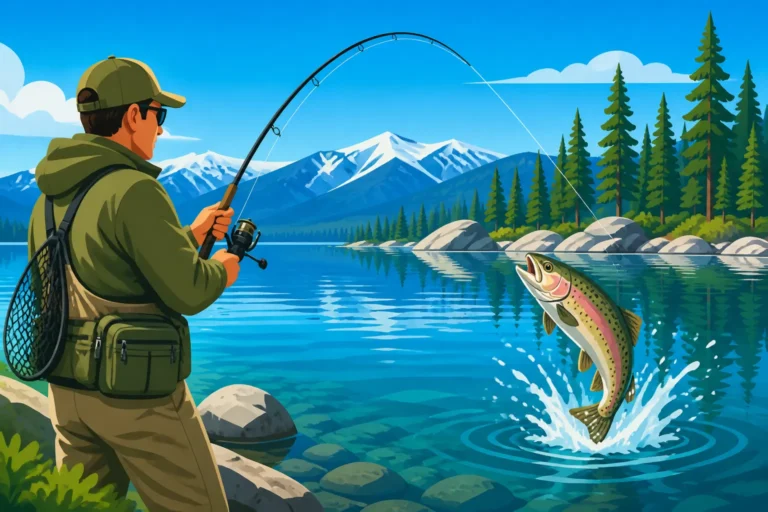
Ah, spring on Lake Shasta! This is arguably one of the most exciting times to be on the water. As the days lengthen and the water temperatures slowly creep up from their winter lows, the lake truly awakens. Fish that were sluggish and deep during the colder months start to become much more active, moving into shallower areas to feed and prepare for spawning.
Early spring, typically March, can still have some unpredictable weather, but the fishing can be phenomenal. The water is often still quite clear from winter, and the fish, especially bass, are pre-spawn and aggressively feeding to build energy. You'll find them starting to stage on points, submerged islands, and around rocky structures in 10-25 feet of water. As you move into April and May, the spawn begins in earnest for many species. Largemouth bass will be guarding nests in surprisingly shallow water, while smallmouth bass will be doing the same, often on more rocky banks. The activity is high, and the fish are often more receptive to a wider range of presentations. This is also a fantastic time for trout and salmon as they feed heavily on newly hatched baitfish, often found near the surface in the early mornings or late evenings. For those specifically targeting bass, understanding California Bass Fishing Techniques can be a game-changer during this period.
Summer (June – August): Warm Water Action
Summer fishing on Lake Shasta is a different beast altogether. The scorching California sun heats the expansive surface waters, driving many fish species to seek cooler, deeper sanctuaries. Don't get me wrong, you can still catch plenty of fish, but your tactics will need to adapt significantly. The early morning and late evening hours become prime time, as fish will momentarily move shallower to feed under lower light conditions and cooler surface temperatures.
During the daytime, bass will often hold tight to deep structure, points, and bluff walls, seeking shade and cooler water. You'll need to employ techniques like deep cranking, jigging, or even drop-shotting to coax bites from these deeper holding fish. For trout and salmon, the thermocline (the layer where water temperature changes rapidly) becomes crucial. They'll often be suspended just above or within this cooler layer, making trolling at specific depths a highly effective strategy. While the daytime can be challenging, the sheer beauty of Lake Shasta in summer, with its countless coves and inlets, makes it a popular time for boating and enjoying the scenery, even if fishing requires more effort. If you're planning a full summer adventure, a comprehensive Best Times to Fish in California guide can offer broader insights.
Fall (September – November): Transition and Trophy Hunts
Many seasoned anglers will tell you that fall is their favorite time to fish Lake Shasta, and for good reason. As the oppressive summer heat breaks, water temperatures begin a gradual decline, signaling a major feeding frenzy for many species. This "fall turnover" period can truly spark a bite unlike any other. Fish, anticipating the leaner winter months, become incredibly aggressive, trying to pack on as much weight as possible.
Bass will move shallower again, chasing baitfish that are also congregating as the water cools. Topwater action can be explosive in the mornings, and throwing crankbaits, spinnerbaits, or swimbaits along creek channels and main lake points can yield some true giants. Trout and salmon also thrive in the cooling waters, becoming much more active and easier to target with both trolled offerings and cast lures near rocky shores. The crowds of summer dissipate, offering a more serene and often more productive fishing experience. Fall often presents some of the best opportunities for trophy-sized fish across multiple species on Lake Shasta. When considering specific techniques for these conditions, exploring California Trolling Tips and Techniques could provide a significant advantage.
Winter (December – February): The Underrated Season
Winter fishing on Lake Shasta often gets overlooked, but for those willing to brave the chill, it can be surprisingly rewarding, especially for quality over quantity. The lake is quiet, peaceful, and the fish, while less numerous, can be very large and cooperative if you understand their patterns. Water temperatures are at their lowest, and fish metabolism slows down, meaning they don't need to eat as frequently.
Bass will be concentrated in deeper, more stable water, often around steep bluff walls, deep points, and submerged timber. Slow, methodical presentations are key here. Jigs, shaky heads, and spoons fished vertically can draw strikes from big, cold-water bass. Trout and salmon can also be found in deeper water, and stationary techniques like bait fishing with PowerBait or worms, or slow trolling with downriggers, can be effective. While you might not get dozens of bites, the fish you do catch in winter are often some of the healthiest and biggest of the year. Plus, the solitude on the lake during these months is a reward in itself. For specific cold-water tactics, checking out a California Trout Fishing Techniques article might offer specialized advice.
Targeting Specific Species: When to Go for What
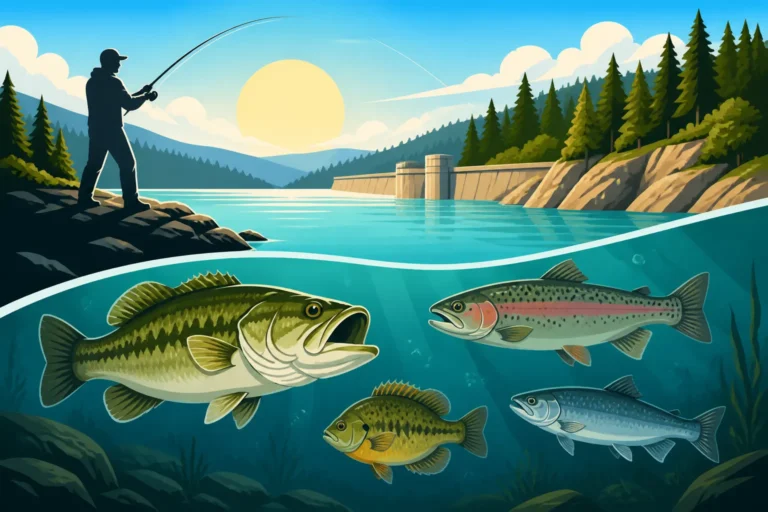
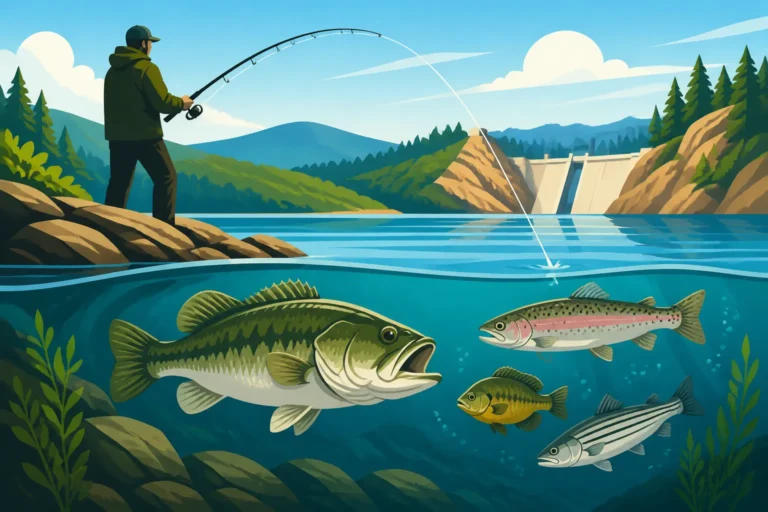
Lake Shasta is a true multi-species fishery, offering opportunities for a variety of popular game fish. Knowing the peak seasons for each species can help you fine-tune your trip for maximum enjoyment and success.
Largemouth and Smallmouth Bass
For both largemouth and smallmouth bass, spring and fall are generally considered the prime times.
Spring (March – May): This is the undisputed champion season for bass on Shasta. As mentioned, the pre-spawn bite in March and early April is incredible, with bass actively feeding. Once the spawn kicks in (typically late April through May, depending on water temps), you'll find them cruising the shallows. The bass are aggressive, making them accessible to a wide range of techniques from crankbaits to soft plastics. This is when you can really target those bigger fish that are guarding their nests. If you're serious about your bass game, make sure to read up on How to Fish for Largemouth Bass in California for advanced tactics.
Fall (September – November): A very close second to spring. As water temperatures cool down, bass go on a major feeding binge. They'll chase baitfish aggressively in shallower water, offering fantastic opportunities for topwater lures, spinnerbaits, and crankbaits. The fish are often more grouped up, and finding a school can lead to a productive day. The post-spawn recovery in summer and the pre-winter fattening in fall mean these fish are usually strong and healthy.
Rainbow and Brown Trout
Trout fishing on Lake Shasta is excellent year-round, but certain seasons shine brighter.
Spring (March – June): This is a fantastic time for trout. The cooler water temperatures in spring keep trout higher in the water column and actively feeding. They'll readily hit trolled lures, spoons, and bait (like PowerBait or worms) fished near the surface or at moderate depths. As the lake gets stocked with rainbow trout, spring usually offers abundant opportunities.
Fall (September – November): Another prime season for trout. As water temperatures cool again, trout become very active. Trolling becomes highly effective, especially with spoons and minnow-imitating plugs. They'll often be found suspended in the upper water column, making them accessible to standard trolling setups. Early mornings and late evenings are particularly productive as they move closer to the surface.
Winter (December – February): Don't discount winter for trout! While the action might be slower, some of the biggest brown trout are caught during the colder months. They feed less frequently but aggressively when they do. Deep trolling with downriggers or slow-drifting live bait can entice these elusive trophies. For more specific insights on these beautiful fish, our guide on Lake Shasta: Fish Species and Best Spots details their habits and locations.
Landlocked Chinook Salmon (King Salmon)
Lake Shasta's landlocked Chinook salmon (often just called "King Salmon") are a prized catch, offering a strong fight and delicious fillets.
Summer (June – August): Believe it or not, summer is a fantastic time for King Salmon on Shasta. Unlike bass, these cold-water fish thrive in the deeper, cooler parts of the lake. They'll typically be found suspended in the thermocline, often 30-80 feet deep. Downriggers are essential for consistently getting your lures and bait (like anchovies or shad) down to their strike zone. Early mornings are crucial for finding the most active biters.
Fall (September – November): As water temperatures begin to drop and baitfish schools are plentiful, salmon remain active. They might move a bit shallower than in peak summer, but deep trolling remains the most effective technique. Look for them around main lake points and channel swings. If you're chasing these powerful fish, you'll definitely want to check out How to Catch King Salmon in California for specific techniques and tackle recommendations.
Crappie and Catfish
These panfish and bottom dwellers also have their moments to shine on Shasta.
Crappie – Spring (April – May): Crappie fishing heats up significantly in spring, particularly during their spawn. They move into shallower coves, around submerged brush, timber, and docks. Small jigs, minnows, or even tiny spoons can be incredibly effective when fished around these structures. They often school up, so once you find one, you're likely to find more.
Catfish – Summer (June – September): Catfish are warm-water lovers and are most active during the warmer months of summer and early fall. They'll be found throughout the lake, often in deeper channels, coves, and near submerged structure. Night fishing can be particularly productive for catfish, using baits like cut bait, chicken livers, or commercial stink baits. They're a great target for a relaxed evening fishing session.
Here's a quick reference table for peak fishing times on Lake Shasta:
| Species | Peak Season | Secondary Season | Key Tactics |
|---|---|---|---|
| Largemouth Bass | Spring (March – May) | Fall (Sept – Nov) | Spawning beds, topwater, crankbaits, jigs |
| Smallmouth Bass | Spring (March – May) | Fall (Sept – Nov) | Rocky points, drop-shots, jigs, tubes |
| Rainbow Trout | Spring (March – June) | Fall (Sept – Nov) | Trolling spoons/plugs, PowerBait, worms |
| Brown Trout | Fall (Sept – Nov) | Winter (Dec – Feb) | Deep trolling, large plugs, live bait |
| Chinook Salmon | Summer (June – August) | Fall (Sept – Oct) | Deep trolling with downriggers, anchovies |
| Crappie | Spring (April – May) | Early Summer (June) | Small jigs, minnows, brush piles |
| Catfish | Summer (June – Sept) | Fall (Sept – Oct) | Cut bait, chicken liver, night fishing |
Daily and Weather Considerations for Lake Shasta
Beyond the general seasons, the time of day and prevailing weather conditions can significantly impact your success on any given trip to Lake Shasta. Being aware of these finer points can often make the difference between a good day and a great day.
Best Times of Day
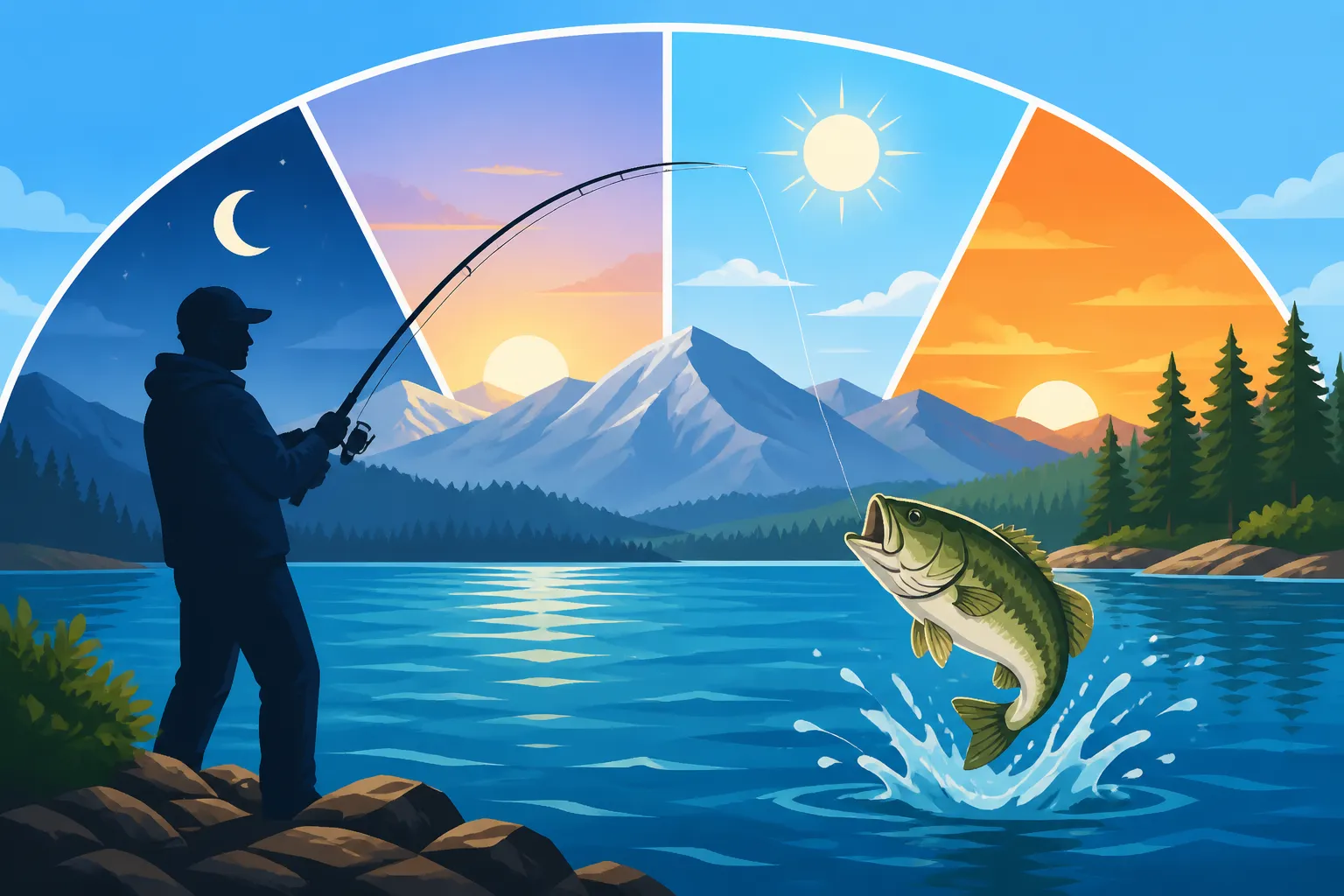
Just like with our own routines, fish have periods of higher activity. On Lake Shasta, these usually revolve around light conditions and water temperature changes.
Early Morning (Dawn to Mid-Morning): This is almost universally considered prime time, especially during warmer months. As the sun rises, the light levels are low, and surface water temperatures are at their coolest. Many fish, particularly bass, trout, and salmon, will move shallower to feed aggressively before retreating to deeper, cooler water as the sun climbs higher. Topwater bites for bass can be explosive, and trout will often be found near the surface. It’s also often the calmest part of the day, making for pleasant boating and casting. For those looking for general guidance on this, our Best Time of Day to Fish in California post dives deeper.
Late Evening (Late Afternoon to Dusk): Similar to early morning, the late evening offers another surge of activity. As the sun begins to set, the light intensity drops, and the surface water cools. Fish move back into shallower areas to feed. This can be an excellent time for a variety of species, and often the bite can be strong right up until dark. For catfish, the bite can extend well into the night, making for some unique after-hours angling.
Midday (Late Morning to Mid-Afternoon): This is often the toughest time to fish, especially during summer. The sun is high, and surface temperatures are at their peak. Fish tend to retreat to deep cover, shade, or the thermocline. Success during midday usually requires slower presentations, targeting deep structure, or focusing on techniques that draw strikes from less active fish. If you're out during these hours, be prepared to work harder and adjust your tactics accordingly.
Impact of Weather and Water Levels
Lake Shasta's dynamic nature means weather and water levels play a huge role in fishing patterns.
Stable Weather is Your Friend: Generally, stable weather patterns with consistent temperatures and light winds are ideal for fishing. Sudden fronts, drastic temperature drops, or strong winds can put fish off their bite, making them lethargic and less willing to feed. Overcast days, especially those with a light drizzle, can sometimes trigger excellent bites, as the reduced light penetration encourages fish to stay active shallower for longer. However, heavy rains can muddy the water, especially in tributaries, which might concentrate fish at the edges of clearer water or push them deeper.
Water Levels and Fish Behavior: Lake Shasta's water levels fluctuate throughout the year, sometimes dramatically, due to snowmelt and dam operations. High water can flood new vegetation, creating fresh cover and feeding opportunities for bass, but it can also scatter fish across a larger area. Low water concentrates fish but also exposes structures that were once productive. Pay attention to recent water level reports; a rapidly rising or falling lake can make fishing tough as fish struggle to adjust. A steady, gradual change is usually easier for fish to adapt to. If you're seeing rapid changes, focus on main lake points, channel edges, and any stable, consistent cover.
Reading the Local Fishing Reports
One of the absolute best things you can do before heading out to Lake Shasta is to consult recent fishing reports. These aren't just guesses; they're direct insights from guides, bait shop owners, and fellow anglers who are on the water almost daily.
Local bait and tackle shops around Shasta Lake, such as Shasta Lake Tackle in Mountain Gate or Phil's Propeller in Redding, are goldmines of information. They often have real-time updates on what's biting, where, and on what bait or lure. Websites like FishBuster or even the California Department of Fish and Wildlife (CDFW) often publish reports. These reports will tell you about current water temperatures, clarity, which species are active, and what depths they're being caught at. They can save you hours of searching and experimenting. Pay attention to patterns over a few days or weeks rather than just a single report, as this will give you a better overall picture. Understanding How to Read California Fishing Reports can significantly boost your preparation.
Essential Tips for Maximizing Your Lake Shasta Trip
Beyond knowing when to go, having the right approach, gear, and even the right support can make your Lake Shasta fishing trip truly unforgettable. It's a big lake, and preparation is key.
Gear and Techniques for Shasta
Lake Shasta's varied species and depths mean you'll need versatile gear. Don't show up with just one type of setup!
For Bass: Medium-heavy to heavy casting rods (6'6" to 7'6") paired with baitcasting reels are standard for throwing jigs, crankbaits, and larger swimbaits. A medium-action spinning rod (6'6" to 7') with a 2500-3000 series reel is great for finesse techniques like drop-shotting, shaky heads, or throwing lighter topwater lures. Line weights typically range from 10-20 lb fluorocarbon or monofilament for casting, and 6-10 lb fluorocarbon for finesse. Given the amount of submerged timber, having stout line and reels is often helpful. Explore our dedicated guide on California Bass Fishing Regulations to ensure you're compliant.
For Trout and Salmon: Light to medium-light spinning rods (6' to 7'6") are perfect for casting lures from shore or boat. For trolling, dedicated trolling rods (often 7-9 feet, medium action) with line counter reels are invaluable. Line should be 6-12 lb monofilament or fluorocarbon, or even braided line with a fluorocarbon leader for sensitivity. You'll want an assortment of spoons (like Kastmasters or Little Cleos), small crankbaits, and soft plastics. If you're going after the King Salmon, you might consider California Salmon Punch Card Explained as these are often required.
Bait vs. Lures: Both have their place. Live bait (minnows for bass, worms for trout) can be deadly, especially when the bite is tough. Cut bait or stink baits are ideal for catfish. However, artificial lures offer versatility and cover more water. Having a diverse tackle box with a variety of colors, sizes, and actions is crucial. Don't forget essentials like pliers, clippers, a net, and a good cooler for your catch.
Navigating the Lake and Finding Hotspots
Lake Shasta is immense, with over 365 miles of shoreline at full capacity. Just "winging it" can lead to frustration.
Map Study is Crucial: Before you even launch your boat, spend time studying a detailed lake map. Look for main lake points, submerged islands, creek channels, bluff walls, and prominent coves. Pay attention to contour lines that indicate drops and rises. Identify areas with standing timber or rock piles that provide cover for fish. Navionics and LakeMaster charts on your fish finder or phone app are invaluable tools. Even if you're fishing from shore, understanding the contour of the bottom near the bank can make a difference.
Utilize Your Electronics: A good fish finder with GPS and mapping capabilities is your best friend on Shasta. Use it to locate structure, identify baitfish schools, and mark fish holding at specific depths. Learn to read your sonar to distinguish between bait, game fish, and structure. The GPS will help you navigate and return to productive spots. Modern units often have side-imaging or down-imaging features that provide incredible detail of the underwater world.
Ask the Experts: Don't be shy about striking up conversations with other anglers at the launch ramp or local tackle shop. Most anglers are happy to share general tips, especially if you're friendly and respectful. These casual conversations can sometimes lead to invaluable insights about current patterns or recent hotspots. Even just observing where other boats are fishing can give you clues.
Booking a Guide or Charter
For those new to Lake Shasta, or who want to truly maximize their chances at a specific species, booking a professional guide or charter is an investment that often pays dividends.
Benefits of a Guide: A local guide lives and breathes Lake Shasta. They know the current patterns, the best spots, and the most effective techniques for the day. They have all the necessary gear, expertise, and often, the patience to teach you. They can also provide insights into California Fishing Regulations Explained which can be complex. If you're targeting a tricky species like King Salmon with downriggers, a guide's experience can make all the difference. This is especially true if you're coming from out of state and don't want to invest in specialized equipment for one trip.
How to Choose a Guide: Look for guides specializing in the species you want to target. Check out their reviews, inquire about their experience on Lake Shasta specifically, and ask about what's included in the trip (gear, bait, fish cleaning, etc.). Websites like FishingBooker are fantastic resources for finding reputable, licensed guides who operate on Lake Shasta. You can compare different charter options, read customer reviews, and often book directly online. This takes a lot of the guesswork out of finding a reliable pro.
What to Expect: Most guides will provide all the necessary fishing equipment, bait, and often drinks or snacks. You'll still need your California fishing license and any required report cards (like a California Salmon Report Card). Be prepared for an early start and bring layers of clothing, as temperatures can change quickly on the water. A good guide will not only help you catch fish but also teach you about the lake and its ecosystem, making for a truly enriching experience.
Disclaimer
Please remember that fishing conditions, regulations, and fish behavior can change rapidly. Always check the latest California Department of Fish and Wildlife (CDFW) regulations before heading out, as limits and seasons can be updated. This guide provides general information and should be used in conjunction with current local conditions and official regulations. Practice responsible angling, respect wildlife, and leave no trace.