Best Bank Fishing in California
There's nothing quite like the urge to cast a line, but sometimes, the thought of trailering a boat, paying launch fees, or navigating crowded marinas can just zap all the fun out of it before you even start. For so many of us, the simplest, most serene, and often most productive way to enjoy a day on the water is by finding a good spot on the bank. California, with its incredibly diverse landscapes, offers a mind-boggling array of opportunities for bank fishing, from tranquil freshwater lakes and bustling rivers to expansive ocean beaches and iconic piers. This guide is all about helping you discover those perfect spots and reel in some unforgettable memories, all from the comfort of solid ground.
The Undeniable Appeal of Bank Fishing in California
Let's be real, boat ownership isn't for everyone, and sometimes you just want to grab a rod and go without all the extra fuss. That's where bank fishing shines in the Golden State. It's accessible, often budget-friendly, and offers a unique connection to nature that you don't always get when you're out in the middle of a lake or ocean.
Accessibility and Budget-Friendly Adventures
One of the biggest hurdles for many aspiring anglers, or even seasoned ones, is the cost and logistics associated with boat fishing. Not everyone has a boat, and even fewer have the time or inclination to deal with all that maintenance. Bank fishing strips away those barriers. You don't need a fancy vessel, a trailer, or expensive fuel. Just your trusty rod, a tackle box, and a pair of comfortable shoes. This makes it an ideal activity for families, beginners, or anyone looking for a spontaneous outdoor escape.
Think about it: no boat launch fees, no expensive marine insurance, and often, you can find fantastic spots within a short drive of major cities. This incredible accessibility means that a quick fishing trip doesn't have to be a major expedition; it can be an impromptu afternoon outing that fits perfectly into a busy schedule. Plus, many of the best bank fishing spots are in public parks or along accessible waterways, making them easy to find and enjoy. This opens up the world of fishing to so many more people, proving that you don't need to break the bank to catch some fish.
Diverse Habitats and Species at Your Fingertips
California's geography is truly a gift to bank anglers. From the towering peaks of the Sierra Nevada with their pristine alpine lakes to the vast agricultural expanse of the Central Valley crisscrossed by rivers, and the endless stretch of coastline, there's a fishing environment for every preference. This means an astonishing variety of fish species are within reach from the shore.
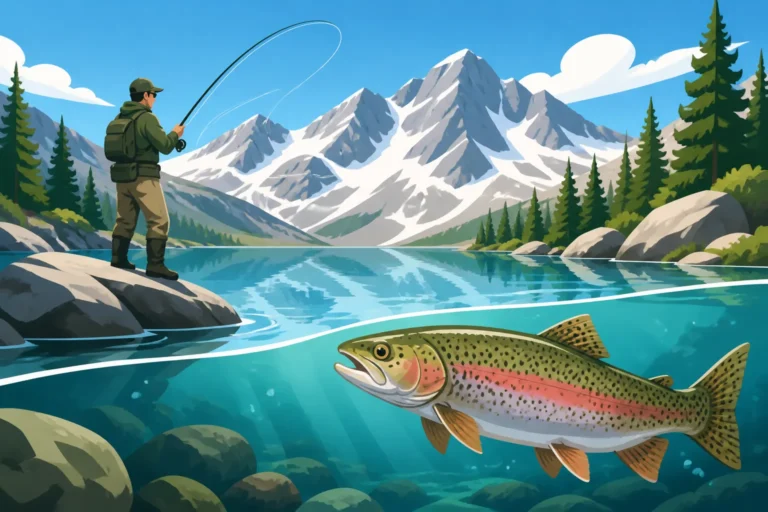
In the freshwater realm, you could be targeting feisty largemouth bass in a warm reservoir one day, then chasing rainbow trout in a cool mountain stream the next. The large river systems offer opportunities for formidable striped bass, salmon, and even sturgeon during their respective runs. Shift your focus to the saltwater side, and you can cast into the surf for delicious surfperch and corbina, or drop a line from a pier for mackerel, halibut, and various rockfish. This incredible diversity ensures that no matter your skill level or target species, there's a bank fishing adventure waiting for you. It's this sheer variety that keeps things exciting and makes every trip a new potential discovery.
Freshwater Hotspots for Bank Anglers
California's inland waters are a treasure trove for those who prefer to keep their feet on solid ground. From expansive reservoirs to meandering rivers, there are countless opportunities to hook into some impressive freshwater species.
Popular Lakes and Reservoirs
California is dotted with numerous lakes and reservoirs, many of which are specifically managed for recreational fishing and offer excellent bank access. These spots are often well-maintained, sometimes even providing amenities like picnic areas and restrooms, making them perfect for a family day out.
Take a place like Lake Castaic, near Los Angeles, which is legendary for its trophy largemouth bass. While boats get to the far reaches, plenty of anglers find success from the shoreline, especially around structure like submerged trees or rocky points. Another fantastic option is Diamond Valley Lake in Southern California, which consistently produces massive bass, trout, and catfish. Its extensive shoreline and designated fishing areas make it a bank angler's dream. Up north, Folsom Lake and Lake Oroville also offer abundant bank access, particularly during lower water levels, where you can target bass, trout, and various panfish. These larger bodies of water often have fish congregating closer to shore during certain times of the year, especially during spawning periods or when baitfish are schooling near the banks. Understanding the local topography and the fish's habits can really pay off here. You can usually find plenty of intel on local forums or even through a quick search for "fishing reports" for a specific lake.
Productive Rivers and Streams
California's river systems are vital arteries, flowing from the mountains to the sea, and many sections provide prime bank fishing opportunities, especially for anadromous species like salmon and steelhead, as well as resident trout and striped bass.
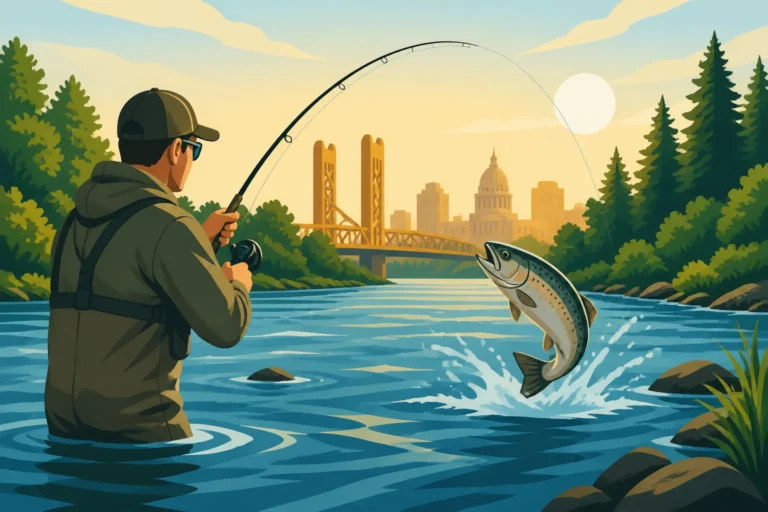
The Sacramento River, often considered the backbone of California's fishing, offers incredible bank access, particularly in areas like Redding, Red Bluff, and through the lower Delta. During the salmon runs, anglers line the banks, hoping to intercept migrating fish. Similarly, the American River, flowing through Sacramento, is a renowned steelhead and salmon fishery with numerous public access points along its Parkway. The Feather River, especially below Oroville Dam, is another gem for steelhead and salmon. For trout enthusiasts, the Eastern Sierra's countless smaller streams, like sections of the Upper Owens River or the Truckee River near Lake Tahoe, offer stunning scenery and prolific fishing. While some of these rivers can be challenging due to currents or dense vegetation, finding a good bend, a deep pool, or a rocky riffle can lead to some incredible catches. Always check local regulations, as rules can be quite specific for river sections, especially concerning California Freshwater Fishing Regulations and seasonal closures for salmon and steelhead.
Urban Ponds and Community Fisheries
Don't overlook the smaller, often overlooked, urban ponds and community lakes that dot California's cities and towns. These spots are the unsung heroes of bank fishing, providing quick and easy access for a spontaneous fishing fix, often within minutes of home.
Many of these smaller lakes, like those within regional parks in the Bay Area (e.g., Lake Chabot, Lafayette Reservoir) or various city parks in Southern California, are regularly stocked with rainbow trout by the California Department of Fish and Wildlife (CDFW). This makes them fantastic places for beginners and kids, almost guaranteeing some action. You can often find their stocking schedules by looking for the California Trout Stocking Schedule online. Beyond trout, these ponds are often teeming with warm-water species like largemouth bass, bluegill, and channel catfish, making them versatile fisheries. They are perfect for teaching a child how to cast, enjoying a peaceful morning before work, or just unwinding with a simple bobber and worm. The accessibility, coupled with regular stocking and diverse species, makes these urban oases invaluable for the bank angler.
Saltwater Shores and Structures for Coastal Anglers
For those drawn to the rhythmic crash of waves and the salty air, California's coastline offers an entirely different, yet equally rewarding, bank fishing experience. From bustling piers to serene beaches, the Pacific Ocean delivers a diverse array of species right to your feet.
Bustling Fishing Piers
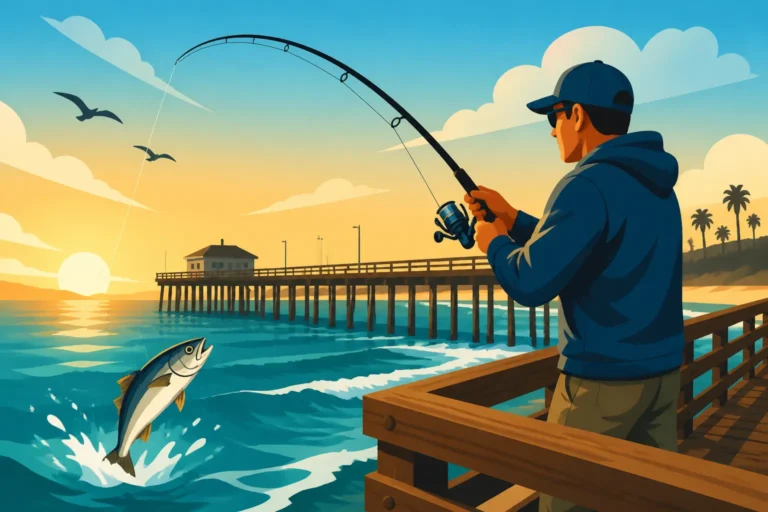
California's piers are iconic, stretching out into the ocean and providing access to deeper water and different fish species than you could reach from the sand. They are incredibly popular for a reason: convenience, diverse catches, and often, no fishing license is required when fishing from a public pier in California. This is a huge bonus, especially for visitors or those just trying out fishing for the first time. If you're wondering about this rule, definitely check out California Pier Fishing License Rules.
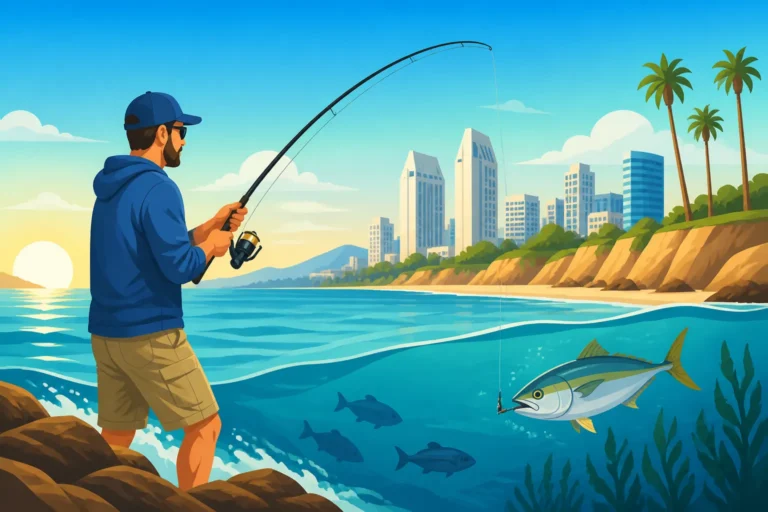
Piers like the Santa Monica Pier, Oceanside Pier, and the Berkeley Pier offer fantastic opportunities. From these structures, you can expect to catch mackerel, perch (like barred surfperch and pile perch), halibut, and even small sharks or rays. Often, fishing off a pier involves a high-low leader with bait such as squid, anchovies, or even Gulp! sandworms. The deeper water at the end of longer piers can also attract species like bonito, barracuda, and occasionally even yellowtail, especially on Southern California piers. Many piers also have bait and tackle shops right on them, making it incredibly convenient to get what you need. It’s a vibrant, social way to fish, perfect for families and beginners who might feel a little intimidated by more rugged shoreline access.
Productive Surf Fishing Beaches
The vast, sandy stretches of California's beaches are a favorite among a dedicated group of anglers who embrace the elements to target surf-dwelling species. Surf fishing requires a bit of specific gear and technique, but the rewards can be plentiful, often yielding some of the best-eating fish in the ocean.
Beaches in San Diego, Orange, and Los Angeles counties are particularly well-known for surf fishing. Here, anglers primarily target barred surfperch, corbina, and spotfin croaker, all of which are delicious table fare. You might also find yourself battling California halibut that cruise the inshore troughs. Further north, beaches around places like Morro Bay, Monterey, and even up to Humboldt Bay offer similar opportunities, though the species mix might vary slightly. Light to medium-light rods, longer than typical freshwater rods (8-10 feet is common), are used to cast baits like sand crabs, Gulp! sandworms, or even small pieces of shrimp beyond the breaking waves. Understanding the tides and reading the beach – looking for troughs, rips, and structure – is key to success in the surf. A successful surf fishing outing is truly earned, making the catch all the more satisfying. If you're keen on learning more, research into California Surf Fishing Tips and Techniques can give you a real edge.
Bays and Estuaries
California's numerous bays and estuaries offer a different kind of saltwater bank fishing, often calmer and more sheltered than the open ocean, yet still incredibly productive. These unique environments are nurseries for many species and provide diverse habitats for a variety of fish.
San Francisco Bay is a prime example, with numerous shore access points providing opportunities for striped bass, leopard sharks, and California halibut. Shoreline parks and fishing platforms around Emeryville, Berkeley, and Foster City are popular. Further south, bays like Mission Bay in San Diego, or even the calmer areas within harbors like Marina del Rey, can offer excellent bank fishing. Here, anglers can target spotted bay bass, halibut, and various types of perch. The calmer waters often allow for lighter tackle and different techniques, such as casting small swimbaits, soft plastics, or soaking baits like anchovies or sardines. These bay environments are also critical habitats, so always be mindful of local regulations and practice catch and release for protected species. Fishing in these areas provides a unique blend of urban access and diverse fishing opportunities.
Essential Gear and Savvy Tips for Bank Fishing
Getting started with bank fishing in California doesn't require a massive investment, but having the right gear and a few smart strategies can make all the difference between a frustrating day and a fantastic one.
Must-Have Gear for Any Bank Angler
You don't need a boatload of expensive equipment, but a few key items will set you up for success, no matter if you're chasing trout in a mountain stream or surfperch on the beach.
Firstly, a versatile spinning rod and reel combo is your best friend. For freshwater, a medium-light to medium power rod, around 6-7 feet long, paired with a 2500-3000 size reel spooled with 6-10 lb test monofilament or braided line, will cover most situations for bass, trout, and panfish. For saltwater pier or bay fishing, you might bump up to a medium-heavy rod, 7-9 feet, with a 4000-5000 reel and 15-20 lb test, allowing for longer casts and handling bigger fish. For surf fishing, a longer surf rod (8-12 feet) with a 5000-6000 size reel and 15-25 lb mono is ideal for casting through waves.
Beyond the rod and reel, a well-stocked tackle box is crucial. This should include a variety of hooks (various sizes, bait holder, circle hooks), sinkers (split shot, egg sinkers, pyramid sinkers for surf), swivels, and a selection of artificial lures specific to your target species. For freshwater, think PowerBait, worms, small spinners, and plastic worms or swimbaits for bass. For saltwater, shrimp, squid, cut bait, and Gulp! sandworms are often effective. Don't forget essentials like pliers for hook removal, line clippers, a measuring tape, and a small net. Comfort items like a folding chair, a cooler for drinks and your catch, sunscreen, and a wide-brimmed hat are also highly recommended. If you're serious about finding the perfect gear for specific species, exploring resources like Best Baits and Lures for Largemouth Bass in California or Best Baits and Lures for Rainbow Trout in California can be a game-changer.
Strategic Techniques and Timing
Even with the best gear, successful bank fishing often comes down to strategy and understanding the behavior of the fish and their environment. It’s not just about casting and waiting; it's about being observant and adaptable.
For freshwater, focus on areas with structure: submerged rocks, fallen trees, weed lines, or changes in bottom contour. Fish often hide in or near these spots, especially bass. For trout, look for deeper pools, current breaks, or areas where tributaries flow in. Early morning and late evening are often the most productive times, as fish are more active and less spooky. Understanding the Best Season for Bass in California or trout can also greatly increase your odds. In saltwater, particularly for surf fishing, understanding the tides is paramount. The incoming tide, especially around the high tide mark, often brings fish closer to shore as they follow baitfish. Look for "holes" or "troughs" in the sand where water pools, or areas around jetties and rocks where baitfish can congregate. On piers, try different depths and distances from the pier. Vary your retrieve and bait presentation. Sometimes, a slow, methodical retrieve works, while other times, a twitchy, erratic action will trigger a bite. Being patient, observant, and willing to experiment with different baits and techniques will greatly increase your success rate.
Navigating Regulations and Resources
Even for seemingly simple bank fishing, it’s critical to be informed about the rules and regulations. California has a complex set of fishing laws that vary by region, water body, and species.
First and foremost, you'll likely need a California fishing license if you're 16 or older, unless you're fishing on one of the designated California Free Fishing Days or from a public pier where no license is required. You can easily purchase a California Fishing License Guide online or at many tackle shops. Beyond the license, familiarize yourself with the bag limits, size restrictions, and specific seasonal closures for the species you intend to target. The CDFW website is your best friend here, providing detailed information on California Fishing Regulations Explained. This includes everything from specific bait restrictions in certain waters to marine protected areas (MPAs) where fishing might be restricted or prohibited. Always carry a copy of the regulations, or at least have them accessible on your phone, to avoid any costly mistakes.
Beyond regulations, utilize available resources to improve your chances. Local tackle shops are invaluable sources of up-to-date information on what's biting, where, and what gear is working. Online forums and local fishing clubs can also provide great tips. While this guide focuses on bank fishing, if you ever feel the urge to explore a specific spot more deeply or want to try for a species that's harder to reach from shore, services like FishingBooker can help you find local guides or charters who are experts on specific areas, even if just to gather information on fish behavior in those zones. They can sometimes offer insights that translate directly to better bank fishing strategies nearby.
Comparing California Bank Fishing Options
To give you a quick overview, here's a table comparing some popular bank fishing scenarios in California:
| Fishing Type | Typical Location | Target Species | Recommended Gear (Bank) | Best Baits/Lures | Key Considerations |
|---|---|---|---|---|---|
| Freshwater Lake/Res | Shorelines, coves, points | Largemouth Bass, Trout, Catfish, Panfish | 6-7 ft Medium-light spinning, 6-10 lb line | PowerBait, worms, plastic worms, crankbaits, jigs | Structure, water temperature, time of day, stocking schedules |
| Freshwater River/Stream | Pools, riffles, eddies | Trout, Steelhead, Salmon, Striped Bass | 6.5-8 ft Medium spinning or fly rod, 6-12 lb line | Worms, salmon eggs, spinners, flies, swimbaits | Current, water clarity, seasonal runs, specific regulations |
| Ocean Pier | Pier railings, mid-to-end sections | Mackerel, Perch, Halibut, Shark, Bonito | 7-9 ft Medium-heavy spinning, 15-20 lb line | Squid, anchovies, shrimp, Sabiki rigs, swimbaits | Depth, tides, current, other anglers, no license often needed |
| Ocean Beach (Surf) | Troughs, sand bars, near jetties | Surfperch, Corbina, Halibut, Croaker | 8-12 ft Medium-heavy surf rod, 15-25 lb line | Sand crabs, Gulp! sandworms, shrimp, Lucky Craft lures | Tides, waves, reading the beach, long casting, specialized rigs |
| Bay/Estuary | Shorelines, docks, mudflats | Striped Bass, Halibut, Leopard Shark, Perch | 7-8 ft Medium-heavy spinning, 12-17 lb line | Anchovies, sardines, soft plastics, swimbaits | Tides, structure, boat traffic, specific regulations |
This table should give you a starting point for planning your next bank fishing adventure. Remember, each location has its own nuances, so local research is always a good idea!
Disclaimer
The information provided in this guide is for general informational purposes only and does not constitute legal advice. Fishing regulations in California are complex and subject to change by the California Department of Fish and Wildlife (CDFW). It is the sole responsibility of each angler to review and understand the most current fishing regulations before engaging in any fishing activity. Always consult the official CDFW regulations booklet or website for the most accurate and up-to-date information regarding licenses, seasons, bag limits, and protected areas. FishingBooker is mentioned as a general informational resource and does not imply endorsement or direct recommendation for specific charter services for bank fishing.