Best Fishing Spots in Lake Tahoe
Lake Tahoe. Just saying the name conjures images of pristine, impossibly clear blue waters surrounded by majestic Sierra Nevada peaks. It's a truly spectacular place, but for us anglers, its sheer size and legendary depths can be incredibly intimidating. Trying to figure out where to even start fishing can feel like an overwhelming task. This guide is here to cut through that confusion, helping you pinpoint the best fishing spots in Lake Tahoe so you can spend less time guessing and more time reeling in those trophy fish.
Understanding Lake Tahoe's Unique Fishery
Fishing Lake Tahoe isn't like casting a line in your average pond or reservoir. This alpine lake is in a league of its own, presenting both incredible opportunities and distinct challenges that every angler needs to appreciate before hitting the water. Its unique characteristics dictate where the fish will be, how deep they'll hold, and what techniques are most likely to bring success.
The Depths and Clarity of Tahoe
One of the first things that strikes you about Lake Tahoe is its incredible clarity and immense depth. We're talking about a lake that plunges to over 1,600 feet in some areas, making it one of the deepest lakes in North America. This isn't just a fun fact; it fundamentally changes how fish behave and where they reside. The water is so clear that light penetrates much deeper than in most lakes, which means fish, especially the larger predatory species, often retreat to significant depths to find cooler temperatures and ambush prey without being easily spotted. For us, that means thinking about specialized gear like downriggers and getting comfortable with vertical presentations. When you're used to casting in murkier waters, this crystal-clear environment can be a bit of a mind-bender, but it also offers stunning visibility when you do hook into a fish.
Primary Game Fish Species
Lake Tahoe is home to several highly sought-after game fish, each with its own preferred habitat and feeding patterns. Understanding who you're targeting is the first step to finding them.
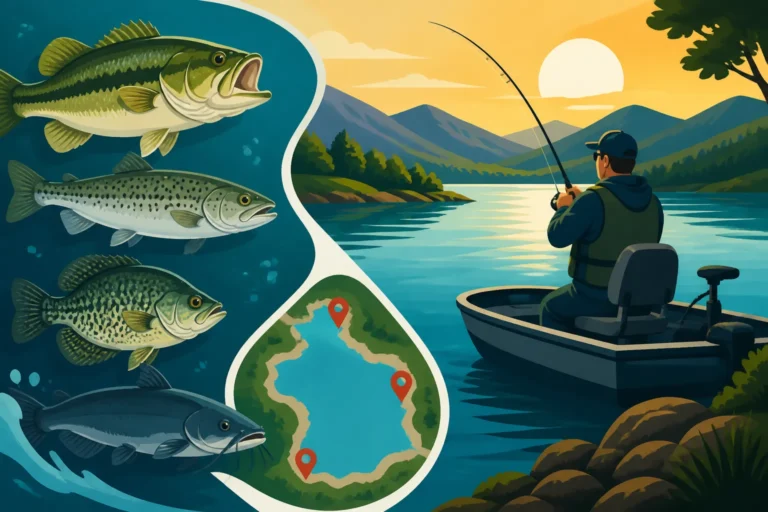
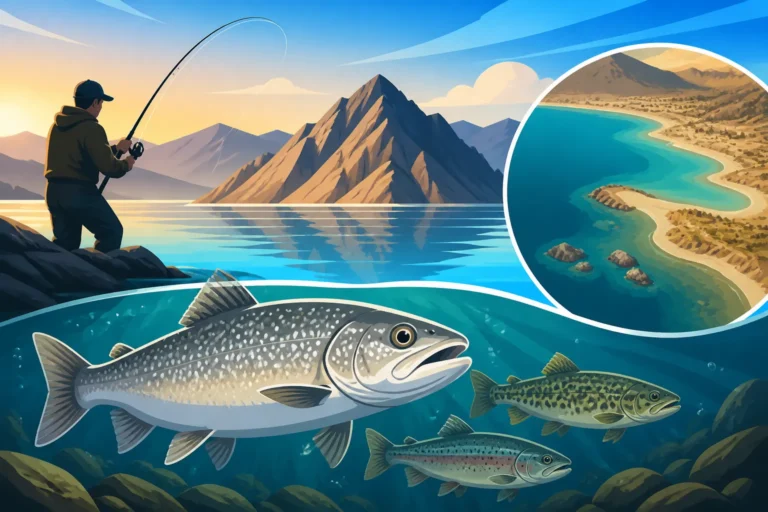
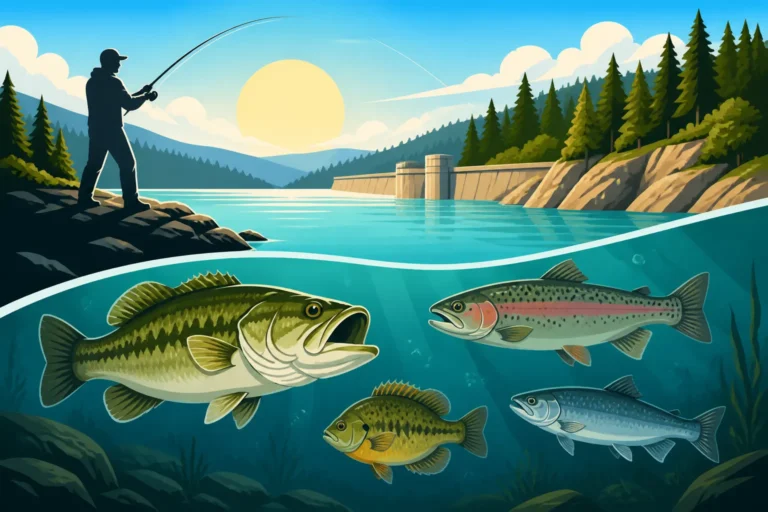
- Mackinaw (Lake Trout): These are the kings of Lake Tahoe, often growing to impressive sizes. Mackinaw are deep-water dwellers, preferring the cold, oxygen-rich waters found at depths often exceeding 100 feet. They're strong fighters and a true prize for any angler. If you’re looking to land a trophy, this is usually the target. You can learn more about the various species in the region through our comprehensive guide on California Fish Species: Complete Guide.
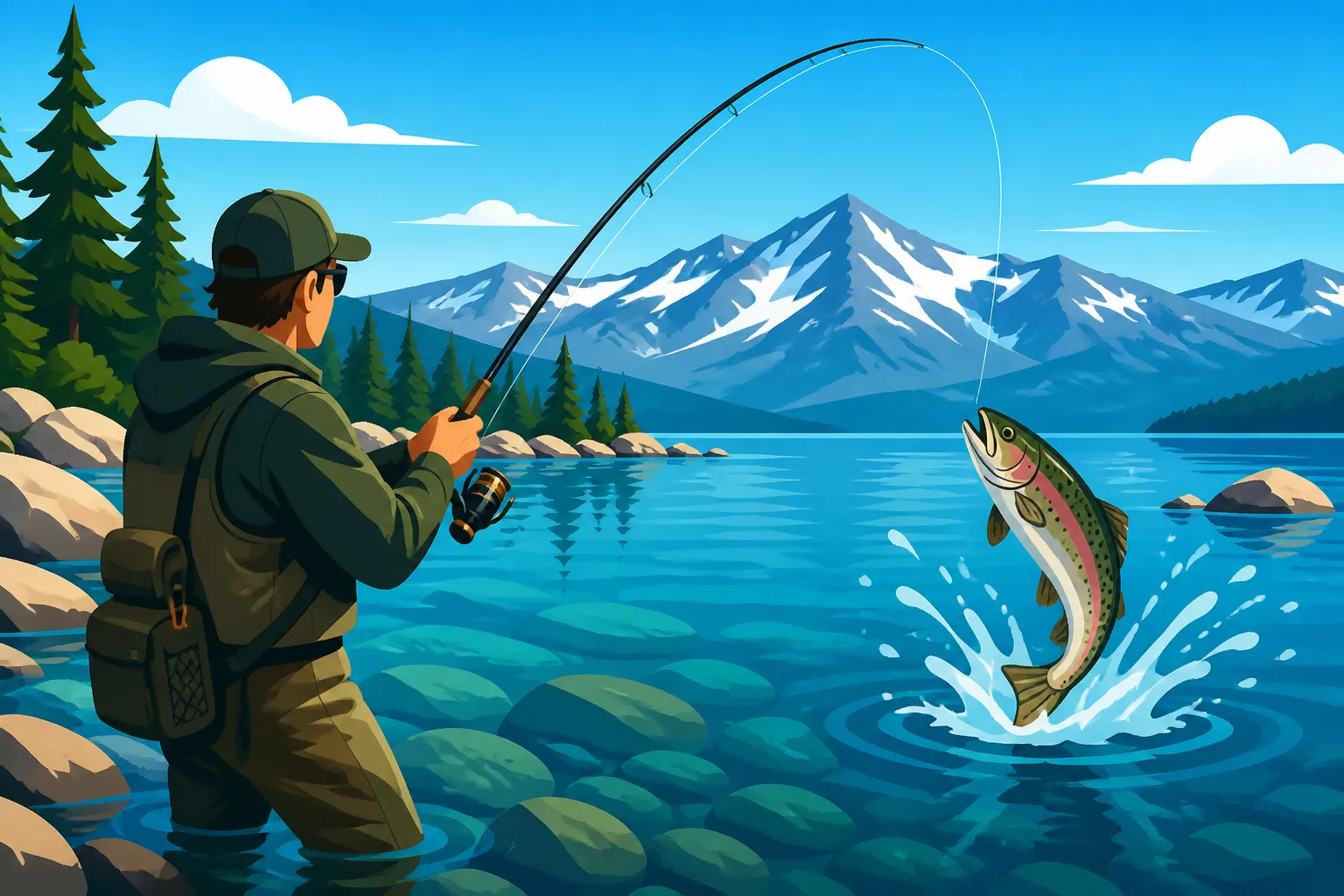
- Rainbow Trout: While some resident rainbows can be found throughout the lake, many are actively stocked by the California Department of Fish and Wildlife (CDFW) and Nevada Department of Wildlife (NDOW), particularly around popular access points. They tend to cruise closer to the surface, especially in shallower bays or near drop-offs.
- Brown Trout: Brown trout are generally more elusive and territorial than rainbows. They can be found in similar areas to rainbows but often prefer rocky structures, submerged logs, or areas with current, especially near stream inlets.
- Kokanee Salmon: These landlocked sockeye salmon are incredibly popular, especially for their strong fights and excellent table fare. Kokanee are schooling fish that migrate through different depths depending on the season, often found suspended in the water column over deeper areas. They are known for their distinct seasonal runs and can offer fast action.
Prime Fishing Locations for Shore Anglers
For those who prefer to keep their feet firmly planted on solid ground, Lake Tahoe offers a surprising number of fantastic shore fishing opportunities. While you might not reach the deep-water Mackinaw without a boat, there are plenty of rainbow and brown trout, and sometimes even kokanee, within casting distance from shore, especially during specific times of the year.
Popular Piers and Public Access Points
Piers are often a fantastic starting point for shore anglers, providing access to deeper water without needing a boat. They're also great for families and beginners.
- Cave Rock, Nevada: On the Nevada side, Cave Rock is a highly regarded spot, both for its scenic beauty and its fishing potential. There’s a boat launch here, but the rocky shoreline and the adjacent pier provide excellent access to deeper waters relatively close to shore. Anglers here often target rainbow trout and even some smaller Mackinaw, especially if they’re able to cast out a good distance with heavy bait or lures. The underwater structure around Cave Rock creates ideal ambush points for trout.
- Camp Richardson, California: This historic resort on the South Shore of Lake Tahoe offers a public pier that’s open to anglers. It's a family-friendly spot that sees a lot of action, particularly during the warmer months. You’re most likely to hook into rainbow trout here, and sometimes even a brown. Early mornings and late evenings tend to be the most productive times, especially when the crowds thin out. Live bait, PowerBait, or small spinners can be effective.
- Kings Beach State Recreation Area, California: Located on the North Shore, Kings Beach offers a pier that extends into productive waters. While shallower than some other spots, it's great for casting out for rainbow trout. The sandy bottom gives way to deeper areas, and during certain times, schools of kokanee might pass through within reach. It's a convenient spot if you're staying in the North Lake Tahoe area.
Secluded Coves and Stream Inlets
Beyond the well-known piers, seeking out less crowded coves and areas where streams feed into the lake can greatly increase your chances, especially for resident trout.
- Emerald Bay State Park, California: While fishing directly in Emerald Bay can be tricky due to regulations and boat traffic, the rocky points and shoreline outside the bay, particularly heading south towards Eagle Point, can be very productive. These areas offer deep drop-offs and varied structure. Access requires a bit more effort, often involving hiking or finding a less trafficked turnout, but the reward can be larger brown and rainbow trout that are less accustomed to heavy fishing pressure. Remember to check local regulations carefully, as California Fishing Regulations Explained can vary by specific location.
- Truckee River Inlet (Tahoe City, California): Where the Truckee River flows out of Lake Tahoe in Tahoe City, the moving water and influx of nutrients create a fantastic habitat for trout. While the river itself has specific fly-fishing-only sections, the immediate area where it leaves the lake can be excellent for both rainbow and brown trout. This is often an early morning or late evening spot, using spoons, spinners, or bait. The current here means you need to adjust your presentation to prevent your lure from washing out too quickly. You can explore more about techniques in our California Fly Fishing Guide.
- Small Public Beaches and Rocky Outcrops: Don't overlook the myriad of smaller public beaches and rocky outcrops scattered around the lake, especially on the less developed East Shore in Nevada. These spots, often found by just pulling over and scouting, can offer surprisingly good fishing, particularly if you're willing to hike a short distance away from the main road. Look for areas with visible underwater structure like rocks, ledges, or submerged trees. A simple bobber and bait setup or casting a small spoon can yield results.
Prime Locations for Boat Anglers
For serious anglers looking to explore Lake Tahoe's true potential, a boat is essential. It allows access to the vast open waters where large Mackinaw and schooling Kokanee thrive, far from the reach of shore-based fishermen. With the ability to move and target specific depths, boat fishing opens up a whole new world on Tahoe.
Targeting Deep-Water Mackinaw
Mackinaw are the prize of Lake Tahoe, but they require specialized techniques and an understanding of their deep-water habits.
- The Tahoe City Shelf: Just offshore from Tahoe City, there’s a massive underwater shelf that drops off dramatically into the lake's abyss. This area is legendary for large Mackinaw. Anglers typically troll with downriggers set anywhere from 100 to 300 feet deep, targeting the ledges and contours of this shelf. Common tactics involve large spoons, dodgers with a trailing minnow-imitating lure, or live bait (minnows are popular) presented slowly. Having a good fish finder is crucial here to mark schools of baitfish and the Mackinaw themselves. This area offers some of the best opportunities for trophy-sized fish.
- Camp Richardson to Rubicon Bay: The western shore, stretching from Camp Richardson northward past the entrance to Emerald Bay and on towards Rubicon Bay, offers incredible deep-water structure. There are numerous underwater points, humps, and sudden drop-offs that Mackinaw love. This stretch is a prime trolling ground for many guides. Again, downriggers are key, and varying your depths frequently as you troll can help you find where the fish are holding on any given day. Local knowledge or a good chart plotter with bathymetric data is invaluable for navigating these complex underwater landscapes.
- East Shore (Skunk Harbor to Zephyr Cove): The Nevada side's east shore is less developed and offers fantastic deep-water fishing opportunities. Areas around Skunk Harbor, Glenbrook Bay, and even towards Zephyr Cove have steep drop-offs close to shore, making them accessible trolling grounds. Mackinaw can be found here in good numbers, often relating to the underwater rock slides and sheer faces. The relatively consistent depths along this stretch make it an excellent choice for setting up a steady troll pattern.
Locating Kokanee Salmon Schools
Kokanee salmon are schooling fish that often suspend in the water column over deeper areas. Finding them requires a different approach than bottom-hugging Mackinaw.
- Mid-Lake Basins (North and South of the Lake): During much of the year, kokanee will roam the vast open-water basins of Lake Tahoe. These schools can be anywhere from 30 to 80 feet deep, often following plankton blooms or temperature breaks. Trolling small kokanee-specific lures, like dodgers with a small hoochie or mini-flies, is the go-to method. Using a fish finder to locate schools is paramount. Once a school is found, anglers often circle back through it, trying to stay within the productive zone. The areas between Camp Richardson and Cave Rock, or off Kings Beach and Stateline, often hold these nomadic schools.
- The "Narrows" (between Stateline and Kings Beach): This section, where the lake narrows slightly, can concentrate baitfish and, consequently, kokanee. During peak seasons (typically late spring through fall), kokanee can be found trolling through these deeper channels. Pay close attention to fishing reports, as kokanee are highly migratory, and their location can change daily. Many anglers check services like FishingBooker for recent reports and charter availability, which often feature guides who specialize in finding these elusive schools. For more detailed information, check out our Best Time to Fish Lake Tahoe guide.
Seasonal Fishing Considerations
Lake Tahoe's fishing opportunities shift dramatically with the seasons. What works in the summer might be completely ineffective in the winter, and vice-versa. Understanding these changes is crucial for consistent success.
Spring Fishing
As the snow melts and water temperatures slowly begin to rise, spring can be a fantastic time to fish Lake Tahoe, especially for trout.
- Shallow Water Activity: In early spring, rainbow and brown trout start to become more active in shallower waters as they seek warmer temperatures and emerging insect life. Look for them in bays and coves with rocky bottoms or near stream inlets where nutrients are washing into the lake. Casting spoons, spinners, or even fly-fishing with streamers can be highly effective near shore.
- Mackinaw Moving Up: While still deep-water fish, Mackinaw might be found slightly shallower than in mid-summer, especially in depths of 50-150 feet. They're often hungry after the colder months, making trolling more productive. This is an excellent time for those who enjoy the challenge of targeting large fish before the peak summer crowds arrive. Remember that a California Fishing License is required, and knowing the California Fishing License Cost can help you plan.
Summer Fishing
Summer brings warmer weather, more boat traffic, and generally pushes the fish deeper, making boat fishing even more critical for success.
- Deep-Water Domination: Mackinaw will be in their deepest haunts, often 150-300+ feet. Trolling with downriggers and large baits or lures is the standard. Focus on deep shelves, points, and sudden drop-offs. Early mornings and late evenings will offer the best bite.
- Kokanee Action: Summer is prime time for Kokanee salmon. They'll be schooled up in the open-water basins, suspended anywhere from 40 to 100 feet. Look for them on your fish finder and troll with kokanee-specific gear.
- Shore Fishing Patience: Shore fishing in summer requires more patience. Target early mornings or late evenings when the sun is low and fish might venture closer to shore. Piers and deep drop-offs are still your best bet for rainbows.
Fall Fishing
Fall is often considered one of the best times to fish Lake Tahoe, offering cooler temperatures, fewer crowds, and highly active fish.
- Trout on the Move: As water temperatures begin to cool, rainbow and brown trout become very active and move into shallower areas, especially around stream mouths, rocky points, and weed beds. This is an excellent time for both boat and shore anglers to target them with a variety of lures, flies, and bait. The fish are often feeding aggressively in preparation for winter.
- Mackinaw Resurgence: Mackinaw will also move slightly shallower, becoming more accessible to those trolling at moderate depths (80-200 feet). They are often at their most aggressive in fall, making it a great time for trophy hunting.
- Kokanee Spawning: Late fall marks the kokanee salmon spawning run. They will turn a distinct red color and move into tributary streams to spawn. While beautiful to observe, it's crucial to be aware of and respect spawning closures and regulations around these areas. Check the California Salmon Season Dates and local rules before targeting them.
Winter Fishing
Winter fishing on Lake Tahoe can be extremely challenging due to cold weather and often heavy snowfall, but it offers unique opportunities for the dedicated angler.
- Ice Fishing (Limited): While rare due to Tahoe's depth and open nature, some shallower bays might freeze over sufficiently for ice fishing in exceptionally cold winters. However, this is not common and extreme caution must be exercised. Always verify ice thickness before venturing out.
- Deep-Water Mackinaw: Boat anglers who brave the cold can still find Mackinaw in their deep haunts. The fish are often concentrated, but the bite can be subtle. Vertical jigging over deep structure with heavy spoons or tubes can be effective.
- Shore Fishing (Difficult): Shore fishing in winter is tough. Access can be limited by snow, and the fish are generally lethargic. Focus on deep-water access points like piers or areas with significant drop-offs very close to shore.
Here's a quick overview of some top spots and what they offer:
| Fishing Spot | Primary Species | Best Access Method | Key Features & Tips |
|---|---|---|---|
| Tahoe City Shelf | Mackinaw (Lake Trout) | Boat | Deep shelf drops, 100-300 ft depths, use downriggers, large spoons/minnows. Prime trophy area. |
| Camp Richardson Pier | Rainbow, Brown Trout | Shore (Pier) | Family-friendly, good for bait and small spinners. Fish early/late for best results. |
| Cave Rock, Nevada | Rainbow, smaller Mackinaw | Shore (Rock/Pier) | Rocky shoreline with deep water access. Cast heavy lures/bait. Good structure. |
| Emerald Bay Vicinity | Brown, Rainbow Trout | Shore (Hiking) | Rocky points outside the bay, requires effort. Less pressure, larger fish. Check specific regulations for the bay itself. |
| Kings Beach Pier | Rainbow Trout, Kokanee | Shore (Pier) | North Shore access, good for light tackle. Kokanee schools can pass through seasonally. |
| Truckee River Inlet | Rainbow, Brown Trout | Shore | Moving water, nutrient rich. Use spoons/spinners, adjust for current. Good for active feeders. |
| Mid-Lake Basins | Kokanee Salmon | Boat | Open water, fish suspended 40-100 ft. Troll with kokanee gear. Use fish finder to locate schools. |
| Rubicon Bay Area | Mackinaw, Brown Trout | Boat | Varied deep structure, underwater points. Excellent trolling grounds. |
Essential Gear and Techniques for Tahoe Fishing
Lake Tahoe demands specific gear and refined techniques to consistently catch fish. Its deep, clear waters mean you can't just show up with any old rod and expect success.
For Deep-Water Mackinaw
- Rods & Reels: You’ll want sturdy rods with good backbone, often 7-9 feet in length, paired with conventional reels spooled with 20-30 lb test monofilament or braid. The strength is needed to handle large fish and heavy tackle.
- Downriggers: These are non-negotiable for serious Mackinaw fishing. Downriggers allow you to precisely present your lure or bait at specific depths, which is crucial when fish are holding 100, 200, or even 300 feet down.
- Lures & Baits: Large spoons (like Lyman plugs or Apex lures), dodgers with a trailing minnow-imitating lure or a live minnow, are popular. Tube jigs or heavy spoons can also be effective for vertical jigging when you mark fish on your sonar.
For Trout and Kokanee
- Rods & Reels: Lighter spinning gear is generally preferred for rainbow and brown trout from shore or boat. A 6-7 foot medium-light to medium action rod with a matching spinning reel spooled with 6-10 lb test line is versatile. For kokanee, specialized ultra-light trolling rods are often used to detect their subtle bite.
- Lures: Small spoons (e.g., Kastmasters, Little Cleos), spinners (like Mepps, Rooster Tails), and small diving plugs are great for casting. For kokanee, mini hoochies, wedding rings, and small flies behind a dodger or flasher are highly effective.
- Baits: PowerBait, nightcrawlers, and salmon eggs are go-to baits for shore fishing for rainbow and brown trout. Using a bobber or a Carolina rig can help present these effectively.
- Fish Finder: For boat anglers targeting kokanee, a good fish finder is essential for locating schools suspended in the water column. You can often find excellent guided trips for these species, and using platforms like FishingBooker can help you connect with experienced local guides.
Regulations and Conservation in Lake Tahoe
Lake Tahoe spans both California and Nevada, and as such, it's subject to regulations from both states. This can be confusing, but understanding the rules is critical for legal and responsible fishing. You’ll need a valid fishing license from either California or Nevada to fish in Lake Tahoe, but be aware of reciprocal agreements and specific regulations that might apply depending on where you are on the lake. If you’re fishing from a boat, it’s advisable to have both state licenses if you plan to cross state lines frequently, or at least understand the reciprocal rules. Detailed information on California Freshwater Fishing Regulations and how they differ from Nevada's is key.
Bag and size limits for each species are strictly enforced to protect the fishery. For instance, Mackinaw often have minimum size requirements and daily bag limits that are relatively conservative due to their slow growth rate. Kokanee, on the other hand, might have more generous limits during their peak runs. Always consult the current fishing regulations booklet for the year you are fishing. These are typically available online through the California Department of Fish and Wildlife (CDFW) and the Nevada Department of Wildlife (NDOW) websites, or at local tackle shops. Understanding California Trout Limits and Regulations is also essential for a successful and legal trip.
Conservation is paramount in Lake Tahoe. Its pristine waters are a treasure, and we, as anglers, play a vital role in keeping them that way. Practice "leave no trace" principles, properly dispose of all fishing line and trash, and consider practicing catch and release for larger, older fish, especially Mackinaw, to help maintain a healthy population. Responsible angling ensures that Lake Tahoe remains a world-class fishing destination for generations to come.
Disclaimer
Please be aware that fishing regulations, conditions, and fish populations can change. Always consult the latest official regulations from the California Department of Fish and Wildlife (CDFW) and the Nevada Department of Wildlife (NDOW) before heading out. Safety should always be your top priority when fishing, especially on a large, deep lake like Tahoe.