Best Rock Fishing Spots in California
California's rugged coastline, with its dramatic cliffs, wave-battered headlands, and hidden coves, presents a tantalizing challenge and immense reward for anglers seeking the thrill of rock fishing. It's easy to feel overwhelmed by the sheer scale of the coastline, and even more so by the ever-changing tides, elusive fish, and strict regulations. This comprehensive guide is here to cut through that confusion, helping you identify the most productive and accessible rock fishing spots across the Golden State, along with crucial tips to make your next outing a success.
Understanding California Rock Fishing
Rock fishing isn't just about casting a line; it's about understanding the unique marine environment that rock structures create. These areas are teeming with life, from the smallest invertebrates to large predatory fish, all drawn to the shelter and food opportunities that rocks provide.
What Makes a Great Rock Fishing Spot
When you're eyeing a potential rock fishing spot, you're essentially looking for a vibrant underwater ecosystem that offers both sustenance and safety for the fish you're targeting. The best spots usually have a combination of several key features. Think about how the ocean interacts with the rocks – deep crevices and ledges provide excellent cover from strong currents and predators, giving fish a safe haven to ambush prey.
Submerged rocks, kelp beds, and rocky reefs create complex habitats where baitfish congregate, which in turn attracts larger game fish. Look for areas with a good mix of sandy bottom adjacent to rocky structures, as many species will move between these zones depending on the tide and their feeding patterns. Strong currents can be a double-edged sword; while they bring in a steady supply of food, they can also make fishing challenging. However, areas where currents create eddies or calmer pockets are often prime ambush points for fish. The presence of dense kelp forests, often found just offshore from rocky points, is a huge indicator of healthy fish populations, as kelp provides both food and shelter for countless marine creatures.
Target Species for Rock Fishing
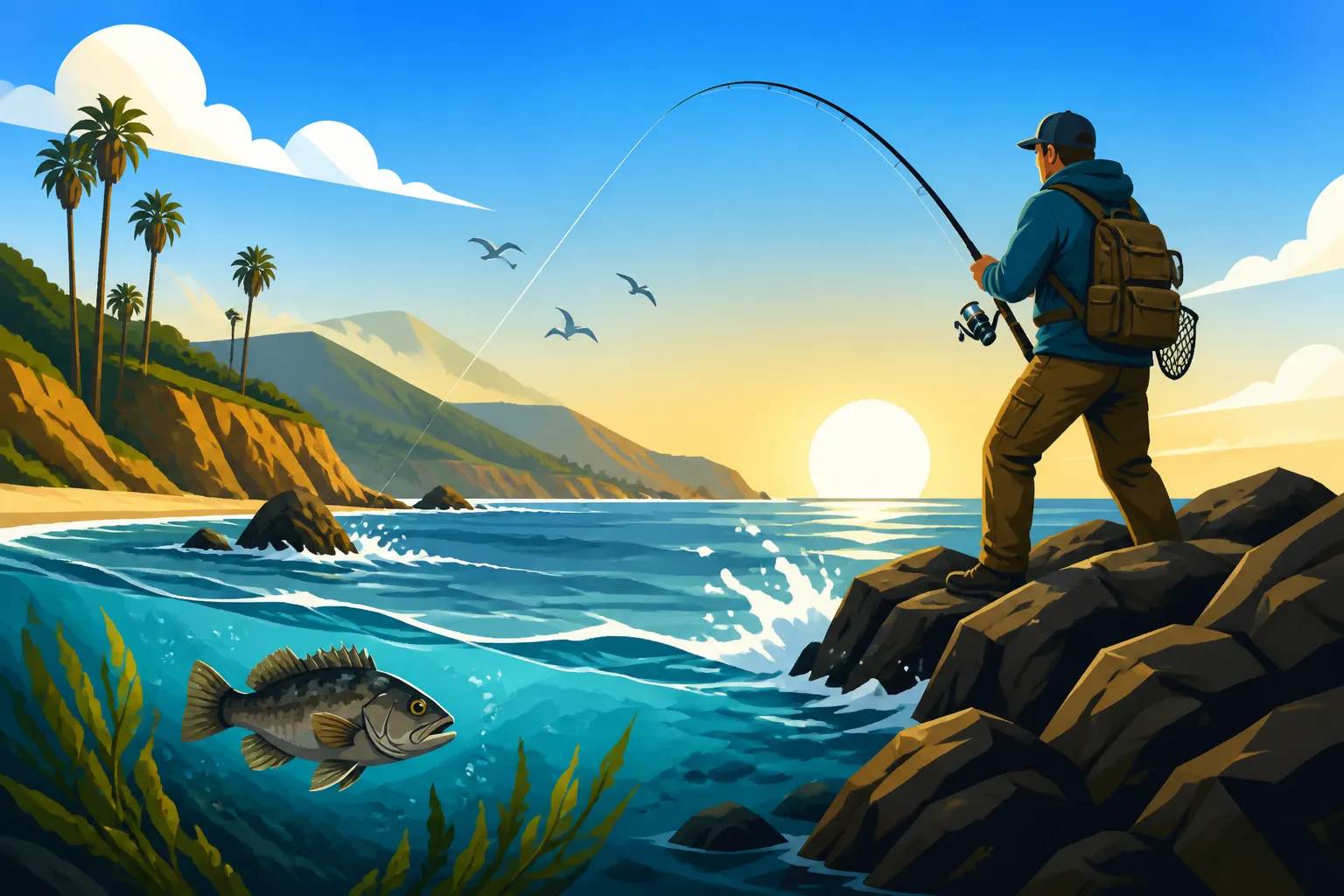
California's rocky shores are a veritable smorgasbord for anglers, offering a diverse array of species that thrive in these complex environments. The most common targets, and often the easiest to catch for beginners, are the various rockfish species. You'll encounter everything from brightly colored Vermilion Rockfish and Copper Rockfish to the more subdued Grass Rockfish and Kelp Rockfish, each with its own preferred habitat within the rocky structure. Remember that these species often have very specific California Rockfish Regulations and Limits that can vary by region and depth, so always check the latest rules.
Beyond rockfish, the stealthy and often larger lingcod lurk in deeper crevices, ready to ambush unsuspecting prey. Cabezon, with their large heads and mottled camouflage, are another prized catch, known for their delicious white meat. Greenlings, a smaller but feisty species, are also common. In certain areas, and during specific seasons, you might even hook into a California Halibut cruising the edges of rocky reefs or a feisty kelp bass near the structure. Understanding what species typically inhabit a particular rocky area can help you select the right bait and technique to maximize your chances.
Essential Gear for Rock Fishing
Heading out for a day of rock fishing in California requires more than just a rod and reel; it demands specific gear to tackle the challenging environment and the powerful fish that reside there. First and foremost, you'll want a medium-heavy to heavy spinning or casting rod, typically 7 to 9 feet long, capable of handling 20-50 pound test line. This extra length helps with casting from elevated positions and keeping your line off the abrasive rocks. Pair it with a sturdy reel that has a reliable drag system, as you'll be fighting fish that can dive straight into structure.
For line, a braided main line with a fluorocarbon leader is a popular choice. Braid offers superior sensitivity and strength, while a 20-40 pound fluorocarbon leader provides abrasion resistance against sharp rocks and is nearly invisible underwater. As for terminal tackle, be prepared to lose some gear! Weighted rigs like a Carolina rig or a dropper loop rig with a heavy sinker (often 1-4 ounces, depending on current) are common. Stock up on hooks ranging from 1/0 to 5/0, suitable for various baits and lures. Lures like swimbait jigs (e.g., those from Berkley or Megabass), metal jigs, and even large plastic worms can be highly effective. Live bait, such as anchovies, sardines, or squid, is often irresistible to larger rockfish and lingcod.
Safety gear is non-negotiable. Sturdy, non-slip footwear with good ankle support is paramount for navigating slick, uneven rocks. A life vest or PFD is highly recommended, especially if you're fishing near crashing waves or in remote areas. A multi-tool, pliers for hook removal, a tape measure for checking size limits, and a small backpack to carry water, snacks, and extra tackle will round out your essential kit. Don't forget a first-aid kit, just in case of minor scrapes or cuts, and always let someone know where you're going and when you expect to return.
Top Northern California Rock Fishing Hotspots
Northern California's coast is famed for its rugged beauty and equally rugged fishing opportunities. The dramatic cliffs and churning waters hide some truly incredible rock fishing spots, but they often demand respect for the powerful ocean conditions.
Mendocino Coast
The Mendocino Coast offers some truly spectacular rock fishing, characterized by its dramatic cliffs, sea stacks, and protected coves. Around Fort Bragg and Noyo Harbor, you'll find numerous jetties and rocky outcroppings that are accessible from shore. These spots are fantastic for various rockfish, greenlings, and cabezon. You can often fish with bait on the bottom, or cast swimbaits and jigs into the deeper pockets. The harbor entrance itself can be productive, especially during incoming tides, as baitfish are pushed into the area, drawing in larger predators.
Further south, areas like Van Damme State Park offer more secluded rocky beaches and points, though access might involve a bit of a hike. The underwater structure here is rich with kelp, making it prime habitat for larger lingcod and rockfish. It's a good idea to scout these areas at low tide to identify potential fishing spots and safe access points. Just remember that the Mendocino coastline is known for its unpredictable waves and slippery rocks, so always exercise extreme caution and never turn your back on the ocean.
North Coast Humboldt/Del Norte
Heading even further north, the Humboldt and Del Norte county coasts are wilder and less populated, offering a raw, untamed rock fishing experience. Trinidad Head is a well-known location, providing fantastic opportunities from the rocky points and surrounding reefs. Anglers here regularly pull in a variety of rockfish and lingcod. The views are incredible, but the fishing can be challenging due to strong currents and exposed conditions. Local knowledge or a good fishing report can be invaluable here.
Near Patrick's Point State Park, several rocky coves and ledges provide excellent, albeit sometimes challenging, shore access. The key is to find protected areas where you can safely cast without being battered by waves. Further north, Crescent City offers more accessible rock fishing from its jetties and breakwaters, which protect the harbor. These man-made structures mimic natural rocky reefs and attract a similar array of species. Early mornings or late evenings, especially during an incoming tide, are often the most productive times.
San Francisco Bay Area Outskirts
While the immediate San Francisco Bay itself is more known for its piers and boat fishing, the areas just outside the Golden Gate offer prime rock fishing from shore. Point Reyes National Seashore, with its expansive and rugged coastline, holds hidden gems for the adventurous angler. Remote beaches and rocky points here can be incredibly productive for surfperch, rockfish, and even some striped bass, particularly where rocky structure meets sandy beach. Access can be difficult, requiring long hikes, so come prepared with light tackle and plenty of water.
Bodega Bay to the north is another fantastic area, offering a mix of accessible jetties and more secluded rocky shoreline. The Bodega Head area, in particular, has numerous spots where you can target rockfish and lingcod. Kayak anglers often launch from protected areas to reach offshore kelp beds and rocky reefs that are inaccessible from shore, opening up even more opportunities. Just south of San Francisco, Half Moon Bay also boasts excellent rock fishing, especially around the outer harbor breakwater and the rocky points south of Pillar Point. Many anglers enjoy the diverse options here, whether fishing from the rocks or hopping on a local charter, which you can often find listed on platforms like FishingBooker, to access the deeper reefs.
Prime Central California Rock Fishing Locations
Central California boasts a stunning and diverse coastline, offering a treasure trove of rock fishing opportunities. From the iconic Monterey Bay to the remote stretches of Big Sur, anglers can find everything from easily accessible jetties to wild, challenging coastal spots.
Monterey Bay and Surrounding Areas
The Monterey Bay area is a mecca for rock fishing, offering both convenience and incredible productivity. The Monterey Peninsula itself is dotted with countless rocky outcroppings. Places like Pacific Grove feature easily accessible shoreline rock formations where you can target cabezon, greenlings, and various rockfish species. The calmer waters within the bay, especially during lower swells, make these spots particularly appealing for anglers seeking a more relaxed experience. You'll often find anglers using high-low rigs with squid or shrimp as bait, or casting small swimbaits around the kelp beds.
Further north, Moss Landing provides excellent opportunities, particularly around the jetties that flank the harbor entrance. These jetties act as artificial reefs, attracting a wide variety of bottom-dwelling species. While fishing from shore, keep an eye out for charter boats departing from Moss Landing, as they often head to the deeper rocky reefs offshore for trophy lingcod and larger rockfish. It’s always smart to review current California Fishing Regulations Explained before heading out, as rules for specific species or areas can change.
San Simeon to Morro Bay
This stretch of Central California coast is renowned for its scenic beauty and productive fishing grounds. Around San Simeon, the rocky coastline offers scattered but rewarding opportunities for shore anglers. The key here is exploring the many small coves and points, looking for areas with good rock and kelp structure. It's often a more solitary experience, perfect for those who enjoy the peace and quiet of nature.
The iconic Morro Bay and its famous Morro Rock are phenomenal for rock fishing. The rock itself and the surrounding breakwater create extensive structure, attracting a diverse range of species. Anglers can fish from various points around the base of Morro Rock (where permitted) and along the inner harbor jetties. You’ll find a mix of rockfish, cabezon, and even some anadromous species like striped bass moving through the bay at certain times of the year. The access here is generally good, with paved paths and parking available, making it a popular spot for both seasoned anglers and families. Many of the local tackle shops in Morro Bay can give you up-to-the-minute advice on what's biting.
Big Sur Coastline
The Big Sur coastline is breathtakingly beautiful, with towering cliffs plunging into the Pacific, but it's also arguably the most challenging and potentially dangerous area for rock fishing in California. Access to many spots is limited, often requiring long, strenuous hikes down steep trails, or even repel routes for the most dedicated (and experienced) anglers. The rewards, however, can be immense, with pristine, unpressured fishing grounds yielding larger, more aggressive fish.
Target species here include large lingcod, hefty cabezon, and an abundance of rockfish. The rugged offshore reefs and kelp forests provide ideal habitat. However, due to the extreme remoteness and the raw power of the ocean in this region, safety is absolutely paramount. Always check tide charts and swell forecasts meticulously. Never fish alone, wear appropriate safety gear, and be prepared for rapidly changing conditions. Many sections of Big Sur are also within Marine Protected Areas, so be sure to consult the California Marine Protected Areas Explained guidelines to ensure you're fishing legally. For most, booking a guided trip with an experienced local guide might be the safest and most productive way to experience Big Sur's rock fishing potential.
Southern California Rock Fishing Havens
Southern California's coastline, while often more developed, still holds incredible rock fishing spots, especially if you know where to look. From the famous Channel Islands to the bustling shores of San Diego, there's a unique blend of accessible and remote opportunities.
Channel Islands
For the ultimate Southern California rock fishing adventure, a trip to the Channel Islands is absolutely unparalleled. These offshore islands, accessible primarily by boat or charter, boast pristine waters and incredible rock formations, providing habitat for an astonishing variety of species. You can expect to find massive lingcod, a diverse array of rockfish (like bocaccio, vermilion, and greenspotted rockfish), and even white seabass around the kelp beds. The fishing here is often considered world-class, offering the chance at true trophy catches.
Many anglers book trips on party boats or private charters departing from ports like Oxnard, Ventura, or Long Beach. These boats often have experienced crews who know the exact spots where the fish are hiding. When planning your trip, consider using services like FishingBooker to browse and book charters to the Channel Islands, as they often list available boats and trip types, from half-day excursions to multi-day adventures. Being prepared for varying depths and currents is key, so bring a good selection of jigs, sinkers, and robust tackle.
San Diego County Coast
San Diego County offers a fantastic mix of easily accessible and slightly more adventurous rock fishing opportunities. The iconic Point Loma peninsula, particularly around Sunset Cliffs Natural Park, features dramatic cliffs and rocky shelves where you can cast for rockfish, kelp bass, and even halibut from shore. Early mornings before the crowds arrive are often best. The structure here is rich, but watch out for slippery rocks and rogue waves.
Further north, the coves and reefs of La Jolla are famous for their beauty and marine life. While many areas are protected, there are still spots where shore anglers can target various species. The Scripps Pier area, for example, has rocky structure that attracts fish, though pier fishing often has its own set of rules. For those with kayaks or small boats, the reefs just offshore of La Jolla offer incredible opportunities for rockfish and yellowtail, especially during warmer months. Understanding the local California Saltwater Fishing Regulations is particularly critical in San Diego, as many areas have specific restrictions due to high population and conservation efforts.
Orange and Los Angeles Counties
While often thought of for their sandy beaches, Orange and Los Angeles counties still offer some solid rock fishing spots if you know where to look. The Palos Verdes Peninsula in Los Angeles County is a prime example, with its rugged, undeveloped coastline featuring numerous rocky points, coves, and kelp forests. Access can be a bit challenging, often requiring some hiking, but the reward is fewer crowds and potentially better fishing for rockfish, cabezon, and even barracuda. Popular spots include areas around Abalone Cove and Rancho Palos Verdes.
In Orange County, Laguna Beach offers beautiful tide pools and rocky sections. While much of it is protected, some areas allow fishing from the rocks for specific species. Always check local signs and regulations diligently. The jetties and breakwaters in harbors like Newport Beach and Dana Point also provide excellent rock fishing structure, attracting a variety of inshore species including rockfish, surfperch, and occasionally even a stray halibut or corbina. These spots are usually very accessible and popular, so getting there early is often the best strategy.
Navigating Regulations and Safety for Rock Fishing
Rock fishing in California is exhilarating, but it comes with a serious responsibility: understanding and adhering to regulations, and prioritizing your safety above all else. Ignoring either can lead to dangerous situations or hefty fines.
Key Regulations to Know
California's fishing regulations, particularly for saltwater species, can be complex and are subject to change. The California Department of Fish and Wildlife (CDFW) is your ultimate resource, and it's essential to review their current regulations booklet before every trip. Key things to pay attention to include bag limits (the number of fish you can keep), size limits (minimum or maximum lengths for retention), and seasonal closures (periods when certain species cannot be fished or kept). For instance, California Rockfish Depth Restrictions are a critical component of conservation efforts and vary by management area and season.
Many popular rock fishing species, such as rockfish and lingcod, have specific rules designed to protect their populations. You'll also encounter Marine Protected Areas (MPAs) along the coast, which are designated zones with strict restrictions, ranging from "no-take" zones to areas with highly limited fishing. Knowing how to interpret California Marine Protected Area Maps Explained is vital to avoid inadvertently breaking the law. A valid California Fishing License Guide is almost always required, even if you're fishing from shore or a public pier (though some piers have exemptions). Make sure your license is current and visible if requested by a warden.
Safety First on the Rocks
The allure of the rocks is undeniable, but the ocean is a powerful, unforgiving force. Your safety should always be your top priority. Tides and waves are your biggest concerns. Always check the tide charts before you go; an incoming tide can quickly cut off your escape route from a rock outcropping. Never turn your back on the ocean, as a rogue wave can appear seemingly out of nowhere and sweep you off your feet. Always assess wave conditions – if the swells look too large or unpredictable, it's simply not worth the risk.
Slippery surfaces are a constant threat. Rocks covered in algae, wet from spray, or simply worn smooth by water can be incredibly treacherous. Wear sturdy, closed-toe shoes with excellent grip, preferably wading boots with felt soles or spiked soles if you're serious about frequent rock fishing. A life vest, even in calm conditions, provides an essential layer of protection. It could be the difference between life and death if you unexpectedly fall into the water. Fishing with a buddy is always a smart move, as they can help in an emergency. Be aware of your surroundings, scout your entry and exit points, and never take unnecessary risks. A fish isn't worth your life.
Overview of California Rock Fishing Hotspots
To help you visualize some of the best spots and what they offer, here’s a quick overview:
| Location | Region | Primary Access | Target Species | Key Considerations |
|---|---|---|---|---|
| Mendocino Coast | Northern CA | Shore/Kayak | Rockfish, Lingcod, Cabezon, Greenlings | Rugged, unpredictable waves, check local access |
| Trinidad Head | Northern CA | Shore | Rockfish, Lingcod | Exposed, strong currents, beautiful scenery |
| Half Moon Bay Jetties | Northern CA | Shore/Kayak | Rockfish, Lingcod, Surfperch, Striped Bass | Accessible, can be crowded, good boat access |
| Monterey Peninsula | Central CA | Shore/Kayak | Rockfish, Cabezon, Greenlings, Kelp Bass | Diverse options, kelp beds, scenic |
| Morro Bay (Morro Rock) | Central CA | Shore/Pier | Rockfish, Cabezon, Halibut, Greenlings | Accessible, iconic landmark, sometimes crowded |
| Channel Islands | Southern CA | Boat/Charter | Lingcod, Rockfish (many species), White Seabass | World-class fishing, requires boat access |
| Point Loma/Sunset Cliffs | Southern CA | Shore | Rockfish, Kelp Bass, Halibut | Dramatic cliffs, popular, watch for high tides |
| Palos Verdes Peninsula | Southern CA | Shore | Rockfish, Cabezon, Barracuda | Rugged, less crowded, requires hiking |
California's rocky coastline offers an incredible array of fishing experiences, from easily accessible jetties perfect for a family outing to remote, challenging stretches that reward the intrepid angler with solitude and trophy catches. Whether you're exploring the wild beauty of the Best Fishing in Northern California or the vibrant waters of the Best Fishing in Southern California, remember that the ocean's bounty and its challenges are always intertwined. Take the time to understand the local regulations, prioritize your safety, and prepare your gear, and you'll be well on your way to discovering your own best rock fishing spot in California. And if you're looking to explore deeper waters, consider how a local guide can enhance your experience; California Deep Sea Fishing Charter Guide can help you find just the right trip.
Disclaimer
Fishing in California involves inherent risks. Always check current regulations from the California Department of Fish and Wildlife (CDFW) before fishing. Exercise extreme caution when fishing from rocks, as conditions can change rapidly. This guide provides general information and should not be considered a substitute for personal research, professional guidance, or adherence to all safety protocols and legal requirements. The author and publisher are not responsible for any accidents, injuries, or legal infractions that may occur.