New Melones Lake Fishing Guide
One of the biggest frustrations for anglers looking to explore California's vast fishing opportunities is knowing where to focus their efforts, especially when a lake as renowned as New Melones keeps popping up in conversations. You hear the whispers of trophy bass, fat trout, and abundant panfish, but diving in without a solid game plan can feel overwhelming. This comprehensive guide is designed to cut through the noise, providing you with everything you need to know to confidently plan and execute a successful fishing adventure at New Melones Lake, from understanding the species to mastering the techniques and navigating the rules.
Welcome to New Melones Lake: A Fishing Oasis
New Melones Lake isn't just another body of water; it's a sprawling, captivating reservoir nestled in the Sierra Nevada foothills, offering some of the most diverse and exciting fishing experiences in California. For years, anglers have flocked to its clear, deep waters, drawn by the promise of memorable catches and the sheer beauty of the surrounding landscape. If you're looking for a destination that truly delivers on its reputation, New Melones should be at the top of your list.
Geographical Charm and Accessibility
Nestled in the Gold Country region, New Melones Lake straddles Calaveras and Tuolumne counties, making it surprisingly accessible from many parts of California. It's about a two-hour drive east of the San Francisco Bay Area and just a bit closer for those coming from Sacramento. The lake itself is immense, boasting over 12,500 acres of surface area when full and more than 100 miles of shoreline. This expansive nature means there's always a new coves, point, or submerged structure to explore, preventing any feeling of being "fished out" even during busier times.
The landscape here is absolutely stunning, characterized by rolling oak-studded hillsides that meet crystal-clear, deep blue waters. Depending on the time of year, you might see vibrant green hills after winter rains or golden, sun-baked slopes in late summer. The sheer size and varied topography provide a multitude of fishing environments, from shallow, reedy flats perfect for bass to deep, open water where trout and kokanee thrive. Public access is well-maintained, with several recreation areas managed by the Bureau of Reclamation, including Tuttletown and Glory Hole, which offer boat ramps, campgrounds, and day-use facilities. This makes it easy for both boaters and bank anglers to find their perfect spot.
A Brief History and Its Impact on Fishing
The history of New Melones Lake is pretty interesting and actually plays a big role in why the fishing is so good today. Formed by the New Melones Dam on the Stanislaus River, the reservoir was completed in 1979, inundating the historic mining town of Melones and creating a massive new fishery. Before the dam, the Stanislaus River was renowned for its salmon and steelhead runs, and while the dam significantly altered that ecosystem, it also created an entirely new, incredibly productive one.
When the lake was first filled, all the submerged trees, old structures, and even entire towns provided incredible habitat for fish. Over the decades, some of that structure has broken down or been covered by silt, but there's still a ton of hidden cover for fish, especially when water levels are high. The deep, cold waters originating from the Sierra snowmelt provide an ideal environment for a diverse range of species, from warm-water dwellers like bass and catfish to cold-water favorites like trout and kokanee salmon. Understanding this history helps you appreciate the lake's rich underwater topography, which is a key factor in finding those productive fishing spots.
Top Fish Species to Target at New Melones
One of the greatest joys of fishing New Melones Lake is the sheer variety of species you can encounter. It's not a one-trick pony; whether you're a bass fanatic, a trout purist, or just looking for some delicious panfish for dinner, New Melones has you covered. Knowing what's biting and when is half the battle, so let's dive into the main players here.
The Mighty Largemouth and Spotted Bass
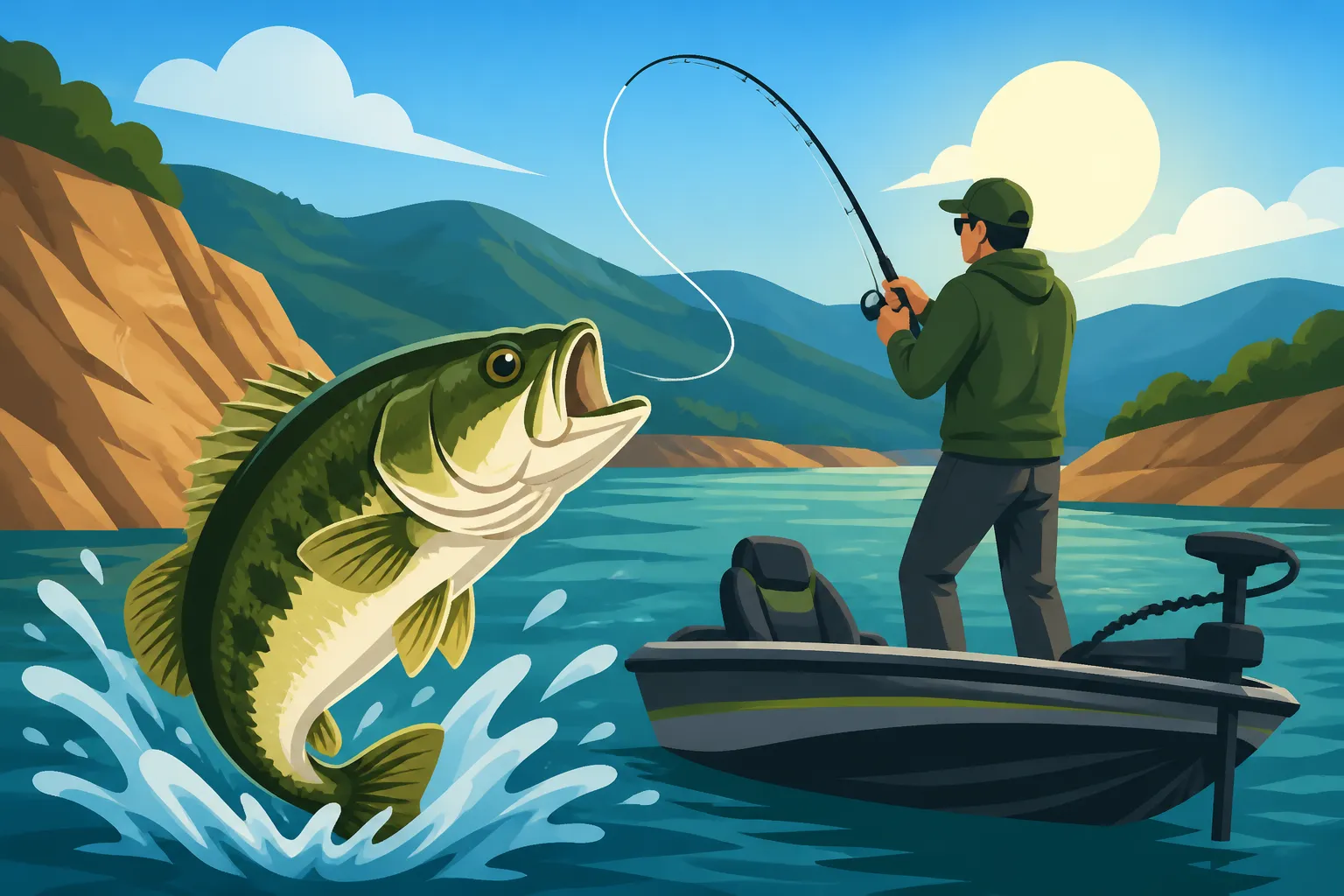
If you talk to most local anglers about New Melones, bass are likely the first thing they'll mention, and for good reason. The lake is absolutely renowned for its impressive populations of both largemouth and spotted bass. Largemouth bass here can grow to substantial sizes, often reaching impressive double-digit weights. They love the warmer, shallower arms of the lake, especially areas with submerged timber, rock piles, and points that drop off into deeper water. You'll find them cruising around flooded brush in the spring, hiding in shady spots during the summer heat, and schooling up on baitfish in the fall.
Spotted bass, on the other hand, are often more numerous and tend to occupy deeper, clearer water than their largemouth cousins. They're aggressive, hard-fighting, and can be found throughout the lake, often suspended over deep structures or chasing schools of baitfish in open water. While they generally don't get as large as largemouths, a 3 to 5-pound spotted bass puts up an incredible fight and is a blast on light tackle. Anglers often find both species in the same areas, making for an exciting mixed bag. The healthy forage base, including abundant threadfin shad and crawfish, helps these bass thrive, leading to consistently good fishing year-round. If you're serious about chasing the greenbacks, New Melones is easily one of the Best Bass Lakes in California.
Trout and Kokanee: Coldwater Delights
While bass might steal some of the spotlight, New Melones also boasts a fantastic coldwater fishery, primarily consisting of rainbow trout and kokanee salmon. These species thrive in the deeper, cooler sections of the lake, especially during the colder months and in the thermocline during summer. The California Department of Fish and Wildlife (CDFW) regularly stocks rainbow trout, ensuring a steady supply for anglers. These stocked trout provide excellent opportunities for shore anglers and trollers alike, particularly in the spring and fall when they are more active near the surface.
Kokanee salmon are a true gem of New Melones. These landlocked sockeye salmon are purely plankton eaters and are known for their vibrant red flesh and delicious taste. They typically run in schools in the open water, requiring specialized trolling techniques to target them effectively. While they are smaller than ocean-run salmon, averaging 12-16 inches, they are incredibly fun to catch and offer a unique angling experience. Learning how to properly set up for these finicky feeders can be a challenge, but the reward is certainly worth it. Keep an eye on the California Trout Limits and Regulations to ensure you're compliant with current rules.
Catfish and Crappie: Panfish and Bottom Dwellers
Beyond the glamour species, New Melones also holds healthy populations of channel catfish, white catfish, and crappie, providing excellent opportunities for a more relaxed day of fishing or for those looking to fill a cooler with tasty fillets. Catfish are abundant and can be caught throughout the lake, especially in the shallower, warmer coves and river arms. They're primarily bottom feeders, making them a great target for bank anglers using simple bait setups. Night fishing for catfish can be particularly productive during the warmer months, offering a peaceful and often very rewarding experience.
Crappie, both black and white varieties, are another popular panfish at New Melones. They tend to school up around submerged brush, timber, and rock piles, particularly during their spring spawn. Finding a crappie school can lead to fast and furious action, making them a fantastic target for families or anglers looking for consistent bites. Their delicious white meat makes them a favorite table fare, adding to their appeal. While perhaps not as famous as the bass or trout, these species add another layer of diversity to the New Melones fishery, ensuring there's always something biting.
Essential Fishing Techniques for New Melones Lake
Alright, so you know what you're targeting. Now, how do you actually get them to bite? Fishing New Melones Lake effectively means being versatile with your techniques. The vastness of the lake and the diverse habits of its fish populations demand a thoughtful approach. You can't just throw out any old lure and expect consistent success here, but with the right methods, you'll be putting fish in the boat or on the bank in no time.
Bass Tactics: From Topwater to Deep Cranking
For the bass angler, New Melones offers a playground of possibilities. In the spring, when the water warms up and bass move to shallower waters for the spawn, topwater lures like poppers, walking baits, and buzzbaits can be incredibly effective, especially during low light conditions around dawn and dusk. Targeting coves with submerged brush or rocky points that offer protection is key. After the spawn, plastic worms, jigs, and senkos rigged Texas or Carolina style, become go-to choices for working those same brushy areas or along rocky drop-offs. The trick is to mimic crawfish or baitfish, which are prevalent here.
As summer heats up, bass often retreat to deeper, cooler waters. This is when deep-diving crankbaits, spoons, and football jigs really shine. Targeting submerged humps, old roadbeds, and the main lake points that drop into significant depth can yield impressive results. Often, bass will suspend over these structures, making electronics invaluable for locating them. For spotted bass, vertically jigging small spoons or drop-shotting finesse worms over deep schools of baitfish can be deadly. Remember, spotted bass are often very structure-oriented but will readily chase bait in open water, so having a versatile approach is crucial. For more detailed insights, check out our guide on How to Fish for Largemouth Bass in California.
Mastering Trout and Kokanee Methods
Trout and kokanee fishing at New Melones primarily revolves around trolling, especially for those in boats. For rainbow trout, small spoons like a Needlefish or Kastmaster, trolled behind an action disk or dodger, are perennial favorites. Early mornings and late evenings, or during cooler spring and fall days, you might find trout closer to the surface. Pay attention to birds diving, as they often indicate bait balls, which trout will follow. Trolling speeds typically range from 1.5 to 2.5 mph, and varying your depth with downriggers or lead-core line is essential, especially as the water warms.
Kokanee salmon are a bit more specialized. They are incredibly sensitive to presentation and often prefer specific colors and scents. Small hootchies, mini-hoochies, or wedding rings tipped with corn or scent, trolled behind a dodger or flasher, are standard gear. The key with kokanee is finding the right depth where they are feeding on plankton, which often means running multiple lines at different depths until you find the sweet spot. A fish finder is almost a necessity for kokanee, as they often school tightly. They also prefer slower trolling speeds, typically between 0.8 and 1.5 mph. Scent is critical, with Anise, Garlic, or Kokanee-specific scents applied to your bait or lures making a significant difference. You can learn more about general trout tactics in our How to Fish for Trout in California article.
Simple Strategies for Catfish and Crappie
For catfish and crappie, simplicity is often the name of the game. Catfish are relatively easy to target from shore or a boat using bait. Common baits include cut mackerel, chicken livers, stink baits, and even nightcrawlers. A simple bottom rig, like a slip sinker rig with a hook, is all you need. Focus on the shallower, muddier coves and river arms, especially where there's decaying vegetation or runoff entering the lake. As mentioned, night fishing is incredibly effective for catfish, as they become more active cruisers after dark. Look for areas with a slower current or submerged debris where they can ambush prey.
Crappie fishing involves targeting submerged cover. Jigs (like a 1/16 to 1/8 ounce jig head with a small plastic grub or tube) and small minnows are highly effective. If you're on a boat, a fish finder will help you locate brush piles or submerged trees where crappie often school. Vertically jigging over these structures or slowly trolling a few minnows can lead to explosive action. From the bank, look for docks, fallen trees, or shaded areas near structure. A small bobber rig with a minnow or a tiny jig can be cast near these areas for good results. Both crappie and catfish offer a fantastic way to enjoy a more relaxed fishing experience with the added bonus of putting dinner on the table.
Navigating New Melones Regulations and Best Practices
Fishing at New Melones Lake, like any public waterway in California, comes with a set of rules and regulations designed to protect fish populations and ensure sustainable angling for everyone. Trust me, the last thing you want is a run-in with a game warden because you overlooked a small detail. Taking the time to understand these guidelines is not just about avoiding fines; it's about being a responsible angler and contributing to the health of this incredible fishery.
Understanding California's Fishing License Requirements
First and foremost, if you're 16 years of age or older, you absolutely need a valid California fishing license to fish at New Melones Lake. There's no way around it. You can purchase a license online through the California Department of Fish and Wildlife (CDFW) website, or at authorized license agents like tackle shops and sporting goods stores across the state. They offer various options, from annual resident and non-resident licenses to shorter-term options like one-day or two-day licenses, which are perfect for a quick weekend trip.
It's crucial to have your license physically on you while fishing, or at least a digital copy easily accessible on your phone, as wardens do check. Beyond the basic license, some species might require additional report cards, like the California Sturgeon Report Card or California Salmon Report Card, depending on where and what you're fishing for in other parts of the state. While not typically needed for New Melones' main species like bass or trout, always double-check the current regulations booklet, which you can usually pick up for free where licenses are sold, or view online. This booklet is your bible for all things regulation-related! If you need more details, our comprehensive California Fishing License Guide breaks it all down.
Species-Specific Bag and Size Limits
This is where things can get a little tricky, so pay close attention. New Melones Lake has specific bag and size limits for different species, which are subject to change, so always check the most current CDFW regulations. These limits are designed to prevent overfishing and allow fish populations to remain healthy. For instance, bass typically have a daily bag limit (e.g., 5 fish total for largemouth and spotted bass combined) and a minimum size limit (e.g., 12 inches), meaning any fish under that size must be immediately released.
Trout and kokanee also have their own set of rules. For example, rainbow trout might have a general daily bag limit of 5 fish, but there could be special regulations for certain waters or times of year. Kokanee salmon often have their own specific bag limits too. It's not uncommon for limits to be quite generous for stocked species to encourage harvest, but always verify.
| Species | Typical Daily Bag Limit (Varies, Check CDFW) | Typical Minimum Size Limit (Varies, Check CDFW) | Notes |
|---|---|---|---|
| Largemouth Bass | 5 (combined w/ Spotted) | 12 inches | Often found shallower, structure-oriented. |
| Spotted Bass | 5 (combined w/ Largemouth) | 12 inches | More common in deeper, open water; aggressive fighters. |
| Rainbow Trout | 5 | None (often) | Regularly stocked, great for shore and boat anglers. |
| Kokanee Salmon | 5 (sometimes higher) | 10 inches | Requires specialized trolling, delicious table fare. |
| Channel Catfish | 10 | None | Bottom dwellers, good night fishing. |
| Crappie (Black/White) | 25 | None | Schooling fish, found near submerged structures. |
Please note: This table provides typical limits but always verify with the current California Freshwater Fishing Regulations booklet, as rules can change annually or seasonally.
Seasonal Considerations and Special Rules
California's fishing regulations can also include seasonal closures or special rules for specific bodies of water, though New Melones is generally open year-round for most species. However, certain areas of the lake might be subject to temporary closures, or specific species might have a "season" where they can be legally harvested. For instance, trout fishing might have different regulations in a river that feeds into the lake versus the lake itself.
Beyond the formal rules, it’s worth being aware of unwritten rules and best practices. Always practice catch and release for fish you don't intend to keep, especially larger bass and trophy trout, to help maintain healthy populations. Use proper handling techniques to minimize stress on released fish. Be mindful of other anglers, especially in popular areas, and respect private property lines. Lastly, always pack out everything you pack in – let's keep New Melones beautiful for everyone. You can find comprehensive information on these rules and more in the California Freshwater Fishing Regulations guide.
Prime Fishing Spots and Access Points Around the Lake
New Melones is a big lake, and trying to cover it all in one trip is a fool's errand. Knowing where to launch your boat, which areas offer good bank access, and where to look for those honey holes can save you a lot of time and frustration. The lake's varied topography, from wide-open main channels to intricate, timber-filled coves, means there's a spot for every type of angler and every target species.
Popular Boat Launches and Marinas
For boat anglers, New Melones offers several well-maintained boat launches that provide excellent access to different parts of the lake. The two main recreation areas, Glory Hole Recreation Area and Tuttletown Recreation Area, both feature multiple launch ramps.
Glory Hole Recreation Area is on the south side of the lake, near the town of Angels Camp. It’s incredibly popular, especially for bass tournaments, and offers several multi-lane launch ramps. From Glory Hole, you have direct access to the main body of the lake, which is great for trolling for trout and kokanee, and numerous large coves and points that are prime bass habitat. The Glory Hole Point itself is a renowned fishing spot, especially for early season bass and even shore-bound trout. You'll also find a marina here that offers fuel, supplies, and boat rentals, making it a convenient base of operations.
Tuttletown Recreation Area is located on the northern side, near Sonora. It also boasts excellent launch facilities and provides access to more of the lake's upstream arms and the Stanislaus River inlet. This area can be particularly good for bass in the spring, as the river influence brings warmer water and more nutrients, drawing fish into shallower spawning areas. Tuttletown also has plenty of campgrounds and day-use areas. When water levels are high, the submerged timber in the upper reaches can be absolutely phenomenal for bass, but it also demands careful navigation. Using a service like FishingBooker can help you find guides who operate out of these specific marinas and know the best spots to hit depending on the conditions.
Productive Bank Fishing Locations
Don't have a boat? No problem! New Melones still offers plenty of fantastic opportunities for shore anglers. While the vast majority of the shoreline is accessible, some areas are definitely more productive and easier to reach. Both Glory Hole and Tuttletown Recreation Areas have designated day-use and picnic areas that provide easy access to the water's edge.
At Glory Hole, the areas around the main day-use picnic spots, and particularly the Glory Hole Point, offer excellent bank fishing. You can cast spoons or powerbait for trout, or work soft plastics and jigs along the rocky shorelines for bass. The fishing can be especially good after a trout plant, with eager rainbows cruising close to shore. At Tuttletown, the areas near the campgrounds and picnic sites along the main body of the lake offer similar opportunities. Look for points that extend into the main channel or areas where submerged brush is close to the bank. Using live bait like nightcrawlers or shiners can be very effective from shore for a variety of species, including catfish. Early mornings and evenings are typically the best times for bank anglers, regardless of your chosen spot.
Hidden Coves and Structures to Explore
Beyond the well-known access points, New Melones is riddled with countless coves, points, and submerged structures that hold fish. This is where local knowledge or a good fish finder really comes into play. For bass anglers, pay close attention to the numerous creek arms and smaller coves that branch off the main lake. These areas often have extensive submerged timber, rockslides, and gradual points that create ideal ambush points. During the spawn, these shallower, protected coves are absolutely buzzing with largemouth and spotted bass. Look for areas with a mix of cover and depth changes, especially where old creek channels or roadbeds intersect with current points.
For trout and kokanee, the open water of the main lake, particularly the deeper sections near the dam, is where they reside. However, they will often congregate around main lake points or humps, especially those that come up from deep water. Using your electronics to locate schools of baitfish (often threadfin shad) will be your biggest clue, as trout and kokanee will be actively feeding nearby. Don't be afraid to explore some of the lake's more remote arms, too; sometimes, a bit of extra travel can lead you to less pressured fish and pristine conditions. Remember, the lake's water levels can fluctuate significantly throughout the year, changing access points and the visibility of submerged structures. Always check current conditions before heading out.
Planning Your Trip: Accommodations, Gear, and Guides
A successful fishing trip to New Melones Lake isn't just about what bait you use; it's also about solid preparation. From where you'll lay your head at night to the tackle you bring and whether you decide to hire a local expert, having a plan makes all the difference. This lake is large and can be intimidating, but with the right groundwork, you'll feel right at home.
Lodging and Camping Options
New Melones Lake offers a range of options for staying overnight, catering to different preferences and budgets. If you're looking to fully immerse yourself in the outdoors, camping is a fantastic choice. Both Glory Hole Recreation Area and Tuttletown Recreation Area boast extensive campgrounds with sites suitable for tents and RVs. Many sites offer picnic tables, fire rings, and often have access to restrooms and showers. Some even provide scenic lake views, making for a truly memorable experience. These campgrounds tend to fill up quickly during peak season (spring and summer weekends), so making reservations well in advance, usually through Recreation.gov, is highly recommended.
For those who prefer a bit more comfort, the nearby towns of Angels Camp and Sonora offer a variety of hotels, motels, and even charming bed and breakfasts. These towns are just a short drive from the lake and provide amenities like restaurants, grocery stores, and local shops. Staying in town gives you the flexibility to enjoy the lake by day and relax in comfort by night, with easy access to any last-minute tackle or supplies you might need. There are also vacation rentals available in the surrounding areas, which can be a great option for larger groups or families looking for a home-away-from-home experience.
Recommended Gear and Tackle
When packing for New Melones, versatility is your best friend. Given the diverse species, you'll want to be prepared for both warm-water and cold-water fishing.
For Bass:
- Rods: A medium-heavy casting rod (6'6" to 7'6") for jigs, Texas rigs, and crankbaits, and a medium-action spinning rod for finesse techniques like drop-shotting or wacky rigs.
- Reels: A baitcasting reel with a good drag system and a high gear ratio for quickly taking up slack, and a smooth spinning reel for lighter presentations.
- Line: 10-17 lb fluorocarbon or monofilament for casting, and 6-10 lb fluorocarbon for finesse. Braid with a fluorocarbon leader is also a popular choice for sensitivity.
- Lures: Soft plastic worms (e.g., Senkos, Trick Worms), jigs (football jigs, skipping jigs), deep-diving crankbaits (for those deeper bass), topwater lures (poppers, walking baits), and spinnerbaits/chatterbaits for covering water. Don't forget some crawfish imitations!
For Trout and Kokanee:
- Rods: Light to medium-light action spinning rods (6' to 7') for casting from shore, and moderate action trolling rods (7' to 9') if you're targeting from a boat.
- Reels: Small to medium-sized spinning reels for shore fishing, and line counter reels for precise trolling depth control.
- Line: 4-8 lb monofilament or fluorocarbon.
- Lures/Bait: PowerBait, Gulp! trout baits, nightcrawlers (for shore fishing). For trolling, small spoons (Needlefish, Acme Little Cleo), Rapalas, and kokanee-specific offerings like mini-hoochies or wedding rings behind a dodger or flasher. Corn for tipping kokanee lures is almost essential.
For Catfish and Crappie:
- Rods: Medium action spinning or baitcasting rods (6'6" to 7').
- Reels: Matching spinning or baitcasting reels.
- Line: 8-15 lb monofilament.
- Bait: Cut mackerel, chicken liver, stink baits, nightcrawlers (for catfish). Small minnows, tiny plastic grubs, and tube jigs (for crappie).
Always remember to bring a tackle box stocked with hooks, sinkers, swivels, and a pair of pliers. A landing net is also a must, especially for those larger bass or trout. Don't forget sunscreen, a hat, polarized sunglasses, plenty of water, and a cooler for your catch! For comprehensive information on what lures and bait to use for specific fish, you might enjoy our California Fish Species: Complete Guide.
Hiring a Local Fishing Guide or Charter
While New Melones is highly accessible for independent anglers, hiring a local fishing guide or charter can dramatically increase your chances of success, especially if it's your first time on the lake or if you're targeting a specific, challenging species like kokanee. A good guide knows the lake like the back of their hand – they understand the seasonal patterns, current water levels, and exactly where the fish are biting. They'll have all the specialized gear, bait, and knowledge to put you on fish, and they can teach you techniques that might take years to master on your own.
Guides typically offer trips tailored to different species, whether you're after trophy bass, a limit of kokanee, or a mixed bag. This can be an invaluable investment, particularly if you're on a shorter trip and want to maximize your fishing time. Websites like FishingBooker are excellent resources for finding reputable local guides and charters on New Melones. You can browse different captains, read reviews from other anglers, and compare prices and offerings to find the perfect match for your group and your fishing goals. They often list guides who specialize in specific techniques or target species. These services are perfect for both seasoned anglers looking for an edge and beginners who want a guided introduction to the lake. Many guides provide everything you need, from tackle to bait, and often include fish cleaning services at the end of the day. For more general advice, consider reading our California Fishing Charters: Complete Guide.
Disclaimer
Fishing regulations, species availability, and lake conditions at New Melones Lake can change. While every effort has been made to provide accurate and up-to-date information, it is always your responsibility to consult the latest California Department of Fish and Wildlife (CDFW) regulations before heading out. Always check current weather and water conditions, and prioritize safety on the water.