California Rockfish Rules in the North Coast Management Area
Navigating the ever-changing landscape of California fishing regulations can feel like trying to untangle a knotted fishing line, especially when you’re eyeing those delicious rockfish along the rugged North Coast. It’s tough enough to find the biting fish, let alone ensuring you're completely compliant with the rules that seem to shift season to season. This comprehensive guide is here to untangle those complexities, specifically breaking down everything you need to know about rockfish rules in the North Coast Management Area, so you can fish with confidence and avoid any unwanted surprises.
Understanding the North Coast Management Area for Rockfishing
Before we dive into the nitty-gritty of bag limits and seasons, it’s crucial to understand exactly what the "North Coast Management Area" (NCMA) refers to. California’s coastline is vast and diverse, and for the purposes of groundfish management, the state is divided into distinct zones, each with its own set of rules. This regional approach is how the California Department of Fish and Wildlife (CDFW) attempts to manage different fish populations based on local conditions, stock assessments, and fishing pressure.
Defining the North Coast Boundaries
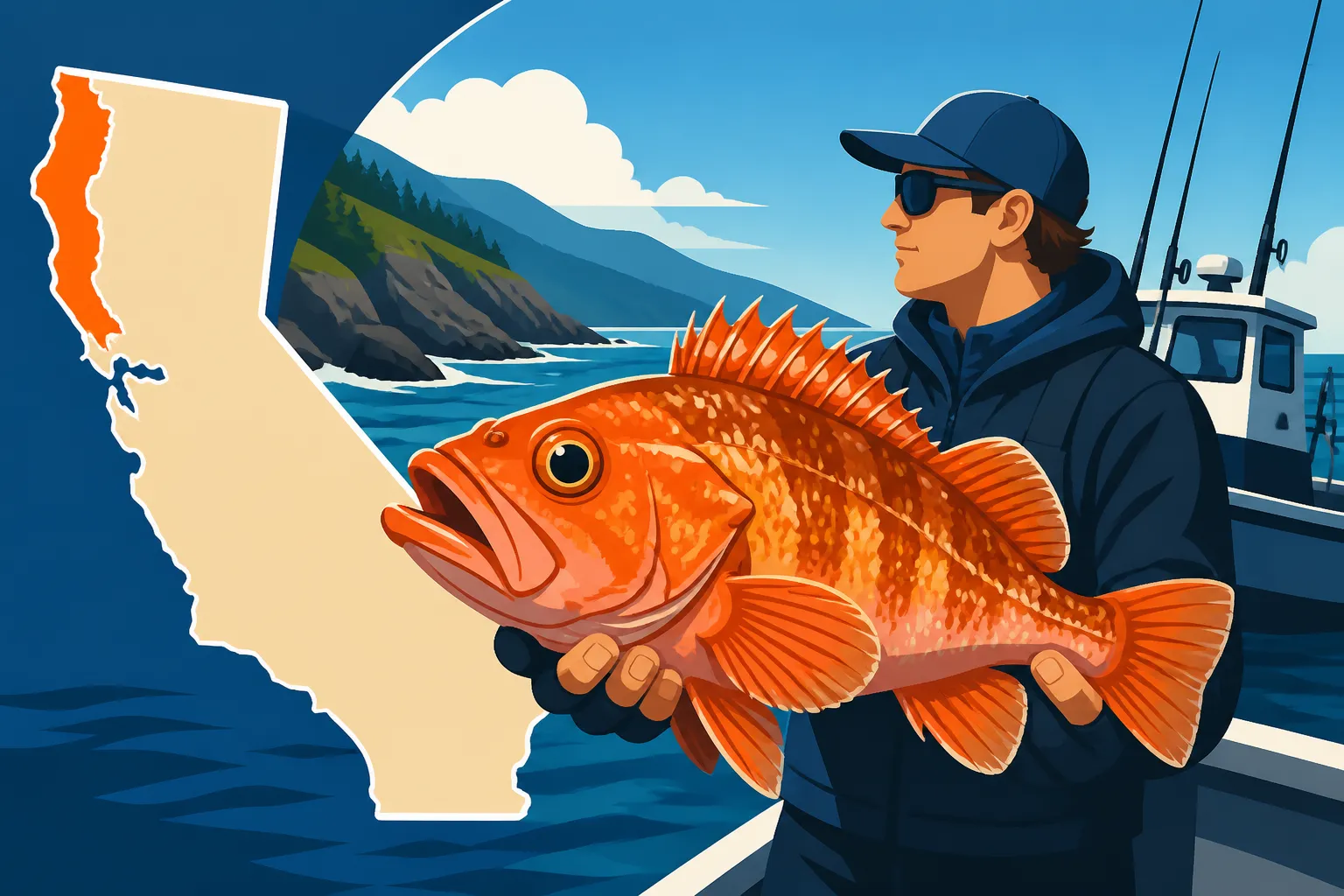
The North Coast Management Area for groundfish, which includes rockfish, generally stretches from the California/Oregon border down to a specific latitude line at 40°10' North, which is near the iconic Cape Mendocino. This isn't just an arbitrary line; it marks a significant ecological transition and helps delineate distinct fishing communities and environmental factors. North of this line, the marine environment and fish stocks behave differently than areas further south, necessitating unique conservation strategies. So, if you're planning a trip out of Crescent City, Eureka, or Shelter Cove, you'll be operating under these specific NCMA regulations. It's a vast stretch of beautiful, often wild, coastline, and the rules are designed to protect its unique marine life.
Why Regional Regulations Are Necessary
You might wonder why we can't just have one set of rules for the entire state. The reality is, ocean ecosystems are incredibly complex and varied. What works for protecting fish populations off San Diego might not be effective for the waters off Humboldt County. For instance, cold-water upwellings, habitat types (like rocky reefs vs. sandy bottoms), and the historical fishing pressure can differ dramatically from one region to another. Rockfish, in particular, are numerous species with varying life histories and vulnerabilities. The CDFW and federal agencies, like the National Oceanic and Atmospheric Administration (NOAA) Fisheries, work together to implement these nuanced rules to prevent overfishing and help depleted stocks recover. It's a constant balancing act, and these regional rules are a key part of that ongoing effort. Without them, we'd quickly see a decline in some of our favorite species, which none of us want.
General Requirements for Rockfish Anglers
Even before you cast a line for rockfish in the North Coast Management Area, there are some fundamental requirements every angler needs to have in order. Forgetting these basics can lead to hefty fines, and trust me, that's a surefire way to spoil a great day on the water.
California Fishing License
This might seem obvious, but it's the absolute first thing you need. Any person 16 years of age or older must possess a valid California Sport Fishing License to fish for finfish, including all species of rockfish, in ocean waters. You can purchase these licenses online through the CDFW website, at authorized license agents like bait and tackle shops, or at many sporting goods stores. It's an annual license, but short-term options like a (California One-Day Fishing License) or a(California Two-Day Fishing License) are available if you're just visiting or planning a quick trip. Always make sure your license is current and with you, whether it's a physical copy or stored digitally on your phone via the CDFW app.
Necessary Report Cards
While rockfish don't require a dedicated report card like some other species such as salmon or sturgeon, you'll want to be aware of other species you might incidentally catch or target simultaneously. For example, if you plan to target Lingcod, which are often caught while rockfishing, their harvest falls under the general groundfish regulations, not a separate card. However, always double-check the latest regulations because requirements for specific species can change. If you plan on fishing for Dungeness crab or spiny lobster in addition to rockfish, you would need specific report cards for those. It's important to understand the California Fishing Report Cards Explained in general.
Gear and Hook Regulations
California has specific gear requirements, especially for ocean fishing. For finfish, including rockfish, you are generally required to use barbless hooks when fishing in the ocean. This regulation is primarily in place to minimize harm to fish that are caught and released, increasing their chances of survival. You can either buy hooks that are already barbless or easily crimp down the barb on your existing hooks with a pair of pliers. This simple step is critical for conservation and compliance. Additionally, while not strictly gear-related, understanding California Marine Protected Areas Explained and their restrictions on fishing methods is vital, as you might find yourself near or in one during your rockfishing adventures.
Specific North Coast Rockfish Regulations
Alright, this is where the rubber meets the road! The North Coast Management Area has particular rules that differ from other parts of the state. Knowing these specifics will keep you on the right side of the law and help preserve these incredible fish for future generations.
Rockfish Season Dates
The rockfish season in the North Coast Management Area (from the Oregon border to 40°10' N latitude) is often one of the most variable and sometimes the most restrictive in California. Seasons are set annually, and sometimes even adjusted mid-year, based on stock assessments and federal management guidelines for Groundfish. This means you absolutely cannot rely on last year's season dates.
For the most up-to-date information, you must consult the official CDFW ocean sport fishing regulations, typically found in the annual sport fishing regulations booklet or on their website. As an example, in some recent years, the recreational season for boat-based groundfish in the NCMA (which includes rockfish, cabezon, and greenling) has been severely limited, sometimes only open for a few months in the spring or summer, and potentially closed entirely for certain years or species. Always check the current year's California Rockfish Season Dates Explained for the North Coast. It's the best way to avoid a disappointing trip or, worse, a violation.
Bag and Possession Limits
The North Coast has a general bag limit for rockfish, but it also has specific sub-limits for certain species, which can be confusing. Here’s a breakdown:
- General Rockfish Aggregate Limit: In most years, the daily bag limit for rockfish (excluding lingcod, cabezon, and greenlings) is 10 fish in any combination. This means you can catch up to 10 rockfish in total, but you need to be mindful of individual species limits within that aggregate.
- Specific Species Limits:
- Cabezon: Often a sub-limit of 3 fish, with a minimum size of 15 inches.
- Greenlings (Kelp and Rock): Often a sub-limit of 2 fish, with a minimum size of 12 inches.
- Lingcod: Generally a sub-limit of 2 fish, with a minimum size of 22 inches. These are often targeted alongside rockfish, so knowing their California Lingcod Regulations and Limits is crucial.
- Bocaccio: There might be a sub-limit for Bocaccio, often 2 or 3 fish, within your 10-fish aggregate. Bocaccio are a key component of the rockfish fishery and are often subject to specific management due to past stock concerns.
- Yelloweye Rockfish: This species is prohibited from retention and must be immediately released if caught. They are easily identifiable by their bright orange-red color and bright yellow eyes. If you catch one, handle it carefully and release it using a descending device to improve its survival chances.
It's vital to identify your catch quickly. Sometimes, inexperienced anglers struggle with How to Identify California Rockfish Species, and mistakenly keeping a prohibited fish or exceeding a sub-limit can lead to serious penalties.
Size Limits
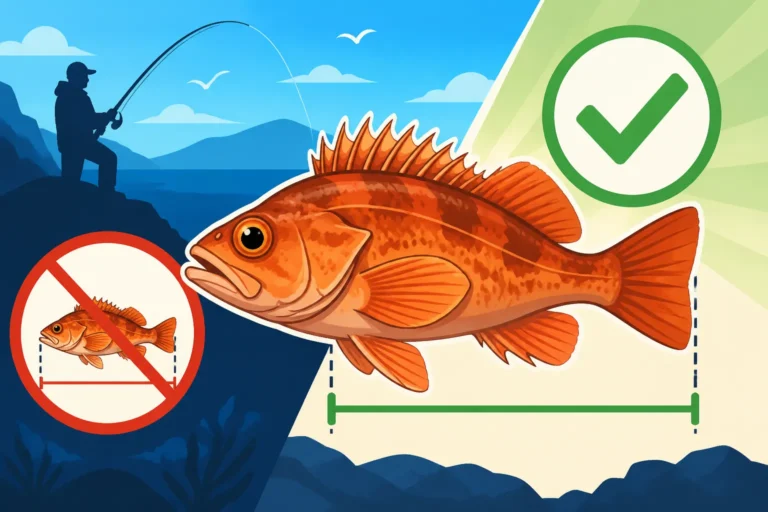
Beyond bag limits, certain species have minimum size requirements. This means even if you're within your bag limit, if the fish doesn't measure up, it must be released.
- Lingcod: As mentioned, the minimum size is typically 22 inches.
- Cabezon: Minimum size is generally 15 inches.
- Greenlings (Kelp and Rock): Minimum size is usually 12 inches.
Always measure your fish immediately upon catching it. The best practice is to have a measuring device readily available on your boat. If a fish is undersized, release it gently and quickly, preferably using a descending device, especially if caught from deeper water.
Depth Restrictions and Rockfish Conservation Areas (RCAs)
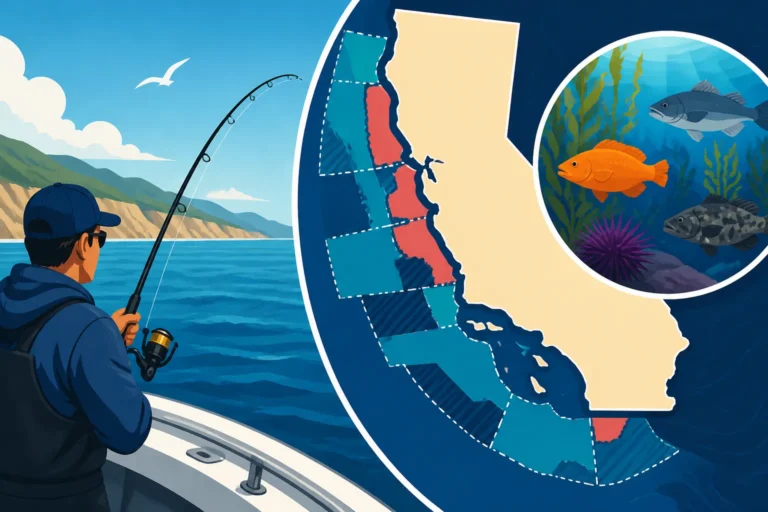
This is perhaps the most complex and critical regulation for rockfishers, particularly in the North Coast Management Area. The Rockfish Conservation Area (RCA) is a federally established zone that prohibits the take of groundfish (including most rockfish) within specific depth ranges. The boundaries of the RCA are defined by lines connecting specific latitude/longitude waypoints, creating a complex zigzag pattern.
In the NCMA, these depth restrictions have historically been very strict and often quite shallow compared to other areas. For example, in certain years, the RCA in the NCMA might prohibit fishing for groundfish deeper than, say, 100 feet or even shallower, like 60 feet. The exact depth line can change, and it's not a simple contour line on a chart. It's a series of waypoints that essentially create an offshore boundary.
Why are RCAs so important? Many rockfish species, particularly the longer-lived, deeper-dwelling varieties, are highly susceptible to barotrauma when brought up from deep water. Even if released, their chances of survival are low without proper descending devices. The RCA is designed to protect these vulnerable populations by restricting access to their deeper habitats.
How do you comply?
- Get a good chartplotter/GPS: This is non-negotiable. You need to be able to plot the RCA waypoints accurately on your navigation device. Many modern marine electronics come pre-loaded with these zones, but always verify them with the latest CDFW maps.
- Know your depth: Always be aware of your current depth.
- Use up-to-date maps: Navionics, C-MAP, or official NOAA charts can be invaluable. Always confirm the data with current CDFW regulations.
- Stay informed: The RCA boundaries and associated depth limits can change annually. The CDFW website is your primary source for the most current information.
Prohibited Species and Release Requirements
Beyond the size and bag limits, some species of groundfish are completely off-limits for retention. The most prominent example in the rockfish family is the Yelloweye Rockfish. These fish are critically endangered, and their retention is strictly prohibited. If you catch one, you must release it immediately.
Furthermore, if you are fishing in waters where descending devices are required (which is common for rockfish), you must use one to return fish that you cannot retain to the depth of capture. This greatly increases their survival rate. Organizations like the Reef Check Foundation even offer free descending devices at certain events. Having a quality descending device onboard is not just a good idea for conservation; it's often a legal requirement.
Table: North Coast Rockfish Regulations Snapshot (Always Verify Current Year)
Here’s a general overview of common regulations for the North Coast Management Area (Oregon Border to 40°10' N). Please remember, these change frequently, so always check the latest CDFW regulations before heading out.
| Regulation Category | General Rule (Oregon Border to 40°10' N) | Important Notes |
|---|---|---|
| Fishing License | Required for all persons 16 years and older. | Purchase online (CDFW), tackle shops. Keep it with you. |
| Report Cards | Not specifically for rockfish, but required for Dungeness crab, spiny lobster, salmon, or sturgeon if targeting. | Always check if additional species-specific cards are needed for other catches. |
| Hook Type | Barbless hooks required for all finfish in ocean waters. | Crimp down barbs if using barbed hooks. Improves survival of released fish. |
| Season | Highly variable; typically limited months. | CRITICAL: Varies annually and can change mid-season. Check current CDFW regulations (website or booklet) immediately before each trip. |
| General Rockfish Bag Limit | 10 fish in aggregate (any combination of non-prohibited rockfish species). | Excludes Lingcod, Cabezon, Greenlings, and prohibited species. |
| Cabezon Limit | 3 fish, 15-inch minimum size. | Counts towards your 10-fish aggregate. |
| Greenling Limit | 2 fish, 12-inch minimum size. | Counts towards your 10-fish aggregate. |
| Lingcod Limit | 2 fish, 22-inch minimum size. | Does NOT count towards your 10-fish rockfish aggregate. Special care needed for handling and release due to their predatory nature. Understand California Lingcod Season and Limits. |
| Bocaccio Limit | Often 2-3 fish. | This sub-limit applies within the 10-fish aggregate. Check current year for exact number. |
| Prohibited Species | Yelloweye Rockfish (must be immediately released). | Use a descending device for release. Handle carefully to minimize stress. Identify carefully – bright orange-red body, bright yellow eyes. |
| Depth Restriction (RCA) | Varies annually, often shallow (e.g., 60-100 feet). | ESSENTIAL: No groundfish fishing allowed seaward of specific coordinates defining the Rockfish Conservation Area. Use GPS/chartplotter with current RCA waypoints. Always verify current depth limits and coordinates. Consult California Rockfish Depth Restrictions for maps and waypoints. |
| Descending Device | Recommended, often required if fishing in waters deeper than a certain threshold (e.g., 50 feet). | Increases survival of released fish. |
Understanding the Importance of Descending Devices
Rockfish, especially those caught from deeper water, often suffer from barotrauma when rapidly brought to the surface. Their swim bladder expands, pushing their organs out and making it impossible for them to swim back down. A descending device, essentially a weighted clamp or bar that attaches to the fish's lip and rapidly lowers it back to the depth of capture, is a game-changer for conservation. It allows the fish's swim bladder to recompress, dramatically increasing its survival chances. Many modern devices are easy to use and can be purchased at most tackle shops or online at retailers like . Given the strict regulations and potential for incidental catches of prohibited species like Yelloweye Rockfish, having one on board is not just smart; it's often mandated for good reason.
Staying Current with Regulations
The biggest frustration for many California anglers is the constant evolution of fishing regulations. It feels like every year there's a new tweak, a new closure, or a new depth restriction. But there are ways to stay on top of it all and avoid potential pitfalls.
Official CDFW Resources
Your absolute best friend for staying updated is the California Department of Fish and Wildlife (CDFW) website. They publish the official annual sport fishing regulations booklet, and more importantly, they issue frequent "News Releases" and "Ocean Sport Fishing Updates" that detail any in-season changes. I can't stress this enough: check their website, especially the marine region section, before every trip. These aren't suggestions; they are the law. It’s also wise to check the federal NOAA Fisheries website, as many groundfish regulations originate at the federal level before being implemented by the state.
Local Bait Shops and Fishing Forums
While official sources are paramount, local knowledge is invaluable. Pop into a local bait and tackle shop in towns like Eureka or Fort Bragg. The folks working there are often avid anglers themselves, fishing those same waters, and they're usually the first to hear about subtle changes or local nuances. They can also offer tips on what's biting and where. Online fishing forums dedicated to California fishing can also be a good source of information, though always cross-reference anything you hear on a forum with official CDFW channels. These communities are great for asking questions, learning about California Fishing Regulations by Region, and sharing experiences.
Using the CDFW App
The CDFW now offers a mobile app that can be incredibly useful. While it might not always have the very latest in-season changes immediately updated, it's a handy tool for quickly referencing regulations, checking licensing status, and even reporting your catches for certain species. It's a great companion to the official website and physical regulations booklet. It simplifies checking California Fishing License Guide information and other essential details on the go.
Planning Your North Coast Rockfishing Trip
Now that you're armed with the regulatory knowledge, let's talk about actually getting out there. The North Coast offers some spectacular rockfishing opportunities, from towering cliffs to hidden reefs, but it requires careful planning.
Best Times and Conditions
The rockfish season on the North Coast can be notoriously short, so timing is everything. Once the season opens, typically in late spring or summer, you want to hit the water when conditions are favorable. Look for calm seas and light winds, as the North Coast can get notoriously rough, especially around headlands like Cape Mendocino. Always check marine forecasts before you head out. Good resources include NOAA Marine Forecasts and local weather channels. The best fishing often occurs on incoming or outgoing tides, which can concentrate baitfish and make rockfish more active.
Essential Gear and Tackle
For North Coast rockfishing, you’ll want a robust setup.
- Rods & Reels: A medium-heavy to heavy conventional rod (7-8 feet) paired with a reel spooled with 50-80 lb braided line is common. Brands like Penn, Shimano, or Daiwa are popular choices for their durability.
- Terminal Tackle: You'll be fishing near structure, so expect to lose some gear. Bring plenty of lead weights (6-16 oz, depending on current and depth), heavy-duty swivels, and a variety of hooks (barbless, size 4/0 to 8/0). Pre-tied dropper loops or California rockfish rigs are highly effective.
- Bait & Lures: Popular baits include squid, anchovies, and cut mackerel. For artificial lures, try heavy metal jigs (like those from Salas or Shimano Butterfly jigs), large grub-tail plastics (e.g., those from Berkley Gulp!), or swimbaits. Darker colors tend to work well in deeper, darker waters. For more general advice, check out Best Fishing Techniques for California Waters.
- Safety Gear: Beyond your fishing gear, safety is paramount on the North Coast. Always carry a VHF radio, flares, a first-aid kit, and enough life vests for everyone on board. The water is cold, and conditions can change quickly.
Choosing Your Spot
The North Coast is dotted with countless rocky outcroppings, reefs, and pinnacles that hold rockfish. When you're fishing out of Eureka, areas around the jetties or offshore reefs are popular. Further south, places near Shelter Cove or Fort Bragg offer access to more rugged, remote spots. Look for areas on your fishfinder that show significant structure and bait balls. Remember to stay clear of the Rockfish Conservation Area. Many popular spots might be on the shallow side of the RCA line. Exploring Best Saltwater Fishing Spots in California or even Best Rock Fishing Spots in California can give you ideas, but always verify regulations for the specific area.
Fishing for rockfish in the North Coast Management Area can be an incredibly rewarding experience. These waters are teeming with diverse species, offering some fantastic angling opportunities. By taking the time to understand and adhere to the specific regulations, you'll not only enhance your chances of a successful and legal trip but also contribute to the conservation of these vital marine resources for future generations of anglers.
Disclaimer
The information provided in this guide is for general informational purposes only and is based on typical regulations and public information available at the time of writing. Fishing regulations in California, especially for ocean species like rockfish, are subject to frequent changes by the California Department of Fish and Wildlife (CDFW) and federal agencies. It is the angler's sole responsibility to consult the most current and official CDFW sport fishing regulations booklet or their website immediately prior to any fishing trip to ensure compliance. Failure to do so may result in fines or penalties.