How to Catch Lake Trout in California
Many anglers dream of battling a trophy fish, but when it comes to chasing Lake Trout in California, also known as Mackinaw, it can feel like you're searching for a ghost in the depths. These powerful, cold-water predators are notoriously elusive, often hiding in the deepest parts of our vast reservoirs and lakes, making them a true challenge to locate and entice. If you've been struggling to connect with these magnificent fish, you're not alone; this comprehensive guide will equip you with the knowledge, gear, and techniques you need to unlock the secrets of catching Lake Trout in California.
Understanding California's Lake Trout: The Elusive Mackinaw
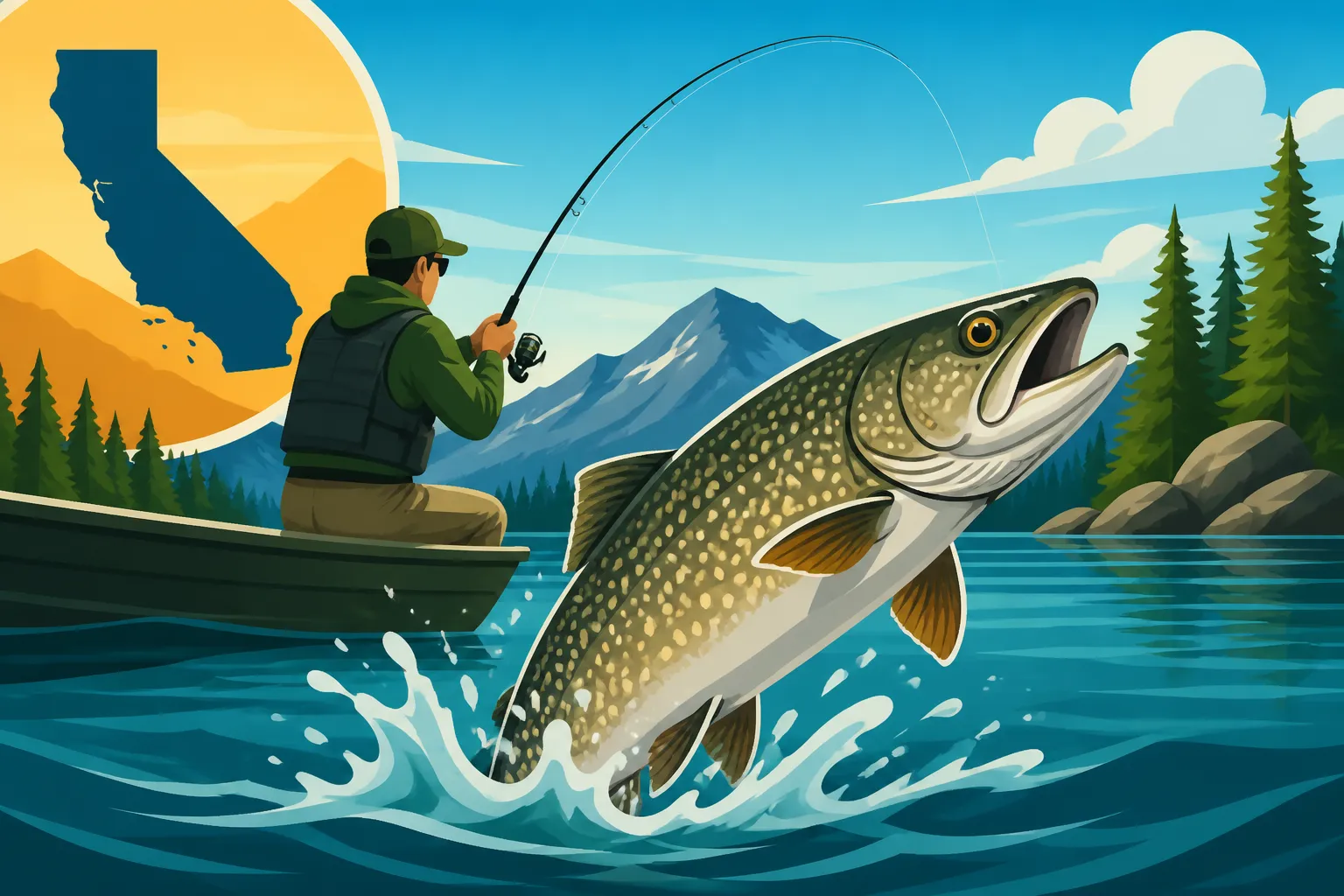
Ah, the Mackinaw! Just the name conjures images of deep, clear lakes and a formidable fight. Lake Trout, or Salvelinus namaycush for those who like to get scientific, aren't actually native to California. They were introduced to several of our larger, colder, and deeper bodies of water, primarily as a sport fish, and they've thrived, growing to impressive sizes. But don't mistake them for your average rainbow or brown trout. These are a different breed entirely, demanding a whole new approach.
Lake Trout vs. Other Trout Species in California
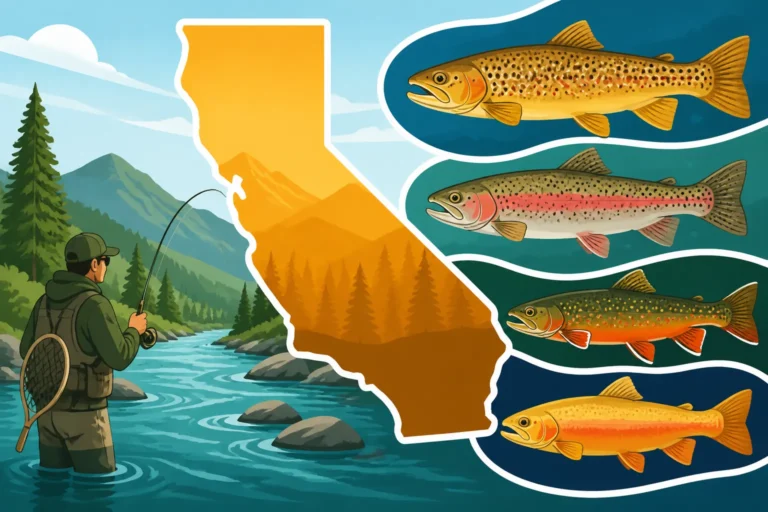
It's easy to lump all trout into one category, but Lake Trout are distinct from their rainbow, brown, and brook trout cousins. For starters, they're typically much larger, with some specimens in California's top lakes exceeding 20 or even 30 pounds, though these are truly trophy fish. Their coloration is usually a dark green or gray with light spots, often blending seamlessly into the rocky, deep environments they inhabit. Unlike many other trout that might cruise shallower waters, especially during certain seasons, Mackinaw are fundamentally a deep-water species, preferring the cold, oxygen-rich zones far beneath the surface.
Beyond their size and appearance, their behavior sets them apart. While a rainbow trout might readily strike a Kastmaster in the shallows, a Lake Trout is often less aggressive, more methodical, and much harder to fool. They are apex predators in their ecosystems, feeding on smaller fish like kokanee salmon, baitfish, and even other smaller trout. This piscivorous diet means your bait and lure choices need to reflect what they naturally hunt in those dark, cold depths.
Preferred Habitats and Behaviors of Lake Trout
Lake Trout are cold-blooded creatures in the truest sense; they absolutely thrive in chilly, well-oxygenated water. This is why you'll find them predominantly in our deepest, clearest high-elevation lakes and large reservoirs. Think about places like Lake Tahoe, Donner Lake, or even certain parts of Mammoth Lakes' basin. During the warmer months, as surface temperatures rise, Mackinaw retreat to the thermal refuge of the deep, often congregating around underwater structures like rock piles, ledges, submerged islands, and steep drop-offs. They use these features for ambush points, waiting for unsuspecting prey to swim by.
Their behavior also changes with the seasons. In the dead of winter or early spring, when the entire water column is uniformly cold, they might venture into slightly shallower waters, sometimes even near shore. However, as the lake stratifies with warmer surface layers, they go deep, often deeper than 100 feet, sometimes much deeper in places like Lake Tahoe. They're not always actively cruising; sometimes they'll "suspend" over deep water, patiently waiting, making them even harder to pinpoint without good electronics.
Identifying Prime Lake Trout Waters
Finding Lake Trout is often about finding the right kind of water. Beyond just depth and cold temperatures, clarity is key. Mackinaw prefer clear water, which allows them to use their keen eyesight to hunt. Lakes with abundant forage, particularly kokanee salmon or other pelagic baitfish, are ideal. If a lake holds a strong population of kokanee, chances are it's also a good place to find healthy, large Lake Trout. They follow these baitfish schools, moving vertically in the water column as their prey moves.
When scouting a new location, look for maps that show significant depth contours, underwater structures, and drop-offs. Areas where a shallow flat suddenly plunges into a deep trench are classic Mackinaw haunts. Also, pay attention to the thermocline—the layer where water temperature changes rapidly. Lake Trout often hang just above, below, or within this layer, finding their ideal temperature and oxygen levels. Local fishing reports and discussions with bait shop owners, who often have the most up-to-date intel, are invaluable for pinpointing active zones.
Essential Gear and Tackle for Pursuing Mackinaw
Chasing Lake Trout isn't like bass fishing with a light spinning rod. These are powerful, often large fish that inhabit deep water, so your gear needs to be up to the task. Skimping on tackle will lead to lost fish, frustration, and perhaps even lost lures. Investing in the right equipment makes all the difference when you're targeting these deep-dwelling giants.
Rods, Reels, and Line: Building Your Foundation
For rods, you'll want something with a good backbone but a sensitive tip. A medium-heavy to heavy power rod, typically 7 to 8 feet long, is ideal for both trolling and jigging. Graphite composite rods offer a good balance of strength and sensitivity. Many dedicated Lake Trout anglers use downrigger rods for trolling, which have a softer tip to absorb the shock of the downrigger release, but still plenty of power to fight a big fish. When jigging, a shorter, more powerful rod (around 6'6" to 7'6") with a fast action helps impart action to your lure and detect subtle bites in deep water.
Reels should be robust, with a smooth, powerful drag system. For trolling, a level-wind conventional reel is preferred, often spooled with heavier line and capable of handling longer fights. Brands like Penn, Shimano, or Daiwa offer excellent options. When jigging, a high-quality spinning reel in the 4000-6000 size range or a smaller conventional reel offers the control and power needed. The drag is paramount here; a sticky or weak drag will quickly lose a big Mackinaw.
Line choice is critical. Braided line is almost universally preferred for its minimal stretch, which provides superior sensitivity and hooks-sets in deep water. A 30-50 lb test braid is a good starting point. You'll want to add a fluorocarbon leader of 15-25 lb test, typically 6-10 feet long, tied to your braid with a strong knot like an FG or Albright. Fluorocarbon is nearly invisible underwater and is abrasion-resistant, essential when fishing around rocky structures. You can find excellent quality braided lines and fluorocarbon leaders on platforms like Amazon, making it easy to stock up.
Lures, Baits, and Scent: What Gets Their Attention
This is where the fun begins, and where you'll find endless debate among Mackinaw enthusiasts. Lake Trout are primarily piscivores, meaning they eat other fish, so your lures should mimic their natural prey.
For Trolling:
- Spoons: Classic trolling spoons like the Shasta Tackle Sling Blade, Sep's Strike Master, or Apex Kokanee Killer are incredibly effective, especially when paired with an dodger or flasher. The flash and wobble imitate an injured baitfish.
- Plugs/Stickbaits: Large crankbaits and diving plugs that can get down deep, or be pulled deep with a downrigger, are excellent. Brands like Rapala (Deep Husky Jerks, Magnum series), or Brads Killerfish can be very productive.
- Grub Tails/Tubes: Tipped with bait, these can be deadly when slow-trolled or even drifted. White, pearl, and chartreuse are popular colors.
For Jigging:
- Vertical Jigs: Heavy metal jigs (2-6 oz) like P-Line Laser Minnows, Luhr Jensen Crippled Herring, or larger Kastmasters are staples. Drop them to the bottom, reel up a few cranks, and impart sharp snaps and pauses.
- Tube Jigs: Soft plastic tube jigs, often 4-6 inches long, fished with a heavy jig head, are incredibly effective. White, glow-in-the-dark, and natural baitfish colors are great.
- Blade Baits: Vibrating blade baits like a Sebile Vibe or a Johnson Thinfisher can also draw strikes.
Bait:
Often, lures are tipped with a small piece of bait to add scent and appeal. Popular choices include pieces of anchovy, sardine, or a piece of a Mackerel filet. Some anglers even use scented soft plastics like PowerBait or Gulp! to enhance their presentation. Scent is a game-changer, especially in deep, dark water. Apply a strong fish attractant like Pro-Cure or Mike's Lure Oil to your lures and baits. You'll find a massive selection of these specialized lures and scents for Lake Trout on Amazon, often at competitive prices.
Electronics and Accessories for Deepwater Success
When you're fishing in 100+ feet of water, you're essentially blind without electronics. A high-quality fish finder/chartplotter combination is not just an accessory; it's a necessity. Look for units with CHIRP sonar technology, which provides superior target separation and clarity, allowing you to distinguish individual fish from bait balls and structure. Side-imaging or down-imaging capabilities are also incredibly helpful for mapping underwater topography and locating suspended fish away from the boat. Garmin and Lowrance offer excellent marine electronics that are widely trusted by serious anglers.
Beyond your fish finder, a few other accessories are critical:
- Downriggers: For effective deepwater trolling, downriggers are indispensable. They allow you to present your lures at precise depths, far below the boat, and are absolutely essential for reaching the depths where Mackinaw often hold. Manual or electric models are available, with electric ones being a huge convenience for frequent depth changes.
- Planer Boards: While less common for the deepest Mackinaw, in some situations or shallower feeding frenzies, planer boards can help spread out your lines when trolling, covering a wider area.
- Rod Holders: Sturdy, adjustable rod holders are a must for trolling. You'll often have multiple rods out, and a good holder will keep your expensive gear secure.
- Net: A large, sturdy landing net with a deep, rubberized mesh is essential for landing big Lake Trout, protecting both the fish and your hooks.
- Release Tool: If you're planning on catch-and-release, a de-hooker or long-nose pliers will minimize handling time and increase the fish's survival chances.
Mastering Techniques to Catch California Lake Trout
Catching Lake Trout consistently means understanding their habits and adapting your approach. These aren't just cast-and-retrieve fish; they require patience, precision, and the right technique for the conditions. Let's dive into the most effective methods for targeting Mackinaw in California.
Deepwater Trolling: Covering Water Effectively
Trolling is arguably the most popular and effective method for covering large expanses of water and locating Lake Trout, especially in vast lakes like Tahoe or Shasta. The key is to present your lure at the exact depth where the fish are holding, and often, that's incredibly deep. This is where your downriggers become your best friend.
You'll typically rig your lure (spoon, plug, or grub) about 10-50 feet behind a release clip on your downrigger cable, then lower the cannonball to the desired depth. Vary your lure type, color, and leader length until you find what the fish are responding to. A dodger or flasher ahead of your lure can add significant attraction, mimicking a school of baitfish and creating vibrations that draw fish in. Common trolling speeds for Lake Trout range from 1.5 to 3.0 mph, but don't be afraid to experiment. Sometimes a subtle change in speed can trigger a strike. Zig-zagging or making wide turns can also vary the lure's action and depth, often provoking a reluctant fish. Keep a close eye on your fish finder; if you mark fish at a certain depth, adjust your downrigger to present your lures right in their strike zone. Many successful anglers looking to expand their trolling arsenal find a wealth of options for specialized lures and downrigger accessories on Amazon.
Jigging for Mackinaw: Vertical Presentation
When Lake Trout are schooled up or holding tight to structure in deep water, jigging can be incredibly effective. This technique requires good boat control and precise depth management. Using your fish finder, locate schools of fish or interesting underwater structure like ledges, humps, or rock piles. Position your boat directly over them.
Drop a heavy vertical jig or a tube jig (tipped with bait, remember!) straight down to the bottom. Once it hits, reel up a few cranks to keep it off the snags. Now, impart action: lift the rod tip sharply 1-3 feet, then let the lure flutter back down on a semi-slack line. Most strikes occur on the fall, so watch your line intently for any hesitation or twitch. Vary the rhythm, pause durations, and height of your lifts. Sometimes a subtle twitch is all it takes; other times, an aggressive yo-yo motion is needed. If you're not getting bites on the bottom, try jigging 10-20 feet above structure, as Mackinaw will often suspend to ambush prey. This technique is often more active and requires a more hands-on approach than trolling, but the rewards can be huge.
Still Fishing and Bait Rigs: Patience Pays Off
While less common for actively searching, still fishing with bait can be a highly productive method, especially when you've located a concentration of fish and want to present a natural offering. This technique works well from a boat anchored over structure, or even from shore in areas where deep water is accessible, such as certain piers on Lake Tahoe.
A common setup involves a sliding sinker rig: a heavy sinker (1-4 oz, depending on depth and current) slides freely on your main line, tied to a swivel. Below the swivel, attach a fluorocarbon leader (3-6 feet long) to a circle hook or J-hook. Bait your hook with a whole or half anchovy, sardine, or a substantial piece of mackerel. Lower your bait to the bottom, then reel up a foot or two to keep it out of the muck. The sliding sinker allows the fish to pick up the bait without feeling immediate resistance, which can be key for finicky Mackinaw.
Using a rod holder and letting the rig sit can be effective, but remember to pay attention to your rod tip. Lake Trout bites can sometimes be very subtle, a gentle tap or just added weight. When using circle hooks, simply reel into the fish rather than setting the hook hard. This technique requires patience, but for a stationary school of fish, it can be incredibly rewarding. This approach can be particularly relaxing, allowing you to enjoy the scenery while waiting for that tell-tale tug.
Timing Your Pursuit: Seasons and Conditions for Lake Trout
Just like us, fish have preferences, and Lake Trout are no different. Understanding when and where they'll be most active and accessible can dramatically increase your chances of success. It's not just about the month; it's about water temperature, weather patterns, and even the time of day.
Seasonal Patterns: Spring, Summer, Fall, and Winter
- Spring (March – May): As ice melts (if applicable) and water temperatures begin to rise but remain cold throughout the water column, Lake Trout can be found in shallower waters than during the peak summer. This is an excellent time for both trolling and jigging, sometimes even in depths of 30-80 feet. They are often active, feeding heavily after the lean winter months. Target areas near spawning grounds of other fish species, as Mackinaw will be looking for an easy meal.
- Summer (June – August): This is when Lake Trout retreat to their deepest haunts. The thermocline sets up, and you'll find them concentrating in the coldest, most oxygenated water, often 80-200+ feet deep. Trolling with downriggers is the dominant strategy. Focus on areas with significant depth changes, submerged structures, and where you mark schools of baitfish like kokanee. Early mornings and late evenings can be slightly more productive as they might venture a little shallower to feed.
- Fall (September – November): As surface waters cool and the lake begins to "turn over," Lake Trout may become more active and start to move to shallower depths again, similar to spring. This can be a fantastic time for both trolling and jigging, as they feed aggressively in preparation for winter. The fall bite can be some of the best fishing of the year, particularly for larger fish. They can be found from 50 to 150 feet, depending on how far the water has cooled.
- Winter (December – February): In lakes that don't freeze over (like Lake Tahoe), Lake Trout remain catchable. The entire water column is cold, so they can be anywhere from fairly shallow (30-60 feet) to very deep. Ice fishing is also an option in certain high-elevation lakes where safe ice forms. Jigging through the ice or slow-trolling from a boat are effective methods during this cold season. Bites can be subtle, so sensitivity is key.
Best Times of Day and Environmental Factors
For most of the year, especially outside of the dead of winter, the prime time for Lake Trout fishing is typically early morning (dawn to a few hours after sunrise) and late afternoon/evening (a few hours before sunset). During these periods, light levels are lower, and baitfish are often more active, drawing the Mackinaw out to feed. During midday in summer, they tend to go even deeper and become less active.
Environmental factors play a huge role:
- Cloud Cover: Overcast days can extend the productive bite window, as lower light levels make fish feel more comfortable ranging shallower or staying active longer.
- Wind: A light chop on the water can be beneficial, breaking up the surface and making your boat less visible to the fish. However, strong winds make boat control difficult, especially for jigging.
- Barometric Pressure: Many anglers believe that stable or rising barometric pressure tends to lead to more active fish, while rapidly falling pressure (often before a storm) can make them lethargic.
- Water Temperature: This is the most critical factor. Lake Trout prefer water temperatures between 45-55°F (7-13°C). Your fish finder's temperature gauge is invaluable for identifying where this optimal temperature band is located in the water column.
Understanding these seasonal and daily patterns, combined with real-time conditions, will help you decide when to fish and how to approach your target depth. Check a local California Fishing Report Card for real-time conditions.
Top California Destinations for Lake Trout Fishing
California is blessed with an incredible variety of fishing opportunities, and while Lake Trout aren't everywhere, the lakes where they do reside offer some truly spectacular fishing. From iconic Sierra Nevada giants to hidden gems, there are plenty of places to test your Mackinaw prowess.
Iconic Northern California Lake Trout Spots
When you think of Lake Trout in California, one name immediately comes to mind: Lake Tahoe. This enormous, deep, and crystal-clear alpine lake is home to some of the largest Mackinaw in the state, with fish regularly caught in the 10-20 lb range and occasional monsters exceeding 30 lbs. The sheer size and depth of Tahoe (over 1,600 feet in places!) make it a challenging but incredibly rewarding destination. Dedicated Tahoe guides often fish depths from 100 to 300+ feet. If you're planning a trip, be sure to check out our detailed guide on the Lake Tahoe Fishing Guide.
Another prime Northern California destination is Donner Lake, located just west of Truckee. While smaller than Tahoe, Donner is still a deep, cold lake known for producing quality Mackinaw, often in the 5-15 lb class. It's a popular spot for both trolling and jigging, and its more manageable size can sometimes make fish easier to locate than in Tahoe.
Further north in the Eastern Sierra, Bridgeport Reservoir also holds a population of Lake Trout, though they tend to be smaller than Tahoe's giants. It's a great spot for those looking for a slightly less intimidating challenge, and it's surrounded by stunning scenery.
Southern California's Lesser-Known Mackinaw Haunts
While Northern California boasts the giants, Southern California still has a few spots where you can tangle with Mackinaw, though they are generally smaller and less abundant. Big Bear Lake, nestled in the San Bernardino Mountains, is perhaps the most well-known. While Big Bear is more famous for its bass and rainbow trout, it does have a resident population of Lake Trout, typically in the 2-8 lb range. These fish are usually targeted by deep trolling or jigging near the lake's deeper channels and structure.
Another potential, though less consistent, option can be found in some of the deeper, colder reservoirs in the higher elevations. These might not be advertised as Lake Trout destinations, but they sometimes surprise anglers who are specifically targeting them with deepwater tactics. Always check local regulations and fish species lists for any body of water you plan to fish, as species introductions and management strategies can change.
Regulations Specific to Lake Trout Waters
It's absolutely paramount to understand that Lake Trout regulations can vary significantly from statewide general regulations, especially in key Mackinaw fisheries like Lake Tahoe and Donner Lake. These lakes often have special regulations regarding bag limits, size limits, and even methods of take, designed to manage the population and maintain a healthy fishery. For instance, in Lake Tahoe, specific size and bag limits are in place to encourage the harvest of smaller Lake Trout (which are abundant and compete with native species) while protecting larger, trophy-sized fish.
Before you even think about dropping a line, make sure you consult the latest California Fishing Regulation Booklet Explained or the California Department of Fish and Wildlife (CDFW) website. Ignorance of the law is never an excuse, and violating these rules can lead to hefty fines and even confiscation of your gear. Also, remember that a valid California Fishing License Guide is required for anyone 16 years or older. Don't let a missed regulation ruin an otherwise perfect day on the water.
Here's a simplified table comparing common Mackinaw techniques and their ideal gear:
| Technique | Rod Type | Reel Type | Line (Main/Leader) | Key Lures/Bait | Optimal Depth | Notes |
|---|---|---|---|---|---|---|
| Deep Trolling | 7-8 ft Medium-Heavy Downrigger Rod | Conventional | 30-50 lb Braid / 15-25 lb Fluoro | Large Spoons, Plugs, Grubs (tipped with bait) | 80-300+ ft (with downrigger) | Ideal for covering large areas; requires downriggers. Vary speed and direction. |
| Jigging | 6'6"-7'6" Medium-Heavy to Heavy Spinning/Casting Rod | Spinning (4000-6000) or Small Conventional | 30-50 lb Braid / 15-25 lb Fluoro | Heavy Vertical Jigs, Tube Jigs (tipped with bait) | 50-250+ ft | Best over schools or structure; active technique. Watch for bites on the fall. |
| Still Fishing | 7-9 ft Medium-Heavy to Heavy Rod | Spinning or Conventional | 20-40 lb Mono or Braid / 15-25 lb Fluoro | Whole Anchovy, Sardine, Mackerel chunks | Bottom (or slightly off) | Good for anchored boats over known spots; patience required. Use a sliding sinker rig. |
California Regulations for Lake Trout Anglers
Navigating fishing regulations can feel like deciphering ancient hieroglyphs sometimes, and California is no exception. While the thrill of landing a big Mackinaw is undeniable, it's crucial to be a responsible angler. This means not only understanding but also strictly adhering to the rules set forth by the California Department of Fish and Wildlife (CDFW). Trust me, getting a ticket for an avoidable oversight is a sure way to ruin your day and your fishing budget.
Statewide Bag and Size Limits
First things first, remember that a valid California Fishing License Cost is a prerequisite for fishing in California waters if you're 16 years or older. Always carry it with you. For Lake Trout (Mackinaw), there isn't a single, simple statewide regulation that applies to every body of water. Instead, regulations are often specific to the lake or reservoir you're fishing.
However, as a general example, the default statewide bag limit for trout, which Lake Trout falls under, is typically 5 fish per day, with a possession limit of 10. But this is often superseded by special regulations in specific Lake Trout waters. For instance, in Lake Tahoe, the general bag limit for Lake Trout is usually 5 fish, with a size limit that encourages the take of smaller fish (e.g., under 16 or 17 inches) while allowing only one or two larger fish. The idea is often to manage the population, which can become overabundant and impact other species.
It's vital to know that these regulations can and do change seasonally and annually. The CDFW publishes a yearly sport fishing regulations booklet that details all these specifics. Think of it as your fishing bible for the year. Checking the CDFW website for specific lake regulations is always a smart move before heading out, especially for renowned Lake Trout fisheries.
Local Regulations and Special Considerations
This is where things get truly specific and where many anglers can get tripped up. Beyond the general statewide rules, many prime Lake Trout destinations, particularly those managed for specific outcomes (like trophy fish or population control), have their own unique sets of rules.
For example, Lake Tahoe Fishing Guide regulations are often a blend of California and Nevada rules since the lake spans both states. This can be complex, and you need to be aware of which state's regulations apply to your location on the lake. Don't assume that if it's legal on the California side, it's legal on the Nevada side, and vice-versa. Always carry both states' regulation booklets if you plan to fish the entire lake, or at least be familiar with the regulations for the specific area you're targeting.
Other factors to consider include:
- Boat Launch Inspections: Many Sierra Nevada lakes, including Tahoe and Donner, require mandatory boat inspections for invasive species. Failing to comply can result in fines or denial of launch access.
- Barbless Hooks: Some specific waters, or certain types of fishing, may require the use of barbless hooks to promote catch-and-release and reduce harm to fish. Always verify if this applies to your chosen Lake Trout spot.
- Specific Fishing Methods: Sometimes, certain methods of take (e.g., specific bait types, use of multiple rods, or specific tackle) might be restricted in certain areas. For example, some "special regulation waters" might have unique rules about lures or bait. You can usually find information on specific tactics in guides like the one on Best Fishing Techniques for California Waters.
- Report Cards: For some species in California, you might need a separate report card in addition to your fishing license. While Lake Trout doesn't typically require a species-specific report card like salmon or steelhead, it's a good reminder to always double-check all requirements before you hit the water. This also ties into knowing the difference between a California Fishing License vs Report Card.
The key takeaway here is: never assume. Always review the most current California Freshwater Fishing Regulations for the specific body of water you intend to fish. A few minutes of research before your trip can save you a lot of grief and ensure you're contributing to the sustainable management of these magnificent fish.
Disclaimer
Fishing regulations and conditions in California can change frequently. Always consult the latest California Department of Fish and Wildlife (CDFW) regulations booklet or website before heading out. This guide is for informational purposes only and does not constitute legal advice. Safe boating practices and responsible angling are encouraged at all times.