Steelhead in California: Where and How to Catch
Oh, the elusive steelhead! If you've ever dreamt of battling one of these incredible, chrome-bright beauties in California, you know it's a pursuit that can test the patience and skill of even the most seasoned angler. It's truly a special kind of fishing, often fraught with challenges from tricky river conditions to the sheer difficulty of finding these anadromous rainbow trout. This comprehensive guide is here to unravel the mysteries, pointing you to the prime locations and effective techniques that will boost your chances of a successful and rewarding steelhead encounter across the Golden State.
Understanding California Steelhead: Biology and Behavior
Before you can hope to hook into one of these magnificent fish, it really helps to understand who you're dealing with. California steelhead aren't just any trout; they're a unique, highly adapted form of rainbow trout that embark on an incredible journey, and knowing their life story is key to finding them.
The Life Cycle of an Anadromous Rainbow
The term "steelhead" refers specifically to the anadromous (sea-run) form of rainbow trout. This means they hatch in freshwater rivers and streams, migrate to the ocean to feed and grow, and then return to their natal freshwaters to spawn. It's a grueling round trip that makes them incredibly strong, resilient, and, frankly, a prized catch. Unlike salmon, steelhead aren't necessarily "one and done" after spawning; many can survive to return to the ocean and spawn again in subsequent years, though often fewer do.
When they're juveniles in the river, they're called "smolts" and look much like typical rainbow trout. They might spend anywhere from one to three years in the river before their bodies undergo a physiological change, allowing them to adapt to saltwater. This transformation, known as smoltification, is a critical stage. Once in the ocean, they grow rapidly, feeding on crustaceans, squid, and smaller fish, developing that distinctive silvery, "steel" coloration that gives them their name. After one to four years in the ocean, driven by instinct, they begin their arduous journey back upstream. They stop feeding once they enter freshwater, relying solely on their stored energy for the spawning migration and the act of reproduction. This is why a fresh-from-the-ocean steelhead is often called "chrome" – they're still bright, fat, and full of fight.
Steelhead Habitat and Migratory Patterns
Steelhead are creatures of cold, clear, well-oxygenated water. In California, their spawning habitats are generally found in coastal rivers and streams that flow directly into the Pacific Ocean or into major bays. They need clean, gravelly bottoms for their redds (nests) where the females lay their eggs and the males fertilize them. The presence of large woody debris, deep pools, and riffles offering both cover and feeding opportunities are crucial for all life stages in freshwater.
Their migratory patterns are largely driven by rainfall and water temperature. Most California steelhead runs are "winter-run," meaning they enter the rivers from late fall through spring, peaking with significant rainfall events that raise river levels and moderate water temperatures. These fresh flows act like a beacon, drawing them upstream. While "summer-run" steelhead exist in some parts of the Pacific Northwest, true summer steelhead populations are incredibly rare and largely extirpated in California, with most fish entering rivers in summer being half-pounders or resident rainbows. Understanding these seasonal influences is vital. For instance, a prolonged drought, a common challenge in California, can significantly impact their ability to migrate upstream, leading to delayed or reduced runs. The timing of your trip, therefore, often hinges on those crucial winter storms.
Prime Steelhead Fishing Locations in California
California is a big state with diverse fisheries, but when it comes to steelhead, certain rivers stand out as historic strongholds, offering the best opportunities for anglers. Each river presents its own unique character, challenges, and rewards.
North Coast Powerhouses: Klamath and Trinity Rivers
When most anglers think of California steelhead, their minds immediately drift to the wild rivers of the North Coast. The Klamath and Trinity Rivers are legendary, historically supporting some of the most robust steelhead runs in the state.
The Klamath River, a powerful and expansive waterway, has seen significant changes over the years, including the recent and monumental dam removal projects which are hoped to restore vast amounts of historical spawning habitat. It's a river with a rich history, shared by both recreational anglers and tribal communities whose heritage is deeply intertwined with its fish runs. Fishing the Klamath often means navigating larger waters, which can involve drift boats or rafts, allowing access to prime runs and riffles. Anglers here might target half-pounder steelhead (smaller, immature fish that return to freshwater after only a few months in the ocean) in late summer and fall, while the larger adult steelhead make their presence known during the winter months. You'll find a mix of wild and hatchery-origin fish, and knowing the regulations for each is critical.
The Trinity River, the largest tributary to the Klamath, is another jewel in California's steelhead crown. It's managed more intensely, with a significant hatchery influence from the Trinity River Hatchery, which aims to mitigate the impacts of dams on natural fish populations. The Trinity is renowned for its excellent winter steelhead runs, attracting anglers from all over. The river's varying flows, influenced by dam releases, require anglers to be adaptable, but it offers a fantastic mix of water types from classic swing water for fly anglers to ideal drift fishing sections for gear anglers. Access is generally good, with numerous public access points along its length, particularly around Lewiston, Junction City, and Willow Creek. Keep an eye on the California Steelhead Season Dates Explained to plan your trip effectively.
Central Coast Gems: Russian and Eel Rivers
Further south, California's Central Coast rivers also hold significant steelhead populations, offering a different angling experience, often closer to major population centers.
The Russian River, flowing through Sonoma and Mendocino Counties, is one of the most accessible and popular steelhead rivers. While it can receive heavy fishing pressure, especially during peak winter runs, it consistently produces fish. Its proximity to the San Francisco Bay Area makes it a favorite for weekend warriors. The river is known for its strong winter steelhead, which typically arrive with the first significant rain events of the season, usually from December through March. Anglers often target these fish using drift gear (roe, worms, or roe bags under a float) or by fly fishing with nymphs and egg patterns in the deeper pools and runs. It’s a rewarding river, but be prepared for company, especially on prime weekends. Make sure you’re aware of the specific rules for this system, which you can usually find detailed in the California Freshwater Fishing Regulations.
The Eel River, particularly its main stem and tributaries like the Van Duzen, historically boasted some of the largest steelhead runs in California. While damming and habitat loss have impacted these runs over the decades, the Eel is still an incredibly important system for wild steelhead and is undergoing significant recovery efforts. Fishing the Eel can offer a more remote and wild experience compared to the Russian. Access can be more challenging in some areas, but the reward is the potential for genuinely wild, ocean-bright steelhead. Winter is the primary season here, with fish pushing upstream after good rainfalls. Conservation is a huge part of fishing the Eel, with a strong emphasis on catch-and-release to protect and rebuild these precious wild stocks. Many anglers consider a wild Eel River steelhead to be among the ultimate prizes.
Southern California Steelhead: A Rare but Precious Sight
It might surprise some, but steelhead do exist in Southern California, though these populations are critically endangered and represent some of the most sensitive fisheries in the state. Rivers like the Santa Clara River, Malibu Creek, and portions of the San Gabriel River still support small, remnant populations.
Fishing for Southern California steelhead is not about bag limits; it's about preservation and the rare chance to witness a true survivor. These fish often face immense challenges from urbanization, habitat degradation, and limited freshwater flows. Most of these areas are strictly catch-and-release, often requiring barbless hooks and extreme care to ensure the fish's survival. Anglers who venture into these waters do so with a deep respect for the fish and a commitment to conservation. It's less about a "fishing trip" and more about an ecological pilgrimage. If you're considering fishing for them, be absolutely sure to consult the specific, often highly localized, regulations, as these areas are typically designated as special regulation waters to protect these fragile stocks. Even observing these fish can be a privilege, underscoring the importance of California Marine Protected Areas Explained and watershed health.
Essential Techniques and Tackle for California Steelhead
Catching a steelhead is often described as a puzzle, and having the right tools and knowing how to use them effectively are crucial pieces. Whether you prefer the elegance of fly fishing or the versatility of gear fishing, specific approaches will increase your odds.
Fly Fishing: The Classic Pursuit
For many, pursuing steelhead with a fly rod is the purest form of the sport. It demands skill, patience, and a deep understanding of river dynamics.
Spey Casting and Single-Hand Fly Rods:
When we talk about fly fishing for steelhead, two main approaches come to mind. For covering large rivers and making long casts, especially in windy conditions or when fishing from a drift boat, Spey casting with a two-handed rod is incredibly effective. This technique allows you to cast heavy fly lines and large flies with minimal effort, making repeated casts over the course of a day much less fatiguing. It's particularly well-suited for swinging flies through classic steelhead runs and deeper pockets. On the other hand, many anglers successfully use traditional single-hand fly rods, typically in the 7 to 9-weight range, from 9 to 10 feet long. These are excellent for nymphing under an indicator or casting smaller streamers in more intimate waters or when bank fishing. For fly lines, a weight-forward floating line with a heavy sinking tip is a common choice, allowing your fly to get down to the fish quickly.
Popular Flies and Techniques:
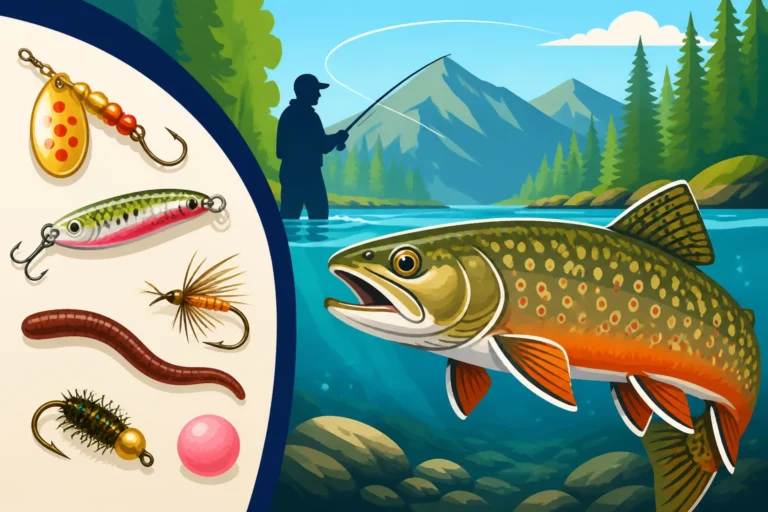
Steelhead are opportunistic feeders in freshwater, often striking out of aggression or instinct rather than hunger. Therefore, your fly selection needs to mimic local forage or simply annoy them enough to strike. For nymphing, popular patterns include Stoneflies (like the Pat's Rubber Legs or Kaufmann's Stone), Caddis larva, and various Mayfly nymphs. Egg patterns (roe imitations) are also incredibly effective, especially when fish are actively spawning or just after. For swinging flies, larger patterns like Intruders, Hoh Bo Speys, and various Marabou patterns in black, blue, purple, or pink can be deadly. When swinging, the idea is to present the fly to the fish at their depth, allowing it to drift and then "swing" across the current, enticing a strike. Indicator nymphing involves using a strike indicator to suspend your nymphs at the correct depth, allowing for a natural drift through runs and pools. For fly anglers, securing the right flies, like classic nymphs or egg patterns, is crucial, and many find excellent selections on Amazon, alongside high-quality fly lines.
Reading Water and Presentation:
Success in fly fishing for steelhead hinges on your ability to read the water. Look for seams where faster water meets slower water, the edges of deep pools, behind large rocks or logjams, and any areas that offer a break from the current. These are classic holding lies where steelhead conserve energy. Your presentation needs to be stealthy and natural. Avoid slapping the line on the water, and strive for a drag-free drift with nymphs or a controlled swing with streamers. These fish are incredibly sensitive to disturbance, so a quiet approach can make all the difference.
Gear Fishing: Versatility and Effectiveness
For many, gear fishing offers a versatile and often highly effective way to target steelhead, allowing for different presentations and the use of natural baits or a wider array of lures.
Rod and Reel Setups:
A good gear setup for steelhead typically involves a medium-heavy spinning or baitcasting rod, usually 8 to 10 feet long, with a fast action. The longer rod helps with casting distance, line control, and cushioning the powerful runs of a steelhead. Pair this with a reliable spinning reel in the 3000-4000 size range or a sturdy baitcasting reel, spooled with 10-20 lb braided main line. Braid offers excellent sensitivity and strength, and its thin diameter cuts through the current well. For a leader, 8-12 lb fluorocarbon is generally preferred due to its abrasion resistance and invisibility in water. Brands like Shimano, Daiwa, or Penn offer a range of reels suitable for this purpose. If you're looking for versatile rods or reels, Amazon carries a wide selection that can be delivered right to your door.
Popular Lures, Baits, and Techniques:
When gear fishing, you have a plethora of options. Drift fishing with natural baits like cured roe (salmon or steelhead eggs) or artificial egg imitations (like Soft Beads) under a float or with just enough weight to bounce along the bottom is incredibly effective. Worms, often fished with a small piece of orange or pink yarn, can also be deadly. For artificial lures, small spoons (e.g., Little Cleo, Koho), spinners (e.g., Rooster Tail, Mepps), and plugs (e.g., Hot Shots, Brad's KillerFish) are all popular. Casting spinners or spoons across runs and retrieving them slowly, allowing them to wobble and flash, can trigger aggressive strikes. Float fishing, where you suspend your bait or lure under a bobber, is excellent for presenting your offering at a consistent depth through a holding lie. This technique is especially popular on rivers like the Russian River, where specific drift bobbers can be found on Amazon along with other tackle.
Importance of Proper Weight and Presentation:
Regardless of the lure or bait, the key to gear fishing for steelhead is presentation. If drift fishing, your weight needs to be perfectly matched to the current to achieve a natural, drag-free drift. Too much weight, and your bait will drag unnaturally; too little, and it won't get down to the fish's level. The goal is to have your bait or lure tumble along the bottom, just slightly faster than the current, mimicking natural debris. For casting lures, understanding the retrieve speed and how it affects the lure's action is paramount. Always aim for a subtle, natural presentation to avoid spooking these sensitive fish.
Water Reading and Approach
No matter your chosen method, your ability to read the water and approach a fishing spot stealthily will profoundly impact your success. Steelhead are incredibly wary.
Identifying Holding Lies:
Steelhead, especially during their migration and while staging for spawning, will hold in specific areas to rest and conserve energy. Look for deep pools, particularly their heads (where water enters the pool) and tails (where water exits). Seams where fast water meets slower water are prime real estate, as are areas behind large boulders, logs, or any structure that breaks the current. Riffles that transition into deeper slots can also hold fish. In smaller streams, look for undercut banks and areas with overhead cover. Think like a fish: where would you want to rest without expending too much energy, while still having access to escape routes if needed?
Stealth and Presentation:
Steelhead have excellent eyesight and are easily spooked by unnatural movements, bright colors, or shadows. Approach fishing spots cautiously, staying low and out of sight as much as possible. Avoid heavy footsteps along the bank, and try not to cast shadows over the water where fish might be holding. Your first cast into a promising spot is often your best, so make it count. Ensure your casts are smooth and accurate, placing your fly or lure precisely where you want it without undue commotion. The aim is always a natural, unalarming presentation that tricks the fish into striking. This mindfulness of your surroundings is as crucial as the tackle you choose.
Navigating Regulations and Conservation Efforts
Fishing for steelhead in California isn't just about technique; it's deeply intertwined with understanding and adhering to strict regulations designed to protect these vulnerable populations. Ignoring these rules can lead to significant penalties and, more importantly, can harm the very fish we love to pursue.
Understanding California Steelhead Regulations
California's Department of Fish and Wildlife (CDFW) maintains a comprehensive set of regulations, and it's your responsibility as an angler to know and follow them. These aren't just suggestions; they are laws put in place to manage and conserve fish stocks.
Reviewing the Regulations Booklet:
Your first port of call should always be the current California Fishing Regulations Explained booklet, available online through the CDFW website or at any licensed tackle shop. This document details everything from open seasons and specific river closures to gear restrictions and bag limits. For steelhead, regulations are often highly localized, varying from river to river and even section to section within a single river. Pay particular attention to the "Special Regulations for Trout and Salmon" section, as it often contains specific rules pertaining to steelhead waters. Always double-check regulations before you head out, as they can change seasonally or due to environmental factors.
Report Cards and Catch-and-Release:
One of the most critical aspects of steelhead fishing in California is the mandatory California Steelhead Report Card. This card, which must be purchased in addition to your regular California Fishing License Guide, is vital for tracking angler effort and catch data, providing essential information for fisheries management. You are required to record every steelhead caught, whether kept or released, immediately upon landing the fish. This data helps CDFW assess the health of steelhead populations.
Furthermore, most steelhead fishing in California, especially for wild fish, is strictly catch-and-release. This means you must release the fish unharmed immediately upon landing. To facilitate this, California Barbless Hook Requirements are often in place, and using proper catch-and-release techniques is paramount. Wet your hands before handling the fish, keep it in the water as much as possible, use a net with a rubber mesh to minimize scale damage, and remove the hook gently. Quick, careful handling maximizes the fish's chances of survival to spawn and contribute to future generations.
Hatcheries, Wild Fish, and Genetic Preservation
The narrative around California steelhead often involves a complex interplay between wild populations and hatchery-raised fish, each playing a role in the state's fisheries.
Role of Hatcheries:
Hatcheries like the Trinity River Hatchery or Coleman National Fish Hatchery (on Battle Creek, a tributary to the Sacramento River) play a crucial role in mitigating the impacts of human activities, such as dams, on anadromous fish. They raise steelhead from eggs and release them as smolts, aiming to supplement natural runs and provide fishing opportunities in rivers where wild populations are struggling or restricted. However, hatchery fish are often marked (e.g., with a clipped adipose fin) to distinguish them from wild fish, which helps in management and allows for different regulations (sometimes allowing retention of hatchery fish, while wild fish are always released).
Protecting Wild Genetic Strains:
While hatcheries serve an important purpose, there's a strong emphasis on protecting the genetic integrity of California's wild steelhead populations. Wild fish are adapted to their specific natal rivers and possess unique genetic traits that allow them to thrive in their particular environments. Interbreeding between wild and hatchery fish can dilute these precious genetic traits, potentially reducing the overall fitness and resilience of wild stocks. This is why many regulations prioritize the protection of wild steelhead, often mandating immediate release of unmarked fish, and why conservation efforts often focus on restoring natural spawning habitats. Anglers play a critical role by adhering to these regulations and supporting efforts to improve river health.
Practicing Responsible Angling
Beyond the letter of the law, responsible angling for steelhead involves a deep commitment to ethical practices and environmental stewardship.
Minimizing Stress on Released Fish:
Every angler should strive to minimize the stress on a steelhead, especially if it's going to be released. This means using appropriate tackle that allows you to land the fish relatively quickly, avoiding prolonged fights that exhaust the fish. As mentioned, wet hands are essential when handling, as dry hands can remove the protective slime layer that helps fish resist disease. Keep the fish submerged as much as possible for unhooking, and if a photo is desired, make it quick and ensure the fish's gills are supported if momentarily lifted from the water. Resuscitate the fish by holding it gently in the current until it's strong enough to swim away on its own.
Leave No Trace Principles:
Our rivers and surrounding ecosystems are fragile. Always adhere to "Leave No Trace" principles. Pack out everything you pack in, including fishing line, lure packaging, and any trash. Avoid disturbing riverbanks, vegetation, or wildlife. Be mindful of others enjoying the outdoors, whether they are fellow anglers, hikers, or birdwatchers. Maintaining a clean and healthy environment is paramount for the long-term survival of steelhead and the enjoyment of future generations of anglers. Understanding the California Fishing License Requirements for Visitors and sharing these ethics with newcomers is crucial for ensuring the health of our waters.
California Steelhead River Comparison Table
To help you get a quick overview, here's a comparison of some of California's prominent steelhead rivers:
| River Name | General Location | Primary Season | Typical Techniques | Fish Size Potential | Accessibility | Key Considerations |
|---|---|---|---|---|---|---|
| Klamath River | Northern California | Winter | Spey/Single-hand Fly, Drift Fishing (roe, beads) | Medium to Large (wild/hatchery) | Moderate to High | Large river, tribal fishing, dam removal impacts |
| Trinity River | Northern California | Winter | Spey/Single-hand Fly, Drift Fishing (roe, beads) | Medium to Large (wild/hatchery) | High | Hatchery influence, varied flows, popular |
| Russian River | North Central Coast | Winter | Float Fishing (roe, worms), Nymphing | Medium (hatchery focus) | High | High pressure, close to urban areas, rain-dependent |
| Eel River | North Central Coast | Winter | Drift Fishing (roe, beads), Spey/Single-hand Fly | Medium to Large (wild focus) | Moderate | Wild fish emphasis, recovery efforts, water levels key |
| SoCal Rivers | Southern California Coast | Winter | Extreme Catch-and-Release (various, light tackle) | Small to Medium (wild) | Limited / Protected | Critically endangered, extreme conservation, rare |
Remember, these are general guidelines, and conditions can change rapidly. Always check current conditions and regulations before heading out. For more in-depth information on techniques for specific species, explore topics like How to Fly Fish for Steelhead in California or California Drift Fishing Tips and Techniques.
Disclaimer
Please remember that fishing conditions, regulations, and fish populations can change rapidly. Always consult the latest official California Department of Fish and Wildlife regulations before planning any fishing trip. This guide is for informational purposes only and should not be considered a substitute for official legal documents. Stay safe and respectful of the environment and fellow anglers.