Rockfish in California: Where and How to Catch
There's nothing quite like the tug on your line when a feisty rockfish decides to take your offering, but let's be honest, figuring out the labyrinthine world of California rockfishing can feel like trying to solve a Rubik's Cube blindfolded. Between the ever-changing regulations, identifying the right spots, and knowing what gear actually works, it’s easy to get discouraged. This comprehensive guide is here to untangle the complexities, giving you the real-world insights you need to confidently target and catch rockfish across California's diverse waters.
Understanding California Rockfish Species and Regulations
California's coastline is a haven for an incredible variety of rockfish, making them one of the most popular targets for anglers, whether you're fishing from a boat, kayak, or even a pier in some instances. But before you even think about dropping a line, it’s absolutely crucial to get a handle on what you're targeting and, more importantly, the rules that govern their harvest. Ignoring these can lead to hefty fines, or worse, harm the very fishery we all love.
The Diverse World of California Rockfish
When we talk about "rockfish," we're actually lumping together a huge group of species under the genus Sebastes. These fish are characterized by their often vibrant colors, spiny fins, and their preference for rocky, structured habitats—hence the name! From the shallow reefs to the deepest canyons, you can find a rockfish species adapted to almost any marine environment.
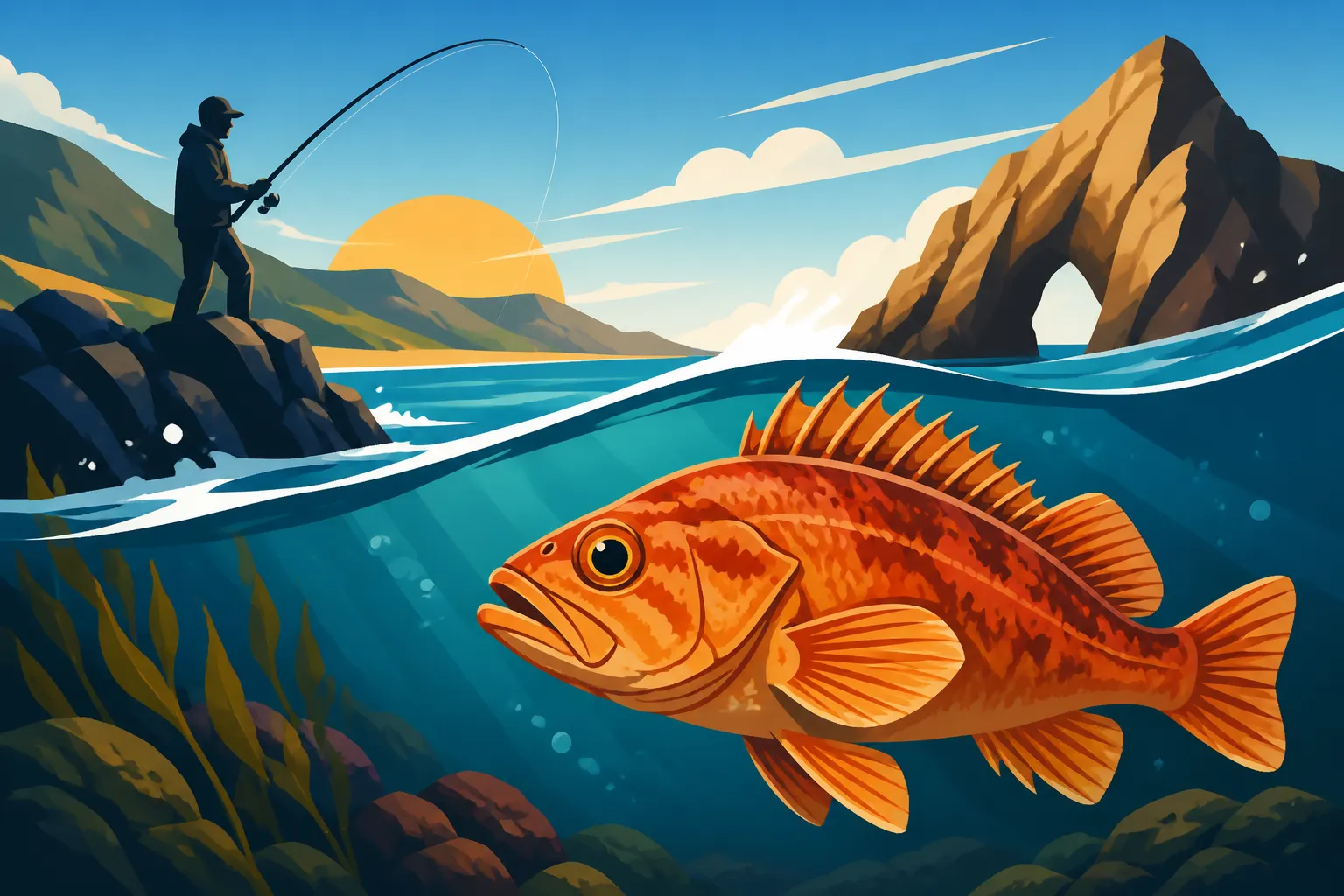
For instance, you've got the iconic Vermilion Rockfish, often called "red snapper" by many, known for its brilliant orange-red hue and excellent table fare. Then there's the Bocaccio, a more elongated, bronze-colored fish that can grow quite large and is frequently found suspended over structure. The Copper Rockfish boasts a beautiful coppery color with white blotches, while the Black Rockfish, often found in shallower, kelpier areas, is a dark, almost charcoal-colored fish that fights hard. Canary Rockfish, with their bright orange and yellow coloration, are another stunning species, though they tend to inhabit deeper waters. Brown Rockfish are common in bays and nearshore areas, identifiable by their mottled brown and tan patterns. Each species has its own subtle preferences for depth, bait, and habitat, and getting to know them individually can really step up your game. They're all delicious, making them a top choice for anglers who like to bring home dinner.
Navigating Rockfish Regulations
This is where things can get tricky, and honestly, it’s a constant source of frustration for many anglers, myself included. California's fishing regulations for rockfish are complex and change frequently, often varying by management area, specific species, and even time of year. What's legal one month might be completely closed the next, and what you can keep off San Diego might be entirely different from what's allowed off Eureka.
The California Department of Fish and Wildlife (CDFW) divides the coast into several management areas (e.g., Northern, Central, Southern), and each can have different seasons, bag limits, and depth restrictions. For example, some areas might have tight depth restrictions, prohibiting fishing in waters deeper than a certain threshold to protect certain species like Canary Rockfish or Yelloweye Rockfish, which are more susceptible to barotrauma when brought up from deep water. Bag limits can also vary widely, often being a combined limit for all rockfish species, but sometimes with specific sub-limits for certain species. Size limits are also in play for some, meaning you can't keep fish under a certain length. It's a lot to keep track of! To avoid any issues, it’s absolutely essential to consult the latest CDFW regulations booklet or website before every trip. Trust me, it’s better to spend five minutes checking the rules than risk a citation. Understanding your California Rockfish Bag Limit Explained and California Rockfish Size Limit Explained is paramount. Additionally, you'll want to be familiar with the broader California Fishing Regulations Explained to ensure a smooth trip.
Prime Locations for Rockfish in California
Rockfish, by nature, are creatures of structure. They love to hang out around anything that offers cover, ambush points, and a place to avoid predators. This means if you want to find rockfish, you need to think like a rockfish: where would you hide? Where would you find food? Identifying these prime locations is half the battle, and luckily, California's coast is riddled with them.
Coastal Structures and Reefs
The bread and butter of rockfishing lies within the natural and artificial reefs, rocky outcroppings, and expansive kelp forests that line the California coast. These underwater havens provide the perfect ecosystem for rockfish, teeming with smaller baitfish, crabs, and other invertebrates that make up their diet.
Natural reefs, often made of bedrock and boulders, can be found all along the coast. Areas like the Channel Islands off Southern California, the extensive reef systems within Monterey Bay, and the rugged, rocky shores of the Mendocino Coast are legendary for their diverse and abundant rockfish populations. You'll often find different species congregating at various depths around these structures. For example, while Vermilion and Copper Rockfish might hold tight to the reef's contours, Black Rockfish might patrol the top edges or even venture into the adjacent kelp. Don't overlook the importance of kelp beds; these underwater forests are nurseries and hunting grounds, and probing their edges can yield great results. Many of these areas also fall under California Rockfish Conservation Areas, so be extra vigilant about regulations there. For general information on where to find the best spots, check out our guide on the Best Rock Fishing Spots in California.
Artificial reefs, such as old shipwrecks, submerged bridge pilings, or even purpose-sunk concrete structures, also create fantastic rockfish habitat. These spots, often less natural-looking, nonetheless attract a plethora of marine life, becoming instant magnets for rockfish. The key to finding these spots, whether natural or artificial, is often a good quality fish finder. You're looking for significant depth changes, prominent "marks" on your screen that indicate fish, and especially, the presence of bait balls.
Deep Water and Pinnacles
While many rockfish species can be found in shallower, nearshore waters, some of the true giants and a wider variety of species, especially Canary and Yelloweye rockfish (when in season and legal to target), reside in deeper, cooler waters. This is where offshore pinnacles, seamounts, and the edges of submarine canyons become incredibly productive.
Fishing in deep water, say from 150 feet down to 600 feet or more, presents its own set of challenges but can be incredibly rewarding. These depths often hold larger, less pressured fish. Pinnacles, which are essentially underwater mountains or spires that rise dramatically from the seabed, act as massive fish aggregators. The currents rushing over and around them bring nutrients and baitfish, creating a perfect feeding ground for rockfish. The edge of the continental shelf or deep canyons also holds abundant fish, as they offer vast amounts of structure and diverse environments.
When fishing these deeper zones, remember that the specific regulations for California Rockfish Depth Restrictions are critical. These limits are often designed to protect vulnerable species from barotrauma, where rapid changes in pressure damage a fish's internal organs. Always know your depth and be prepared to move if you find yourself approaching a restricted zone. The regulations can even vary by regional management areas, so knowing the California Rockfish Rules in the Southern Management Area, California Rockfish Rules in the Central Management Area, and California Rockfish Rules in the Northern Management Area is crucial depending on where you're dropping a line.
Essential Gear and Techniques for Rockfishing Success
Getting rigged up properly for rockfish isn't about having the fanciest gear, but rather the right gear that can handle the specific demands of this type of fishing. From fighting strong, bottom-hugging fish to deploying heavy weights in deep currents, your setup needs to be robust and reliable.
Rods, Reels, and Line Choices
When it comes to rockfishing, you’re often dealing with heavy weights, strong currents, and fish that make a beeline for the nearest rock once hooked. This calls for a stout, yet sensitive, setup.
For rods, think medium-heavy to heavy power with a fast or moderate-fast action. This gives you the backbone needed to lift heavy weights and strong fish off the bottom, while the sensitive tip allows you to feel those subtle bites. A rod in the 7 to 8-foot range is a good all-around choice. Brands like Ugly Stik offer incredibly durable and affordable options that are perfect for the rough and tumble of rockfishing, and you can easily find them on Amazon. For serious deepwater work, some anglers prefer shorter, stiffer rods that offer more leverage.
Reels typically fall into two categories: conventional (star drag or lever drag) and heavy-duty spinning reels. Conventional reels are arguably the most popular for deepwater rockfishing, especially when using heavy jigs and bait rigs. They offer superior cranking power and handle heavy line well. A good quality Penn Fathom or Shimano Torium, readily available on Amazon, would be an excellent choice. Spinning reels, while less common for the heaviest rockfish setups, can be effective for lighter tackle or shallower water applications, offering ease of casting for those who prefer it. Look for models with high retrieve rates and strong drags.
Line choice is critical. Braided line has become the standard for rockfishing due to its incredible strength-to-diameter ratio and zero-stretch properties. This allows you to feel the slightest bite, even in hundreds of feet of water, and cut through currents more effectively with lighter weights. A 50-80 lb braid is a common choice. However, braid needs a leader, typically a 40-80 lb fluorocarbon or monofilament, to provide abrasion resistance against sharp rocks and make your presentation more stealthy. Fluorocarbon is less visible underwater and has good abrasion resistance. Mono leaders are also effective and more affordable. Always check your leader frequently for nicks and abrasions; a frayed leader is a lost fish.
Baits, Lures, and Rigs that Deliver
Rockfish aren't particularly picky eaters, but certain baits and lures consistently outperform others. Having a variety in your tackle box will allow you to adapt to whatever the fish are biting on that day.
Baits: Natural bait is often king, especially when the bite is slow. Squid strips are a universal favorite, effective for almost all rockfish species. They're tough, stay on the hook well, and have an oily scent. Live or cut anchovies and sardines are also incredibly potent, particularly for species like Bocaccio or Lingcod (which are often caught incidentally while rockfishing). Other options include chunks of mackerel, bonito, or even chunks of smaller rockfish (if legal and harvested sustainably). The fresher the bait, the better!
Lures: When the fish are aggressive, lures can be incredibly effective and often produce bigger bites. Heavy lead jigs are a staple for rockfishing. Jigs ranging from 4-16 ounces, depending on depth and current, are common. Brands like P-Line, Ahi, and Shimano offer excellent choices, many of which are sold on Amazon. Drop them to the bottom, give them a few sharp jerks, and let them fall again. Swimbaits, particularly those with paddle tails, rigged on heavy leadheads (e.g., 4-8 oz), can also be deadly. They imitate a wounded baitfish and can be worked similarly to a jig. Grubs and curly-tail worms on leadheads are another great, often overlooked option, especially when fish are less active.
Rigs: The most common and effective rig for rockfishing is the dropper loop rig, or a variation of it often called a gangion rig. This rig consists of a main leader line with several short leaders (dropper loops) tied off it, each ending with a hook. A heavy sinker (often 8-16 oz cannonball or torpedo sinker) is tied to the very bottom to get your bait to the strike zone quickly and keep it there. This allows you to present multiple baits or lures at different depths off the bottom. For more detailed insights, take a look at our guide on the Best Rigs for California Rockfish.
Here's a quick comparison of common rockfishing setups:
| Setup Type | Target Depth | Rod Power | Reel Type | Line (Main/Leader) | Common Lures/Baits | Pros | Cons |
|---|---|---|---|---|---|---|---|
| Nearshore / Light Tackle | 30-100 ft | Medium-Heavy | Spinning / Small Conv. | 30-50 lb Braid / 30-40 lb Fluoro | Swimbaits, Grubs, Squid | More sporting, easier to cast | Can be under-gunned for big fish |
| Mid-Depth / All-Around | 100-300 ft | Heavy | Conventional | 50-65 lb Braid / 40-60 lb Fluoro | Jigs, Dropper Loop w/ Bait | Versatile, good balance of power/feel | Requires heavier weights in current |
| Deep Water / Heavy Tackle | 300-600+ ft | Extra Heavy | Conventional | 65-80 lb Braid / 60-80 lb Fluoro | Heavy Jigs, Multi-Hook Rigs | Maximum lifting power, targets big fish | Less sporting, very heavy weights |
Tactics and Tips for Consistent Rockfish Catches
Having the right gear and knowing the spots is a great start, but how you present your bait or lure, and how you react to the environment, ultimately dictates your success. Rockfishing is often about precision and persistence.
Mastering the Drop and Retrieve
The fundamental principle of rockfishing is getting your offering to the bottom, or very close to it, where rockfish reside. This sounds simple, but currents, boat drift, and varying depths can make it challenging.
First, identify the structure you're targeting on your fish finder. Once you're over it, or slightly up-current from it, drop your bait or lure. The goal is to hit the bottom. You’ll feel a noticeable slack in your line or a thump when your sinker lands. Once on the bottom, reel up a few cranks, just enough to get your weight off the rocks to avoid snags, but still in the strike zone. Then, begin your retrieve.
One common technique is "yo-yo jigging." With a heavy jig, drop it to the bottom, reel up 10-20 feet quickly, then let it free-spool back down. Rockfish often hit on the drop, so be ready to engage your reel immediately if you feel a tap or your line stops falling prematurely. Another approach for bait rigs is a "slow pitch" or "lift and drop." Gently lift your rod tip 2-3 feet, then slowly lower it, allowing your bait to flutter. This mimics a struggling baitfish. Always keep a slight tension on your line to feel for bites. Rockfish bites can range from a subtle tap to a solid thud. Don’t wait; set the hook with a firm, upward sweep of your rod. Remember, these fish live amongst sharp rocks, so once hooked, try to reel them up steadily and quickly to prevent them from diving back into cover and breaking you off. Our guide on How to Catch Rockfish in Deep Water delves even deeper into these specific methods.
Weather, Tides, and Best Times to Fish
While rockfish are generally available year-round within open seasons, certain environmental factors can definitely influence their activity levels and your fishing success. Understanding these elements can give you a significant edge.
Weather Conditions: Wind and swell are probably the most significant weather factors for rockfishing. Strong winds make boat control difficult, causing fast drifts and making it hard to keep your line vertical over structure. Heavy swells can make for an uncomfortable (and sometimes dangerous) ride, and can also make it harder to feel bites. Generally, calmer days with light winds and minimal swell are preferred. Always check the marine forecast before heading out, especially if you're planning an offshore trip. High pressure systems often bring calm conditions, which can lead to better fishing.
Tides: While tides are crucial for many inshore species, their effect on deepwater rockfish can be less pronounced. However, moderate tidal currents can be beneficial, as they help concentrate baitfish and activate feeding behavior. Too strong a current, and you'll struggle to keep your bait on the bottom without using excessively heavy weights. Slack tide (the period of minimal water movement between high and low tide) can sometimes be good, as it allows for more precise presentations, but often the fish are more active when there's a little bit of current to stir things up.
Best Time of Day: Rockfish, like many species, often exhibit peak feeding activity during periods of low light—dawn and dusk. So, if you can be on the water and fishing during the first few hours after sunrise or the last few hours before sunset, you might encounter a more aggressive bite. However, rockfish are also caught consistently throughout the day, especially if you're over good structure and presenting your bait effectively. Sometimes, the bite can turn on unexpectedly in the middle of the day. The truth is, the "best time of day" for rockfish can often be whenever you're out there, provided you're adhering to all the regulations, especially your California Fishing License Guide. Remember that How Weather Affects California Fishing and the Best Time of Day to Fish in California are broader topics that can certainly influence your rockfishing strategy.
Disclaimer
Fishing regulations, seasons, and limits in California are subject to change. Always consult the latest California Department of Fish and Wildlife (CDFW) regulations before any fishing trip. This guide is for informational purposes only and does not constitute legal advice. Adhere to all local, state, and federal laws.