Brown Trout in California: Where and How to Catch
Oh, the brown trout! If you've ever spent countless hours casting your line into a pristine California stream, hoping to entice one of these notoriously elusive beauties, only to come up empty-handed, you know the struggle. It can be incredibly frustrating to know these magnificent fish swim in our waters but feel like you need a secret handshake to catch them. This guide is here to unravel those mysteries, helping you understand exactly where to find brown trout in California and, more importantly, how to land one of these cunning adversaries.
Understanding Brown Trout in California
Brown trout are truly remarkable fish, admired by anglers for their striking appearance, challenging fight, and often impressive size. But they weren't always a fixture in California's diverse aquatic landscapes.
A Brief History and Biology of Brown Trout
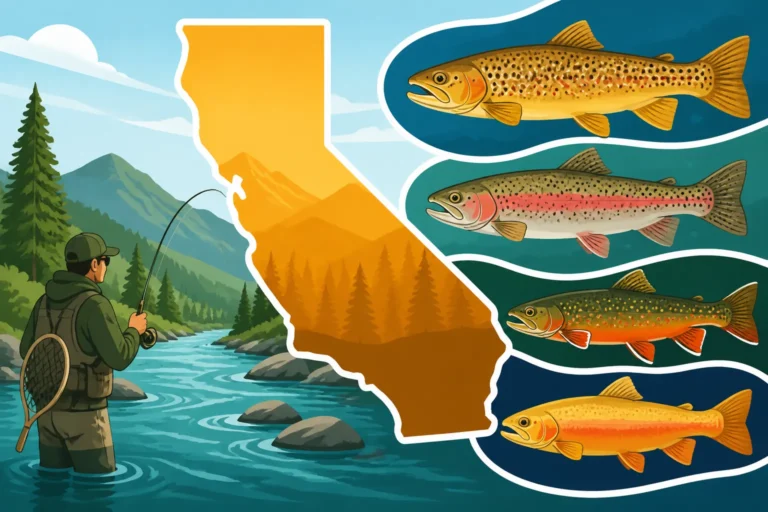
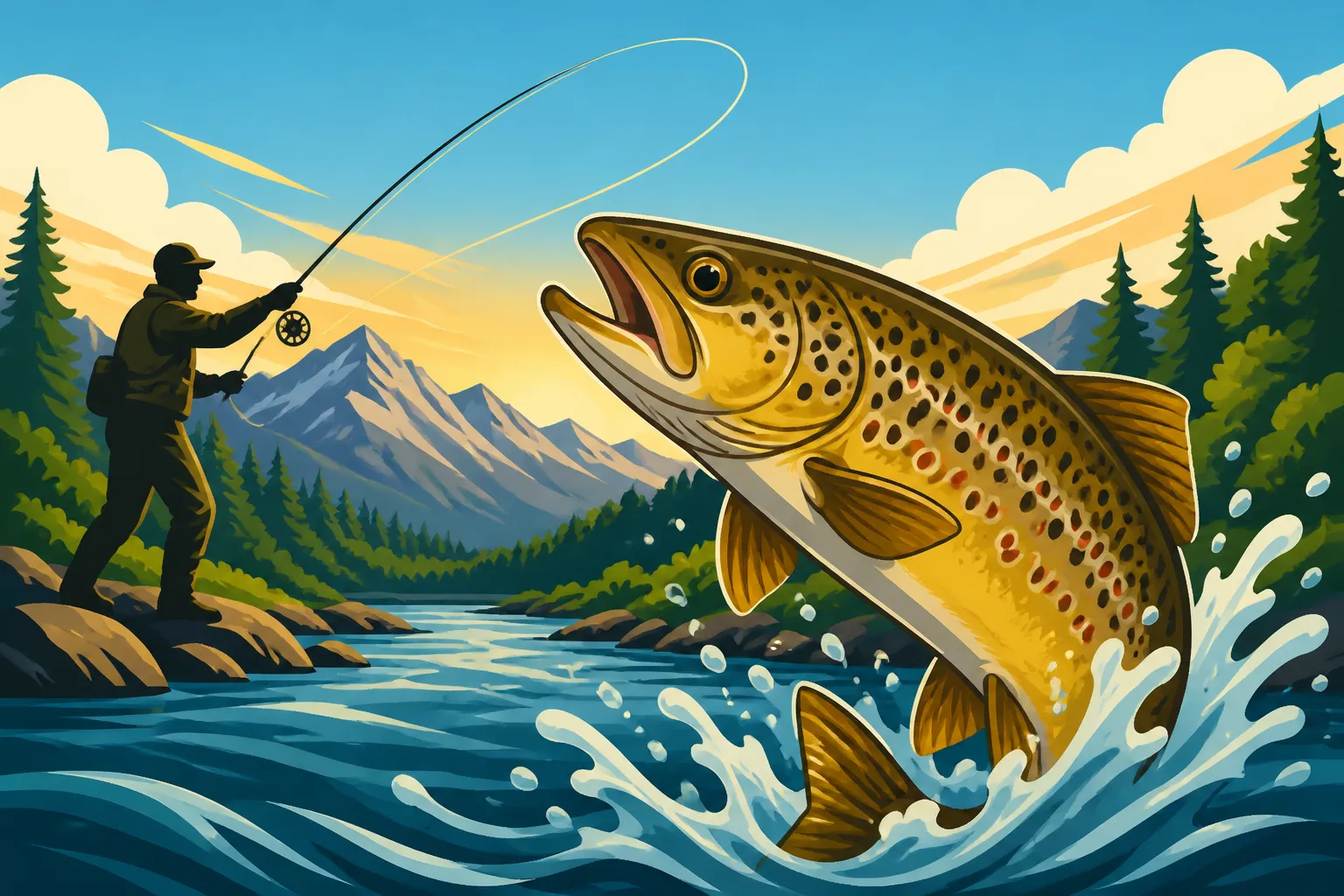
Unlike our native rainbow and golden trout, brown trout (scientific name Salmo trutta) are not indigenous to California. They were introduced from Europe in the late 19th century, specifically from Germany and Scotland, to provide additional sportfishing opportunities. These fish quickly adapted to many of California's colder, oxygen-rich rivers and lakes, particularly those with good cover like undercut banks, submerged logs, and rocky structures. They're a hardy species, often tolerating slightly warmer water temperatures than some other trout, which has allowed them to thrive in a variety of environments. You'll recognize them by their distinct coloration: typically a golden brown to olive back, fading to yellowish sides with prominent dark spots, often encircled by a lighter halo, and some red or orange spots on their flanks. It's truly a sight to behold when you pull one out of the water.
Why Brown Trout Are Such a Prized Catch
For many anglers, catching a brown trout, especially a large one, is the ultimate freshwater challenge. There are a few key reasons why they hold such a special place in the hearts of fishermen. First, they're incredibly intelligent and wary. They learn quickly from angling pressure, making them tougher to fool than some other trout species. You won't often find them biting carelessly; they require finesse, stealth, and a good understanding of their behavior. Second, their fighting spirit is legendary. A large brown trout will often make powerful runs, head shakes, and even aerial acrobatics, testing your gear and your angling skills to their limits. Finally, there's the allure of their size. While many anglers focus on "stocker" rainbows, brown trout have the potential to grow to truly massive proportions in California's nutrient-rich waters. The thrill of hooking into a 20-inch or larger brown is something that keeps many of us coming back season after season.
Where to Find Brown Trout in California
California is a big state with an incredible variety of fishing environments. Knowing where to focus your efforts is half the battle when it comes to brown trout.
Key Regions and Waterways for Trophy Browns
When people talk about brown trout in California, one region immediately comes to mind: the Eastern Sierra. This area, running along the eastern side of the Sierra Nevada mountain range, is an absolute mecca for brown trout enthusiasts.
-
Eastern Sierra Lakes and Rivers:
- Crowley Lake: Located near Mammoth Lakes, Crowley is famous for its large brown trout, especially during the spring and fall. While it gets a lot of fishing pressure, skilled anglers using specific techniques can still pull out some monsters. The lake’s diverse structure, from shallow weed beds to deep channels, provides ample habitat.
- Lake Sabrina and South Lake: These stunning alpine lakes offer breathtaking scenery and good opportunities for browns, particularly near inlets and outlets. They are often stocked, but wild browns are present and grow to good sizes.
- Lower Owens River: Below the Pleasant Valley Reservoir, the Lower Owens is a renowned wild trout fishery, home to robust brown trout populations. It's a complex river with diverse flows and excellent fly fishing opportunities. Anglers here often spend days targeting specific holes and runs.
- Bishop Creek Drainage: This entire system, including numerous forks and smaller lakes like Lake Sabrina and South Lake, holds browns. Getting away from the main access points can often lead to less pressured fish.
- Hot Creek: A true gem of a fly-fishing-only stream, Hot Creek is known for its prolific insect hatches and highly selective, large brown trout. It's a challenging but incredibly rewarding fishery for the dedicated fly angler.
-
Northern California Destinations:
- Trinity River: While perhaps more famous for its steelhead, the Trinity River also boasts a healthy population of brown trout, especially in its upper reaches and tributaries. These fish thrive in the colder, clear waters and feed aggressively on smaller fish and aquatic insects.
- Hat Creek: Another iconic fly-fishing destination, Hat Creek's "Wild Trout Section" is managed for catch-and-release, leading to strong populations of larger, more educated brown trout. It's a technical fishery, but the rewards are significant.
- Upper Sacramento River: Above Lake Shasta, this river offers excellent opportunities for brown trout, particularly in the wild trout sections. The river's freestone nature, with plenty of riffles, runs, and deep pools, provides ideal habitat.
-
Central and Southern California:
- Lake Tahoe: Though primarily known for its lake trout (mackinaw) and kokanee, Lake Tahoe also has a population of elusive brown trout, often found near rocky shorelines and structure, especially during spawning periods.
- Pardee Lake (Northern Central Valley): This reservoir is a lesser-known gem for brown trout. It's heavily stocked with browns, and some grow to impressive sizes, offering a different kind of brown trout experience compared to wild river fishing.
- Big Bear Lake (Southern California): While not a traditional brown trout fishery, Big Bear Lake does receive brown trout stockings, and some anglers have success, particularly around deeper structure and during colder months.
For detailed information on specific rules for different areas, check out our guide on California Freshwater Fishing Regulations.
Understanding Their Habitat Preferences
Brown trout are creatures of habit and structure. They don't just hang out anywhere; they seek out specific conditions that offer food, cover, and favorable water temperatures.
- Temperature and Oxygen: Brown trout prefer cold, well-oxygenated water, typically in the 50-65°F (10-18°C) range. In warmer months, they'll retreat to deeper, cooler pools or areas with cold spring inputs. This is why rivers fed by snowmelt or deep reservoirs are often prime brown trout habitat.
- Cover and Structure: These fish are ambush predators and require plenty of places to hide. Look for:
- Undercut banks: These provide overhead cover from predators and current, making them prime lies for a brown.
- Submerged logs, rocks, and boulders: These break up the current, creating calm pockets where browns can rest and wait for food. They also offer excellent protection.
- Weed beds: In lakes and slower river sections, weed beds provide both cover and a rich feeding ground for insects and baitfish.
- Confluence of currents: Where a slower current meets a faster one, or where two streams merge, baitfish and insects are often swept through, creating ideal feeding lanes for browns.
- Food Sources: Their diet changes as they grow. Smaller browns eat aquatic insects (mayflies, caddisflies, stoneflies) and terrestrial insects (grasshoppers, ants, beetles). Larger browns become highly piscivorous, meaning they primarily eat other fish like minnows, sculpins, and even smaller trout. This shift in diet is crucial for understanding how to target those trophy-sized browns.
How to Successfully Catch Brown Trout in California
Catching brown trout requires more than just luck; it demands strategy, the right gear, and a keen understanding of their behavior.
Essential Gear and Tackle
Having the right tools for the job can make all the difference, especially when dealing with the discerning nature of a brown trout.
-
Rods and Reels:
- For Fly Fishing: A 9-foot, 5 or 6-weight fly rod is a versatile choice for most brown trout situations in California, offering a good balance of casting power and finesse. Pair it with a matching reel and a weight-forward floating line for dry flies and nymphs. For larger streamers or heavier nymph rigs, a sinking tip or full sinking line might be necessary. You can find excellent fly rod combos on Amazon.
- For Spin Fishing: A 6.5 to 7.5-foot light to medium-light action spinning rod is ideal. This length gives you good casting distance and sensitivity. Pair it with a high-quality spinning reel spooled with 4-8 lb monofilament or fluorocarbon line. Braided line with a fluorocarbon leader is also a popular choice for increased sensitivity and strength.
-
Lures and Flies:
- Spinning Lures:
- Minnow Imitations: Small jerkbaits or crankbaits that mimic baitfish like Rapala Original Floaters or Countdown models are incredibly effective, especially when browns are feeding on minnows.
- Spoons: Classic Kastmasters, Acme Little Cleos, or Thomas Buoyants in silver, gold, or brass finishes often trigger strikes. Vary your retrieve speed.
- Spinners: Mepps Aglia, Panther Martin, or Rooster Tail spinners in sizes #1-3 are deadly, especially in moving water.
- Soft Plastics: Small grubs or swimbaits rigged on a jig head can be very effective, especially for prospecting deeper pools.
- Flies:
- Nymphs: Patterns like Pheasant Tail, Hare's Ear, Prince Nymph, and Caddis Larva imitations are essential for subsurface feeding browns. Sizes #12-18 are good starting points.
- Dry Flies: Depending on the hatch, carry a variety of Caddis, Mayfly, and Stonefly imitations (e.g., Elk Hair Caddis, Parachute Adams, Stimulator). Terrestrial patterns like Hopper-Droppers or Ants can be very productive in late summer and fall.
- Streamers: For larger browns, especially those actively hunting baitfish, streamers are key. Patterns like Woolly Buggers, Sculpzillas, or Clouser Minnows in olive, black, or white can be irresistible.
- Spinning Lures:
-
Other Essentials:
- Waders and Boots: Essential for accessing many prime river spots and staying comfortable in cold water.
- Polarized Sunglasses: Crucial for spotting fish and structure, and for protecting your eyes.
- Net: A rubberized landing net is vital for safely landing and releasing fish, minimizing harm to their protective slime coat.
- Forceps or Pliers: For quick and easy hook removal.
- Leader and Tippet: Fresh leader and tippet material (fluorocarbon is often preferred for its invisibility) in various strengths.
Effective Techniques for Different Conditions
Brown trout are adaptable, and so must your techniques be.
-
Fly Fishing Techniques:
- Nymphing: This is arguably the most consistent way to catch brown trout. Use an indicator or tight-line nymphing (Euro Nymphing) setup. Focus on presenting your nymphs naturally along the bottom, drifting them through current seams, deep pools, and around structure. Adjust your weight and indicator depth to ensure your flies are getting down to where the fish are holding.
- Dry Fly Fishing: When browns are actively rising to surface insects, dry fly fishing is incredibly exciting. Match the hatch as closely as possible in terms of size, shape, and color. Present your fly delicately upstream of the rising fish, allowing it to drift naturally. Any drag will typically spook these wary feeders.
- Streamer Fishing: For targeting larger, aggressive brown trout, especially in rivers or lakes where they prey on baitfish, streamer fishing is highly effective. Cast streamers across or downstream and strip them back in erratic movements, mimicking a wounded baitfish. Focus on deep pockets, undercut banks, and shadowed areas.
-
Spin Fishing Techniques:
- Casting and Retrieving Lures: The key here is to mimic natural prey. Vary your retrieve speed and add pauses or twitches to make your lure look injured or erratic. Cast upstream and retrieve downstream, or cast across currents, letting the lure swing. Pay close attention to current seams and structure.
- Bait Fishing: While many serious brown trout anglers prefer lures or flies, natural baits can be very effective, especially for beginners or in stocked waters. Popular baits include live worms, salmon eggs, or even small minnows (where legal). Fish these on a light line with minimal weight, allowing them to drift naturally into likely holding spots. Make sure to check California Fishing Regulations Explained for bait restrictions in specific waters.
- Jigging: In deeper lakes, small jigs tipped with bait or soft plastics can be jigged vertically or cast and retrieved with a lift-and-drop motion. This is particularly effective near drop-offs or underwater structure.
Best Times and Conditions to Target Browns
Brown trout, like many fish, are influenced by their environment. Knowing the best times to go can significantly increase your success.
-
Seasonality:
- Spring: As waters warm slightly and insect hatches become more prolific, brown trout become more active. This is an excellent time for nymphing and, later in the spring, dry fly action.
- Summer: During peak summer heat, browns will often retreat to deeper, cooler water or become most active during the cooler parts of the day – early morning and late evening. Night fishing can also be incredibly productive for large browns that become nocturnal predators in warmer months.
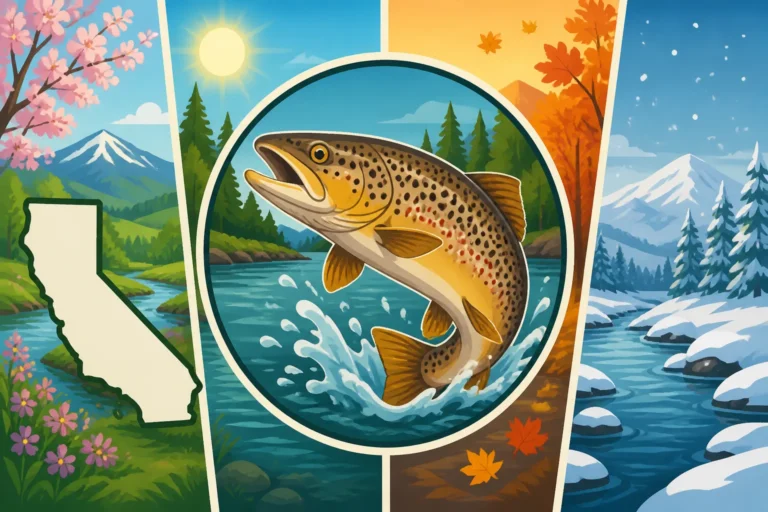
- Fall: This is arguably the best time to target trophy brown trout. As water temperatures drop, browns become incredibly aggressive, feeding heavily in preparation for spawning. Streamer fishing and using larger lures that mimic baitfish are often the most effective methods. The fall spawn also brings big browns into shallower, more accessible areas.
- Winter: While tougher due to colder temperatures and slower fish metabolism, browns can still be caught, often in deeper, slower pools. Patience is key, and subtle presentations with nymphs or small jigs can work.
-
Time of Day: Early morning and late evening are almost always prime times for brown trout. These low-light conditions provide cover for them to hunt, and insect activity is often at its peak. During the day, especially in brighter conditions, target shaded areas or deeper pools where browns feel more secure.
-
Weather and Water Conditions:
- Overcast Days: Often excellent for brown trout, as the reduced light makes them feel more comfortable moving and feeding throughout the day.
- Approaching Storms: Just before a storm front moves in, fish can become very active, feeding aggressively.
- Stable Water Flows: Consistent flows in rivers are generally better than rapidly changing or fluctuating water levels.
- Water Clarity: Brown trout prefer reasonably clear water. If the water is too muddy after heavy rain, fishing can be very tough.
Conservation and Responsible Angling for Brown Trout
Brown trout are a valuable resource, and it's up to us to ensure their populations remain healthy for future generations. Responsible angling practices are paramount.
Navigating California's Brown Trout Regulations
California has specific regulations designed to protect and manage its diverse fisheries, and brown trout are no exception. These rules can vary significantly depending on the body of water.
- Size and Bag Limits: Always check the current California Sport Fishing Regulations booklet, available online through the California Department of Fish and Wildlife (CDFW) website or at license agents. Some waters have a general statewide limit (e.g., 5 trout per day, with a minimum size of 10 inches), while others, particularly wild trout waters, have special regulations. For instance, many renowned brown trout fisheries like Hot Creek or the Lower Owens River have strict catch-and-release rules or slot limits (e.g., only fish within a certain size range can be kept). It's crucial to know these before you cast your first line. You can learn more about specific rules in our article on California Fishing Bag and Size Limits.
- Special Regulation Waters: Some rivers or sections are designated "Wild Trout Waters" or "Heritage Trout Waters" and often have specific gear restrictions (e.g., artificial lures with barbless hooks only), catch-and-release requirements, and specific season dates. Always confirm the rules for your chosen destination.
- Report Cards: While brown trout don't require a specific report card like salmon or steelhead, an overall California Fishing License Guide is absolutely essential for anyone 16 years or older. You can easily purchase one online through the CDFW website or from local tackle shops.
Practicing Catch and Release
Many brown trout populations, especially those with larger, wild fish, benefit greatly from catch-and-release practices. These fish are valuable breeders, and releasing them ensures they can contribute to future generations.
- Minimize Handling: Try to keep the fish in the water as much as possible. If you must remove it for a quick photo, do so quickly and gently. Support its body horizontally with both hands.
- Wet Hands: Always wet your hands before touching a fish. Dry hands can remove the fish's protective slime coat, making it vulnerable to disease.
- Barbless Hooks: Pinching down the barbs on your hooks makes removal much easier and reduces trauma to the fish. Many special regulation waters require barbless hooks. You can find convenient tools for this on Amazon.
- Quick Release: Remove the hook carefully and quickly using forceps or pliers. If the fish is deeply hooked and removing the hook would cause significant damage, it's sometimes better to cut the line as close to the hook as possible.
- Revival: If the fish is lethargic, hold it gently in the current, facing upstream, until it regains strength and can swim away on its own. Never throw a fish back into the water.
By understanding and respecting these beautiful fish and their habitats, we can all contribute to sustaining California's incredible brown trout fisheries for years to come.
Top Brown Trout Fishing Spots in California
To give you a quick overview, here's a table summarizing some of the prime locations for brown trout in the Golden State. Remember, conditions and regulations can change, so always do your homework before you go!
| Location | Region | Primary Type of Water | Noted For | Best Time to Visit | Key Techniques |
|---|---|---|---|---|---|
| Crowley Lake | Eastern Sierra | Large Lake | Trophy Browns, High Numbers | Spring, Fall | Trolling, Jigging, Fly Fishing |
| Lower Owens River | Eastern Sierra | Wild River | Wild Browns, Fly Fishing | All Year (seasonal flows) | Nymphing, Streamers, Dry Flies |
| Hot Creek | Eastern Sierra | Spring Creek | Educated Browns, Fly Fishing | Spring, Summer, Fall | Technical Dry Flies, Nymphing |
| Trinity River | Northern CA | Large River | Wild Browns, Steelhead | Spring, Fall | Spinners, Streamers, Nymphing |
| Hat Creek | Northern CA | Spring Creek | Technical Fly Fishing | Spring, Summer, Fall | Dry Flies, Nymphing |
| Lake Tahoe | Eastern Sierra | Deep Lake | Elusive Trophies | Fall (spawn), Winter | Trolling, Deep Jigging |
| Pardee Lake | Central Valley | Reservoir | Stocked Browns, Size | Spring, Fall | Trolling, Lures, Bait |
You might also be interested in our guide on Best Rivers to Fish in California or Best Lakes to Fish in California for more diverse options. Happy fishing, and tight lines!
Disclaimer
Fishing regulations, seasons, and conditions can change. Always consult the latest California Department of Fish and Wildlife (CDFW) regulations booklet and local advisories before planning your trip. The information provided here is for general guidance and educational purposes only.